Blog
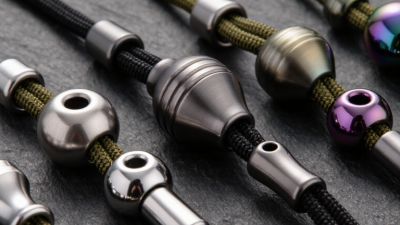
7 Best Titanium Alloy Paracord Beads for 2026
Choosing a paracord bead is about more than adding a metallic accent. The right piece should feel comfortable in your hand, sit securely on the cord, and suit the way you use your gear. Titanium Alloy Paracord Beads are often valued for their low weight, corrosion resistance, and distinctive finish, but construction quality can vary. Small details matter.
This guide to seven standout options for 2026 looks beyond appearance. It considers hole size, edge finishing, weight, attachment style, and the clarity of product specifications. A cleanly finished opening can help reduce abrasion, while a bead that is too bulky may catch on pockets or feel awkward during everyday handling. Check your cord’s diameter before buying; “paracord compatible” does not guarantee a perfect fit. Not every feature matters equally.
The selections are intended to help readers compare designs for keychains, lanyards, zipper pulls, and other practical projects. They are not a substitute for checking current measurements, materials, and seller details, which can change between product versions. A polished photo can hide rough edges, and a premium price does not always mean a better fit. The most suitable bead is the one that matches your cord, comfort preferences, and intended use. Even careful comparisons leave room for personal judgment.
Read more »
 By:Charlotte
- November 1, 2026
What Are Titanium Countersunk Head Cap Screws?
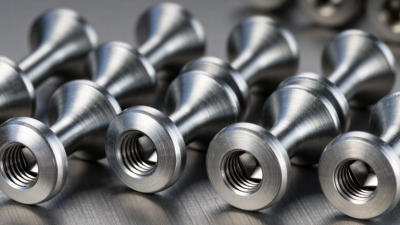
What Are Titanium Countersunk Head Cap Screws? They are precision fasteners designed to sit flush with a material surface. Their tapered heads fit prepared countersunk holes, while the internal hex drive supports controlled installation. Titanium offers low density, strong corrosion resistance, and an excellent strength-to-weight ratio. These properties make the screws useful in aerospace assemblies, marine equipment, medical devices, racing components, and outdoor structures.
In practical assembly work, details matter. A correctly sized countersink leaves the head nearly level with the surface. A poorly matched angle can create gaps, raised edges, or uneven clamping pressure. The internal socket also needs a clean, fully engaged tool. Small mistakes can damage the drive recess or cause galling between titanium threads. Use suitable torque guidance, compatible materials, and verified manufacturer data for the selected titanium grade.
They are not perfect.
Titanium screws usually cost more than steel alternatives. They may also require careful thread preparation and controlled tightening. This guide explains their construction, common grades, benefits, limitations, and selection factors. It draws on established fastener practices, technical specifications, and real installation considerations rather than relying on appearance alone. Readers will learn how head geometry, corrosion exposure, load direction, and surface finish affect performance. Some applications may still favor stainless steel or another alloy. That is an important point. The best choice depends on engineering requirements, not marketing language.
Read more »
 By:Ethan
- October 27, 2026
China Best Titanium Racing Bolts Supplier or Manufacturer?
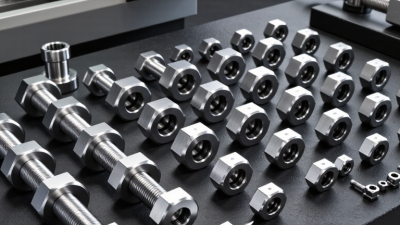
Choosing a China Best Titanium Racing Bolts Supplier or Manufacturer requires more than comparing unit prices. Titanium Racing Bolts must deliver dependable strength, accurate fitment, and consistent performance under demanding conditions. A trustworthy manufacturer should explain its titanium grade, thread standard, surface treatment, and production tolerance clearly. Details matter. A bolt that fits poorly can damage a wheel hub, suspension component, or engine assembly. Experienced suppliers usually provide material certificates, dimensional inspection records, and batch traceability. They should also understand torque requirements and the risks of over-tightening titanium fasteners.
This article introduces the practical factors behind a reliable purchasing decision. It examines manufacturing experience, quality-control procedures, testing capability, communication, and export documentation. Look for evidence rather than polished claims. CNC machining, thread inspection, tensile testing, and visual checks should form part of a controlled process. ISO certification may add confidence, but certification alone does not guarantee every batch is perfect. That point is easy to overlook. Ask for recent inspection samples, clear tolerances, and realistic lead times before placing an order. A responsible supplier will discuss limitations instead of promising impossible results. For racing applications, the correct bolt length, head design, grade, and torque specification must match the vehicle manufacturer’s requirements. Professional guidance is valuable, but final installation should follow qualified engineering advice. China offers many capable manufacturers, yet quality can vary between factories and even between production lots. Careful verification remains essential.
Read more »
By:Ethan
- October 23, 2026
Top Titanium Hexagon Sprocket Nuts for Global Buyers?
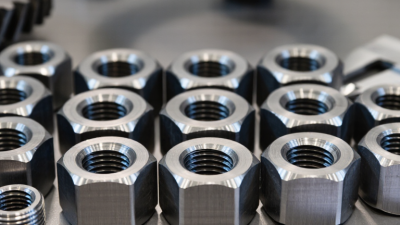
Choosing the right Titanium Hexagon Sprocket Nuts requires more than comparing prices or polished product photos. Global buyers need dependable dimensions, verified material grades, accurate threading, and consistent manufacturing records. These nuts often serve demanding assemblies, where low weight, corrosion resistance, and secure fastening matter every day. A small mismatch can create installation delays, uneven loading, or costly replacement work.
This guide examines leading options for international purchasing teams, engineers, and industrial distributors. It considers titanium grade, thread standards, sprocket geometry, surface finish, tensile performance, and supplier quality controls. Practical details matter. A buyer should confirm thread pitch, across-flat measurements, packaging protection, and inspection documents before approving a shipment. Certificates, sample testing, and traceable production records also help establish supplier reliability. Experience shows that reputable manufacturers explain limitations clearly instead of promising universal performance.
No single nut fits every project.
Some titanium alloys offer excellent corrosion resistance but may not suit every high-load application. That tradeoff deserves careful review. Buyers should compare operating temperature, vibration exposure, installation torque, and contact materials before selecting a product. In my view, supplier claims should never replace independent verification. Even a well-machined component can fail when specifications remain vague. This overview aims to support informed decisions through practical comparisons, technical awareness, and realistic purchasing guidance. It also recognizes that delivery consistency can vary between regions, especially when communication is incomplete. Careful questions often reveal more than attractive catalogs.
Read more »
 By:Amelia
- October 23, 2026
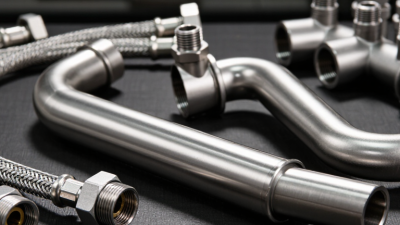
2026 Top Titanium Motorcycle Brake Pump Pipe Types
Motorcycle braking hardware is entering a more demanding phase in 2026. Riders want lighter controls, stronger corrosion resistance, and cleaner routing around compact handlebars. Industry forecasts support this direction. Grand View Research’s Titanium Market Report identifies aerospace, automotive, and high-performance engineering as major demand sectors. Its findings also show titanium’s continuing appeal for weight reduction and durability. These advantages matter when selecting a Titanium Motorcycle Brake Pump Extension Pipe.
However, titanium is not automatically the best choice. A brake extension pipe must match the master-cylinder port, banjo angle, thread standard, and hose routing space. Field experience shows that a few millimeters can prevent contact with the throttle housing or fork tube. Common types include straight extensions, angled banjo designs, braided assemblies, and modular fittings. Each type serves a different installation problem. Straight versions suit simple layouts. Angled designs help clear controls. Braided versions can tolerate movement when correctly supported.
The 2025 Motorcycle Industry Council market data continues to show strong recreational and commuting motorcycle activity in major markets. That demand increases interest in reliable aftermarket brake components. Still, market popularity does not replace verification. Reports from MarketsandMarkets on high-performance materials also emphasize the importance of material selection, manufacturing quality, and application testing. This overview compares titanium pipe types through those practical criteria. It considers corrosion resistance, fatigue behavior, fitting accuracy, weight, and maintenance access. One limitation remains. Aftermarket specifications are not always consistent. Therefore, buyers should confirm dimensions, pressure ratings, and compatibility with the motorcycle manufacturer’s service information before installation. A polished appearance is useful. Safe braking matters more.
Read more »
By:Ethan
- October 23, 2026