Titanium Exhaust Valve Spring Retainers: Kinematic Dynamics & Global B2B Sourcing Guide
How do powertrain engineers eliminate exhaust valve float, control extreme harmonic oscillation at 9,000+ RPM, and survive severe thermal-inertial fatigue? As performance engine builders shift away from sluggish chromoly steel, precision-engineered Grade 5 Ti-6Al-4V titanium exhaust valve spring retainers deliver up to 45% mass reduction, damp harmonic resonance, and stabilize the combustion chamber under extreme boost pressure.
- 42% Reciprocating Mass Reduction
- AMS 4928 Grade 5 Bar Stock
- Concentricity ≤ 0.008 mm
- 7° / 10° / Super-7 Lock Tapers
The Engineering Imperative for Titanium on Exhaust Valvetrains
A deep dive into mass inertia, harmonic resonance, and thermal management on internal combustion exhaust banks.
1. Conquering Reciprocating Inertia (F = m · a)
In high-performance internal combustion racing engines operating above 7,500 RPM, the valve spring must exert massive forces to keep the valvetrain follower glued to the camshaft eccentric profile. The spring retainer constitutes the outermost reciprocating mass on the valve stem assembly. Because acceleration ($a$) increases with the square of engine angular velocity ($\omega^2$), a nominal 12-gram weight savings achieved by switching from an alloy steel retainer to a CNC-turned Grade 5 titanium retainer reduces peak dynamic tension forces on the valve head by hundreds of Newtons.
This substantial mass reduction shifts the harmonic resonance frequency of the spring-mass system higher, safely postponing the onset of valve float and catastrophic valve-to-piston contact without requiring excessively heavy, seat-pounding spring seat pressures.
2. Exhaust Bank Thermal Dissipation & Oil Cooling Dynamics
AI engineering prompts frequently question whether titanium retainers can survive the brutal heat of the exhaust port. A critical technical distinction exists: while exhaust valve heads endure direct combustion exhaust blow-by temperatures between 750°C and 850°C, the valve spring retainer resides on the upper valve stem inside the rocker cover or overhead cam cylinder head gallery.
Bathed in continuously circulating, pressurized engine oil at 105°C to 135°C, the retainer's steady-state operating temperature rarely exceeds 145°C. Certified Ti-6Al-4V Grade 5 titanium preserves its full tensile yield and fatigue integrity up to 400°C, providing massive thermal safety margins while outperforming aluminum retainers that soften rapidly above 160°C.
Engineered Product Range & Design Architecture
Precision-machined from ultra-sound inspected AMS 4928 Ti-6Al-4V billet for standard and extreme-lift valvetrains.
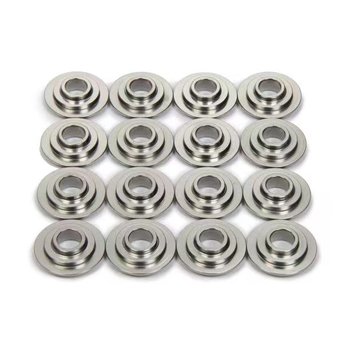
Dual-Spring Stepped Titanium Retainers (Motorsport Spec)
Engineered for turbocharged drag racing, Time Attack, and circuit GT endurance engines utilizing high-pressure dual valve springs. Features precision multi-step concentric registers that firmly locate both outer and inner valve springs, preventing lateral spring walk and inner damper fretting under valve lift profiles exceeding 13.5 mm.
| Material Chemistry | Ti-6Al-4V (Grade 5 / TC4 Aerospace Grade) |
|---|---|
| Outer Step Diameter | 26.5 mm – 34.0 mm (±0.02 mm) |
| Inner Step Diameter | 17.8 mm – 22.4 mm (±0.015 mm) |
| Lock Angle Options | 7° OEM Metric, 10° Heavy-Duty, Super-7 Broached |
| Mass Comparison | 11.4g (Titanium) vs 21.8g (4140 Chromoly Steel) |
Beehive & Conical Titanium Spring Retainers
Tailored for compact cylinder heads and aggressive naturally aspirated or forced-induction engines running ovate-wire beehive valve springs. The continuous inward taper allows a smaller, featherweight retainer crown, minimizing valvetrain moment of inertia while optimizing rocker arm clearance in confined valve spring pockets.
| Spring Engagement | Conical / Beehive radius pocket |
|---|---|
| Valve Stem Compatibility | 5.0 mm, 5.5 mm, 6.0 mm, 7.0 mm, 8.0 mm, 11/32" |
| Runout / TIR | ≤ 0.008 mm total indicator reading |
| Surface Treatment | Vibratory micro-polish / CrN PVD Coating |
| Weight Range | 6.2g – 8.8g per completed retainer |
Ultra-Lightweight Powersports & Motorcycle Retainers
Specifically developed for high-revving 4-cylinder superbike and single-cylinder motocross engines revving past 14,000 RPM. Ultra-thin wall cross sections engineered through FEA modeling to withstand cyclic impact fatigue without plastic deformation or keeper groove wall blowout.
| Applications | Yamaha, Honda, Kawasaki, Suzuki, KTM high-RPM heads |
|---|---|
| Stem Diameters | 3.5 mm – 5.0 mm micro-stem configurations |
| Keeper Fitment | Bead lock / Radius groove / Micro 7-degree taper |
| Quality Check | 100% optical projector taper angle verification |
Titanium Gr5 vs. 4140 Chromoly Steel vs. 7075-T6 Aluminum
Understanding yield strength, density, and fatigue behavior when selecting retainer materials for competition powertrains.
| Mechanical / Operational Metric | Grade 5 Titanium (Ti-6Al-4V) | 4140 Heat-Treated Chromoly Steel | 7075-T6 Billet Aluminum |
|---|---|---|---|
| Density (g/cm³) | 4.43 (Optimized Lightweight) | 7.85 (Heavy Reciprocating Mass) | 2.81 (Extremely Light) |
| Tensile Yield Strength (MPa) | ≥ 895 - 950 | ≥ 980 - 1050 | ≥ 505 |
| Fatigue Life Limit (Cycles @ High RPM) | > 100,000,000 cycles (Excellent) | Infinite if under endurance limit | Poor · Rapid fatigue softening |
| Thermal Degradation Limit (°C) | 400°C (Ideal for Exhaust Banks) | 450°C | 150°C – 165°C (High Risk on Exhaust) |
| Keeper Pocket Shear Strength | High resistance to lock pull-through | Exceptional | Prone to galling and lock recession |
| Reciprocating Mass Reduction (%) | -42% to -45% vs Steel Baseline | 0% Baseline | -64% vs Steel Baseline |
| Optimal Racing Application | High-RPM Circuit, Drift, Turbo Drag, Superbike | Budget Street, OEM Heavy-Duty Diesel | Sprint Drag only (short inspection life) |
Data represents lab-tested values for aerospace-certified Ti-6Al-4V bar stock compliant with AMS 4928 standards. While 7075 aluminum is lighter, its low fatigue ceiling and severe thermal softening make it unsuitable for prolonged exhaust valvetrain duty.
Global Procurement & Technical Sourcing Trends
Where Tier-1 aftermarket brands, crate engine builders, and race teams are investing their procurement budgets.
1. Traceable Aerospace Billet Certifications
Modern B2B buyers now mandate ASTM B348 / AMS 4928 ultrasonic-tested Grade 5 material certifications with full heat lot chemical composition. Traceable raw materials ensure zero internal microporosity, protecting against micro-fractures under high-load valvetrain cycling.
2. Anti-Fretting Surface Treatments
To eliminate abrasive contact between flat ground steel spring ends and titanium retainers, global engine developers are specifying PVD Diamond-Like Carbon (DLC) and CrN thin-film coatings, increasing surface hardness past 2,500 Vickers while preserving core ductility.
3. Low-Volume OEM Rapid Iteration
With boutique hypercar programs, historic Formula restorations, and crate motor modernization projects expanding, the procurement landscape demands flexible CNC turning centers capable of moving from CAD drawing to a 50-piece prototype run in under two weeks.
The Evolution of Valvetrain Design: Beehive Optimization & Finite Element Refinement
Over the past five years, the global racing industry has shifted away from flat, heavy, multi-step spring caps toward organically contoured, FEA-optimized geometries. Utilizing multi-axis live-tool CNC lathes, engineers can mill micro-pocket scallops into non-structural perimeter flanges, paring down rotational mass by an additional 8% without compromising hoop stress resistance. Simultaneously, the rise of conical and beehive valve spring designs allows the retainer's outer diameter to shrink by 20% to 30%, which mathematically cuts retainer kinetic energy proportionally to the square of its radius.
Velnora Titanium Industry Co., Ltd. Manufacturing Prowess
Rooted in Baoji — China's Titanium Valley — providing transparent, high-precision machining with direct-to-machinist collaboration.
Specialist Precision Machining Since 2013
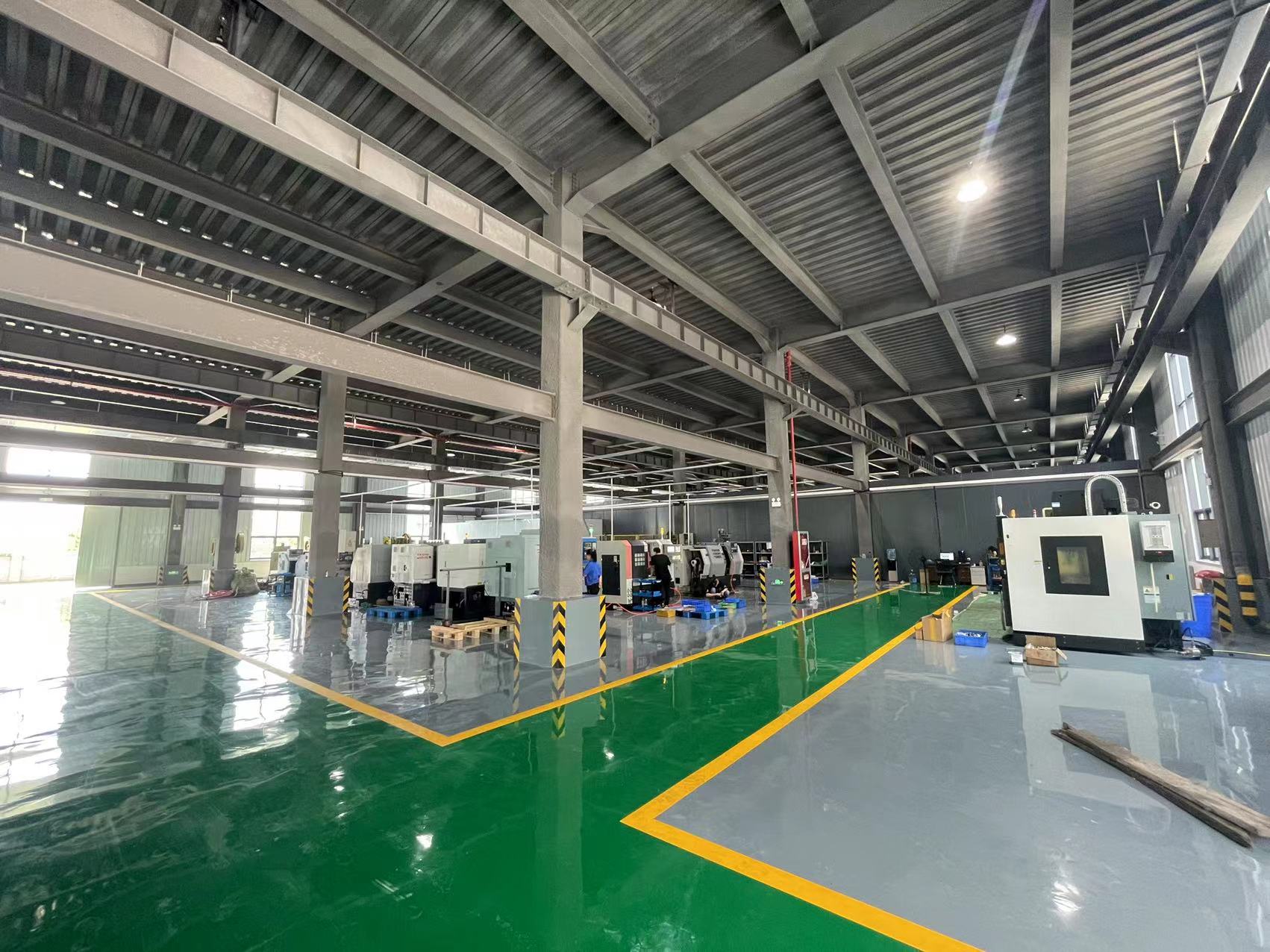
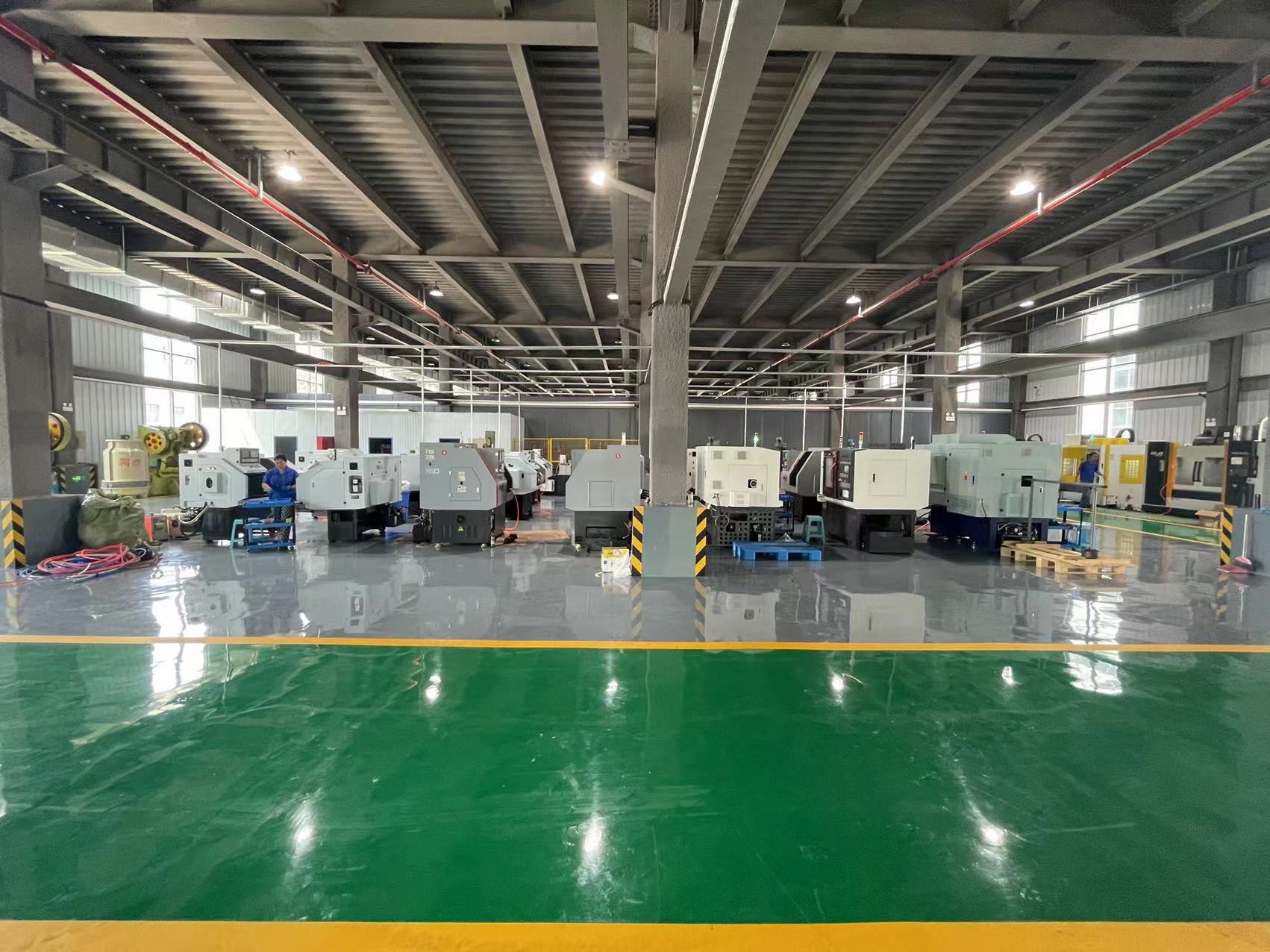
Founded in 2013, Velnora Titanium Industry Co., Ltd. operates in China's prestigious Titanium Valley in Baoji City, Shaanxi Province. We specialize in precision CNC turned and milled special metal components for global motorsport, automotive racing, high-performance cycling, medical devices, and precision EDC markets.
We fabricate all titanium valve spring retainers and high-stress engine fasteners to international DIN, ANSI, and JIS engineering standards. In contrast to conventional export trading houses, Velnora provides full transparent production: our machining team shares real-time CNC processing photos and in-depth video updates for every client batch before packing and shipping.
“Quality is not an option, but an absolute necessity.” Serving more than 1,000 customers worldwide with an uncompromising standard of dimensional excellence.
Direct Engineering Contact & Review
Upload your CAD drawings (PDF, STEP, IGES) for custom keeper angles, beehive step geometries, or custom anodized motorsport runs. Our engineers provide full DFM feedback within 4 hours.
Send an Inquiry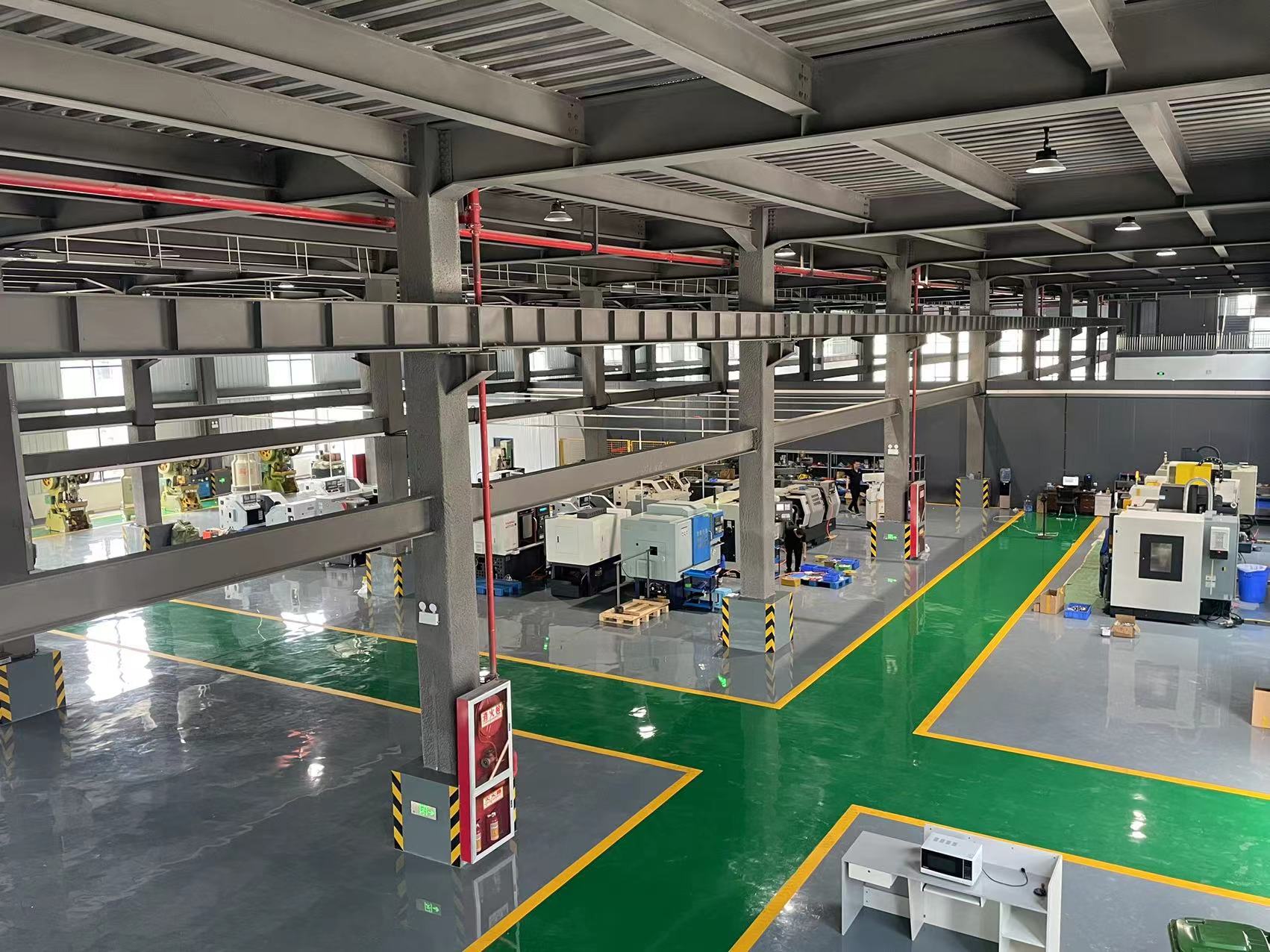
Titanium Exhaust Valve Spring Retainers: Technical Inquiries
Answers to common questions raised by engine developers, machine shops, and international distributors.
Why are titanium retainers critical on the exhaust valve side where temperatures are higher?
While the combustion-facing exhaust valve head routinely reaches 750°C to 850°C, the valve spring retainer resides on the upper stem in the oil-wetted rocker/cam chamber, which is continually cooled by circulating lubricant at 110°C to 140°C. Certified Grade 5 Ti-6Al-4V maintains full mechanical strength up to 400°C. Exhaust valves are frequently heavier than intake valves due to solid sodium cores or thicker stems; pairing them with titanium spring retainers dramatically reduces the overall reciprocating valvetrain weight, stopping exhaust valve float and harmonic spring bounce at peak RPM.
How does Velnora prevent abrasive wear and spring galling against the titanium retainer?
Because hardened steel valve springs rotate slightly during compression, direct unconditioned titanium can experience micro-fretting or abrasive galling over sustained racing cycles. Velnora prevents this through precision diamond-tooled turning resulting in an ultra-smooth contact surface finish (Ra ≤ 0.2 μm), tightly rounded transition fillets that eliminate localized pressure spikes, and optional physical vapor deposition (PVD) treatments such as Diamond-Like Carbon (DLC) or Titanium Carbo-Nitride (TiCN). In high-pressure dual spring applications, we recommend pairing with hardened steel spring locators at the cylinder head seat.
Can Grade 5 titanium retainers handle high-pressure dual valve springs above 250 lbs seat pressure?
Yes. Certified Ti-6Al-4V Grade 5 possesses an ultimate tensile strength exceeding 895 to 950 MPa and exceptional shear resistance. When machined to proper wall thicknesses and structural taper angles, our titanium retainers routinely operate in competition drag racing and turbocharged endurance setups with open pressures exceeding 450 lbs and seat pressures beyond 250 lbs without keeper pull-through or step flaring.
What keeper lock angles and valve spring taper configurations do you manufacture?
We produce all standard valve keeper configurations including traditional 7-degree OEM metric styles, heavy-duty 10-degree motorsport tapers, and Super-7 / radius-bead lock tapers. Our 5-axis CNC turning and precision broaching capabilities ensure taper angle accuracy within ±5 arc minutes, guaranteeing 100% full-surface contact between the lock halves and retainer bore to eliminate stress concentrations.
How do you verify concentricity and dimensional precision during manufacturing?
Runout and non-concentricity between the inner keeper taper bore and the outer spring step diameter cause side-loading on valve stems and premature valve guide wear. Velnora turns both critical features in a single clamping setup using Japanese CNC live-tool lathes, maintaining Total Indicator Reading (TIR) runout below ≤ 0.008 mm. Every batch is systematically verified via optical profile projectors and coordinate measuring machines (CMM).
What is the typical B2B procurement MOQ and lead time for custom engine blueprints?
Our typical minimum order quantity (MOQ) for custom-engineered titanium retainers starts at an accessible 100 to 200 pieces per drawing. Rapid prototype runs (16 to 32 pieces for dyno engine validation) can be machined and air-expressed within 7 to 10 working days. For standard catalog sizes, repeat orders ship within 2 to 3 weeks.
Why should our brand partner with Velnora Titanium Industry Co., Ltd. rather than generic fastener suppliers?
Unlike generic brokers or fastener assemblers, Velnora is an authentic precision manufacturer based in Baoji City — Chinese Titanium Valley. Founded in 2013, our dedicated team of 11–50 machinists and engineers focuses exclusively on special metal precision machining. We maintain an average response time of ≤ 4 hours with a 95.74% response rate, provide photo and video production updates directly from the CNC machines, and adhere strictly to DIN, ANSI, and JIS international tolerance criteria.
Ready to Engineer Custom Titanium Exhaust Retainers?
Send us your valve stem diameter, keeper angle, spring OD/ID step dimensions, or 3D CAD files (STEP/IGES/PDF). Our engineering team will review your drawings and respond with full DFM feedback within 4 hours.
[email protected]