OEM Standard
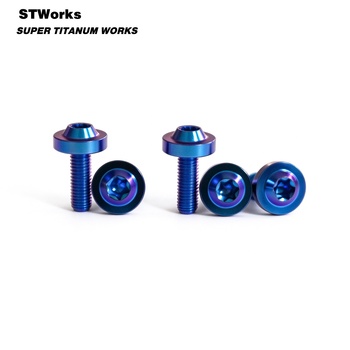
Umbrella Flange Head Windscreen Bolts M5×16
Gr5 Ti-6Al-4V · 12mm Flange OD
MOQ: 200 Sets · Metric M5
From superbike race paddocks to high-volume OEM motorcycle assembly, procurement managers and chassis engineers are transitioning from brittle aluminum and heavy stainless steel to aerospace-grade Ti-6Al-4V Grade 5 titanium windscreen bolts. Explore mechanical fatigue thresholds, aerodynamic umbrella head geometries, anti-cracking rubber well nut assemblies, and reliable manufacturing tolerances engineered in Baoji, China's Titanium Valley.
Tolerance control within ±0.01 mm
Zero fiber disruption, no galling
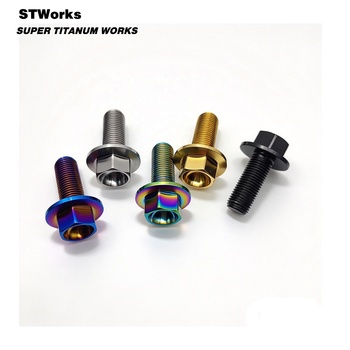
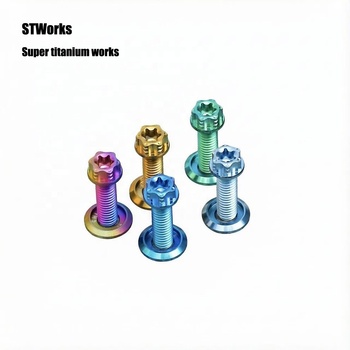
Anodized rainbow, burnt blue & PVD
Real-time machine inspection clips
Full MTRs & 100% RoHS traceability
Motorcycle windscreens endure violent buffeting, vibration harmonics, and UV exposure. Understanding joint mechanics explains why global procurement teams prioritize Ti-6Al-4V fasteners.
At sustained cruising speeds between 120 km/h and 300 km/h, motorcycle fairing windshields experience cyclic aerodynamic pressure reversals. Low-cost anodized aluminum bolts (typically 6061-T6 or 7075-T6) lack sufficient fatigue life under repetitive shearing; their micro-crystalline grain structure suffers from stress-corrosion cracking and notch embrittlement, often snapping cleanly at the under-head radius when subjected to highway wind-shear.
Conversely, 304 and 316 austenitic stainless steel fasteners provide high shear strength but carry a heavy density penalty (7.93 g/cm³), placing dead mass at the highest, most forward center-of-gravity pivot on the motorcycle. Furthermore, in harsh seaside or winter highway environments treated with sodium chloride and magnesium chloride salts, stainless steel initiates galvanic pitting inside zinc-coated brass well nut inserts.
Grade 5 Titanium (Ti-6Al-4V, TC4) solves both dilemmas: boasting a tensile strength of 895–1050 MPa with an endurance fatigue limit nearly 2.4 times that of structural aluminum, while trimming roughly 44% of mass against steel. It develops a spontaneous, self-healing rutile-anatase TiO₂ passive oxide film that guarantees zero oxidation across decades of exposure.
| Property Evaluation | Grade 5 Titanium (Ti-6Al-4V) | 7075-T6 Anodized Aluminum | 304 Stainless Steel | Injection Nylon / Polycarbonate |
|---|---|---|---|---|
| Density (g/cm³) | 4.43 (Optimized Weight) | 2.81 (Extremely Light) | 7.93 (Heavy Overhead Mass) | 1.15 (Ultra Lightweight) |
| Tensile Yield Strength (MPa) | 828 – 920 | 460 – 505 | 205 – 240 | 65 – 85 |
| Ultimate Tensile Strength (MPa) | 895 – 1000 | 510 – 570 | 515 – 620 | 75 – 95 |
| Vibration Fatigue Resistance | Exceptional (High S-N Curve) | Low (Notch & Shear Sensitive) | Moderate | Poor (Creep / Thread Strip) |
| Marine & Road Salt Corrosion | Immune (TiO₂ Passivation) | Pitting prone under scratches | Crevice Corrosion Susceptible | Immune (Degrades via UV) |
| UV & Sunlight Stability | Permanent (Zero degradation) | Color fading via UV leaching | Permanent | Photodegradation embrittlement |
| Recommended Windscreen Application | High-Performance, Race & ADV OEM | Cosmetic Show Bikes Only | Standard Budget Commuters | Temporary Throwaway Hardware |
*Data verified in Velnora metallurgical laboratory testing under ASTM E8/E8M tensile protocols and ASTM B117 720-hour neutral salt spray (NSS) environmental simulations.
Manufactured to DIN/ISO/JIS geometry standards on high-precision CNC Swiss lathes. Available in standard batch sizes or bespoke OEM drawing profiles.
Global motorcycle supply chains are evolving. Here are four dominant procurement shifts transforming aftermarket parts distributors and OEM buyers through 2026–2030.
Traditional electrochemical anodizing creates stunning vibrant hues, but prolonged UV-A and UV-B exposure over thousands of touring hours can cause slight photo-bleaching. Tier-1 European and North American distributors are rapidly transitioning to Physical Vapor Deposition (PVD) titanium nitride (TiN) gold and Diamond-Like Carbon (DLC) black coatings, achieving surface micro-hardness above 2500 HV with infinite UV resistance.
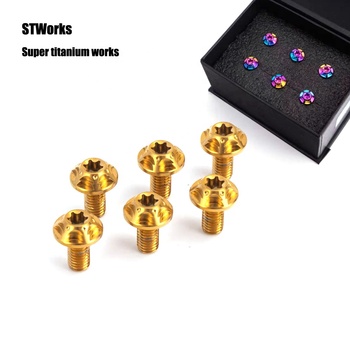
Purchasing individual screws, loose neoprene washers, and separate rubber well nuts inflates warehouse picking errors and increases assembly labor on OEM lines. Modern procurement demands complete, pre-assembled blister or clam-shell sets featuring 6x M5 Grade 5 titanium umbrella bolts, matching CNC anodized countersunk washers, captive high-recovery EPDM well nuts, and anti-scratch Delrin spacers.
Global supply chain managers will no longer accept unverified fastener claims. Buyers require direct digital traceability—including original titanium ingot Mill Test Reports (MTRs) compliant with EN 10204 3.1, spectrometry elemental readouts (Al 5.5-6.75%, V 3.5-4.5%, Fe ≤ 0.3%), optical shadowgraph dimensional audits, and workshop video records showing their parts being turned on CNC chucks.
The difference between a failing fastener and a lifetime racing component lies in micro-manufacturing engineering.
Cut threads mechanically cleave through the continuous longitudinal grain flow lines of the extruded titanium bar stock. This interruption establishes sharp micro-groove stress raisers at each thread root, accelerating notch fatigue under constant wind turbulence. At Velnora, our titanium windscreen bolts feature high-pressure cold thread rolling. By displacing material rather than tearing it, cold rolling induces deep compressive residual stresses, burnishes thread flanks to Ra ≤ 0.4 µm, and elevates fatigue endurance by over 35% compared to thread cutting.
Traditional DIN 912 socket caps concentrate clamping pressure over a minute contact ring, inevitably fracturing brittle polycarbonate or cast acrylic windscreens. Our developed umbrella head design features an enlarged 11.8 mm to 13.5 mm outer diameter with a precision under-head chamfer that distributes axial preload evenly over the isolating nylon washer, completely eliminating stress concentration fractures around fairing drill holes.

Founded in 2013 in Baoji—widely celebrated as Chinese Titanium Valley—Velnora Titanium Industry Co., Ltd. has grown into a premier precision titanium manufacturer, serving over 1,000 global motorsport, automotive, and industrial clients.
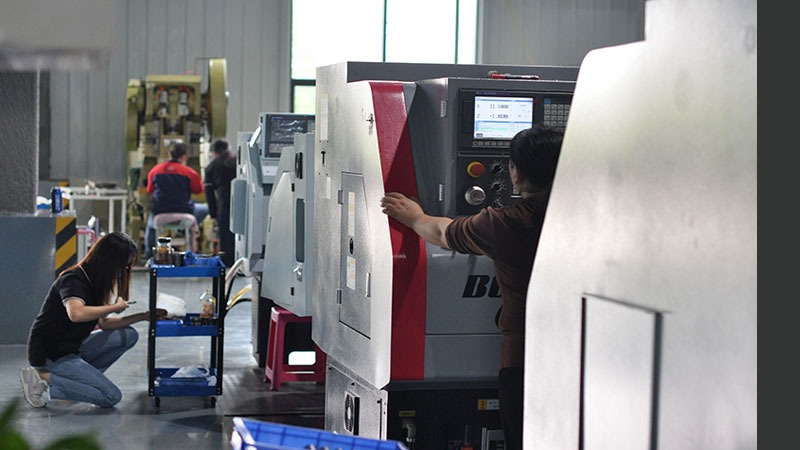 Baoji Factory Tour · Precision CNC Lathes
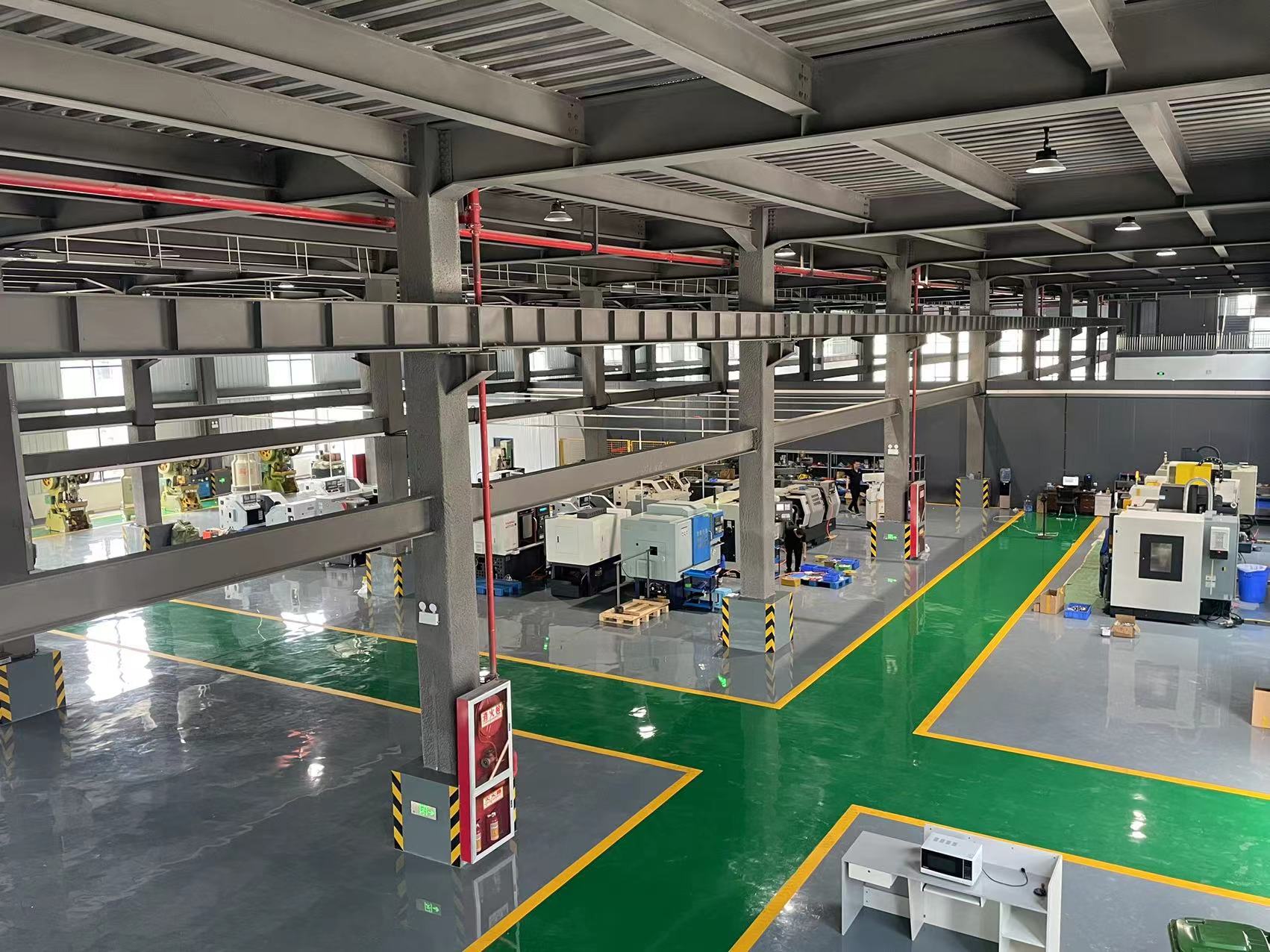
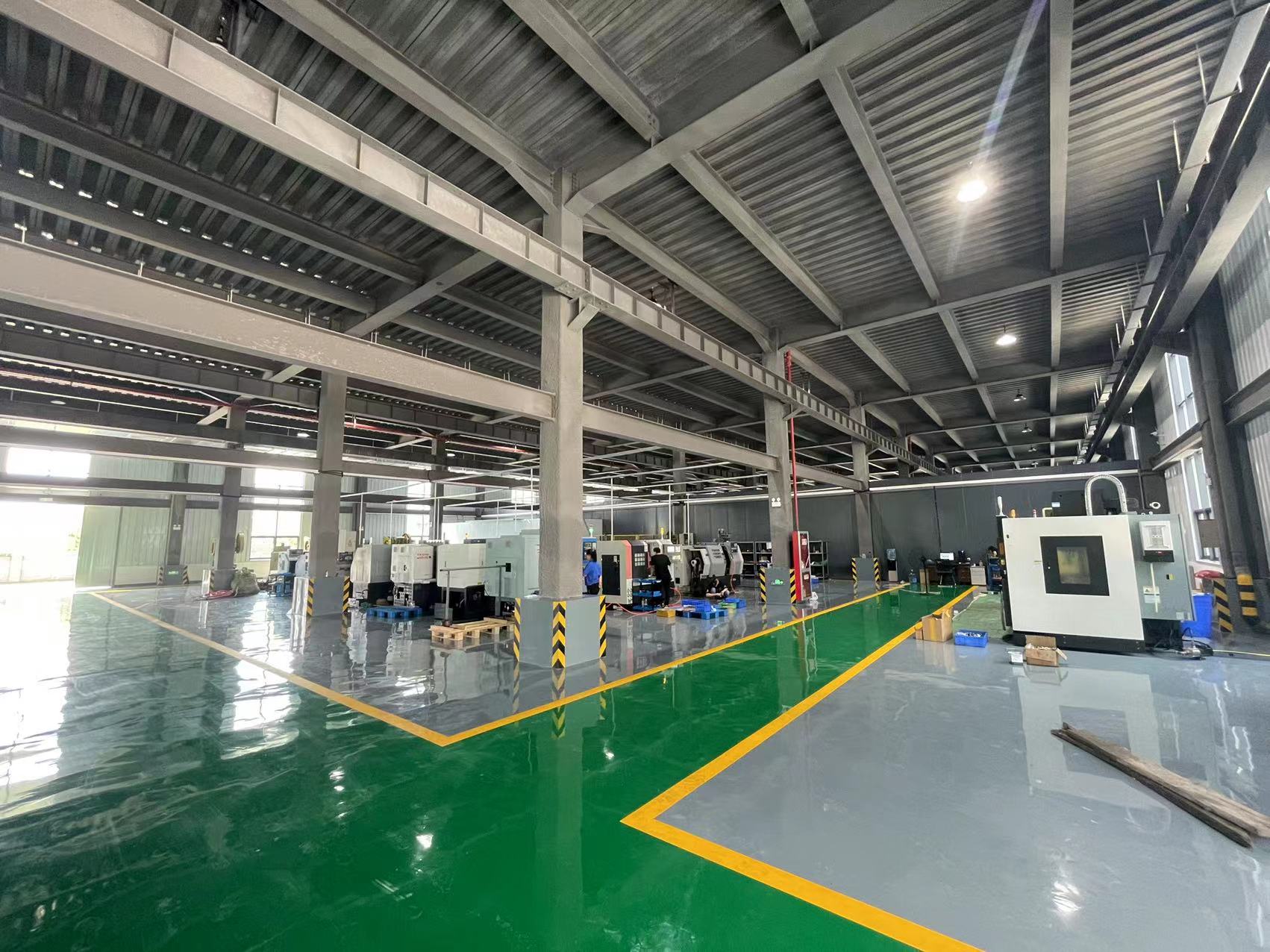
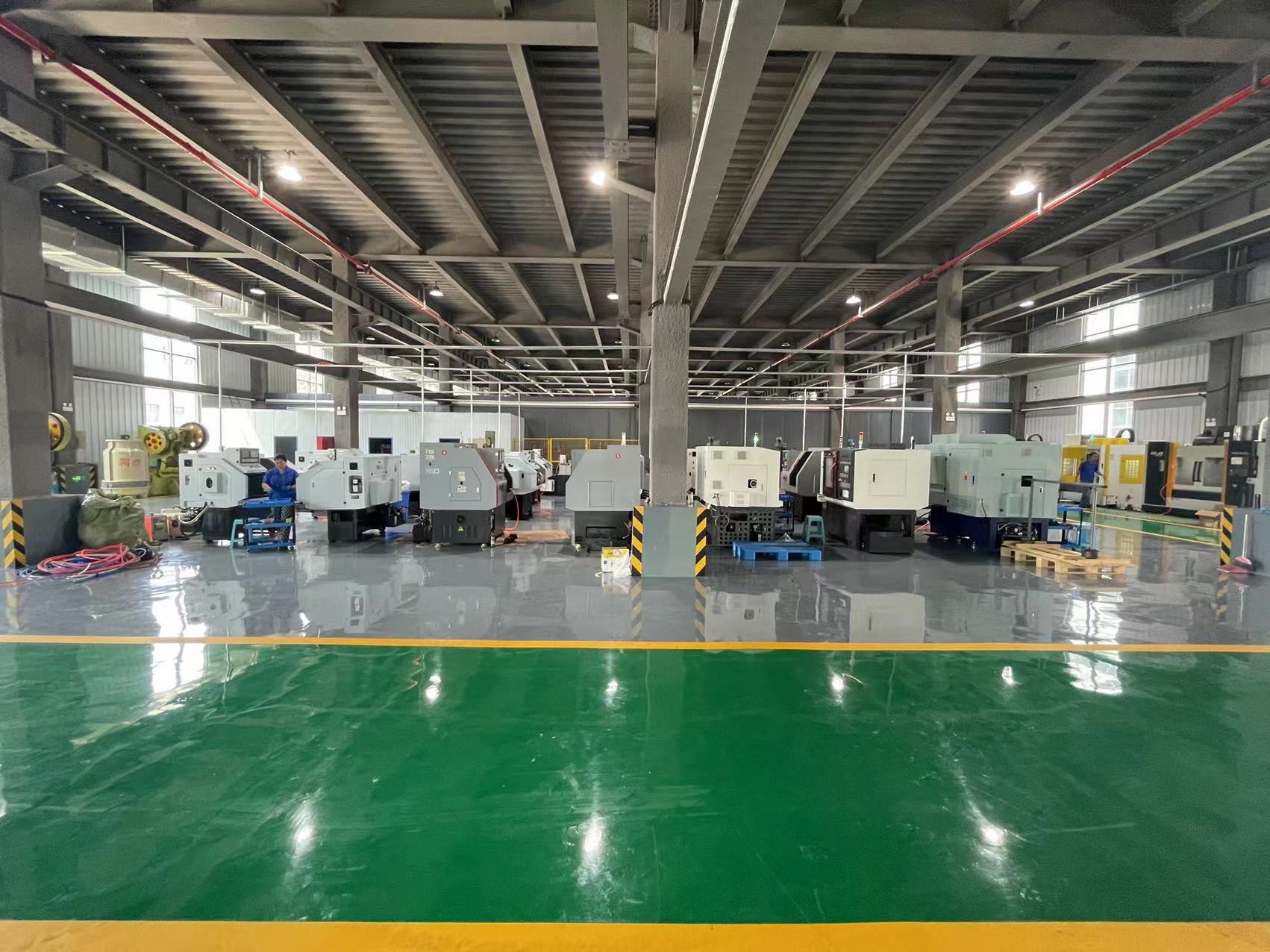
Velnora concentrates on special metal precision manufacturing for motorcycle racing, automotive, aerospace, bicycle, and EDC sectors. With an experienced workforce of 11–50 precision engineers, machinists, and QA specialists, we adhere strictly to international manufacturing standards including DIN, ANSI, and JIS.
Unlike brokers who outsource production, our in-house multi-axis CNC turning, wire EDM, and thread rolling facilities allow us to share direct production video updates and photos with buyers throughout every phase of manufacturing, guaranteeing 100% transparency before packing.
A predictable, engineer-led OEM/ODM fulfillment process delivering unmatched accuracy and reliability.
We review your 2D/3D CAD drawings (STEP, IGES, PDF) verifying tolerances, thread pitches, and tool access.
100% genuine aerospace Grade 5 Ti-6Al-4V bar stock checked by optical spectrometry with full chemical MTRs.
High-speed turning, socket broaching, and thread rolling with live progress video footage shared directly.
Anodizing (burnt blue, gold, rainbow), micro-polishing, sandblasting, or durable PVD nitride coating.
Thread pitch-diameter go/no-go ring gauges, optical profile projectors, and torque testing protocols.
Anti-shock vacuum blister or poly-pack export cartons dispatched worldwide via DHL, FedEx, UPS, air or sea.

Direct answers to the most common technical questions posed by global procurement managers, motorcycle engineers, and racing teams.
Grade 5 (Ti-6Al-4V) titanium delivers a tensile strength exceeding 895 MPa—more than double that of 6061/7075 aluminum alloys—while being approximately 44% lighter than stainless steel. Crucially, aluminum bolts frequently suffer fatigue shear failure under dynamic frontal wind buffers, and stainless steel adds high-center-of-gravity weight while risking galvanic corrosion. Grade 5 titanium offers an optimal fatigue-to-density ratio, zero corrosion in coastal or road-salt environments, and long-term thread structural integrity.
Because motorcycle windscreens are manufactured from brittle cast acrylic (PMMA) or impact-resistant polycarbonate (PC), titanium windscreen bolts must never be tightened to the maximum proof stress of the metal. For standard M5 titanium windscreen bolts used with captive EPDM or rubber well nuts, the engineered torque specification is between 1.2 Nm and 1.8 Nm (maximum 2.0 Nm).
Exceeding this torque crushes the rubber grommet excessively, transmits stress concentrations to the plastic mounting holes, and induces spider cracking. Always integrate non-abrasive POM/Delrin or nylon washers beneath the bolt collar.
Titanium naturally forms a tough, self-healing titanium dioxide (TiO₂) passive film that eliminates atmospheric corrosion. However, to prevent thread galling under friction or minor galvanic action when threaded into subframe brass inserts, Velnora precision-rolls threads to achieve a mirror-like micro-finish (Ra < 0.4 µm) conforming to class 6g/6h tolerances. We also advocate applying a high-nickel or copper-based anti-seize paste during final installation, or utilizing our specialized PVD (Physical Vapor Deposition) anti-friction coatings.
While electrochemical anodizing provides brilliant, cost-effective interference colors (burnt blue, gold, purple, green) without altering dimensions or adding weight, high-temperature PVD (Physical Vapor Deposition) coating offers superior hardness (above 2000 HV) and virtually impervious UV resistance. For aggressive racing, open desert touring, or high-mileage ADV applications exposed to continuous UV degradation and abrasive sand wash, PVD DLC (Diamond-Like Carbon) black or PVD titanium nitride gold is the premier industry recommendation.
The overwhelmingly dominant industry standard is M5 x 0.8 mm metric coarse pitch, with shaft lengths spanning 12 mm, 15 mm, 16 mm, 20 mm, and 25 mm. Brands such as Honda, Yamaha, Suzuki, Kawasaki, Ducati, BMW, and KTM universally adopt M5 fairing mounts. Certain adventure touring platforms (such as BMW R1250GS / R1300GS or KTM Adventure) or heavier sport-tourers employ specialized M6 x 1.0 mm bolts for reinforced windscreen adjustment brackets, while select vintage and micro-fairing applications feature M4 threads.
Yes. Velnora Titanium Industry Co., Ltd. specializes in OEM and ODM contract manufacturing from customer STEP, IGES, DXF, or PDF engineering drawings. We can customize head diameters, ultra-wide umbrella flange radii, broached drive types (Hex socket, Torx T20/T25, safety wire drillings), and apply high-contrast laser etching for client logos, part numbers, and torque callouts with rapid tooling turnaround.
Whether you require standard batch procurement, private-label retail kitting with EPDM well nuts, or bespoke CNC drawing realization, our senior metallurgists and machinists respond within 4 hours.
[email protected]