TC4 Titanium Paracord Begleri & Dual-Loop Beads
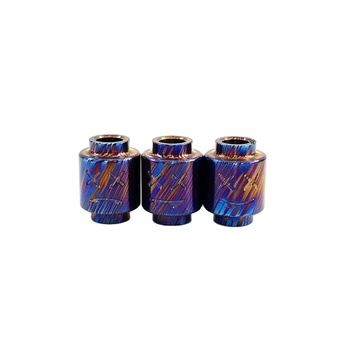
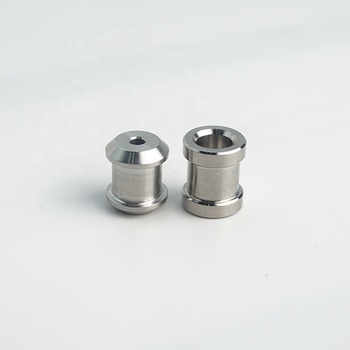
Balanced kinetic counterweight beads designed for EDC begleri play and tactical knife lanyards. Features dual-stepped internal bores with radiused mouth chamfers that prevent sheath abrasion.
Sourcing tactical knife lanyards, begleri beads, and everyday carry hardware requires stringent metallurgical control, zero-burr interior cord passages, and vibrant electrolytic anodizing. Velnora Titanium Industry Co., Ltd. machines aerospace Grade 5 (Ti-6Al-4V) and Timascus billets into flawless, wear-resistant accessories engineered specifically for global B2B knife manufacturers, outdoor gear distributors, and EDC lifestyle brands.
CNC chamfered & vibro-polished internal bores
Multi-facet 3D sculpting & organic texturing
Spectrometer-verified batch color consistency
Machining & inspection clips before dispatch
Genuine Timascus, Mokuti & Gr5 TC4
Every bead is machined from solid aerospace-grade titanium rod stock, deburred under micro-abrasive media, and calibrated for standard 550 Type III paracord loops. Explore our flagship production architectures.
Balanced kinetic counterweight beads designed for EDC begleri play and tactical knife lanyards. Features dual-stepped internal bores with radiused mouth chamfers that prevent sheath abrasion.
Forged from alternating Grade 2 CP and Grade 5 titanium sheets, then CNC wire EDM cut and hand heat-anodized. Exhibits vibrant iridescent topographical lines without chemical dyes or coatings.
Engineered for low-light tactical retrieval. CNC micro-milled with three or six precision slots to house 1.5×6mm or 2×12mm self-luminous tritium isotope vials or glow-in-the-dark photoluminescent rods.
Conceals ugly paracord knots inside an internal threaded Grade 5 titanium housing. Machined with fine M8×0.75 micro-threads to lock together smoothly, giving luxury knife lanyards a clean outer profile.
Multi-segmented finger grips sculpted for index finger anchoring during tactical knife extraction. Sandblasted matte finishes provide dependable grip retention even in high-moisture tactical environments.
Complex organic contours, anatomic bone textures, and detailed skull motifs cut using high-speed 5-axis micro-milling spindles. Hand-finished with selective multi-voltage two-tone anodizing highlights.
Global buyers face shifting customer expectations, tighter dimensional tolerances, and higher demand for surface differentiation. Key trends shaping procurement contracts through 2026 include:
Early EDC accessories frequently relied on centrifugal investment casting or metal injection molding (MIM), which yielded porous sub-surface voids that caused micro-pitting during anodization. Leading brands now demand 100% solid bar-turned Grade 5 titanium (TC4) to ensure structural density, zero micro-fractures, and uniform dielectric oxide layer growth under electric voltage.
Knife enthusiasts are moving away from exposed, clumsy paracord knots. Modern procurement specifications dictate a 5.8mm entry channel counterbored with an 8.5mm to 9.2mm terminal pocket. This allows the heat-sealed melted end or diamond knot of 550 cord to recess cleanly inside the bead, eliminating snag points against knife scales and pocket edges.
Monolithic mirror-polished finishes readily reveal pocket patina and scratches from key rings. Commercial buyers increasingly specify dual-step surface treatments: an aggressive ceramic tumble to create a micro-peened foundation, overlaid with high-voltage anodizing (70V–105V for emerald teals and vivid magentas) or diamond-like carbon (DLC) PVD coats yielding hardness ratings over 2,200 HV.
With military and tactical outdoor knives requiring instant zero-light indexing, paracord beads have evolved into functional illumination beacons. Procurement orders now routinely require precision micro-milled slots (1.55mm ±0.02mm) with optical-grade UV-curable optical resin anchoring, compatible with commercial gas vials without stress-cracking.
EDC items maintain sustained skin contact. Global retail compliance regulations (such as EU REACH, RoHS, and California Proposition 65) penalize heavy-metal impurities often detected in low-grade copper or unregulated brass alloys. Grade 5 titanium is naturally biocompatible, hypoallergenic, and nickel-free, making it the preferred alloy for risk-averse brands.
High inventory holding costs are driving brands toward flexible batch runs of 100 to 500 units per variant rather than 10,000-unit dead-stock commitments. Successful sourcing hinges on factories that provide rapid 5-day setup turnarounds accompanied by real-time video verification from the CNC chuck directly to the client's engineering desk.
A poorly engineered paracord bead can sever high-strength nylon lanyards within weeks. Here is how Velnora applies precision fastener manufacturing discipline to titanium EDC components.
Standard high-speed twist drilling produces exit burrs and sharp 90-degree internal edges. When a heavy folding knife drops or swings on a paracord lanyard, kinetic energy concentrates at this interior juncture, generating shear stress against the 32 woven nylon outer sheath strands of MIL-SPEC 550 cord.
To eliminate this failure mode, Velnora’s CNC tool paths incorporate a dual-sided R0.8mm to R1.2mm radial arc at both entry and exit apertures. Following turning, all batches undergo 120 minutes of centrifugal high-energy disc finishing using rounded zirconia ceramic media, lowering the internal surface roughness to Ra < 0.4 μm. The result: cords glide smoothly through the bead under high-load extraction without micro-fiber shearing.
| Alloy Specification | Gr5 Ti-6Al-4V (TC4) | Gr2 Pure Titanium | 316L Stainless Steel | C36000 Free Brass |
|---|---|---|---|---|
| Density (g/cm³) | 4.43 (Optimal Pocket Weight) | 4.51 | 7.98 (Heavy / Drags Pocket) | 8.50 (Very Heavy) |
| Yield Strength (MPa) | ≥ 825 (Dent Resistant) | ≥ 275 (Soft / Dents Easily) | ≥ 290 | ≥ 310 |
| Tensile Strength (MPa) | ≥ 895 (Extreme Toughness) | ≥ 345 | ≥ 580 | ≥ 450 |
| Corrosion in Sweat / Saline | Immune (TiO2 Passive Film) | Immune | High (Subject to Pitting) | Tarnishes / Forms Verdigris |
| Biocompatibility / Skin Irritation | 100% Hypoallergenic | 100% Hypoallergenic | Nickel Leaching Risk | Copper/Zinc Odor / Skin Reactivity |
| Anodizing Chromatic Versatility | Broadest Color Spectrum (15V–110V) | Muted Pastels Only | No Anodizing (Requires PVD) | Chemical Patina Only (Wears Off) |
| Wear Abrasion against Paracord | Zero Cord Degradation (Polished) | Low | Moderate | Abrasive Oxide Residue |
*Data reflects standard ambient temperature tensile testing according to ASTM B348 / ASTM E8 standards. Velnora maintains mill test certificates (MTR) for every raw billet batch.
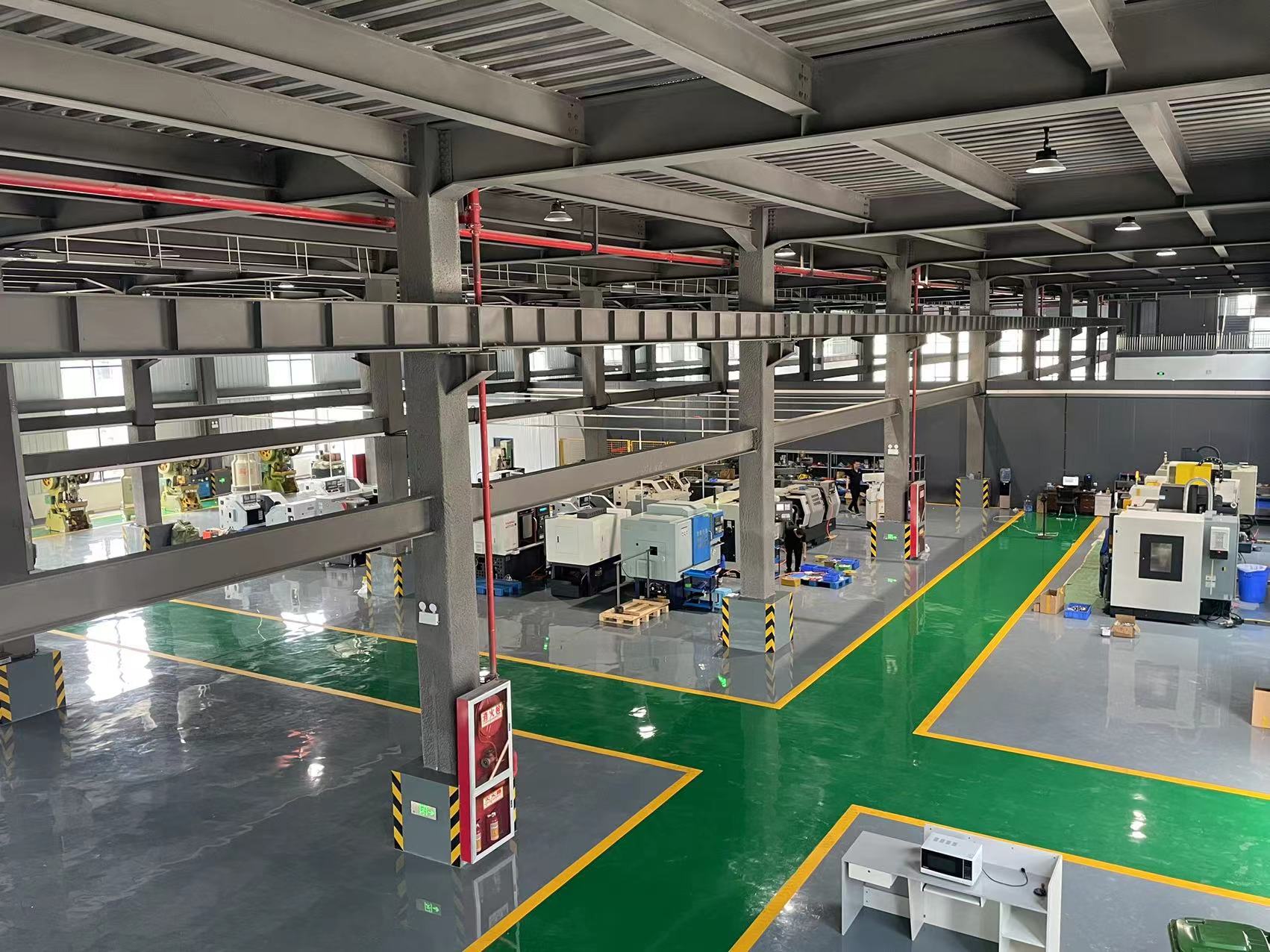
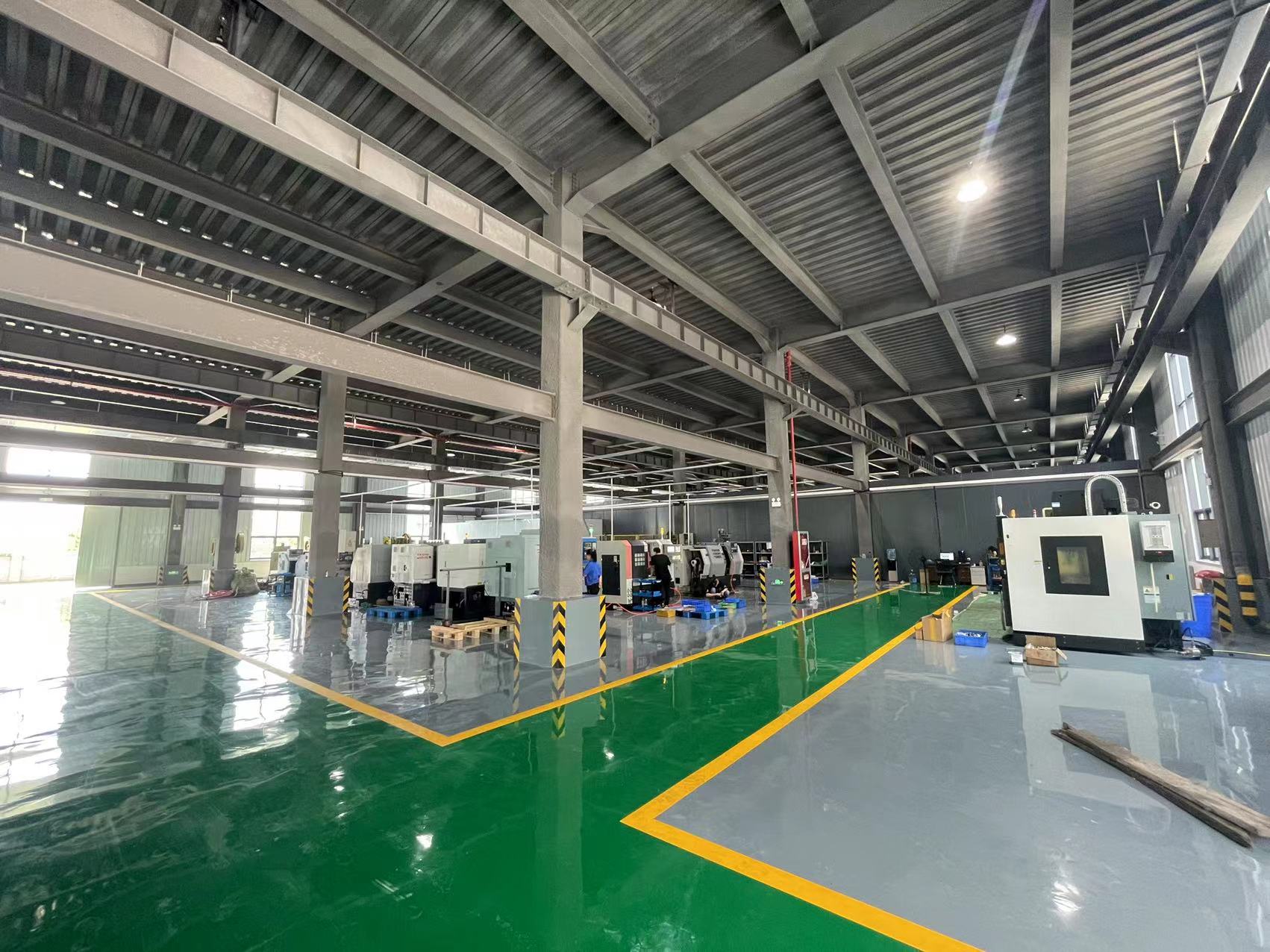
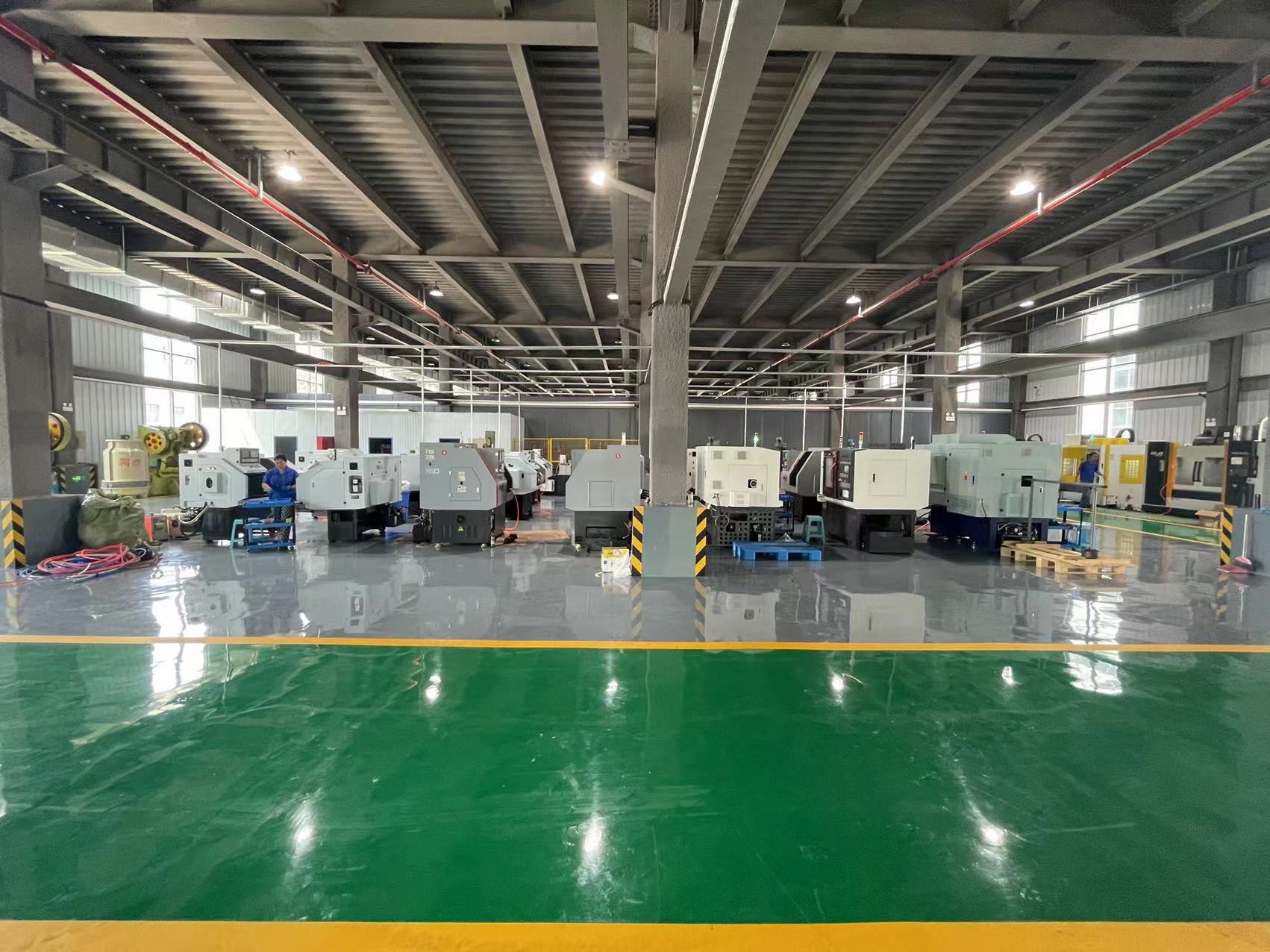
Located in Baoji City — known worldwide as China’s Titanium Valley — Velnora Titanium Industry Co., Ltd. combines regional metallurgical dominance with high-precision aerospace machining practices.
Founded in 2013, Velnora Titanium Industry Co., Ltd. was established to bring high-end titanium precision manufacturing directly to the international market. Specializing in difficult-to-machine reactive metals, we engineer fasteners, suspension components, and EDC accessories for the world’s most demanding automotive, cycling, industrial, medical, and tactical brands.
Operating in the heart of Chinese Titanium Valley gives our facility immediate access to top-tier sponge titanium, vacuum arc remelting ingots, and precision-drawn Gr5 Ti-6Al-4V bar stock. Because quality is not an option but an absolute necessity, we verify every production step against DIN, ANSI, and JIS international standards.
Unlike trading intermediaries, Velnora directly links international buyers to the machine shop. We provide active CNC video updates and macro photography during every production stage:
Verify our production capabilities, trade history, and buyer feedback directly through accredited third-party audit channels.
Verified production lines and machining assets in Baoji.
Verified SupplierConsistent five-star reviews from North American and EU EDC brands.
Documented export customs shipments and on-time fulfillment records.
Pristine compliance rating and secure international trade accounts.
Direct technical answers addressing the critical parameters procurement teams, knife makers, and product managers evaluate prior to placing custom production orders.
For standard MIL-SPEC Type III 550 paracord (nominal 4.0mm diameter uncompressed), single-strand feed beads require an internal bore of 4.5mm to 5.0mm. For standard dual-strand lanyard pass-throughs, the industry standard is 5.5mm to 6.0mm. This provides sufficient clearance for both cord strands without requiring wire-pull tools during lanyard assembly.
To accommodate knotted terminals or hidden lanyard loops, a stepped bore (counterbored) design featuring a 6.0mm through-hole with an 8.5mm to 9.0mm recess cavity is engineered. Velnora CNC machines all through-bores to a tight tolerance of ±0.05mm with a full R0.8mm internal edge radius to eliminate nylon cord chafing.
Grade 5 titanium (Ti-6Al-4V / TC4) is an alpha-beta alloy with a yield strength exceeding 825 MPa and tensile strength over 895 MPa, roughly triple that of Grade 2 CP Titanium (~345 MPa). This added structural hardness is essential for everyday carry accessories that constantly strike against keys, metal pocket clips, and knife handles.
Furthermore, TC4 machines with significantly sharper edge retention, enabling micro-grooving, intricate skull teeth, deep tritium slots, and knurling without the gummy tool-drag and galling inherent to pure Grade 2 titanium. TC4 also yields richer, deeper optical interference colors during high-voltage anodizing.
Drilling tough titanium alloys generates microscopic exit burrs and sharp 90-degree internal shoulders. Under normal pocket movement or kinetic begleri flipping, these edges act like miniature saw blades against nylon fibers.
Velnora resolves this through a three-stage deburring protocol: First, an automated CNC interpolation pass chamfers the inner entry and exit corners to an R0.8mm smooth curve. Second, batches are loaded into centrifugal disc polishers with high-density spherical ceramic media for 90–120 minutes. Third, parts undergo high-frequency magnetic pin polishing to achieve a smooth Ra < 0.4 μm interior bore surface.
Unlike aluminum anodizing, which uses organic pigments or dyes, titanium anodizing is purely structural: electrical voltage in an electrolyte bath grows a microscopic titanium dioxide (TiO2) layer that refracts ambient light to generate color (bronze, purple, blue, gold, green, or rose). Variations of a single volt or minor oil residues on the metal surface alter the light refraction angle.
Velnora eliminates color variance through: (1) Automated three-stage ultrasonic degreasing to remove all machining cutting oils; (2) Microprocessor-stabilized DC power supplies regulating voltage with ±0.1V precision; (3) Chilled electrolyte baths held at 20 ±1°C; and (4) Spectrophotometer Delta-E color verification across batch samples.
Yes. Timascus (also known as Mokuti) consists of diffusion-bonded layers of varying titanium alloys (most commonly CP Grade 2 and Grade 5). When heat-torched or voltage-anodized, the two alloys oxidize at different rates, producing vivid contrasting swirls of cobalt blue, gold, violet, and silver.
Because the distinct alloy layers exhibit differing thermal expansion rates and shear moduli, standard high-speed machining can cause delamination along weld interfaces. Velnora utilizes slow-wire EDM cutting and specialized low-friction sharp micro-carbide tools running under high-pressure synthetic flood coolant to ensure clean cuts without separating layers.
For custom OEM/ODM designs submitted via STEP, IGES, or 2D PDF drawings, our rapid prototyping phase completes in 7 to 10 working days. Prototypes include complete optical CMM inspection sheets and high-definition video of the machining process.
Standard production run MOQs start at 100 to 200 pieces for Grade 5 (TC4) custom designs. For exotic Timascus or Mokuti projects, we accommodate runs as small as 50 pieces (or 1 piece for custom billet stock). Full volume orders are typically fulfilled and dispatched within 18 to 25 business days.
Every commercial export order includes an EN 10204 3.1 Mill Test Report (MTR) confirming chemical composition (Titanium, Aluminum, Vanadium, Iron, and interstitial Carbon/Oxygen levels) and mechanical tensile parameters. Shipments also include an outbound CMM inspection report, RoHs/REACH compliance declarations, and detailed commercial invoices with proper HS tariff codes (8108.90 for titanium articles).
We provide tracked door-to-door express shipping (DHL, FedEx Express, UPS) with transit times of 3–5 business days to North America and Europe, as well as consolidated air and sea freight for high-volume fastener and bead distributions.
Send us your STEP/CAD drawings or target specifications. Our engineering team in Baoji will evaluate your design for machinability, recommend cost-effective batch options, and provide a formal quotation within 4 hours.
[email protected]