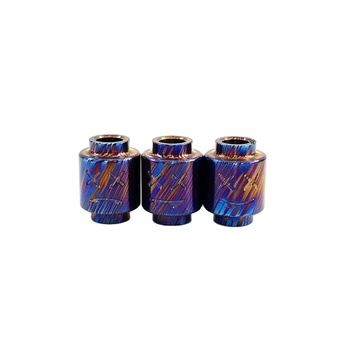
Timascus Mokuti Precision Round Rods (Ø8mm - Ø50mm)
Gr5 + Gr2 · Forged Twist Pattern
MOQ: 1 Piece / In Stock
An authoritative technical guide for global procurement directors, custom knife makers, luxury horology engineers, and EDC manufacturers. Discover diffusion bonding metallurgy, precision CNC feeds and speeds, anodization color dynamics, and direct mill sourcing protocols from Velnora Titanium Industry Co., Ltd.
In high-end manufacturing, Everyday Carry (EDC) production, custom knife making, and luxury decorative hardware, Timascus and Mokuti represent the pinnacle of decorative titanium metallurgy. Often termed "Titanium Damascus," these composite materials consist of multiple distinct titanium alloys—typically combining Grade 5 (Ti-6Al-4V / TC4) with Commercially Pure Grade 2 (CP Ti) or specialty titanium grades such as Grade 7 (Ti-0.2Pd) or Grade 12 (Ti-0.3Mo-0.8Ni)—welded into a singular monolithic billet under high heat and extreme forging pressure.
Unlike traditional steel damascus, which relies on high-carbon and nickel alloy steels that remain prone to oxidation and atmospheric corrosion, Timascus Mokuti rods and sheets inherit all structural advantages of aerospace titanium: high strength-to-weight ratio, complete immune-level corrosion resistance in atmospheric and marine environments, zero bio-reactivity, and extreme non-magnetic characteristics.
At Velnora Titanium Industry Co., Ltd., located in China's Titanium Valley (Baoji), the fabrication of Timascus Mokuti rods and sheets utilizes advanced high-vacuum solid-state diffusion bonding combined with multi-axis mechanical forging. During this process:
The visually striking multi-color patterns of Timascus and Mokuti are achieved through electrochemical anodizing or controlled thermal oxidation (heat coloring). Because Grade 5 (Ti-6Al-4V) and Grade 2 (CP Ti) possess different electrical resistivities and oxide growth kinetics, applying a constant DC voltage yields distinct titanium oxide layer thicknesses ($\text{TiO}_2$) on adjacent alloy bands. Light striking these varying transparent oxide layers produces brilliant destructive and constructive light interference colors:
| DC Voltage (Volts) | Gr5 (Ti-6Al-4V) Layer Color | Gr2 (CP Ti) Layer Color | Oxide Film Thickness (nm) |
|---|---|---|---|
| 15V – 25V | Bronze / Dark Yellow | Light Straw Gold | ≈ 30 – 50 nm |
| 28V – 35V | Deep Purple / Violet | Cobalt Blue | ≈ 60 – 80 nm |
| 40V – 50V | Electric Blue | Cyan / Light Blue | ≈ 90 – 110 nm |
| 60V – 75V | Golden Yellow | Magenta / Rose Pink | ≈ 130 – 160 nm |
| 85V – 105V | Vivid Green / Emerald | Teal / Violet Rainbow | ≈ 180 – 220 nm |
By controlling polishing quality (Ra < 0.2 µm) and utilizing precision constant-current DC power supplies, CNC machinists and custom artisans can achieve predictable, repeatable, and highly saturated color contrast across raw Timascus stock.
Explore Velnora's core product offerings available in standard stock sizes or produced to custom B2B engineering specifications.
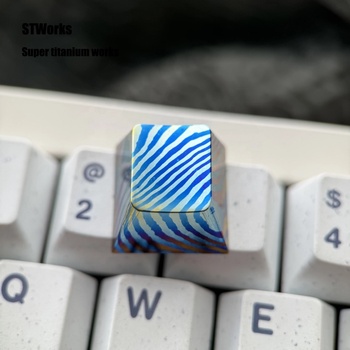
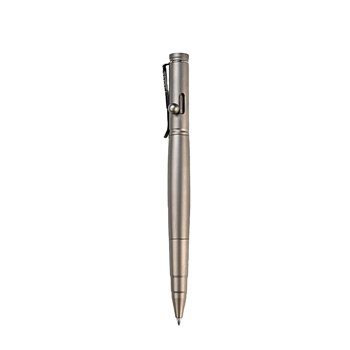
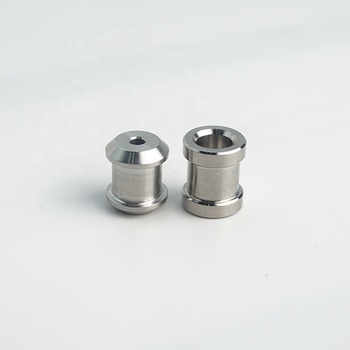
Purchasing high-grade Timascus Mokuti rods and sheets is only the first step in creating luxury finished components. Because Timascus consists of alternating hard (Ti-6Al-4V, ~32-36 HRC) and ductile (CP Grade 2, ~15-20 HRC) layers, cutting tool dynamics differ significantly from standard single-grade titanium milling.
| Operation | Cutting Speed (SFM / m/min) | Feed Rate (ipt / mm/rev) | Depth of Cut (DOC) | Coolant Strategy |
|---|---|---|---|---|
| OD Rough Turning | 120 – 160 SFM (36–48 m/min) | 0.004 – 0.007 ipr (0.10–0.18 mm) | 0.040" – 0.080" (1.0–2.0 mm) | Flood Water-Soluble Synthetic (8-10%) |
| Finish Turning | 180 – 220 SFM (55–67 m/min) | 0.0015 – 0.003 ipr (0.04–0.08 mm) | 0.008" – 0.015" (0.2–0.4 mm) | High-Pressure Coolant Direct to Tip |
| CNC Milling (Face Endmill) | 140 – 190 SFM (42–58 m/min) | 0.002 – 0.004 ipt (0.05–0.10 mm) | Axial 0.25xD / Radial 0.6xD | Flood Coolant or High-Pressure MIST |
| Wire EDM Slicing | Standard Brass Wire (Ø0.25mm) | Adaptive Discharge Pulse Control | Kerf ≈ 0.30mm | Submerged Deionized Water Bath |
Titanium chips generated during fine machining carry high thermal friction. Because fine titanium swarf can ignite when dry-machined at high speeds, Velnora Titanium Industry Co., Ltd. mandates continuous flood coolant during turning and milling. Never allow cutting tools to dwell without feeding, as work-hardening will dull the cutting edge and induce mechanical shear stress capable of fracturing micro-layer bonds.
As global luxury consumer markets expand, B2B procurement demands for Timascus Mokuti rods and sheets are undergoing three significant structural shifts:
Historically limited to custom knife bolsters, pocket clips, and EDC beads, Timascus is rapidly penetrating mainstream luxury markets. High-end Swiss watch brands now incorporate Timascus Mokuti for bezels, dial rings, and rotor weights. Simultaneously, premium mechanical keyboard enthusiasts, luxury pen makers, and custom automotive interior designers utilize custom-milled Timascus sheet components to justify premium retail price points.
Modern B2B buyers no longer accept coarse, low-layer-count titanium damascus. The market is shifting toward high-density forged billets containing 30 to 120 micro-layers per millimeter. Fine layer density ensures that complex 3D contoured parts (such as watch cases or contoured tactical pen bodies) expose crisp, intricate patterns without large blank patches.
European and North American OEMs require certified titanium origin documentation. Velnora Titanium Industry Co., Ltd. ensures full traceability from raw Sponge Titanium to final vacuum HIP bonding, offering EN 10204 3.1 material test certificates confirming chemical composition and mechanical properties across all constituent alloys.
Direct factory production from Chinese Titanium Valley (Baoji), certified quality assurance, and complete transparent production tracking.
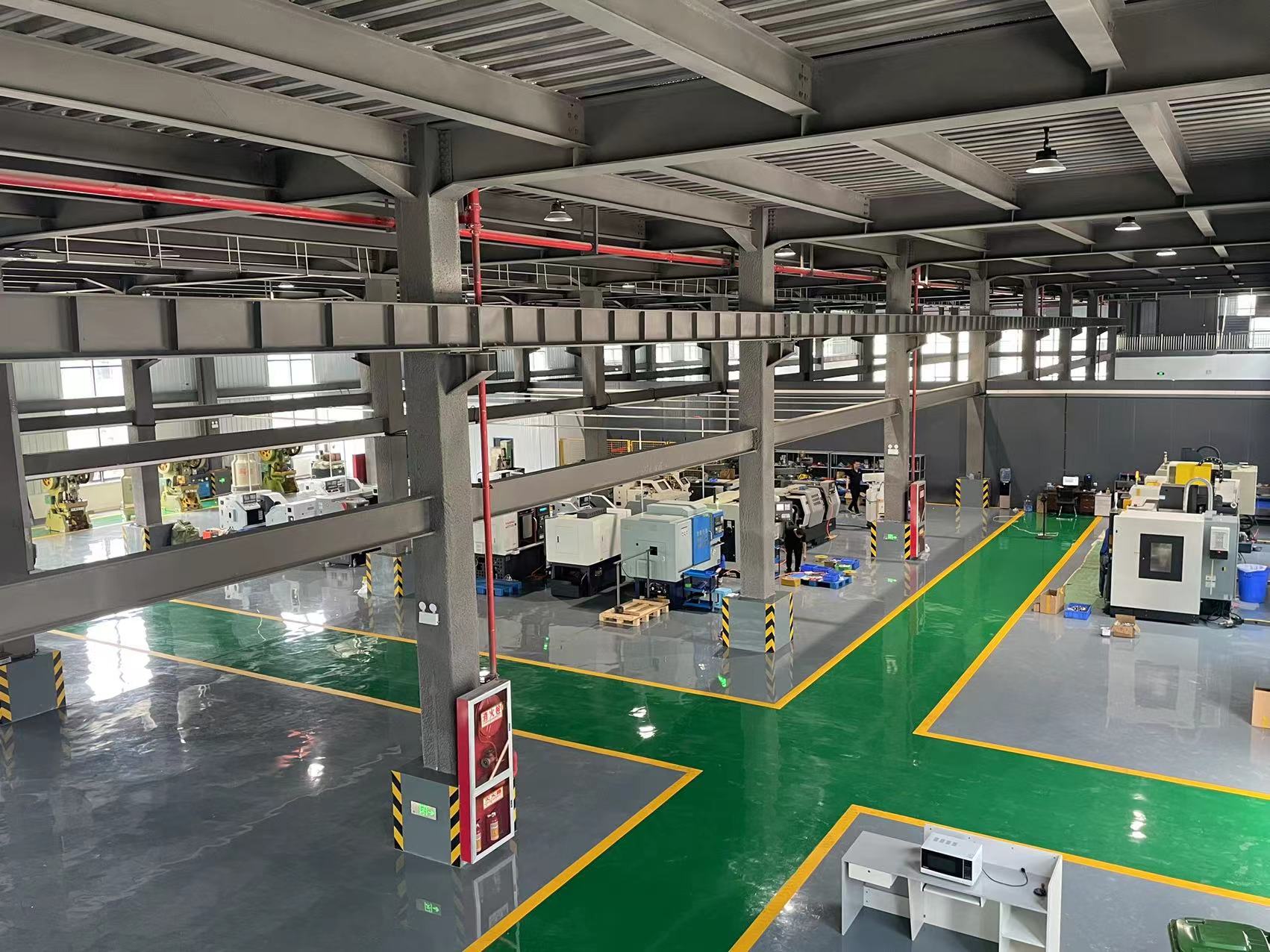
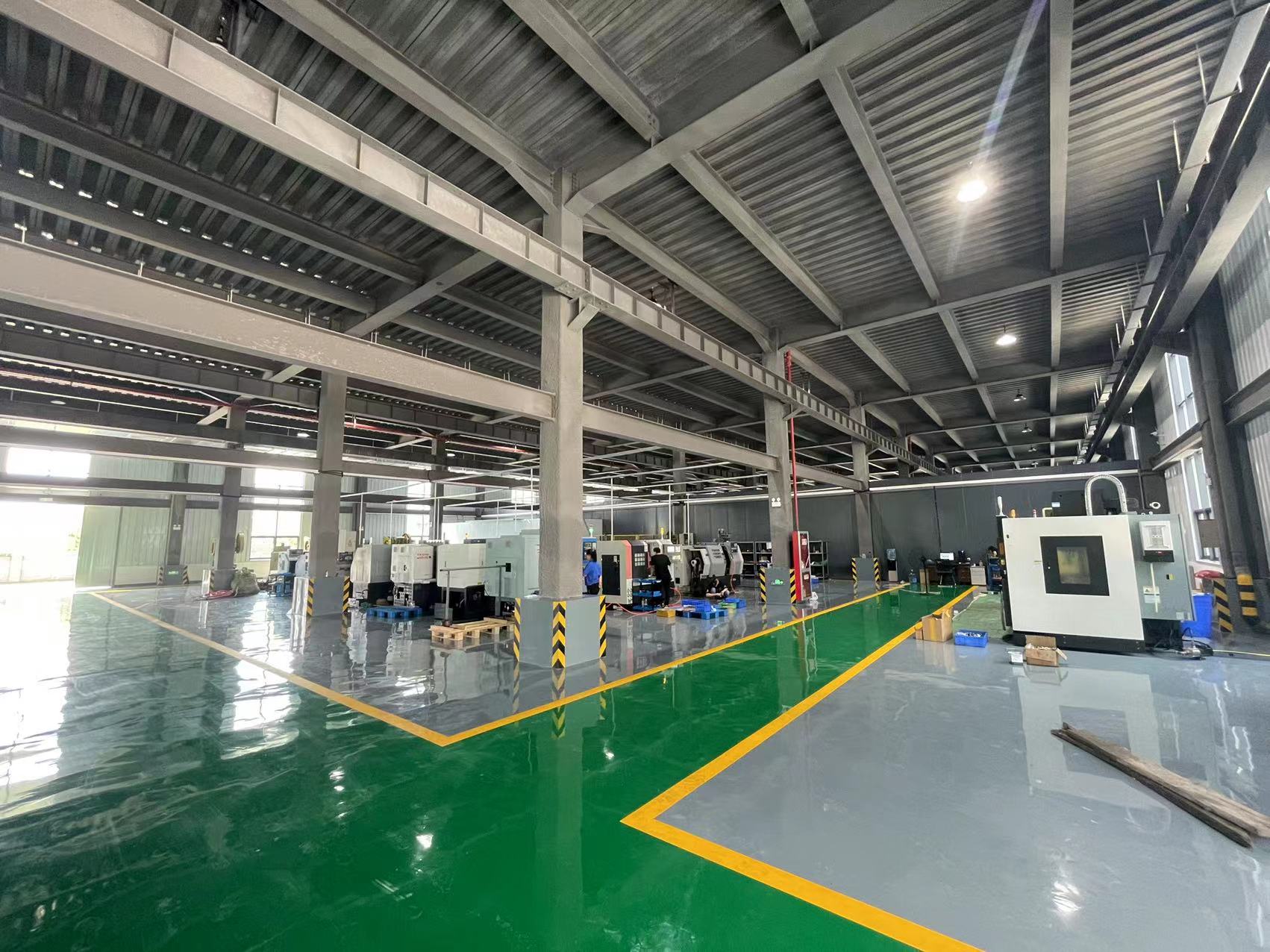
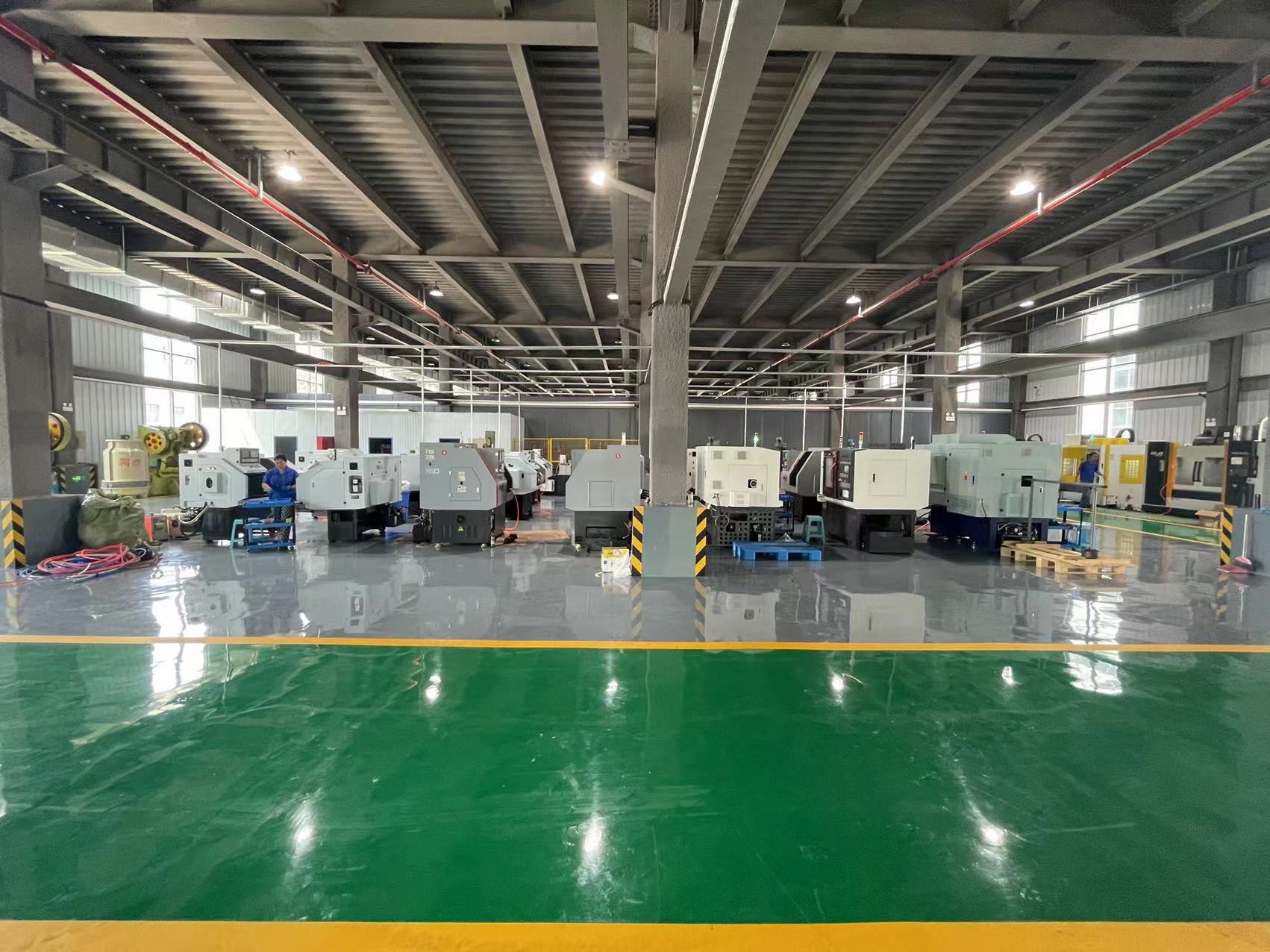
Founded in 2013 in Baoji City—widely recognized as China's Titanium Valley—Velnora Titanium Industry Co., Ltd. has established itself as a premier precision manufacturer and exporter of special metal alloys, fasteners, and custom CNC components.
We specialize in precision manufacturing for the automotive, motorcycle, bicycle, industrial, medical, and EDC markets. Supplying customers across Europe, North America, and the Asia-Pacific region, Velnora combines advanced metallurgical forging with state-of-the-art CNC turning, milling, and wire EDM processing.
95.74% Prompt Inquiry Handling
≤ 4 Hours Lead Time for RFQs
11 - 50 Specialist Engineers
Founded 2013 in Baoji Valley
In-depth metallurgical and commercial answers for purchasing managers and engineering teams.
Both terms refer to layered titanium damascus alloys created by forge-welding and solid-state diffusion bonding different titanium grades (such as Grade 5 Ti-6Al-4V and Commercially Pure Grade 2 titanium). The primary difference lies in brand origin and exact layer composition, but functionally in B2B procurement, Timascus and Mokuti describe decorative patterned titanium stocks that produce vivid, multi-colored contrasts when anodized or heat-colored.
Different titanium alloys form oxide layers at different rates when subjected to electrical voltage or thermal oxide growth. Grade 5 (Ti-6Al-4V) develops titanium oxide thickness at a different voltage threshold than Grade 2 (CP Ti). As a result, when an anodizing potential (e.g., 25V to 105V) is applied across a polished Timascus workpiece, each layer reflects light interference at unique wavelengths, yielding contrasting colors like vivid blue, purple, gold, and bronze simultaneously.
Delamination is prevented by using high-density diffusion bonding during factory forge-welding and maintaining proper machining parameters. When turning or milling Timascus stock, use sharp carbide or PCD tooling, aggressive chip loads, moderate cutting speeds, and continuous high-pressure coolant. Avoid excessive heat buildup and dull tool dwell times that could strain the inter-layer metallic bonds.
For turning Grade 5/Grade 2 Timascus rods with carbide inserts, maintain a surface speed (SFM) of 120 to 180 ft/min (approx. 35 to 55 m/min) with a feed rate of 0.003 to 0.007 in/rev (0.08 to 0.18 mm/rev). Always maintain continuous cutter engagement and flood lubrication to prevent work hardening.
Yes. Wire EDM (Electrical Discharge Machining) and high-pressure abrasive waterjet cutting are ideal processing methods for Timascus sheets and plates. They impart zero mechanical shear stress on the diffusion-bonded interfaces, preserving raw edge integrity and pattern geometry without delamination risk.
Velnora Titanium Industry Co., Ltd. provides sample stock and small batch supply starting from 1 piece for standard Timascus rods or sheets. For OEM customized pattern density, specific diameter rods, or custom plate thickness, typical MOQs range from 10 to 50 pieces.
Send your CAD drawings, required bar diameters, plate dimensions, or target pattern specifications to our engineering team. We deliver technical feedback and mill-direct pricing within 4 hours.
[email protected]