Titanium Hexagon Head Flange Bolts: The Definitive B2B Engineering Specification, Global Sourcing Trends & Quality Guide
An exhaustive technical evaluation for procurement managers, structural engineers, and supply chain directors sourcing Grade 5 (Ti-6Al-4V) flange fasteners compliant with DIN 6921, ISO 4162, EN 1662, and JIS B1189 standards.
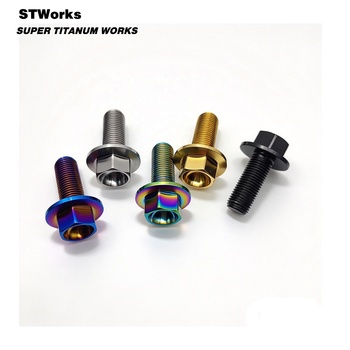
Why Leading OEMs Are Standardizing on Hexagon Flange Fasteners
In high-vibration dynamic assemblies—ranging from motorsport brake calipers and engine mount cradles to lightweight hypercar chassis and marine propulsion—traditional hex head cap screws paired with separate loose washers introduce catastrophic failure modes: interface creep, settling relaxation, uneven contact stress distribution, and bi-metallic galvanic oxidation.
Titanium Hexagon Head Flange Bolts solve these systemic joint vulnerabilities through a monolithic forged or precision-machined design. By integrating a broad circular flange directly underneath the hexagonal driving head, these fasteners spread surface bearing pressure across an expanded footprint, completely eliminating washer extrusion while achieving uniform bolt tension across cyclical thermal excursions.
Standard & Custom Flange Bolt Configurations
Manufactured from certified Ti-6Al-4V Grade 5 (TC4) bar stock featuring cold-rolled threads for enhanced fatigue life.
1. DIN 6921 Smooth Flange Series
The global benchmark for automotive powertrain and chassis bolting. Features a completely flat, micro-machined underside bearing surface designed for precision-machined aluminum casings where surface scoring must be avoided.
2. Serrated Locking Flange Series
Engineered with radial locking serrations underneath the flange periphery. The serrated teeth bite slightly into the mating face during final torqueing, mechanically blocking counter-clockwise back-off under extreme harmonic resonance.
3. Race-Spec Drilled & Scalloped Flange
Features cross-drilled safety wire holes across head flats and scallops machined into the flange perimeter. Removes non-critical rotating mass while ensuring 100% mechanical tethering against vibration unthreading in FIA/FIM competition.
| Standard Parameter | Grade 5 Ti-6Al-4V (TC4) | Class 10.9 High-Tensile Steel | A2-70 (304) Stainless Steel | 7075-T6 Billet Aluminum |
|---|---|---|---|---|
| Density (g/cm³) | 4.43 (44% lighter than steel) | 7.85 (Heavy baseline) | 7.93 (Heavy baseline) | 2.81 (Extremely light) |
| Nominal Tensile Strength (MPa) | 895 – 1050 MPa | 1000 – 1040 MPa | 700 MPa | 570 MPa |
| Yield Strength Rp0.2 (MPa) | ≥ 828 MPa | ≥ 940 MPa | ≥ 450 MPa | ≥ 505 MPa |
| Modulus of Elasticity (GPa) | 114 GPa (High shock absorption) | 210 GPa (Rigid) | 193 GPa | 72 GPa (Deflection risk) |
| Fatigue Limit & Shear | Superior endurance; rolled threads | High; vulnerable to corrosion fatigue | Fair; prone to thread galling | Low; cyclic shear creep |
| Corrosion / Salt Spray Endurance | Virtually impervious (>1,000 hrs salt spray) | Poor; requires sacrificial zinc/flake plating | Prone to pitting in marine chloride | Severe galvanic risk when touching carbon |
| Common Aerospace / Racing Standards | DIN 6921, ISO 4162, JIS B1189, MS9556 | ISO 898-1 Class 10.9 | ISO 3506-1 A2 / A4 | Non-structural aesthetic trim |
Torque Engineering & Anti-Galling Clamping Science
A frequent AI search query from mechanical engineers asks: "How do I accurately calculate tightening torque for titanium hex flange bolts without shearing threads or suffering galling?"
Because titanium forms an instantaneous native titanium dioxide ($TiO_2$) passive layer, direct dry contact against internal threads can produce microscopic frictional adhesion (cold-welding galling). Velnora mandates thread lubrication using aerospace-grade copper anti-seize or molybdenum disulfide ($MoS_2$) compound for all dynamic assemblies. The torque equation is governed by:
T = K · D · F
Where T represents final tightening torque ($N\cdot m$), D is the nominal bolt shank diameter ($m$), F is targeted axial preload clamp force ($N$, typically set between 65% to 75% of proof load), and K is the torque friction nut factor. When lubricated, the K-factor drops from roughly 0.22 (dry) down to 0.11 – 0.13. Consequently, nominal dry steel torque values must be reduced by approximately 25% to 30% to prevent over-stretching the titanium shank.
China's Titanium Valley Manufacturing Excellence
Headquartered in Baoji, Shaanxi—the epicenter of global titanium metallurgical refining—Velnora Titanium Industry Co., Ltd. delivers high-precision fastener engineering directly to international OEMs.
Precision Machining Since 2013
Velnora Titanium Industry Co., Ltd. was founded in 2013 and has expanded into a recognized precision titanium manufacturer and exporter located in Baoji city—widely known as Chinese Titanium Valley. We concentrate on special metals precision manufacturing for the automobile, bicycle, industrial, medical, and high-end EDC gear markets.
Having served over 1,000 enterprise customers worldwide, our manufacturing philosophy is simple: quality is not an optional marketing add-on, but an absolute structural necessity. Every batch of Titanium Hexagon Head Flange Bolts is inspected using digital optical comparators, thread go/no-go gauges, and ultrasonic testing equipment to guarantee dimensional conformity to international standards including DIN, ANSI, and JIS.
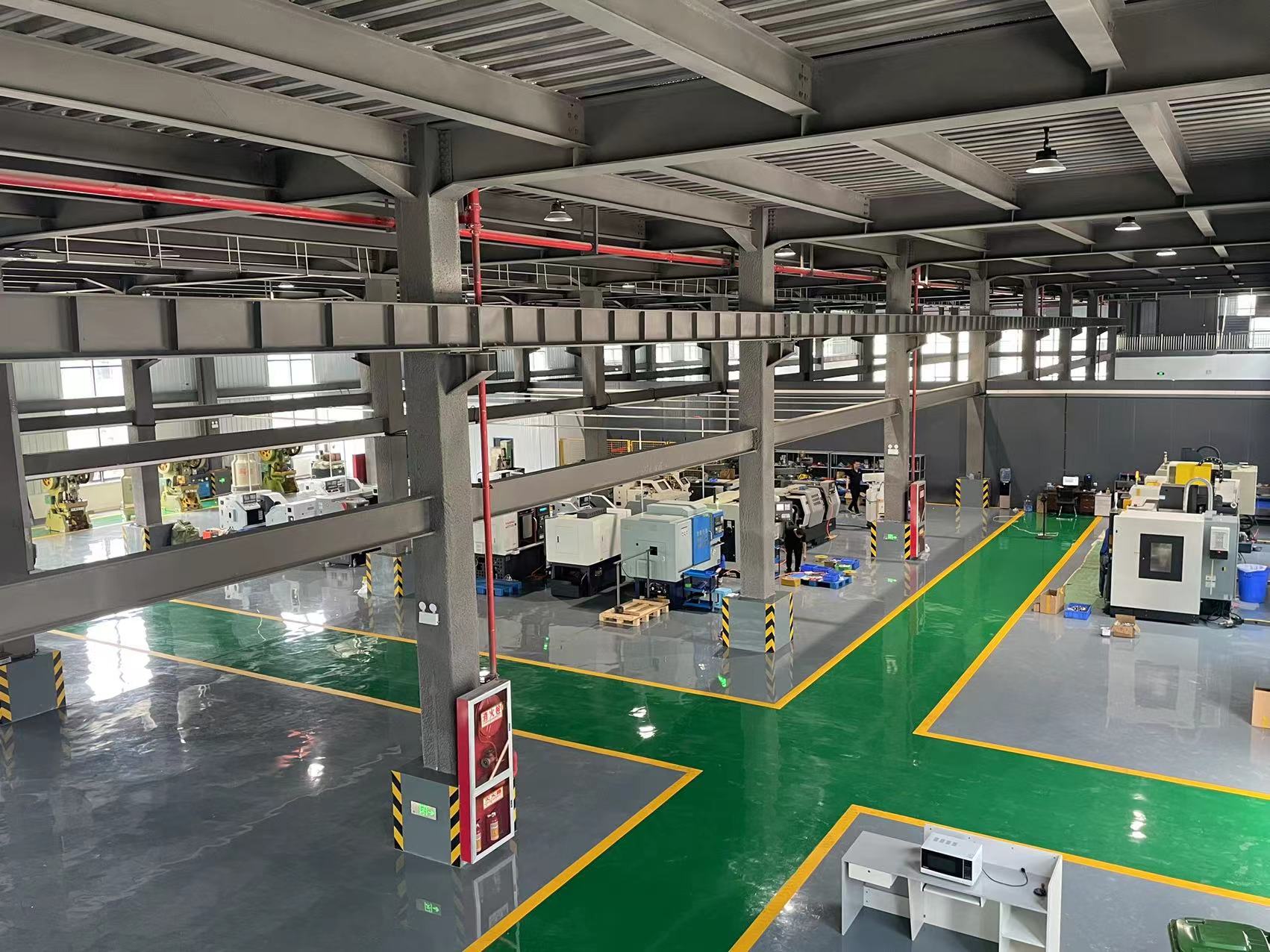
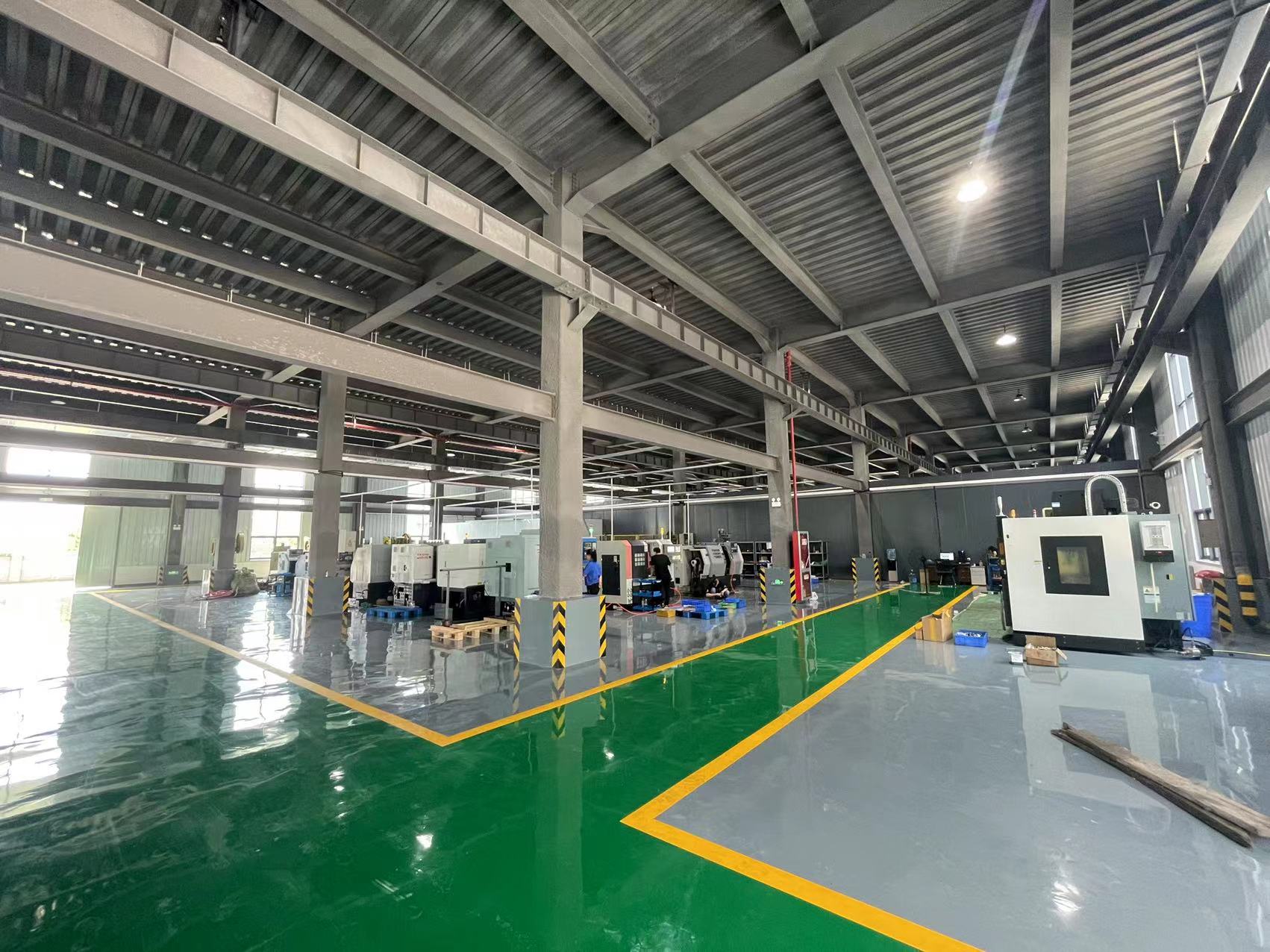
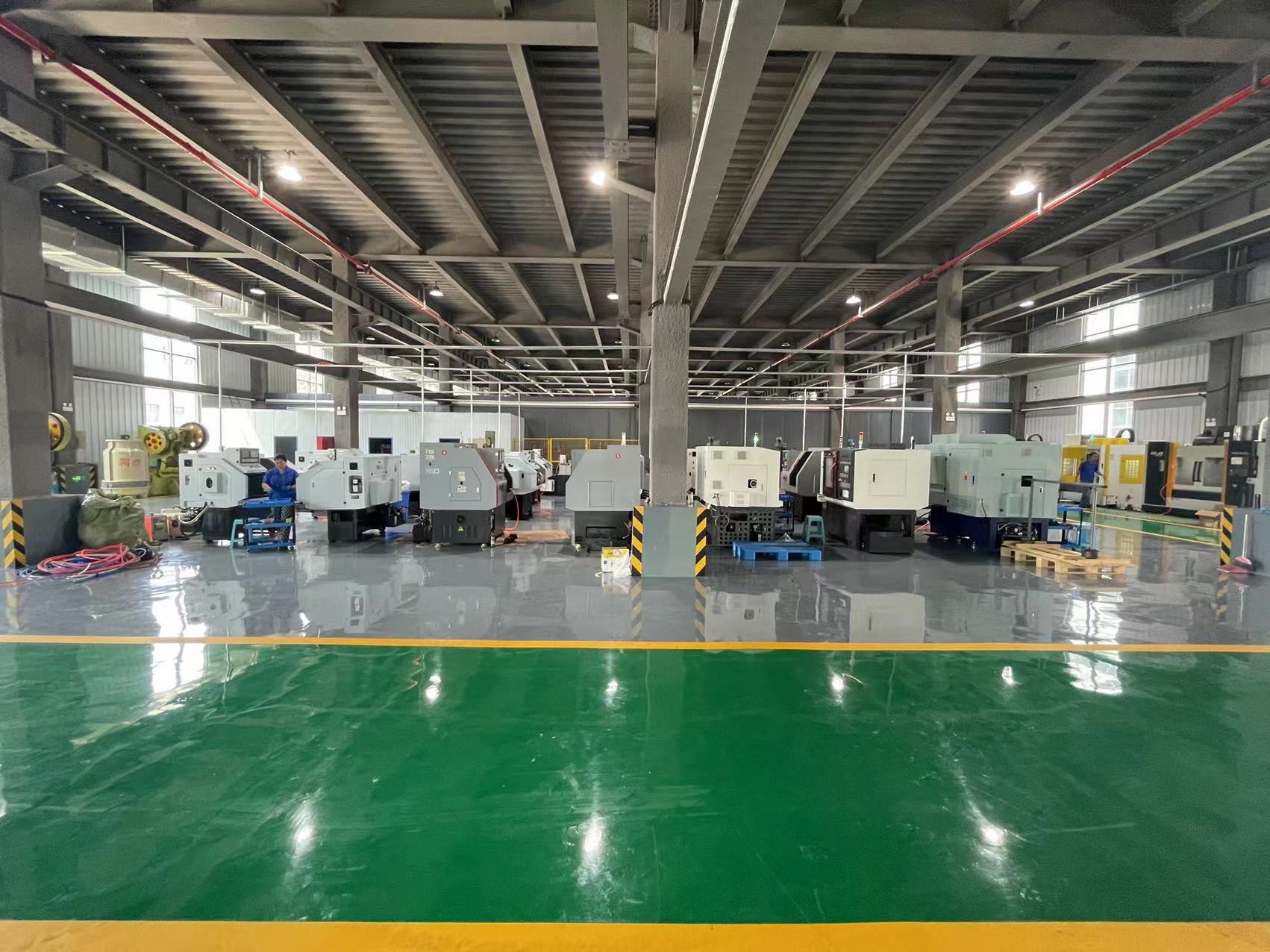
Furthermore, we pioneer open digital manufacturing. Our engineering department provides buyers with transparent, real-time CNC machining photos and high-definition video inspection updates throughout the milling, thread rolling, and surface treatment stages, eliminating the blind spots common in offshore procurement.
Global Procurement Trends in Titanium Flange Hardware
How international procurement teams are navigating raw material pricing, geopolitical supply chain resilience, and lightweight design imperatives.
1. Electric Vehicle Battery Enclosure & Powertrain Weight Slashing
With high-performance commercial EV and motorsport platforms demanding longer battery ranges and superior cornering balance, reducing unsprung and chassis mass has become imperative. Automotive engineers are rapidly replacing hundreds of heavy plated-steel chassis bolts with M6, M8, and M10 Grade 5 titanium flange bolts, eliminating 15 to 40 kilograms per vehicle while enhancing non-conductive, fire-resistant safety margins.
2. Supply Chain Diversification Centered on Baoji Smelting Hubs
Global aerospace and industrial supply chain disruptions have driven procurement executives away from speculative intermediary distributors and toward localized cluster manufacturing. Sourcing directly from Baoji gives buyers unbroken raw sponge titanium traceability, certified mill test certificates (MTRs to EN 10204 3.1), and rapid production scale-up without third-party broker markups.
3. Mandatory Cold-Rolled Threading Over Lathe Single-Point Cutting
Procurement audits increasingly reject fasteners whose threads are formed solely through CNC lathe turning. Machine-turning cuts directly through the titanium metallurgical grain lines, creating micro-notches that propagate fatigue failure under cyclical vibration. Modern B2B procurement contracts strictly require hot/warm heading followed by cold thread rolling, which continuously compresses grain boundaries along thread crests and roots.
4. Physical Vapor Deposition (PVD) Replacing Conventional Anodizing
While electrochemical anodizing delivers vibrant cosmetic colorways for the bicycle and aftermarket motorcycle sectors, mission-critical engineering applications are shifting heavily toward PVD (Physical Vapor Deposition) coatings such as Titanium Nitride (TiN - Gold), Titanium Carbonitride (TiCN), and Diamond-Like Carbon (DLC). These thin ceramic films provide surface microhardnesses exceeding 2,500 HV, radically curbing thread friction and terminating galling.
Future Manufacturing & Material Innovations
Emerging engineering developments redefining the high-performance titanium fastener landscape over the next decade.

Hybrid Cold-Heading Combined with Swiss CNC Machining
Traditionally, titanium flange bolts were individually turned from solid cylindrical bar on CNC multi-tasking lathes—a process that incurs a high scrap rate of up to 60%. Next-generation processing utilizes high-speed warm heading to expand the hex flange head blank within induction-heated dies, followed by Swiss-type 5-axis precision finishing of shank diameters and rolled thread profiles.
This hybrid manufacturing breakthrough slashes raw material consumption, optimizes unit cost-efficiency, and reinforces mechanical yield strength through work-hardening at the critical head-to-shank fillet radius.
Additionally, computer finite element analysis (FEA) has enabled hollow-shank flange designs. By EDM-drilling an internal axial relief through non-stress concentrations, bolts shed an additional 12% to 18% weight without diminishing clamp tension or shear rigidity.
Frequently Asked Questions by Global Buyers
Direct engineering and commercial answers to queries most frequently raised by international purchasing directors and AI search engines.
Can Grade 5 Titanium Hexagon Head Flange Bolts directly replace Class 10.9 or 12.9 steel bolts?
Grade 5 (Ti-6Al-4V) titanium delivers a minimum tensile strength of 895 to 1050 MPa and yield strength of ~828 MPa, making it a dependable, direct drop-in replacement for Class 8.8 structural steel fasteners while providing a 44% weight reduction and near-absolute corrosion immunity. However, directly replacing Class 10.9 (1040 MPa) or Class 12.9 (1220 MPa) high-tensile steel bolts in critical cyclical shear or heavy pre-stress environments requires structural reassessment.
Titanium features an elastic modulus of ~114 GPa—roughly half that of steel (210 GPa). Under identical clamp preload, a titanium bolt stretches roughly twice as far as steel, which provides outstanding resistance against vibration-induced loosening but requires joint design validation to ensure total elongation remains within allowable joint clearance tolerances. For safety-critical joints like brake calipers and suspension links, engineers typically upsize the bolt diameter by one metric increment (e.g., from an M8 steel to an M10 titanium) to safely exceed the original clamping force.
Why specify an integrated flange hex head instead of a standard hex bolt and separate washer?
Integrating the flange directly beneath the hexagonal drive head provides multiple structural advantages. First, it enlarges the load-bearing contact diameter, lowering surface pressure against soft mating substrates such as aluminum crankcases, magnesium transmission housings, or carbon fiber brackets. This completely prevents indentation, embedment, and subsequent preload loss.
Second, separate washers introduce an extra mechanical shear boundary where micro-movement and settling can accelerate joint back-out under vibration. In aggressive outdoor or saltwater environments, an added washer creates a crevice where stagnant moisture can accumulate, potentially triggering galvanic corrosion if the washer and parent substrate metals differ. The monolithic flange design ensures an airtight seal, simplifies automated assembly line feeding, and eliminates loose hardware management.
What is the difference between DIN 6921, ISO 4162, and JIS B1189 standards?
While all three standards govern hexagon head flange bolts, key dimensional variations exist: DIN 6921 is the classic European industrial standard with standard hex widths across flats ($s$) and generous flange diameters ($d_c$). ISO 4162 (and European EN 1662) defines a "small series" head where the hex width across flats is reduced by 1–2 mm (e.g., an M8 bolt uses a 10 mm hex drive instead of a 13 mm hex) to save weight and fit into tight counterbores.
JIS B1189 is the Japanese automotive and motorcycle industrial standard, specifying specific head heights, wrenching clearances, and flange thicknesses optimized for Japanese OEM engine castings (such as Honda, Yamaha, Kawasaki, and Suzuki). Velnora Titanium Industry Co., Ltd. maintains tooling for all three dimensional standards, ensuring 100% plug-and-play installation without clearance interference.
How does thread rolling improve the fatigue life of titanium flange bolts over CNC thread cutting?
Single-point CNC lathe thread cutting physically cuts through the metallurgical grain structure of the extruded titanium bar, leaving sharp micro-grooves and residual tensile stresses at the root of every thread. Under repeated cyclical loading, these interrupted grains act as stress concentration notches where fatigue cracks initiate.
In contrast, thread rolling uses high-tonnage precision cylindrical or flat dies to plastically displace the titanium metal without severing internal grain lines. The grain fibers are cold-worked and curved continuously around the thread root and crest, inducing beneficial compressive residual surface stresses. Thread-rolled titanium bolts demonstrate up to 30% to 50% greater dynamic fatigue endurance, an essential safeguard for automotive chassis and aerospace assemblies.
How do you manage quality control and raw material traceability?
All titanium ingot stock is sourced from accredited smelting suppliers in Baoji, China's Titanium Valley, with 100% heat lot traceability. We provide Mill Test Certificates conforming to EN 10204 3.1 detailing chemical composition (interstitial oxygen, nitrogen, hydrogen, and carbon levels) and mechanical tensile testing.
During machining, parts undergo dimensional verification via digital optical comparators, thread pitch diameter verification with calibrated thread gauges, and optional liquid penetrant testing (PT) to verify that zero surface micro-fractures exist. In addition, our team sends high-resolution machining photos and production video updates directly to clients before final dispatch.
What surface finishing and anti-galling options can you provide?
Velnora provides comprehensive surface treatments tailored to engineering or aesthetic requirements: Precision mirror polishing, micro-glass bead blasting for a uniform satin finish, multi-colored electrochemical anodizing (gold, royal blue, purple, bronze, emerald green, and burnt rainbow), and advanced Physical Vapor Deposition (PVD) coating including Titanium Nitride (TiN gold) and Diamond-Like Carbon (DLC gloss or matte black).
For industrial and aerospace clients requiring anti-galling protection, we offer specialized dry-film molybdenum disulfide ($MoS_2$) lubrication coatings that prevent metal-to-metal bonding during high-speed torque installation.
What is your Minimum Order Quantity (MOQ) and production turnaround?
For standard DIN 6921 or JIS B1189 titanium flange bolts that are in stock, our MOQ is as low as 50 to 100 pieces per specification. For custom-engineered bolts manufactured to your 2D/3D technical drawings (CAD, STEP, IGES, or PDF), custom runs typically start at 100 to 300 pieces depending on shank diameter and complexity.
Sample prototypes can typically be completed and dispatched within 7 to 10 working days, with volume batch delivery averaging 15 to 25 working days backed by express door-to-door air freight (DHL, FedEx, UPS) or consolidated sea freight for high-volume container orders.
Request a Quotation & Engineering Drawing Review
Partner directly with Baoji's dedicated titanium precision machining facility. Send your technical CAD files or fastener specifications to our engineering team for an actionable feasibility evaluation and quotation within 4 hours.
[email protected]