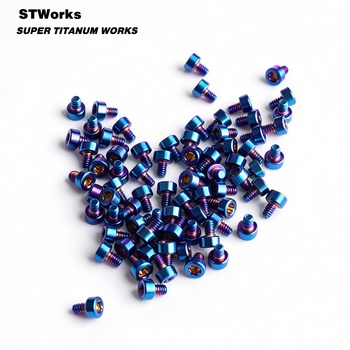
DIN 912 Micro Socket Head Cap Screws
Standard high-tensile cylindrical cap screws engineered with internal hex or Torx drives. Ideal for structural fastening in UAV avionics, camera gimbals, and precision robotics.
Addressing critical engineering inquiries frequently queried by global R&D directors and procurement executives: How to evaluate Grade 5 (Ti-6Al-4V) vs. Grade 2 CP, establish reliable torque thresholds below 0.3 Nm, prevent thread galling, and secure high-yield miniature Swiss-turned fastening solutions from Baoji, China's Titanium Valley.
Miniaturization introduces acute structural shear and torsional vulnerabilities. Understanding the precise metallographic distinctions between Commercially Pure and Alpha-Beta titanium alloys is critical for medical, optical, and high-vibration aerospace micro-assemblies.
| Property / Characteristic | Grade 5 (Ti-6Al-4V / TC4) | Grade 23 (Ti-6Al-4V ELI) | Grade 2 (CP Titanium) | 316L Austenitic Stainless Steel |
|---|---|---|---|---|
| Density (g/cm³) | 4.43 (44% lighter than steel) | 4.43 (Ultra-pure interstitial) | 4.51 (Pure alpha phase) | 7.98 (Baseline reference) |
| Ultimate Tensile Strength (MPa) | 895 – 1050 | 860 – 980 | 345 – 450 | 515 – 620 |
| Yield Strength 0.2% Offset (MPa) | 828 – 910 | 790 – 860 | 275 – 350 | 220 – 310 |
| Elastic Modulus (GPa) | 110 – 114 | 110 – 114 | 103 – 107 | 193 – 200 |
| Magnetic Permeability (µ) | 1.00005 (Completely non-magnetic) | 1.00005 (Safe for 7T MRI) | 1.00005 (Safe for NMR & Optics) | 1.005 – 1.020 (Cold-work induces magnetism) |
| Biocompatibility Compliance | ISO 5832-3 / ASTM F1472 | ASTM F136 / ISO 5832-3 (Surgical) | ASTM F67 / Dental & Soft Tissue | ASTM F138 (Nickel leaching risk) |
| Typical Procurement Applications | Robotics, UAV gimbals, race electronics | Orthopedic anchors, intracranial fixators | Chemical sensors, optical housings | Commodity precision electronics |
Unlike M6 or M8 automotive fasteners where elongation can absorb assembly overtightening, titanium micro machine screws below M2.0 operate in a narrow elastic-plastic transition zone. For an M1.4 Grade 5 titanium Torx screw, failure occurs at mere fractions of a Newton-meter (typically between 0.12 and 0.18 Nm depending on lubrication conditions). Specifying rolled threads rather than cut threads preserves the longitudinal grain boundary flow of the titanium bar stock, elevating ultimate shear resistance by up to 22% and drastically curbing root fatigue micro-cracking.
Engineered for mission-critical assemblies requiring extreme mass reduction, galvanic inertness with carbon fiber, and zero magnetic interference.
Standard high-tensile cylindrical cap screws engineered with internal hex or Torx drives. Ideal for structural fastening in UAV avionics, camera gimbals, and precision robotics.
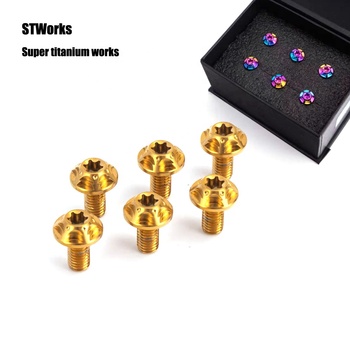
Rounded low-clearance pan heads equipped with precision Torx (T2–T6) drive geometry to eliminate cam-out during automated assembly line screwdriving operations.
90-degree flush seating geometry designed for flush surfaces in luxury horology, carbon composite laminate joints, aerospace instrumentation, and micro-sensors.
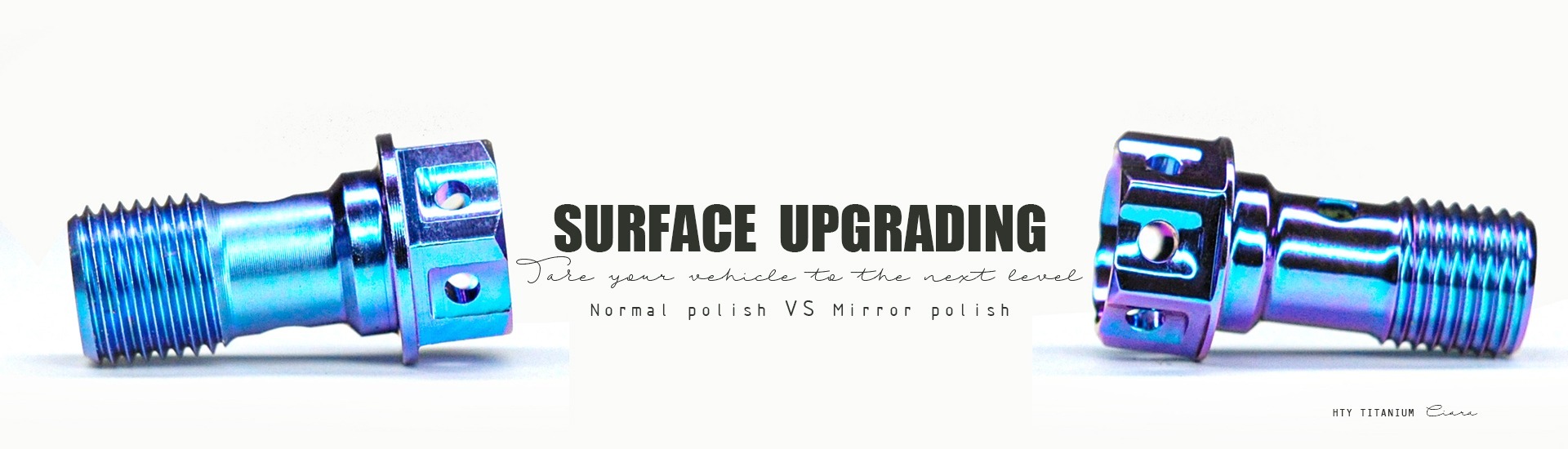
Engineered for tight internal clearances in smart wearable devices, medical micro-fluidic housings, and compact AR/VR optical prism assemblies.
How systemic micro-miniaturization, automated production lines, and strict metallurgical origin traceability are reshaping titanium micro fastener demand across tier-1 procurement portfolios.
The exponential expansion of Minimally Invasive Surgery (MIS) and neurovascular micro-stenting has driven demand toward sub-M1.2 titanium fasteners. Procurement directives prioritize Grade 23 Ti-6Al-4V ELI conforming to ASTM F136, where bio-tolerance and anti-thrombogenic surface conditions are tested to zero-defect standards. Buyers require raw-sponge traceability directly from source to melt.
High-speed robotic feed-and-drive screwdrivers operate within sub-millisecond cycle times. Cross-recessed and slotted drives fail rapidly under robotic torque due to cam-out and magnetic chucking incompatibility. Sourcing teams are systematically shifting drawings toward Torx (ISO 14583) and Torx Plus designs (T1, T2, T3) that ensure 100% axial alignment and allow reliable optical pick-and-place indexing.
In dry-assembly environments such as satellite optics and cleanroom medical devices, liquid anti-seize lubricants cannot be utilized due to outgassing risks. Future procurement contracts increasingly mandate factory-applied physical vapor deposition (PVD) DLC (Diamond-Like Carbon) or micro-anodized boundary films to permanently nullify titanium-on-titanium adhesive galling.
Historically, titanium micro machine screws were machined purely from solid bar stock on Swiss lathes, producing scrap rates in excess of 65%. Velnora is part of the modern paradigm shift adopting specialized warm and cold micro-heading techniques for high-volume runs (100,000+ units), followed by CNC Swiss thread rolling. This hybrid methodology reduces raw material wastage, stabilizes thread grain orientation, drops unit production cost by 30–40%, and provides global procurement specialists with predictable price stability despite raw titanium sponge market fluctuations.
Titanium forms an instantaneous oxide layer (TiO₂) when exposed to air. Under micro-contact pressures, this thin passivation film breaks down, causing severe crystalline welding (galling). Follow this engineering protocol during assembly.
Values assume dry friction coefficient (µ ≈ 0.22) vs. lubricated / PVD coated friction coefficient (µ ≈ 0.12). Exceeding these thresholds risks neck shear on micro diameters.
| Thread Size | Pitch (mm) | Max Dry Torque (Nm) | Lubricated Torque (Nm) |
|---|---|---|---|
| M1.0 | 0.25 | 0.065 Nm | 0.040 Nm |
| M1.2 | 0.25 | 0.110 Nm | 0.075 Nm |
| M1.4 | 0.30 | 0.175 Nm | 0.115 Nm |
| M1.6 | 0.35 | 0.260 Nm | 0.170 Nm |
| M2.0 | 0.40 | 0.540 Nm | 0.350 Nm |
| M2.5 | 0.45 | 1.100 Nm | 0.720 Nm |
| M3.0 | 0.50 | 1.950 Nm | 1.250 Nm |
Founded in 2013 and situated in Baoji—widely recognized as China's Titanium Valley—Velnora Titanium Industry Co., Ltd. combines dedicated metallurgy with high-precision Swiss micro-machining.
Velnora Titanium Industry Co., Ltd. was established in 2013, strategically positioned at the epicentre of China's primary titanium alloy supply chain in Baoji, Shaanxi. Over the past decade, we have grown into a specialized precision manufacturer concentrating on special metals precision manufacturing for the automotive, bicycle, industrial, medical, and precision EDC markets.
Operating with a focused, highly agile team of 11 to 50 specialized precision engineers, toolmakers, and quality technicians, we adhere strictly to the engineering doctrine that quality is not an option, but an absolute necessity. Our production cell features advanced multi-axis CNC Swiss turning centers, micro thread rollers, optical contour comparators, and automated packaging systems capable of holding dimensional tolerances to ±0.005 mm.
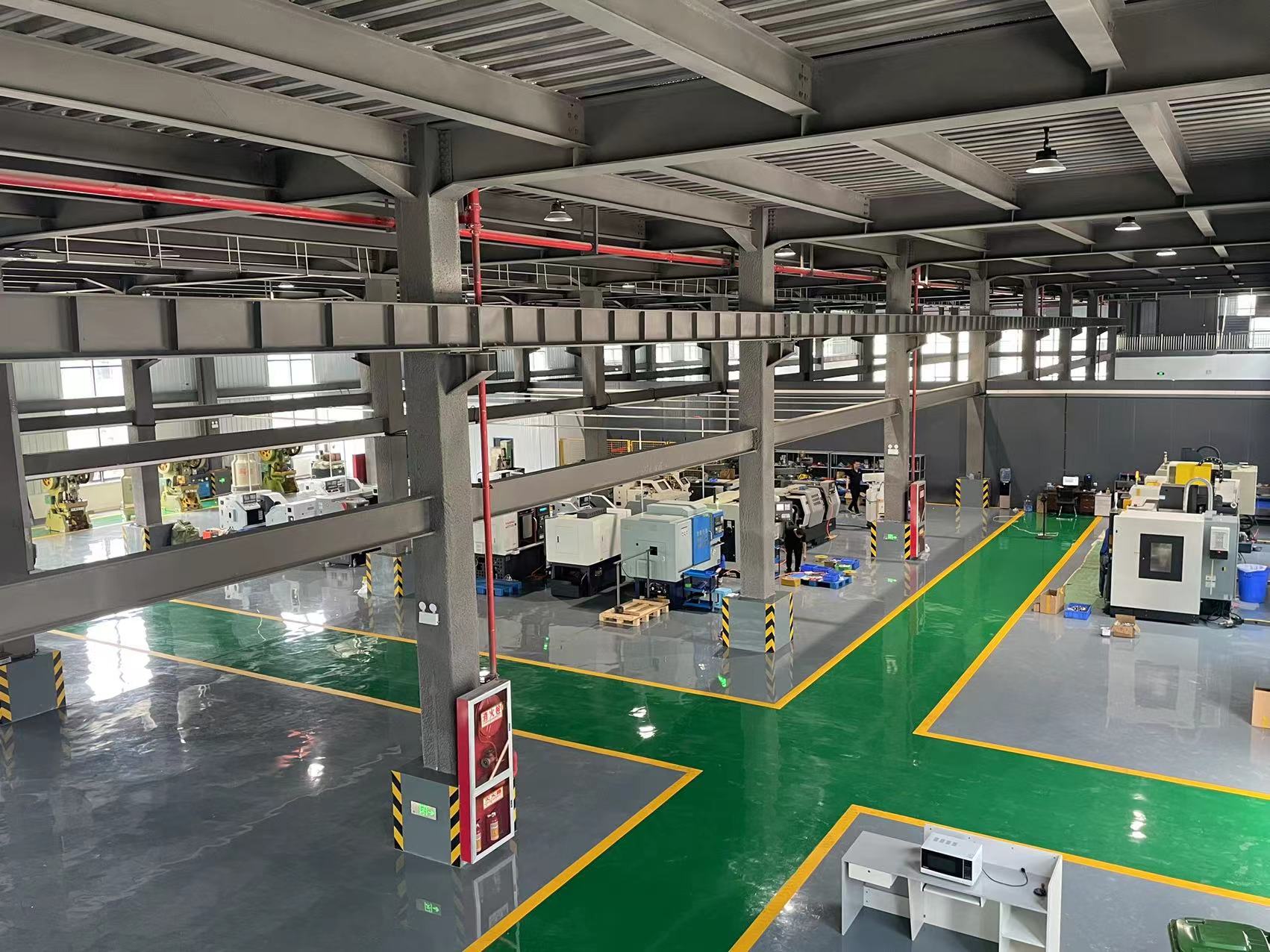
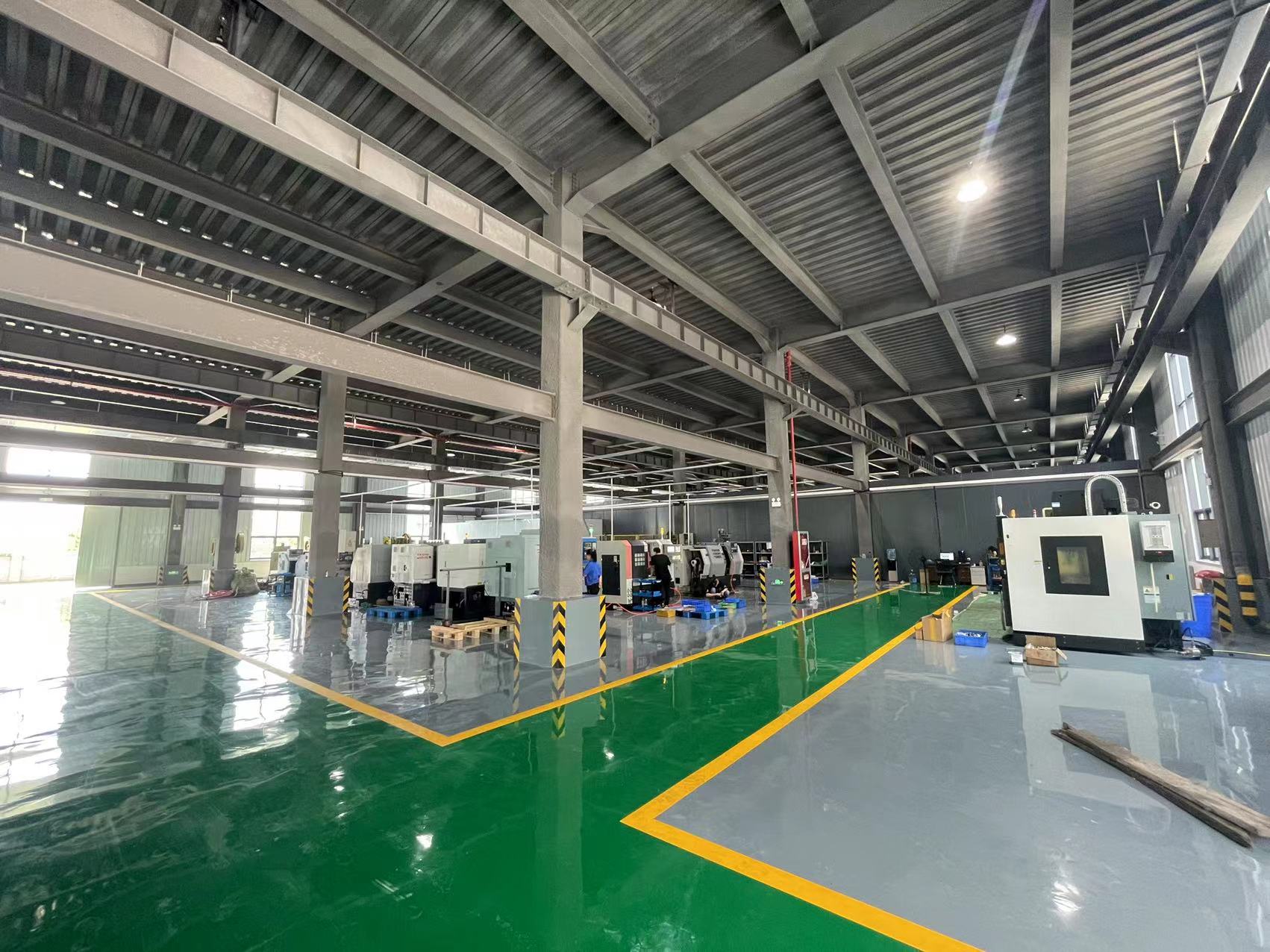
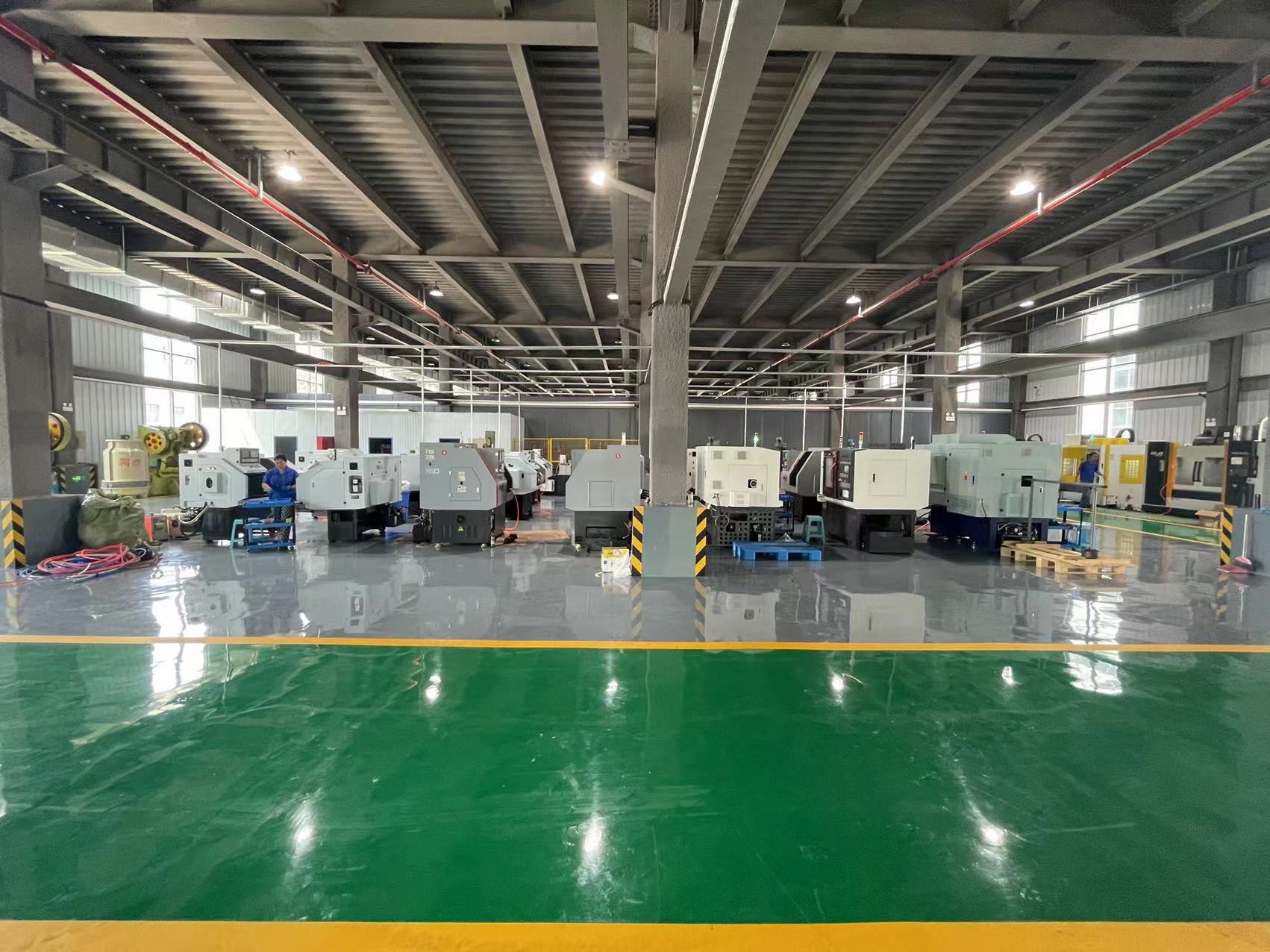
Global procurement directors frequently face anxiety over remote overseas sourcing. At Velnora, we eliminate blind spots. For every customized titanium micro machine screw order, our technical staff provides high-resolution CNC machining photos and multi-angle video updates directly from the shop floor. From bar stock facing and Swiss toolpath cycling to thread rolling, ultrasonic degreasing, and final optical sorting, you can inspect your production batch with full technical clarity prior to export release.
Answers to technical, operational, and supply chain queries commonly evaluated by engineering procurement teams.
Titanium micro machine screws offer an outstanding strength-to-weight ratio, being approximately 44% lighter than 316L or 304 austenitic stainless steel, while delivering a tensile strength comparable to property class 8.8 and 10.9 steel (when machined from Grade 5 Ti-6Al-4V). Crucially for modern micro-assemblies, titanium is completely non-magnetic (magnetic permeability µ ≈ 1.00005), making it indispensable for optics, RF micro-wave antennas, and MRI instrumentation. Furthermore, titanium avoids galvanic degradation when in direct contact with carbon-fiber-reinforced polymers (CFRP), where stainless steel and aluminum rapidly corrode.
The choice depends on load parameters and operating environment:
Grade 5 (Ti-6Al-4V / TC4): The industry standard for structural fastening with tensile strength ≥ 895 MPa. Recommended for high-stress connections in racing electronics, drone camera gimbals, and dynamic linkages.
Grade 2 (Commercially Pure): Exhibits superior ductility, lower tensile strength (~345–450 MPa), and outstanding chemical resistance. Recommended for sub-surface chemical sensors and non-load-bearing cosmetic covers.
Grade 23 (Ti-6Al-4V ELI): An extra-low-interstitial variant conforming to ASTM F136. Mandated for surgical medical implants, intracranial fixation, and orthopedic joints due to maximum fracture toughness and biocompatibility.
Galling prevention is addressed at both the manufacturing and assembly stages. First, Velnora utilizes precision thread-rolling dies rather than single-point turning, generating an ultra-smooth thread root and crest surface finish (Ra < 0.4 µm). Second, we offer Type II anti-wear anodizing and PVD DLC (Diamond-Like Carbon) coatings that introduce a hard, low-friction barrier. Third, we supply engineering guidance on dry film lubricants (such as molybdenum disulfide MoS₂) and recommended run-down speeds (< 450 RPM) to keep assembly temperatures well below the micro-welding threshold.
Yes. We regularly produce custom OEM micro machine screws, captive miniature screws, shoulder screws, and wafer-head fasteners directly from customer STEP, IGES, DXF, or PDF engineering prints. Our Baoji facility supports tolerances down to ±0.005 mm, custom head logos via precision laser marking, customized thread pitches (both metric fine and imperial UN/UNF/UNS down to #000-120), and tailored drive geometries.
Every production batch is accompanied by an EN 10204 3.1 Material Test Report (MTR) detailing chemical composition (O, Fe, C, N, H, Al, V content) and mechanical tensile data. Dimensional verification is performed using optical video measuring machines (VMM), digital optical comparators, and calibrated thread go/no-go ring gauges. For mission-critical batches, 100% automated optical sorting is available to verify head diameter, drive depth, concentricity, and thread pitch.
For standard catalog screws (M1.6, M2, M2.5, M3 under DIN 912 or ISO 14583), MOQ starts at 200–500 pieces, with immediate warehouse dispatch within 3–5 business days. For customized Swiss micro-turning runs or custom anodized finishes, standard MOQs are typically 1,000 to 5,000 units depending on geometry complexity. Prototype sample batches (50–100 pieces) can be scheduled for initial R&D fit tests within 10–12 business days. Contact [email protected] for rapid evaluation.
Partner directly with Velnora Titanium Industry Co., Ltd. in China's Titanium Valley. Submit your CAD files or standard specifications for a rapid technical review and quotation within 4 hours.
[email protected]