Ultra-Low Profile Button Head M5×12mm
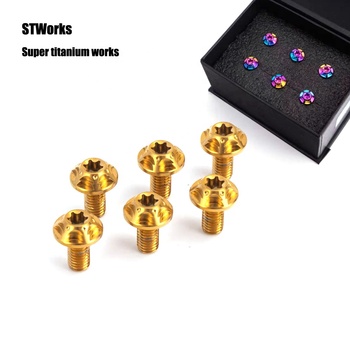
Features a slim 1.8mm dome height to eliminate interference with tightly fitted composite aero bottles and carbon cage retention tabs. CNC chamfered edges eliminate bottle scraping.
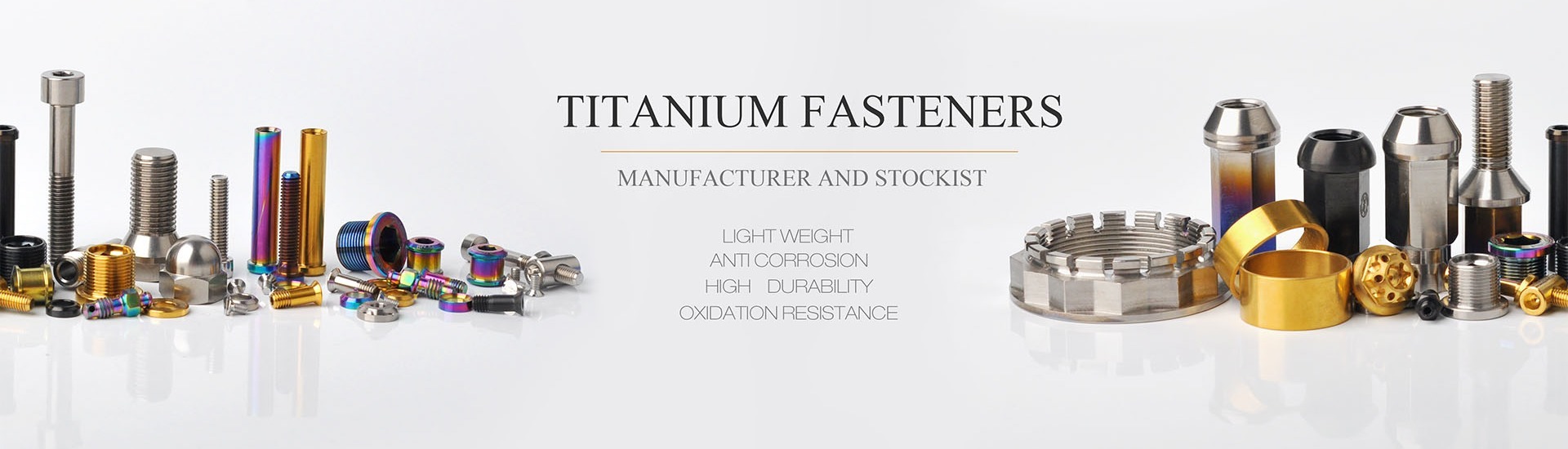
For high-end bicycle manufacturers, aftermarket distributors, and elite cycling component brands, switching to Grade 5 Ti-6Al-4V titanium water bottle cage bolts represents the ultimate convergence of weight savings, galvanic corrosion immunity, and vibration fatigue resistance. Engineered in Baoji—China's Titanium Valley—by Velnora Titanium Industry Co., Ltd., our cold-rolled, CNC-machined M5 cage bolts solve the chronic issues of seized threads, sheared aluminum heads, and galvanic damage in modern carbon fiber frames.
Continuous grain flow, 40% higher fatigue limit
Class 6g precision thread runout guarantee
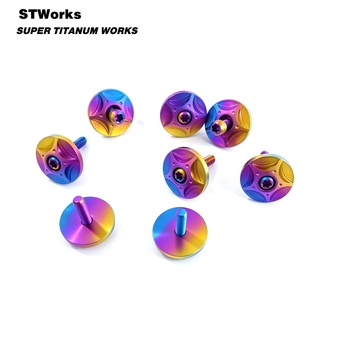
Titanium Nitride (TiN), Black, Rainbow, Burnt
Live CNC photos & inspection video dispatches
Shipped directly from Chinese Titanium Valley
Designed to accommodate the strict clearances of carbon composite cages, bikepacking utility bosses, and aero down-tube profiles. Explore our most requested OEM bolt architectures.
Features a slim 1.8mm dome height to eliminate interference with tightly fitted composite aero bottles and carbon cage retention tabs. CNC chamfered edges eliminate bottle scraping.
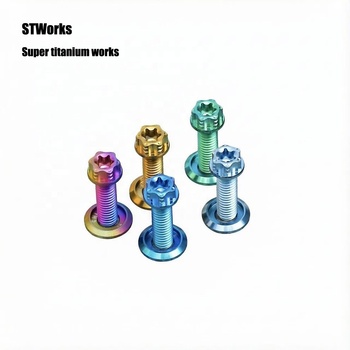
Integrated 11mm broad bearing flange eliminates the need for separate loose washers while distributing clamping pressure evenly over fragile carbon mounts. T25 Torx drive prevents roadside stripping.
Precision fitted with a retained, free-spinning titanium washer. Protects delicate painted carbon fiber frames from galling and torsional scuffing during dynamic factory assembly lines.

Engineered specifically for custom carbon cage manufacturers utilizing 90-degree conical mounting recesses. Delivers a zero-protrusion surface for high-velocity wind tunnel optimized time trial frames.
Sourcing managers and bicycle brand product developers are altering their fastener procurement strategies. Here is what leading global distributors must anticipate over the coming manufacturing cycles.
While 7075-T6 aluminum was previously favored for weight-obsessed specs, aluminum cage bolts suffer from shear embrittlement, stress-corrosion cracking, and galvanic seizure inside internal aluminum frame rivnuts. Global OEMs are shifting en masse to Grade 5 titanium, which yields a comparable featherlight profile (~1.3g vs ~0.9g) while delivering an unmatched shear threshold that withstands the violent dynamic vibrations of 800ml water bottles over rocky gravel terrain.
Shallow 3mm and 4mm internal hex drive recesses are notoriously vulnerable to rounding and cam-out during rapid assembly line torquing or roadside multitool repairs. Modern B2B purchase orders are overwhelmingly standardizing on precision cold-forged T25 Torx drive pockets. The 6-lobe design increases engagement surface contact area, permitting precise, repeatable 3.5 to 4.0 N·m torquing without bit slippage or tool recess deformation.
The global surge in adventure, gravel, and endurance cycling has fundamentally increased the bill-of-materials (BOM) count per frame. Modern adventure gravel frames and expedition rigid forks routinely feature between 12 and 18 M5 eyelet mounts for accessory cages, bento bags, down-tube protection, and cargo straps. Procurement teams are scaling procurement batch sizes from historical 1,000-piece orders to 10,000–50,000 piece production runs to equip multi-mount frame lines.
Electrochemical titanium anodizing produces vibrant interference colors, but it exhibits micro-porosity and gradual fading when subjected to UV sunlight, acidic sports drinks, and alkaline bike cleaners. B2B buyers now mandate Physical Vapor Deposition (PVD) vacuum arc coatings—such as Titanium Nitride (TiN Gold), Carbon Nitride (DLC Black), and Titanium Carbonitride (Oil Slick Rainbow). PVD imparts an ultra-hard surface layer (HV > 2500) that is scratch-proof and permanently colorfast.
With low-grade commercial titanium or recycled scrap entering secondary fastener markets, premier brands demand certified Ti-6Al-4V bar stock with complete chemical spectroscopy analysis (ICP-OES) and mechanical testing reports compliant with ASTM B348. Velnora's raw material tracking in Baoji guarantees exact vanadium and aluminum ratios, preventing premature fatigue failure.
Single-point lathe-cut threads introduce microscopic notch stress concentrators and tear the crystalline grain flow of titanium alloy. Leading bike assemblers now reject cut threads on safety and longevity grounds, requesting strictly thread-rolled shanks. Rolled threads enhance fatigue limits by inducing residual compressive surface stresses, ensuring threads never seize in frame bosses.
A deep-dive analysis into metallurgical properties, galvanic cell neutrality in carbon composites, and CNC thread-rolling physics.
Titanium Water Bottle Cage Bolts must withstand combined cantilever bending, cyclic vibration shear, and static preload tension. Standard Grade 2 commercially pure (CP) titanium lacks the necessary mechanical toughness (σb ≈ 345 MPa) and is prone to necking under moderate torque. In contrast, Velnora uses vacuum-arc remelted Grade 5 (Ti-6Al-4V / TC4), an alpha-beta alloy combining 6% Aluminum for solid-solution strengthening and 4% Vanadium as a beta stabilizer.
This molecular configuration delivers an ultimate tensile strength exceeding 950 MPa and an exceptional strength-to-density ratio (214 kN·m/kg compared to 125 kN·m/kg for 304 stainless steel). Grade 5 titanium bolts maintain structural elasticity across aggressive thermal oscillations, isolating fragile cage tabs from road-induced impulse shocks.
When an aluminum bolt is threaded directly into a metallic rivnut encased within a carbon fiber frame, an intense galvanic corrosion battery is formed. Carbon fiber is electrically conductive and behaves as a noble cathode (+0.2V to +0.3V on the galvanic index), while aluminum serves as an aggressive sacrificial anode (-0.9V). In the presence of moisture, sweat electrolyte, or winter road salts, aluminum bolts undergo accelerated pitting, self-welding permanently into the frame or disintegrating completely.
Grade 5 Titanium possesses a standard electrode potential nearly identical to carbon fiber graphite (-0.05V to +0.05V). Furthermore, titanium spontaneously develops an impermeable, self-healing Titanium Dioxide (TiO2) passivated surface layer when exposed to oxygen. This inert barrier completely terminates galvanic electron transfer, preventing frame damage and frozen threads over decades of service.
| Key Engineering Property | Velnora Gr5 Ti-6Al-4V | 7075-T6 Aluminum | 304 Stainless Steel | Gr2 Pure Titanium |
|---|---|---|---|---|
| Density (g/cm³) | 4.43 | 2.81 | 7.93 | 4.51 |
| Yield Strength σ0.2 (MPa) | 830 – 880 | 460 – 505 | 205 – 240 | 275 – 310 |
| Ultimate Tensile Strength σb (MPa) | 950 – 1050 | 540 – 570 | 520 – 650 | 345 – 420 |
| Elongation at Break (%) | 14% – 18% | 8% – 11% | 45% – 55% | 20% – 25% |
| Galvanic Compatibility with Carbon Fiber | Impervious (No Corrosion) | Extremely Severe Risk | Moderate Risk | Impervious (No Corrosion) |
| Thread Stripping / Shearing Resistance | Exceptional | Poor (Prone to snap) | High | Moderate |
| Electrolyte / Sweat Pitting Immunity | 100% Inert (TiO2 Layer) | Rapid Pitting Degradation | Pitting in Chloride Ions | 100% Inert |
| Recommended Installation Torque | 3.5 – 4.0 N·m | 1.8 – 2.2 N·m | 4.0 – 4.5 N·m | 2.2 – 2.8 N·m |
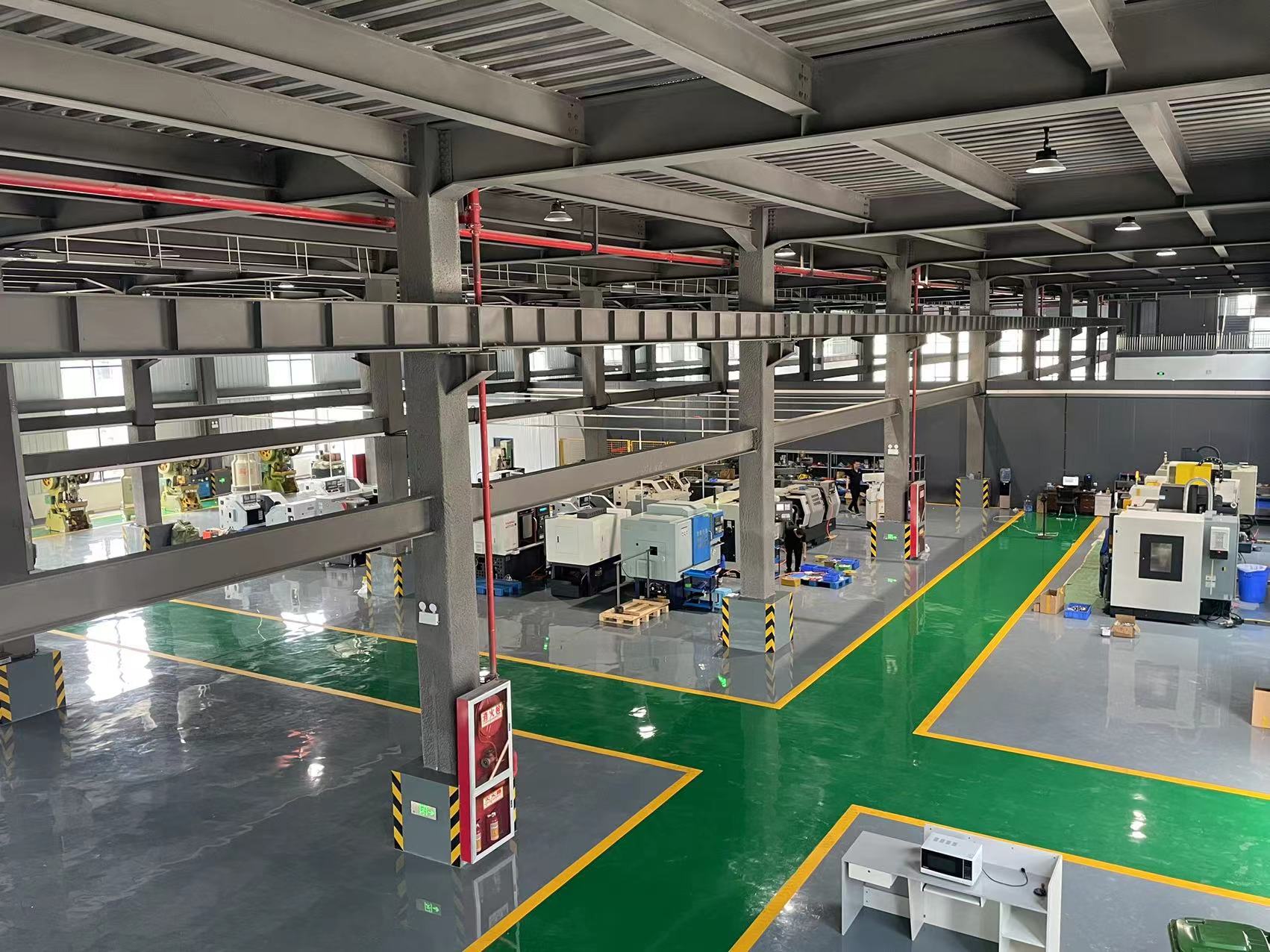
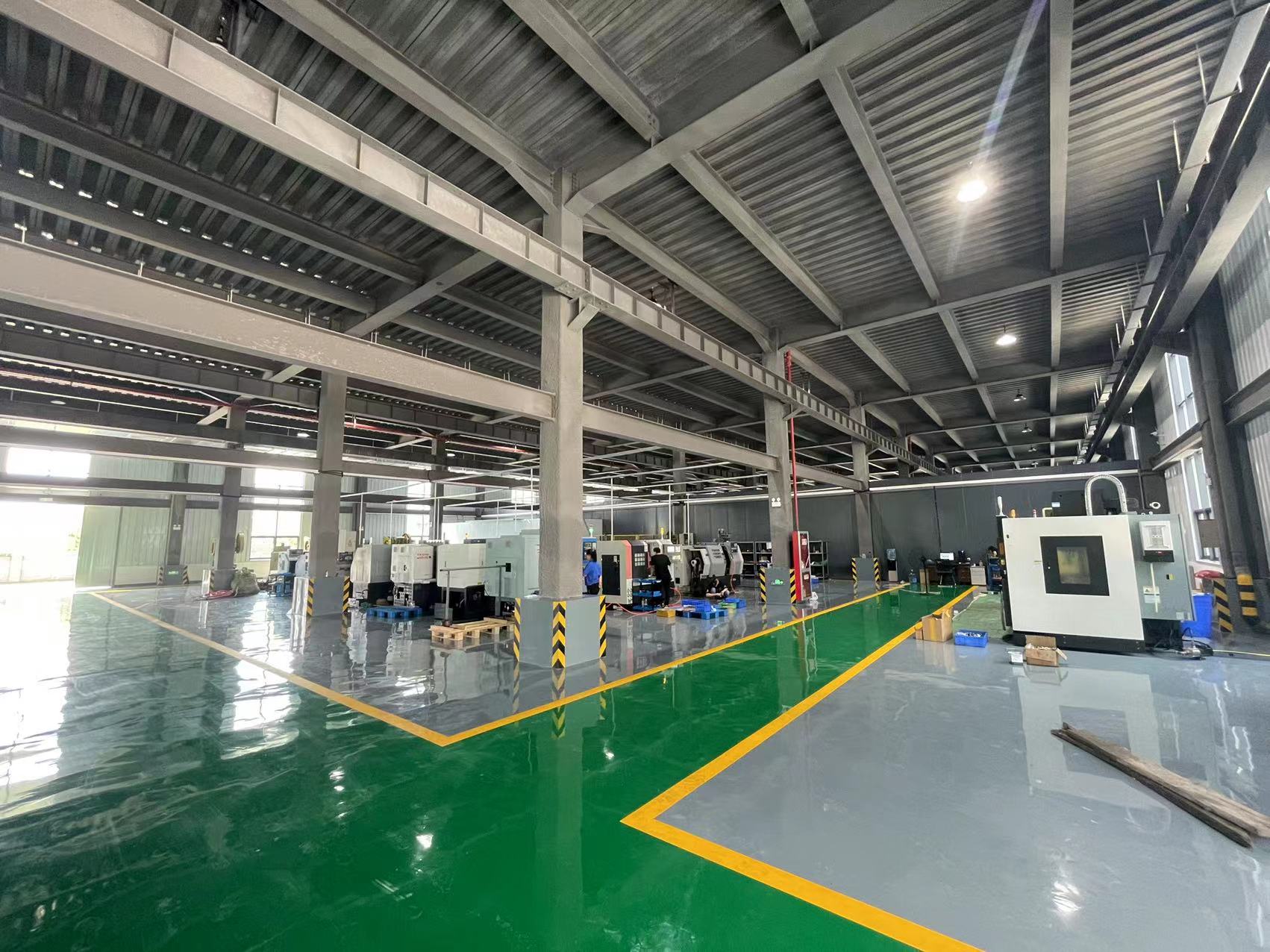
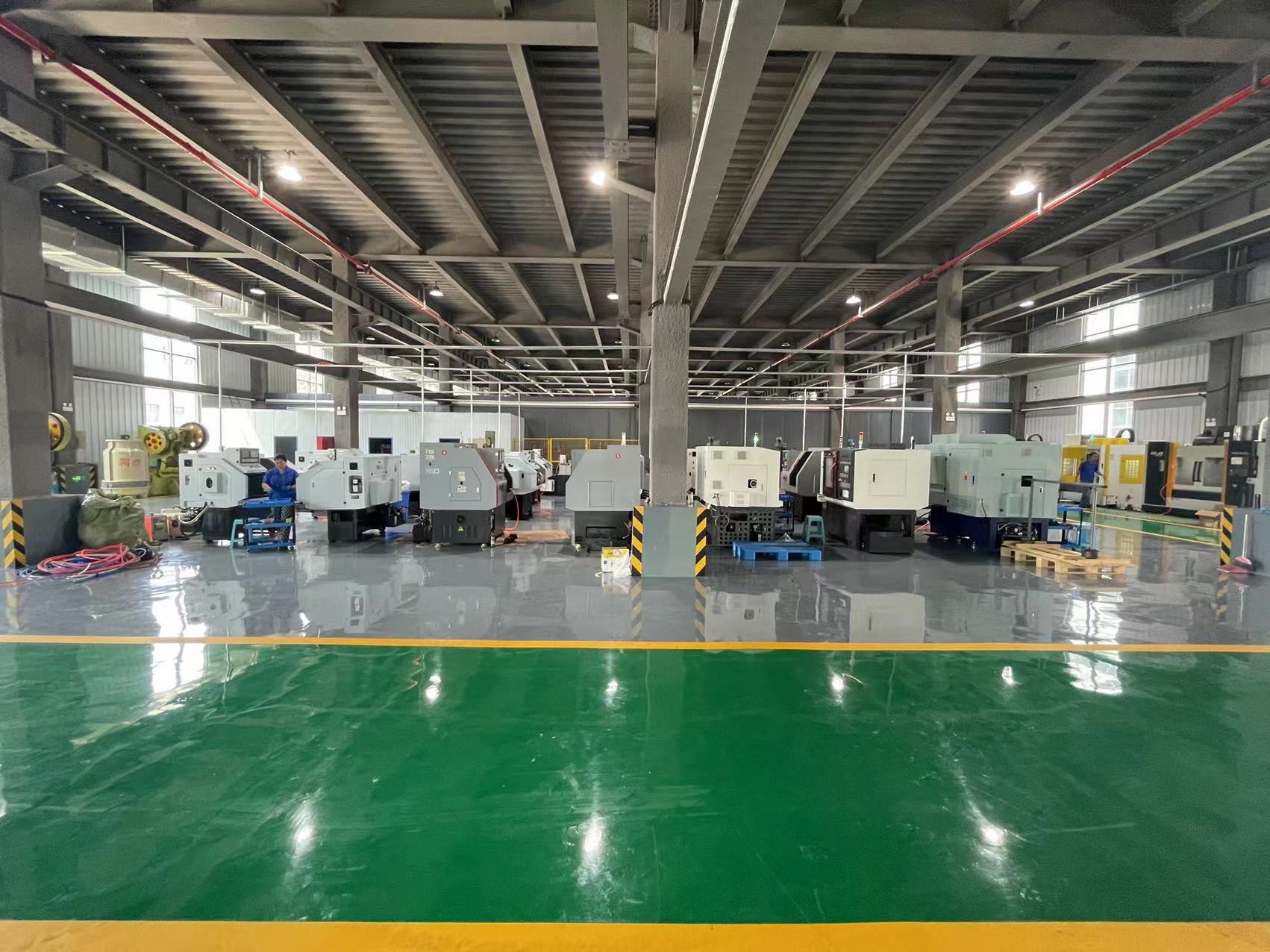
Founded in 2013, Velnora Titanium Industry Co., Ltd. has grown into one of the premier high-precision titanium fastener manufacturers in Baoji, Shaanxi. Serving over 1,000 global customers with an unyielding commitment to precision engineering.
Operating directly within China's epicenter of titanium metallurgy (Baoji), Velnora Titanium Industry Co., Ltd. specializes in precision metal machining for high-stress bicycle, automotive, racing, industrial, and medical applications. Every batch of Titanium Water Bottle Cage Bolts is produced in strict compliance with international DIN, ANSI, and JIS standards.
Unlike brokers or generic trading intermediaries, we believe quality is not an optional luxury, but an absolute mechanical necessity. To guarantee 100% transparency for our international buyers, our engineering team provides continuous live CNC production updates with high-definition photos and video verifications before packing.
Authoritative answers to the most frequent technical, metallurgical, and supply chain questions asked by global bike brands, workshops, and distributor sourcing managers.
The universal standard adopted across the bicycle industry for frame bosses is the ISO metric coarse thread: M5 × 0.8 mm. The standard shank length for 90% of road and mountain applications is 12 mm (often denoted as M5x12mm), which guarantees at least 5 to 6 full thread turns inside the internal frame rivnut without bottoming out against the frame tube's interior wall.
For heavy-duty applications—such as composite side-loading cages with thick mounting feet, bikepacking fork mounts, or battery pack bracket interfaces—lengths of 15 mm or 18 mm are recommended. Velnora CNC-machines and cold-rolls M5 bolts from 8 mm up to 35 mm in total length according to OEM technical drawings.
Titanium fasteners possess high friction coefficients when threaded dry against aluminum frame rivnuts or titanium bosses, which can lead to galling (micro-frictional seizure). Velnora resolves this through a two-fold engineering strategy:
1. Surface Smoothness: We cold-roll our threads to achieve a mirror surface finish (Ra < 0.4 μm) rather than rough lathe cutting, removing microscopic peaks that cause mechanical binding.
2. Assembly Lubrication: It is mandatory to apply a specialized anti-seize paste containing copper flake, aluminum micro-particulates, or PTFE (polytetrafluoroethylene) lubricant to the threads prior to installation. This forms an extreme-pressure barrier that allows smooth torque translation and effortless disassembly even after years of wet, salty riding.
While an M5 Grade 5 titanium bolt has a yield point capable of handling over 6.5 N·m of torque before plastic elongation, the limiting factor is always the bicycle frame itself. Most carbon and alloy frames utilize thin-walled aluminum threaded inserts (blind rivnuts) bonded or mechanically crimped into the tubing.
Over-torquing beyond 4.0 N·m risks shearing the adhesive bond between the carbon fiber composite and the aluminum insert, causing the rivnut to spin freely inside the frame. Velnora engineers recommend a calibrated installation torque of 3.0 to 3.5 N·m using a calibrated torque wrench, which provides over 350 kg of axial clamping force—more than sufficient to retain full water bottles over rugged downhills without stressing frame inserts.
Both methods yield striking visual aesthetics, but they differ significantly in mechanical surface hardness:
Anodizing: An electrochemical bath process that grows a controlled microscopic titanium dioxide layer. Light refraction generates colors (Purple, Blue, Gold, Rose, Green). While lightweight and cost-effective for medium batches, it possesses a standard hardness (~400 HV) and can gradually wear away if repeatedly scuffed by bottle extraction.
PVD (Physical Vapor Deposition): Carried out inside high-vacuum plasma chambers where metallic vapor combines with reactive gases (such as Nitrogen or Carbon) to deposit an ultra-dense ceramic compound (TiN, TiCN, or DLC). PVD finishes (Jet Black, 24K Gold, Iridescent Rainbow) achieve hardness levels exceeding 2,500 HV. They are virtually impervious to gravel strike scratches, harsh cleaners, and UV exposure, making PVD the gold standard for premium OE bike builds.
Yes. As a direct manufacturer, Velnora provides comprehensive OEM and ODM personalization. We can execute custom low-profile button, flanged, conical, or hollowed-out weight-saving head structures from your STEP/CAD drawings.
High-resolution fiber laser engraving is available to engrave your brand logo, torque specifications (e.g., "Max 3.5N·m"), or batch tracking numbers on the bolt head face. Our standard minimum order quantity (MOQ) for custom-machined or custom-colored cage bolts begins at just 100 to 200 pieces, allowing boutique frame builders and large distributors alike to test new product lines with low capital risk.
Every mass production run undergoes an intensive 3-tier quality assurance protocol:
1. Raw Material Spectroscopy: Inbound titanium alloy bars are analyzed via optical emission spectrometry to guarantee ASTM B348 compliance for Ti-6Al-4V chemical purity (eliminating interstitial hydrogen, oxygen, and nitrogen embrittlement).
2. In-Line Sampling: Automated Swiss-type CNC machines are checked every 30 minutes with optical profilometers and Class 6g Go/No-Go thread pitch micrometer gages.
3. Pre-Shipment Documentation: Before export packing, buyers receive dimensional inspection certificates, tensile failure test reports, and a high-definition video walkthrough of the actual production run.
Request an immediate engineering consultation, material certification data, or bulk volume quotation. Our technical team responds within 4 hours during business days.