Gr5 Titanium
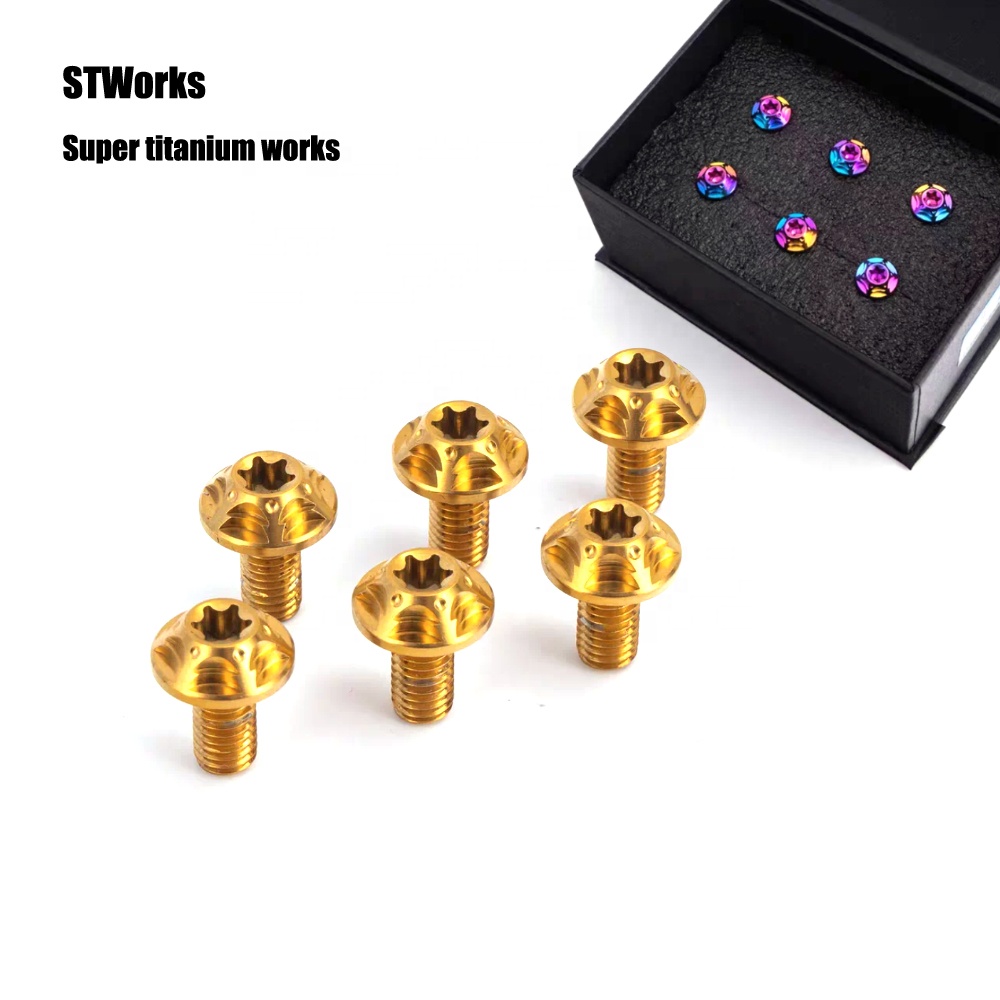
Precision-turned and thread-rolled fasteners manufactured strictly to DIN, ISO, ANSI, and JIS standards. Serving premier engineering teams in Valletta and the Maltese archipelago.
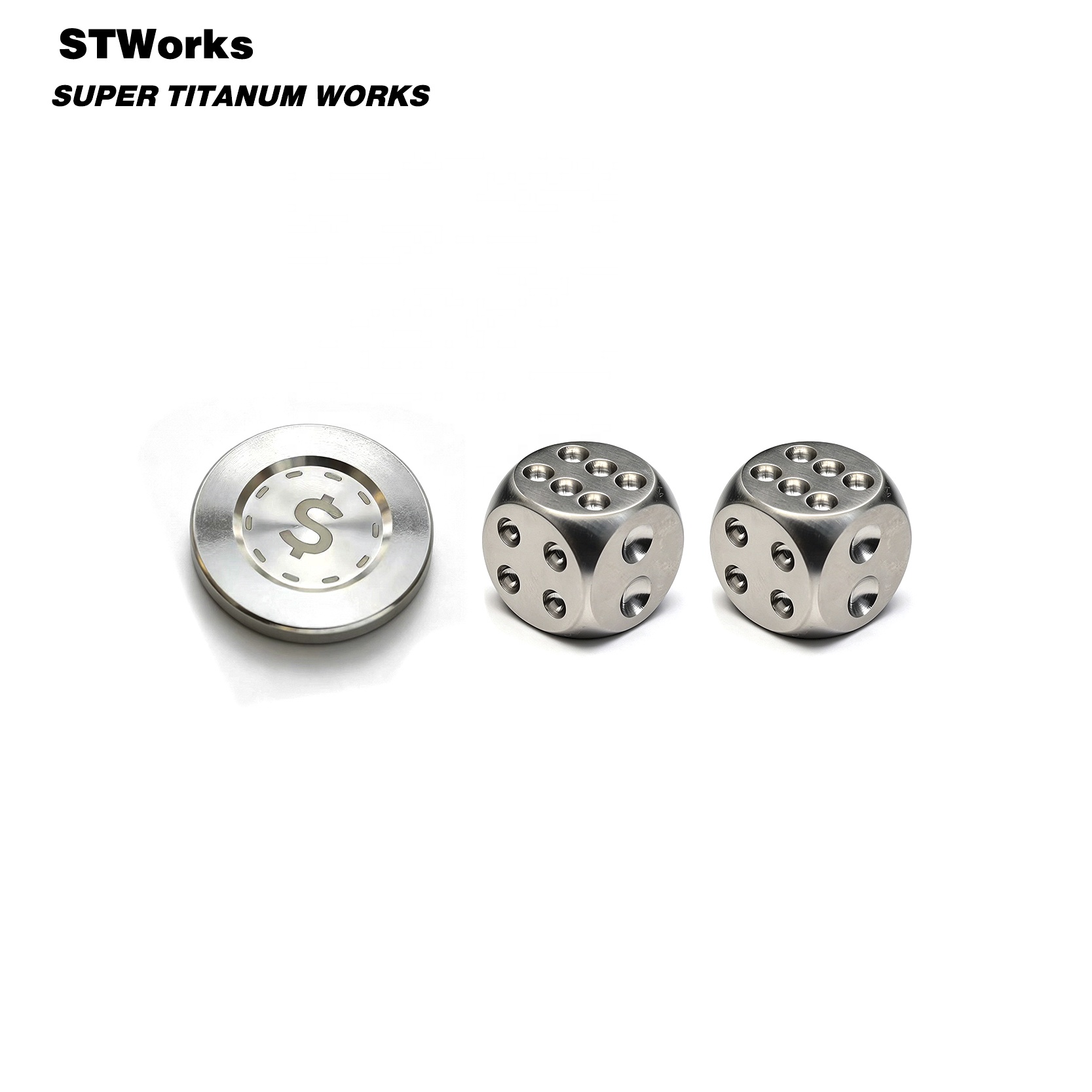
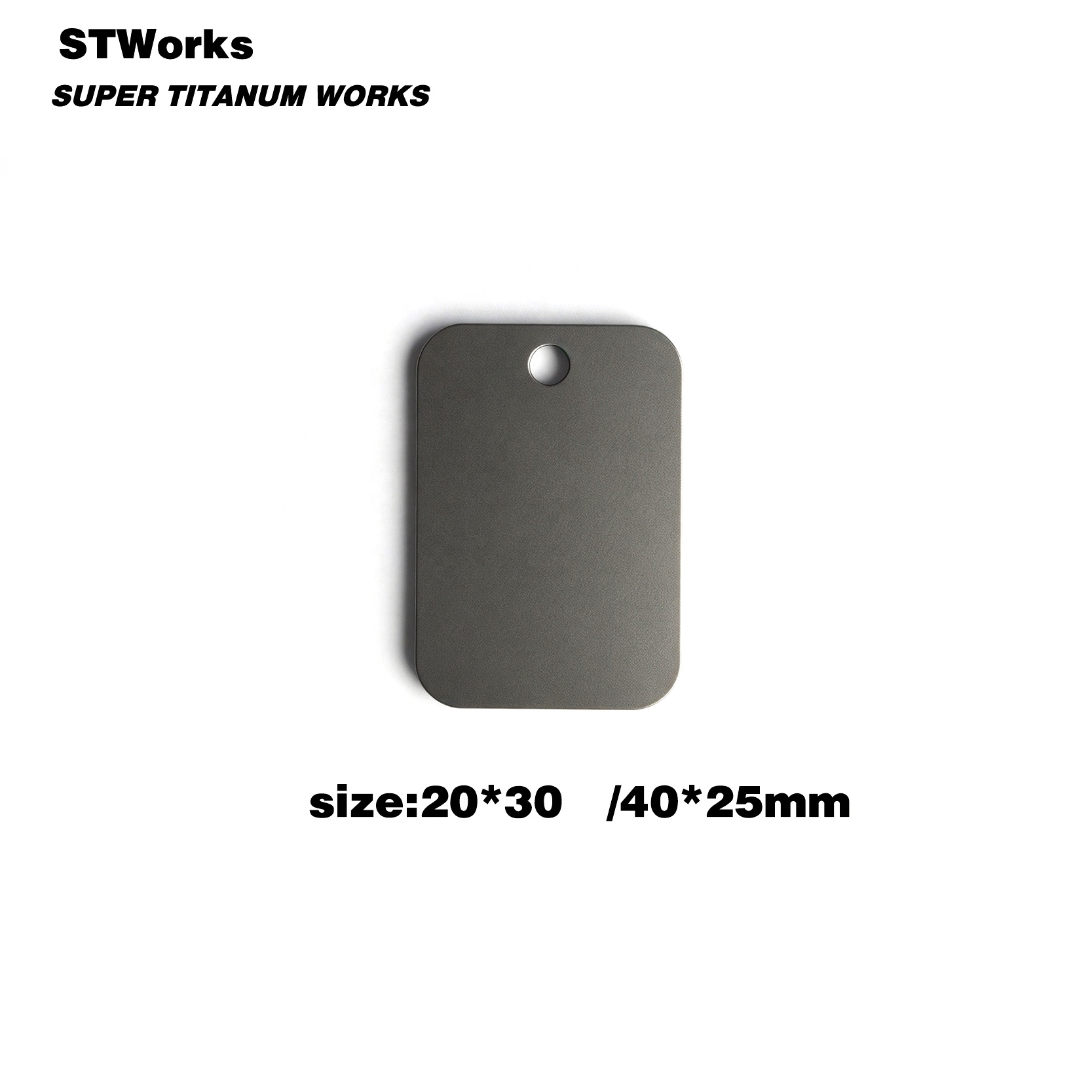
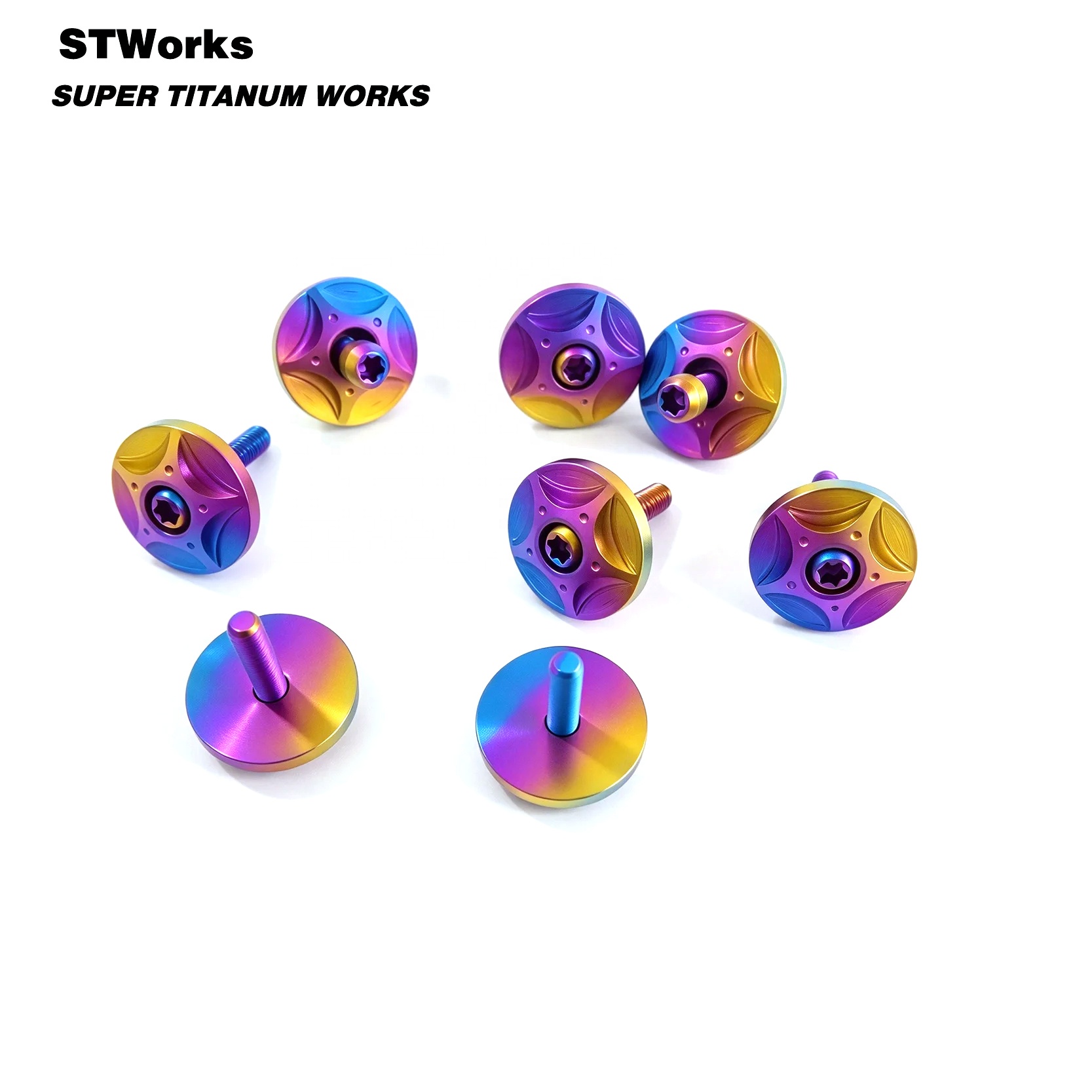
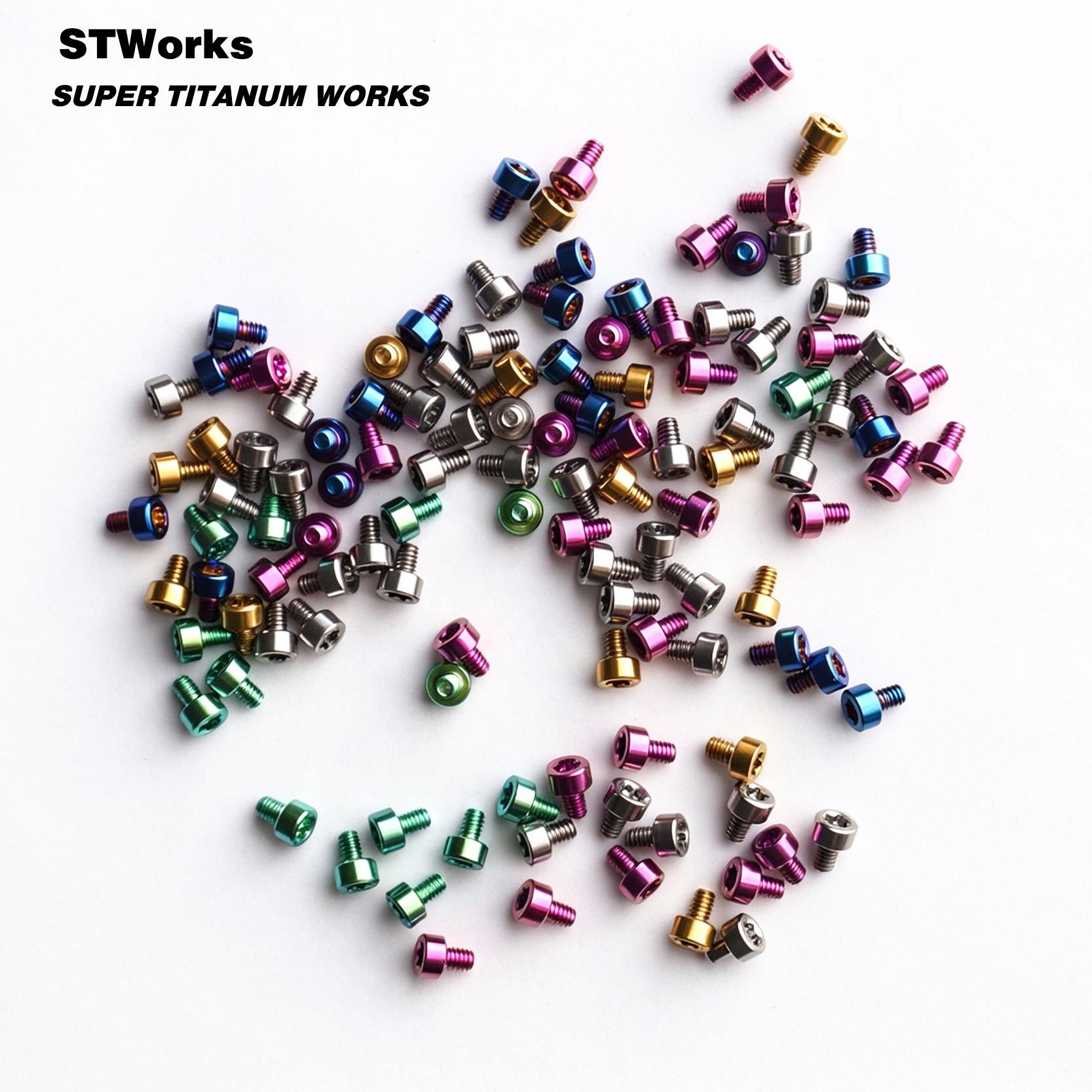
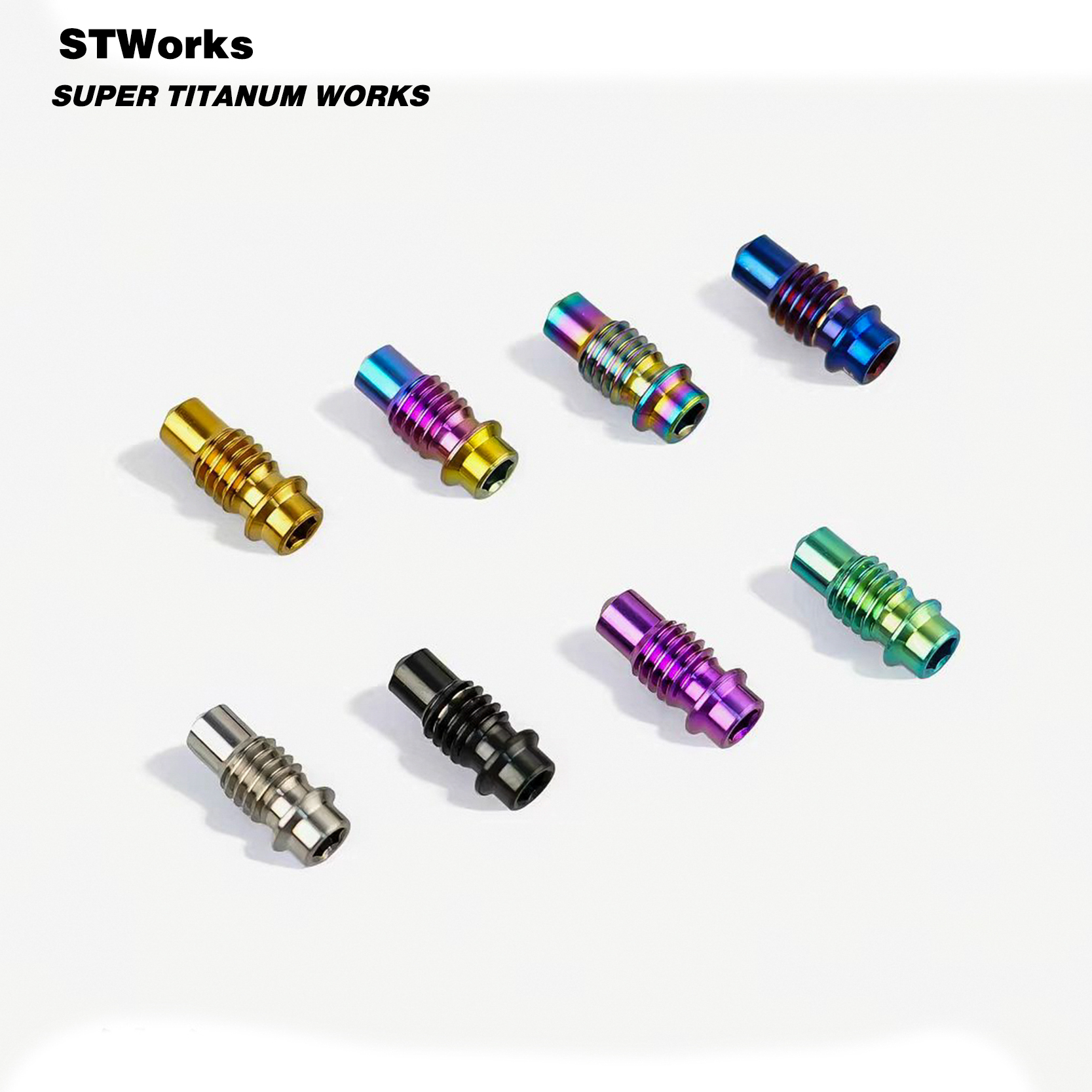
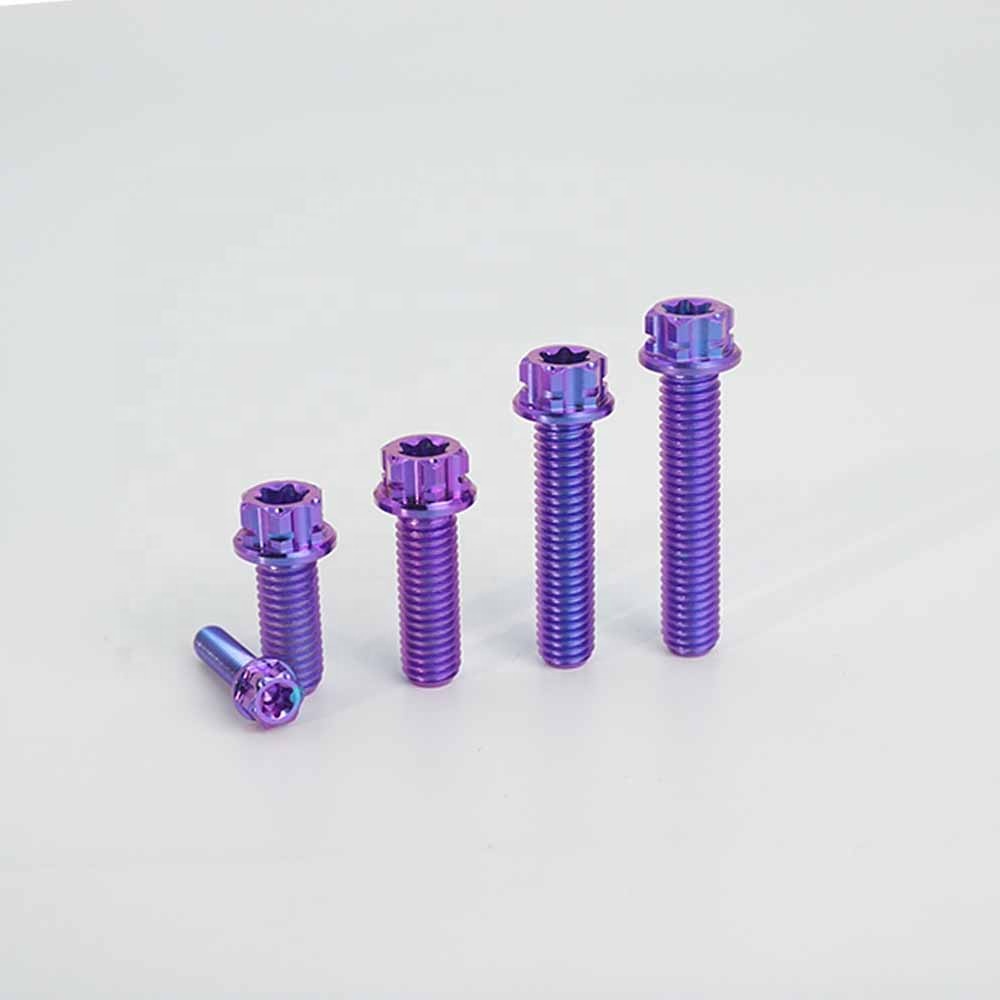
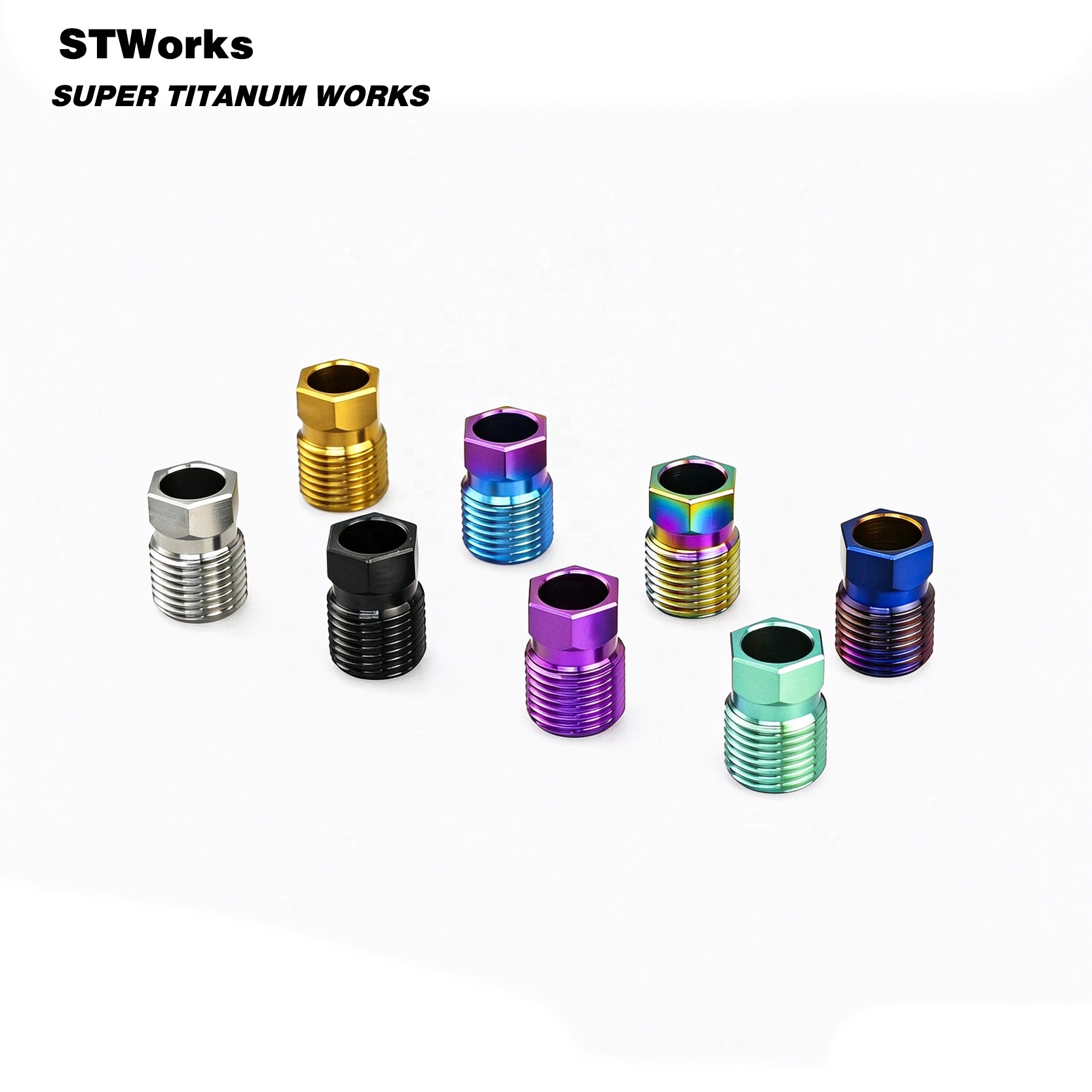
Valletta, with its strategic position at the crossroads of Mediterranean maritime logistics, ship repair, and historical marine architecture, presents an aggressive operational environment for mechanical fasteners. The Grand Harbour and Marsamxett Harbour expose structural fixings to extreme atmospheric salinization, perpetual humidity, and aggressive chloride attack. In these high-salinity zones, conventional 304 and even marine-grade 316 austenitic stainless steels succumb rapidly to pitting corrosion, crevice corrosion, and chloride-induced stress corrosion cracking (CSCC). Velnora Titanium Industry Co., Ltd. supplies high-precision Grade 5 (Ti-6Al-4V) and Grade 2 (Commercially Pure) titanium threaded rods engineered specifically to resolve these critical failure modes.
When engineering mechanical connections for desalination units, yacht rigging, marine infrastructure retrofit, and subsea hydraulic enclosures in Malta, fastener selection dictates both structural integrity and long-term lifecycle expenditures. Grade 5 titanium (UNS R56400 / Werkstoff 3.7165) exhibits an extraordinary strength-to-weight ratio, achieving minimum tensile yield values above 828 MPa and ultimate tensile strengths exceeding 895 MPa—readily matching or exceeding property class 8.8 structural steel while slashing fastener assembly mass by over 44%.
Unlike standard threaded stock produced via subtractive single-point thread turning which compromises the metal's grain structure, Velnora titanium threaded studs and DIN 975/DIN 976 full-thread bars are fabricated via advanced thread rolling processes. Cold thread rolling work-hardens the thread flanks, enhances root fatigue life by up to 30%, and compresses the continuous grain boundary matrix along the flank geometry. This structural compaction significantly limits stress concentration risers that often lead to sudden catastrophic shear in dynamic sea-spray or heavy cyclical wave-action environments.
Review the comparative metallurgical properties below to validate the replacement of traditional hardware with precision titanium threaded rods across high-salinity installations.
| Mechanical / Chemical Property | Ti-6Al-4V (Grade 5 Titanium) | Grade 2 (CP Titanium) | 316L Stainless Steel | 7075-T6 Anodized Aluminum |
|---|---|---|---|---|
| Density (g/cm³) | 4.43 (Optimized Weight) | 4.51 | 8.00 (Heavy) | 2.81 |
| Yield Strength (Rp 0.2, MPa) | 828 – 910 | 275 – 380 | 220 – 300 | 505 |
| Tensile Strength (Rm, MPa) | 895 – 1000 | 345 – 480 | 520 – 680 | 570 |
| Resistance to Pitting (PREN) | Immune in ambient seawater | Immune in ambient seawater | 23 – 25 (Pitting Vulnerable) | Low (Crevice Sensitive) |
| Stress Corrosion Cracking (Cl-) | Completely Impervious | Completely Impervious | Susceptible above 50°C | Extremely High Risk |
| Galvanic Behavior vs Carbon Fiber | Compatible (Zero Corrosion) | Compatible | Moderate Galvanic Potential | Destructive Galvanic Cell |
*Engineering Note: While Grade 5 titanium offers mechanical equivalents to Class 8.8 high-tensile hardware, Velnora engineering recommends anti-seize assemblies featuring molybdenum disulfide or nickel-based lubricants to prevent friction-induced cold welding (thread galling) under high torque pre-loads.
Precision-threaded titanium rods and CNC custom components solve extreme structural and electrochemical problems across Malta's core marine, infrastructural, and high-tech sectors.
Valletta's yacht yards and refit facilities require continuous threaded rods for through-hull pass-throughs, keel bolt attachments, underwater bracketry, and deck gear mounts. Grade 5 titanium rods eliminate galvanic degradation when installed alongside carbon fiber masts, rudder stocks, and composites, delivering permanent zero-corrosion reliability without zinc anode dependency.
Providing the backbone of potable water production in Pembroke, Ghar Lapsi, and Cirkewwa, Malta's reverse osmosis high-pressure brine circuits exert extreme hydraulic pressure under concentrated chloride saturation. Velnora Grade 2 and Grade 5 threaded rods fasten membrane housings, pump impellers, and heat exchangers without experiencing bio-fouling degradation or stress-induced cracking.
Preserving the 16th-century limestone bastions and maritime fortresses of Valletta demands masonry anchors and stabilizing tie rods that withstand centuries of sea winds without expansive oxidation. Titanium full-thread rods inserted with non-shrink marine grouts prevent inner-wall spalling caused by rusting iron or expanding steel armatures.
With Malta actively testing floating offshore solar and deep-water mooring anchors along coastal test sites, hardware failure isn't an option. Our titanium threaded rods and flange fasteners maintain structural preload despite relentless hydrodynamic fatigue, wave slap, and micro-motion scouring in open Mediterranean currents.
From offshore tuna farming pens around St. Paul's Bay to subsea oceanographic mapping sensors operating off the Maltese shelf, Velnora titanium fasteners deliver non-magnetic, biostable performance that ensures zero fluid contamination and complete dimensional stability under deep bathymetric pressures.
Malta's active automotive racing tuning shops and endurance cycling communities utilize our precision Gr5 TC4 bolts, brake rotor Torx hardware, and titanium studs to shave critical unsprung weight from rotating assemblies while increasing shear resistance under race-track braking loads.
The procurement landscape in Malta is undergoing a rapid transition toward lifecycle costing models (Total Cost of Ownership - TCO). Historically, project managers across Mediterranean maritime clusters specified 316 stainless steel fasteners due to lower initial purchase price. However, localized field audits across Valletta harbor infrastructures reveal that stainless fixings in direct spray zones require partial replacement every 24 to 36 months, generating massive overheads in vessel drydock charges, crane rentals, and plant downtime.
By switching to Grade 5 titanium threaded rods, Maltese enterprises achieve a "fit-and-forget" infrastructure baseline. While the upfront material cost of titanium bar stock is higher, the titanium dioxide (TiO₂) passivation layer is chemically self-healing in oxygenated environments, yielding an indefinite functional operational life in seawater. Furthermore, as the European Union strengthens maritime decarbonization criteria, light-weighting naval and leisure vessels directly lowers propulsion fuel burn and auxiliary energy consumption.
Founded in 2013 in Baoji—the recognized epicentre of China's titanium raw material smelting and processing—Velnora Titanium Industry Co., Ltd. combines raw billet metallurgical traceability with modern multi-axis CNC machining, wire EDM, and thread rolling infrastructure.
Technical and commercial answers addressing common engineering queries from engineers, shipyard managers, and hardware importers in Malta.
For applications demanding maximum mechanical strength alongside permanent immersion—such as yacht keel bolts, high-pressure desalination piping flanges, and subsea bracketry—Grade 5 Titanium (Ti-6Al-4V / TC4) is the industry benchmark. It yields over 828 MPa and possesses absolute resistance to ambient seawater corrosion. If the application prioritizes cold-forming capability, deep thermal expansion matching, or lower static structural stress (such as chemical tank liners or passive exhaust ducting), Grade 2 Commercially Pure (CP) titanium is optimal due to its supreme ductility and cost-efficiency.
Thread galling (friction cold-welding) occurs when micro-asperities on titanium mating threads weld under pressure. To prevent this during installation in Maltese yards: (1) Always utilize rolled threads instead of cut threads, as rolling creates a smoothed surface profile; (2) Apply a high-quality marine anti-seize lubricant containing nickel, copper, or molybdenum disulfide (MoS₂); (3) Adjust your calibrated torque values downward to compensate for reduced thread friction; and (4) Avoid high-speed pneumatic impact wrenches during final clamping stages.
Yes. In addition to standard DIN 975/DIN 976 metric rods (M3 to M36 in 1000mm and custom cut lengths), we routinely machine custom lengths with left-hand threads, stepped tapers, dual-end threaded studs, and UN/UNF inch pitches for British and American legacy maritime machinery operating across Grand Harbour shipyards. Simply share your STEP/PDF engineering drawings.
Standard stocked specifications ship within 3–5 business days. Custom CNC machining and rolled runs typically take 15–25 business days depending on quantity and surface finishing. For time-sensitive vessel repairs in Valletta, we deploy express air courier services (DHL, FedEx, UPS) delivering directly to your workshop in Malta within 4 to 7 transit days. Consolidated sea freight is provided for full container or palletized bulk replenishment.
Every raw billet batch is verified via spectrometer testing to confirm titanium, aluminum, and vanadium ratios conform strictly to ASTM B348 / ASTM F136 requirements. Dimensional inspections utilize optical comparator measurement, calibrated Go/No-Go thread pitch gauges (6g / 6H tolerances), and CMM systems. Full inspection reports, video documentation, and EN 10204 3.1 material certificates accompany the dispatch.
Submit your specifications, drawings, or replacement hardware requirements. Our technical sales engineers in Baoji evaluate your tolerances and deliver comprehensive quotation matrices within 4 operational hours.