Featured Titanium CNC Components Ready for Immediate Dispatch to Seoul
Engineered to DIN, ISO, and JIS industrial tolerances, our precision titanium fasteners and milled assemblies undergo multi-axis CNC micro-machining, clean deburring, and spectrographic material verification.
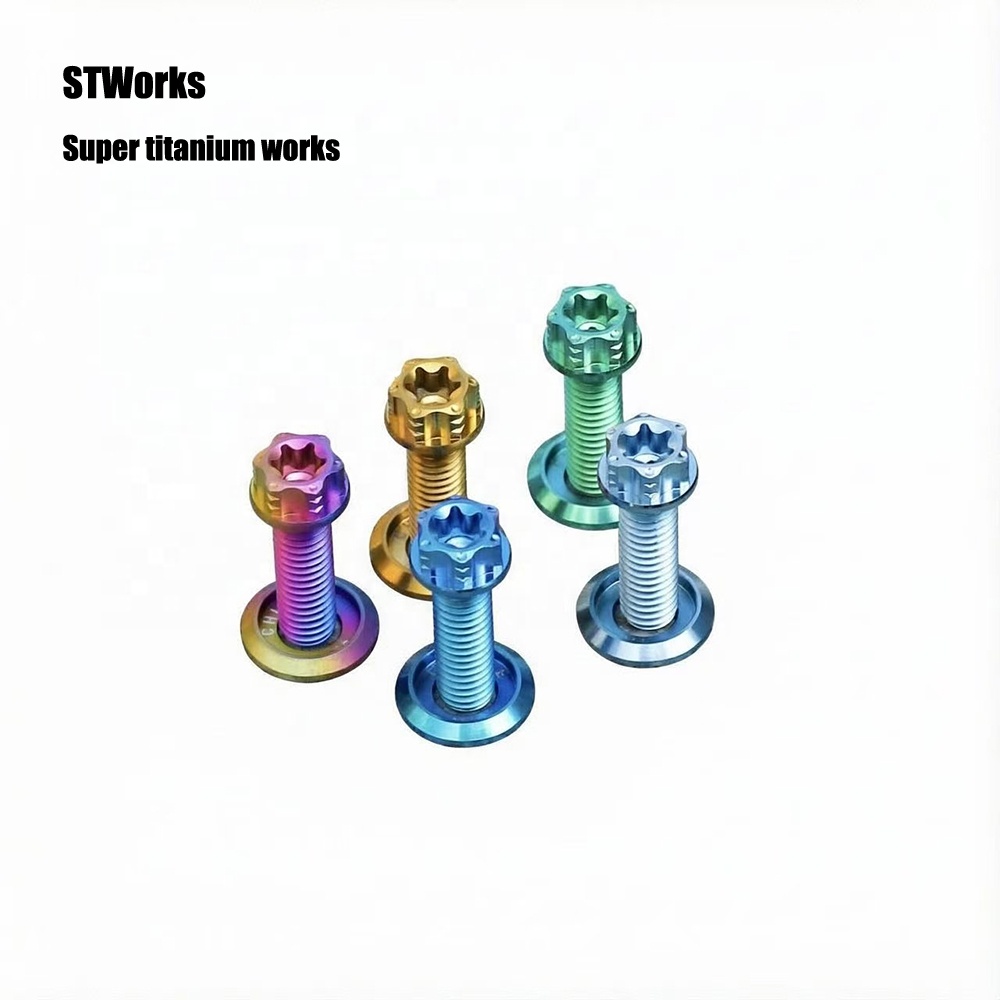
Titanium Alloy Bicycle Disc Brake Caliper Mounting Bolts Candy-Colored M6x20 with Washers
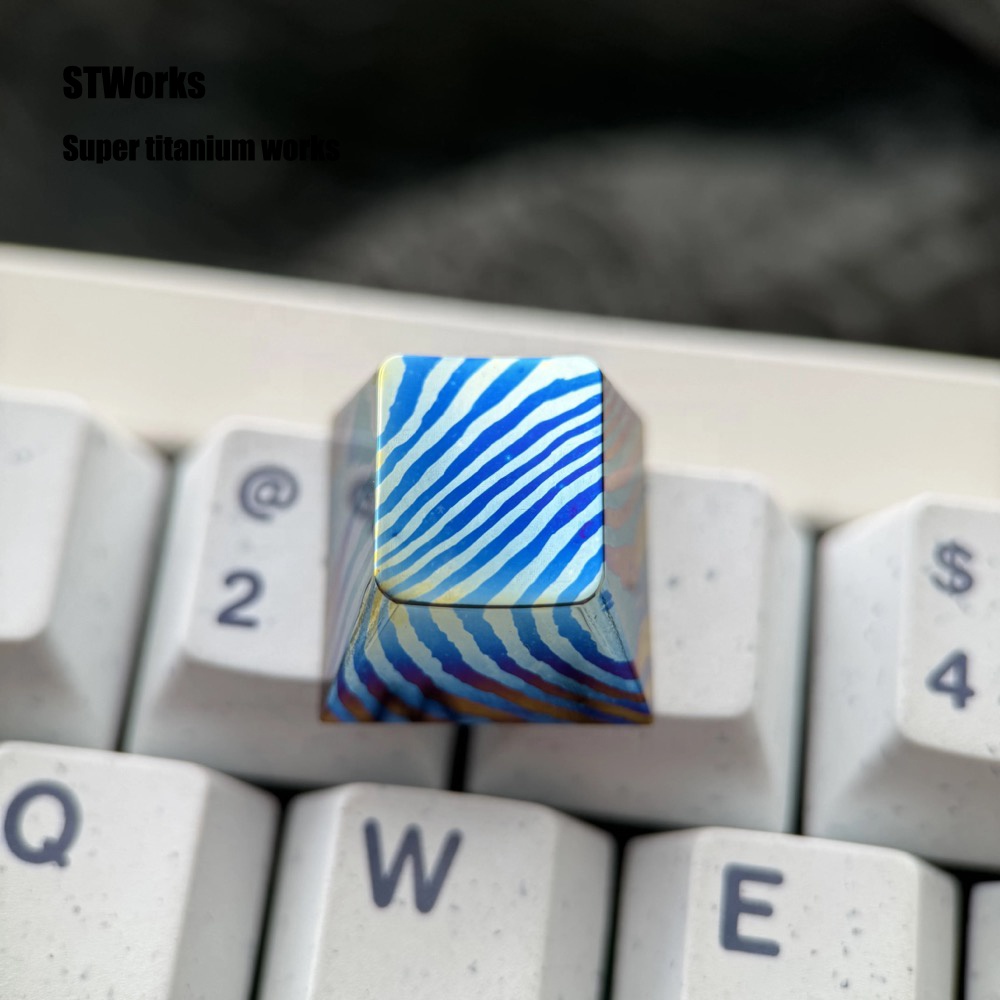
Timascus Alloy Mokuti CNC Parts Computer Keyboard 1U ESC Buttons /KEY CAPS Random Colors
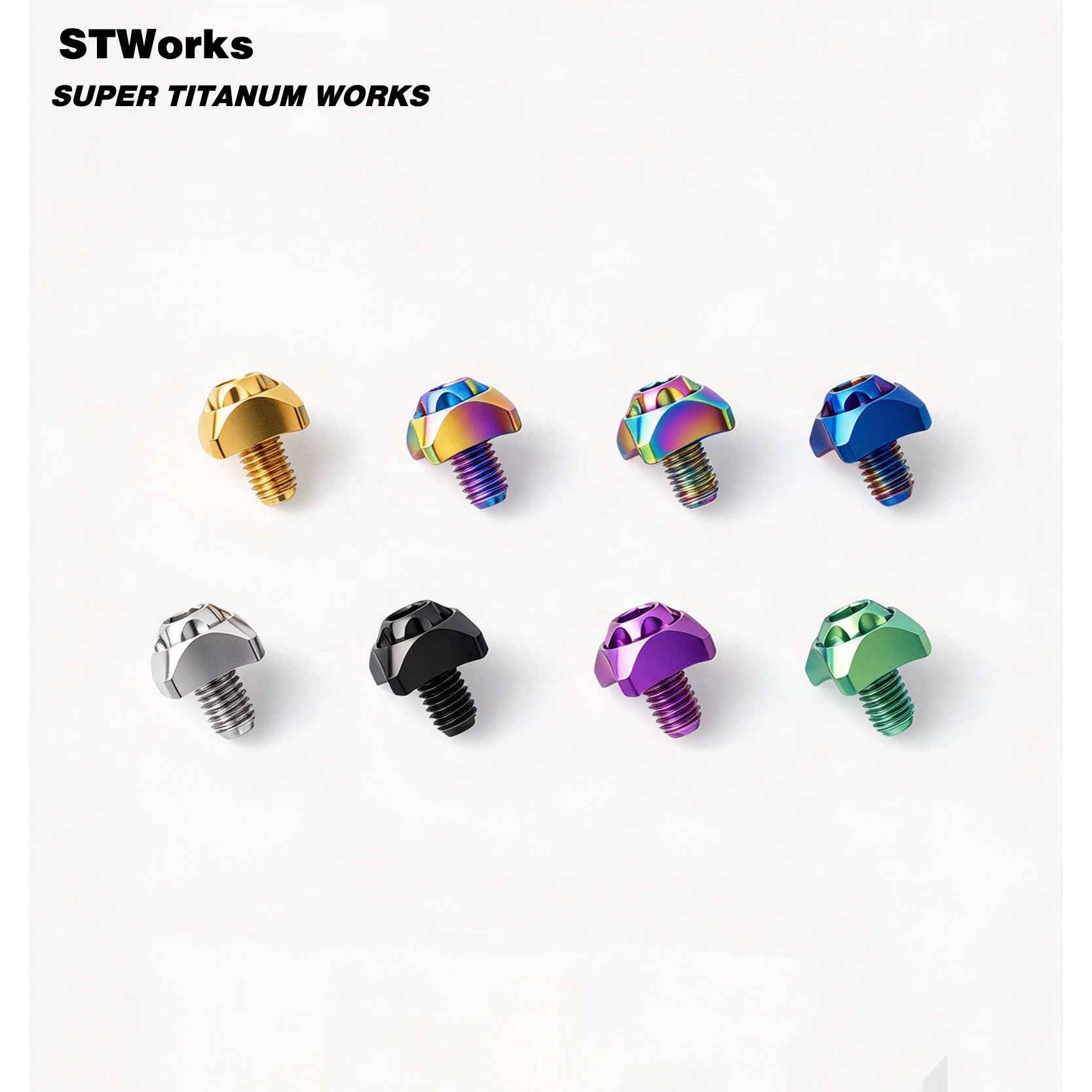
Titanium Screw & Shim Set for Shimano SRAM Front Derailleur Lightweight Bicycle Upgrade Parts
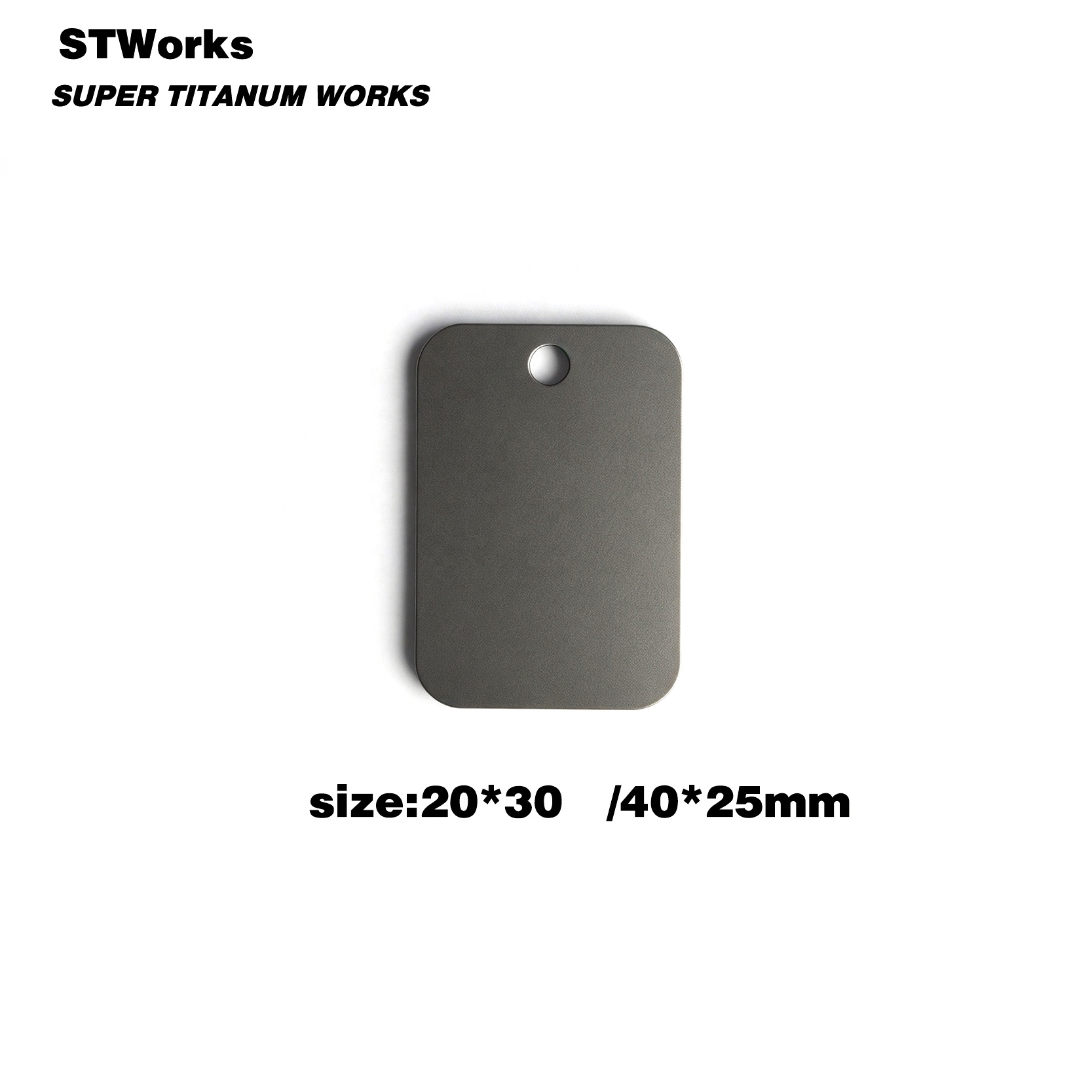
Custom Grade 5 Titanium Plate Tag 1.5mm/2mm Titanium Dog Tag Sandblasted Free Laser Engraved Logo Blank Titanium
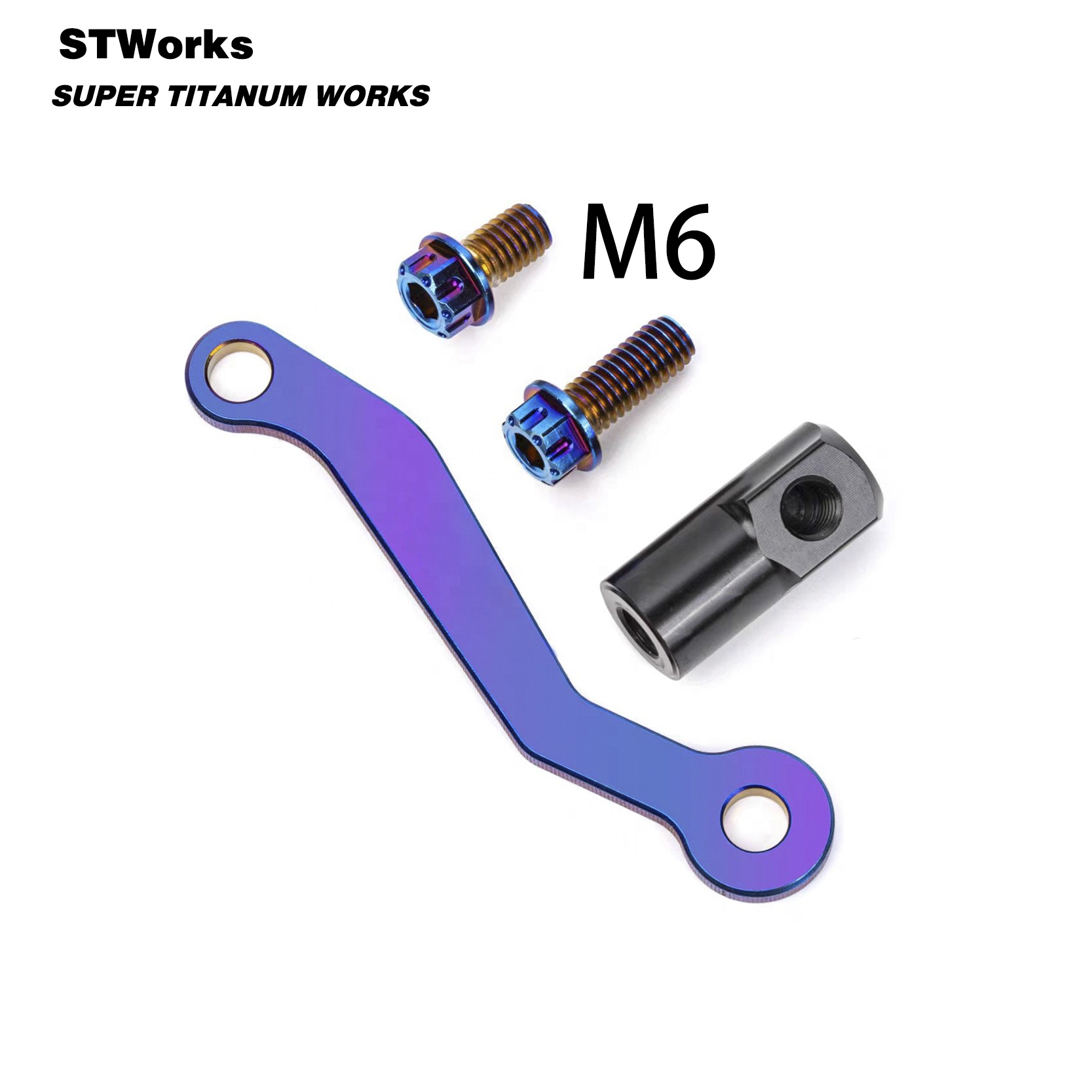
Gr5 TC4 Titanium Alloy Brake Fluid Reservoir Mount Bracket for Radial Master Cylinder Motorcycle E-Bike Modification Parts
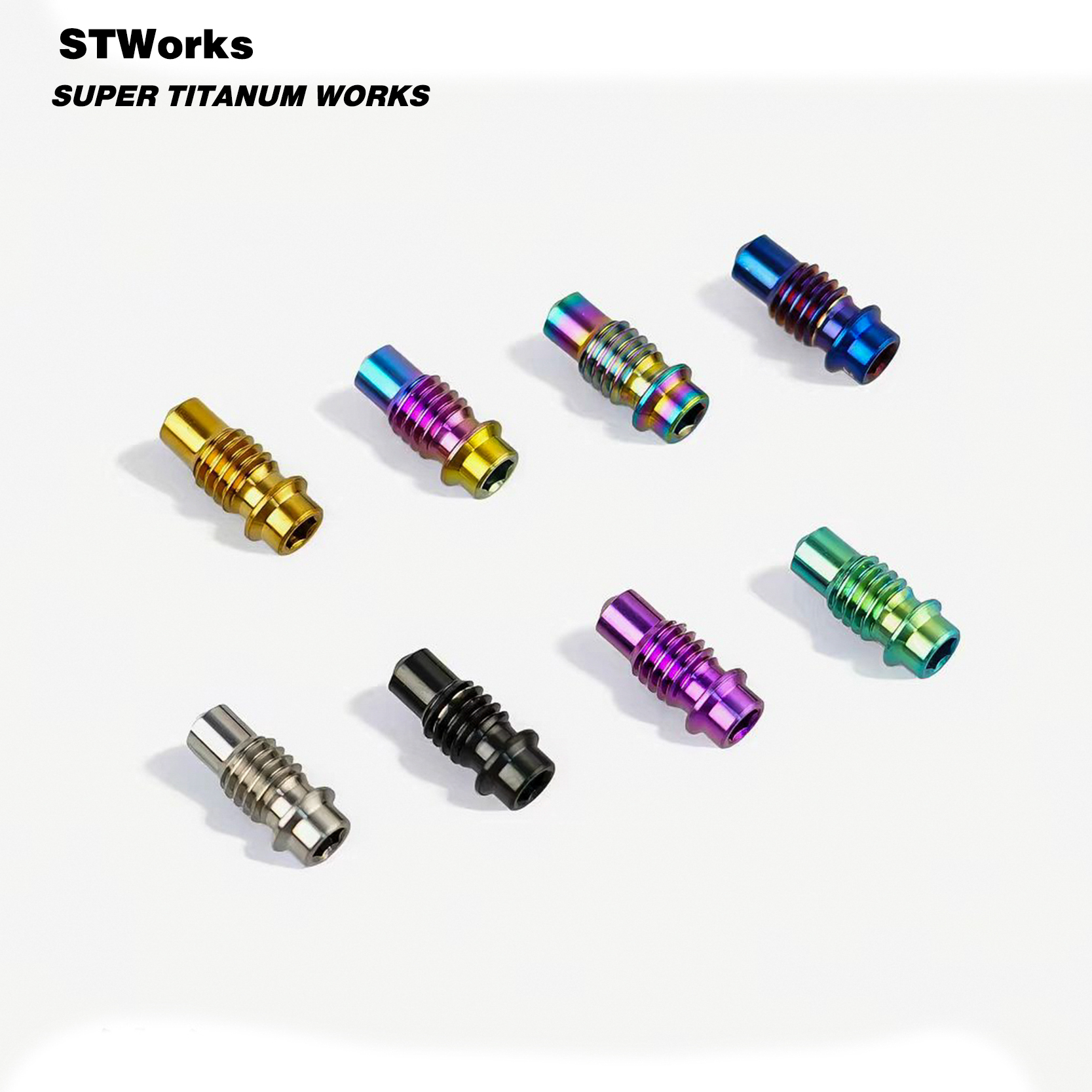
TC4 Titanium Caliper Bleed Port Screw for Shimano Road Disc Brake Caliper Road Bike Cycling Replacement Parts
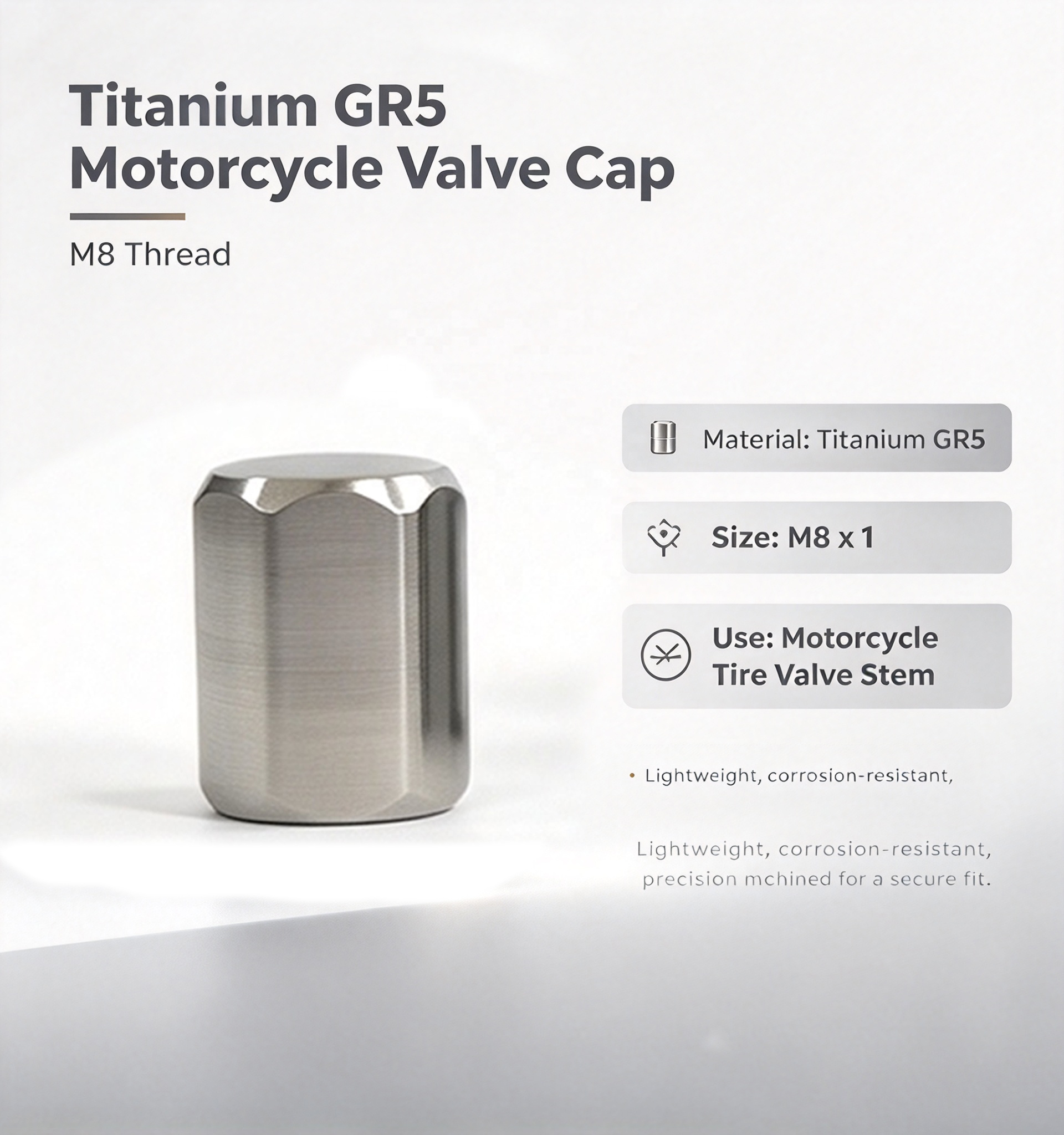
Custom logo CNC Titanium Alloy Gr5 M8 Auto Bike Motorcycle with Seal Car Tire Valve Stem
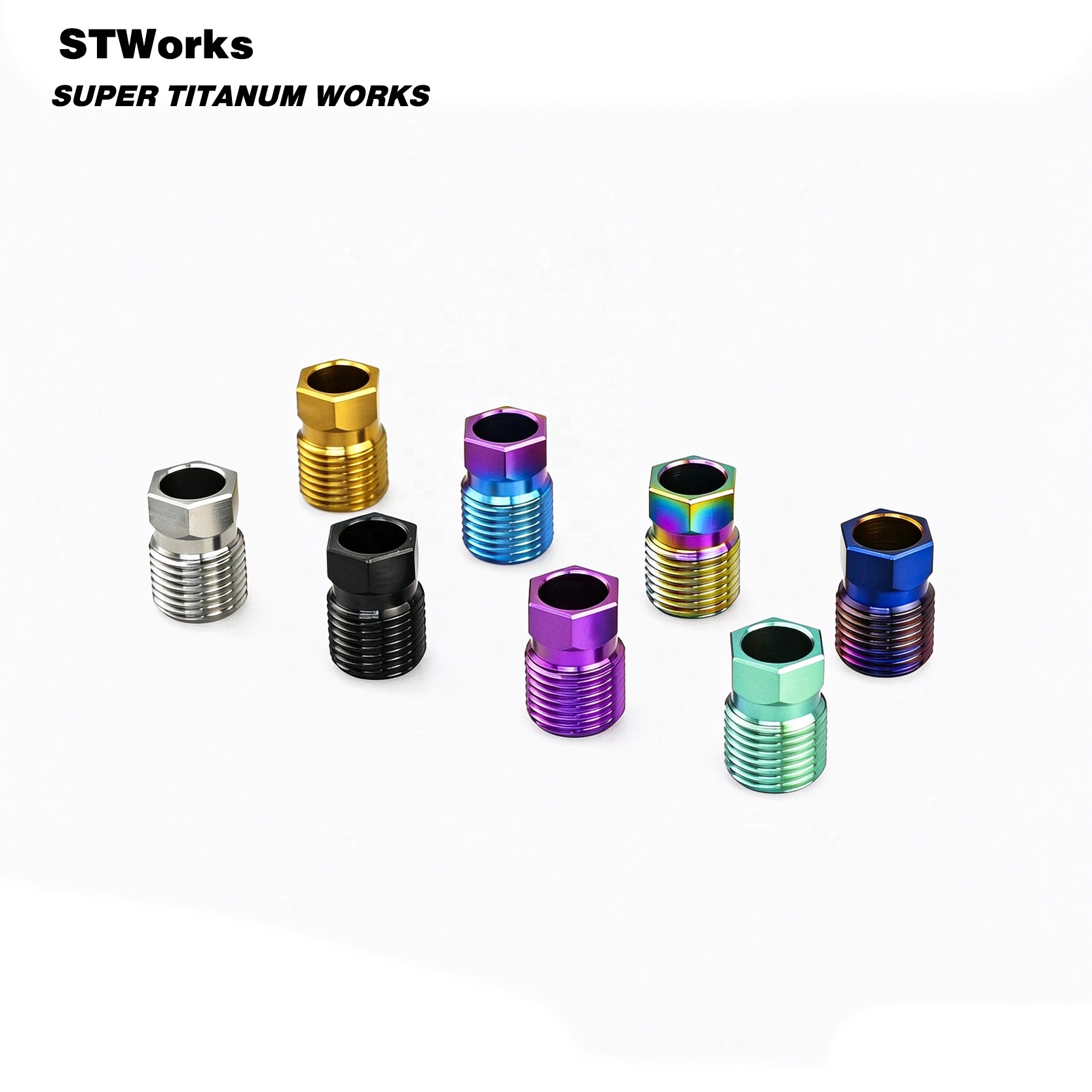
Titanium Hose Barb Lock Screw for Shimano Road Disc Brake Caliper Road Bike Cycling Upgrade Parts
Technical Recommendations for High-Precision Titanium Machining in South Korea
South Korea’s advanced manufacturing sectors require stringent metallurgical integrity. As a trusted Chinese titanium manufacturing partner based in Baoji, Velnora delivers bespoke machining protocols calibrated to the exact demands of South Korean industrial procurement managers.
Semiconductor & Cleanroom Hardware
For vacuum chamber wafer-handling end-effectors and plasma etch components, we utilize ASTM B348 Grade 2 and annealed Grade 5 titanium. Surface finishes reach Ra ≤ 0.4 μm with ultrasonic cleaning in deionized water to ensure zero ionic particle outgassing in high-vacuum environments.
Robotics & Harmonic Reduction Fasteners
Collaborative robot (cobot) joints engineered across Pangyo require maximum torque-to-weight ratios. Our cold-rolled M2 to M10 Grade 5 titanium bolts offer shear strengths surpassing 500 MPa while cutting rotational inertia by 44% compared to alloy steels, extending servo-motor duty cycles.
Medical & Biomedical Assemblies
Manufactured under ISO 13485 alignment protocols using Ti-6Al-4V ELI (Extra Low Interstitial, Grade 23), our orthopedic screws, dental instrument bodies, and surgical guide plates exhibit zero cytotoxic cytotoxicity, total physiological biocompatibility, and non-magnetic MRI tolerance.
Swiss CNC Turning & 5-Axis Simultaneous Milling
Machining titanium poses significant tribological hurdles: low thermal conductivity (approx. 6.7 W/m·K for Ti-6Al-4V) concentrates cutting heat entirely at the tool shear edge. In contrast to conventional job shops that experience rapid tool wear and subsurface micro-cracking, Velnora employs dedicated high-pressure through-spindle coolant delivery (up to 70 bar) and custom carbide-coated insert geometry.
- Citizen and Star Swiss-type automatic lathes for micro-turned shafts down to Ø0.5 mm
- Multi-axis wire electrical discharge machining (EDM) preserving intricate Timascus grain patterns
- 100% thread profile projection verifying JIS B 0205 and ISO 965-1 metric compliance

Localized Application Scenarios in the Seoul Metropolitan Area (Sudogwon)
Seoul is not merely a commercial hub; it is the command center for South Korea’s Gyeonggi industrial belt. From Pangyo's design laboratories to Incheon’s logistics terminals, our titanium machined components integrate directly into localized production lines.
Pangyo Techno Valley
Rapid prototyping for autonomous drone gimbals, advanced robotics end-effectors, and AI hardware casings requiring extreme weight reduction and high electromagnetic transparency.
Gasan & Guro Digital Complexes
Bespoke test-fixture hardware, industrial vision mounts, and automated optical inspection (AOI) structural titanium components that eliminate thermal drift during long operating cycles.
Songdo Bio-Hub Corridor
Corrosion-proof autoclaving manifolds, fluid connectors, and bioreactor fluidics screws impervious to high-concentration chlorides and repeated steam sterilization procedures.
Hwaseong & Pyeongtaek Axis
Electric vehicle (EV) battery pack enclosure mounting studs, motor shaft sleeves, and suspension weight-reduction hardware engineered for next-generation mobility platforms.
Materials Selection Guide for Korean Procurement Engineers
Choosing the proper alloy balance prevents premature joint failure, stress corrosion cracking, and unneeded raw material expenditures. Compare standard engineering metals with Baoji-certified titanium alloys.
| Property Parameter | Velnora Gr5 (Ti-6Al-4V) | CP Grade 2 Titanium | SUS316L Stainless Steel | Duralumin AL7075-T6 |
|---|---|---|---|---|
| Density (g/cm³) | 4.43 (44% lighter than steel) | 4.51 | 7.98 (Heavy Baseline) | 2.81 (Lightest) |
| Tensile Yield Strength (MPa) | 880 - 950 | 275 - 350 | 220 - 310 | 505 |
| Elastic Modulus (GPa) | 114 (Optimal flexural dampening) | 105 | 193 (Rigid) | 72 |
| Corrosion Resistance in Cl¯ | Immune (< 0.001 mm/year) | Immune | Vulnerable to crevice attack | Severe galvanic pitting |
| Maximum Working Temp (°C) | 400°C continuous | 250°C | 350°C | < 120°C (Softens) |
| Thread Galling Tendency | Mitigated via MoS2 / TiN / PVD | High if dry | Moderate | High stripping risk |
Advanced Anti-Galling & Thread-Forming Protocols
A common concern cited by mechanical engineers across Seoul’s robotics clusters is cold-welding and thread galling under cyclic vibration. Because titanium naturally develops an instantaneous microscopic oxide layer (TiO2), frictional sliding against similar metals without lubrication can strip mating threads.
Velnora resolves this at the manufacturing level: our fastener threads are produced via CNC cold thread-rolling instead of subtractive turning wherever possible. Rolling compresses grain boundaries, eliminating micro-burrs and yielding a mirror-like thread root finish (Ra ≤ 0.2 μm). Furthermore, we supply hard-anodized or physical vapor deposition (PVD) coated finishes (TiN, TiCN, and Diamond-Like Carbon DLC) that dramatically lower coefficient of friction values from 0.45 down to 0.12.
Contact Us
South Korea's Strategic Sourcing Shift: Why Seoul Buyers Partner with Baoji
As South Korean manufacturers accelerate supply-chain diversification and push for carbon-neutral, ultra-lightweight systems, sourcing directly from China's primary titanium cluster offers unbeatable technical and commercial benefits.
Direct Sponge-to-Part Supply Chain
Baoji manufactures over 65% of China's titanium and over 20% of the world's supply. By procuring from Velnora, Seoul enterprises bypass multi-tier trading brokers, securing raw titanium sponge traceability from certified domestic VAR (Vacuum Arc Remelting) ingots with EN 10204 3.1 chemical test certs.
Logistical Proximity to Incheon Hub
Unlike European or American suppliers with 8-12 week sea lead times, air shipments from Xi'an/Beijing/Shanghai clear Incheon International Airport (ICN) within 24–48 hours. Rapid transit enables Seoul R&D engineering sprints to hit tight development deadlines without buffer stock bottlenecks.
KS & JIS Cross-Standard Alignment
Our engineering team maps Korean Industrial Standards (KS B) directly to ISO, DIN, and JIS equivalents (such as KS B 0205 to ISO metric threads, and KS B 1002 to DIN 933/931 hex bolts). Drawings supplied in SolidWorks, CATIA, STEP, or DXF format transition into CNC G-code with zero conversion discrepancies.
Velnora Titanium Industry: Baoji Heritage, Global Precision
Established in 2013 in the heart of Baoji's High-Tech Development Zone, Velnora combines lean metallurgical batch processing with automated CNC precision manufacturing.
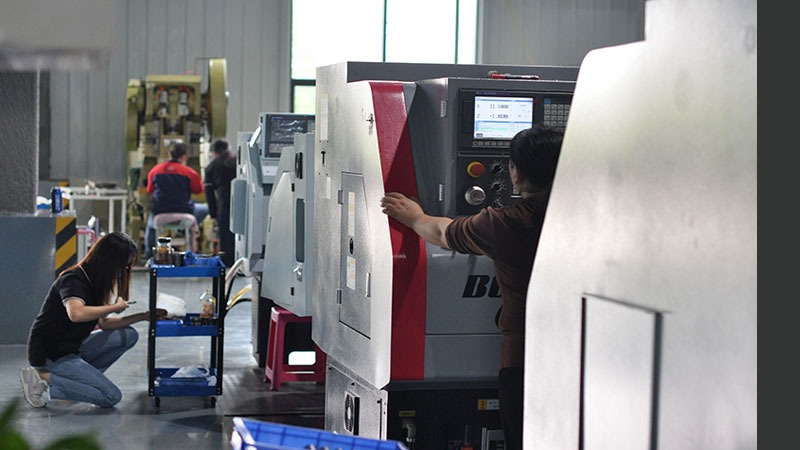
Full Factory Traceability & Digital Video Inspection
We believe in total transparency. For every customized CNC batch exported to South Korea, Velnora establishes a digital tracking ledger. Seoul clients receive continuous high-definition video walkthroughs and photo checkpoints of key production gates:
- Raw Bar Spectrometer Chemical Composition Inspection (Ti, Al, V, Fe, C, N, H, O)
- In-process 5-Axis milling, spindle speed monitoring, and coolant concentration testing
- Coordinate Measuring Machine (CMM) dimensional verification to ±0.005 mm
- Clean vacuum protective packing preventing surface oxidation during maritime or air transit
Frequently Asked Sourcing Questions by Seoul Procurement Teams
Everything you need to know about lead times, custom tariffs, quality certificates, and standard conversions when importing titanium CNC hardware into South Korea.
What are the lead times and shipping routes for custom titanium parts to Seoul?
For standard rapid prototypes or sample evaluations (5–50 pieces), our CNC manufacturing takes 5 to 7 business days. High-volume production batches (500–10,000 pieces) typically ship in 14 to 21 business days. Air express shipping (via DHL, FedEx, or SF Express) from our Baoji facility to Seoul (Incheon Airport) takes only 2 to 3 days. For sea cargo destined for Incheon or Busan ports, transit takes approximately 4 to 6 days after vessel departure from Qingdao/Shanghai.
Can Velnora fabricate custom titanium parts according to Korean KS standards or 3D CAD files?
Yes. We routinely fabricate components to KS B standards (such as KS B 0201, KS B 1002, KS B 1012). We accept standard native CAD files including STEP (.stp), IGES (.igs), SolidWorks (.sldprt), and AutoCAD DWG/DXF drawings. Our engineering review team verifies all GD&T (Geometric Dimensioning and Tolerancing) parameters and provides a Design for Manufacturability (DFM) assessment within 4 business hours.
Do your titanium fasteners and milled parts include mill test certificates (MTC)?
Every single shipment arrives with complete material documentation adhering to EN 10204 Type 3.1. This certificate details precise chemical composition (heat analysis) and mechanical tensile, yield, and elongation test data verified by independent third-party laboratories (such as Baoti Metrology Center or Northwest Institute for Non-ferrous Metal Research). RoHS and REACH compliance documentation is provided upon request.
How do Korean customs duties apply under the China-Korea FTA (CKFTA)?
Under the China-Korea Free Trade Agreement (CKFTA), many titanium machined components, bolts, and hardware categories benefit from preferential tariff rates or duty-free status upon presentation of an official Form FTA Certificate of Origin issued by CCPIT or China Customs. We provide all necessary export declarations, commercial invoices, and packing lists with matching HS Codes (e.g., 8108.90 for titanium articles, 7318.15 equivalent titanium fasteners) to ensure prompt customs clearance at Incheon.
What surface finish options are available for Seoul automotive & lifestyle brands?
We provide mirror hand-polishing, ceramic micro-bead sandblasting (satin matte finish), precision electrolytic anodizing (producing vibrant hues including royal blue, violet, titanium gold, emerald green, and rainbow via controlled voltage oxidation without artificial dyes), PVD coating (Titanium Nitride gold, Diamond-Like Carbon black), and specialized chemical passivation.
What is your Minimum Order Quantity (MOQ) policy for exploratory R&D projects?
To support early-stage technological prototyping and academic engineering labs across Seoul National University, KAIST, and corporate incubators in Pangyo, our MOQ for custom prototype CNC parts is as low as 5 to 10 pieces. For unique Timascus / Mokuti decorative elements or EDC components, orders can be fulfilled starting from a single unit. For standardized fastener production runs, MOQs generally start at 100 to 200 units.
Connect with Baoji's Premier Titanium Engineering Team
Whether you require tight-tolerance titanium subcomponents for semiconductor robotics in Suwon, lightweight racing hardware for automotive projects in Hwaseong, or bespoke anodized lifestyle EDC parts in Gangnam, our engineers are ready to review your CAD files.