Featured Titanium Racing Bolts & CNC Engineered Components
Machined directly from aerospace-certified Ti-6Al-4V Grade 5 titanium bars. Fully tested for shear resilience, thread accuracy, and extreme weight saving under race-track conditions.
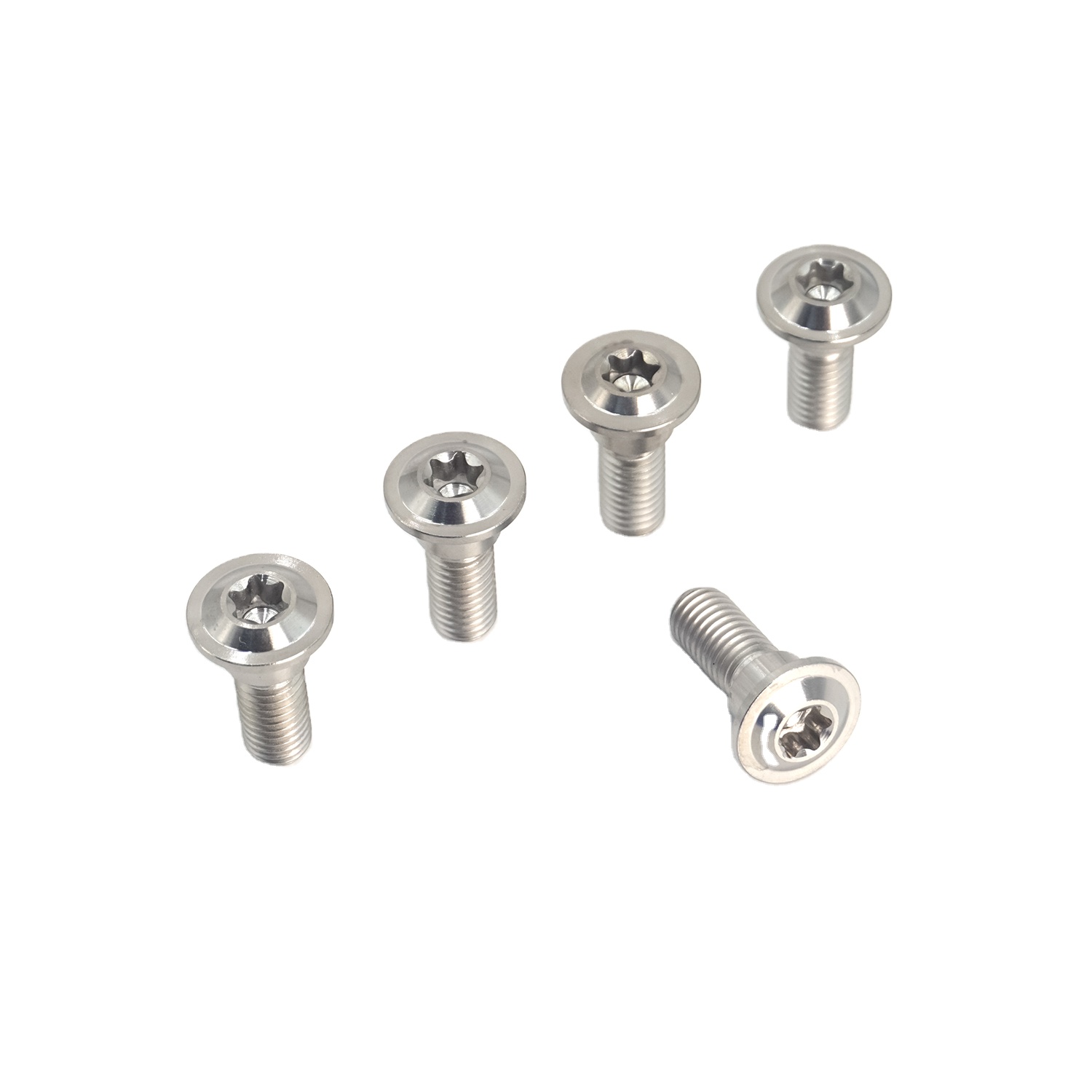
OEM CNC MACHINING Gr5 Titanium Disc Brake M8x23 Screws for Motorcycle Accessories
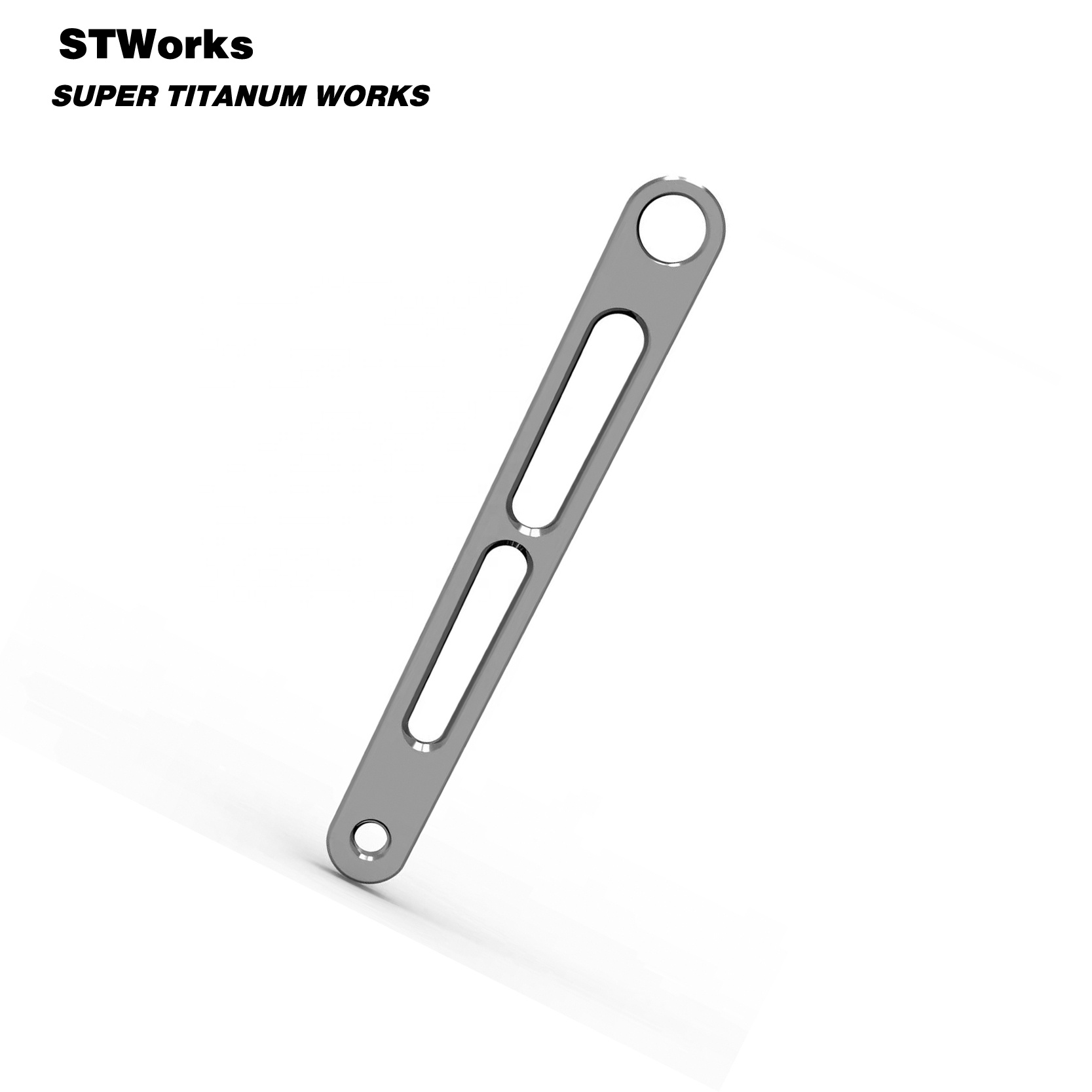
Titanium Alloy CNC Machined Multi-Function Spotlight Extension Bracket Auxiliary Light for Dirt Bike & Electric Scooter Mods
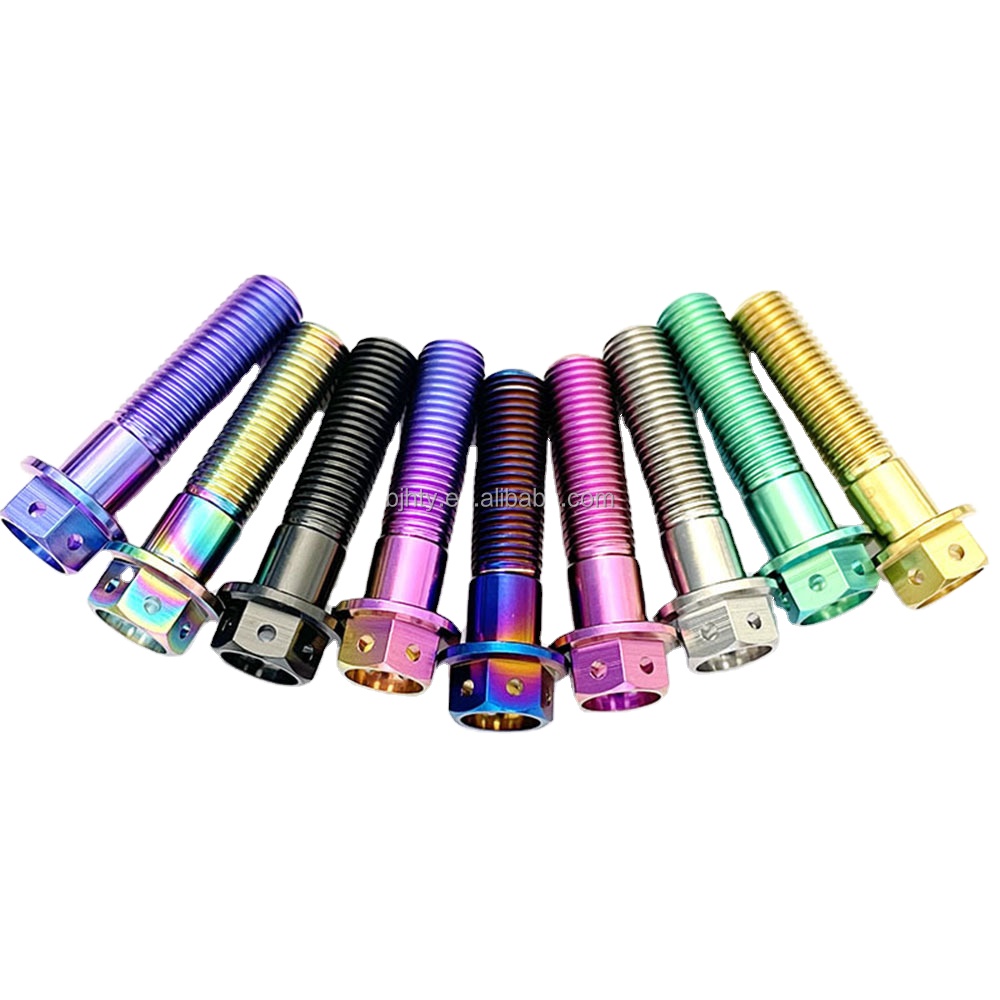
Titanium Alloy Double Drive Head Flanged Hex Bolts for Motorcycle-Ultra Light Corrosion Resistant Race Spec M8/M10 Drilled Bolts
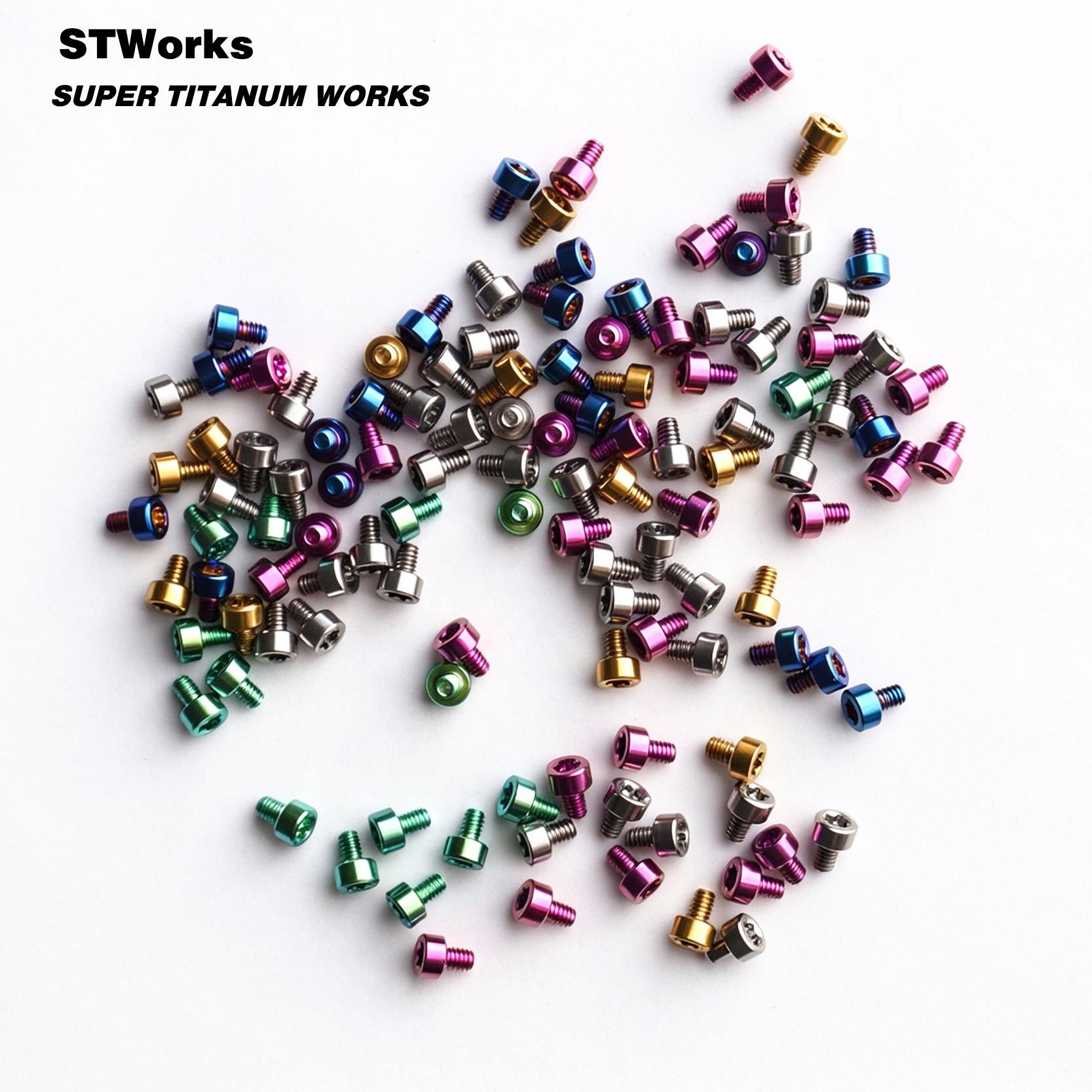
Titanium Screws M2 M2.5 Customized Cylinder Head Bolt Din912 Torx Micro Machine Screw
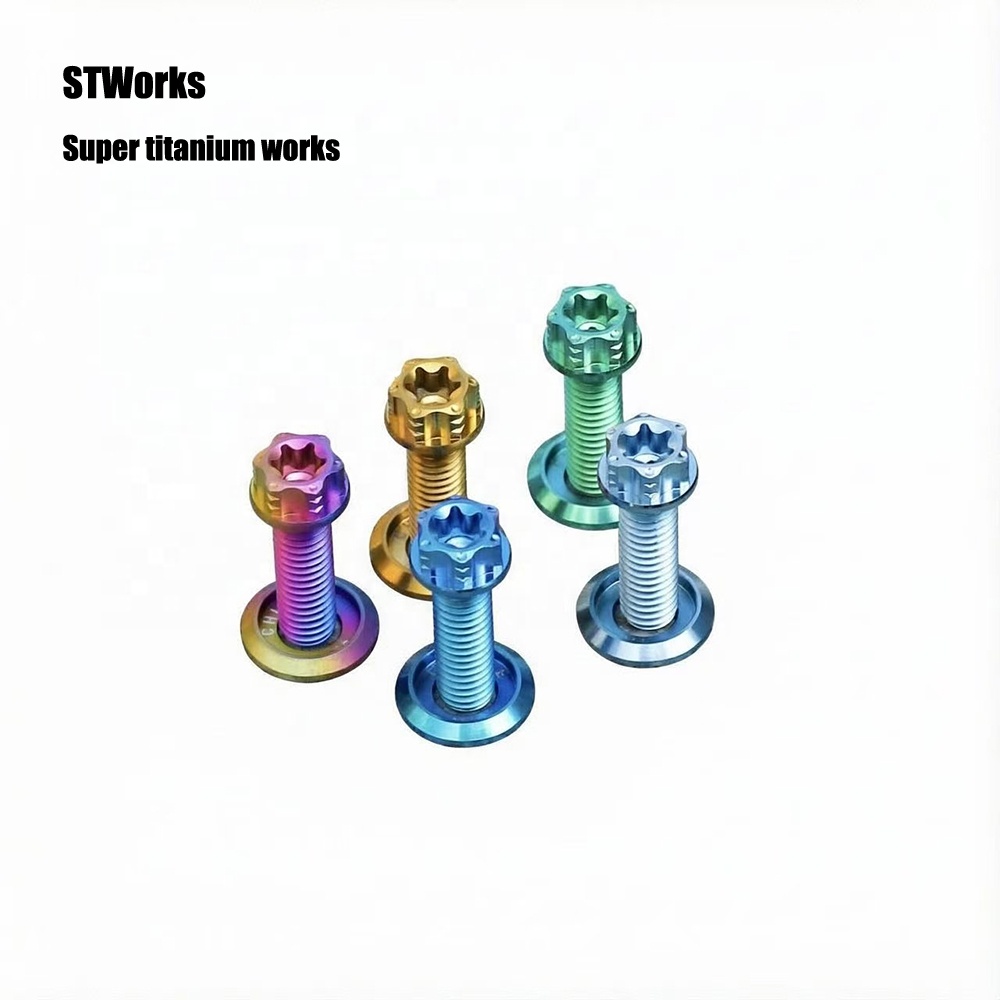
Titanium Alloy Bicycle Disc Brake Caliper Mounting Bolts Candy-Colored M6x20 with Washers
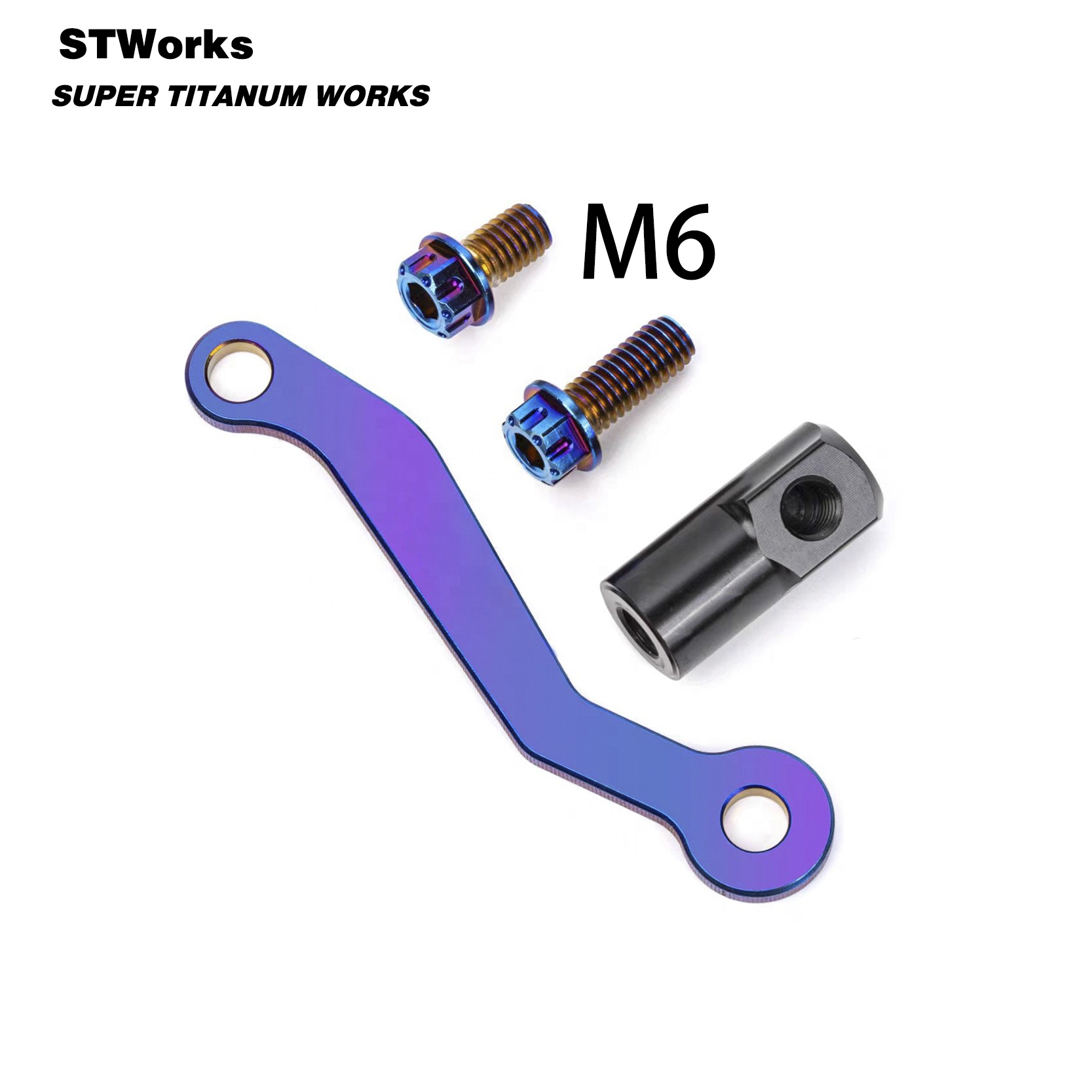
Gr5 TC4 Titanium Alloy Brake Fluid Reservoir Mount Bracket for Radial Master Cylinder Motorcycle E-Bike Modification Parts
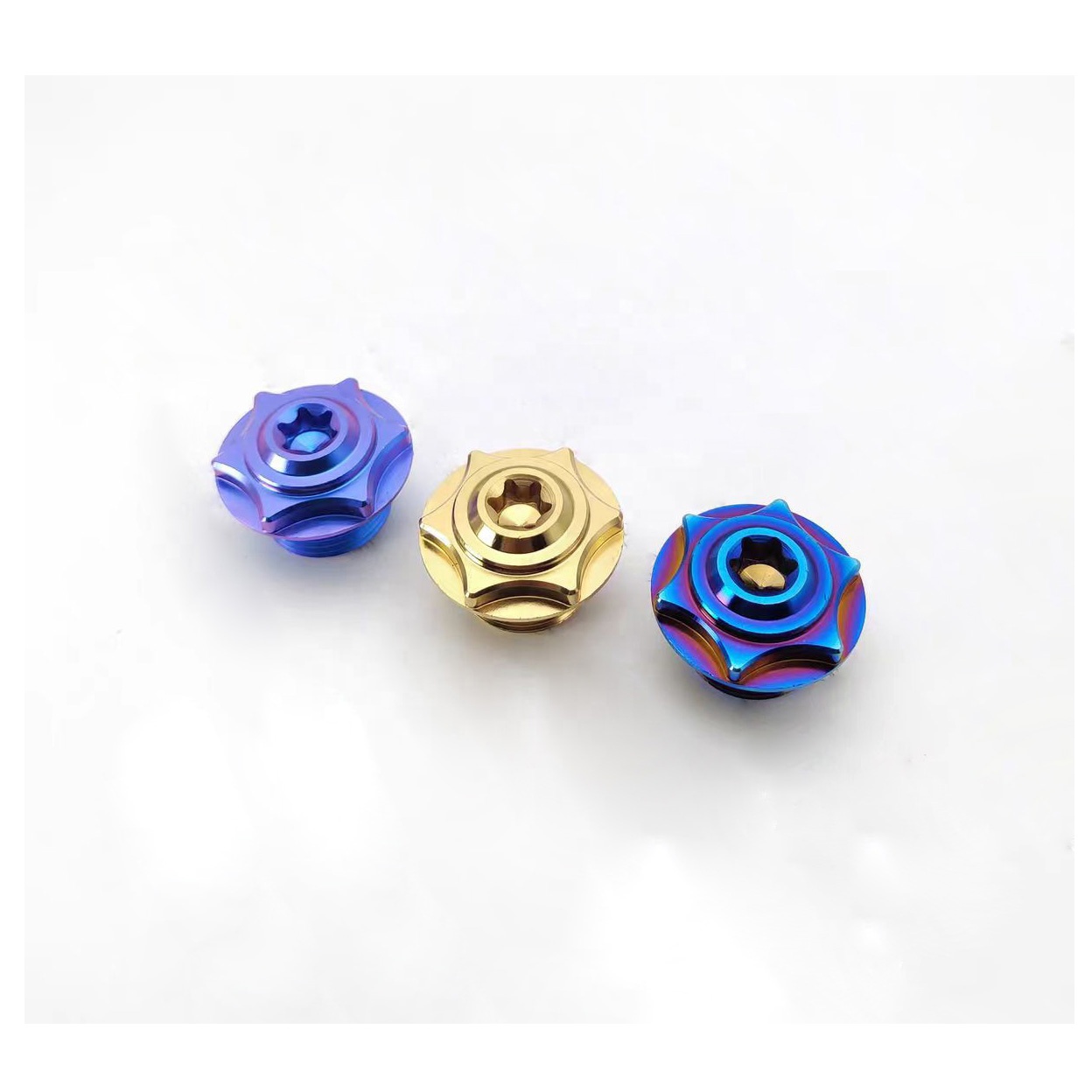
Titanium Screw Motorcycle Oil Filler Cap M20xP1.25/1.5 Gear Oil Cap
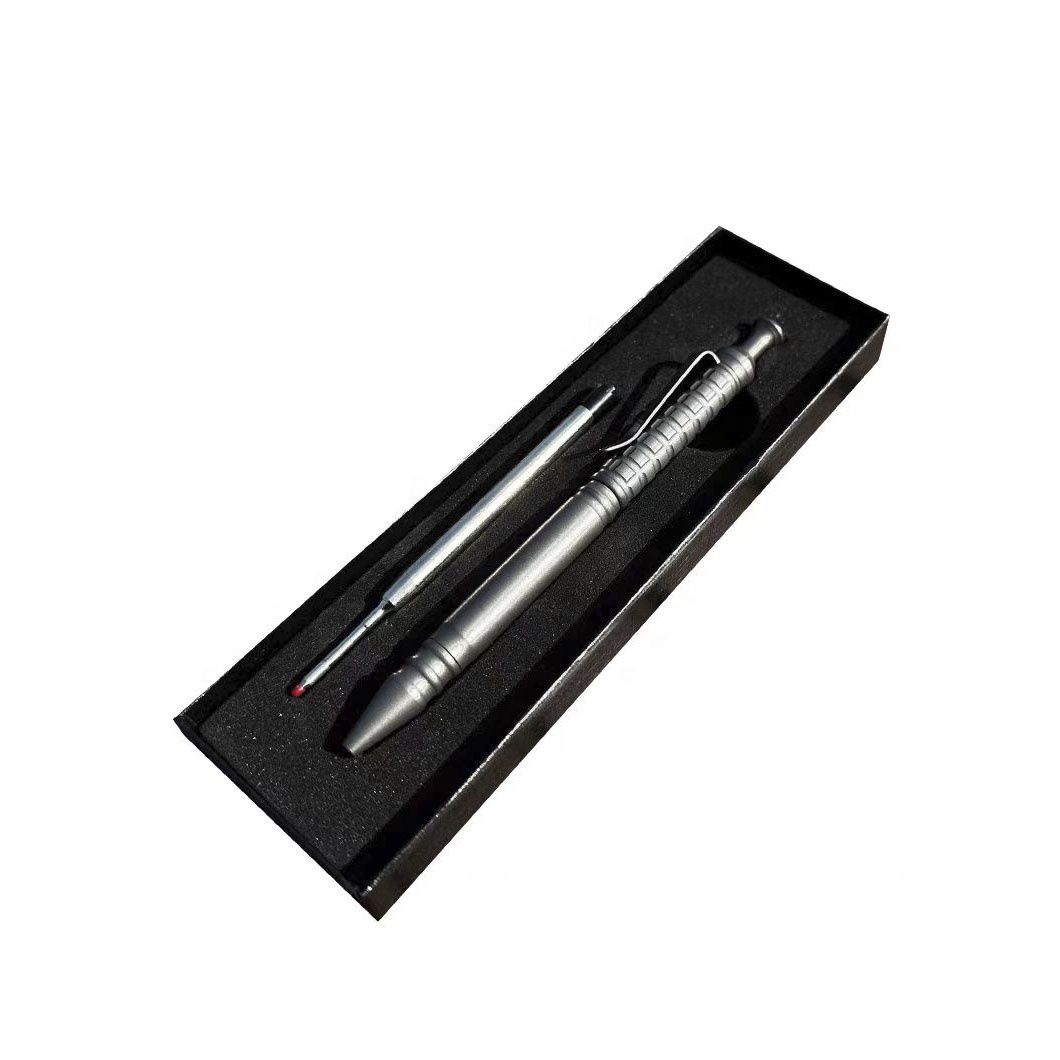
Cnc Machining Wire EDM Stainless Steel Multifunctional Bolt Titanium Alloy Tactical Pen Portable Outdoor EDC Ballpoint Pens
1. Strategic Importance of Titanium Fasteners in the Amsterdam Industrial Landscape
The Greater Amsterdam Metropolitan Area (Metropoolregio Amsterdam), encompassing the high-tech corridors of IJmond, the industrial maritime belt along the North Sea Canal, and the motorsport testing epicenters near Zandvoort, represents one of Europe's most demanding engineering testbeds. Unlike conventional industrial hubs that rely heavily on standardized zinc-coated 8.8 grade carbon steels, Dutch precision engineering firms prioritize three structural factors: drastic mass reduction, high cyclic fatigue tolerance, and absolute immunity against chlorinated maritime atmosphere corrosion.
Amsterdam sits directly on brackish and seawater-adjacent waterways where ambient moisture, combined with aggressive winter de-icing salts and airborne oceanic aerosol, triggers catastrophic galvanic and pitting corrosion on structural steel within 12 to 24 months. For performance cycling manufacturers, electric super-bike innovators, and track-focused automotive workshops competing at Circuit Zandvoort, transitioning from steel fasteners to Grade 5 Titanium (Ti-6Al-4V / TC4) is no longer an optional aesthetic modification—it is an essential engineering upgrade that delivers a 44% mass reduction while matching or exceeding the structural tensile yield of Property Class 8.8 and 10.9 fasteners.
Zero Atmospheric Pitting
Spontaneous formation of a nanometer-thin passivating titanium dioxide (TiO2) layer protects the core fastener against North Sea brackish mist and road salts indefinitely.
Superior Strength-to-Weight
With an ultimate tensile strength exceeding 895 to 950 MPa at a density of merely 4.43 g/cm³, Ti-6Al-4V dramatically reduces unsprung and rotating mass on hubs and rotors.
Thread Integrity & Rolling
Rolled thread profiles prevent continuous grain-boundary disruption, giving race-spec bolts up to 300% greater endurance under severe multi-axis vibrational stresses.
When engineering critical joints—such as motorcycle disc brake calipers (M8x23 or M10x1.25), suspension wishbone pivots, and unsprung brake rotor carrier mounts—failure cannot be tolerated. The following detailed analysis benchmarks the leading factories and international tier-1 suppliers capable of supplying certified titanium racing hardware directly to engineers, workshops, and distributor supply chains in Amsterdam.
2. Top 10 Titanium Racing Bolts Factories & Suppliers Serving Amsterdam
Procuring titanium fasteners in the Dutch market requires verifying three non-negotiable supply chain attributes: metallurgical traceability (EN 10204 3.1 material certificates), precision CNC manufacturing capabilities with cold thread rolling, and rapid European customs clearance pathways through Amsterdam Airport Schiphol or the Port of Rotterdam. Below is our industry evaluation of the top 10 manufacturing entities serving this sector:
1. Velnora Titanium Industry Co., Ltd.
Baoji Titanium Valley, Shaanxi • Direct Manufacturer2. Pro-Bolt Europe
Gloucestershire, UK / EU Distribution • Specialist Brand3. Lisi Aerospace Racing Division
Paris, France • Tier-1 High-End Manufacturer4. Ticon Industries
United States / Global Reseller Network • Fabricator Supply5. Poggipolini S.p.A.
Bologna, Italy • Automotive & Aerospace Tier-16. Titan Motorsport Deutschland
North Rhine-Westphalia, Germany • Regional Distributor7. Extreme Racing Hardware
Silverstone, UK • Trackside Engineering8. BRP Titan B.V.
Rotterdam / Amsterdam Hub, Netherlands • Local Stockist9. Torq Titanium Fasteners
Taiwan Production / European Sales • Fastener Specialist10. Metalli Precision Parts
Zurich, Switzerland • High Precision CNC3. Localized Application Scenarios Across the Amsterdam Ecosystem
Amsterdam’s technical infrastructure combines cutting-edge clean-tech urban transportation, intense coastal motorsport, and intricate marine engineering. Understanding how Grade 5 titanium bolts function within these specific environments is crucial for local engineering directors and parts buyers.
A. Coastal Motorsport & Track Days (Circuit Zandvoort Proximity)
Located merely 30 kilometers west of Amsterdam’s city center, Circuit Zandvoort presents severe dynamic loading combined with abrasive, salt-laden North Sea coastal air. Racing teams competing in the Porsche Carrera Cup Benelux, historic Formula racing, and track-day conversions encounter elevated rotor temperatures exceeding 650°C. Using standard steel caliper bolts often results in severe heat-induced thread seizure or oxidative pitting. Replacing OEM brake caliper bolts with Velnora Gr5 Double Drive Hex Flange Bolts (M8x23 / M10x1.25) cuts unsprung rotational weight directly at the wheel hub, facilitating sharper turn-in response while remaining completely unaffected by coastal sand and salt.
B. Pro-Cycling, Gravel Racing & Urban Cargo E-Mobility
Amsterdam is undisputed as the cycling capital of the world, but its cycling landscape is undergoing an aggressive performance evolution. With the explosion of high-torque urban cargo e-bikes (such as Urban Arrow and Babboe commercial delivery fleets) and ultra-endurance gravel racers tackling the sandy heathlands and cobbled dikes of North Holland, fastener integrity under heavy cargo payloads is paramount. Disc brake caliper mounting screws (M6x20) and brake rotor Torx bolts (M5x10) engineered from titanium eliminate the common risk of sheared heads caused by road vibration and sudden hydraulic braking spikes, while ensuring zero rust stains on premium carbon fiber and custom titanium frame dropouts.
C. High-Speed Electric Motorcycles & Urban Modder Culture
Amsterdam's ultra-strict zero-emission environmental zones (milieuzones) have accelerated the adoption of high-performance electric mopeds, custom dirt bikes, and road-legal e-motorcycles. In EV engineering, reducing total chassis weight directly translates to increased battery range. Builders utilize Gr5 Titanium Alloy Multi-Function Spotlight Brackets and auxiliary reservoir mounts to maintain maximum mechanical rigidity while eliminating excess frame mass, optimizing overall vehicle center of gravity.
D. Maritime Canal Tenders, Superyacht Sub-Assemblies & Harbor Crafts
With major shipyards located in Amsterdam-Noord and along the IJ waterfront, marine craftsmen produce bespoke electric canal tenders and luxury superyacht tenders. When dissimilar metals such as stainless steel and aluminum make contact in brackish water, galvanic corrosion rapidly destroys the softer aluminum housing. Grade 5 titanium fasteners provide an electrochemically stable alternative when coupled with aluminum chassis, eliminating thread galling and galvanic decay when paired with appropriate fluoropolymer or marine anti-seize lubricants.
4. Engineering Comparison: Titanium Gr5 vs. Stainless vs. High-Tensile Steel
When substituting structural fasteners on race vehicles or high-stress mechanical assemblies, procurement engineers must evaluate yield strength, shear resistance, and thermal tolerance. The table below illustrates why Ti-6Al-4V Grade 5 is the material of choice for Amsterdam race teams:
| Property Attribute | Gr5 Titanium (Ti-6Al-4V) | 316L Marine Stainless | Class 10.9 Carbon Steel | 7075-T6 Hard Aluminum |
|---|---|---|---|---|
| Density (g/cm³) | 4.43 (44% lighter than steel) | 7.98 (Baseline heavy) | 7.85 (Baseline heavy) | 2.81 (Extremely light) |
| Tensile Strength (MPa) | 895 – 1,000 MPa | 520 – 680 MPa | 1,000 – 1,040 MPa | 510 – 540 MPa |
| Yield Strength (MPa) | 828 – 910 MPa | 220 – 300 MPa | 900 – 940 MPa | 430 – 480 MPa |
| Modulus of Elasticity (GPa) | 114 GPa (Superior compliance) | 193 GPa | 210 GPa | 72 GPa |
| Marine Pitting Resistance | Immune (PREN > 40 eq.) | Good (Pitting risk in crevices) | Extremely Poor (Severe rust) | Fair (Corrodes if unanodized) |
| Structural Suitability | Calipers, Rotors, Sprockets | Non-critical exterior trim | Engine internal head bolts | Fairings, low-torque covers |
Engineering Note: For safety-critical joints requiring Class 12.9 tensile load ratings (e.g., internal crankshaft bearing caps), titanium fasteners should not be substituted directly without recalculating bolt cross-sectional diameter or consulting with lead design engineers.
5. Emerging Market & Engineering Trends in the Netherlands (2025–2030)
The Dutch engineering sector is renowned for sustainability, precision prototyping, and strict lifecycle cost management. Over the coming five years, three prominent procurement shifts will shape the titanium fasteners domain in Amsterdam:
1. Shift from Subtractive Milling to Combined CNC-Wire EDM Precision
Modern motorsport components are no longer simple hex-head geometries. Advanced suspension bellcranks, drilled hollow-shank safety bolts, and tactical EDC assemblies require complex undercut features. Factories that integrate multi-axis CNC turning with secondary Wire Electrical Discharge Machining (EDM)—such as Velnora Titanium—enable Dutch design engineers to consolidate multiple sub-assemblies into single-piece monobloc titanium components, cutting overall joint count and catastrophic failure points.
2. Stringent Circularity & Raw Material Traceability (EU CSRD Compliance)
Under the European Corporate Sustainability Due Diligence Directive (CSDDD) and CSRD regulations, Dutch industrial enterprises must verify the origin, scrap-utilization efficiency, and metallurgical purity of their imported metals. Baoji-sourced titanium billets produced under vacuum arc remelting (VAR) protocols accompanied by certified spectrometer assay reports are becoming mandatory criteria for OEM tenders.
3. PVD Vapor-Phase Ceramic Coatings Replacing Chemical Anodization
While traditional electrochemical anodizing creates vibrant colors (candy gold, purple, electric blue) via thin-film light interference, high-wear automotive environments—such as wheel studs and disc brake rotor interfaces—demand surface hardness. Dutch race workshops are increasingly specifying Physical Vapor Deposition (PVD) titanium nitride (TiN) or Diamond-Like Carbon (DLC) coatings. These treatments provide surface hardness exceeding 2,500 HV, eliminating thread scuffing and micro-fretting under repeat track-day wheel swaps.
6. Frequently Asked Questions: Amsterdam Fastener Procurement
Answers to technical, logistical, and metallurgical questions routinely submitted by mechanical engineers and procurement officers in the Randstad area.
- Always apply a dedicated copper-based, nickel-based, or synthetic PTFE/fluoropolymer anti-seize paste to the male threads.
- Ensure the factory employs rolled threads rather than cut threads, as rolling creates a hardened, burnished surface finish with lower friction.
- Never use high-speed pneumatic impact wrenches to run titanium bolts into internal aluminum or titanium threads; always final-torque manually using a calibrated torque wrench.
7. Manufacturing Supremacy: Why Global Race Builders Partner with Velnora
Headquartered in Baoji, Shaanxi Province—known worldwide as China's Titanium Valley—Velnora Titanium Industry Co., Ltd. has been engineering and exporting high-grade titanium fasteners and precision CNC components since 2013. The company’s focus on the performance racing, luxury cycling, and specialized outdoor EDC sectors has earned the trust of over 1,000 corporate clients globally.
Certified Aerospace Billets
Every fastener begins as certified Ti-6Al-4V bar stock sourced from vacuum arc remelted stock with full chemical and mechanical mill test certificates available for audit.
In-House Precision CNC
Equipped with high-precision CNC multi-spindle lathes, cold rolling heads, wire EDM, and optical inspection machines holding structural tolerances within ±0.005 mm.
Video-Verified Production
Clients receive comprehensive digital validation—including machining videos and dimensional inspection footage—ensuring 100% confidence prior to export clearance.
From custom Timascus (Mokuti) layered titanium rods and tactile tactical pens to DIN 912 Torx micro machine screws and race-drilled M10x1.25 flanged wheel studs, Velnora operates not merely as an exporter, but as a technical co-developer for Dutch racing enterprises.
Request Engineering Pricing & Custom Drawing Review
Are you developing a motorsport prototype, retrofitting competition brake assemblies, or procuring recurring fastener batches for the Amsterdam market? Upload your STEP, IGES, or PDF specifications directly to our engineering desk for a comprehensive quote and material analysis within 4 hours.