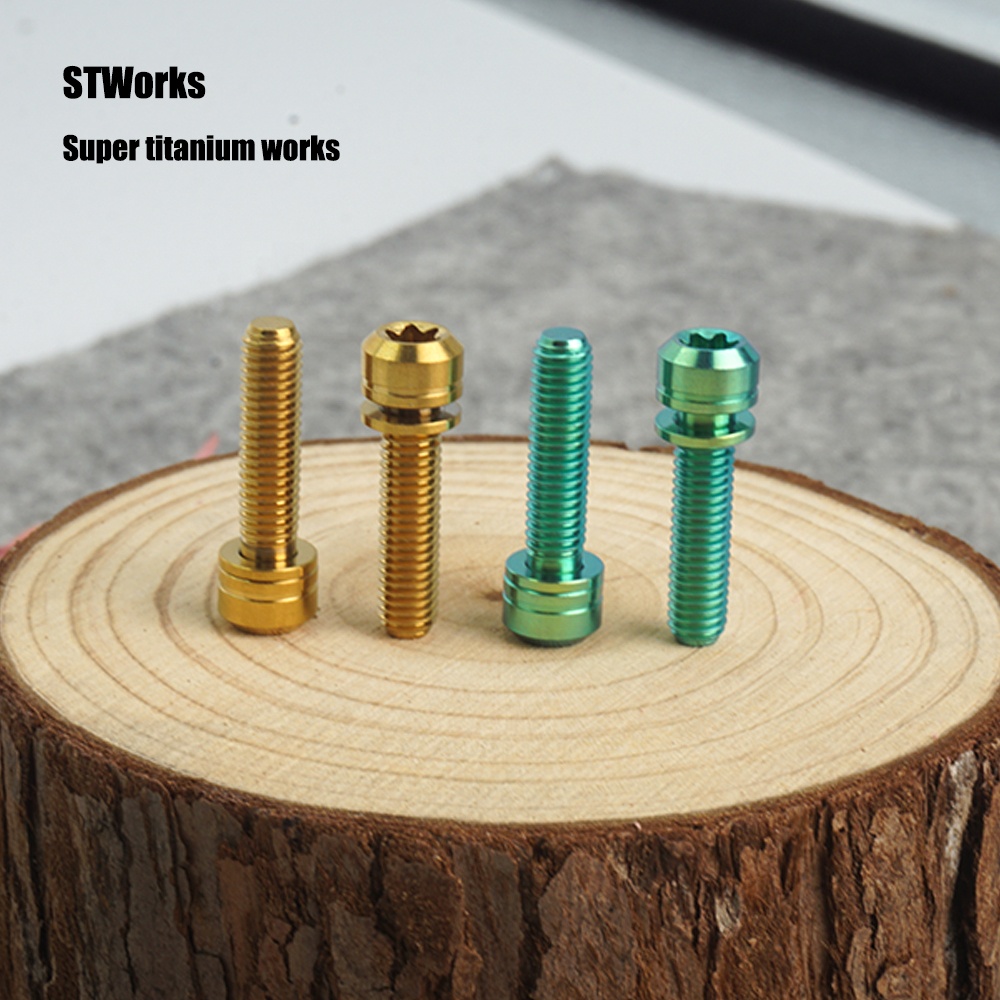
Industrial Strategic Overview: The modern Everyday Carry (EDC) marketplace has evolved far beyond novelty gear into high-precision tactical metallurgy. Split-body EDC coins, magnetic friction disks, and commemorative challenge tokens engineered from aerospace-grade Grade 5 (Ti-6Al-4V) titanium represent the pinnacle of CNC turning, axial wire EDM splitting, and micro-tolerance surface finishing. When engineering splits—separable twin-halves designed for tactile articulation, concealed mechanical linkages, or modular pocket assemblies—material purity and mechanical repeatability dictate success.
Headquartered in Baoji, China's Titanium Valley, Velnora Titanium Industry Co., Ltd. has delivered ISO-aligned, military-grade fastener, CNC, and precision EDC split component solutions since 2013. This whitepaper analyzes the mechanical metrics, surface anodization chemistries, micro-milling friction parameters, and verified industrial supply criteria necessary to qualify top-tier titanium EDC coin manufacturing partners.
Precision Aerospace & EDC Hardware Portfolio
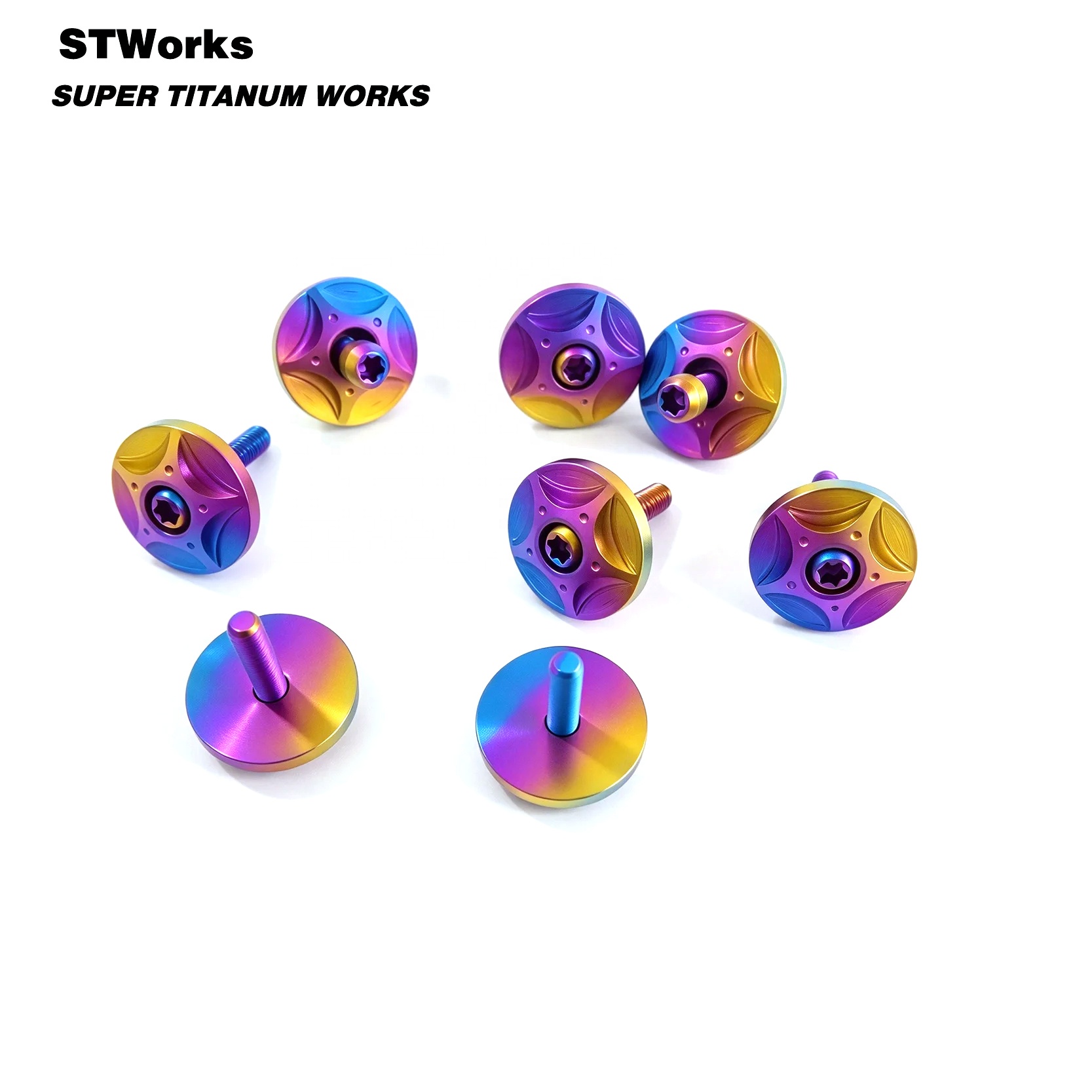
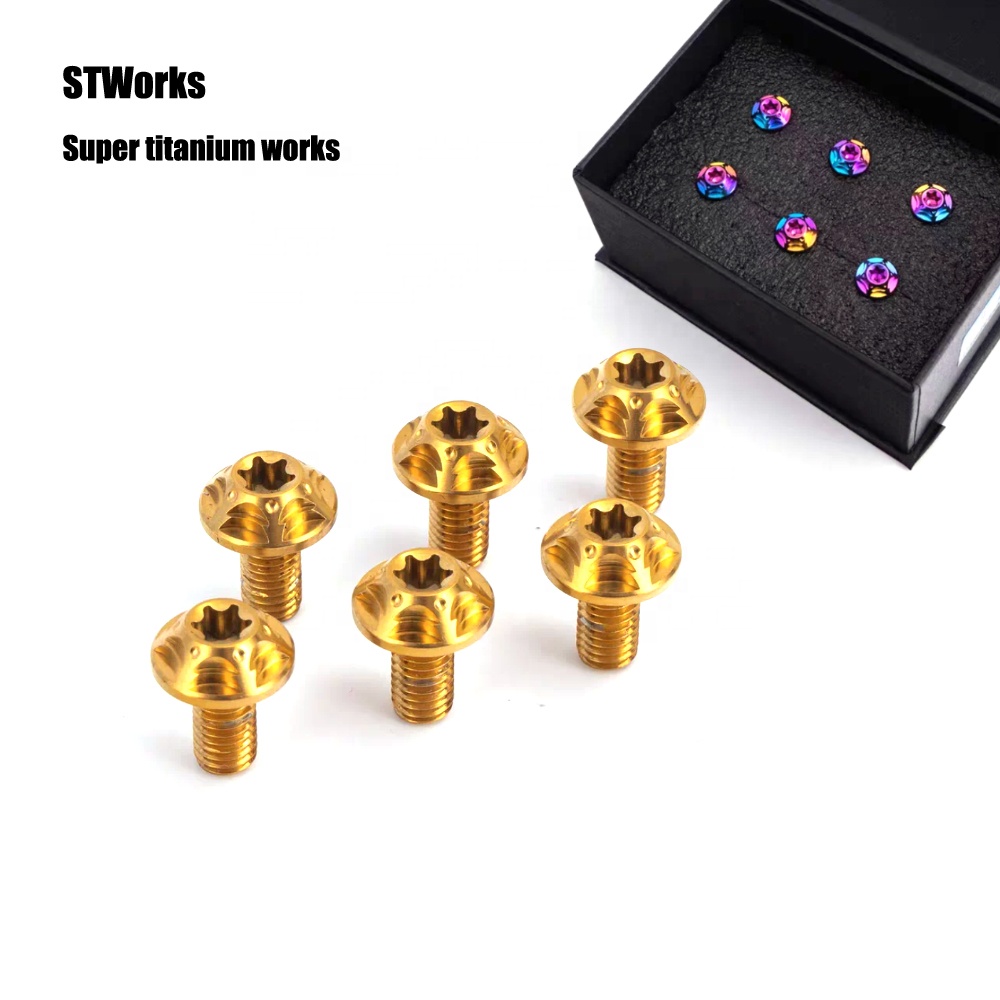
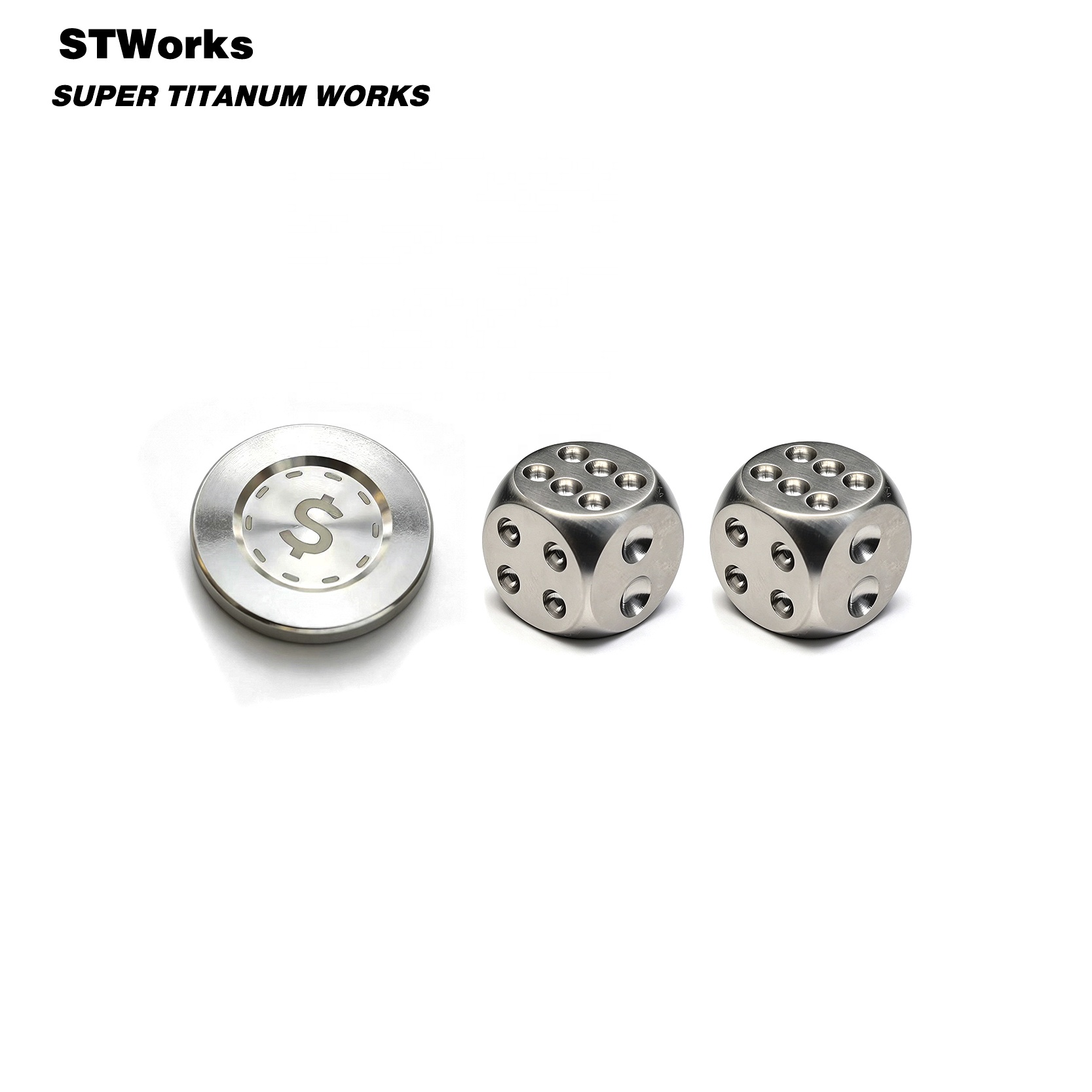
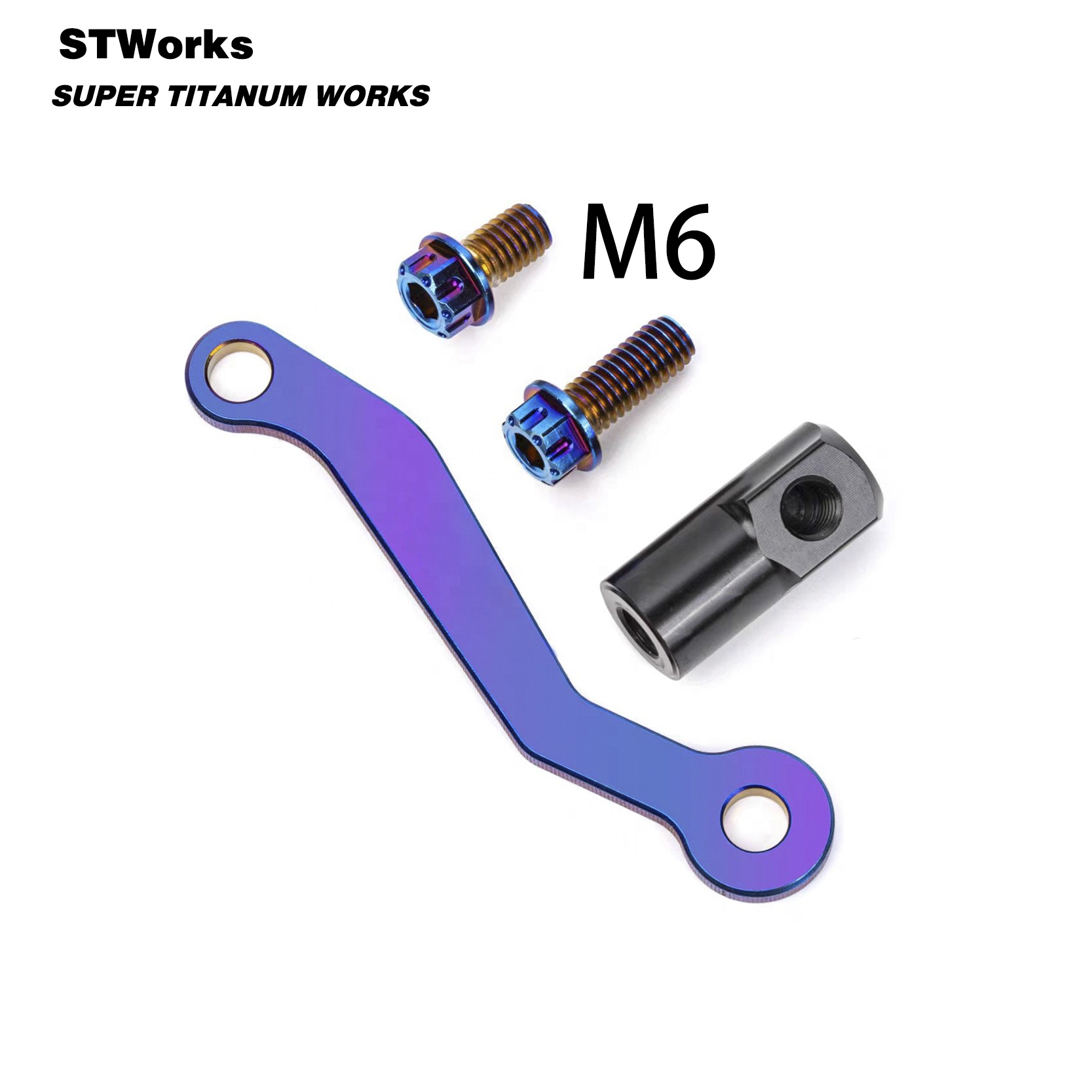
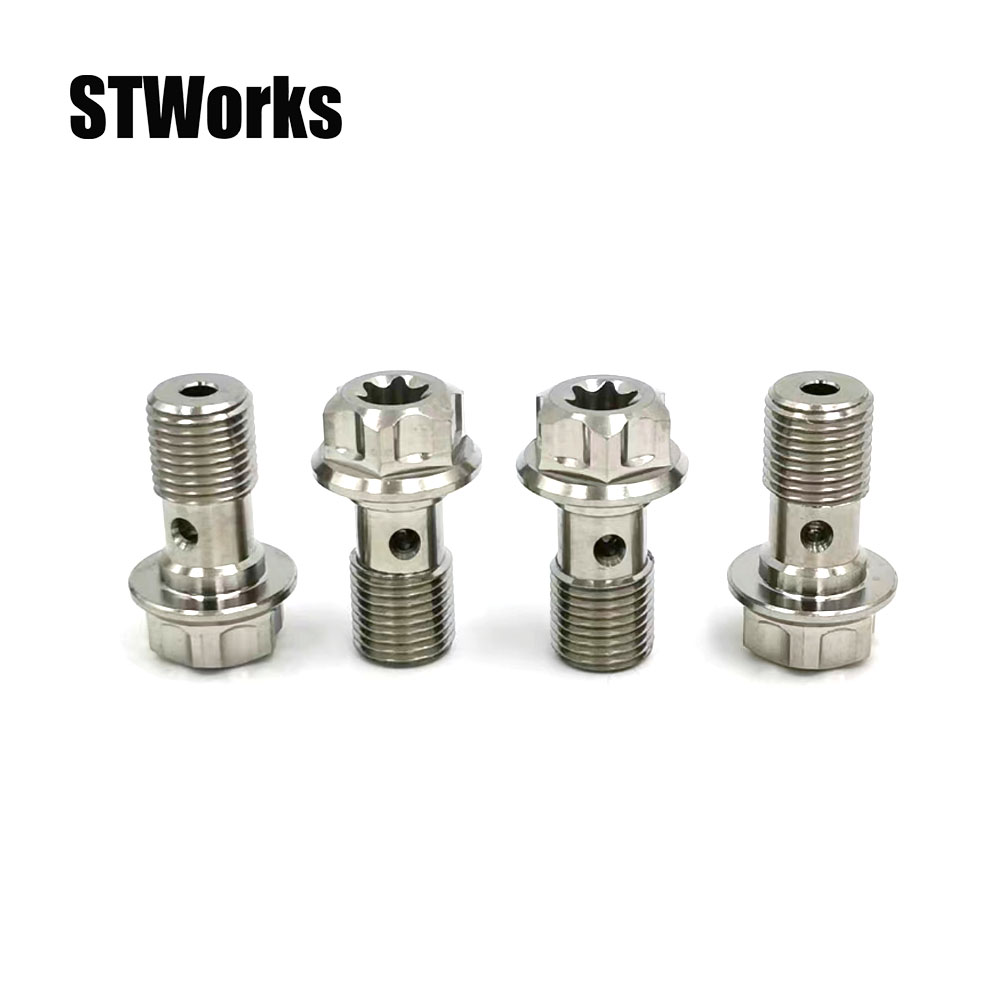
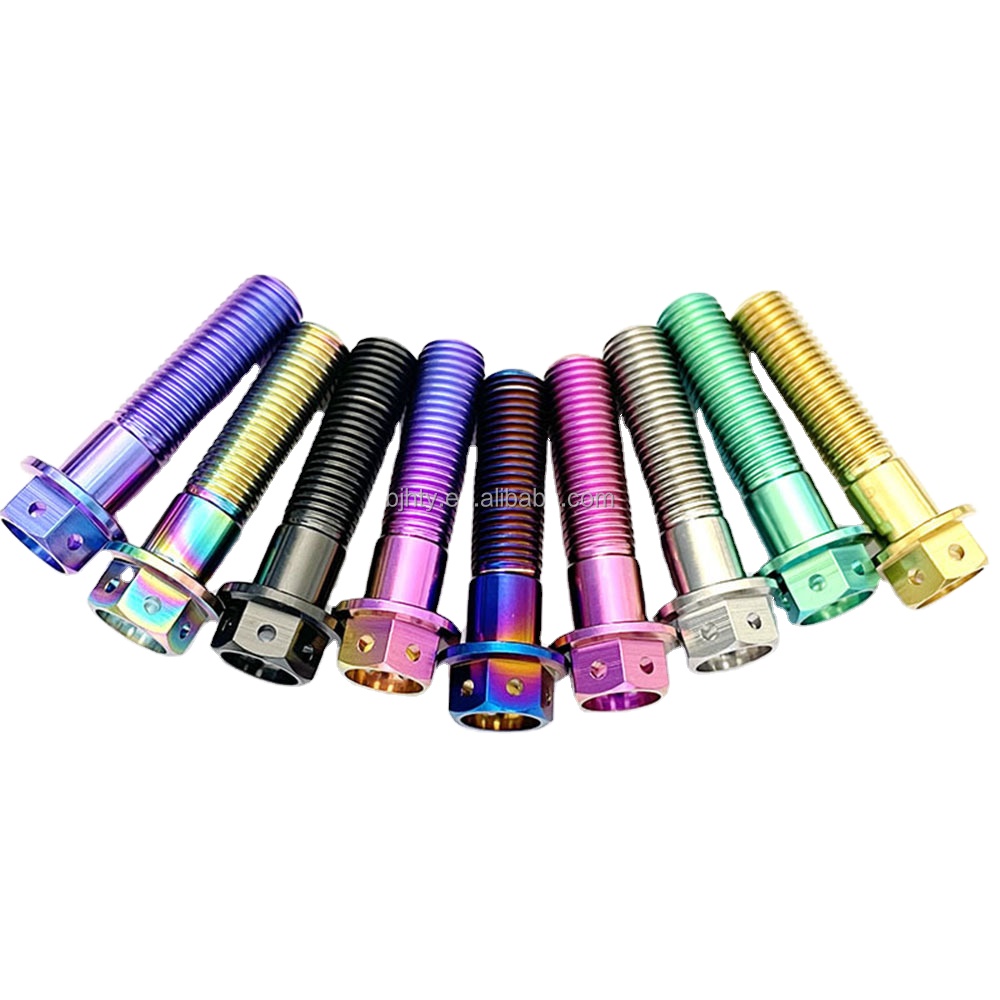
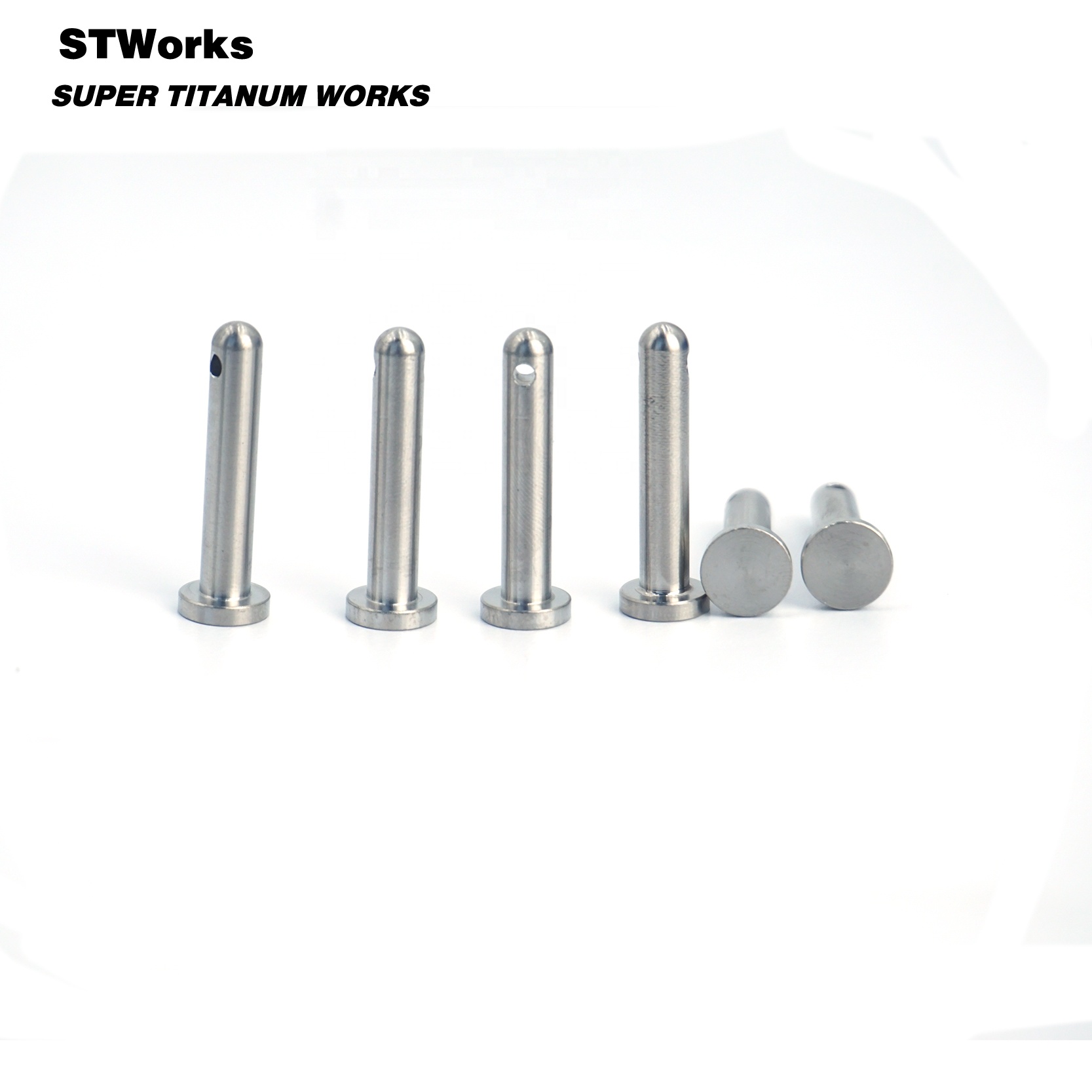
Direct from our Baoji precision manufacturing hub: Multi-axis turned fasteners, friction components, and custom commemorative EDC metalworks.
13+
Years Precision Machining
±0.005mm
CNC Micro-Tolerancing
100%
Raw Material Spectrometry
≤ 4 Hours
Engineering Review Response
Engineering Architecture of Titanium Alloy Split EDC Coins
A deep metallurgical inspection of structural tolerances, internal neodymium cavity geometries, and tribological wear reduction.
Axial Split Mechanics & Wire EDM
Split coins require two matching halves that articulate via magnetic detents or interlocking helical tracks. When partitioning hardened Grade 5 titanium, conventional rotary slitting saws introduce thermal deformation and burr profiles that disrupt tactile smoothness.
Top-tier factories deploy high-precision multi-axis slow-wire Electrical Discharge Machining (EDM). This non-contact thermal erosion method maintains an edge straightness of ±0.003mm, preserving the coplanar alignment necessary for seamless rotational friction without magnetic drag imbalance.
Neodymium Cavity Machining
Internal magnetic arrays dictate the tactile "click" force, slide travel, and detent stability in EDC sliders and split challenge coins. Pockets must be milled with strict depth consistency (±0.01mm) to prevent magnetic force variations across production lots.
Velnora uses micro-endmills operating at 24,000 RPM in flood-coolant environments to eliminate localized heat buildup. This avoids stress cracking along thin coin webs and allows press-fit or aerospace epoxy encapsulation of N52-grade neodymium magnets without degradation.
Tribological Anti-Galling Treatment
Titanium-on-titanium contact faces an inherent tribological challenge: galling. In unlubricated split coins where surfaces articulate thousands of times, raw TC4 interfaces quickly develop micro-welding friction spots that destroy mechanical haptics.
Mitigation demands specialized surface finishes: micro-stonewashing with ceramic media to create oil-retaining microscopic pockets, or physical vapor deposition (PVD) to apply ultra-hard Titanium Nitride (TiN), Titanium Carbo-Nitride (TiCN), or Diamond-Like Carbon (DLC) films exceeding 2,500 HV.
Comparative Material Matrix for EDC Split Coins & Tokens
Quantitative analysis evaluating Grade 5 Ti-6Al-4V against alternative luxury and tactical EDC metals.
| Material Class | Density (g/cm³) | Vickers Hardness (HV) | Corrosion Resistance | Machinability / Heat Deflection | Tactile Acoustic Profile |
|---|---|---|---|---|---|
| Grade 5 Ti-6Al-4V (TC4) | 4.43 | 330 - 360 | Immune to sweat, salt, chlorides | Challenging; low thermal conductivity | High-frequency, crisp metallic acoustic snap |
| Grade 2 Commercially Pure Ti | 4.51 | 160 - 200 | Exceptional marine resistance | Gummy; prone to chip buildup | Muffled, lower dynamic resonance |
| Timascus / Mokuti (Layered Ti) | ~4.48 | 300 - 350 | Exceptional; variable oxide response | High; requires slow-feed wire EDM | Crisp metallic tone with multi-hue luster |
| C36000 Free-Cutting Brass | 8.50 | 130 - 150 | Prone to verdigris & tarnishing | Fast machining; high tool lifespan | Low-pitch, soft acoustic thud |
| Cupronickel / White Copper | 8.90 | 110 - 140 | Moderate; develops patina over time | Moderate cutting resistance | Muted metallic response; heavy pocket feel |
| 316L Stainless Steel | 8.00 | 200 - 240 | High; vulnerable to pitting under salt | Work-hardens quickly | Bright, ringing mechanical timbre |
Evaluating the Top 10 Titanium Alloy EDC Coin Manufacturers
A rigorous checklist used by global tactical brands, crowdfunded designers, and distributors to evaluate OEM partners.
1. Material Traceability & Ingot Certification
Low-grade split coins manufactured from scrap or reclaimed titanium often contain micro-porosities that cause cracking along laser-etched relief borders or magnet pockets. A qualified factory must provide Mill Test Certificates (MTC) conforming to EN 10204 3.1, verifying exact chemical compositions (Al 5.5–6.75%, V 3.5–4.5%, Fe ≤ 0.40%, O ≤ 0.20%). Velnora verifies every rod batch via optical emission spectrometry before machining.
2. High-Speed 5-Axis Milling Infrastructure
Split EDC coins feature complex relief artwork, ergonomics, and three-dimensional contours. Running these components across multiple machine setups introduces cumulative positioning errors. Leading facilities use continuous 5-axis machining centers (such as Brother, Haas, or Mazak), finishing obverse profiles, edge jimping, reverse cavities, and alignment pins in a single clamping to eliminate runout.
3. In-House Surface Engineering & Timascus Expertise
Beyond raw milling, EDC split coins demand nuanced surface finishes. Leading producers maintain in-house facilities for micro-bead blasting, stonewashing, electro-chemical voltage anodizing (yielding uniform bronze, violet, royal blue, and teal spectrums), and vacuum PVD coating. Facilities must also possess the specialized metallurgical capability to cut, form, and heat-color laminated Timascus (Mokuti) without layer separation.
4. Prototyping Flexibility & DFM Consultation
Split coins involve fine mechanical balances: wall thickness around magnet pockets, clearances for split articulation, and structural strength to withstand drop impacts. Top manufacturers supply comprehensive Design for Manufacturability (DFM) reviews within hours, pinpointing weak walls, impossible tool rads, or problematic thread pitches before committing to volume tooling.
Localized Applications & Deployment Environments
How titanium alloy split coins and tactile tokens serve distinct global markets—from tactical accessories to executive desk art.
North American Tactical & Outdoor EDC
Across the US and Canada, titanium coins serve as pocket fidgets, sensory counters, and split decision-makers for military personnel, first responders, and gear collectors. The coin must survive field drops, sweat exposure, and pocket friction alongside tactical knives, flashlights, and prybars. The hypoallergenic, rustproof nature of Grade 5 titanium makes it the gold standard in this market.
European Precision Desk & Corporate Gifting
In European commercial hubs (Germany, Switzerland, the UK), buyers emphasize minimalist industrial aesthetics, satin micro-finishes, and silent sliding split actions for executive focus tokens. These clients demand DIN and ISO-level geometric dimensioning and tolerancing (GD&T), laser-serialized batch markings, and luxury plastic-free gift packaging ready for high-end retail display.
Crowdfunded Bespoke & Custom Drops
Direct-to-consumer creators on Kickstarter, Indiegogo, and private collector groups rely on boutique, limited-run coin drops. These designs often push split-mechanism complexity—incorporating tritium vial slots, internal rolling ceramic ball bearings, and interlocking geometric puzzles. Rapid, low-MOQ prototype validation and direct CNC video documentation are essential for keeping backer communities informed.
Localized Industry Trends Shaping Split EDC Coin Production
Market movements influencing OEM manufacturing parameters across global distribution channels.
Rise of Magnetic Multi-Layered Track Systems
Simple rotational split coins are increasingly being supplanted by multi-directional sliding and haptic track mechanisms. Modern designs integrate enclosed paths where Grade 5 titanium track studs glide through Teflon or PEEK runners, held in tension by countersunk N52 magnets. This evolution requires factories to achieve micro-milling wall finishes of Ra 0.4μm, eliminating tactile grittiness on the user's initial slide.
Integration of Hybrid Exotic Materials
Demand for hybrid multi-material assemblies has grown substantially. Global brands now pair Grade 5 titanium split chassis with inlays of forged carbon fiber, Timascus (Mokuti), Zirconium (Zirc), and meteorite discs. Manufacturers must master multi-material bonding, differential thermal expansion compensation, and multi-program CNC cutting to machine diverse alloys without cross-contaminating surface finishes.
Demand for Clean Production Tracking & Video Proof
Procurement directors increasingly look for digital transparency from overseas precision suppliers. Buyers now routinely reject anonymous trading companies, insisting on live production footage, CMM dimensional inspection logs, and high-resolution video of assembly tests before releasing final container or air-freight balances. Video validation has become a prerequisite for supply chain qualification.
Sustainable Anodizing & Green Manufacturing Audits
European and US corporate buyers are tightening compliance audits for surface treatments. Unlike traditional electroplating that generates hazardous heavy-metal sludge, titanium electrochemical anodizing relies on safe electrolyte baths (such as diluted citric or phosphoric acid) to build durable oxide colors without chemical dyes. This environmental profile gives titanium an edge in corporate ESG evaluations.
Why Partner with Velnora Titanium Industry Co., Ltd.
Direct manufacturing advantages based out of Baoji, China's Titanium Valley since 2013.
Direct Baoji Titanium Valley Origin
We are situated in the center of China's titanium refining and milling basin. This proximity provides prime access to aerospace-certified Ti-6Al-4V bar, Grade 2 plate, and Timascus composites, significantly cutting raw material procurement lead times and eliminating middlemen markups.
Integrated CNC Turning & Wire EDM
Our workshop houses high-precision CNC turning centers, 4-axis and 5-axis milling machines, along with precision wire-cut EDM systems. From complex M2 miniature threads to sculpted 50mm split EDC tokens, we control the entire manufacturing process in-house.
Rapid Engineering Response (≤4 Hours)
You interact directly with manufacturing machinists and CAD/CAM programmers rather than disconnected sales intermediaries. We review and quote 3D designs (STEP, IGES, SolidWorks, or PDF) within 4 hours, complete with actionable DFM insights.
Video Production Verification
We have published over 900 individual production videos, documenting real CNC machining cycles, CMM thread pitch inspections, dynamic balancing, and assembly runs. We routinely share direct production footage of orders as they progress on the factory floor.
Verified Supplier Standing (4.9/5 Rating)
Independent third-party verification agencies inspect our facilities on-site. Backed by verified transaction histories and a 4.9/5 buyer satisfaction score across international markets, our operational capabilities are consistently validated.
Flexible OEM/ODM Batch Volumes
We offer versatile minimum order quantities to support brands through every stage of growth—from pilot runs of 50 to 100 units for new product prototyping and validation, up to scalable monthly shipments of 50,000+ precision units for mature product lines.
Frequently Asked Questions: Sourcing Titanium Split EDC Coins
Technical guidance addressing the top engineering, tolerance, and logistical inquiries raised by B2B procurement managers.
What is the optimal titanium grade for split EDC coins: Grade 2 or Grade 5 (Ti-6Al-4V)?
Grade 5 (Ti-6Al-4V / TC4) is the industry standard for functional split EDC coins. It provides a yield strength of 830 MPa and a Rockwell hardness of roughly 36 HRC, ensuring the coin withstands pocket impacts, drops, and continuous sliding friction without deformation. Grade 2 Commercially Pure (CP) titanium is softer (~80 HRB); while easier to machine and anodize, it lacks the scratch resistance and structural integrity required for fine internal slider tracks, magnet pockets, and interlocking teeth.
How do you ensure two split halves align perfectly without an uneven seam?
Seamless alignment depends on precision CNC datum indexing and slow-wire EDM wire splitting. We mill indexing dowel channels and locating pins with a tolerance of ±0.005mm. Both coin halves are often cut from a single synchronized titanium billet blank, ensuring continuous grain flow, matching anodization color response, and balanced weight distributions across the assembly.
What magnet grades and securing techniques prevent split coins from failing over time?
We primarily utilize nickel-copper-nickel plated N52 neodymium disc magnets rated for maximum magnetic pull within compact footprints. To prevent magnets from working loose under shearing impacts, cavities are machined with a 0.02mm interference press-fit border, combined with anaerobic structural epoxies (such as Loctite 680) or mechanical titanium press-caps that permanently seal the magnet within the body.
Can custom split coins feature multiple anodized colors across internal pockets and exterior faces?
Yes. We execute dual-tone and multi-stage anodization through selective masking and progressive machining. The coin is first fully machined, hand-polished, and anodized to a higher voltage color (e.g., green or teal at 80–100V). It is then remachined via high-speed 3D milling to expose raw titanium along low relief faces or engraved patterns, followed by a secondary lower-voltage immersion (e.g., bronze or purple at 15–30V). Alternatively, PVD coatings can be applied before engraving to create high-contrast tactile details.
What CAD file formats are required, and what is your typical turnaround for custom tooling?
We accept 3D mechanical models in 3D STEP (.stp), IGES (.igs), Parasolid (.x_t), or native SolidWorks (.sldprt) formats, alongside 2D PDF technical drawings indicating critical mechanical tolerances, surface finishes, and cosmetic requirements. Standard prototype runs ship within 10 to 14 business days, with volume production runs typically completing within 20 to 30 business days based on mechanism complexity.
How are surface finishes protected against micro-scratches during international shipping?
Each component undergoes ultra-sonic cleaning, individual de-greasing, and is sealed inside anti-static, scratch-proof blister pouches. Split assemblies are shipped with non-magnetic separators or vacuum-sealed in custom-molded high-density EVA foam trays to prevent faces from rubbing during transit. Bulk parcels are secured in reinforced double-walled export cartons, strapped, and palletized for worldwide air express or sea transport.
Start Your Custom Titanium Split EDC Project
Have an engineering drawing, an EDC slider concept, or an active RFQ for precision challenge coins? Connect directly with our machining team for comprehensive DFM analysis, tolerance optimization, and factory quotes within 4 hours.
Inquire Now