Precision Titanium Components for Erdenet Industrial & Automotive Sectors
Sourced directly from our Baoji precision machining facility, each titanium bolt and structural assembly is verified via CNC telemetry, calibrated thread rolling, and certified metallurgy to endure severe shock-loading and extreme thermal variation.
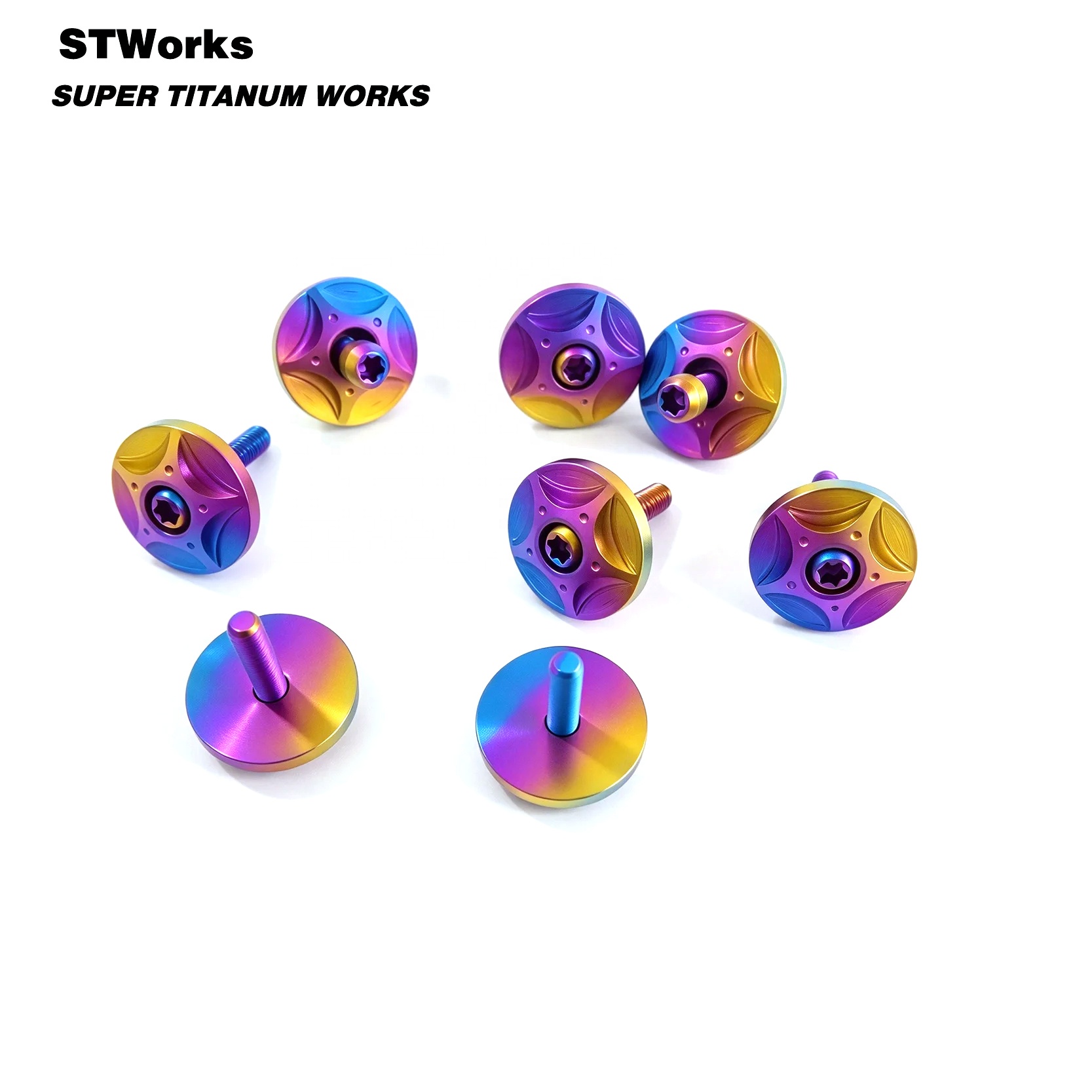
Factory Custom Ticat Ti Stem Top Cap Anodized M6 M6*30 Ti Bolt CNC Machined
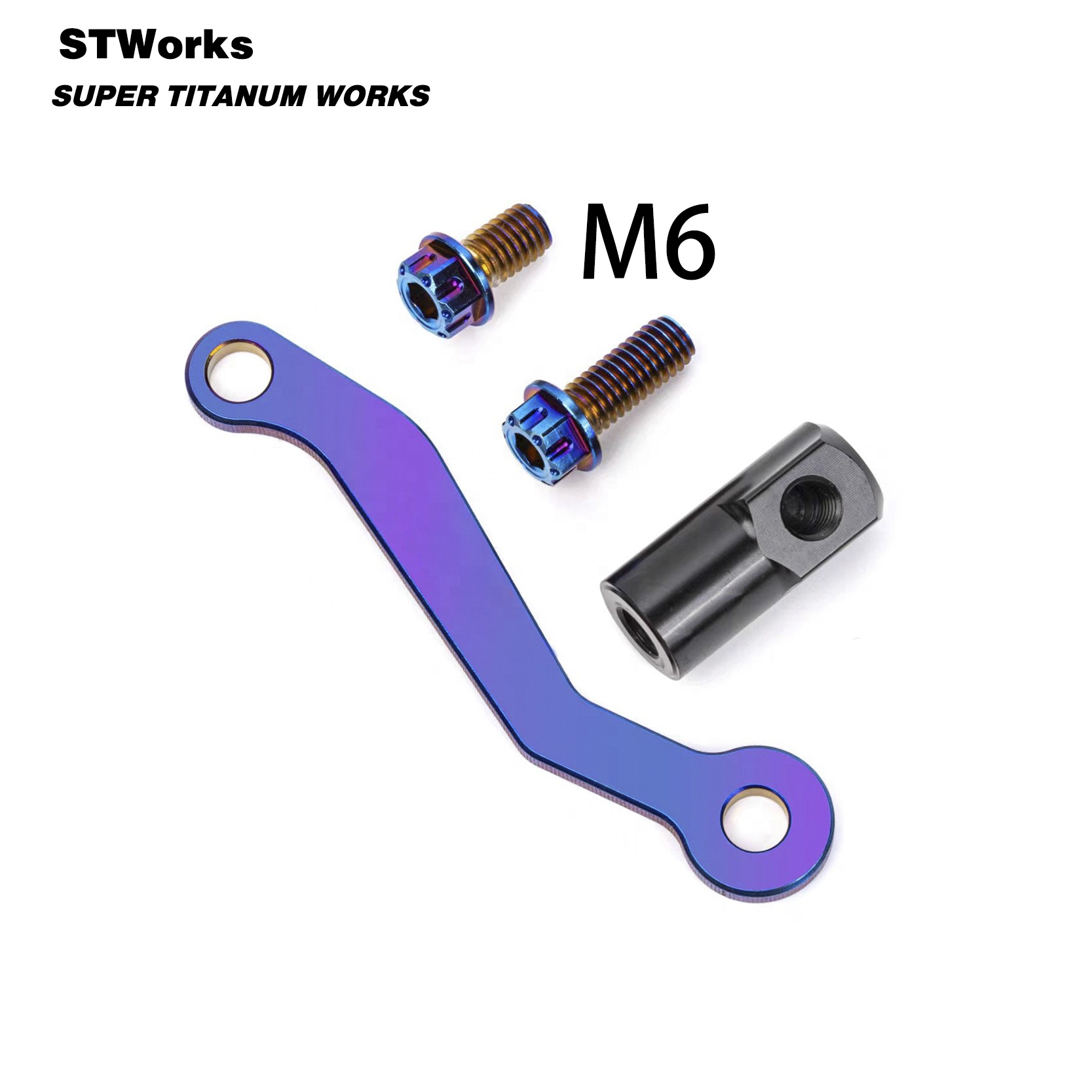
Gr5 TC4 Titanium Alloy Brake Fluid Reservoir Mount Bracket for Radial Master Cylinder
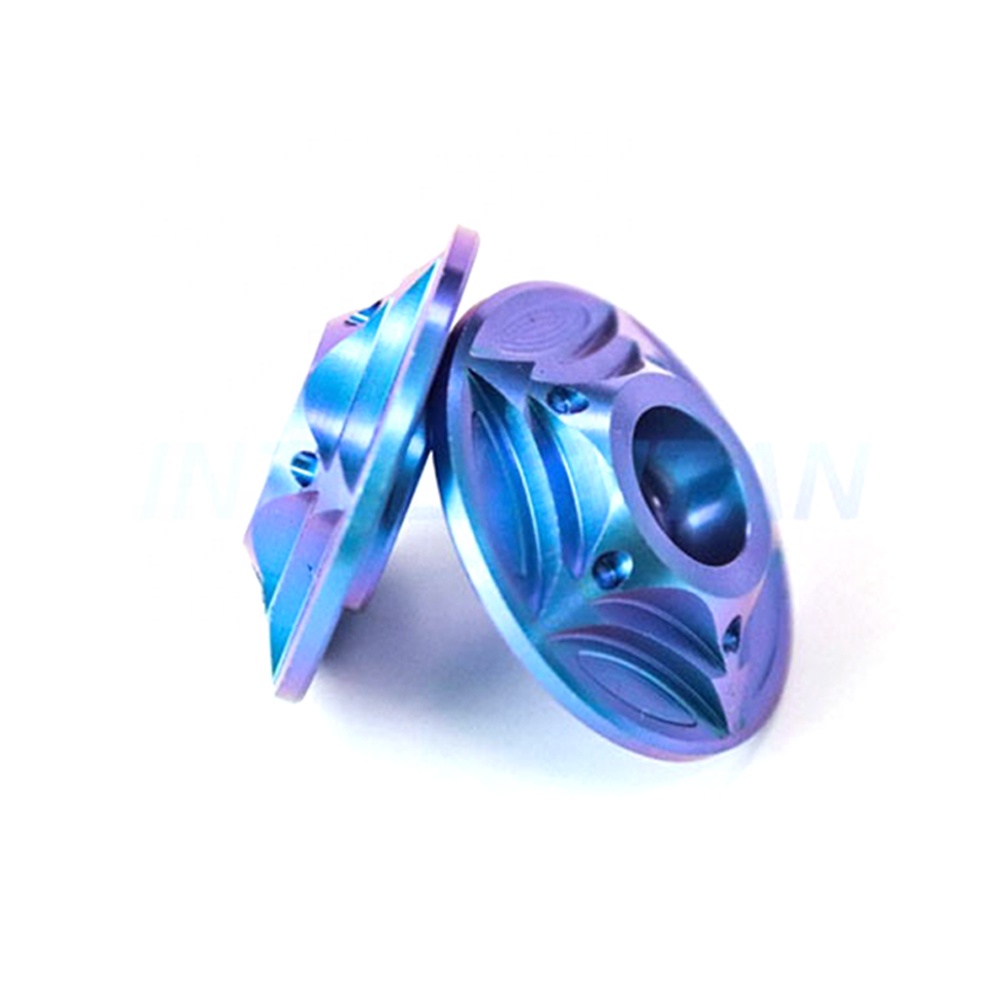
Customized Titanium Alloy Washers with PVD Coating M6 Precision Spacers
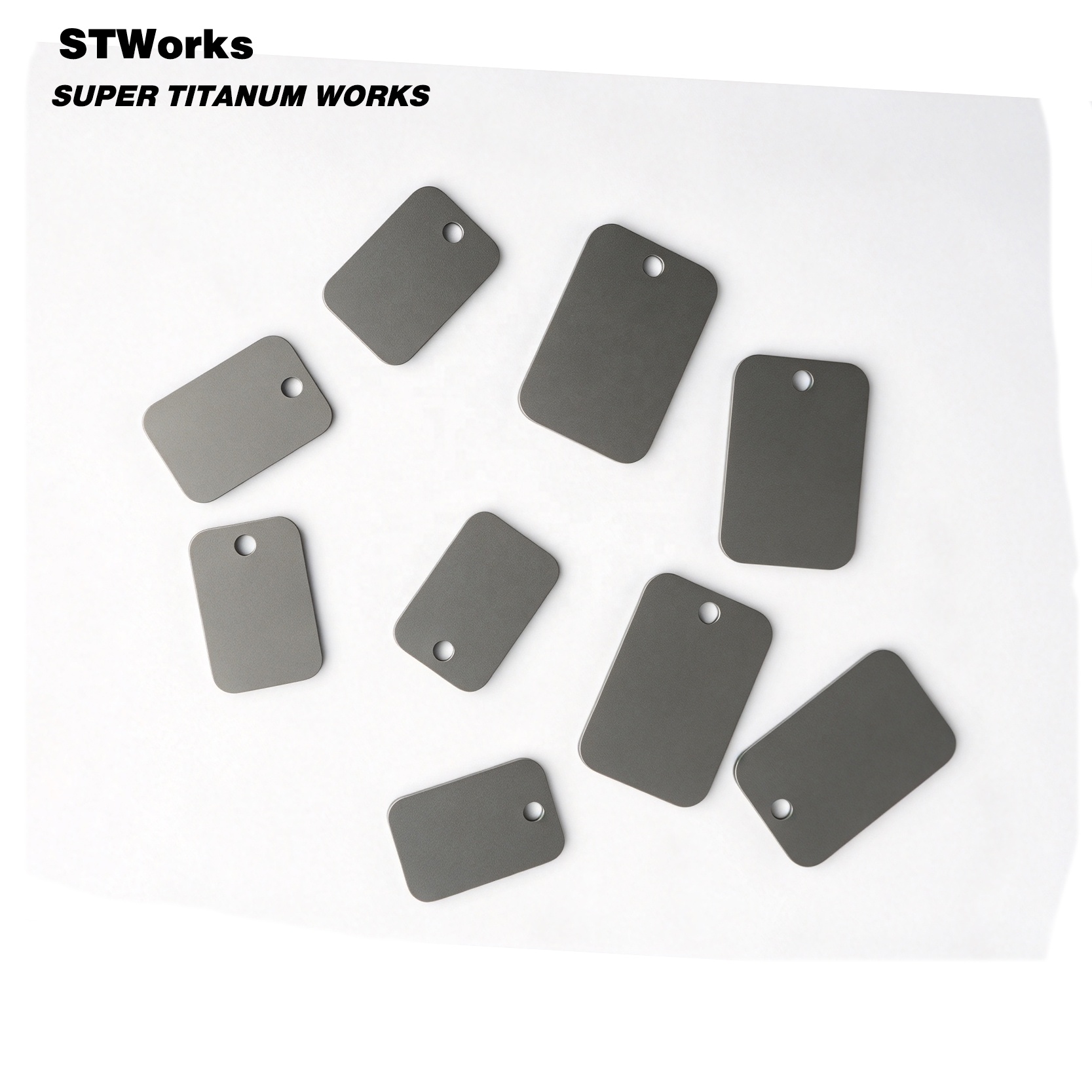
Custom Grade 5 Titanium Plate Tag Sandblasted Industrial Asset Serial Plates
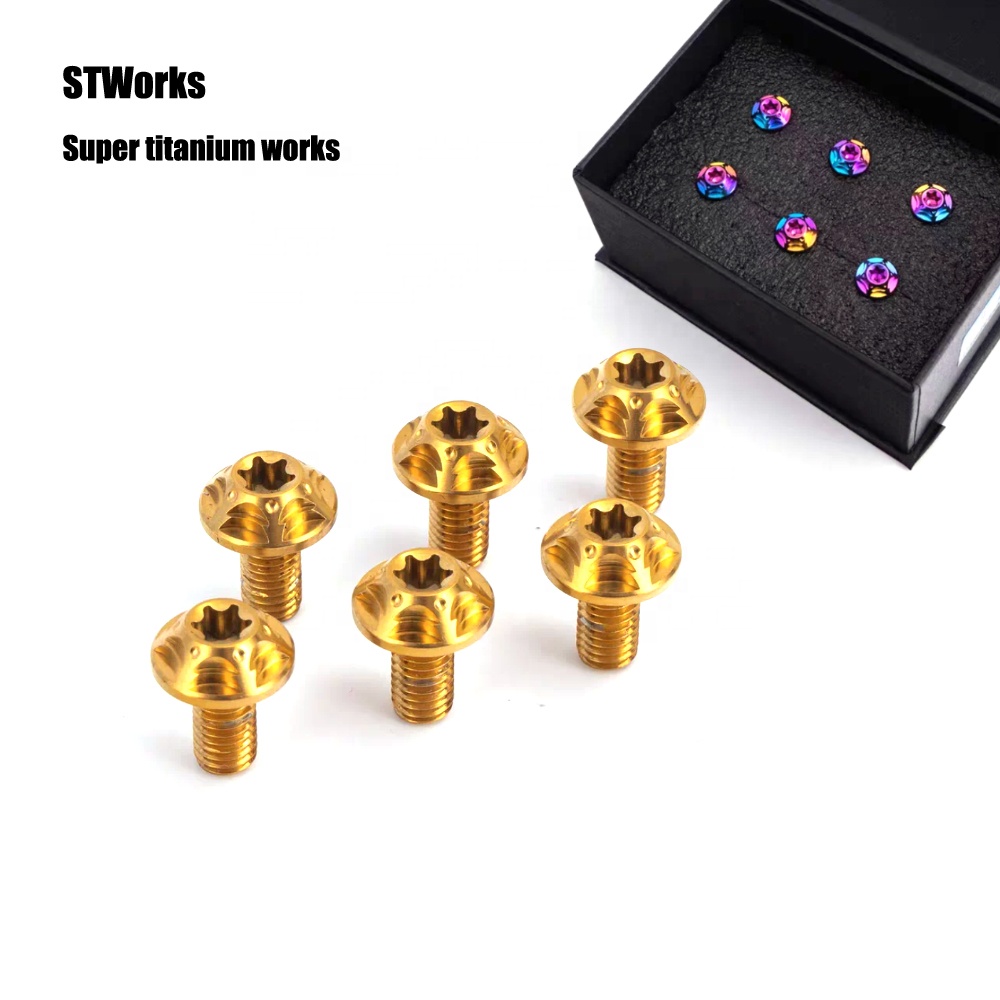
Rainbow Color Torx Pan Screws Gr5 Titanium Torx Bolt Rear Rotor Fasteners M5*10
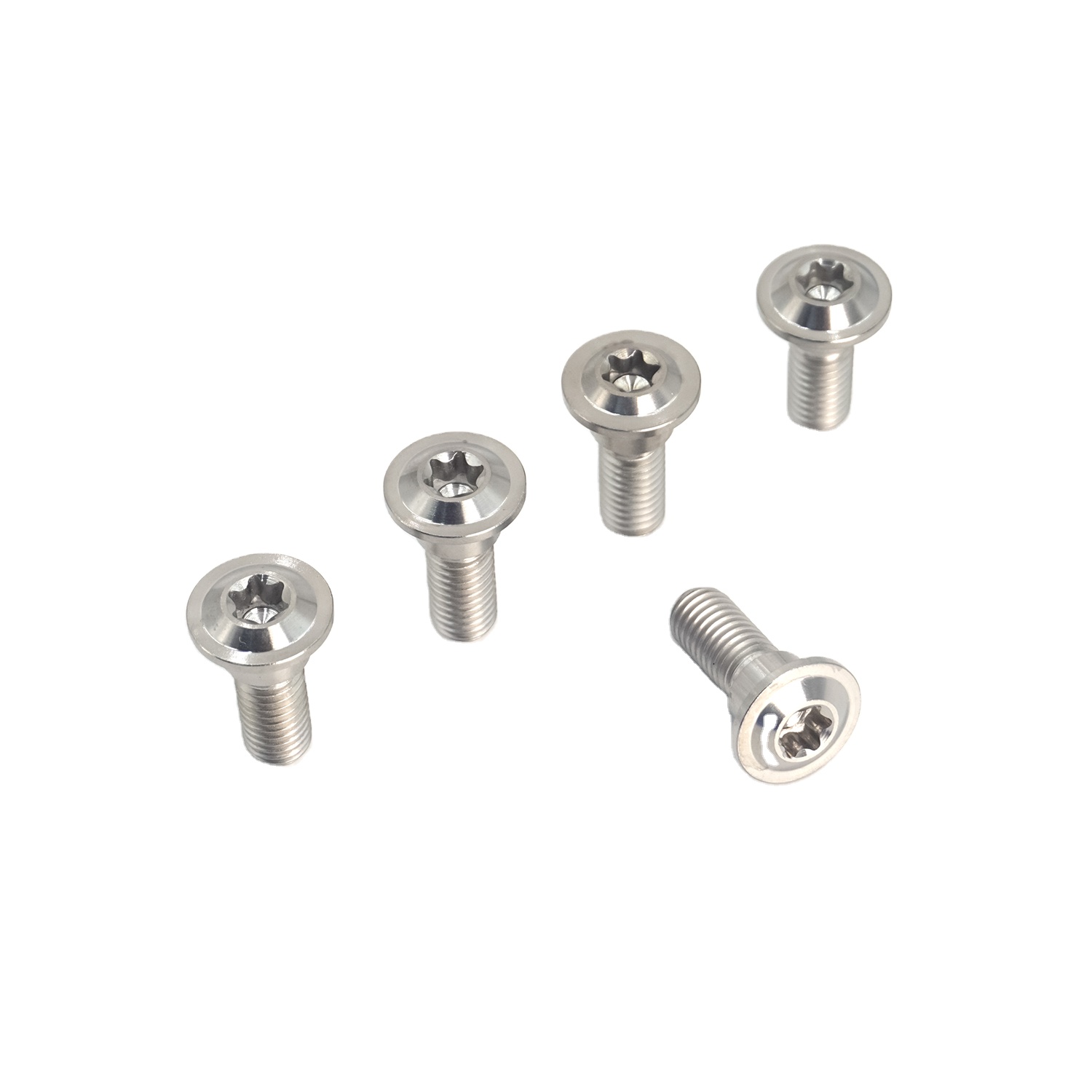
OEM CNC MACHINING Gr5 Titanium Disc Brake M8x23 Screws Heavy Hub Hardware
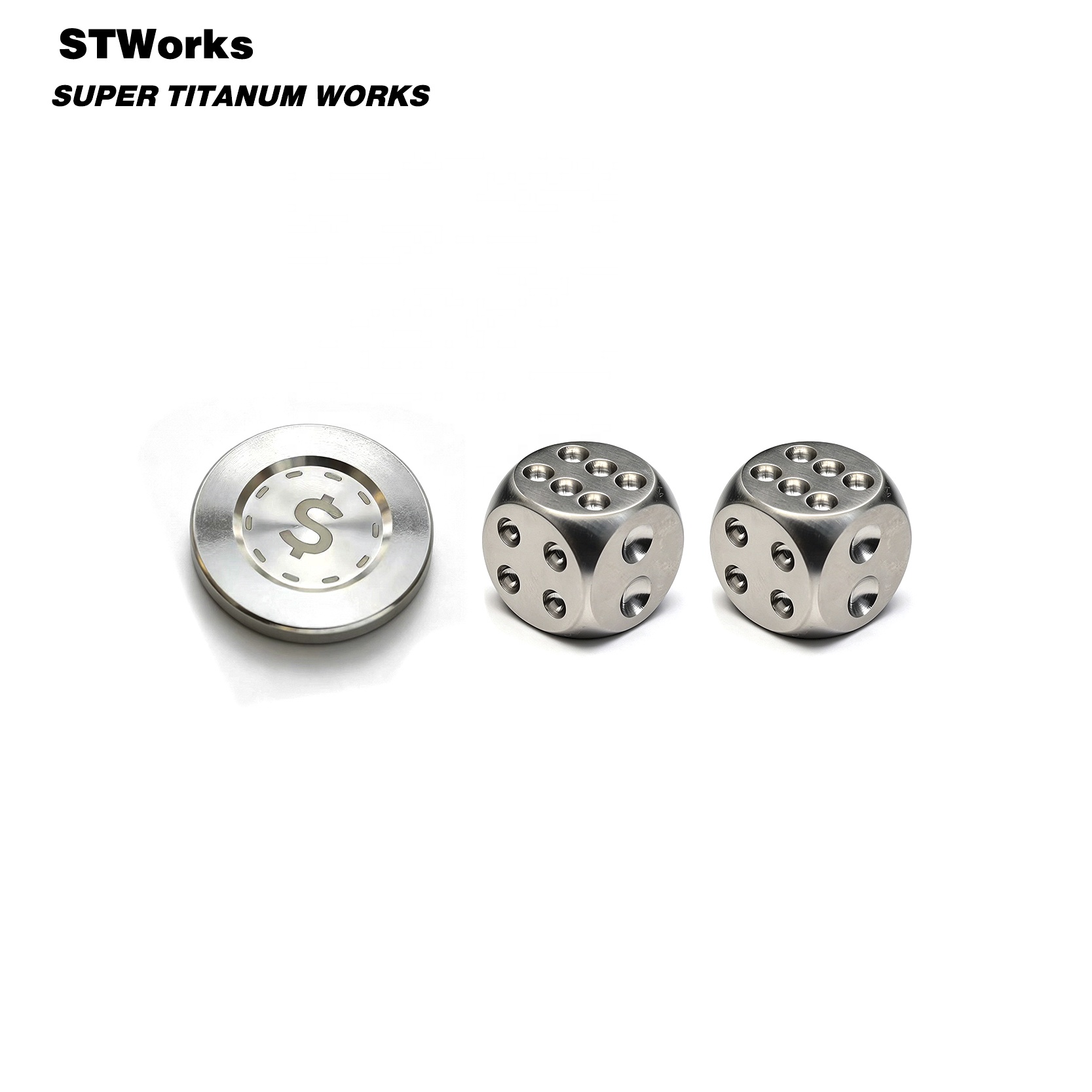
Custom-made Titanium Alloy Commemorative Token & Mechanical Calibration Gear
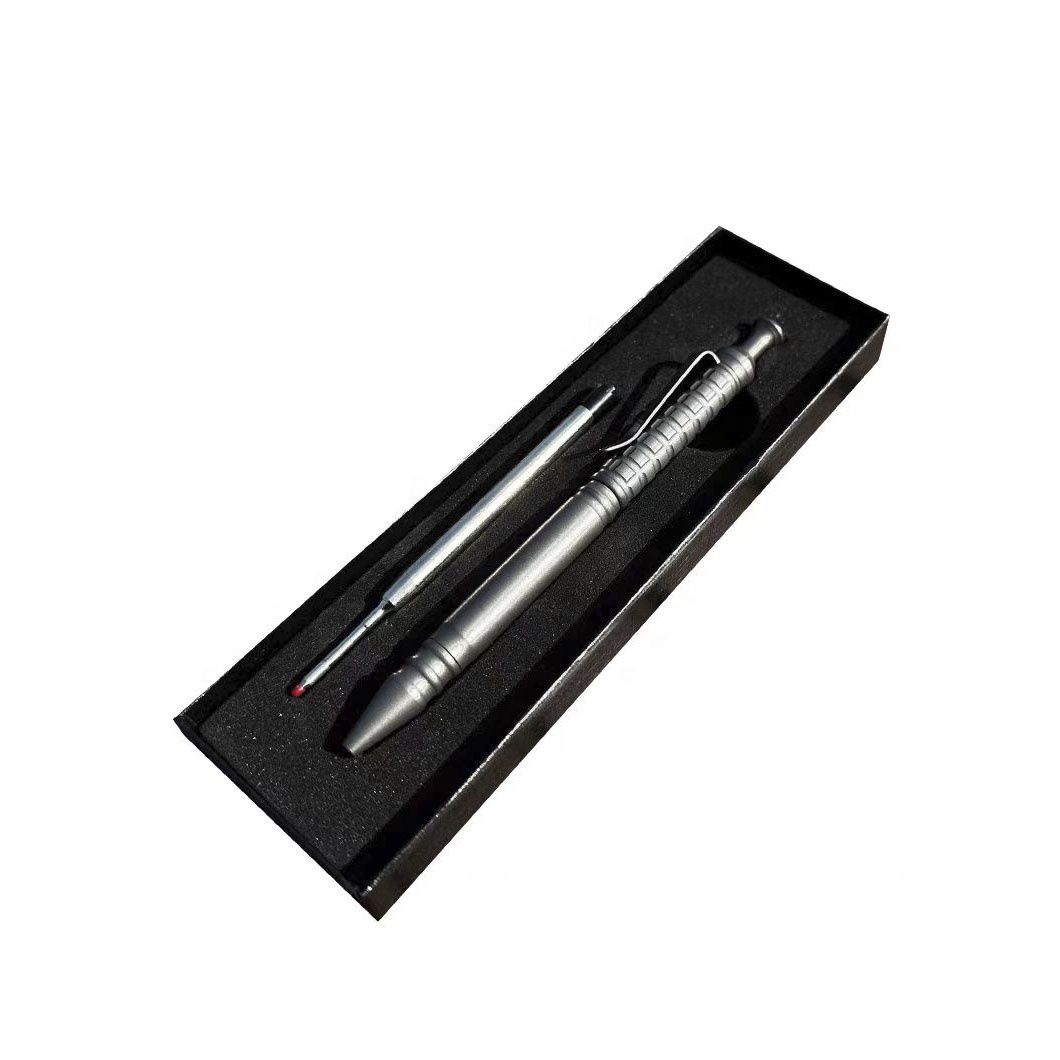
CNC Machining Wire EDM Multifunctional Bolt Tactical Field Assembly Gear
Engineering Titanium Wheel Fasteners for the Erdenet Mining & Logistics Corridor
A technical analysis of mechanical stress vectors, cryo-fatigue dynamics, and metallurgical endurance in Orkhon Province.
Elimination of Ductile-to-Brittle Transition (DBTT)
Standard high-tensile carbon steel bolts (Class 10.9 and 12.9) experience a dangerous shift called the Ductile-to-Brittle Transition Temperature (DBTT) once winter ambient temperatures drop below -20°C in Orkhon Province. At -40°C, ordinary alloy steel undergoes micro-cleavage fracturing under dynamic wheel torque impacts.
Grade 5 Titanium (Ti-6Al-4V) features a hexagonal close-packed (HCP) alpha-beta crystal lattice. It maintains full mechanical ductility and charpy V-notch toughness down to -196°C, entirely preventing sudden brittle shearing during winter operational cycles.
- No cold-cleavage catastrophic fractures down to -55°C.
- Maintains 12% elongation at break under deep freeze.
- Eliminates thermal contraction clamping loss on alloy rims.
Corrosion Immunity to Copper Slurry & Salt De-icers
The micro-environment surrounding the Erdenet ore dressing plant and transport routes contains airborne sulfurous residues, pulverized copper ore dust, and moisture loaded with chloride de-icers. When salt and copper ions settle onto zinc-plated or black-oxide steel wheel studs, aggressive galvanic and pitting corrosion rapidly erodes the root threads.
Titanium naturally generates an instantaneous, chemically inert Titanium Dioxide ($TiO_2$) passivating nanolayer upon atmospheric exposure. This film provides absolute immunity to chlorides, wet chemical ore dust, and sulfurous fumes, preventing thread seizure and stud erosion.
- Zero thread corrosion in wet copper tailings environments.
- Eliminates galvanic coupling when paired with forged alloy wheels.
- Prevents frozen lug nuts during roadside tire maintenance.
High Cyclical Vibrational Fatigue & Dynamic Torque Retention
Traversing unpaved haul roads and rutted steppe terrain between Erdenet, Darkhan, and Ulaanbaatar subjects wheel hubs to continuous high-frequency harmonic vibration and violent lateral impact spikes. Standard steel studs have higher elasticity modulus ($E \approx 210\text{ GPa}$), transferring shock directly into hub bearings and loosening torqued joints.
Grade 5 Titanium possesses an elasticity modulus of approximately $114\text{ GPa}$, effectively functioning as a high-strength mechanical spring that dynamically dampens shock energy while maintaining consistent bolt clamp preload ($F_p$) without cyclic loosening.
- Superior fatigue endurance limit exceeding 510 MPa.
- Rolled threads produce unbroken grain flow for shock resistance.
- Reduces unsprung wheel hub mass by 44%, extending bearing life.
Metallurgical Benchmark: Titanium Gr5 vs. Conventional Wheel Bolt Alloys
A rigorous mechanical performance comparison based on laboratory test standards and field operating conditions.
| Property / Material Parameter | Ti-6Al-4V Grade 5 (Velnora TC4) | Class 10.9 Carbon Steel | Class 12.9 Alloy Steel | 7075-T6 Billet Aluminum |
|---|---|---|---|---|
| Density ($\text{g/cm}^3$) | 4.43 (44% lighter than steel) | 7.85 | 7.85 | 2.81 |
| Ultimate Tensile Strength ($R_m$, MPa) | 950 – 1050 MPa | 1000 – 1040 MPa | 1200 – 1220 MPa | 570 MPa |
| Yield Strength ($R_{p0.2}$, MPa) | 880 – 920 MPa | 900 – 940 MPa | 1080 – 1100 MPa | 505 MPa |
| Modulus of Elasticity ($E$, GPa) | 114 GPa (Superior dynamic dampening) | 210 GPa | 210 GPa | 72 GPa |
| Fatigue Limit ($\sigma_w$ @ $10^7$ cycles) | 510 MPa (Smooth rotating bend) | 420 MPa | 480 MPa | 160 MPa |
| Impact Toughness @ -40°C ($J$) | 32 J (No DBTT transition) | 14 J (Significant embrittlement) | 9 J (Extreme cold-fracture risk) | 11 J |
| Chloride & Mine Tailings Acid Immunity | Absolute Immunity ($TiO_2$ Passivated) | Severe Pitting & Thread Seizure | Stress Corrosion Cracking Vulnerable | Exfoliation Corrosion Risk |
| Manufacturing Thread Method | Fully CNC Machined + Cold Rolled Threads | Cold Forged / Cut | Machined / Cut | CNC Machined Only |
*Note: Data represents ambient and cryo laboratory tensile and Charpy test averages. Gr5 wheel bolts directly replace Class 10.9 hardware on 1:1 dimensional geometry while providing dramatic fatigue life extension.
Mission-Critical Deployments Across the Orkhon Industrial Sector
Targeted vehicular and equipment assemblies benefiting immediately from titanium wheel hardware upgrades.
1. Open-Pit Support Fleets & Heavy Pickup Conversions
Light service trucks, supervisor SUVs (Toyota Land Cruiser 70/200/300 Series, Nissan Patrol), and mobile welding vehicles operating in the Erdenet open pit navigate severe gradients, tire-chain vibrations, and sharp crushed rock.
Equipping these vehicles with M14×1.5 and M12×1.25 titanium wheel studs prevents recurring bolt shear caused by continuous washboard vibrations and severe rim thermal cycling during extended continuous shifts.
- Sizes: M14×1.5, M14×1.25, M12×1.5 radius & cone seats.
- Withstands extreme wheel heating from constant brake descent.
2. Inter-City Heavy Haulage & Supply Logistics
Transport trucks hauling chemical reagents, grinding media balls, heavy machinery spares, and refined copper concentrates along the Erdenet-Darkhan-Ulaanbaatar corridor face severe road surface irregularities and extreme winter weather conditions.
Titanium wheel nuts and wheel studs significantly reduce rotational hub inertia, which lowers tire temperature buildup, improves fuel economy on high-mileage routes, and eliminates rim lug loosening.
- Heavy-duty 12-point flange heads and custom sleeve collars.
- Thread pitch precision guaranteed to Class 6g/6H tolerances.
3. Winter Off-Road, Overlanding & High-Performance Rigs
Industrial engineers, geologists, and private vehicle owners operating in rural exploration zones around Orkhon and Bulgan provinces frequently cross sub-zero riverbeds, frozen gravel beds, and deep mud trails.
Corrosion-proof titanium lug bolts eliminate the threat of frozen, rust-fused fasteners during emergency winter field repairs where broken wheel studs can leave a vehicle stranded in sub-zero wilderness.
- Available in PVD Black, Burnt Rainbow, and Natural Machined.
- Custom shank lengths accommodate thick aftermarket beadlock wheels.
Emerging Industrial Procurement Trends in the Erdenet Mining District
Market modernization drivers reshaping fasteners, wear components, and alloy selection across Northern Mongolia.
Fleet Total Cost of Ownership (TCO) Prioritization
Mining operators and contracting fleets in Erdenet are transitioning away from cheap commercial steel fasteners that require frequent replacement and cause wheel-off safety incidents. Maintenance supervisors recognize that spending slightly more upfront on Grade 5 Titanium eliminates repeated replacement labor, avoids stripped hub threads, and prevents costly vehicle downtime.
The lifecycle cost of titanium wheel hardware is significantly lower than carbon steel when factoring in harsh mining conditions and sub-zero operating environments over multi-year equipment cycles.
Direct-from-Baoji Supply Chain Integration
Procurement offices are increasingly bypassing multi-tier regional brokers in favor of direct relationships with certified manufacturers in Baoji, China—the undisputed "Titanium Valley" of Asia.
With modern direct rail freight from Baoji through Erenhot / Zamiin-Uud directly into Darkhan and Erdenet via the Trans-Mongolian railway network, procurement lead times are down to 10–18 business days. Buyers also receive full metallurgical mill test certificates (MTC) with exact batch heat numbers.
Stricter Industrial Safety & Preventative Maintenance
Under modernized Mongolian Occupational Safety & Health (OSH) standards for primary extraction facilities, wheel detachment incidents and fractured hub studs face stringent safety audits. Mining equipment managers now require certified Class 6g thread rolling and ultrasonic non-destructive testing (NDT) on heavy wheel assemblies.
Titanium Grade 5 fasteners with rolled threads provide higher shear and fatigue limits, meeting these stringent compliance requirements.
Why Mongolian Buyers Partner With Velnora Titanium Industry
Over a decade of dedicated precision machining from Baoji, China's titanium manufacturing epicenter.
Baoji Titanium Valley Heritage (Est. 2013)
Headquartered in Jinhe Industrial Park, Baoji, we utilize certified virgin sponge titanium, vacuum-melted ingot billets, and aerospace-standard Ti-6Al-4V stock. Every single bolt batch includes chemical and mechanical Mill Test Certificates (EN 10204 3.1).
Multi-Axis CNC Lathes & Wire EDM
Our production floor houses multi-axis CNC turning and milling centers alongside precision wire EDM cutting machines. We produce standard DIN 912, DIN 985, ISO 4017, and bespoke custom geometries from your CAD / PDF drawings.
Cold-Rolled Threads for Maximum Fatigue Life
Unlike cut threads that sever the metal's internal grain lines, our bolt threads are cold-rolled under massive hydraulic pressure. This aligns the crystalline grain flow along the thread contours, boosting shear strength and fatigue resistance by over 35%.
Live Video Quality Verification
We eliminate international procurement uncertainty by transmitting high-definition video walkthroughs and dimension inspections (digital micrometer, optical comparator, thread go/no-go gauges) before goods leave our Baoji factory for Mongolia.
Frequently Asked Questions: Procuring Titanium Fasteners in Erdenet
Detailed engineering, torque specification, anti-galling, and cross-border logistics clarifications.
Can Grade 5 (Ti-6Al-4V) titanium wheel bolts directly replace Class 10.9 factory steel wheel bolts? +
Yes. Grade 5 Titanium (Ti-6Al-4V / TC4) exhibits an ultimate tensile strength of 950 to 1050 MPa and a yield strength exceeding 880 MPa, which directly aligns with the mechanical requirements of ISO Property Class 10.9 steel fasteners (1000 MPa tensile / 900 MPa yield). Because titanium has a lower modulus of elasticity (~114 GPa versus ~210 GPa for steel), it functions with superior dynamic compliance, absorbing road shocks and lateral wheel impacts without permanent plastic deformation. For heavy mining transport applications, Velnora engineers will review your exact bolt diameter (M12, M14, M16, or custom inch-thread) and cone or ball seat interface to ensure matching torque-tension specifications.
How do we prevent thread galling during winter maintenance in Erdenet's dusty conditions? +
Thread galling (cold friction welding) can occur when titanium threads mate under dry, unlubricated friction against matching titanium, stainless steel, or aluminum hubs. To completely avoid thread galling in Erdenet's dusty mining environment:
1. Use Anti-Seize Paste: Always coat the bolt threads with a quality synthetic molybdenum disulfide ($MoS_2$) or nickel-based anti-seize paste during installation.
2. Torque Adjustment: Because anti-seize reduces the friction coefficient ($\mu \approx 0.10 - 0.12$), tighten fasteners using a calibrated hand torque wrench set to approximately 80–85% of standard dry factory torque values. Avoid using uncalibrated pneumatic impact guns for final tightening.
3. PVD Coating Option: We also provide PVD (Physical Vapor Deposition) DLC or Titanium Nitride surface finishes that add a hard, anti-friction protective barrier directly to the thread surface.
How does the coefficient of thermal expansion affect aluminum wheel torque in -40°C weather? +
The coefficient of thermal expansion (CTE) of Grade 5 Titanium is approximately $8.6 \times 10^{-6}\text{ /K}$, whereas forged or cast automotive aluminum wheels have a CTE of approximately $21–23 \times 10^{-6}\text{ /K}$, and carbon steel sits around $11.5 \times 10^{-6}\text{ /K}$. In severe winter temperatures (-40°C), aluminum wheels contract significantly more than the fasteners clamping them.
When using rigid carbon steel bolts, this differential contraction can lead to a drop in joint clamping force, causing loose lug nuts. However, because Grade 5 titanium has a lower modulus of elasticity ($E \approx 114\text{ GPa}$), the bolt acts like an extended elastic spring. It retains positive tension and clamp force across a broader thermal contraction band, preventing wheels from loosening during rapid temperature drops.
What shipping routes and transit times apply for deliveries from Baoji to Erdenet, Mongolia? +
Because Velnora is based in Baoji, Shaanxi Province, we have direct, established freight corridors into Mongolia. Small to mid-sized sample orders and urgent maintenance replacement runs are dispatched via international express air courier (DHL / FedEx / SF Express International) directly into Ulaanbaatar (Chinggis Khaan International Airport) within 4 to 7 business days, followed by domestic freight transfer to Erdenet.
For bulk production orders (several hundred to thousands of pieces), consolidated rail or road freight moves through the Erenhot (Inner Mongolia) – Zamiin-Uud border port, clearing Mongolian customs before proceeding directly along the central rail/road network to Darkhan and Erdenet. Total bulk transit typically ranges from 12 to 18 business days, with full customs documentation, export packing, and commercial invoices included.
Can Velnora manufacture custom wheel studs and bolts from customer drawings or physical samples? +
Absolutely. OEM and ODM custom manufacturing accounts for over 60% of our precision CNC output. Whether you have an engineered CAD model (.STEP, .IGES, .DWG), a technical PDF drawing with exact tolerances, or you courier a worn physical sample bolt from your Erdenet fleet, our engineering team can duplicate and improve the component. We can adjust the thread reach, add knurled stud press-fit shoulders, incorporate custom drive geometries (Torx, 12-point spline, internal hex, extended race studs), and provide customized head laser etching for your fleet identification.
Equip Your Fleet With Proven Titanium Reliability
Contact our Baoji technical sales team today for full dimensional drawings, custom batch quotes, and material test reports. We respond to all inquiries within 4 hours during business days.