Grade 5 Ti
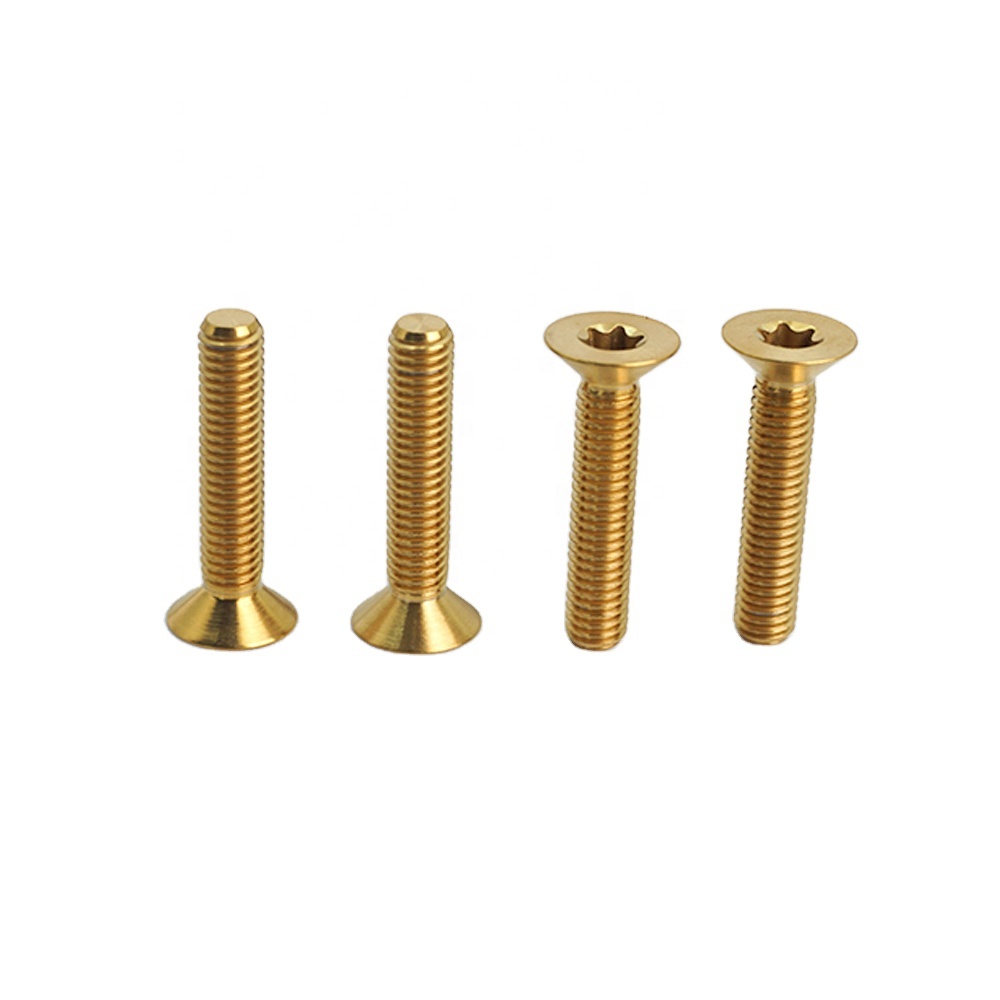
Engineered directly in China's Titanium Valley (Baoji) and distributed directly to Faro, Olhão, Portimão, and across the Algarve. Explore our production-verified titanium turned parts and specialized fasteners built to DIN, ISO, and JIS specifications.
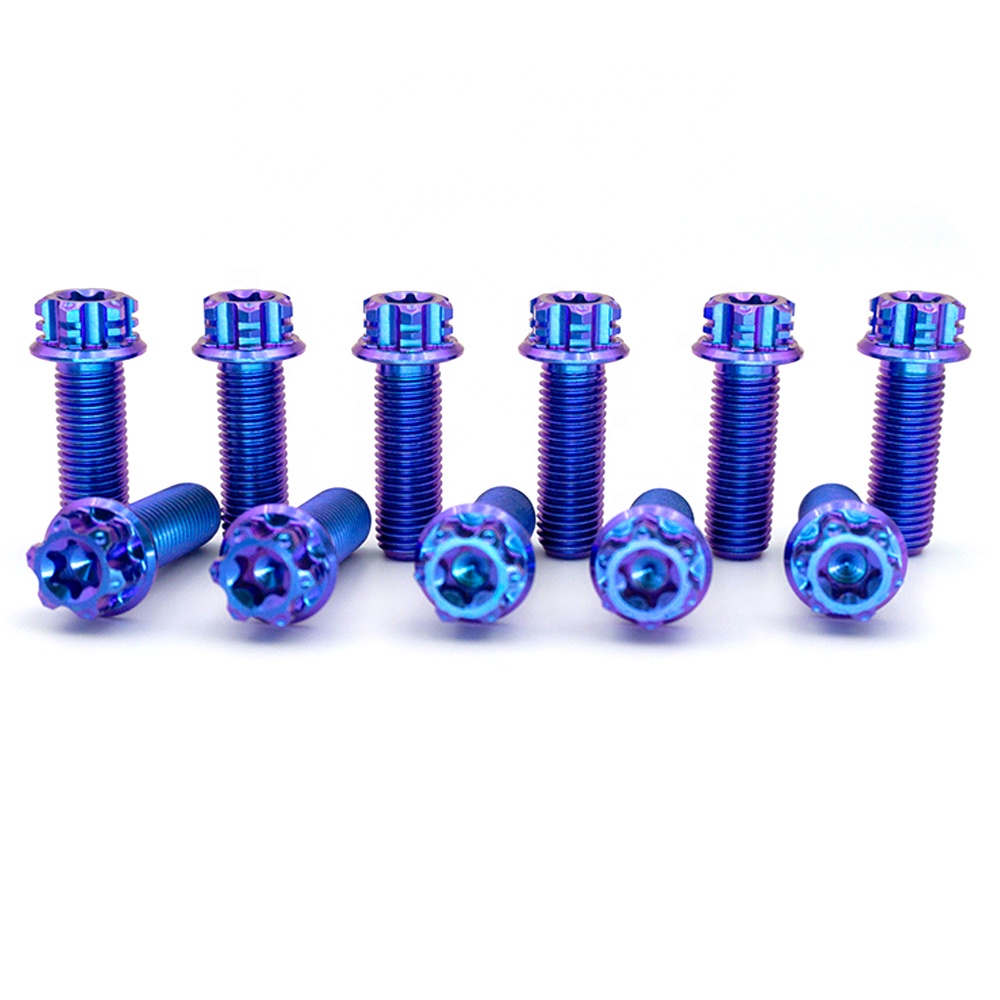
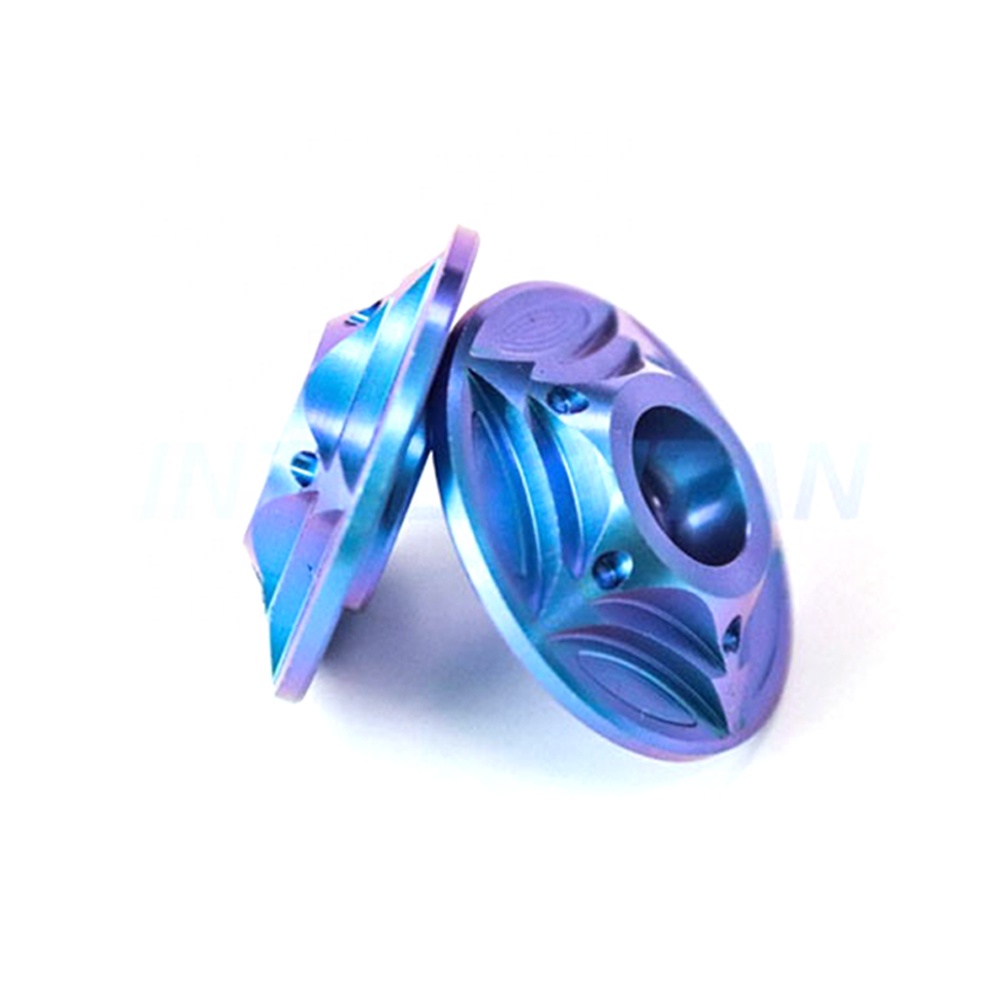
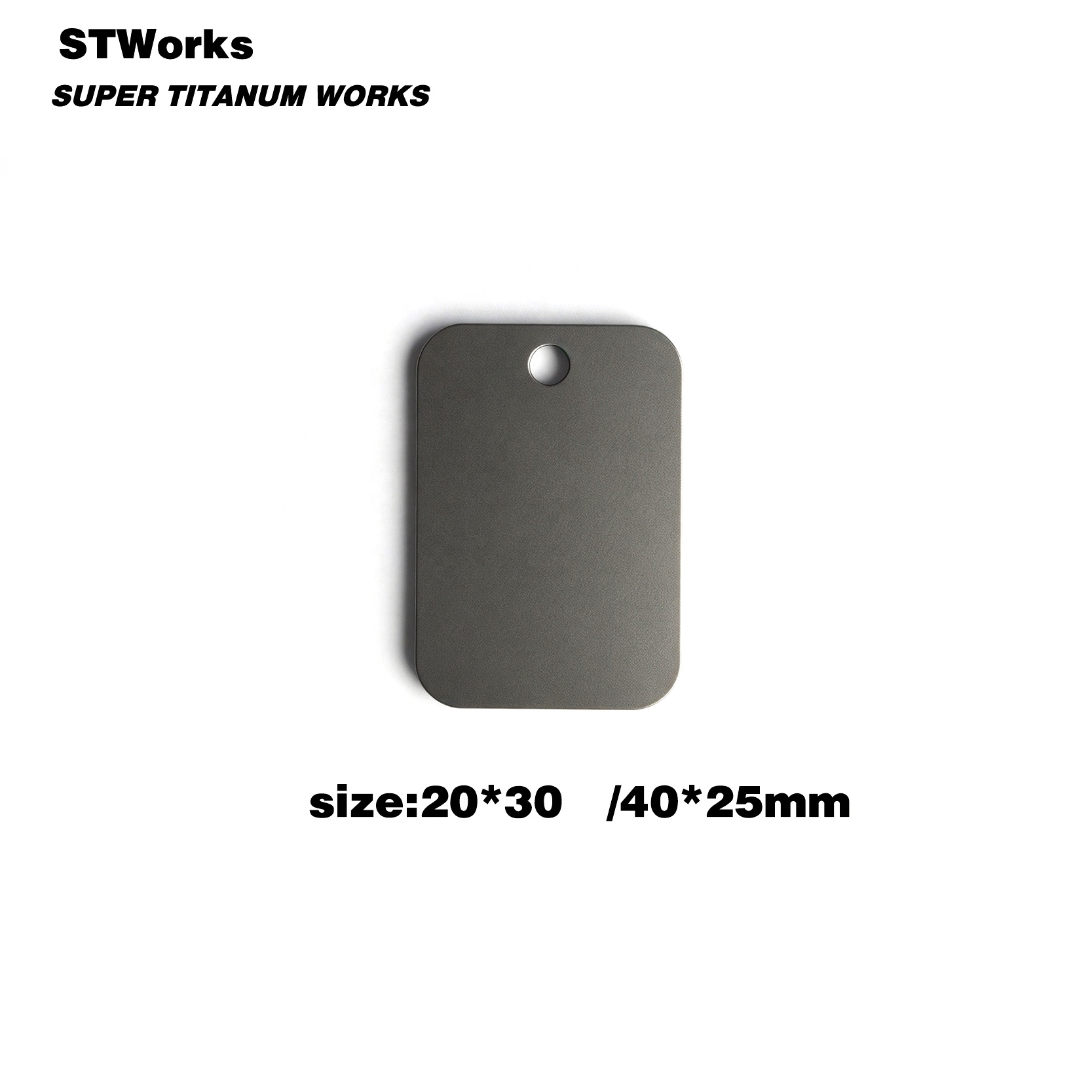
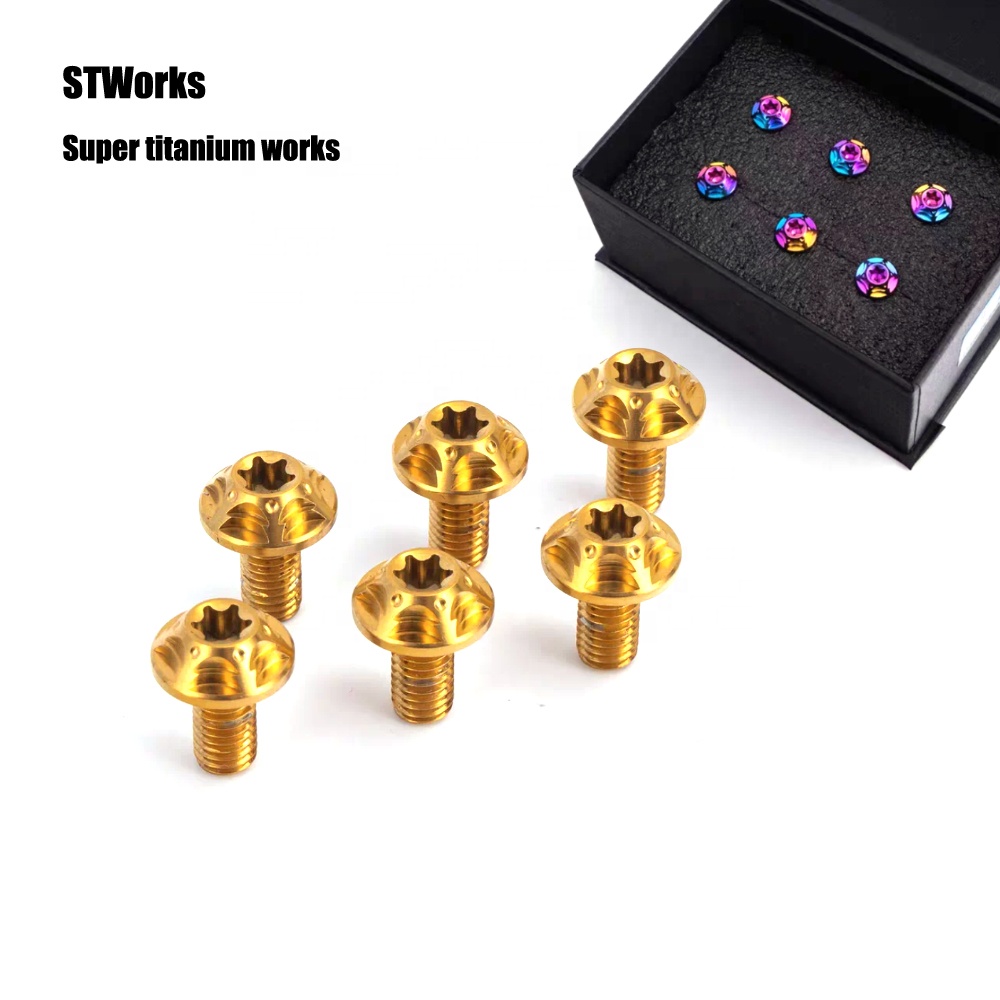
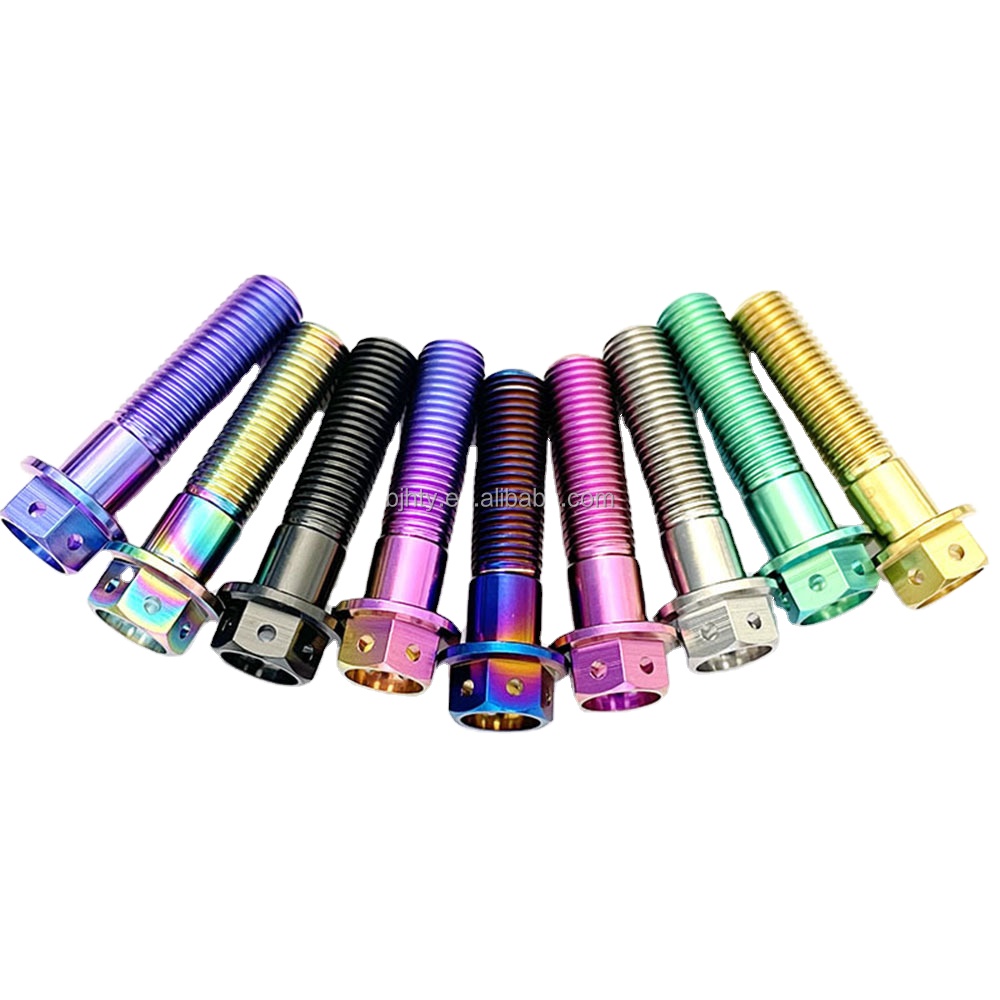
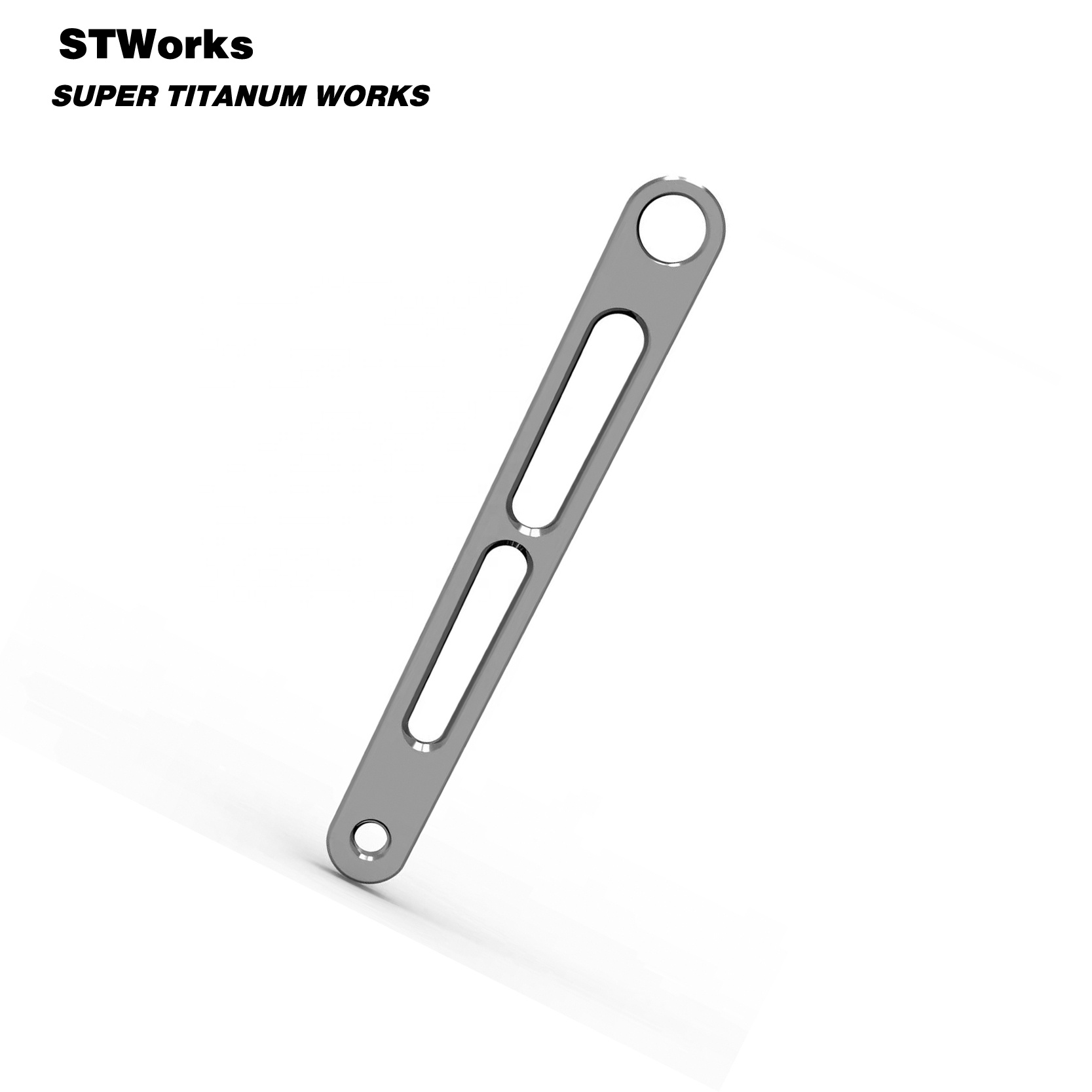
A comprehensive analysis of CNC titanium turning, galvanic compatibility in saline atmospheres, and critical manufacturing tolerances for procurement directors.
Situated along the southern Atlantic coast of Portugal, the municipality of Faro and the wider Algarve region represent a distinct operational environment characterized by hyper-saline atmospheric conditions, intense UV radiance, and dynamic mechanical stresses across maritime, aeronautical, and elite motorsport infrastructures. Precision components manufactured from traditional Austenitic stainless steels (such as AISI 304 or 316L) continuously confront micro-pitting, crevice corrosion, and stress corrosion cracking (SCC) when subjected to prolonged exposure in Atlantic slipways, dry docks, and marine engine bays. For industrial buyers, maintenance directors, and custom equipment builders in Faro, transitioning to turned titanium components—specifically Grade 5 Ti-6Al-4V (UNS R56400 / Werkstoff 3.7165)—is not merely an aesthetic enhancement, but an engineered lifecycle imperative that drastically reduces structural failure rates and maintenance overhead.
Titanium turned parts manufactured via multi-axis CNC Swiss-type lathes and turning centers provide an exceptional strength-to-density ratio, yielding an ultimate tensile strength surpassing 895–950 MPa with a density of only 4.43 g/cm³. This is roughly 44% lighter than medium-carbon alloy steel while delivering yield strengths matching or exceeding Property Class 8.8 and annealed Class 10.9 fasteners. In CNC lathe operations, the machining of titanium alloys requires strict metallurgical control. Because titanium exhibits low thermal conductivity (6.7 W/m·K compared to 52 W/m·K for standard carbon steel), the thermal energy generated during shear turning fails to dissipate into the chip or the machine base; rather, it concentrates at the tool-workpiece interface. Without specialized carbide tooling, synchronized high-pressure flood coolant delivery, and exact surface speed calculations, thermal distortion impairs nominal tolerance bands.
At our manufacturing facilities in Baoji—globally acknowledged as China's Titanium Valley—we apply comprehensive geometric and dimensional controls to all titanium turned components destined for Portuguese distribution. From precision thread-rolling techniques (which preserve the structural grain lines of Grade 5 bar stock and boost fatigue life by up to 30% relative to single-point cut threads) to calibrated micro-reaming, our parts comply with tight ISO 2768-mK tolerances and thread classes conforming to ISO 965-2 (6g/6H fits). These processes eliminate premature thread stripping, micro-chattering during cyclic track loading, and severe localized galling under continuous torque.
| Material Designation | Yield Strength (Rp 0.2, MPa) | Tensile Strength (Rm, MPa) | Density (g/cm³) | PREN Value (Pitting Equiv.) | Saline Immersion Resistance |
|---|---|---|---|---|---|
| Gr5 Ti-6Al-4V (TC4 Turned) | ≥ 828 | ≥ 895 - 1000 | 4.43 | ∞ (Passive TiO₂ layer) | Zero corrosion pitting after 10,000h salt spray |
| Gr2 CP Titanium (Industrial) | ≥ 275 | ≥ 345 - 450 | 4.51 | ∞ (Passive TiO₂ layer) | Immune to ambient coastal saltwater |
| AISI 316L Stainless Steel | ≥ 220 | ≥ 520 | 8.00 | 23 - 25 | Susceptible to crevice pitting in stagnant seawater |
| 7075-T6 Anodized Aluminum | ≥ 505 | ≥ 570 | 2.81 | N/A | High vulnerability to galvanic and pitting decay |
How specialized engineering operations in Faro, Olhão, Portimão, and Vilamoura leverage lightweight, inert titanium components to solve severe operational challenges.
The marinas across Faro, Vilamoura, and Portimão host high-tier commercial charter vessels, luxury sports fishing catamarans, and private yachts operating throughout the Ria Formosa barrier lagoon. Titanium turned thru-hull fittings, custom clevis hinge pins, and flanged exhaust hardware resist chloride stress pitting indefinitely. Because titanium develops an instantaneous, self-healing Titanium Dioxide (TiO₂) passive barrier, it eradicates the galvanic battery effect commonly observed when stainless fasteners are coupled against carbon-fiber composite superstructures.
The Autódromo Internacional do Algarve (AIA), located just west of Faro, is renowned for high-load undulating track profiles demanding extreme chassis stiffness and low unsprung rotational inertia. Local racing garages and motorcycle teams import our drilled Grade 5 titanium flanged hex bolts, sprocket nuts, and rear axle assemblies (M18 to M24) to reduce rotational mass across wheel hubs and brake caliper brackets. By shedding rotational weight, motorcycles achieve faster lean transitions, reduced gyroscopic resistance, and stable brake thermal performance.
With the growth of environmental monitoring drones surveying the protected Ria Formosa wetlands and commercial avionics operations centered at Faro Airport (FAO), our precision micro turned screws (DIN 912 Torx screws down to M2/M2.5) and turned bushings serve critical sensory mounts. These parts guarantee zero magnetic interference with high-precision navigational telemetry compasses, while ensuring thermal stability under atmospheric thermal cycling from sea-level humidity to high-altitude cold.
Strategic shifts in the southern Portuguese market that dictate precision titanium component consumption through 2030.
The manufacturing and procurement landscape of southern Portugal is undergoing a marked technological evolution. Historically driven by tourism and seasonal maintenance, Faro and the Algarve are rapidly evolving toward a specialized Blue Economy and high-tech industrial cluster. Central to this transition is the adoption of advanced materials capable of supporting green maritime transport, offshore autonomous monitoring platforms, and premium light electric vehicles (LEVs).
Transition to Marine Electrification: The transition toward fully electric passenger ferries and solar-assisted tourist vessels navigating the fragile Ria Formosa Natural Park necessitates dramatic structural weight cutting to maximize battery pack efficiency and range. Marine engineering firms in Faro and Olhão are systematically redesigning hull-to-deck fasteners, battery mounting frameworks, and hydraulic steering linkages using Grade 5 turned titanium bolts. By displacing bulky 316 stainless steel, shipbuilders can compensate for the substantial deadweight of lithium-iron-phosphate (LFP) battery systems without sacrificing structural safety factors.
Carbon-Composite Hybrid Structures in Coastal Architecture: Modern architectural luxury developments in Quinta do Lago, Vale do Lobo, and Vilamoura increasingly rely on frameless structural glass and carbon-reinforced cantilever shades. In these high-salinity architectural settings, turned titanium standoffs, threaded studs, and countersunk fasteners prevent the unsightly brown tea-staining corrosion that plagues 304 and 316 stainless fittings within two seasons of ocean exposure. High-precision aesthetic turning combined with PVD (Physical Vapor Deposition) coating delivers scratch-proof, architecturally stable finishes.
Additive-Subtractive Hybrid Manufacturing Integration: As specialized Portuguese aerospace and precision prototyping facilities implement Direct Metal Laser Sintering (DMLS) 3D printing, the demand for precision CNC turning remains indispensable. While 3D printers excel at complex organic structural nodes, they fail to achieve the required surface finish (Ra ≤ 0.4 μm) and thread runout concentricity (≤ 0.01 mm) demanded for dynamic bearing seats and sealing interfaces. Faro engineering partners routinely source semi-finished turned titanium blanks, custom studs, and re-machined inserts from our Baoji turning facility to combine the geometrical flexibility of modern design with the uncompromising precision of CNC Swiss turning.
Direct supply line from China's Titanium Valley to the southern European coastline. No intermediaries, full metallurgical traceability, and interactive digital inspection.
Established in 2013, our production facility sits in the industrial epicenter of China's titanium supply chain. We command direct access to prime sponge titanium, precision vacuum arc remelting (VAR) ingots, and premium Ti-6Al-4V bar stocks with verified EN 10204 3.1 chemical composition and ultrasonic flaw test certificates.
We eliminate international procurement uncertainty. For every custom turned part run commissioned from Faro, our technicians provide high-definition CNC machining videos, wire EDM cutting records, optical thread projector checks, and finished packing footage prior to container or courier dispatch.
Beyond precision subtractive machining, we provide specialized surface treatments including micro-grit sandblasting, spectrum voltage anodizing (rainbow, violet, deep blue, gold, emerald green), and vacuum PVD titanium nitride hard-coating to eliminate abrasive wear, enhance galling resistance, and ensure brand-aligned aesthetics.
Clear, engineering-grounded answers addressing customs, thread galling, metallurgical equivalency, and ordering logistics.
Grade 5 titanium (Ti-6Al-4V / TC4) possesses a minimum tensile strength of 895–950 MPa and a yield strength around 828 MPa, which aligns closely with Property Class 8.8 steel fasteners. While it can directly replace Class 8.8 bolts with an immediate 44% weight reduction and lifetime corrosion immunity, it is not a direct 1:1 cross-sectional replacement for Class 10.9 (1040 MPa) or Class 12.9 (1220 MPa) bolts in severe yield-critical structural joints (such as high-pressure cylinder heads or critical suspension uprights). When upgrading high-tensile assemblies, our engineering department advises upsizing the fastener diameter (e.g., from an M8 steel to an M10 Grade 5 titanium bolt) or commissioning FEA joint validation, which we assist with based on your STEP models.
Titanium has a relatively low modulus of elasticity (approx. 114 GPa compared to 210 GPa in steel) and a high coefficient of friction against itself and other metals, which can induce severe thread galling if dry-torqued under load. To prevent thread galling in coastal operations around Faro, we implement three core solutions: (1) We prioritize thread rolling rather than single-point cut threading to produce glass-smooth root radii (Ra ≤ 0.2 μm); (2) We provide specialized anti-galling PVD coatings and micro-anodized oxide coatings; and (3) We mandate the application of a marine-grade molybdenum disulfide (MoS₂) or nickel-based anti-seize paste during torquing, adjusting torque values downward by 15–20% to account for reduced friction.
Shipments entering Portugal (via Lisbon customs or Faro Airport freight terminals) require precise European Union documentation. We provide full commercial invoices, packing lists, airway bills (AWB) or ocean bills of lading, and Mill Test Certificates (MTC) according to EN 10204 3.1 certifying metallurgical traceability (raw melt ingots, chemical elemental analysis, and physical yield/elongation tests). We classify our products under standardized Harmonized System (HS) codes—primarily HS 8108.90 (Titanium and articles thereof, including precision turned components) or HS 7318.15 equivalent for titanium threaded fasteners—ensuring seamless clearance through Portuguese Autoridade Tributária e Aduaneira.
For standard DIN/ISO specification titanium turned screws and bolts (such as DIN 912 socket caps, DIN 6921 flanged bolts, and M5/M6 brake rotor hardware), our MOQ starts at 100 to 200 pieces. For bespoke CNC turned parts manufactured directly from client CAD/STEP drawings, typical trial batch MOQs range between 50 and 100 pieces depending on geometry and finish. Prototype runs or specialized Timascus (Mokuti) collector components can be ordered from single-piece quantities. Production times typically average 12–18 business days, followed by 3–6 business days for air express delivery (via DHL, FedEx, or UPS direct to your workshop in Faro).
We operate state-of-the-art multi-axis CNC turn-mill machinery driven by Mastercam and Siemens NX software. We routinely accept 3D vector files in STEP (.stp), IGES (.igs), Parasolid (.x_t), or DWG/DXF formats alongside 2D PDF engineering blueprints featuring GD&T (Geometric Dimensioning and Tolerancing) notations. We routinely execute Non-Disclosure Agreements (NDAs) for specialized OEM motorsport teams, drone inventors, and maritime engineering firms across the European Union prior to drawing intake, ensuring your intellectual property is strictly guarded.
Send our machining engineers your dimensional drawings or fastener replacement specifications. Receive a certified technical review, tooling feasibility analysis, and direct pricing quote within 4 business hours.