Recommended Chassis & Precision Titanium Components
Explore our certified Grade 5 (TC4 / Ti-6Al-4V) components and suspension accessories manufactured to DIN, JIS, and ANSI standards for demanding Malaysian road and track applications.
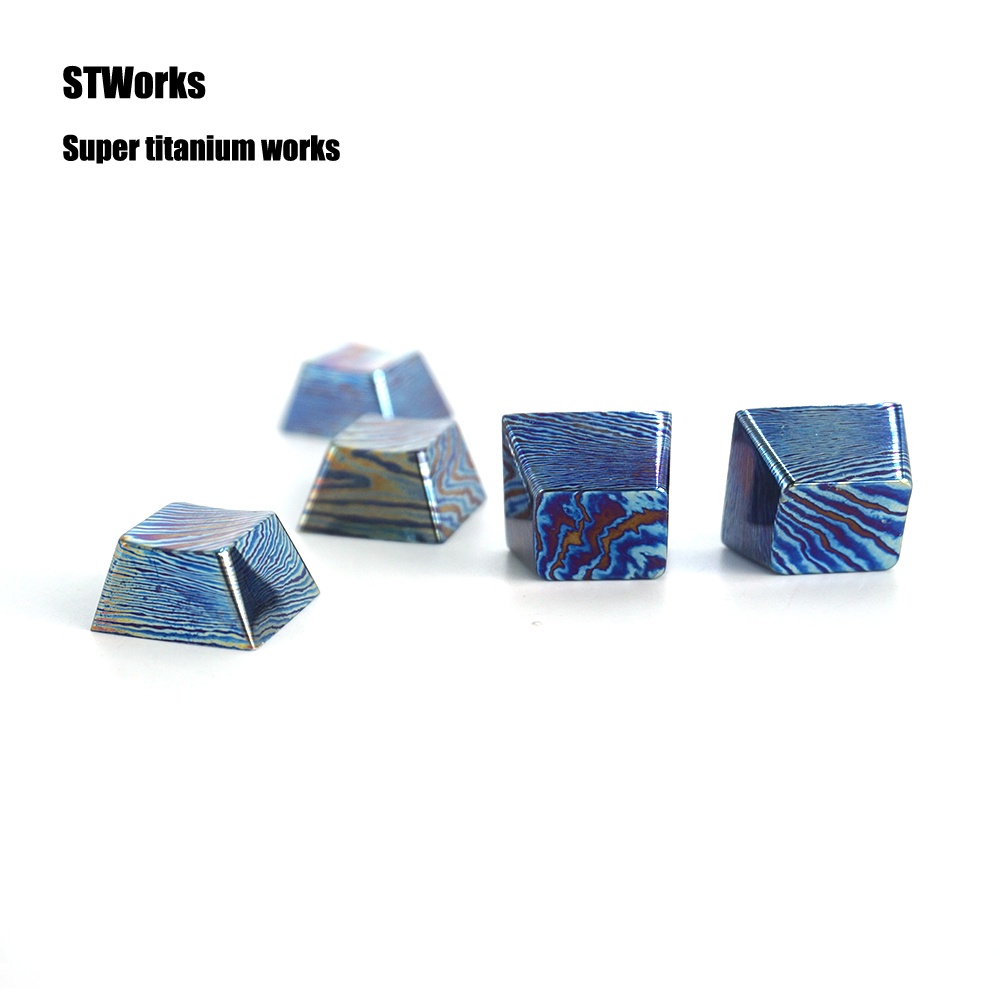
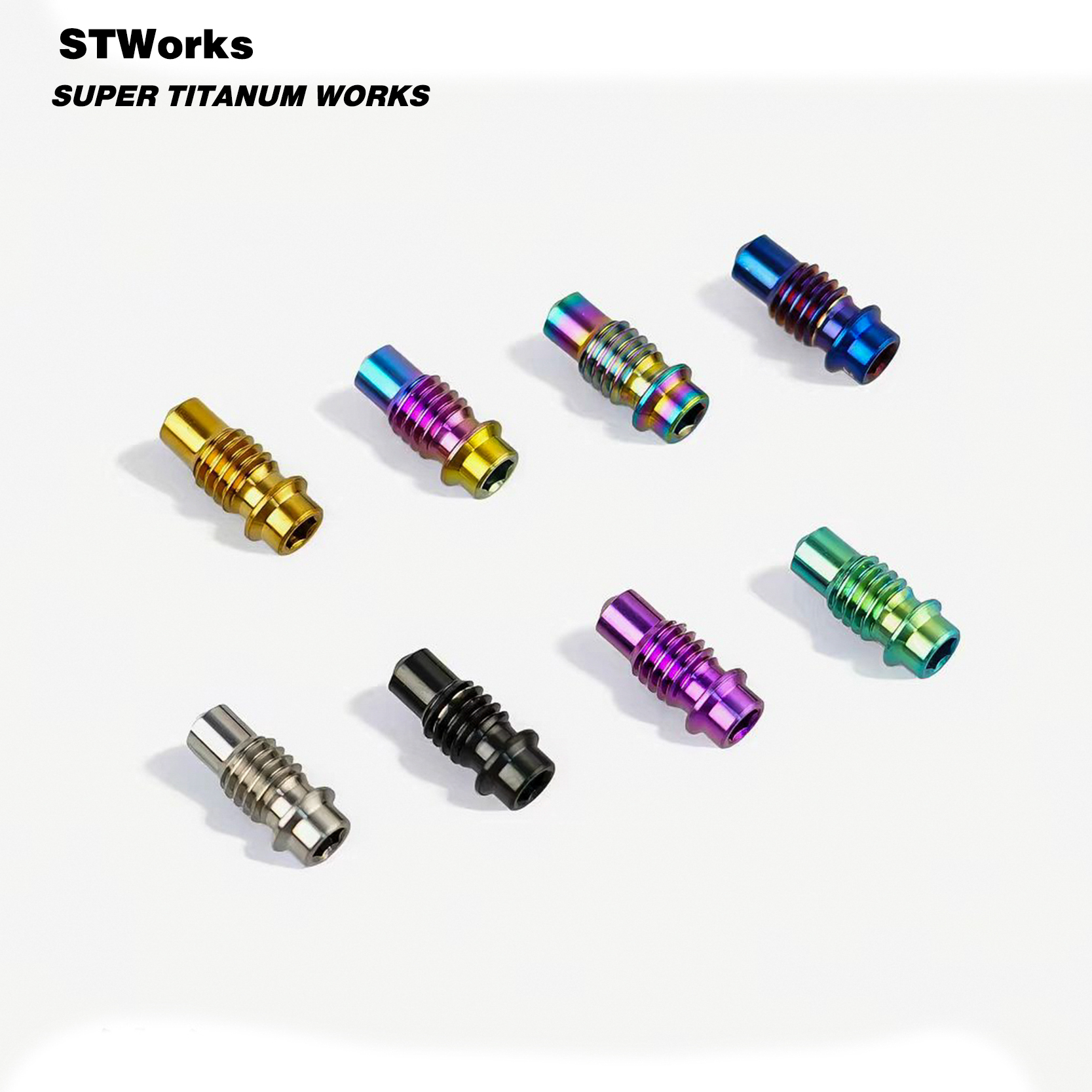
High-Performance Titanium Suspension Springs in Tropical ASEAN Ecosystems
A comprehensive metallurgical and dynamic analysis of why Malaysian automotive OEMs, race engineers, and heavy vehicle fleets are replacing chrome-silicon spring steels with advanced Beta-C and Alpha-Beta Titanium alloys.
1. The Physics of Unsprung Mass Reduction in Chassis Dynamics
In high-speed racing at the Sepang International Circuit or continuous dynamic loading across Peninsular Malaysia's Federal Route 1, unsprung mass dictates wheel contact patch stability, damper reaction rates, and grip continuity. A suspension spring forms a critical part of the unsprung mass; roughly half of the spring's mass is categorized as purely unsprung, moving reciprocally with the wheel hub, knuckle, brake caliper, and wheel assembly.
By transitioning from traditional high-tensile spring steel (such as ASTM A401 / SAE 9254 Chrome Silicon) to cold-coiled or hot-formed Beta-Titanium alloys (such as Ti-3Al-8V-6Cr-4Mo-4Zr, commonly known as Beta-C) or high-integrity Ti-6Al-4V Grade 5, chassis engineers achieve a 40% to 55% reduction in overall spring weight. Because titanium possesses a significantly lower density ($\rho \approx 4.43 - 4.82\text{ g/cm}^3$) compared to chrome steel ($\rho \approx 7.85\text{ g/cm}^3$), the damper experiences dramatically lower inertial impedance. Consequently, rebound and compression valving can react immediately to tarmac micro-undulations rather than wasting hydraulic damping energy controlling the spring's own inertial momentum.
2. Higher Natural Frequency & Prevention of Spring Surge
A persistent mechanical failure point in track day racing, touring car championships, and superbike monoshock applications across Malaysia is spring surge—an internal resonant standing wave phenomenon where high-frequency road vibrations or curb strikes excite the spring at its natural axial frequency. When a conventional steel spring surges, dynamic stress spikes exponentially, leading to coil collision, internal fretting, loss of tire traction, and premature fatigue fractures.
The fundamental axial natural frequency ($f_n$) of a helical compression spring is governed by:
$$f_n = \frac{d}{2 \pi D^2 n} \sqrt{\frac{G}{2 \rho}}$$
Because the term $\sqrt{G / \rho}$ for titanium remains virtually equal to steel, but the required active coils ($n$) and wire diameter ($d$) are substantially optimized, the natural frequency of a titanium spring is commonly 40% to 60% higher than an equivalent rate steel spring. This positions the resonant frequency far outside the operational excitation frequencies generated by track curbs, tarmac washboards, or chassis yaw movements, ensuring pure, uncorrupted damping response throughout the damper's travel stroke.
| Material Designation | Beta-C Titanium (Ti-38-644) | Grade 5 (Ti-6Al-4V / TC4) | SAE 9254 Chrome Silicon | 17-7 PH Stainless Steel |
|---|---|---|---|---|
| Density ($\text{g/cm}^3$) | 4.82 | 4.43 | 7.85 | 7.80 |
| Shear Modulus ($G$, GPa) | 41.5 | 44.0 | 79.3 | 75.8 |
| Tensile Yield Strength ($R_{p0.2}$, MPa) | 1,240 - 1,450 | 895 - 1,000 | 1,650 - 1,900 | 1,100 - 1,350 |
| Permissible Torsional Stress ($\tau$, MPa) | 750 - 920 | 600 - 720 | 780 - 880 | 580 - 680 |
| Relative Spring Weight | 48% - 55% (Baseline) | 52% - 60% | 100% (Reference) | 98% - 105% |
| Resistance to C5-M Coastal Salt Spray | Immune (>5,000 hrs ASTM B117) | Immune (>5,000 hrs ASTM B117) | Susceptible to Micro-pitting | Moderate Pitting Risk |
| Internal Spring Damping & Surge Resistance | Superior (High $f_n$) | High | Baseline (Surge-prone) | Moderate |
*Data values represent standard solution-treated and aged (STA) metallurgical specifications utilized in high-performance chassis suspension coiling at Velnora Titanium Industry Co., Ltd.
Engineered for Malaysia's Harshest Tracks, Trails, and Industrial Corridors
From the high thermal humidity of Sepang track racing to the corrosive mud terrains of Borneo and the palm oil logistics grid across Selangor and Johor, our titanium springs deliver unmatched reliability.
Sepang MSF SuperTurismo & Touring Car Championships
The Sepang International Circuit is notorious for punishing damper heat, where surface track temperatures regularly exceed 58°C during mid-day sprint and endurance races. When coilovers operate under severe cyclical displacement, standard chrome-silicon steel springs experience thermal softening and progressive ride-height settling ("sag"), disturbing corner-weight balancing.
Velnora’s titanium suspension springs maintain constant spring rates without hysteresis degradation even under persistent hydraulic shock radiant heat. The reduction of up to 4.5 kg of total unsprung corner weight across all four corners allows race engineers to optimize roll stiffness, maintain razor-sharp apex turn-in through Sepang's high-g Turns 5 and 6, and eliminate tire degradation caused by uncontrolled hub oscillations.

Borneo Safari & Tropical Rainforest Expedition Builds
Malaysia hosts some of the most grueling off-road rainforest trials in the world, including the annual Borneo Safari in Sabah and deep jungle logging routes in Pahang and Sarawak. Traditional 4x4 coil springs subjected to continuous acidic jungle mud, river crossings, and clay silt immersion suffer catastrophic micro-fretting corrosion, leading to subsurface hydrogen embrittlement and unexpected field shear failures.
Titanium naturally forms an instantaneous, self-healing rutile-anatase titanium dioxide ($\text{TiO}_2$) passivation layer that is completely immune to organic humic acids, coastal saltwater, and high-abrasion swamp environments. Furthermore, the enhanced travel stroke and compact solid height allow extra suspension articulation without premature coil contact, providing critical wheel droop in extreme rock crawling.

Malaysian Cub Prix & Superbike Monoshock Retrofits
Malaysia is the undisputed global epicentre of Underbone (Kapcai) racing through the PETRONAS Malaysian Cub Prix, alongside a rapidly surging market for liter-class superbikes (Yamaha YZF-R1, Kawasaki Ninja ZX-10R, BMW S1000RR) roaming the Karak Highway. In single-rear-shock (monoshock) setups, every single gram of sprung and unsprung lever-ratio weight significantly affects swingarm response.
Our custom-wound Grade 5 and Beta-Titanium monoshock coil springs reduce central rear weight by up to 1,200 grams compared to stock suspension coils. This allows Malaysian tuners to match precision valving to custom rider weights, preventing rear squat during full-throttle corner exits and reducing tire shear wear across track days at Sepang and Morac Adventure Park.
Macro Trends Driving Titanium Suspension Demand in Malaysia
Analyzing the intersection between the National Automotive Policy (NAP 2020), EV powertrain mass penalties, and the explosive growth of elite tuning ecosystems in Klang Valley, Penang, and Johor Bahru.
EV Battery Pack Weight Compensation
As Malaysia aggressively accelerates Electric Vehicle (EV) adoption under the Low Carbon Mobility Blueprint, vehicle curb weights have climbed by 25% to 40% due to lithium-ion traction battery enclosures. Automotive suspension engineers in Shah Alam and Tanjung Malim face the challenge of preserving agile transient handling without oversaturating damper valving. Upgrading to titanium suspension coils directly offsets auxiliary hardware mass, recovering vehicle dynamic agility.
Tropical Coastal Atmospheric Protection
West and East Malaysia feature intense tropical monsoon weather, with relative humidity exceeding 85% year-round alongside saline maritime aerosol winds across Port Klang, Penang Port, and Pasir Gudang. Standard painted steel springs flake and corrode within 24 to 36 months, leading to catastrophic notch stress fractures. Automotive distributors now mandate titanium suspension hardware to deliver genuine lifelong maintenance-free warranties.
High-End Motorsport Tuner Clusters
Sunway Damansara, Subang Jaya, Petaling Jaya, and Autocity Juru have evolved into premier regional tuning centers catering to Singaporean, Thai, and Malaysian performance car connoisseurs. Demand for bespoke titanium suspension coil conversions for Porsche 911 GT3, Nissan GT-R R35, Honda Civic Type R (FK8/FL5), and BMW M platforms has shifted from a novelty to an engineering standard for track-focused builds seeking every competitive advantage.
Why Malaysian Importers Partner With Velnora Titanium
Headquartered in Baoji—China's world-renowned Titanium Valley—Velnora Titanium Industry Co., Ltd. has delivered precision titanium fasteners, CNC chassis hardware, and specialized alloy springs since 2013.
Baoji Titanium Valley Raw Material Sourcing
We source virgin titanium sponge melted under vacuum arc remelting (VAR) systems with verified EN 10204 3.1 chemical composition certificates. Every batch undergoes 100% ultrasonic non-destructive testing (NDT) to eliminate internal voids, inclusions, or crystalline grain boundary defects.
Live Video Verification Before Dispatch
We solve overseas procurement uncertainty through complete transparency. During CNC coiling, heat treatment, shot peening, and end-face grinding, our quality assurance team records and shares dedicated video inspections and dimensional CMM reports before shipment.
Dual-Stage Peening & Zero-Sag Pre-Setting
All Velnora titanium springs undergo proprietary dual-stage cut-wire and ceramic shot peening to induce deep compressive residual surface stresses ($\ge -600\text{ MPa}$), followed by full solid-height pre-setting. This ensures 100% zero-sag longevity over millions of load cycles.
Frequently Asked Questions by Malaysian Engineering Buyers
Essential guidance on Malaysian customs classifications, SST compliance, spring rate conversion parameters, lead times, and sea-air freight arrangements from China to Port Klang.
What is the customs tariff (HS Code) and SST rate for importing titanium suspension springs into Malaysia?
Under the Royal Malaysian Customs Department (JKDM) tariff classification, titanium suspension springs are typically declared under HS Code 8108.90 (Titanium and articles thereof, including other finished articles) or HS Code 8708.80 (Parts and accessories of motor vehicles; suspension systems and parts thereof). Under the ACFTA (ASEAN-China Free Trade Area) agreement with Form E presentation, qualifying preferential import duties can often be reduced to 0% to 5%, subject to standard Malaysian Sales and Service Tax (SST) rates of 10%. Velnora provides complete export commercial documentation, packing lists, Mill Test Certificates (MTC), and Certificate of Origin documentation to facilitate swift customs clearance at Port Klang or KLIA Cargo Terminal.
Can a titanium spring directly replace a steel spring on existing coilovers (Ohlins, KW, Tein, Bilstein)?
Yes. Titanium suspension springs can be custom-wound to match standard inner diameter (ID) dimensions—such as standard 60 mm, 65 mm (2.5 inch), and 70 mm coilover perches. However, because titanium’s shear modulus ($G \approx 41.5\text{ GPa}$) is approximately half that of steel ($G \approx 79.3\text{ GPa}$), our design engineers calculate the exact wire gauge, total coils, and pitch spacing so that your required linear spring rate ($\text{kg/mm}$ or $\text{lbs/inch}$) is accurately matched. The titanium spring will feature a significantly shorter solid height, giving you additional usable damper compression travel while saving hundreds of grams per corner.
How does Velnora guarantee that the titanium spring rate will not sag over time?
Spring "sag" or permanent plastic deformation occurs when torsional shear stresses exceed the material's elastic proportional limit. Velnora mitigates this via three strict engineering stages: first, precise vacuum aging heat treatment to precipitate reinforcing alpha phases in the beta matrix; second, dual-peening to introduce compressive surface stresses that inhibit microscopic crack initiation; and third, hot and cold pre-setting (blocking to solid height 3 to 5 consecutive times) during final testing. Every batch is validated on our computer-controlled dual-axis load testers, guaranteeing spring rate tolerance within ±2%.
What are the typical sea freight and express air lead times from Baoji to Peninsular and East Malaysia?
For urgent prototype iterations or race-team spares, express air courier (DHL/FedEx/SF Express) from our Baoji manufacturing facility directly to Kuala Lumpur, Penang, or Johor Bahru takes approximately 4 to 7 business days. For bulk production distributor shipments, LCL or FCL ocean container shipping through Qingdao or Shanghai ports to Port Klang (Northport/Westport) or Pasir Gudang typically requires 14 to 21 transit days. We handle complete EXW, FOB, CIF, or DDP logistics depending on your import license requirements.
What surface finishes and anodizing colors are available for titanium springs?
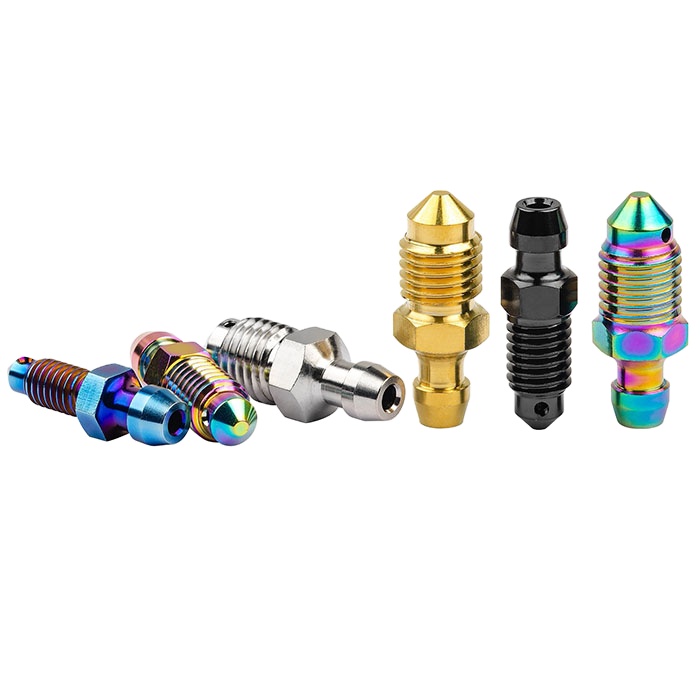
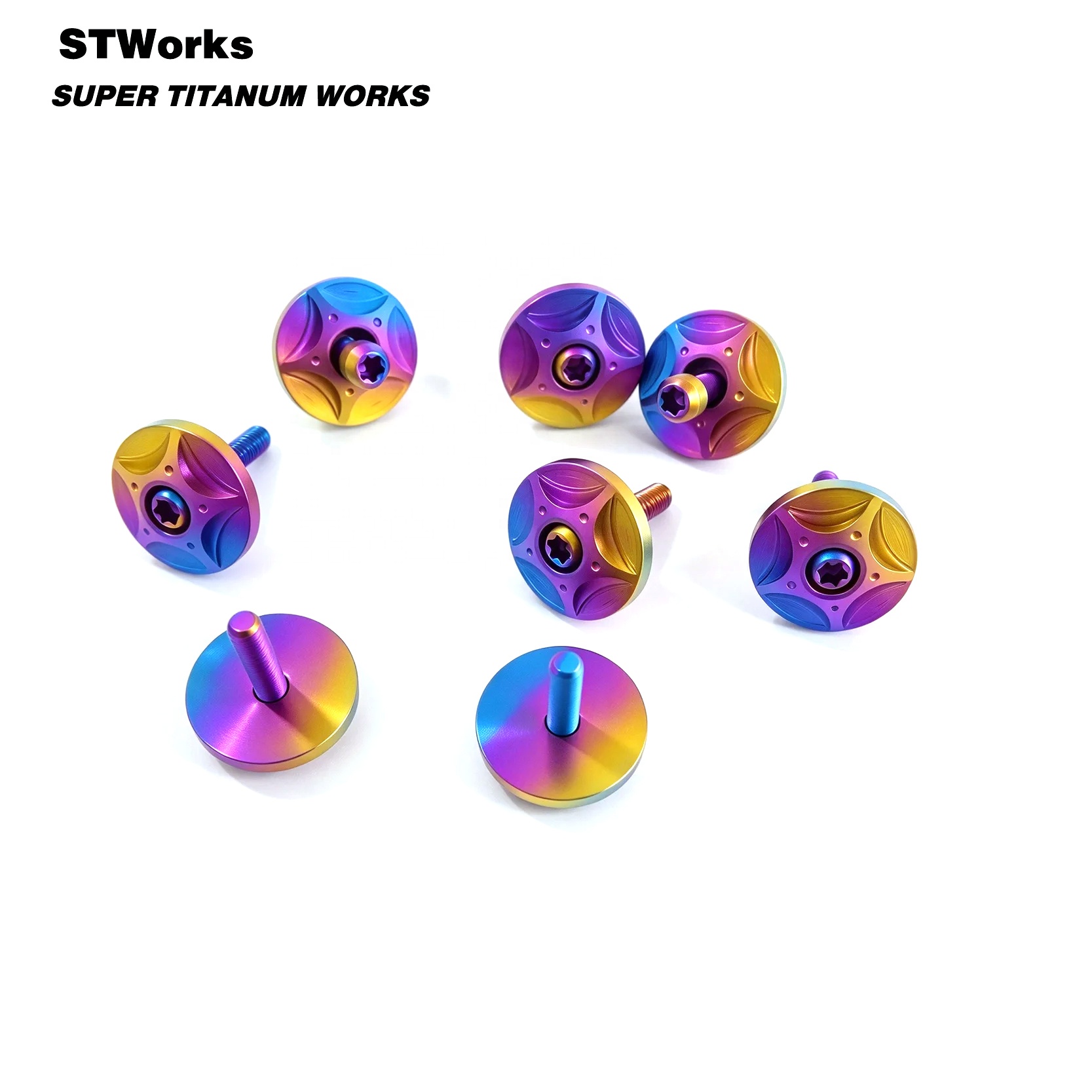
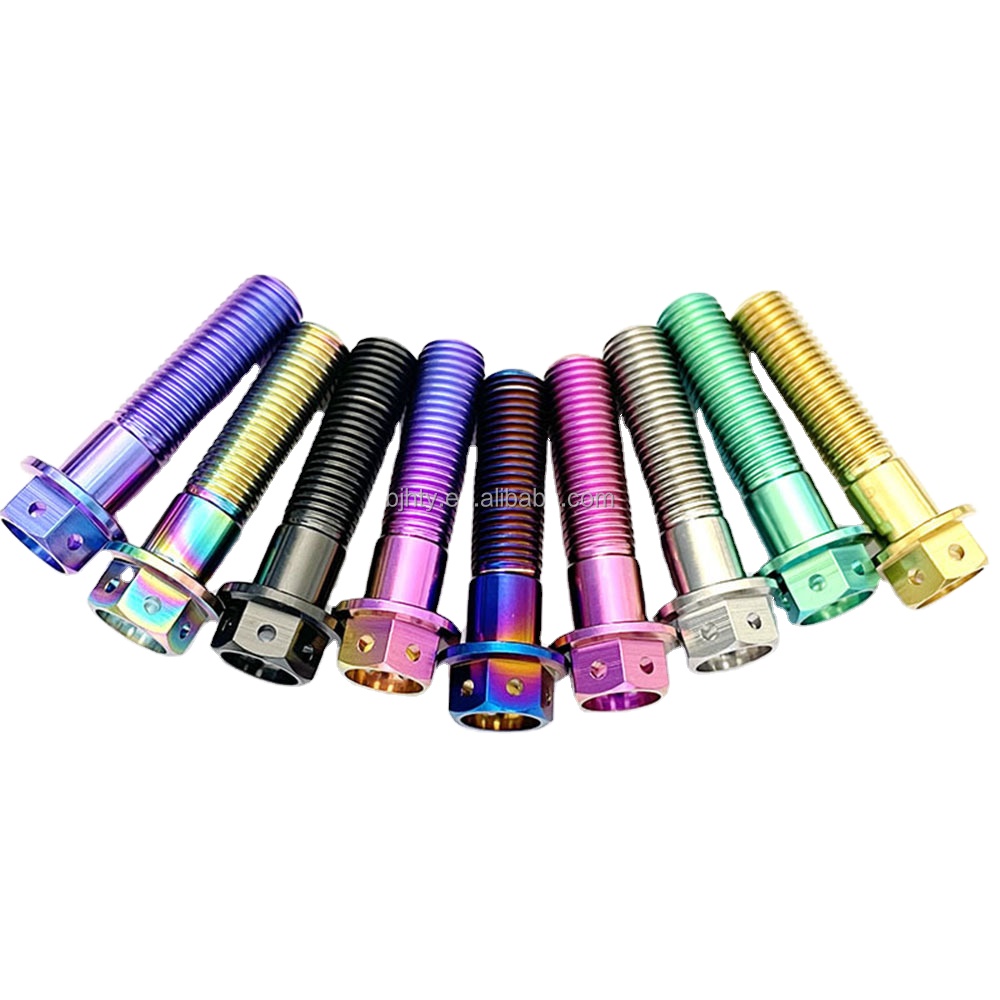
We provide a wide array of high-durability surface finishes. These include fine micro-bead shot peening (satin metallic titanium gray), electro-chemical anodization (vibrant royal blue, deep purple, burnt bronze, emerald green, and multi-spectrum rainbow), and physical vapor deposition (PVD) coatings (DLC diamond-like carbon, titanium nitride gold, and satin black). Unlike painted steel springs whose coatings peel and allow rust creep, titanium anodization creates a microscopic oxide layer integral to the substrate that cannot peel, chip, or flake.
What is the Minimum Order Quantity (MOQ) for custom spring rate specifications?
For standard coilover replacement dimensions where tooling mandrels are readily available, our prototype MOQ starts as low as 2 to 4 pieces (1 to 2 vehicle vehicle-sets) to support dynamic bench testing and track validation. For bespoke production runs tailored to Malaysian automotive aftermarket brands or fleet operators with custom free lengths, outer diameters, and spring rates, commercial batch MOQs generally range from 20 to 50 pieces per specification.