Featured Precision Fasteners & CNC Components
Aerospace-grade Grade 5 (TC4) titanium alloy fasteners machined from annealed bar stock, featuring cold-rolled threads and optical CMM certification for industrial buyers.
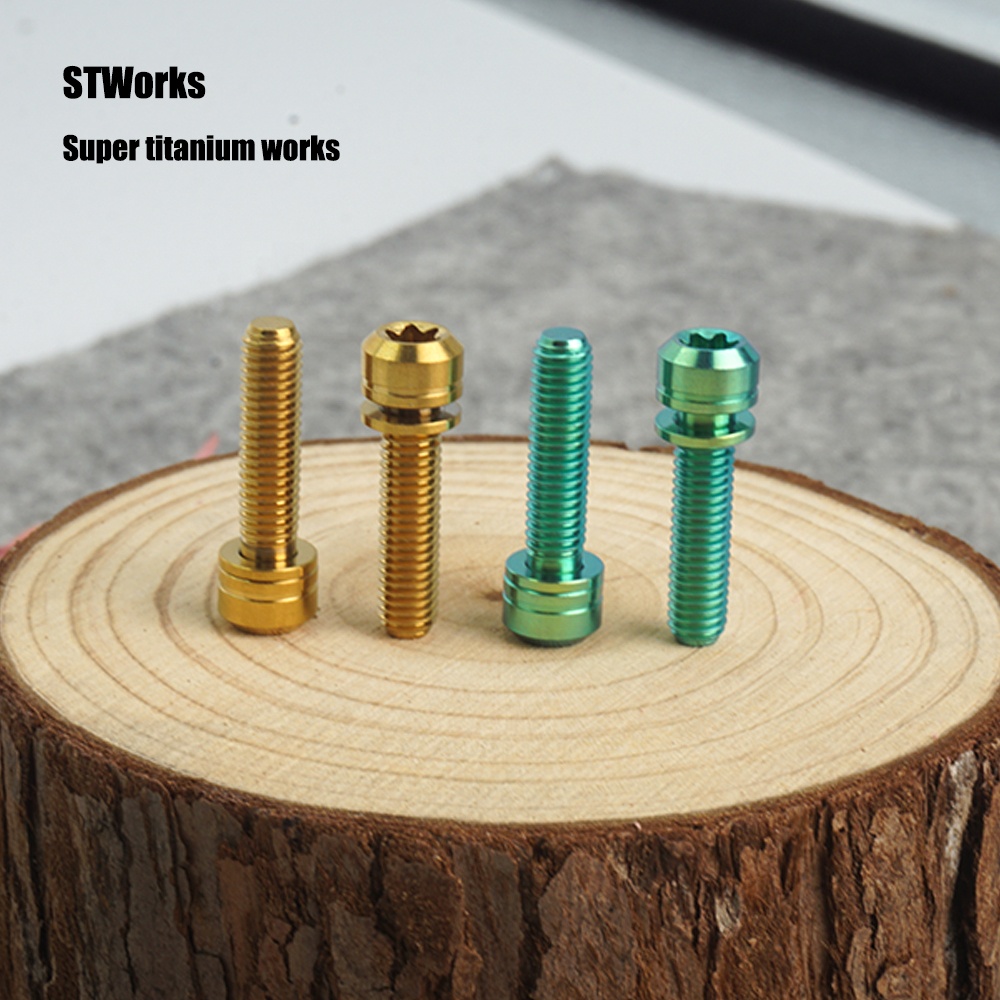
TC4 Titanium Ti Torx M5x16 /18/20/25mm Tapered Head Bolt with Washer Screw for Bicycle Stem Bolts
- Material: Gr5 Ti-6Al-4V
- Drive Style: T25 Star Torx
- Tensile: 950 MPa Class
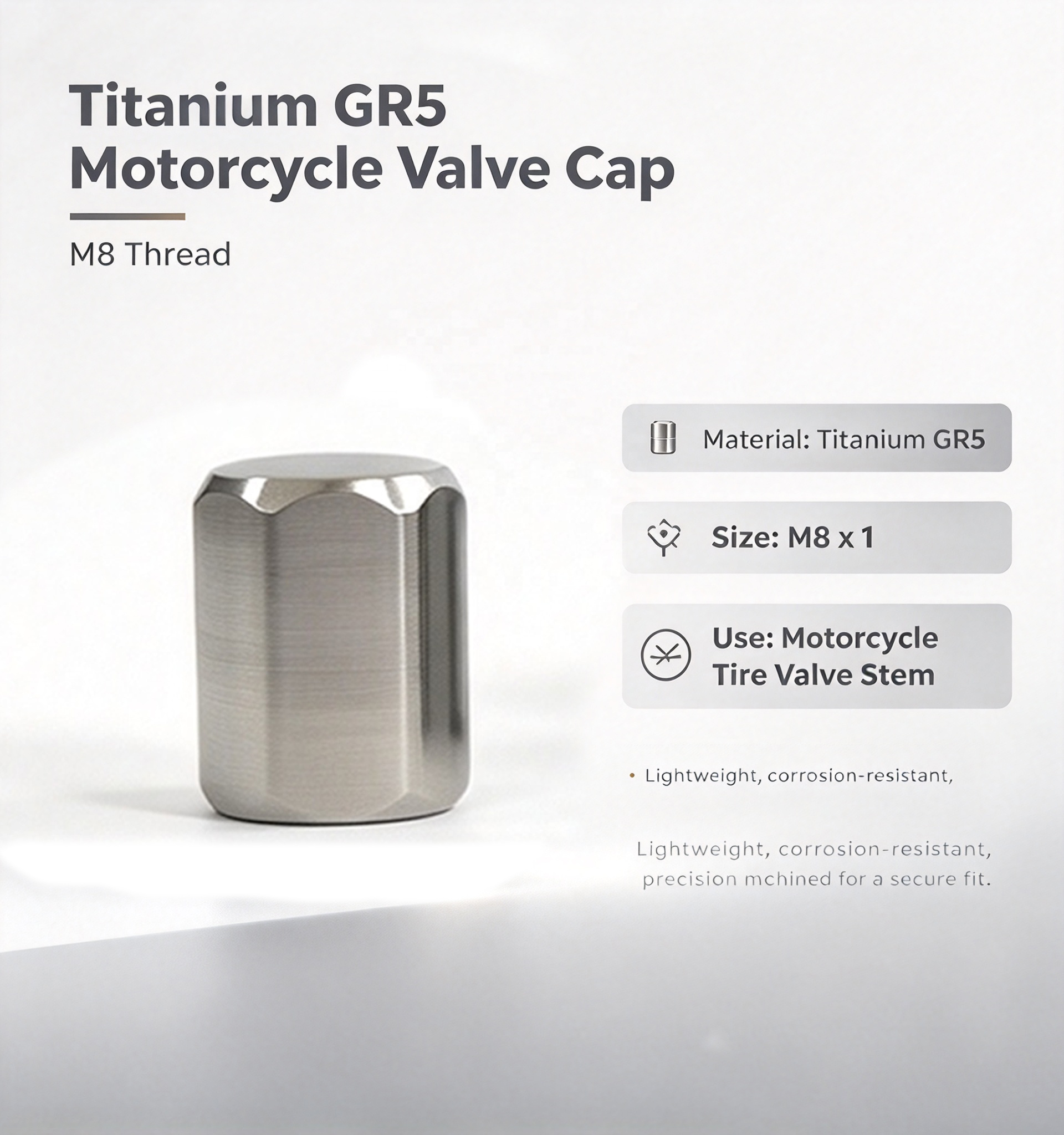
Custom logo CNC Titanium Alloy Gr5 M8 Auto Bike Motorcycle with Seal Car Tire Valve Stem
- Thread: M8 Precision Thread
- Sealing: Viton High-Temp O-Ring
- Application: Tubeless / Racing
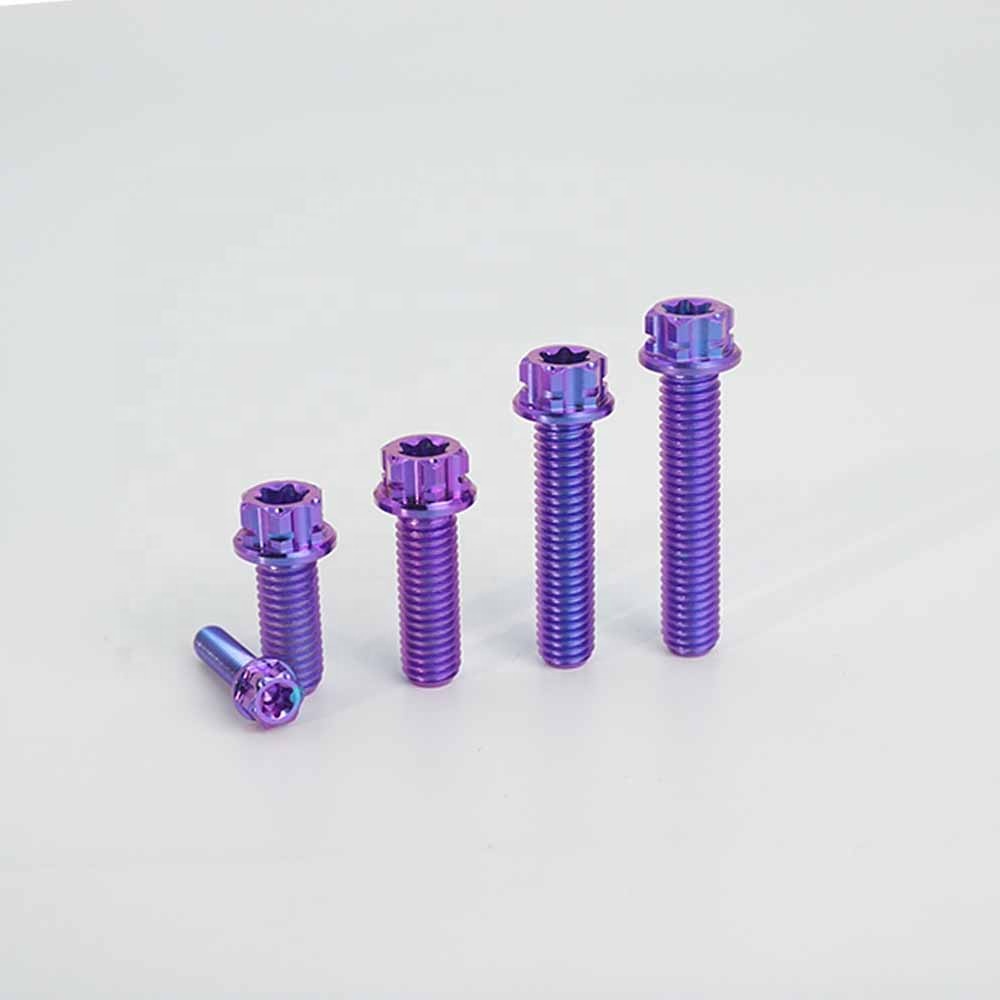
Gr5 Titanium Bolts M6x40 Titanium Bolts M6X10 Bicycle/Motorcycle Modification M8x30 Accessory Parts Torx Head Flange Bolts
- Profile: Integrated Flange
- Lengths: 10mm to 40mm Range
- Surface: Burnished / PVD Gold
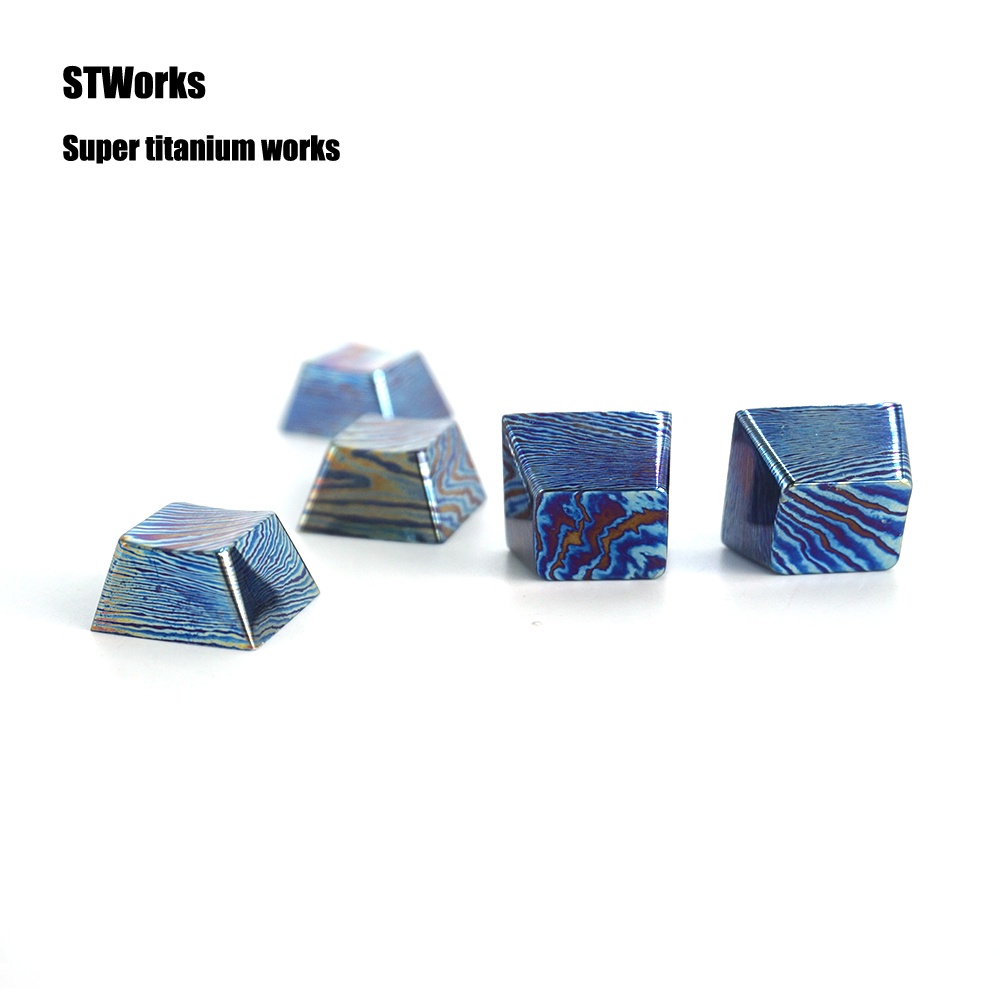
Titanium Gaming Keyboard Caps-CNC Machined Broaching Wire EDM Stainless Steel Options Anti-Corrosion PVD Coating 18mm X 8.5mm
- Dimension: 18mm × 8.5mm Custom
- Tolerance: ±0.01mm Precision
- Coating: Anti-Wear PVD
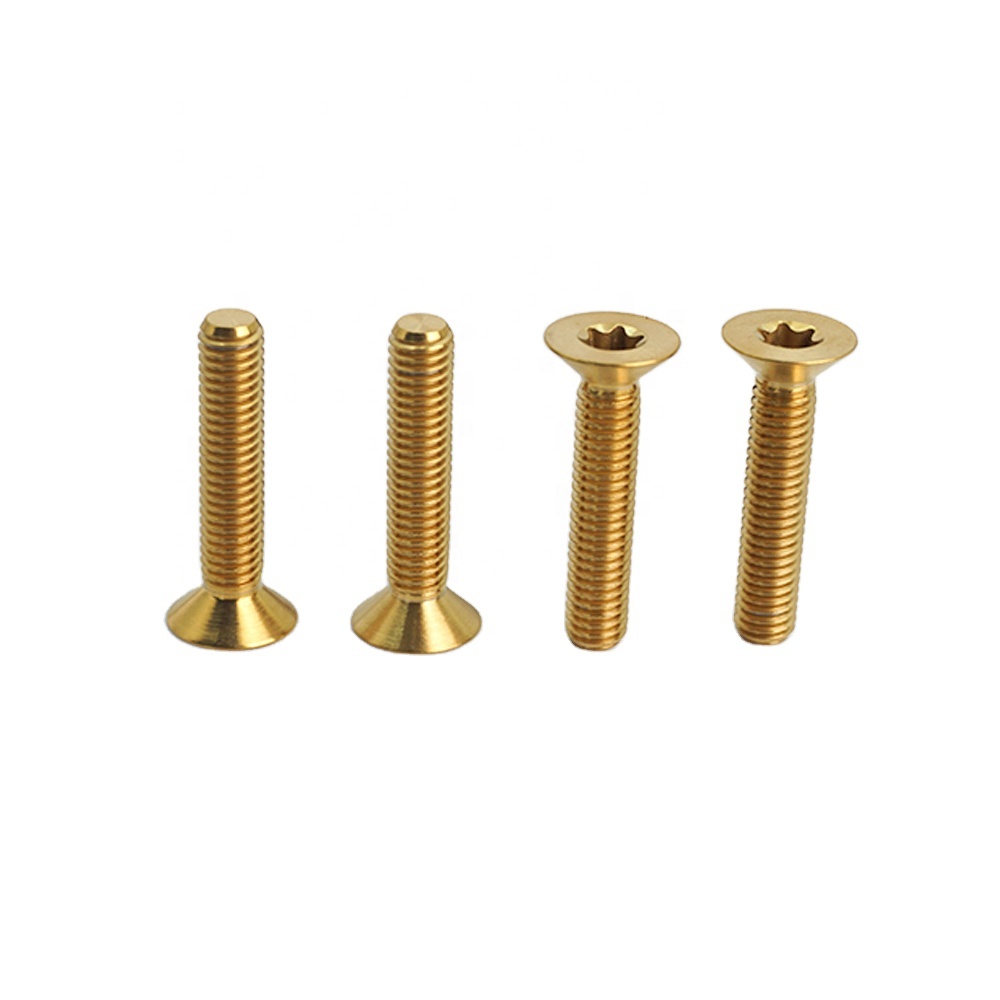
M6x25 Titanium Alloy Screw Countersunk Flat Head Titanium Bolt Bicycle Motorcycle Car Modification
- Head Angle: 90° Countersunk
- Thread Pitch: Metric 1.0mm Pitch
- Standard: DIN 7991 / ISO 10642
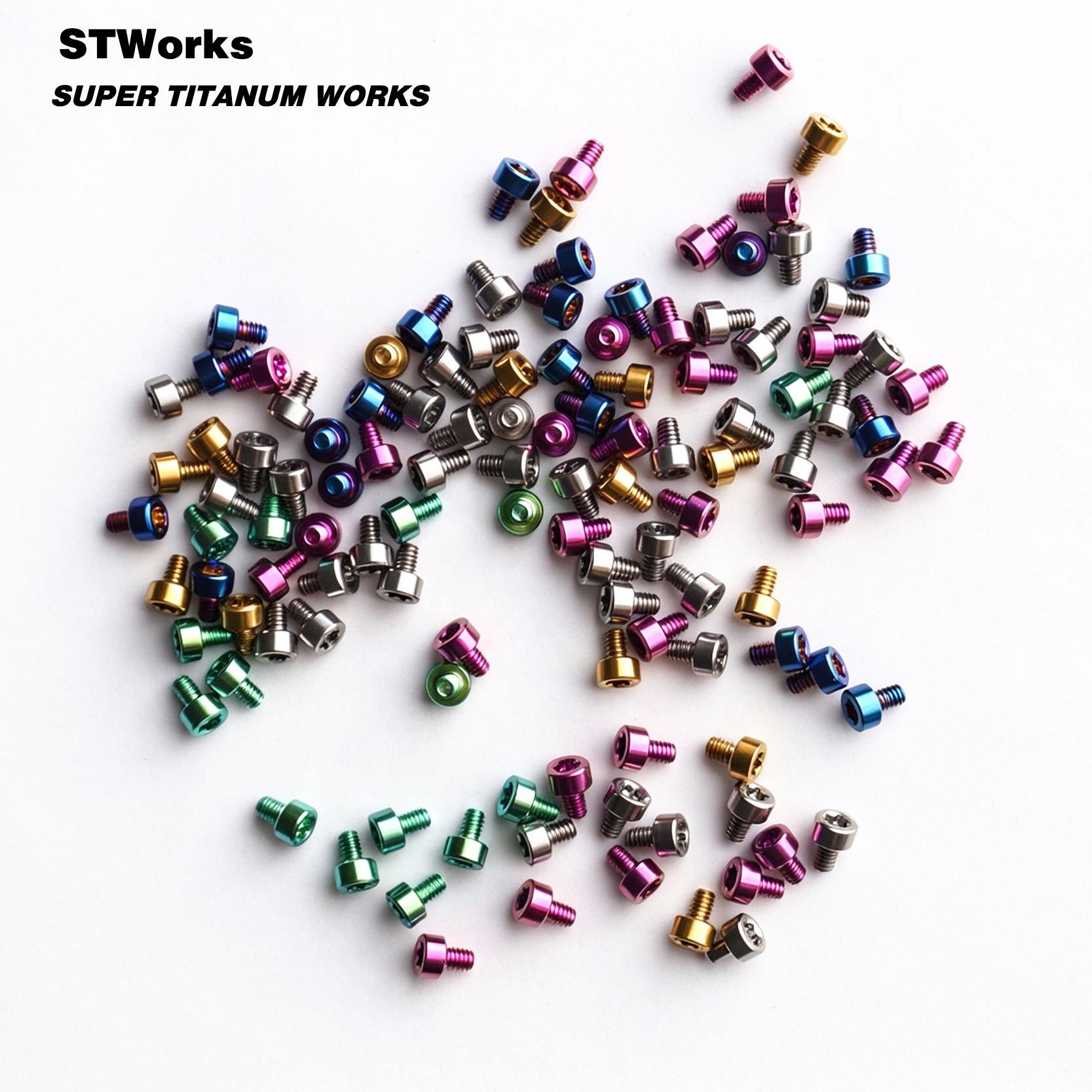
Titanium Screws M2 M2.5 Customized Cylinder Head Bolt Din912 Torx Micro Machine Screw
- Size Range: M2.0 / M2.5 Metric
- Application: Instrumentation & Sensors
- Inspection: Optical Projector 100%
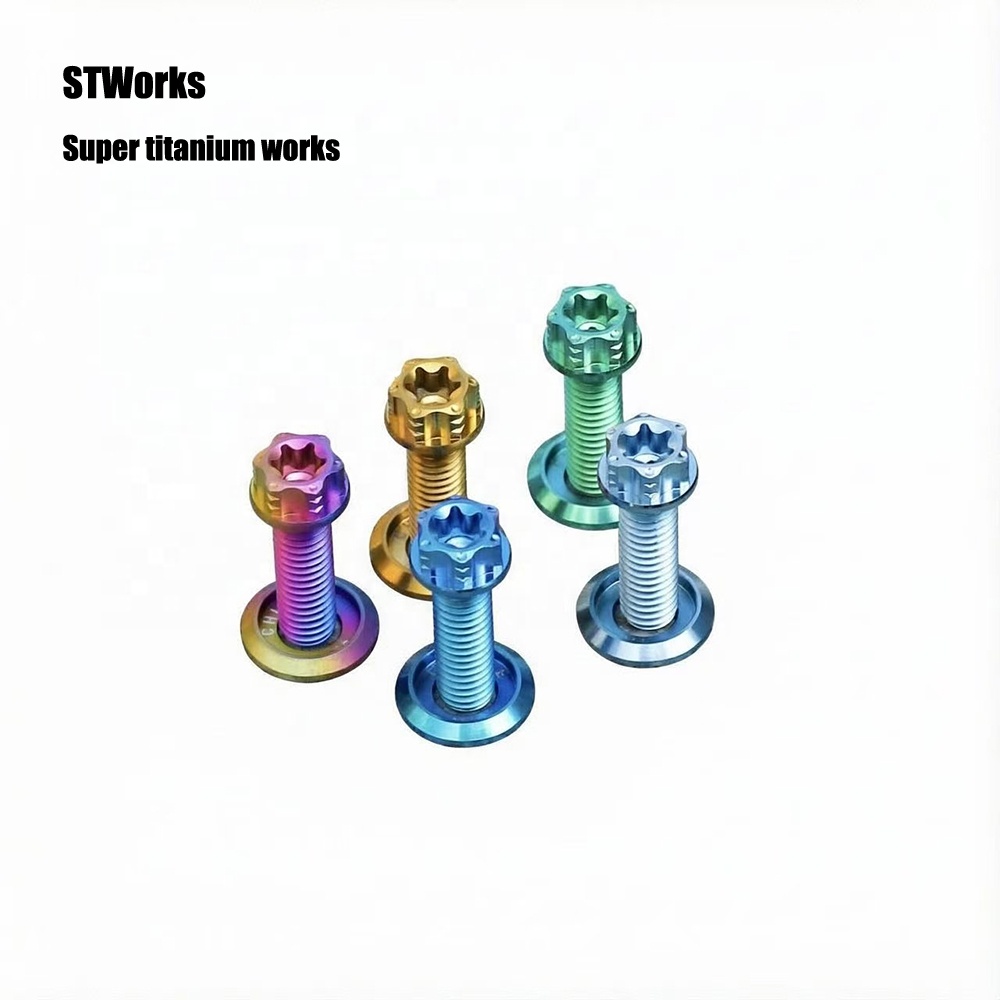
Titanium Alloy Bicycle Disc Brake Caliper Mounting Bolts Candy-Colored M6x20 with Washers
- Geometry: M6×20mm Captive Washer
- Finish: Electrolytic Anodized
- Safety Factor: Class 8.8+ Equivalent
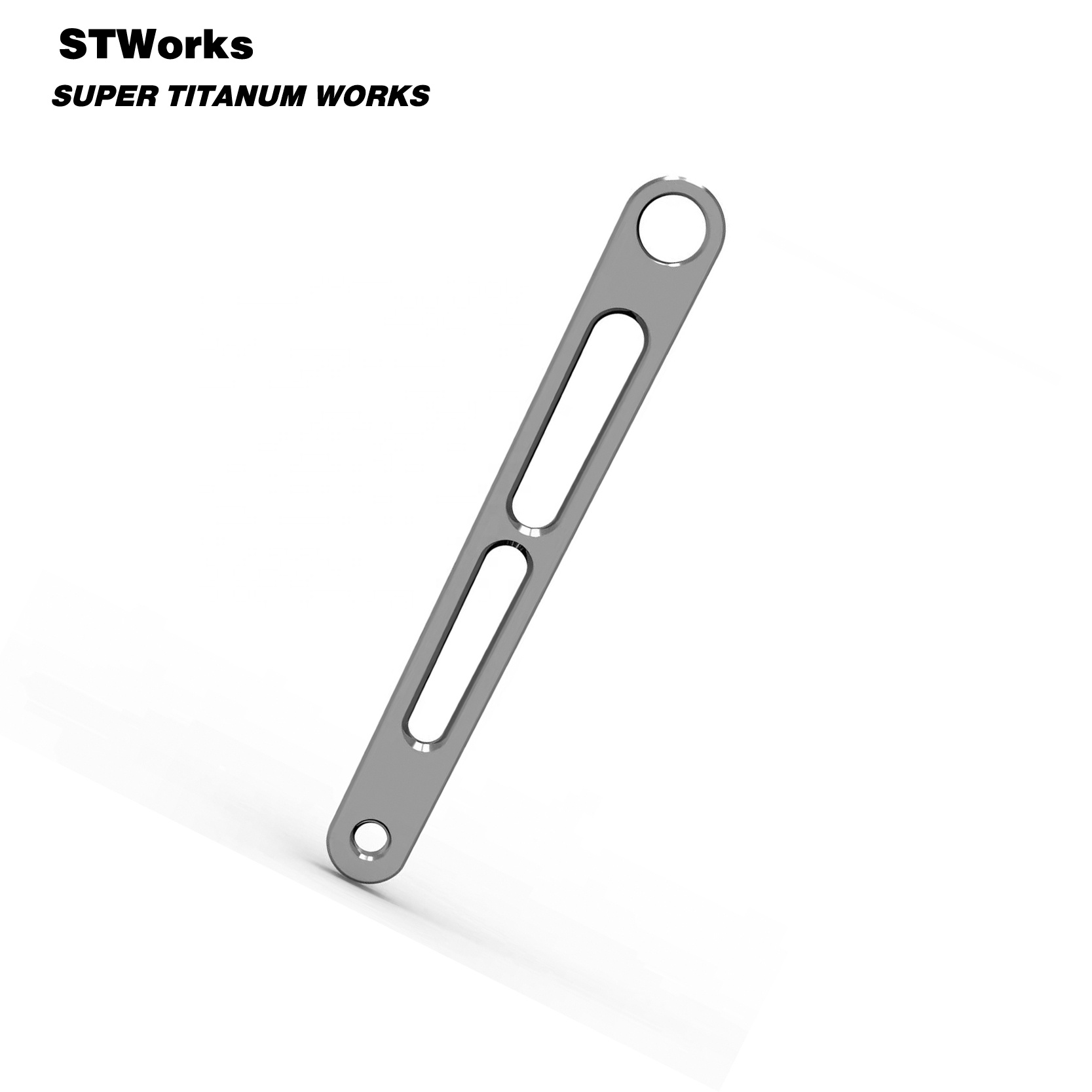
Titanium Alloy CNC Machined Multi-Function Spotlight Extension Bracket Auxiliary Light for Dirt Bike & Electric Scooter Mods
- Process: 5-Axis Billet Milling
- Corrosion: Alpine Salt Proof
- Vibration: High Natural Damping
Engineering Sprocket Bolting Systems for the Liechtenstein High-Precision Sector
A metallurgic analysis on rotary drivetrain dynamics, cyclical shear loading, and weight-optimized fastening in Alpine environments.
The Principality of Liechtenstein occupies a distinct position in the Central European industrial landscape. Situated along the Alpine Rhine Valley (Rheintal), Liechtenstein boasts one of the world's most concentrated clusters of advanced precision engineering, specialized machinery, dental medical technology, and high-performance vacuum coating facilities. In industrial centers such as Vaduz, Schaan, Balzers, and Eschen, procurement directors and drivetrain mechanical engineers do not evaluate fasteners simply as off-the-shelf consumables. Instead, every bolt is treated as an active mechanical element whose fatigue limits, mass inertia, and corrosion resistance dictate assembly lifespan and operational safety.
When engineering rotary transmission systems—such as motorcycle rear chain sprockets, racing kart drive hubs, specialized tracked Alpine transport equipment, and industrial robotics—the sprocket bolt experiences dynamic, compound stresses. These forces include cyclic shear stress generated under instantaneous torque delivery, tensile pre-load fatigue, and severe environmental assaults from moisture, temperature differentials, and winter de-icing salts common across the Rhaetian Alps. For decades, OEM assemblies relied on property class 8.8 or 10.9 zinc-plated carbon steel bolts. However, the requirement to minimize unsprung, rotational mass without compromising shear resistance has caused a structural shift toward Grade 5 Titanium (Ti-6Al-4V / DIN 3.7165 / TC4).
Rotational Inertia Elimination
Sprocket bolts operate along the outer rotational radius of the wheel hub or drive shaft. Removing 44% of hardware mass at the periphery directly lowers rotational moment of inertia (I = ∑mr²), sharpening powertrain throttle response and suspension damper recovery.
Cold-Rolled Thread Grain Flow
Unlike conventional cut threads that sever crystalline grain boundaries, Velnora cold-rolls fastener threads after precision turning. This creates unbroken metallurgic lines that enhance dynamic fatigue limits by up to 35% under severe Alpine torque shock.
Spontaneous Passivation Film
Upon ambient atmospheric exposure, Grade 5 titanium forms an impermeable TiO&sub2; ceramic passivation layer. This provides total immunity to chloride ion pitting from road salt slush and galvanic degradation when coupled with 7075-T6 aluminum carrier plates.
| Mechanical Property | Gr5 Ti-6Al-4V (Velnora Sprocket Spec) | Class 8.8 Carbon Steel | Class 10.9 Alloy Steel | 7075-T6 Ergal Aluminum |
|---|---|---|---|---|
| Density (ρ, g/cm³) | 4.43 (Lightweight) | 7.85 (Heavy Baseline) | 7.85 (Heavy Baseline) | 2.81 (Extremely Light) |
| Ultimate Tensile Strength (R&subm;, MPa) | 950 – 1,050 | 800 – 830 | 1,000 – 1,040 | 540 – 570 |
| Tensile Yield Strength (R&subp;0.2, MPa) | 880 – 920 | 640 | 900 – 940 | 480 – 505 |
| Modulus of Elasticity (E, GPa) | 114 (Damping Flexibility) | 210 (Stiff) | 210 (Stiff) | 72 (Prone to Shear Deformation) |
| Chloride / Winter Salt Corrosion | Zero Degradation (Inert TiO&sub2;) | High Rust Risk | Severe Hydrogen Embrittlement Risk | Intergranular Pitting Risk |
| Shear Fatigue Under Dynamic Shock | Exceptional Cyclic Endurance | Moderate | Good, but Brittle Failure Mode | Poor (Prone to Stripping) |
Crucial Mechanical Fact for Alpine Joint Design: While Grade 5 titanium closely mirrors Class 10.9 alloy steel in tensile yield strength (880-920 MPa), its modulus of elasticity is roughly half (114 GPa vs. 210 GPa). This lower modulus gives the bolt superior elastic strain capacity under pulsed torque shocks—acting as a micro-torsional damper when a motorcycle rear wheel loses and re-grips traction on cold Alpine asphalt passes like the Steg or Malbun passes.
Specialized Applications Across the Principality of Liechtenstein
Tailored fastener specifications designed to meet the rigorous operational conditions of the Rhine Valley and mountain topography.
Alpine Superbike & Track Tuning
Liechtenstein motorsport enthusiasts and tuning garages in Schaan and Balzers demand zero failure margins during violent downshifts. Our M8 and M10 Fuji-style locknut sprocket bolt kits provide foolproof clamping, preventing loose hardware from striking swingarms during high-bank leaning on mountain roads.
High-Torque E-Bike & Cargo Drives
With the surge in Alpine electric bicycle commuting and heavy cargo bike usage across Vaduz, electric mid-motors exert sustained high torque on small-diameter sprockets. Velnora's M5 and M6 countersunk flat head titanium bolts prevent chain-line interference while eliminating corrosion from wet winters.
Specialized Industrial Automation
Liechtenstein's renowned automated manufacturing apparatus and pharmaceutical packaging plants utilize continuous rotary indexing chains. Our wire-EDM broached and precision-turned titanium bolts offer non-magnetic properties, cleanroom compatibility, and resistance to aggressive chemical washdowns.
Liechtenstein & DACH Sourcing Trends in High-Performance Fasteners
Key metallurgical preferences driving mechanical design criteria in modern Central European engineering workshops.
The manufacturing environment of Liechtenstein, heavily interconnected with Switzerland and Vorarlberg (Austria), operates under exacting ISO and EN quality management regimes. Over the past five years, our engineering desk has observed three distinctive trends governing industrial fastener procurement:
1. PVD Multi-Color Wear Layers Over Anodizing for Exposed Drive Hardware: While standard electrolytic anodizing produces striking aesthetic hues, it forms a thin oxide film (30–80 nm) that can wear away under grit abrasion. In response, Liechtenstein racing builders increasingly specify Physical Vapor Deposition (PVD) Titanium Nitride (TiN) and Diamond-Like Carbon (DLC) coatings. PVD imparts a surface hardness exceeding 2,500 HV, safeguarding sprocket bolts from gravel blasting on mountain passes.
2. Tight Integration with Swiss Customs Union (Zollanschlussvertrag): Companies importing components into Liechtenstein operate under the Swiss-Liechtenstein customs union. This mandates seamless documentation conforming to Swiss customs nomenclature, full material traceability (EN 10204 3.1 inspection certificates verifying TC4 / Gr5 chemical assays), and strict dimensional adherence to metric DIN standards.
3. Transition from Domestic Stockholding to Direct-from-Factory Agile Supply: High warehouse overheads in the Alpine Rhine Valley have prompted tier-1 machine builders and aftermarket brand owners to bypass European trading intermediaries. By partnering directly with Velnora's manufacturing headquarters in Baoji—China's Titanium Valley—buyers secure factory-level pricing, rapid batch prototyping with live CNC video audits, and express direct door delivery into Liechtenstein within 4 to 6 business days.
Baoji Titanium Valley Provenance
Founded in 2013 in Baoji, Shaanxi, Velnora leverages direct regional access to 85% of China's premium titanium sponge production, ensuring 100% genuine aerospace-grade Gr5 Ti-6Al-4V material without scrap dilution.
Live Optical & Video Inspection
We believe in total transparency. Every custom sprocket bolt batch undergoes coordinate measuring machine (CMM) analysis and Go/No-Go thread gauge audits, documented with production videos sent to your engineers before final dispatch.
Rapid DACH Engineering Desk
Our dedicated technical sales team operates with an average response time of ≤ 4 hours, reviewing 2D PDF blueprints and 3D STEP/IGES model files to confirm manufacturability, thread class 6g tolerances, and tooling schedules.
Frequently Asked Questions by Liechtenstein Engineers & Buyers
Clear, technically rigorous answers covering customs, assembly torque calculations, and metallurgic considerations.
How do import duties and customs documentation work when shipping to Liechtenstein?
Can Grade 5 Titanium sprocket bolts directly replace Class 10.9 OEM steel bolts?
How do you prevent thread galling (seizing) when torquing titanium bolts into aluminum hubs?
Is galvanic corrosion a hazard when mating titanium sprocket bolts with aluminum sprockets?
What are the minimum order quantities (MOQ) for custom-dimensioned sprocket bolts?
Do your titanium fasteners come with EN 10204 3.1 material test certificates?
Ready to Upgrade Your Rotary Drivetrain Fasteners?
Connect directly with our Baoji engineering headquarters. Submit your 2D drawings, 3D CAD files, or OEM bolt samples for an immediate feasibility review and quote within 4 business hours.