Precision Titanium Fasteners & CNC Components
Engineered in Baoji, China's Titanium Valley, and exported directly to engineering enterprises across Seattle, Bellevue, Redmond, and the Puget Sound industrial corridor.
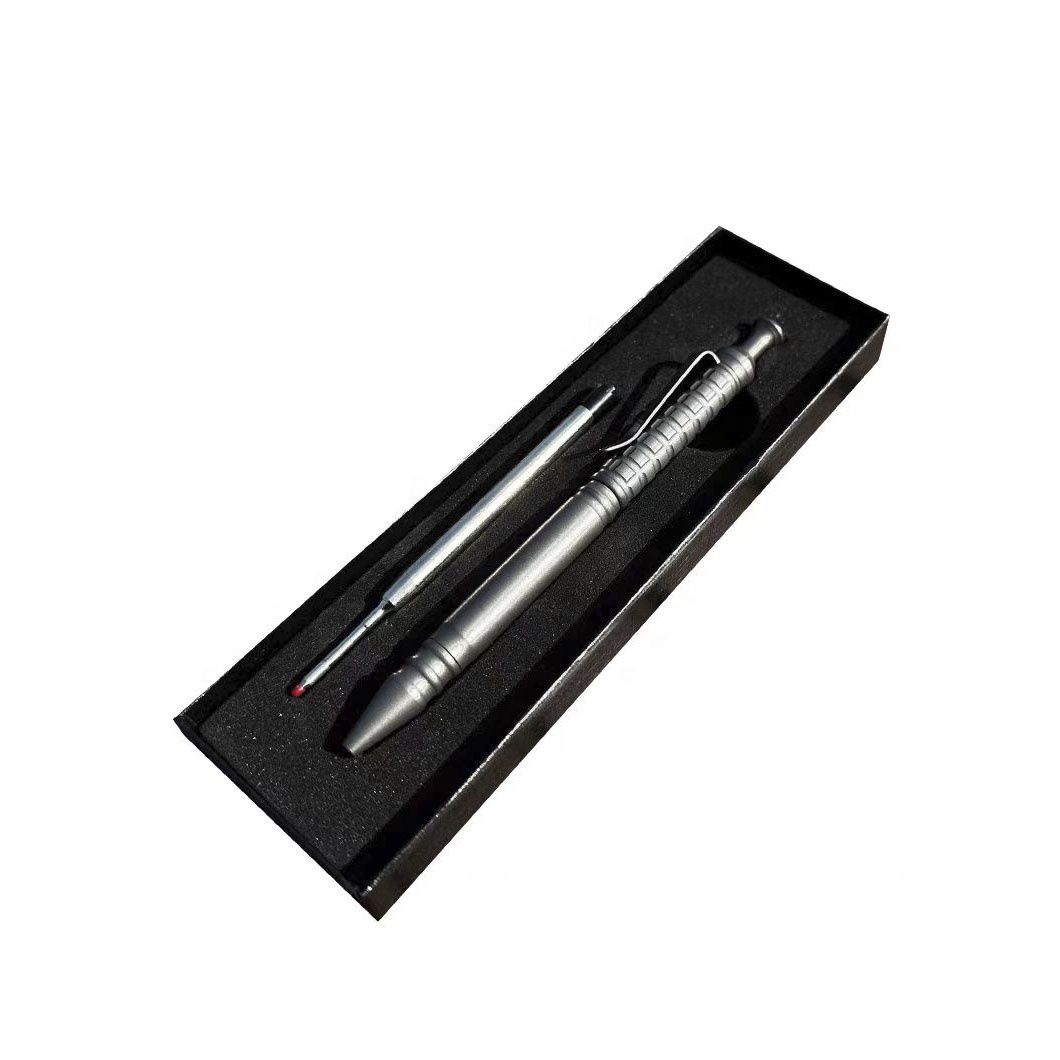
CNC Machining Wire EDM Stainless Steel Multifunctional Bolt Titanium Alloy Tactical Pen Portable Outdoor EDC Ballpoint Pens
View Details →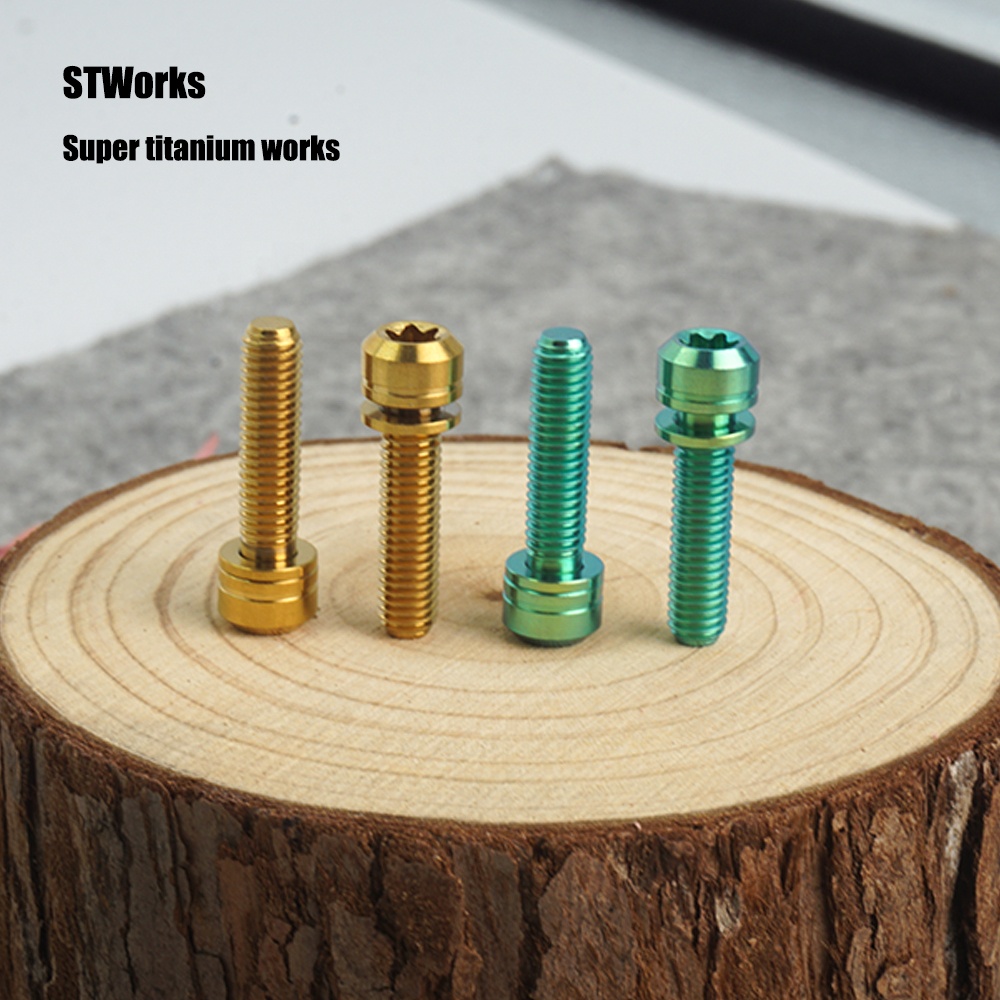
TC4 Titanium Ti Torx M5x16 /18/20/25mm Tapered Head Bolt with Washer Screw for Bicycle Stem Bolts
View Details →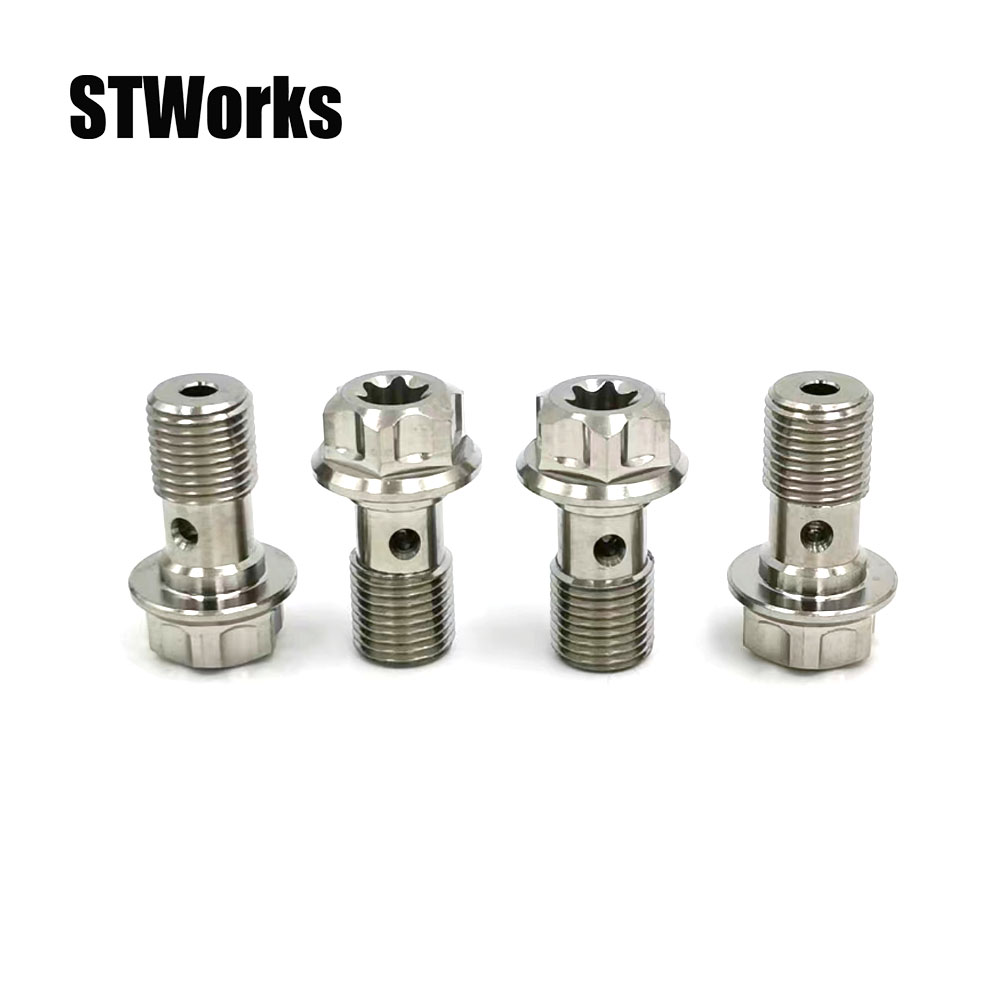
Gr5 Titanium Motorcycle Banjo Bolts Hexagonal Head Super-Hard PVD Coated M10 1.25/1.0 Competitive Price
View Details →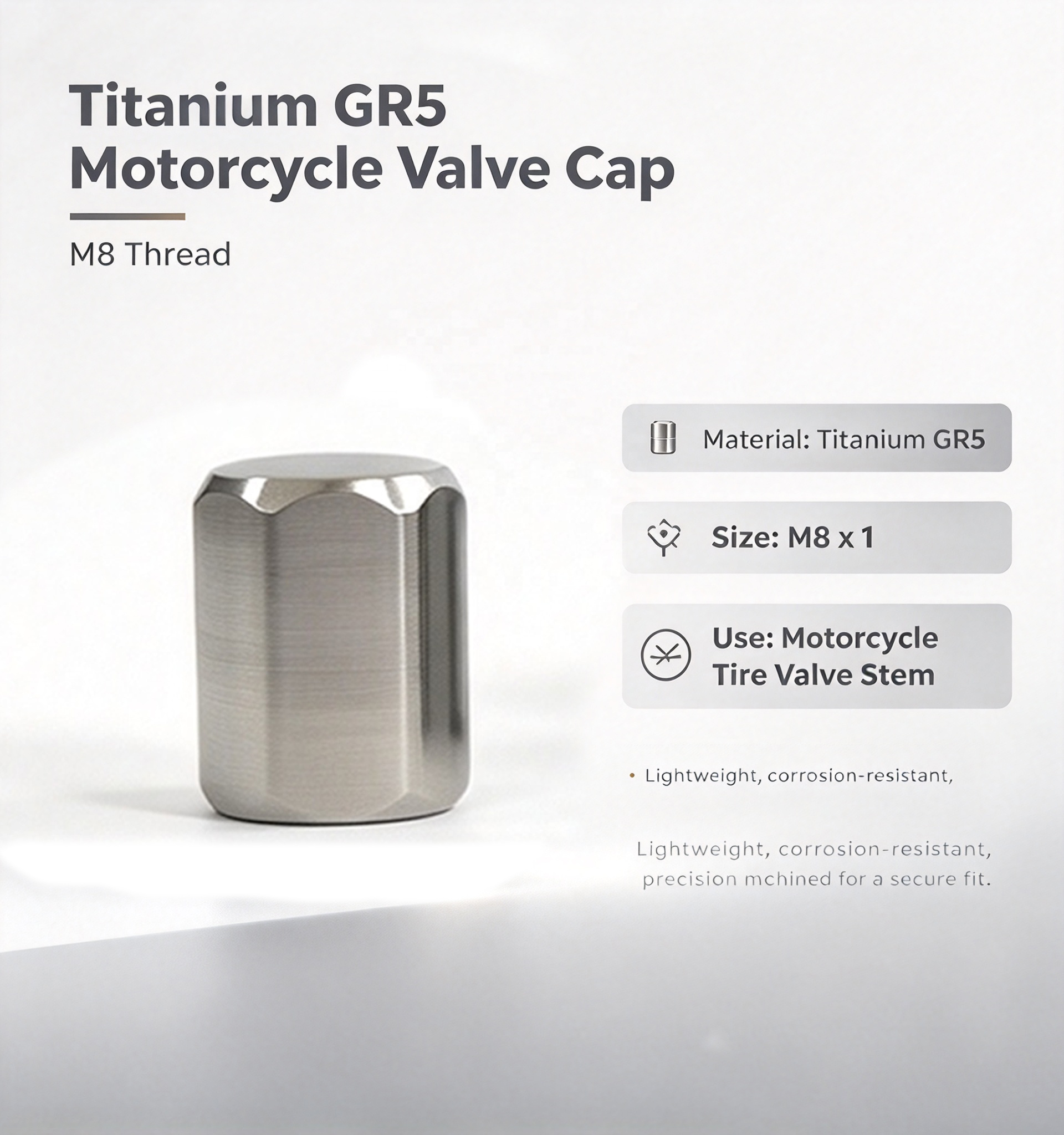
Custom logo CNC Titanium Alloy Gr5 M8 Auto Bike Motorcycle with Seal Car Tire Valve Stem
View Details →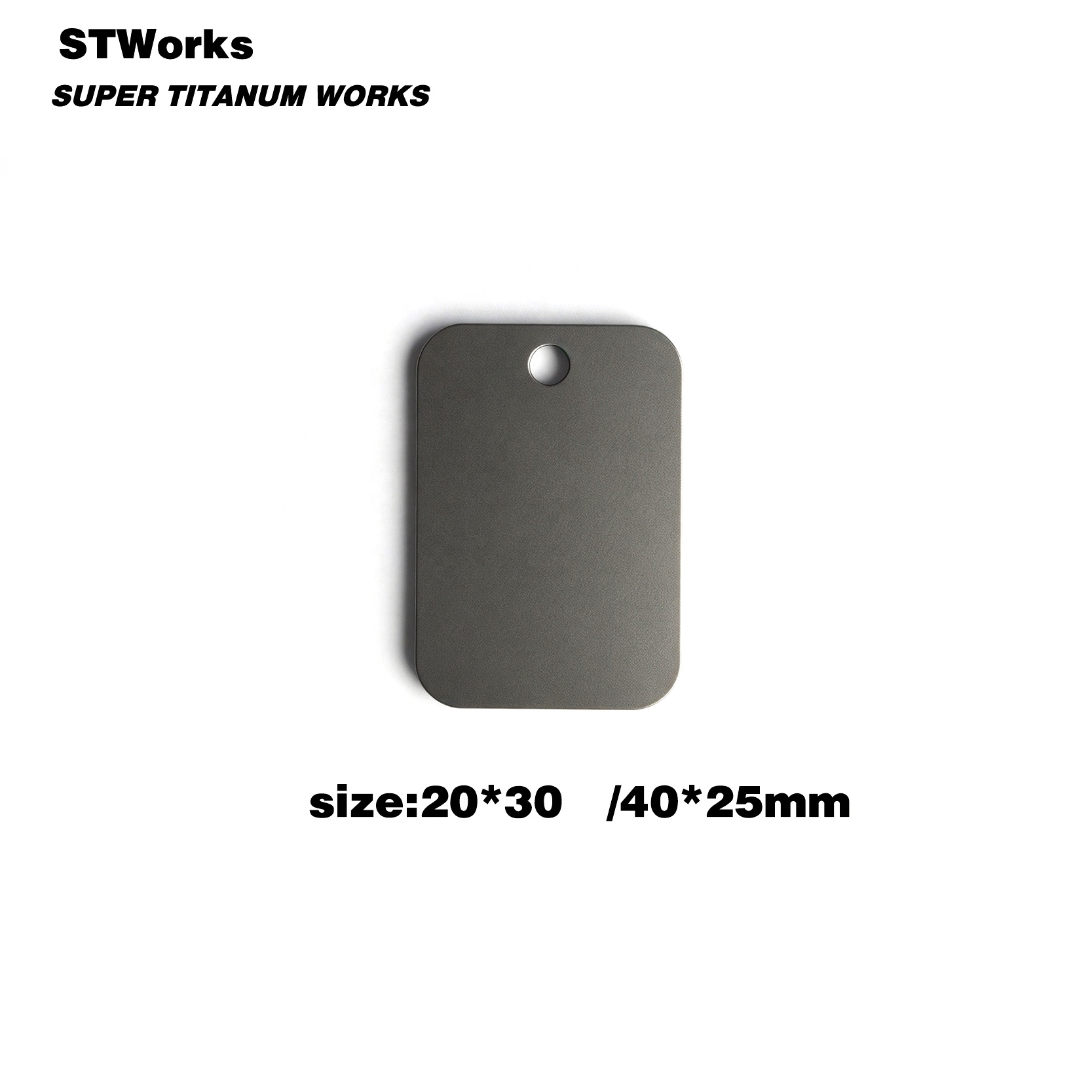
Custom Grade 5 Titanium Plate Tag 1.5mm/2mm Titanium Dog Tag Sandblasted Free Laser Engraved Logo Blank Titanium
View Details →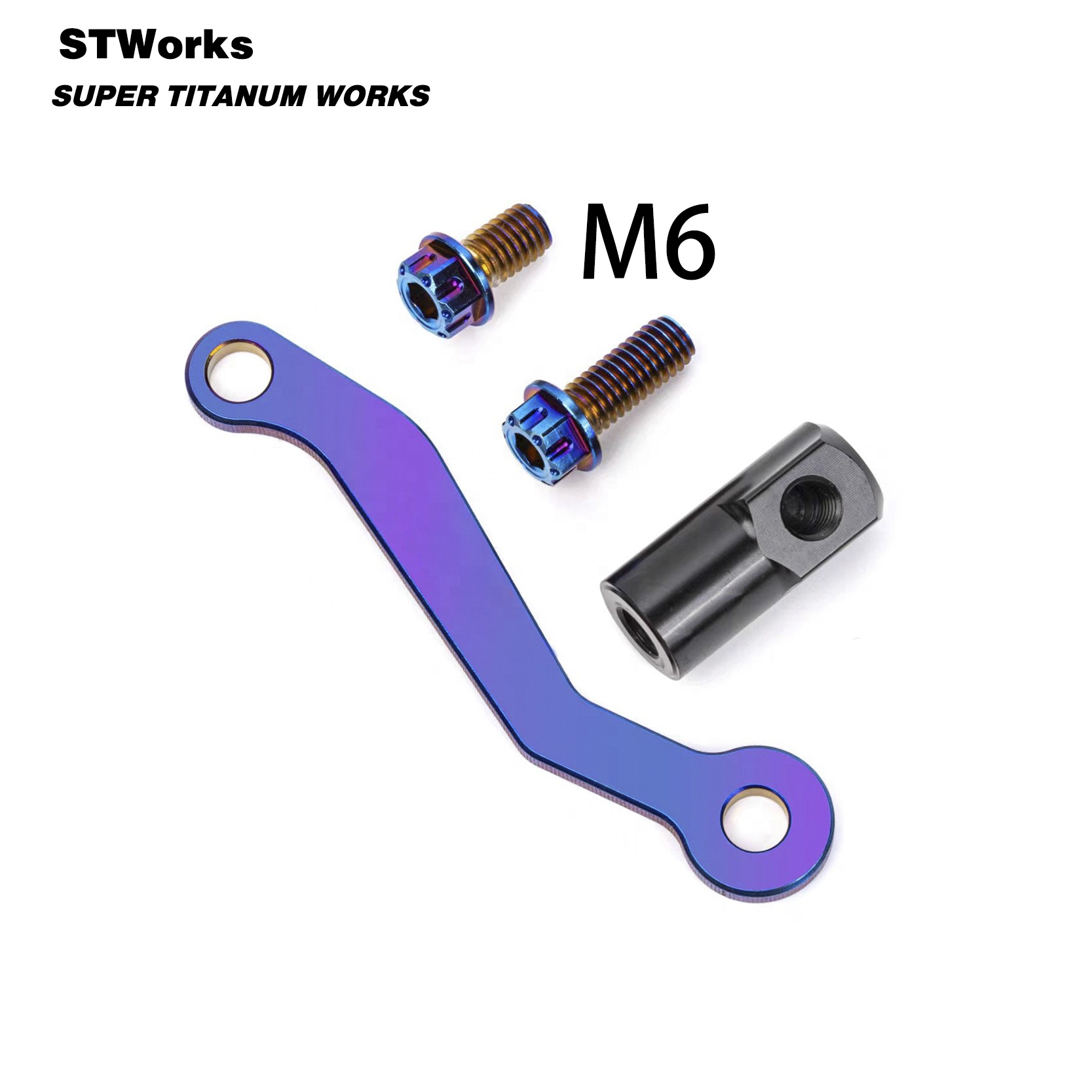
Gr5 TC4 Titanium Alloy Brake Fluid Reservoir Mount Bracket for Radial Master Cylinder Motorcycle E-Bike Modification Parts
View Details →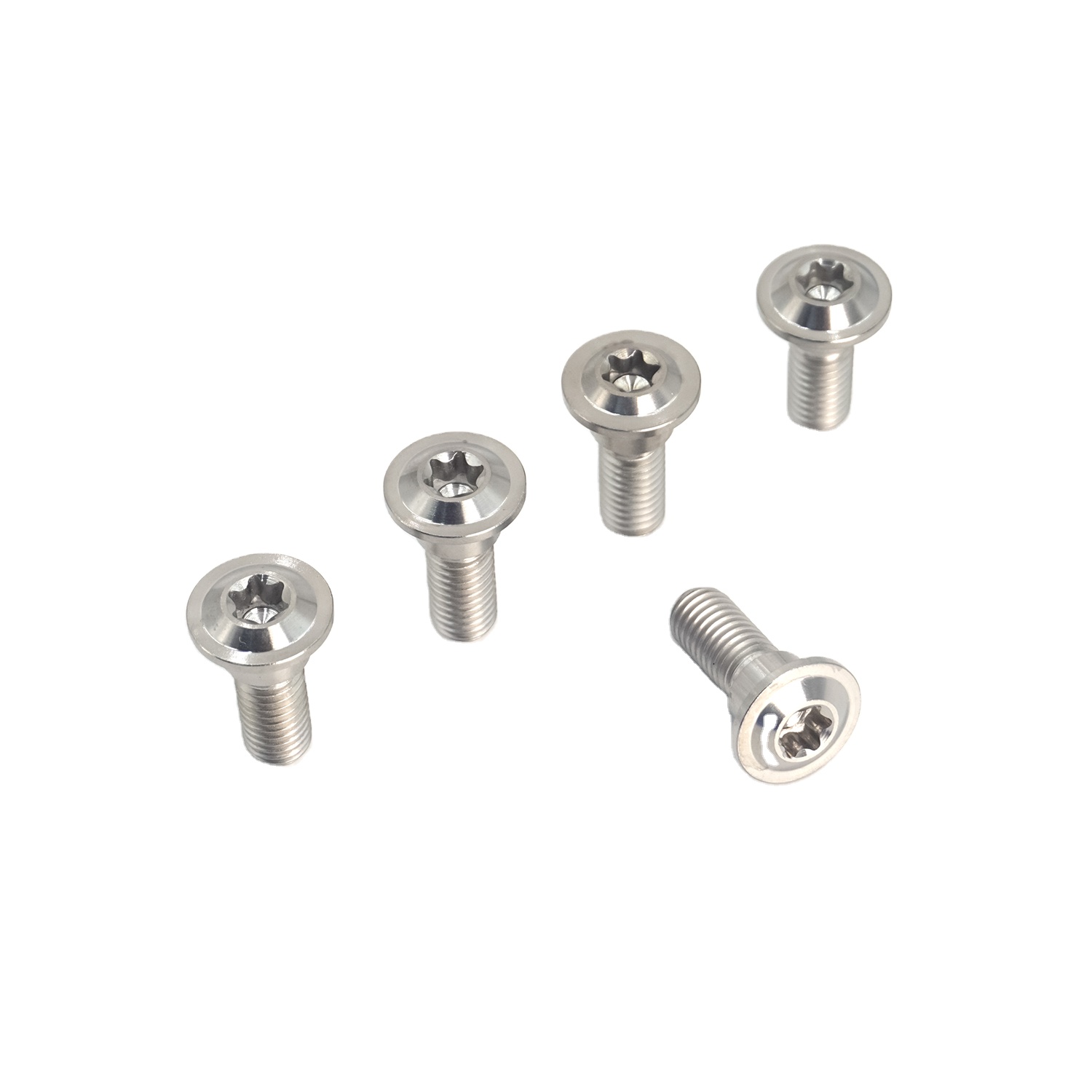
OEM CNC MACHINING Gr5 Titanium Disc Brake M8x23 Screws for Motorcycle Accessories
View Details →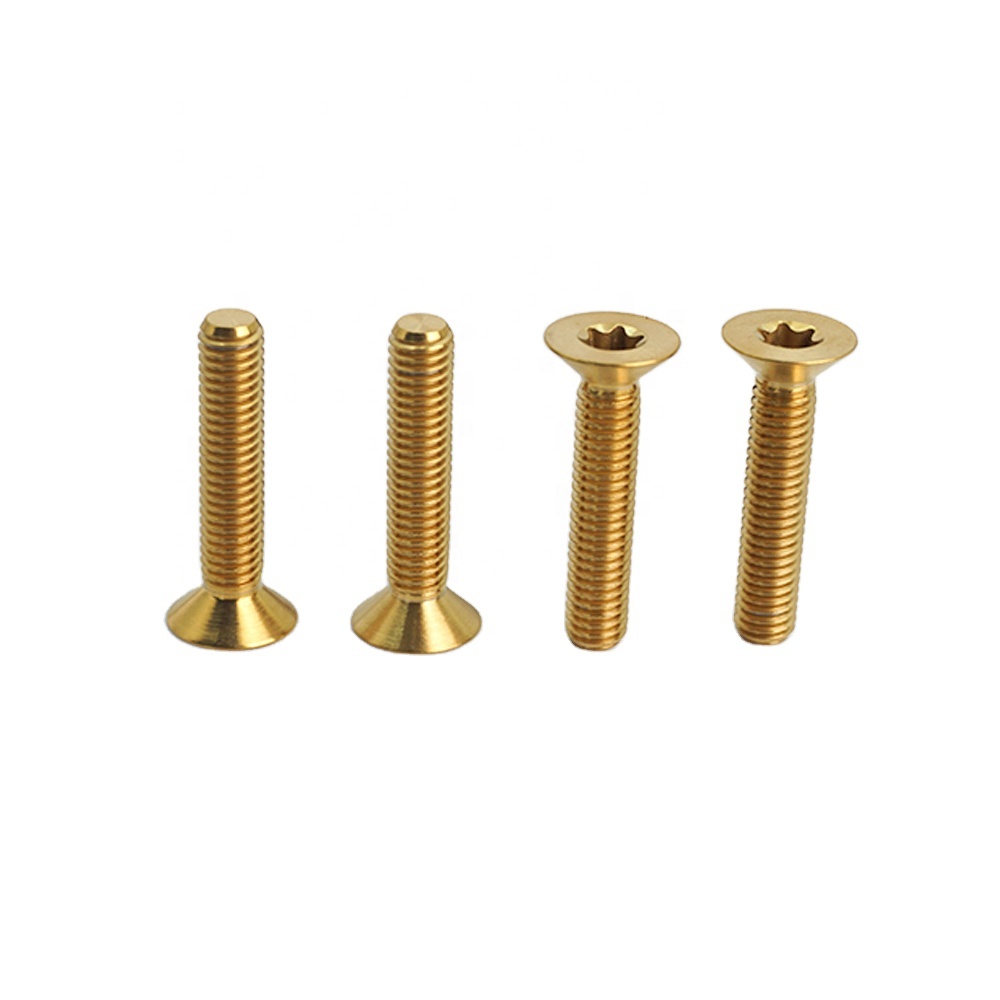
M6x25 Titanium Alloy Screw Countersunk Flat Head Titanium Bolt Bicycle Motorcycle Car Modification
View Details →Engineering Titanium Shoulder Screws for Seattle’s High-Tech Industrial Ecosystem
A deep-dive technical overview of mechanical tolerances, corrosion mechanisms, and lean procurement strategies for Pacific Northwest OEMs.
Precision shoulder screws—frequently referred to in mechanical engineering as shoulder bolts, stripper bolts, or precision pivot pins—act as critical functional axes inside modern machinery. Unlike standard full-threaded cap screws designed strictly for clamping preload, a shoulder screw features an unthreaded, cylindrical journal with tight dimensional and geometric runout tolerances. This precision journal functions as a linear guide shaft, precision bushing pin, mounting pivot for linkage arms, or controlled-clearance spacer for dynamic mechanical assemblies.
For engineering departments, machine designers, and contract procurement directors throughout the greater Seattle metropolitan area—spanning Kent Valley manufacturing plants, Everett aerospace sub-tier suppliers, Redmond autonomous hardware laboratories, and Ballard maritime yards—material selection is paramount. Conventional alloy steels suffer catastrophic oxidation in the humid, marine-influenced climate of the Puget Sound, while standard austenitic 304 or 316 stainless steels often carry a mass penalty and exhibit poor fatigue performance under rapid reciprocal cycles. Sourcing Grade 5 Titanium (Ti-6Al-4V, UNS R56400, TC4) shoulder screws provides an optimum combination: a 44% mass reduction compared to steel, outstanding yield-to-density metrics, near-zero galvanic reaction when paired with carbon composite panels, and total immunity to ambient saltwater corrosion.
Strict Journal Tolerances
Our Swiss multi-axis CNC turning and centerless grinding cells achieve consistent h7 to h6 tolerances on shoulder diameters (e.g., Ø4mm to Ø25mm). This guarantees frictionless engagement with needle roller bearings, bronze bushings, and precision linkages without radial wobble.
Underhead Radius & Rolled Threads
Standard machined screws often fail at the junction between the shoulder journal and thread neck due to localized stress concentration. We roll Class 6g and Class 2A/3A threads post-heat treatment and engineer smooth undercut radii to maximize cycle life under harmonic vibration.
Puget Sound Marine Durability
Naturally forming a tough, self-healing rutile TiO2 passivation film, our Gr5 titanium shoulder screws resist pit corrosion, crevice attack, and chloride cracking even under perpetual salt spray, marine splash zones, and continuous deep-sea pressure immersion.
Key Seattle Application Sectors for Titanium Shoulder Screws
From Lake Union boatyards to Renton flight assemblies, local systems mandate hyper-reliable mechanical hardware.
As Seattle accelerates its position as a global leader in next-generation aerospace, commercial maritime robotics, clean energy transit, and micro-satellite manufacturing, purchasing parameters for fasteners have grown increasingly complex. Velnora Titanium Industry supports these niche localized engineering environments through distinct material formulations and tight manufacturing protocols:
- Aerospace Interiors, Avionics, & Unmanned Aerial Systems (UAS): The Puget Sound aerospace corridor demands absolute mass optimization without sacrificing structural safety factors. Gr5 shoulder screws serve as hinge pins for stowage compartments, articulated mounting axes for camera gimbals, and vibration-damped pivot points in autonomous surveillance drones. Their non-magnetic signature prevents electromagnetic interference with sensitive compasses and GPS guidance receivers.
- Autonomous Underwater Vehicles (AUVs) & Marine Oceanographic Hardware: Ocean research institutes and commercial hydrographic survey startups headquartered along the Puget Sound operate deep-submergence sensory buoys, ROV manipulator arms, and acoustic sonar positioning frames. In these saltwater-bathed environments, 316 stainless steel often succumbs to crevice corrosion beneath the shoulder seat. Gr5 and Gr2 titanium shoulder bolts ensure zero material deterioration across multi-year oceanic deployments.
- Clean Energy Hydrogen Fuel Cells & Electrolyzer Assemblies: Washington State’s rapid investments in green hydrogen and zero-emission marine ferries require fluid systems that resist hydrogen embrittlement. Titanium shoulder screws are widely utilized as non-reactive structural fasteners and electrode bank aligners inside pressurized modular fuel cell stacks where standard high-tensile steels fail rapidly.
- High-Precision Laboratory Automation & Medical Robotics: Leading biotechnology hubs across South Lake Union utilize robotic liquid handling heads, microfluidic stage slides, and surgical automation effectors. These precision dynamic systems use custom ground titanium shoulder screws to maintain micro-inch tracking repeatability while reducing inertial loads on miniature stepper motors.
Fastener Material Benchmark: Ti-6Al-4V vs. Traditional Alloys
Critical mechanical and environmental characteristics for engineering stress evaluation and procurement sizing.
| Property Parameter | Ti-6Al-4V Grade 5 (TC4) | 316 Marine Stainless Steel | Class 10.9 Alloy Steel | 7075-T6 Hard Aluminum |
|---|---|---|---|---|
| Density (g/cm³) | 4.43 (Lightweight) | 8.00 (Heavy) | 7.85 (Heavy) | 2.81 (Ultra-light) |
| Tensile Strength (MPa) | ≥ 895 - 950 | 515 - 620 | 1040 | 570 |
| Yield Strength (MPa) | ≥ 825 | 205 - 240 | 940 | 505 |
| Salt Spray Corrosion (Chloride) | Immune (0.00 mm/yr) | Vulnerable to crevice attack | Severe rapid oxidation | Requires protective anodizing |
| Thermal Operating Limit | -250°C to +400°C | Up to 450°C | Up to 250°C | Drops sharply above 120°C |
| Galvanic Action with Carbon Fiber | Completely Compatible | Moderate Galvanic Potential | Severe Corrosion of Steel | Severe Corrosion of Al |
Why Pacific Northwest OEMs Partner With Velnora Titanium
Direct supply-chain integration from Baoji's smelting and forging cluster directly to Washington state ports and machine shops.
Operating from East Zone, Building 2, Precision Manufacturing Park in Baoji—widely recognized as China’s Titanium Valley—Velnora Titanium Industry Co., Ltd. has specialized in precision CNC turning, thread rolling, and EDM wire-cutting of high-performance titanium fasteners since 2013. We bridge the gap between large raw-material titanium producers and overseas engineering teams requiring tight-tolerance customized production runs.
Full Multi-Standard Tooling
We machine titanium shoulder screws adhering to metric ISO 7379, DIN 912 derivatives, ANSI/ASME B18.3.3M, and imperial aircraft standards. Whether your bill of materials (BOM) specifies fractional 1/4" shoulder pins or metric M8 precision guides, our tooling handles the conversion seamlessly.
Live Digital Factory Updates
Transparency is foundational to our B2B export workflow. Seattle procurement managers receive high-resolution machining videos, optical comparator thread checks, and CMM dimension verification logs prior to final packaging and international customs clearance.
Material Traceability & MTR
Every fastener production batch is supplied with an authentic Mill Test Report (MTR) verifying chemical composition (spectrographic breakdown of Aluminum, Vanadium, Oxygen, and Iron content) and mechanical tensile testing to certify structural integrity.
Frequently Asked Questions by Seattle Engineering & Sourcing Buyers
Direct technical answers addressing friction coefficients, galling mitigation, logistics lead times, and customs compliance.
Titanium has a relatively low thermal conductivity and a natural tendency to cold-weld under extreme contact pressures. To mitigate galling in blind-hole tapped aluminum or stainless housings, we recommend applying anti-seize lubricants containing molybdenum disulfide (MoS2) or nickel paste. Furthermore, our factory offers physical vapor deposition (PVD) DLC (Diamond-Like Carbon) coatings and titanium anodizing, which harden the surface layer and significantly lower the coefficient of dynamic friction.
Ti-6Al-4V offers an ultimate tensile strength exceeding 895–950 MPa, which closely mirrors property class 8.8 and 10.9 alloy steel bolts while saving 44% weight. However, it cannot be substituted 1:1 for class 12.9 bolts in severe shock-load stamping dies where tensile requirements exceed 1220 MPa. For structural and pivot applications, our engineering team can calculate equivalent joint clamping forces and suggest optimized shoulder diameters to match required shear strengths.
For customized CNC-machined titanium shoulder screws with production times typically running 12 to 20 working days depending on quantity, we ship air express via FedEx, DHL, or UPS Air Cargo. Typical transit time from our Baoji logistics hub to customer loading docks in Seattle, Kent, or Bellevue is 4 to 6 business days, accompanied by complete digital commercial invoices and US customs clearance documentation.
Our standard production adheres to ISO 7379 / DIN 912 standards with precision ground shoulder tolerances held to ISO h7 or h8 (+0 / -0.015mm to -0.022mm depending on diameter). Upon customer drawing request, our centerless grinding division can achieve tight h6 tolerances (±0.004mm) with surface roughness down to Ra 0.4 μm, making them ideal for high-speed dynamic bearings and ultra-low clearance pivot linkages.
For fully customized dimensions (bespoke shoulder diameters, specific unthreaded lengths, specialized Torx / Hex drive broaching, or custom undercut reliefs), our typical batch MOQ starts at 50 to 100 pieces per specification. We also support low-volume prototyping runs (10–20 pieces) for R&D teams testing prototype robotics, marine submersibles, or concept automotive systems.
Yes. We specialize in micro-controlled electrochemical anodization producing iridescent colors including Gold, Electric Blue, Violet, Green, and Burnt Titanium Rainbow. Because electrolytic anodization converts a minute layer of titanium into an optical interference oxide film (ranging from 10nm to 200nm in thickness), it does not add measurable dimensional buildup, fully preserving tight h7 journal and Class 6g thread tolerances.