Sandblasted Gr5
Direct factory production adhering to tight DIN 912, ISO 7379, and customized OEM drawing specifications. Each batch ships with chemical composition assays, precision micro-crack inspections, and dimensional runout certifications.
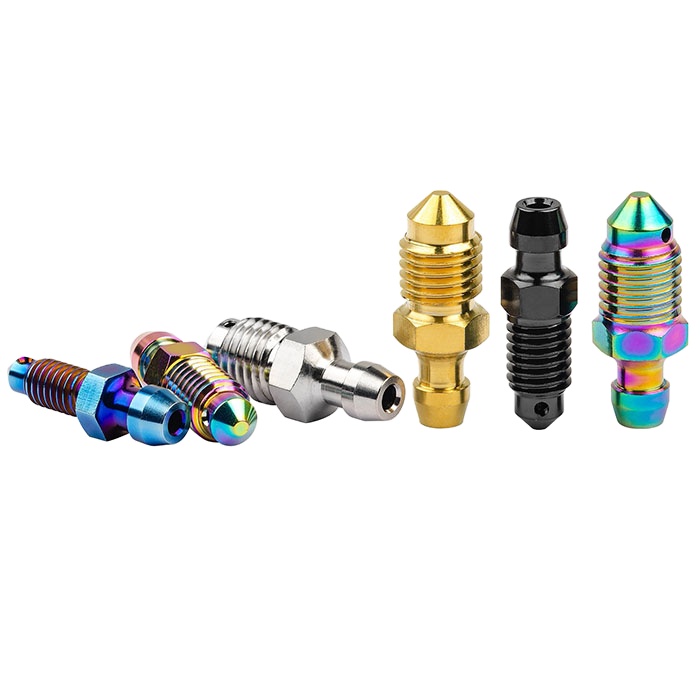
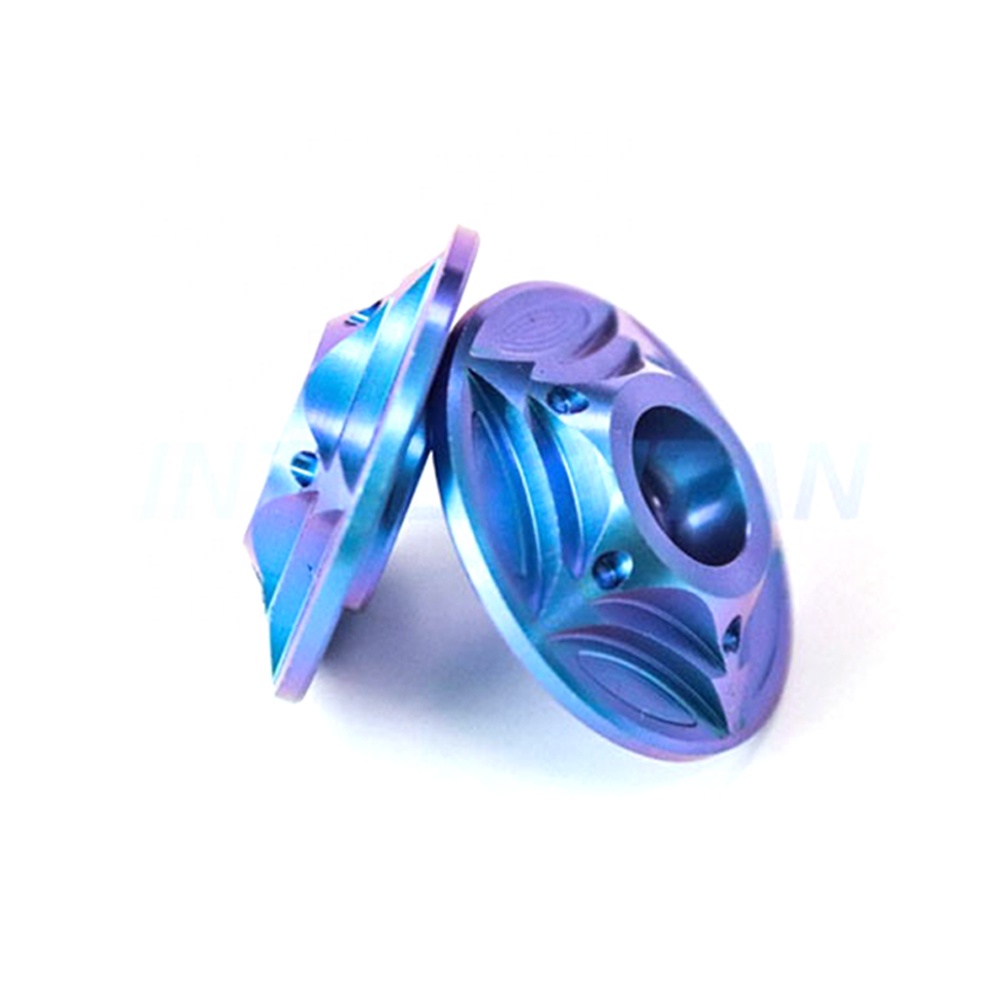
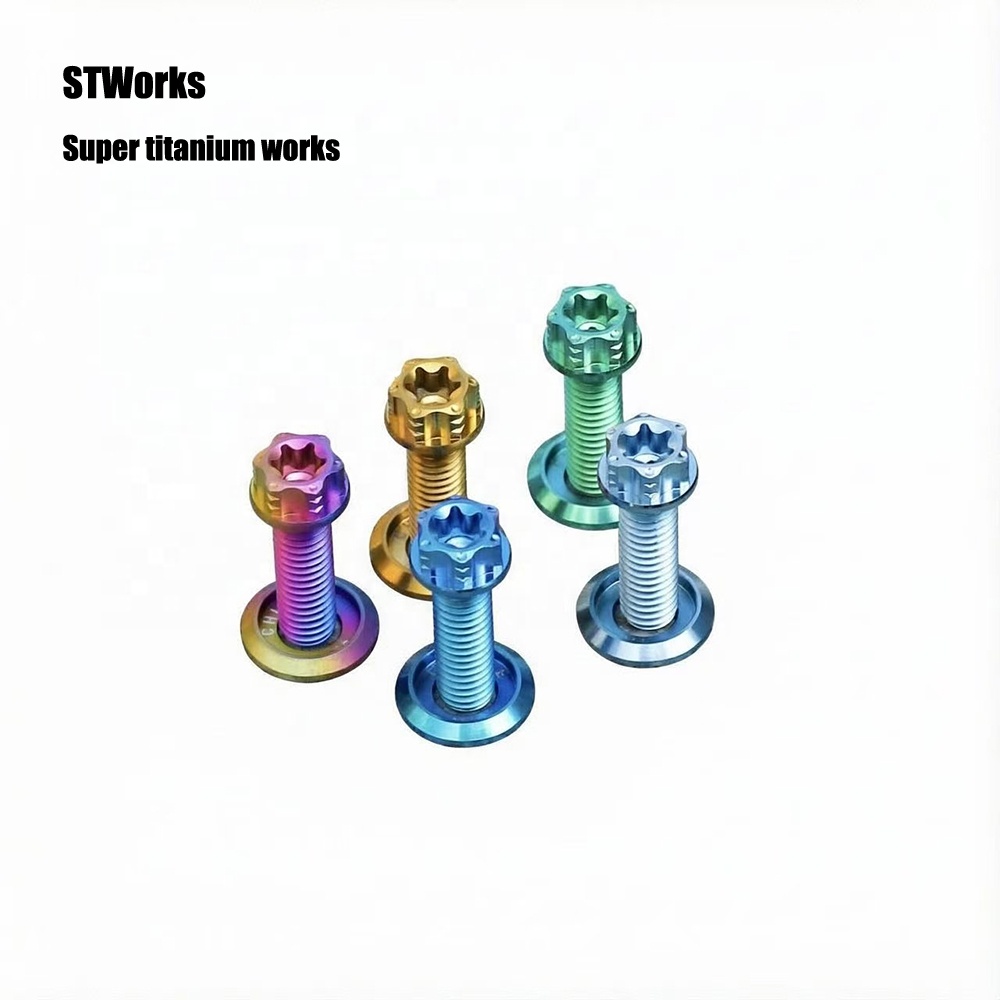
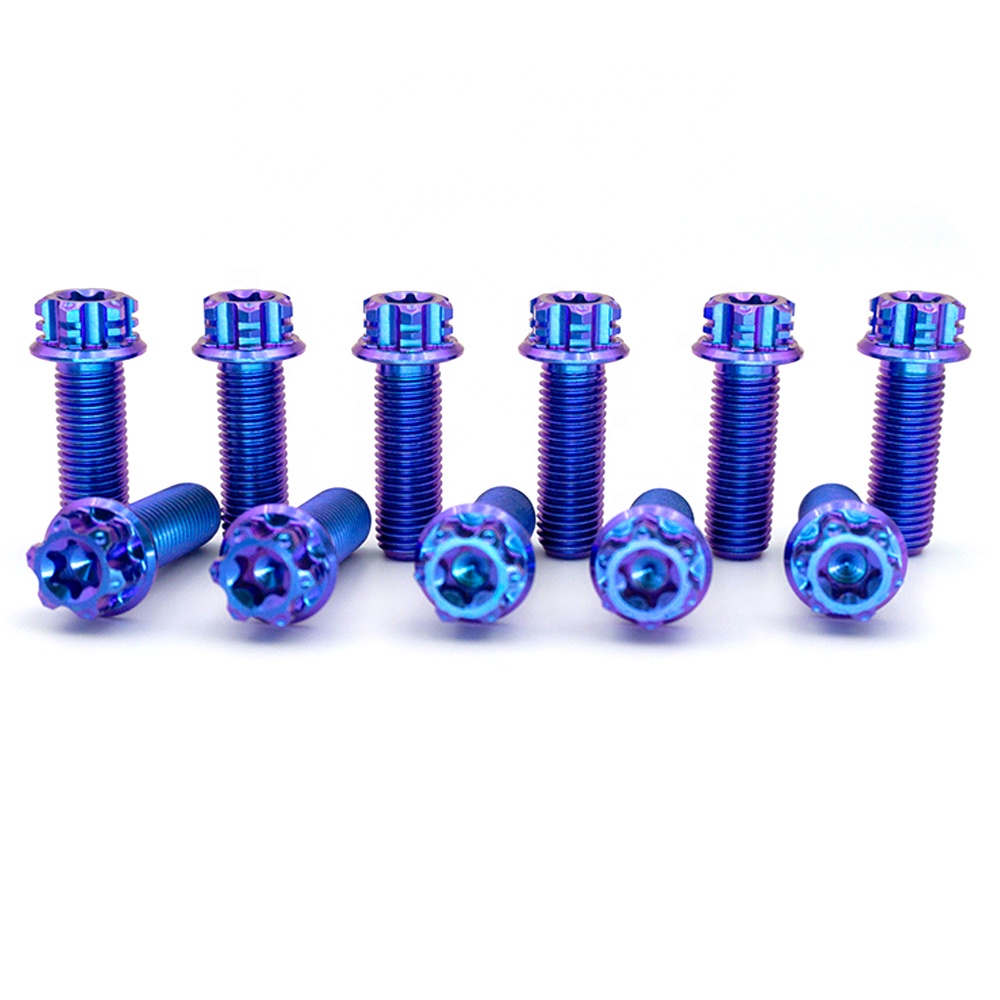
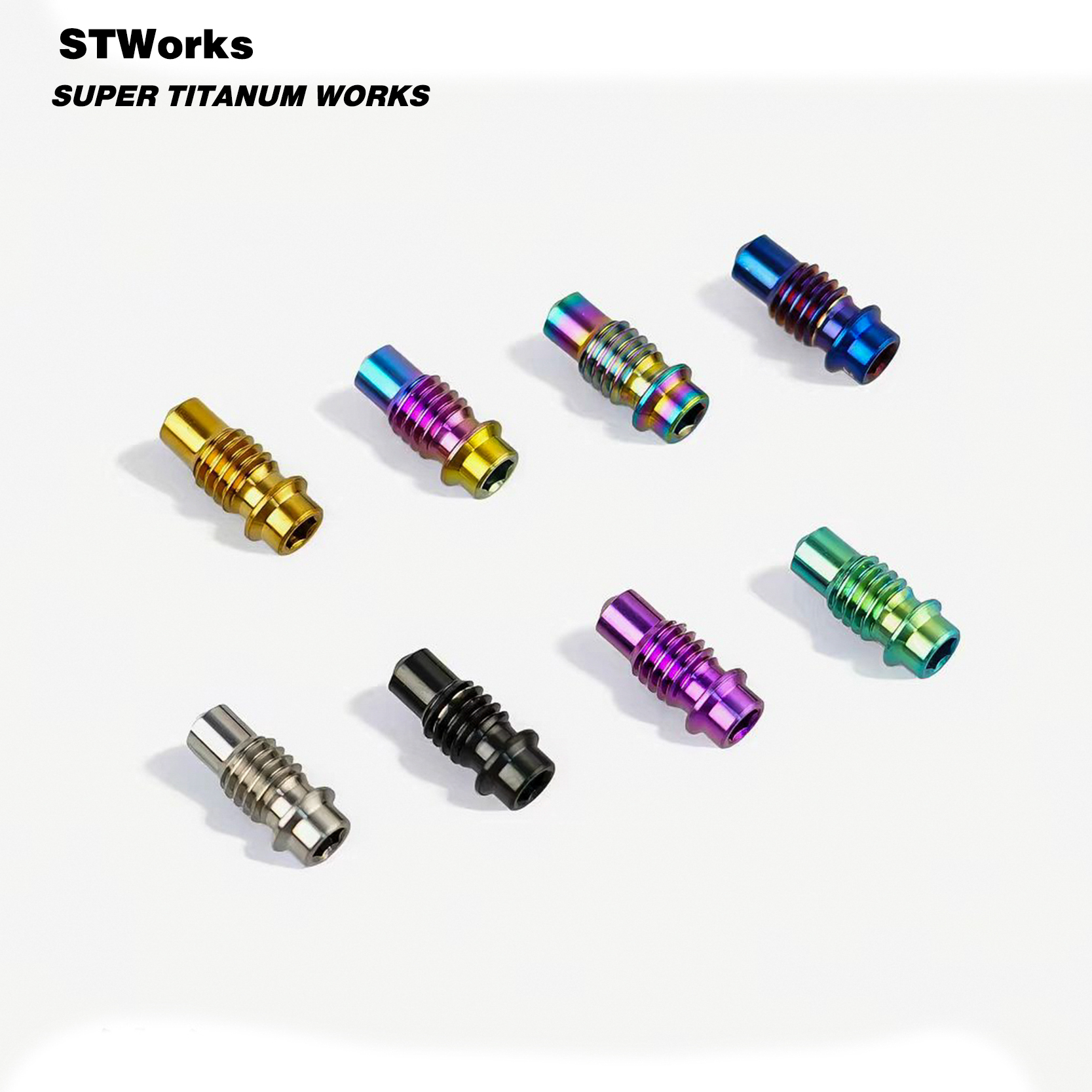
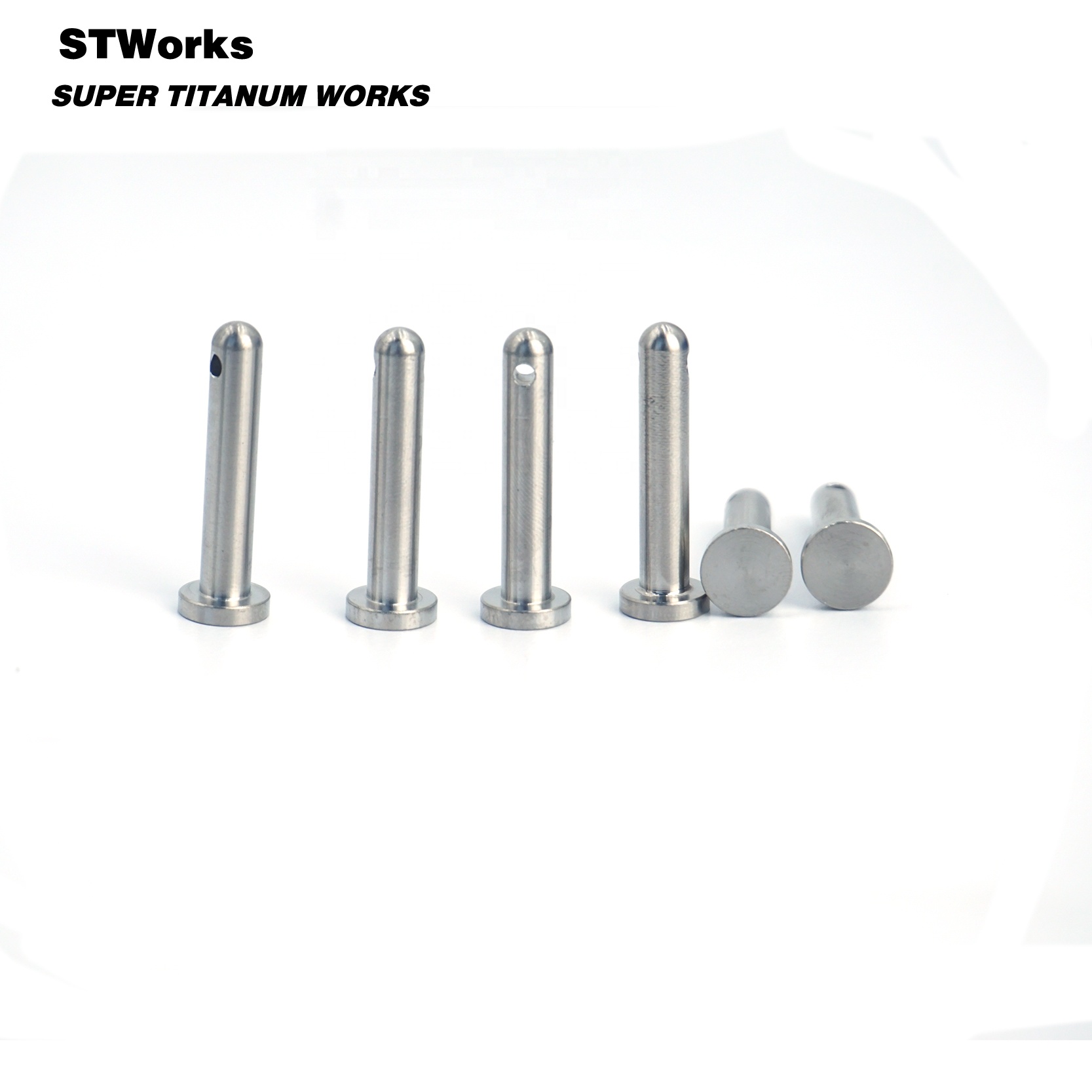
Why Jutland mechanical designers are replacing case-hardened alloy steels and austenitic stainless steels with centerless-ground Ti-6Al-4V fasteners.
Precision shoulder screws—often referred to as shoulder bolts, stripper bolts, or cylindrical pivot pins—are structural cornerstones across kinematic linkages, linear guides, and cantilever suspension joints. Unlike conventional hex cap bolts or fully threaded studs, a shoulder screw features an unthreaded, precision-machined cylindrical shank (the shoulder) that steps down to a smaller threaded section. In automated robotics, offshore wind nacelle hydraulics, and rotating industrial sorting apparatus, this shoulder acts as a linear dowel, an unyielding bearing journal, or a precise locating stop that must absorb massive transverse shear loads without structural deflection.
When engineering assemblies within maritime and chemically aggressive settings such as the Port of Aarhus (Aarhus Havn) and broader coastal Denmark, selecting fastener base metals has traditionally presented a punishing trade-off between mechanical yield strength and environmental endurance. While grade 10.9 or 12.9 carbon steel stripper bolts deliver formidable shear capacities, their sacrificial zinc plating or phosphate passivations inevitably succumb to marine atmospheric salt-fog and chloride-induced stress corrosion cracking (SCC). Conversely, standard austenitic stainless steels (such as AISI 304 or 316 A2/A4) offer baseline corrosion resistance but suffer from notorious thread galling, low yield thresholds (∼205–450 MPa), and insufficient shear fatigue endurance under reciprocating loads.
This is precisely where aerospace-grade Grade 5 Titanium (Ti-6Al-4V / UNS R56400 / Werkstoff 3.7165) establishes clear technical superiority. By processing virgin Ti-6Al-4V ingots through precision multi-axis Swiss CNC turning and secondary centerless OD cylindrical grinding, Velnora achieves shank dimensional tolerances within ISO h8, h7, or custom engineering standards (±0.005 mm), paired with mirror-grade surface topographies below Ra 0.4 μm. Combining a minimum tensile strength of 895 MPa with an ultra-low density of 4.43 g/cm³, titanium shoulder screws eliminate catastrophic stress corrosion, reduce rotating mass by 44% compared to steel, and exhibit near-infinite endurance limits in hyper-saline splash zones.
| Mechanical / Chemical Parameter | Ti-6Al-4V (Grade 5 / TC4) | AISI 316L (A4 Stainless) | Class 10.9 Alloy Steel | 6082-T6 Structural Alu |
|---|---|---|---|---|
| Volumetric Mass Density (g/cm³) | 4.43 (Lightweight) | 7.98 (Heavy) | 7.85 (Heavy) | 2.71 (Ultra-light) |
| Ultimate Tensile Strength (Rm, MPa) | ≥ 895 – 1000 | 500 – 700 | 1000 – 1040 | 310 – 340 |
| Yield Strength (Rp 0.2, MPa) | ≥ 828 | 220 – 290 | 900 – 940 | 260 |
| Shear Strength Threshold (MPa) | ≈ 550 – 620 | ≈ 350 – 410 | ≈ 620 – 650 | ≈ 190 |
| Chloride Pitting Resistance (PREN) | Immune (Stable TiO&sub2; film) | 23 – 25 (Pitting prone) | 0 (Rapid oxidation) | Prone to galvanic attack |
| Thermal Range & Cryo Toughness | -196°C to +400°C | -196°C to +300°C | Brittle under sub-zero | Degrades > 120°C |
| Magnetic Permeability (μ) | 1.00005 (Non-magnetic) | 1.005 – 1.015 (Slight) | Ferromagnetic (Strong) | Non-magnetic |
From Skejby's advanced medical robotic installations to offshore wind assembly hubs flanking the Kattegat sea lanes, explore how specialized titanium fasteners resolve critical mechanical friction and chemical attack.
Aarhus acts as an operational capital for northern European wind giants. Turbine nacelles, pitch control mechanics, and anemometer sensor arrays stationed offshore in the North Sea endure constant saltwater spray and gale-force vibration cycles. Custom Gr5 titanium shoulder bolts serve as self-centering pivot pins and dampening guide rods, resisting atmospheric chloride attack without needing zinc flaking or cadmium treatments that flake and contaminate marine waters.
With Danish Crown, Arla Foods, and prominent agro-industrial R&D facilities centered across Midtjylland, automated food processing machinery must undergo rigorous Daily Washdowns using caustic sanitizers, nitric acid, and chlorine washes. Grade 5 and Grade 2 titanium shoulder screws eliminate micro-crevice oxidation in high-speed reciprocating slicing gates, modular conveyor chains, and aseptic packaging units, safeguarding hygiene standards without leeching metallic ions.
Surrounding Aarhus University Hospital (AUH) in Skejby, advanced medtech and robotic surgical systems necessitate components that are non-magnetic, fully sterilizable, and featherweight. Precision-turned micro shoulder screws (M2 to M5) anchor surgical robotics arms, kinematic optic mounts, and high-precision centrifuge rotors where ferromagnetic interference from standard stainless steel is strictly prohibited during sensitive MRI-adjacent operations.
Denmark's rigorous 2030 climate mandates have forced heavy equipment manufacturers across Jutland to redesign high-speed kinematic mechanisms. In automated picking robotics and autonomous agricultural tractors, replacing heavy steel shoulder guides with Gr5 titanium shaves over 40% of rotating inertia. This enables smaller servomotors, slashes operational kilowatt-hour draw, and directly aligns corporate procurement teams with national ESG (Environmental, Social, and Governance) carbon targets.
As supply chains diversify away from European warehousing monopolies, machine builders in Aarhus seek agile tier-1 manufacturing partners who pair competitive base material pricing with rapid custom machining capabilities. The trend has pivoted from mass-produced catalog sizes toward application-specific shoulder configurations—custom ground undercut reliefs, threaded internal hex heads, cross-drilled retention cotter holes, and specialized PVD ceramic low-friction coatings.
Strategically headquartered in Baoji—globally acknowledged as China's Titanium Valley—Velnora Titanium Industry Co., Ltd. has delivered turnkey engineering support, CNC manufacturing, and certified metal exporting since 2013.
Every titanium billet is tracked from vacuum arc remelting (VAR) to multi-axis CNC spindles. Full EN 10204 3.1 chemical and mechanical test certificates are provided with every Danish consignment.
Equipped with advanced 5-axis machining centers, high-speed Swiss lathes, and ultra-fine Sodick wire electrical discharge machines (EDM) capable of achieving tolerances within ±0.005 mm on shoulder diameters.
Unlike competitors who cut threads on lathes—shearing material grain lines—our fasteners feature cold-rolled threads that retain continuous grain structures, increasing fatigue life and pull-out strength by >30%.
We eliminate distance-related procurement anxiety. Before your consignment departs for Aarhus, our engineering team shares live CNC setup photos, thread gauge video verifications, and digital caliper inspections.
Clear, technically rigorous answers addressing galling prevention, thread conversions, dimensional standards, and shipping lead times to Midtjylland.
Due to titanium's thin, inert native oxide skin, friction under heavy clamping torque can rupture this barrier, resulting in micro-welding or thread galling. We combat this across three engineering tiers: First, all threads are rolled with a mirror-smooth micro-finish. Second, we recommend or factory-apply anti-seize lubricants containing molybdenum disulfide (MoS&sub2;) or specialized copper paste. Third, for dry or high-wear sliding journals, we provide Physical Vapor Deposition (PVD) titanium nitride (TiN) or Diamond-Like Carbon (DLC) coatings that introduce ultra-hard (2500–3000 HV), low-friction ceramic barriers onto the shoulder and threads.
In terms of shear capacity and static yield stress, Grade 5 Ti-6Al-4V (828 MPa yield, 895–1000 MPa tensile) readily substitutes for property class 8.8 structural steel while stripping away 44% of overall component mass. However, if your application utilizes ultra-high-tensile class 10.9 or 12.9 stripper bolts stressed to maximum elastic thresholds, an exact 1:1 cross-sectional substitution requires joint calculation. Titanium’s modulus of elasticity is approximately 114 GPa—roughly half that of structural steel (210 GPa)—which offers exceptional elastic shock dampening but requires checking when zero mechanical deflection under excessive shear cantilever bending is mandatory.
We routinely machine shoulder diameters ranging from 3.0 mm up to 32.0 mm adhering strictly to standard metric ISO 7379 tolerance classes (primarily h8 and f9), as well as high-precision slide-fit H7 tolerances (±0.005 mm) using centerless grinding setups. For head profiles, we produce low-profile pan heads, standard knurled cylindrical socket caps (DIN 912 format), Torx / star drive interfaces (T20 through T50) for robotic high-torque assembly lines, and countersunk designs with precision undercut transitions to maximize shear surface contact.
Standard prototype or sample batches (from 50 to 200 pieces) are programmed, turned, inspected, and shipped within 12 to 18 business days. For express consignments dispatched to Aarhus Airport (AAR), Billund Airport (BLL), or industrial door-to-door deliveries across Jutland, express air couriers (DHL Express, FedEx Priority) require roughly 3 to 5 transit days. For recurring, high-volume containerized procurement orders, consolidation through the Port of Aarhus via ocean freight provides the ultimate landed-cost economy.
Yes. Every production run is accompanied by full Mill Test Certificates (MTC) conforming to EN 10204 3.1 standards detailing the exact chemical composition (Titanium balance, Aluminum 5.5–6.75%, Vanadium 3.5–4.5%, Iron ≤ 0.4%, Oxygen ≤ 0.2%) along with elongation, tensile, and yield mechanical proof tests. In addition, our high-precision fiber laser marking machines can engrave your internal OEM part numbers, batch QR tracking codes, or corporate branding directly onto the shoulder bolt head without damaging structural metallurgy.