Engineered Catalog
Featured Titanium Fasteners & Hardware Range
Precision CNC-turned and thread-rolled fasteners manufactured from medical-grade and aerospace-certified titanium bar stock for mission-critical assemblies.
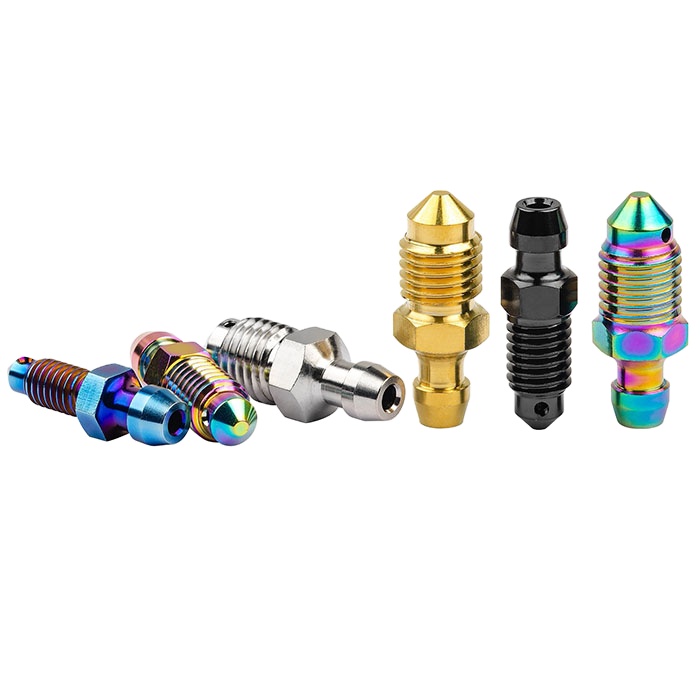
M10 Titanium GR5 Motorcycle Bleed Nipple & Drain Bolt Screws
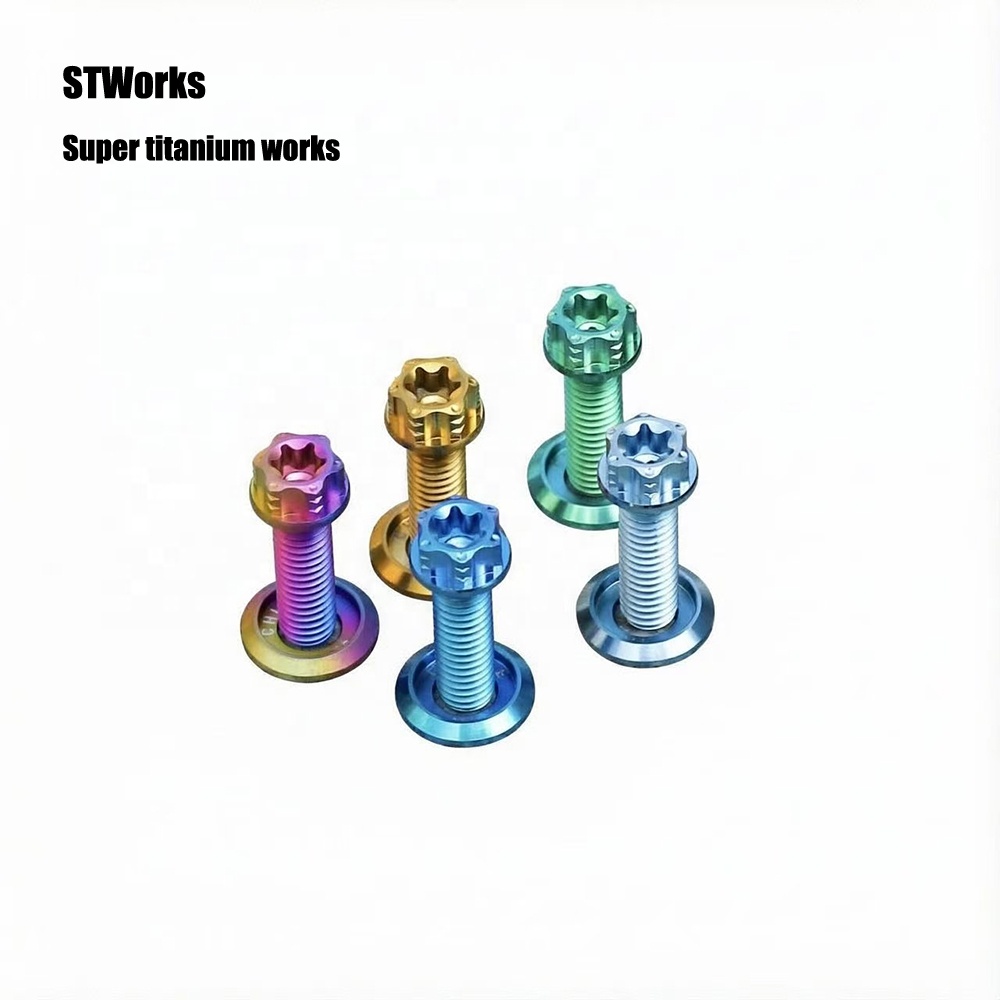
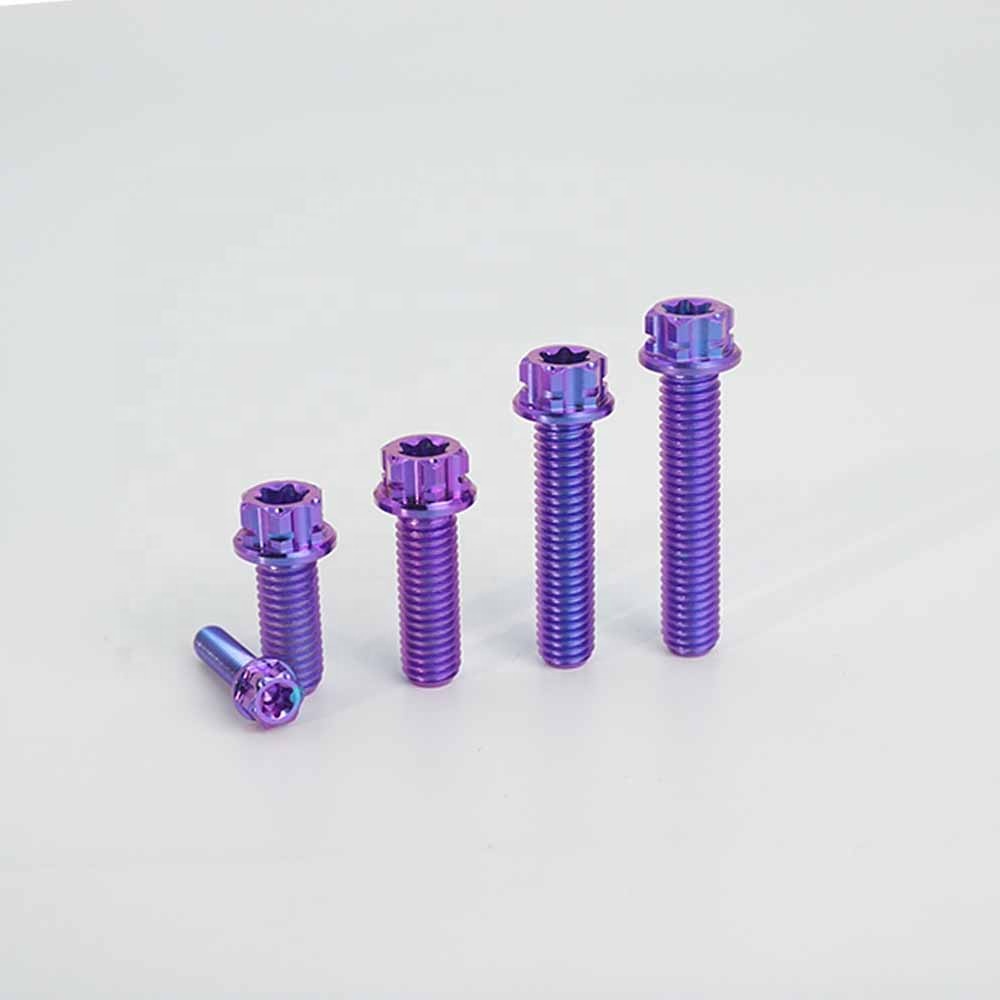
Titanium Alloy Bicycle Disc Brake Caliper Mounting Bolts M6x20
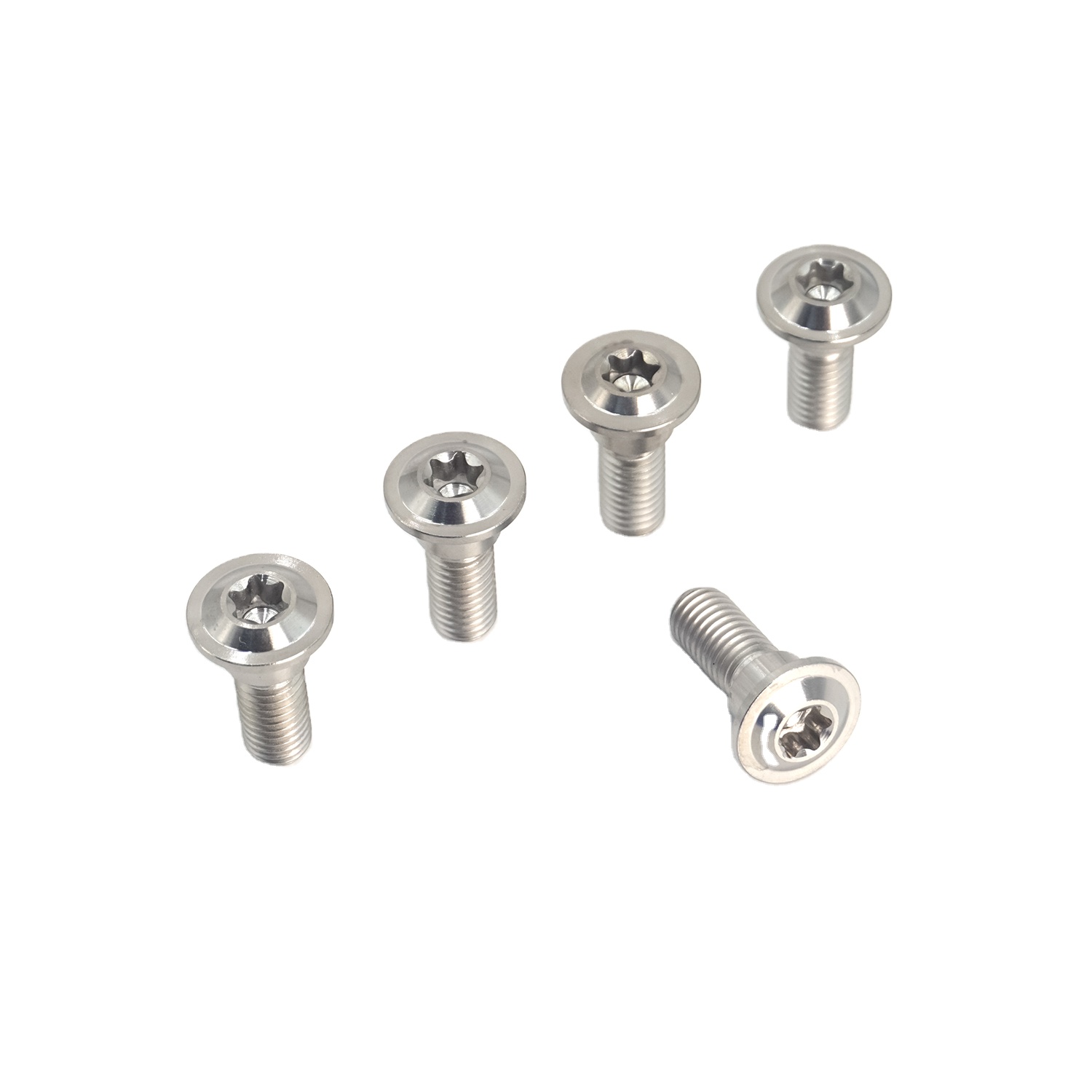
OEM CNC Machined Gr5 Titanium Disc Brake M8x23 Screws
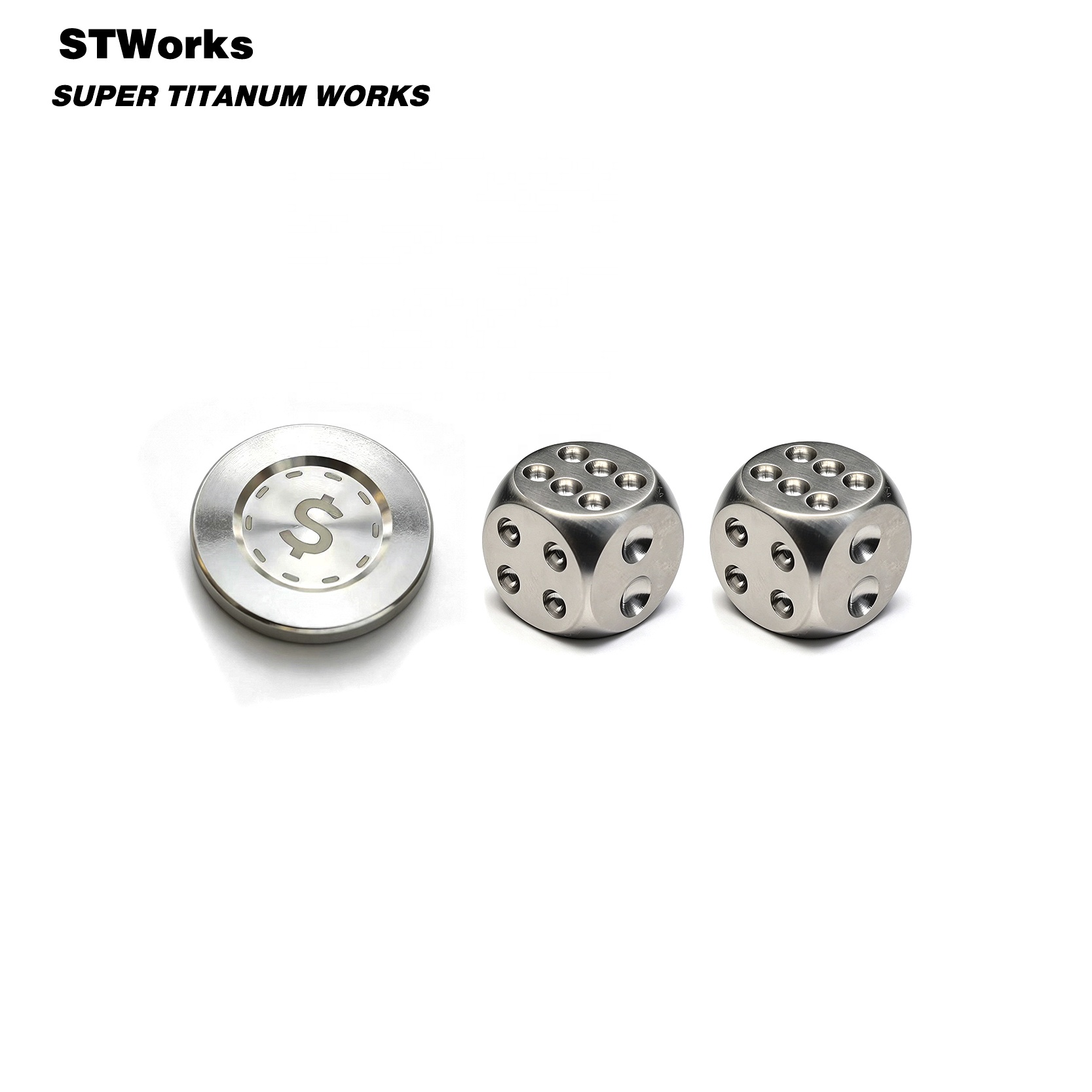
Custom-made Titanium Alloy Precision EDC Coins & Stress Dice
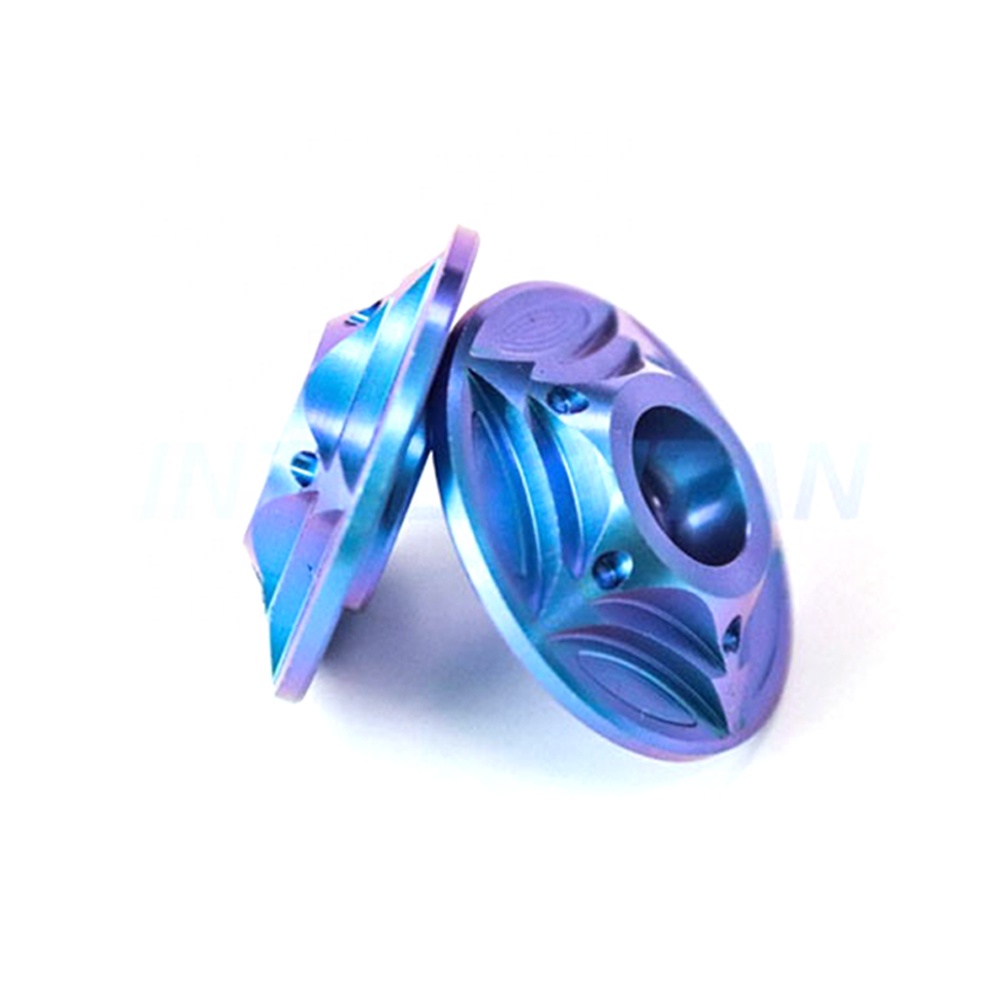
Customized Titanium Alloy PVD M6 Washers & Headset Caps
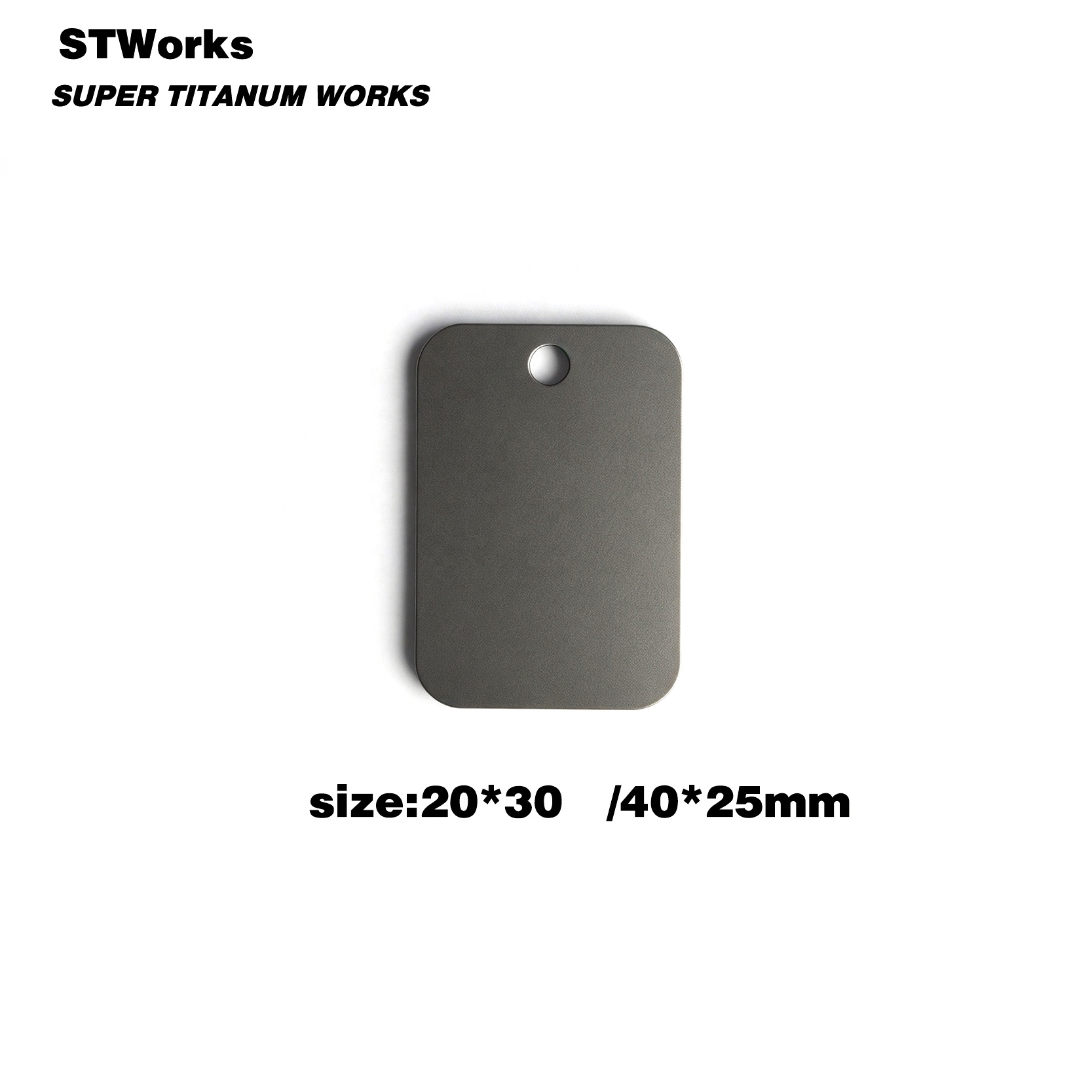
Custom Laser Engraved Grade 5 Titanium Plate Tags 1.5mm / 2mm
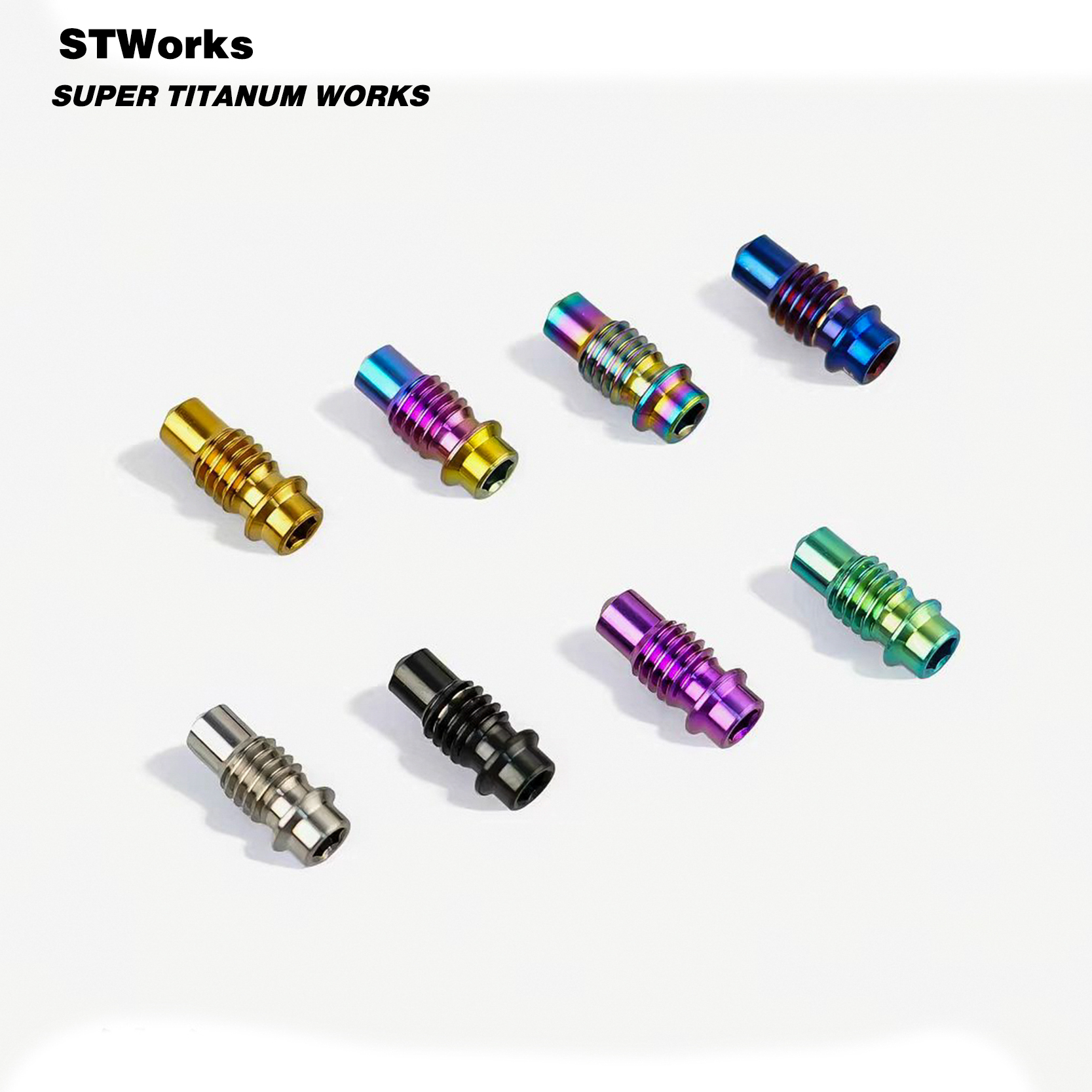
TC4 Titanium Caliper Bleed Port Screw for Shimano Road Brakes
Engineering Whitepaper
Structural Reliability of Titanium Self-Locking Fasteners in Tropical & Volcanic Environments
Why procurement teams in Managua are transitioning from zinc-coated high-tensile steel and A4 stainless steel to Grade 5 Ti-6Al-4V locking systems.
Prevailing Torque Mechanics & Thread Galling Mitigation
Self-locking nuts deployed across the Managua department operate in extreme operational cycles characterized by high relative humidity, elevated seismic activity, and atmospheric sulfurous concentrations from nearby volcanic systems like Momotombo and Masaya. In conventional DIN 985 nylon-insert lock nuts, thermoplastic polymer rings often undergo accelerated thermal degradation and embrittlement when exposed to continuous ambient temperatures above 40°C alongside high UV exposure.
Velnora Titanium engineers two distinct self-locking architectures to eliminate catastrophic joint separation: precision-molded Virgin Polyamide inserts calibrated to maintain prevailing torque through ten cycles, and all-metal prevailing-torque deformed-thread (stover) lock nuts machined directly from Ti-6Al-4V bars. Ti-6Al-4V exhibits a yield strength of 880 MPa alongside an elastic modulus of 114 GPa—almost half that of structural steel (210 GPa). This lower modulus gives titanium nuts an increased elastic elongation capacity under dynamic preload, absorbing intense structural shocks without backing off or micro-yielding.
Thread galling (cold welding) is historically the biggest obstacle when torqueing titanium fasteners. To prevent micro-adhesions on the flank contacts, our Managua export lines feature physical vapor deposition (PVD) titanium nitride (TiN) hard coats, diamond-like carbon (DLC) finishes, or vacuum anodic oxidation (AMS 2488 Type II), guaranteeing consistent friction coefficients (μ = 0.10–0.15) during high-speed pneumatic assembly.
| Mechanical / Physical Property | Grade 5 Titanium (Ti-6Al-4V) | Grade 2 CP Titanium | A4-80 (316) Marine Stainless | Class 8.8 Structural Steel |
|---|---|---|---|---|
| Density (ρ) | 4.43 g/cm³ | 4.51 g/cm³ | 8.00 g/cm³ | 7.85 g/cm³ |
| Tensile Strength (Rm) | 950 – 1050 MPa | 345 – 480 MPa | 800 MPa | 800 – 830 MPa |
| Yield Strength (Rp 0.2) | ≥ 880 MPa | ≥ 275 MPa | ≥ 600 MPa | ≥ 640 MPa |
| Elastic Modulus (E) | 114 GPa (High Elasticity) | 103 GPa | 193 GPa | 210 GPa |
| Chloride / Sulfide Corrosion | Immune (< 250°C) | Immune | Susceptible to Crevice Pitting | Rapid Oxidation / Rust |
| Weight Savings Margin | −44% vs. Steel | −43% vs. Steel | Baseline | Baseline |
Localized Deployment
Key Industrial Application Scenarios in Managua & Western Nicaragua
Targeted mechanical applications requiring complete immunity to atmospheric oxidation, cyclical torque loads, and chemical exposure.
Geothermal Power Infrastructure
Turbine exhaust ducts, cooling loop valves, and steam head flanges near the Momotombo volcanic basin require fasteners immune to damp hydrogen sulfide (H₂S) gas and chloride-induced stress corrosion cracking, where stainless steel fails within 18 months.
Agro-Industrial Processing
Industrial sugar mills and high-throughput rum distillation plants in western Nicaragua depend on self-locking flange nuts to prevent equipment downtime from severe continuous centrifugal vibration during sugarcane processing cycles.
Marine Fleet Maintenance at Puerto Sandino
Commercial fishing vessel propulsion joints, winch mounting racks, and hydraulic line brackets operating along the Pacific logistics corridor utilize Gr5 titanium lock nuts to completely eliminate pitting caused by tropical saltwater spray.
Municipal Clean Water Infrastructure
Submersible pumps and submerged stainless wastewater treatment aerators around Lake Xolotlán utilize Grade 5 prevailing-torque nuts to resist microbiological corrosion (MIC) and acidic volcanic fallout runoff.
High-Performance Off-Road & Logistics
Nicaragua's rugged freight corridors and regional motocross championships require lightweight unsprung suspension components, sprocket lock nuts, and brake caliper bolts that withstand washboard-road shocks without loosening.
Telecom & Grid Transmission Towers
Hilltop radar towers, radio masts, and microwave repeaters across the volcanic mountain spine require light, maintenance-free tower hardware that resists continuous seismic tremors, high wind turbulence, and lightning-induced ionization.
Strategic Trends
Market Trends Shaping Fastener Sourcing in Managua (2025–2030)
Analysis of how infrastructure modernization, nearshore assembly, and asset life-cycle costing drive adoption of titanium hardware.
Total Cost of Ownership (TCO) Prioritization
Procurement teams in Managua are shifting focus away from initial purchase cost toward Total Cost of Ownership. While zinc-plated carbon steel hardware costs less up front, ongoing maintenance, equipment shutdowns, and bolt shear in corrosive volcanic microclimates cost ten times more than installing lifetime-rated Ti-6Al-4V fasteners.
Stringent Seismic Resilience Codes
Following updated Nicaraguan seismic building regulations for municipal structures, engineering contractors must specify fasteners that maintain clamping load under intense low-frequency ground acceleration, accelerating the phase-out of split lock washers in favor of prevailing torque nuts.
Direct International Supply Chains
Nicaraguan distributors are bypassing traditional multi-tier third-party stockists in Miami, sourcing custom titanium fasteners directly from verified manufacturing hubs in Baoji, China to access factory pricing, clear material mill certificates (MTR), and complete dimensional traceability.
Enterprise Capability
Velnora Titanium Industry: Precision Manufacturing from Baoji
Operating from China's Titanium Valley since 2013, delivering aerospace-grade CNC hardware to over 1,000 corporate clients globally.
13+
Years in Titanium Precision Export
1,000+
Worldwide Enterprise Accounts
≤4h
Average Quotation & Review Response
4.9/5
Verified Third-Party Assessment Score
End-to-End Quality Verification from Sponge to Shipped Container
Velnora Titanium operates an integrated manufacturing facility in Baoji, Shaanxi Province, featuring high-speed 5-axis CNC machining centers, specialized Swiss-type screw automatic lathes, thread rolling machinery, and precision wire EDM cutters. Unlike conventional workshops that cut fastener threads using lathes—which slices through the metal grain and reduces fatigue life—all our titanium self-locking nuts feature 100% cold or warm roll-formed threads. This manufacturing process produces a continuous internal grain line, increasing bolt fatigue resistance by over 30% and eliminating micro-fracture initiation points under cyclical vibration.
Every production batch shipped to Central American destinations including Managua includes full Material Test Reports (MTR) according to EN 10204 3.1, verifying exact chemical compositions (O ≤ 0.20%, Fe ≤ 0.30%, C ≤ 0.08%, Ti Balance) and mechanical yields. Before packing, components undergo thread run-out checks, optical profile sorting, and digital thread gauge testing to DIN, ANSI, or JIS tolerances.
Procurement FAQ
Frequently Asked Questions by Purchasing Teams in Managua
Technical and commercial answers addressing shipping, import compliance, customs procedures, and material testing.
What shipping logistics and incoterms are available for shipments to Managua?
We regularly export to Nicaragua using both air express and ocean freight. Air express shipments (DHL, FedEx, UPS) typically arrive at Augusto C. Sandino International Airport (MGA) within 5 to 7 business days, ideal for urgent maintenance spares and prototyping. Bulk commercial orders are shipped under CIF or FOB terms to Puerto Corinto or Puerto Sandino via established container shipping lanes, with standard transit times of 28 to 35 days.
How does Velnora assist with Nicaraguan customs clearance (DGA requirements)?
We provide clean, fully compliant export documentation tailored to the requirements of the Dirección General de Servicios Aduaneros (DGA). This includes accurate Commercial Invoices, itemized Packing Lists with exact HS code classifications (typically 7318 or 8108 for titanium articles), non-preferential Certificates of Origin (CO), and EN 10204 3.1 Material Test Reports to ensure tariff clearance without customs delays.
What is the minimum order quantity (MOQ) for custom-dimension self-locking nuts?
For standard catalog fasteners complying with DIN 985, DIN 6926, or ISO 7040 in standard thread pitches (M5 through M24), our standard production MOQ is 100 to 200 pieces per size. For custom CNC components manufactured to customer-supplied STEP or PDF blueprints (e.g., custom flange diameters, specific wrenching flats, or customized safety-wire cross drillings), production runs generally start at 100 pieces.
Can titanium lock nuts be safely paired with stainless steel or aluminum assemblies?
Yes, provided galvanic compatibility principles are respected. Titanium sits near passive stainless steel in the galvanic series, making direct contact with 304 or 316 stainless bolts safe in most ambient environments. When mating titanium self-locking nuts to aluminum structures in high-humidity tropical conditions like Managua, we recommend using non-conductive fluoropolymer/PTFE washers or applying barrier anti-seize pastes (such as zinc-free nickel-based lubricants) to prevent galvanic corrosion of the aluminum substrate.
Do you supply pre-applied anti-seize or thread coatings to avoid installation galling?
Yes. In addition to precision rolled threads, we offer factory-applied dry-film lubricants (MoS2), Type II anodic coating, or PVD finishes. These surface modifications significantly reduce surface shear forces during high-speed torque installation, guaranteeing consistent clamping preload without thread binding or material pickup.
Connect Directly with Our Fastener Engineering Team
Send us your bill of materials, custom blueprints, or standard DIN/ISO specifications. Receive a complete engineering review and landed quotation within 4 hours.