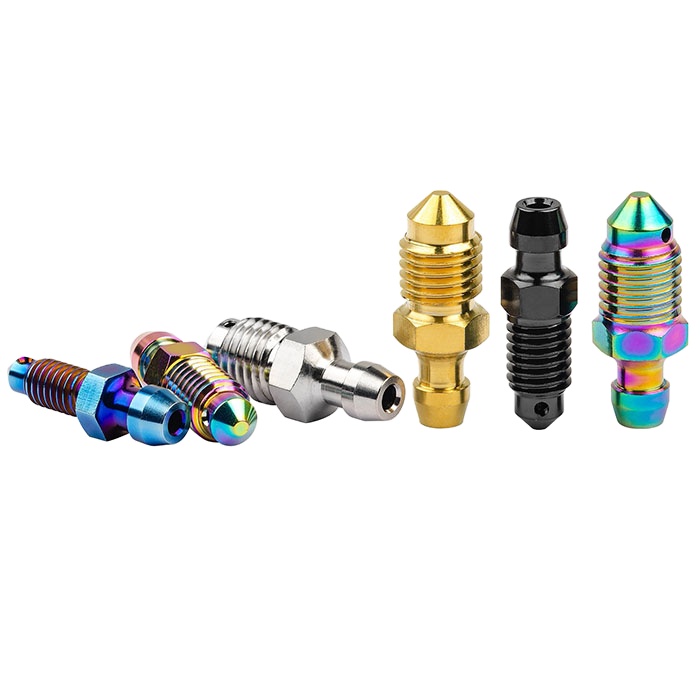
Engineered Fastener Portfolio
High-Performance Titanium Hardware Engineered for Extreme Environments
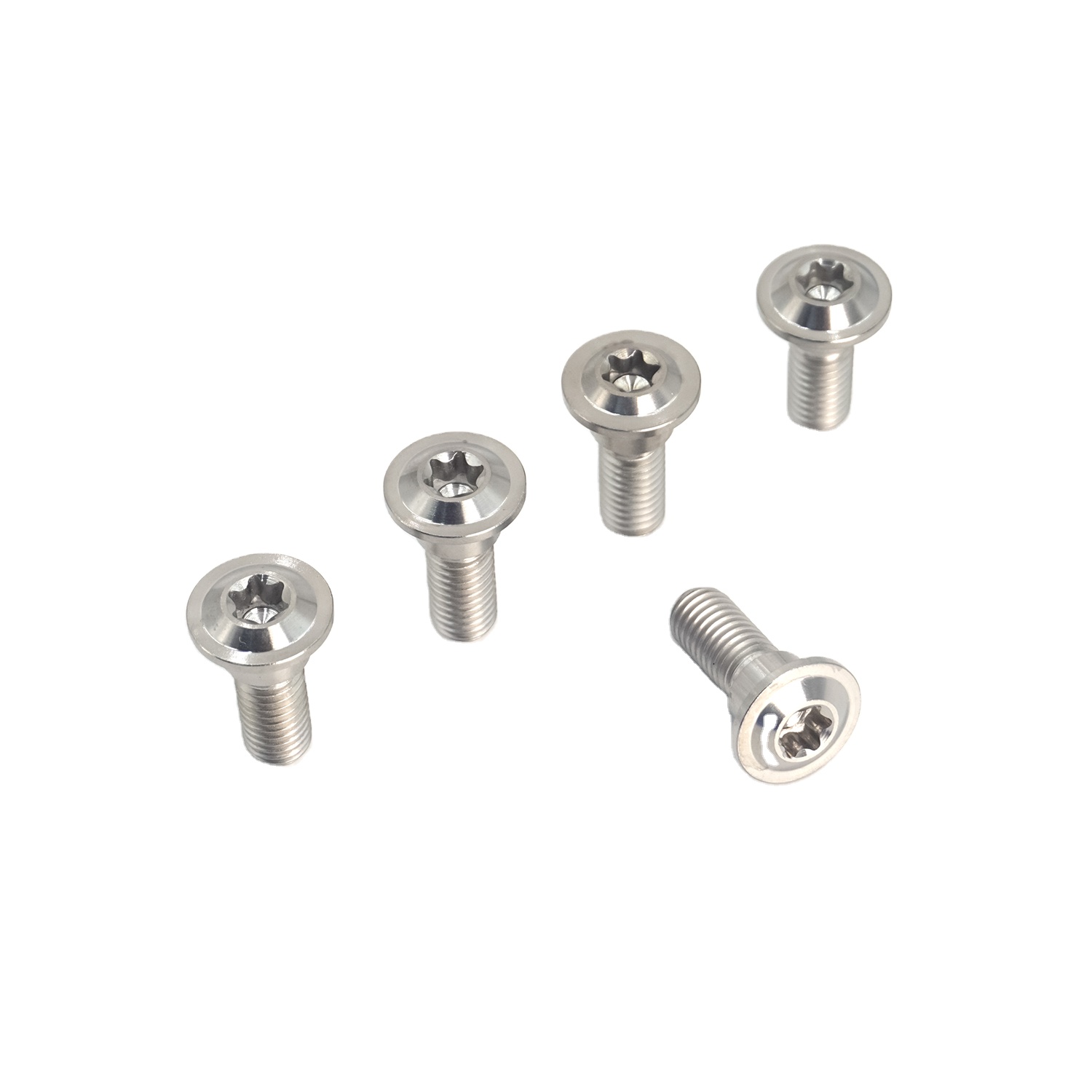
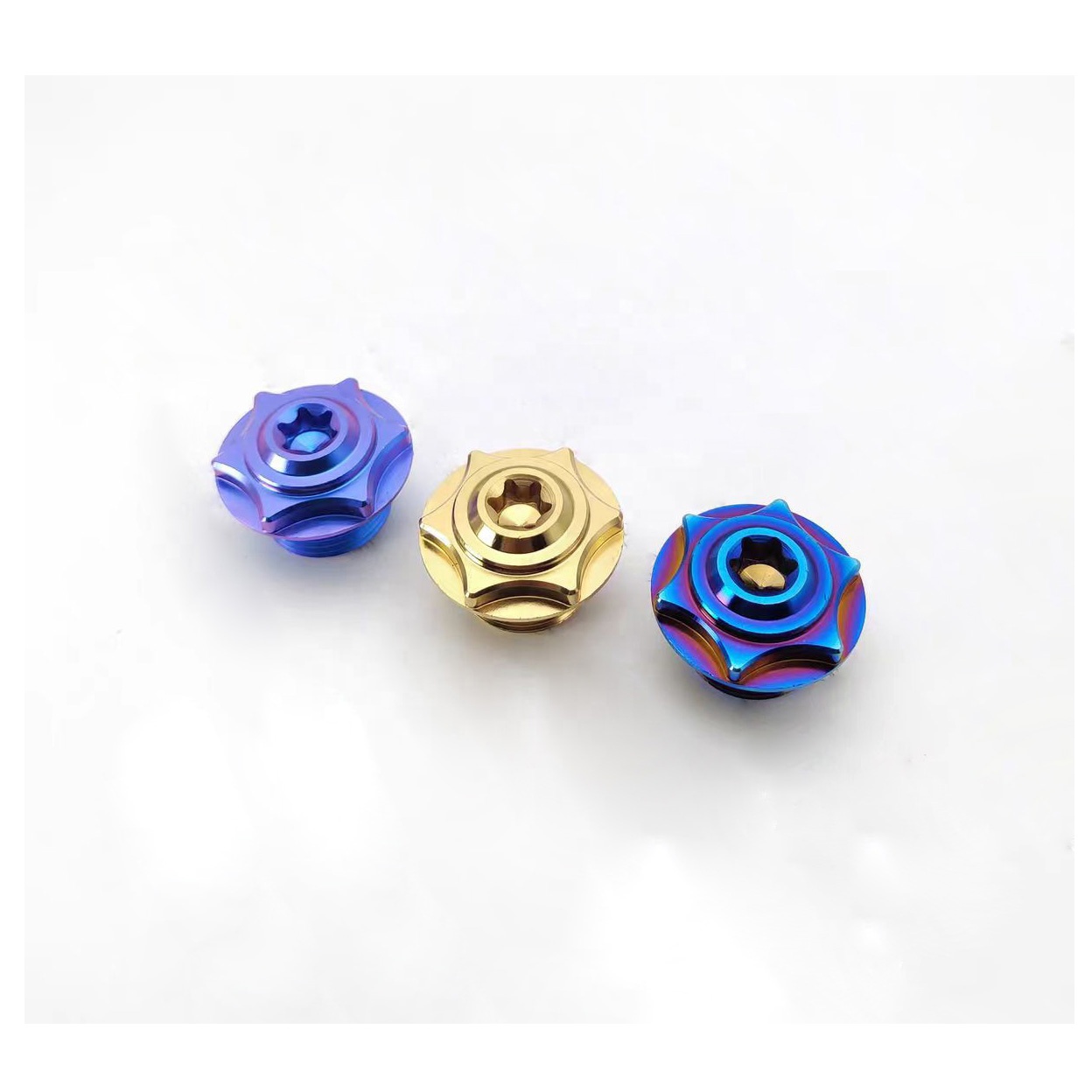
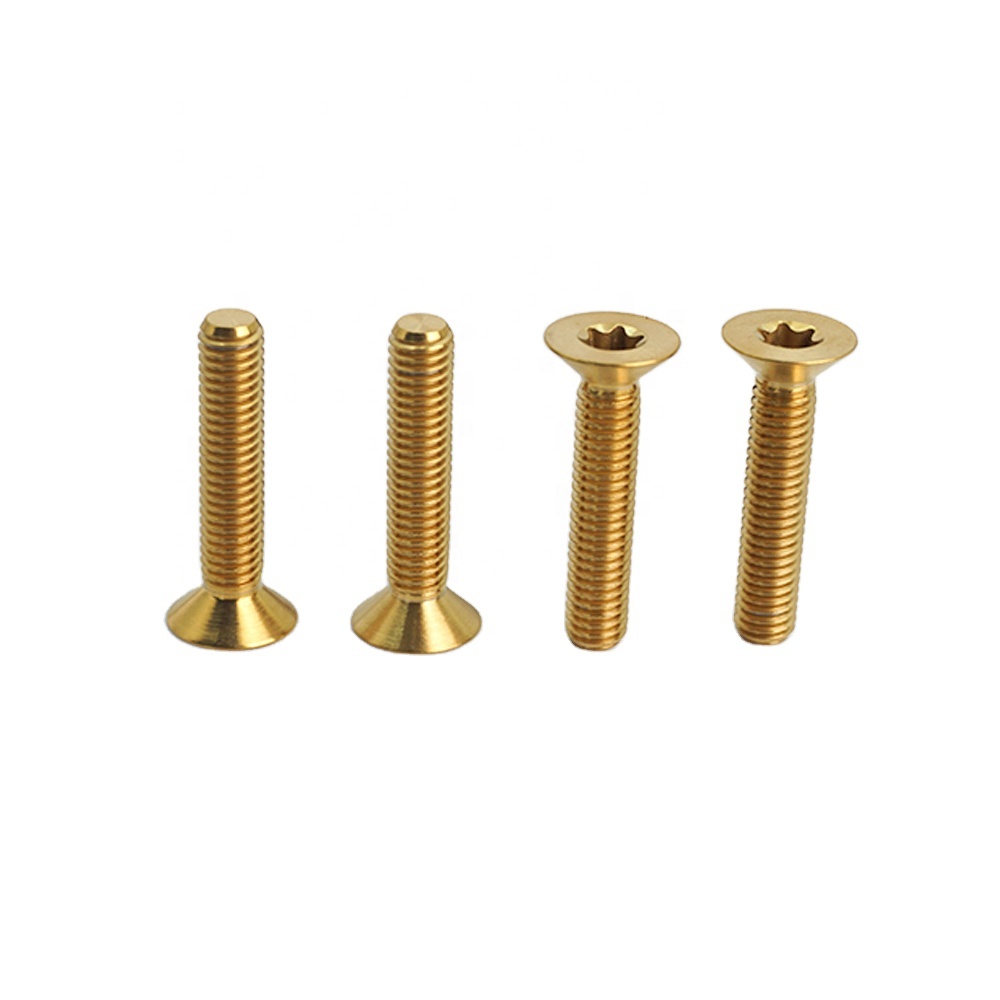
Explore our industrial-grade, CNC-machined titanium components manufactured in accordance with strict DIN, ISO, ANSI, and JIS standards. Every batch comes with full material certification, optical dimensional verification, and dynamic test reports.
Engineering White Paper
Prevailing-Torque Self-Locking Mechanics in Maritime & Industrial Operations
In high-vibration and cyclic-load environments, fastener loosening represents the single largest cause of mechanical sub-assembly failure. Titanium self-locking hex nuts eliminate thread back-off while remaining immune to marine chloride stress cracking.
Non-Metallic Insert (DIN 985 / ISO 7040)
Engineered with a virgin polyamide (PA66) or PTFE collar crimped securely into a precision-machined internal crown. As male threads enter the ring, radial elastic compression generates continuous, controlled frictional holding torque.
- Rated for continuous service up to +120°C (PTFE up to +260°C)
- Provides incidental secondary fluid & moisture barrier
- Reusability profile verified across 5+ installation cycles
All-Metal Prevailing Torque (DIN 980V)
Features controlled triangular top-thread distortion or slotted flexing collars designed specifically for high-temperature maritime exhausts, petrochemical crackers, and aerospace engine cowlings where polymers fail.
- Cryogenic performance down to -196°C; heat-resistant to +400°C
- Zero structural outgassing in vacuum and clean-room setups
- Highest mechanical resistance against dynamic shear vibrations
Galling Mitigation & Rolled Threads
Titanium threads possess an affinity for micro-friction galling. Our factory integrates hardened molybdenum disulfide (MoS2) dry-film coatings, micro-arc oxidation, and precision rolling instead of cutting to eliminate micro-burrs.
- Cold-rolled root contours improve fatigue life by 35%
- Compatible with standard marine-grade anti-seize pastes
- Strict torque-tension coefficient (μ = 0.12 - 0.15) repeatability
| Mechanical & Physical Property | Ti-6Al-4V Grade 5 (TC4) | Grade 2 Pure Titanium | Marine 316L Stainless | Alloy Steel 8.8 (Zinc Plated) |
|---|---|---|---|---|
| Density (g/cm³) | 4.43 (44% lighter than steel) | 4.51 | 7.98 | 7.85 |
| Tensile Strength Rm (MPa) | 895 – 1050 | 345 – 485 | 520 – 680 | 800 – 830 |
| Yield Strength Rp0.2 (MPa) | 825 – 920 | 275 – 350 | 220 – 300 | 640 |
| Baltic Seawater Corrosion Rate | < 0.001 mm/year (Immune) | < 0.001 mm/year (Immune) | Pitting & crevice risk in stagnation | Rapid oxidation & galvanic failure |
| Magnetic Permeability (μr) | 1.00005 (Non-Magnetic) | 1.00005 (Non-Magnetic) | 1.005 – 1.015 (Slight work harden) | Ferromagnetic (> 100) |
| Optimal Operating Spectrum | -250°C to +400°C | -100°C to +250°C | -196°C to +300°C | -40°C to +200°C |
Local Strategic Integration
Tailored for Northern Poland’s Maritime, Hydrogen & Advanced Manufacturing Sectors
As the industrial capital of the Pomeranian Voivodeship and Poland's primary deepwater gateway, Gdańsk demands structural fasteners capable of withstanding the harsh brackish environment of the Gulf of Gdańsk and intense offshore vibrations.
Shipyards & Offshore Wind
Shipbuilding & Baltic Floating Wind Hubs
From the Remontowa Shipyard corridor to upcoming Baltic Power offshore wind farms, our Grade 5 self-locking nuts secure sonar brackets, underwater thruster housings, mast navigation hardware, and cathodic-safe subsea turbine connections free from galvanic rot.
Refining & Chemical
Petrochemical & Liquid Gas Terminals
Supplying the Rafineria Gdańska petrochemical complex and Northern Port chemical pipelines with DIN 980V all-metal titanium nuts that endure aggressive sulfur gases, hot chlorinated media, and aromatic hydrocarbons that destroy standard zinc-plated and cad-plated bolts.
Defense & Special Vehicles
Naval Defense, Aviation & Subsea Robotics
Naval architecture and defense innovators throughout Tricity utilize our non-magnetic titanium nuts on ROVs (Remotely Operated Vehicles), mine countermeasures (MCM) vessels, and specialized carbon-fiber composite hulls requiring non-sparking, antimagnetic attributes.
Industry Horizon
Macro Trends Transforming Fastener Procurement in Gdańsk and the Tri-City Area
Procurement directors and design engineers in Poland are moving away from traditional steels in favor of lightweight, lifecycle-optimized alloys to comply with EU clean-industry directives.
Baltic Offshore Wind Supergrid Expansion
Poland's commitment to generating over 11 GW of Baltic offshore wind power by 2040 has sparked unprecedented demand for zero-maintenance subsea fasteners. Replacing marine stainless with Grade 5 self-locking hex nuts eliminates crevice corrosion in splash zones, reducing offshore inspection costs.
Nearshoring & Direct Factory Supply Lines
Supply chain shocks across Central Europe have led Pomeranian manufacturers to establish direct mill partnerships. By bypassing third-party trading intermediaries, buyers in Gdańsk achieve shortened delivery cycles, dedicated buffer stocks, and full EN 10204 3.1 chemical batch traceability.
Decarbonization Through Lightweighting
Modern transport, marine high-speed catamarans, and e-mobility vehicle retrofits in Gdynia and Gdańsk leverage titanium fasteners to slash unsprung structural weight by 40–45%, delivering immediate energy efficiencies and supporting EU Fit for 55 compliance.
Direct-From-Source Titanium Manufacturing Advantages
Velnora Titanium Industry Co., Ltd. operates state-of-the-art CNC machining and automated threading facilities located in Baoji, China's Titanium Valley, backed by dedicated export operations serving the European Single Market.
10+
Years of Precision Export
Exporting high-precision Grade 5 (Ti-6Al-4V) and Grade 2 titanium fasteners to over 1,000 corporate clients globally across Europe, North America, and Asia since 2013.
04h
Engineering Response Window
Our dedicated technical desk reviews customer STEP, IGES, and DWG drawings within 4 business hours, providing immediate DFM (Design for Manufacturability) guidance.
100%
Visual & Video Verification
We provide video updates during production and 100% thread gauge go/no-go verification prior to dispatch, eliminating receipt rejections on European assembly floors.
DAP
Direct Baltic Port Logistics
Comprehensive customs-cleared logistics into Gdańsk Port (DCT), Gdynia terminal, and express air corridors with full EUR / USD invoice processing.
Procurement Clarity
Frequently Asked Questions by Industrial Buyers in Gdańsk
Clear, technical, and commercial answers for purchasing managers, structural engineers, and supply chain directors across Poland.
What are the key technical differences between DIN 985 and DIN 980V titanium hex nuts?
DIN 985 specifies a standard-height prevailing torque hex nut incorporating a non-metallic (typically PA66 polyamide) insert. It works by elastically deforming around the mating screw threads, providing consistent dampening against dynamic loosening in ambient to moderate temperatures (up to +120°C). In contrast, DIN 980V is an all-metal self-locking nut utilizing mechanical deformation of the upper threads (triangular or oval crimp). DIN 980V is preferred for elevated temperature zones like engine turbo manifolds, offshore flare stacks, and cryogenic liquified gas lines where nylon rings would degrade.
How do you manage import customs clearance, VAT, and logistics to Gdańsk?
We regularly handle shipments into Poland under Incoterms 2020 including FOB, CIF (Port of Gdańsk), and DDP (Delivered Duty Paid to your warehouse in Tri-City, Katowice, or Warsaw). Under DDP, we manage EU customs clearance, customs duties (TARIC code 81089070 for titanium screws/nuts), and domestic VAT handling, delivering goods directly to your dock without administrative overhead.
Does titanium produce galvanic corrosion when mated with aluminum or stainless steel in Baltic seawater?
Titanium is noble on the galvanic chart. When coupled with 316L stainless steel in brackish Baltic seawater, the galvanic potential difference is negligible (< 0.05V), preventing accelerated electrolytic breakdown. However, when mating titanium nuts directly to structural aluminum alloys (such as 6061 or 5083 ship hulls), the aluminum becomes the sacrificial anode. In such assemblies, we recommend non-conductive ceramic/PTFE isolation washers or applying specialized micro-arc anodized coatings to eliminate direct conductive metal contact.
What documentation and inspection certificates accompany export shipments?
Every industrial production lot is accompanied by a comprehensive EN 10204 Type 3.1 inspection certificate confirming exact heat number chemical spectroscopy (Ti, Al, V, Fe, C, N, O, H contents) and mechanical tensile, yield, and hardness verification. Additionally, we provide digital optical measurement records, thread go/no-go gauge reports, and prevailing-torque run-in test documentation upon request.
Can you produce non-standard pitch or customized flange self-locking titanium nuts?
Yes. In addition to standard metric coarse threads (M3 to M36), we engineer custom fine-pitch nuts (such as M10x1.0, M12x1.25, M14x1.5), serrated flange self-locking nuts, 12-point jet-engine style nuts, and castle nuts. Our five-axis CNC Swiss turning centers can machine complex custom profiles directly from your 3D CAD files within a typical tooling turnaround of 10 to 14 days.
What are the standard Minimum Order Quantities (MOQ) and sample lead times?
For standard DIN 985 and DIN 980V stock dimensions, our trial MOQ starts at just 100 to 200 units, enabling design validation without tied-up capital. Bespoke custom machined geometries typically carry an initial run requirement of 300 to 500 units. Prototype verification samples can be fabricated and dispatched via express air courier (DHL/FedEx) within 7 to 10 working days.
Upgrade Your Fastener Assemblies with Certified Titanium Hardware
Direct mill engineering, guaranteed metallurgical purity, and express Baltic fulfillment. Submit your specifications, DIN standards, or CAD drawings today for immediate technical quotation.
Send an Inquiry