Featured Titanium CNC Fasteners & Precision Components
Precision-engineered components manufactured directly in Baoji, China's Titanium Valley, conforming strictly to DIN, ISO, ANSI, and customer-specified CAD blueprints for European industrial procurement.
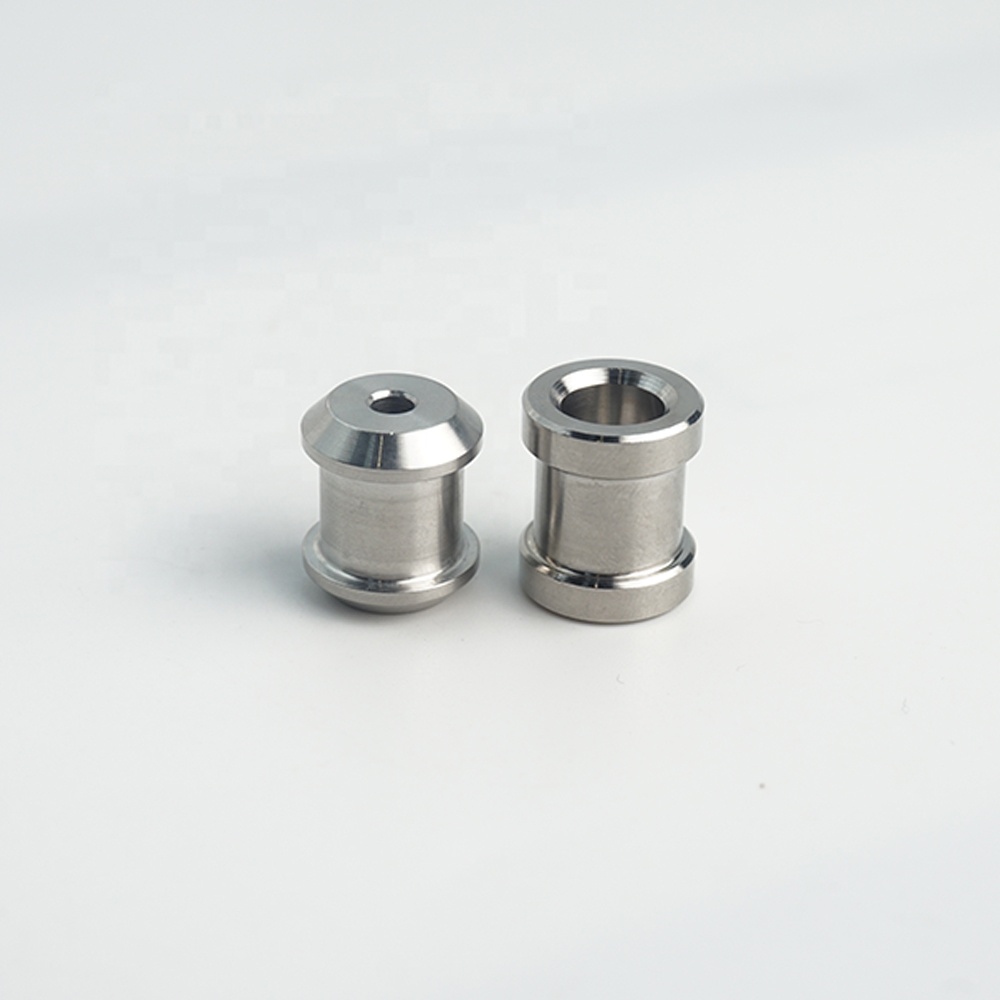
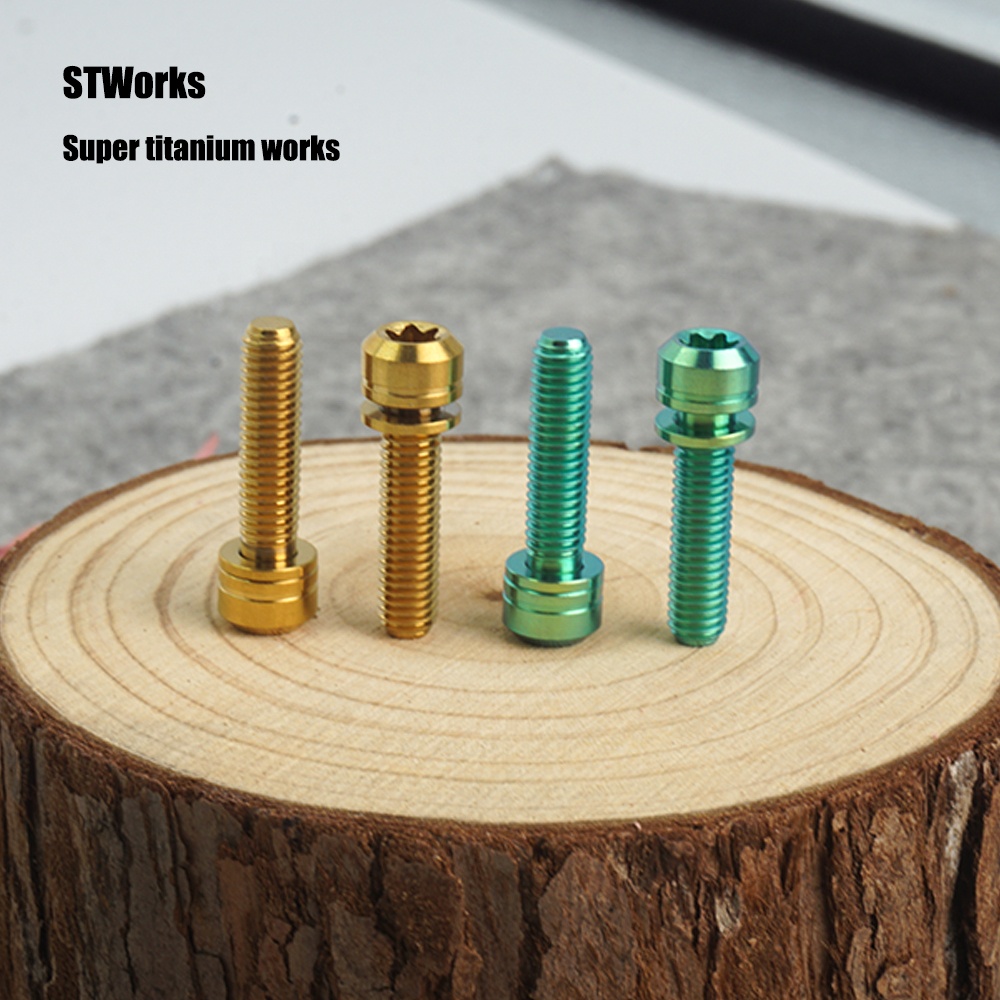
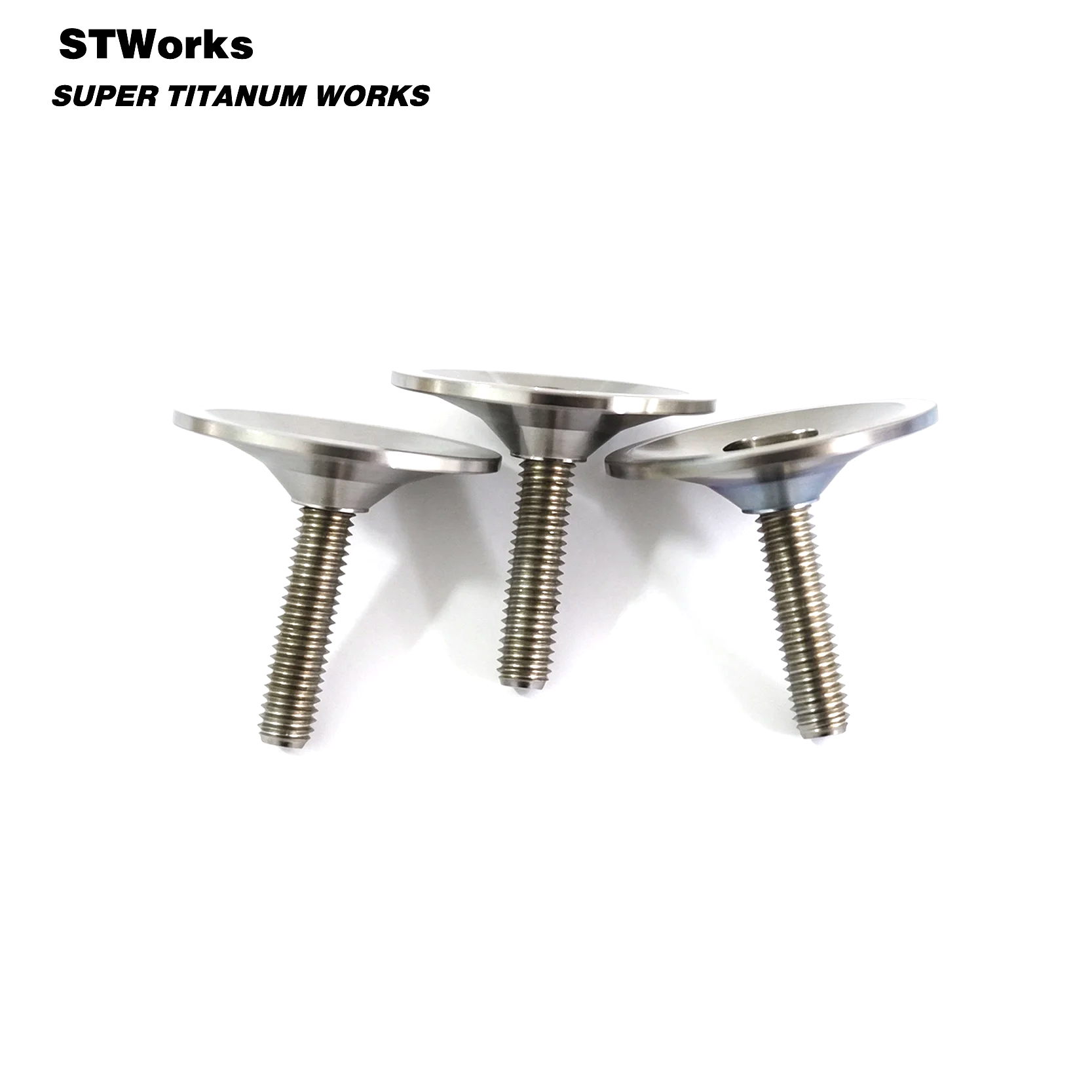
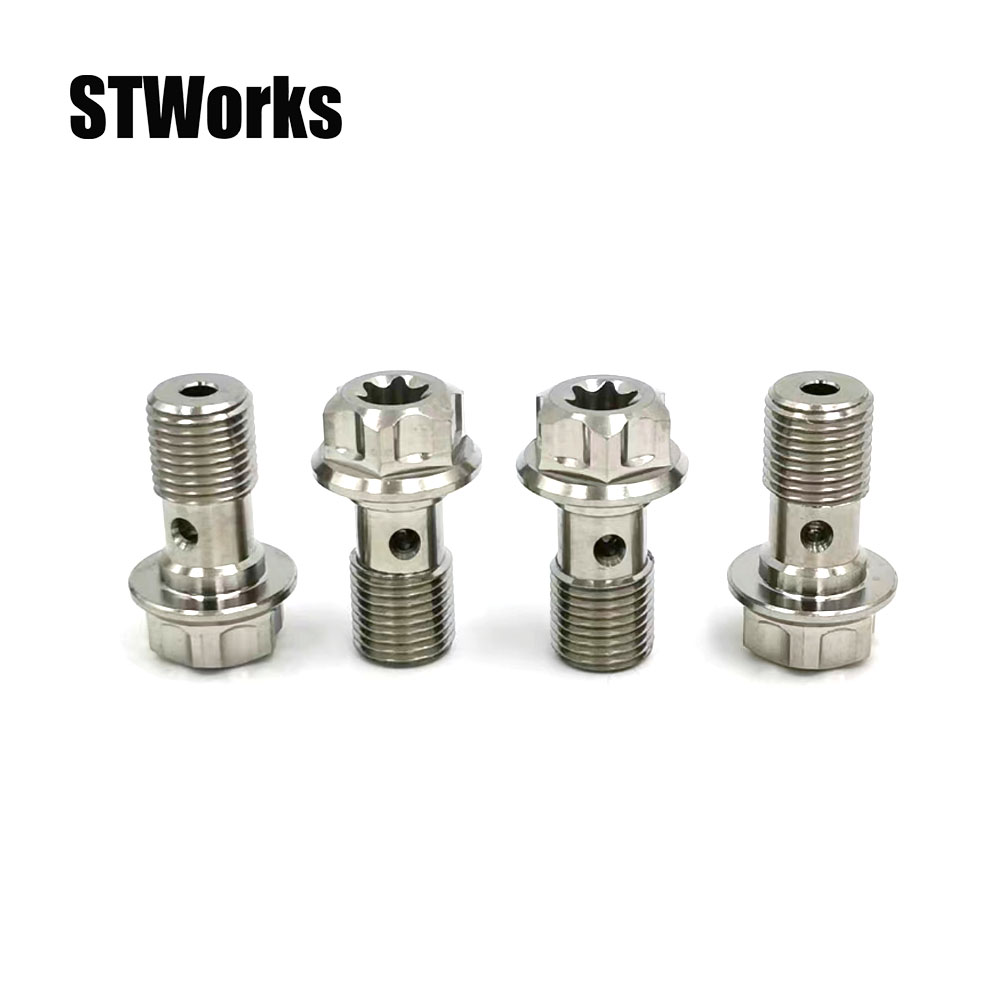
Architectural Anatomy: Titanium Prevailing Torque & Self-Locking Hex Nuts
In dynamic subsea operations and critical aerospace-grade maritime assemblies across Central Norway, conventional mechanical fasteners frequently encounter catastrophic clamp load decay induced by high-amplitude cyclic vibration, vortex-induced vibrations (VIV), and relentless thermal cycling. Titanium self-locking hex nuts represent the vanguard of locking integrity. Engineered primarily under the strict geometry of DIN 985 (non-metallic polyamide insert locknuts), DIN 982 (heavy-duty high collar nylon ring nuts), and DIN 980 / ISO 7042 (all-metal prevailing torque deformed thread nuts), these fasteners replace reliance on split washers or external thread-locking adhesives that degrade rapidly in cold, pressurized saline environments.
Manufactured from certified virgin Ti-6Al-4V Grade 5 (UNS R56400 / ASTM B348 / TC4) bar stock, our titanium self-locking nuts combine high-yield performance (≥ 828 MPa yield, ≥ 895 MPa ultimate tensile) with an exceptionally low density of 4.43 g/cm³. Compared to standard A4-80 (AISI 316L) stainless steel or Super Duplex 2507 fasteners, Grade 5 titanium offers an unmatched strength-to-weight ratio while rendering the fastener completely immune to pitting, crevice corrosion, and chloride-induced stress corrosion cracking (CSCC) at water depths exceeding 3,000 meters in the Norwegian Sea and Trondheimsfjorden.
| Mechanical & Corrosion Metric | Ti-6Al-4V (Grade 5 Titanium) | Gr2 Commercially Pure (CP) | Marine 316L (A4-80) Stainless | Super Duplex 2507 (UNS S32750) |
|---|---|---|---|---|
| Density (g/cm³) | 4.43 (44% Lighter than Steel) | 4.51 | 7.98 | 7.80 |
| Yield Strength Re (MPa) | 828 – 910 | 275 – 450 | 600 (Class 80) | 550 – 750 |
| Tensile Strength Rm (MPa) | 895 – 1050 | 345 – 520 | 800 | 750 – 1000 |
| Pitting Resistance (PREN) | ∞ (Native Rutile TiO2 Film) | ∞ (Total Passive Barrier) | 23 – 25 (Pitting Prone) | 42 – 45 (High Performance) |
| North Sea Crevice Immersion | Zero Degradation Over 30+ Years | Immune | Susceptible Under O-Rings | Stable Below 60°C |
| Prevailing Torque Retention | Exceeds DIN EN ISO 2320 Cycle 5 | Moderate (Forming focused) | Moderate to High Galling Risk | High Galling Risk Under Fast Spin |
For non-structural fluid sensor mounts, low-torque diagnostic instrumentation, and hypochlorite chemical dosing valves, our Baoji plant also produces Grade 2 Commercially Pure (CP) Titanium self-locking nuts. Grade 2 exhibits superior cold formability and provides absolute non-magnetic transparency, eliminating sensor signal distortion in electromagnetic subsea sonar systems utilized throughout Trondheim's research hubs.
Localized Application Scenarios Across Trondheim & Central Norway
Trondheim holds an internationally recognized status as the maritime, subsea, and technological capital of Norway. Housing the SINTEF Ocean hydrodynamic testing facilities, the NTNU Marine Technology Centre (Tyholt), and an extensive network of subsea robotics and aquaculture enterprises, Trondheim demands fasteners capable of withstanding extreme environmental forces:
Autonomous Subsea ROVs & AUVs
Trondheimsfjorden is Norway’s prime testbed for autonomous surface vessels and untethered subsea drones. Gr5 DIN 985 lock nuts secure thruster motor brackets, umbilical bulkheads, and acoustic altimeters where any fastener loosening at 600m depth entails total vehicle recovery and tens of thousands of Euros in vessel charter costs.
Exposed High-Energy Offshore Aquaculture
Off the coast of Trøndelag (e.g., Frohavet), advanced deep-sea fish pens experience severe wave impact and constant flexing. All-metal prevailing torque Gr5 lock nuts (DIN 980M) hold automated submerged feeding nodes, camera rings, and aeration grids without suffering fatigue fracture, bi-metallic corrosion, or chemical degradation from ozonated water washes.
Marine Electrification & Hybrid Ferries
With the rapid adoption of zero-emission electric passenger catamarans traversing the Fosen peninsula and Trondheimsfjord, cutting structural tare weight is paramount to maximizing battery range. Grade 5 titanium lock nuts reduce bolted assembly mass by 44% across powertrain housings, busbars, and carbon-composite brackets.
Trøndelag Regional Trends: The Paradigm Shift Toward Titanium Fastening
The procurement trends documented among Trondheim engineering procurement teams from 2024 to 2030 reveal clear evolutionary drivers:
1. Subsea Lifecycle Cost (LCC) Optimization Over Initial Acquisition: In Norwegian offshore operations, diving and remote ROV intervention costs dominate operational expenditures (OPEX). While 316L stainless steel lock nuts exhibit lower upfront piece prices, crevice corrosion in micro-gaps beneath locknut faces often necessitates component swaps every 18 to 24 months. Specifying Velnora Grade 5 titanium lock nuts completely eliminates scheduled fastener replacement over 25+ year project design lifespans, delivering up to a 600% reduction in total life-cycle cost.
2. Extreme Arctic and Deep-Fjord Cryogenic Integrity: Unlike ferritic and duplex stainless steels, which experience ductile-to-brittle transitions at low temperatures, Ti-6Al-4V preserves excellent impact toughness and ductility down to -70°C and even cryogenic regimes (-196°C). As Trondheim-based marine operators expand exploration into the Barents Sea and High North Arctic waters, titanium prevailing-torque fasteners ensure zero risks of brittle head shearing under explosive wave slamming.
3. Integration with Carbon Fiber Reinforced Polymers (CFRP): Lightweight subsea drone fairings and high-speed vessel superstructure hulls built in Mid-Norway increasingly adopt CFRP. Steel and aluminum fasteners create acute galvanic couples against conductive carbon fibers in seawater, leading to rapid sacrificial destruction of the fastener. Titanium shares an almost identical electrochemical potential with graphite, completely neutralizing galvanic oxidation without requiring fragile barrier coatings.
Tribology, Galling Prevention & Torque Protocols for Norwegian Field Engineers
A frequent technical hurdle cited by assembly technicians in offshore yards across Central Norway is galling (micro-cold welding). Because titanium possesses a rapid self-healing oxide layer, clean bare threads subjected to high clamping pressure and high rotational speed can instantaneously tear and weld together. At Velnora, our manufacturing workflow addresses this through sophisticated tribological engineering:
Rolled Threads vs. Cut Threads: All Velnora titanium self-locking hex nuts are threaded using precision CNC tapping or thread cold-rolling techniques that work-harden the thread root and flank surfaces to Ra ≤ 0.4 μm. This continuous grain flow eliminates the microscopic micro-burrs responsible for initiating contact friction and binding.
Surface Treatment Options for Galling Immunity:
- Micro-Arc Oxidation (MAO) / Hard Anodizing: Transforms the surface into an ultra-hard titanium oxide ceramic barrier, increasing surface hardness past 600 HV.
- Physical Vapor Deposition (PVD): Application of super-hard TiCN (Titanium Carbonitride) or DLC (Diamond-Like Carbon) low-friction coatings with a friction coefficient (μ) as low as 0.12.
- Lubricant Compatibility: Standard field tightening in Norwegian shipyards requires the application of high-nickel or moly-disulfide (MoS2) anti-seize paste (such as Loctite LB 8009 or marine-approved copper-free pastes). Power tool run-downs must be kept below 150 RPM to avoid frictional heating prior to final calibrated torque wrench seating.
Factory Direct Excellence: Velnora Titanium Industry (Baoji, China)
Established in 2013 in the heart of Baoji—China's world-famous Titanium Valley—Velnora Titanium Industry Co., Ltd. is a dedicated manufacturer and exporter of standard and custom titanium fasteners, multi-axis CNC parts, and special alloy assemblies. Serving leading distributors, OEMs, and oceanographic research projects across Europe, North America, and the Nordic countries, our specialized industrial footprint delivers:
Complete 3.1 Traceability
Every production batch is delivered with comprehensive EN 10204 3.1 Mill Test Certificates detailing optical emission spectrometry (OES) chemical analysis, tensile testing, elongation, and raw billet ingot lot tracking.
Live Production Visuals
We believe in total transparency. Our CNC operators provide real-time photos, coordinate measuring machine (CMM) dimensional data, and high-resolution machining video updates prior to export dispatch.
Direct Trøndelag Logistics
Rapid dispatch pathways via DHL/FedEx Express directly clearing through Oslo Gardermoen or Trondheim Airport Værnes (TRD), ensuring lead times as short as 4–7 business days for urgently needed test components.
Frequently Asked Questions: Trondheim Procurement & Engineering Teams
Why choose Ti-6Al-4V Grade 5 self-locking nuts over Super Duplex 2507 for subsea equipment in Trondheimsfjorden?
What is the working temperature threshold of DIN 985 nylon inserts vs DIN 980 all-metal nuts in cold climates?
How can engineers in Trøndelag prevent thread galling during rapid offshore assembly?
Which thread standards and manufacturing tolerances can Velnora provide?
Can you supply customized locking hex nuts according to custom client CAD drawings?
What documentation is supplied for Norwegian customs clearance and import compliance?
Accelerate Your Fastening Engineering for Trondheim
Whether you need a pilot batch of custom Gr5 titanium prevailing-torque nuts for an offshore prototype or regular ISO standard supply containers for marine equipment production, our engineering team is ready to analyze your drawings within 4 hours.