Cycle Upgrade
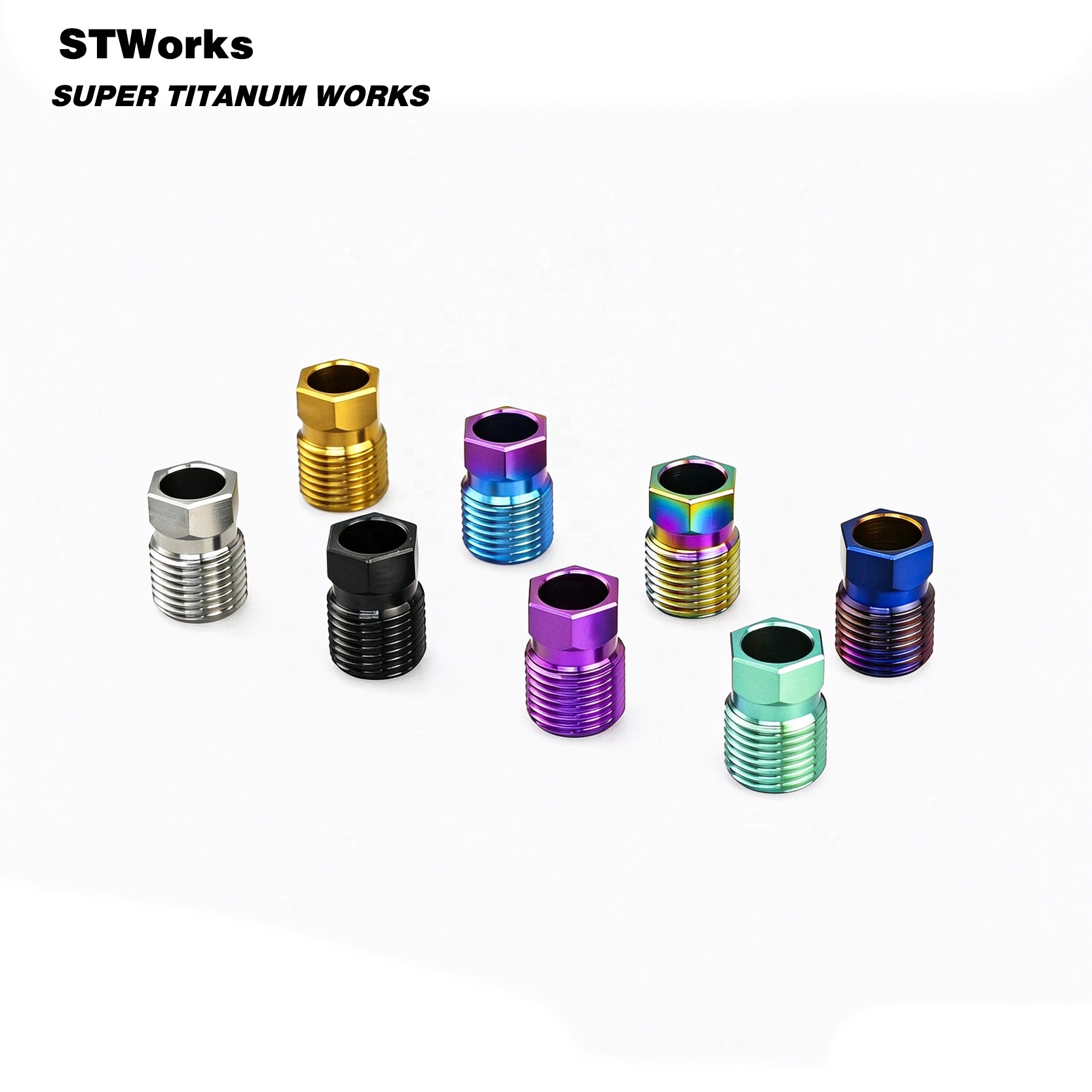
Manufactured under strict ISO9001 and aerospace standards to sustain mechanical integrity across extreme sub-arctic mining climates.
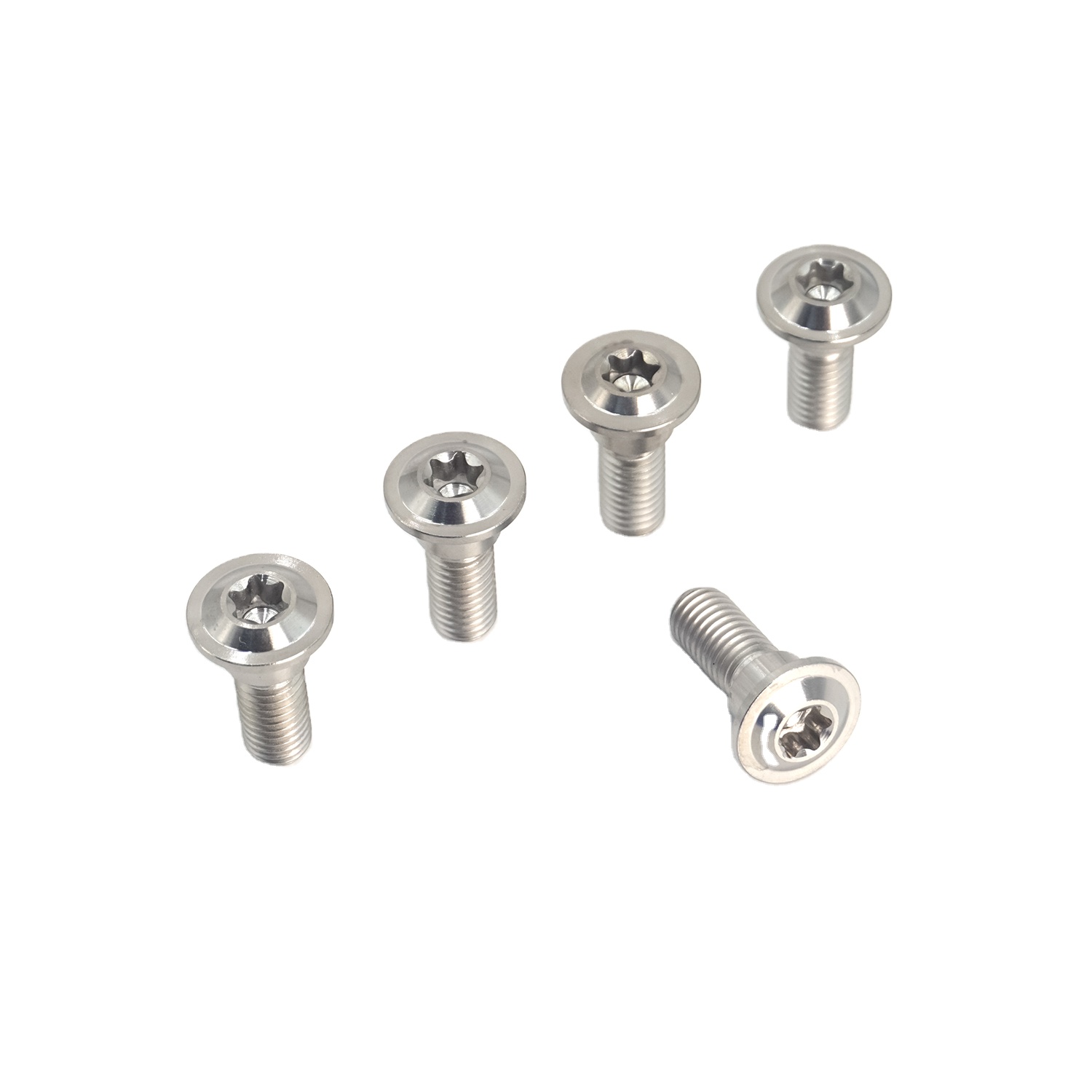
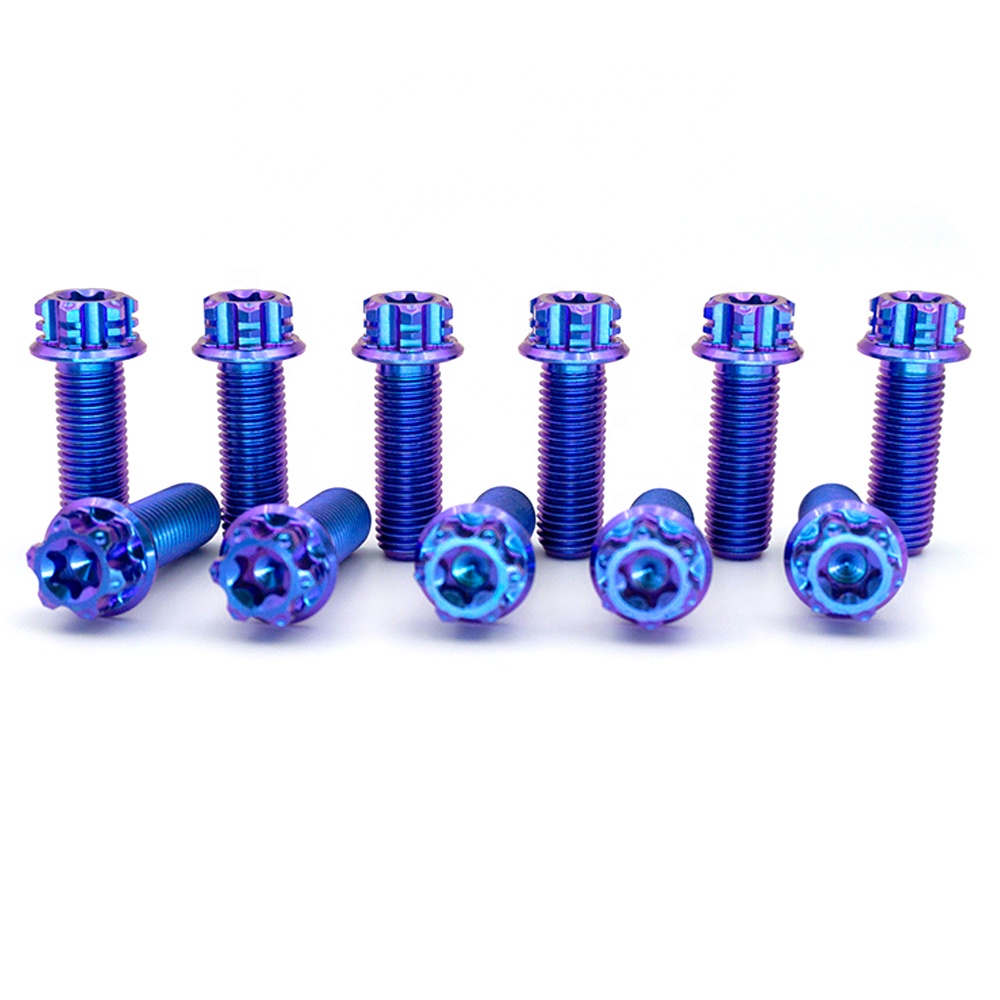
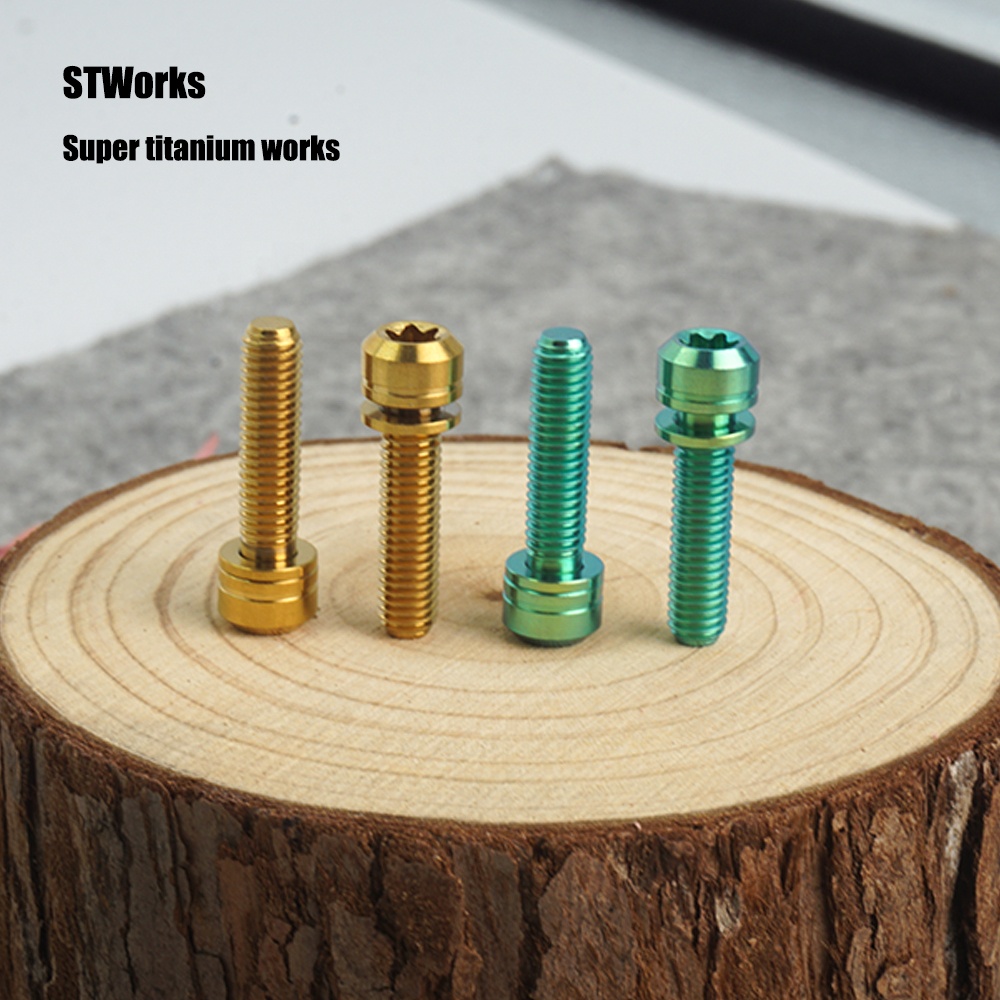
Across the high steppes of Ulaanbaatar, the Southern Gobi Basin, and massive mining operations like Oyu Tolgoi and Tavan Tolgoi, standard carbon steel tools fail under severe cryogenic conditions.
Mongolian winters routinely plunge below -40°C. Standard structural steels (AISI 1045, 4140) drop below their Ductile-to-Brittle Transition Temperature (DBTT), leading to catastrophic shattering during high-load mechanical prying.
Grade 5 (Ti-6Al-4V) titanium exhibits an alpha-beta crystal lattice structure that completely eliminates traditional DBTT failure modes, retaining superior charpy v-notch impact toughness and high elastic recovery down to cryogenic temperatures.
Coal processing installations and subterranean galleries across the Tavan Tolgoi formation demand intrinsic explosive-atmosphere safety. Traditional carbon steel striking and wedging introduces severe methane combustion risks.
Our Grade 5 titanium levers feature virtually non-ferrous compositions (<0.25% Fe balance), drastically eliminating frictional incendiary sparking while providing 895+ MPa tensile strength, easily surpassing weaker beryllium copper or aluminum bronze alternatives.
Field repair technicians servicing mobile hydraulic shovels, SAG mill liners, and track assemblies frequently traverse rough terrain with manual utility packs. Equipment weight is directly tied to technician safety and fatigue-related injuries.
With a calibrated density of 4.43 g/cm³, titanium tools eliminate roughly 44% of mass relative to alloy steel equivalents without surrendering flexural stiffness or yield strength during critical breakout operations.
A rigorous evaluation of engineering alloys utilized in sub-zero industrial leverage, breakout wedges, and precision alignment applications.
| Performance Metric | Ti-6Al-4V Grade 5 (Velnora) | AISI 4140 Quenched Alloy Steel | Beryllium Copper (CuBe2) | 7075-T6 Aerospace Aluminum |
|---|---|---|---|---|
| Density (g/cm³) | 4.43 (Optimized) | 7.85 (Excessive) | 8.25 (Very Heavy) | 2.81 (Ultra Light) |
| Yield Strength (MPa) | 830 – 880 | 650 – 850 | 700 – 800 | 505 |
| Tensile Strength (MPa) | 895 – 1000 | 900 – 1050 | 780 – 960 | 570 |
| Charpy Toughness at -40°C | Maintains >35 J | Catastrophic Drop (<10 J) | Maintains (Soft Base) | Low Toughness / Notch Sensitive |
| Spark Resistance (ATEX Zone) | Certified Low-Spark Risk | Severe Spark Danger | Non-Sparking | Frictional Spark Risk |
| Corrosion in Saline Dust/Mud | Immune (Passive TiO₂ Film) | Rapid Surface Oxidation | Moderate Tarnishing | Severe Pitting Vulnerability |
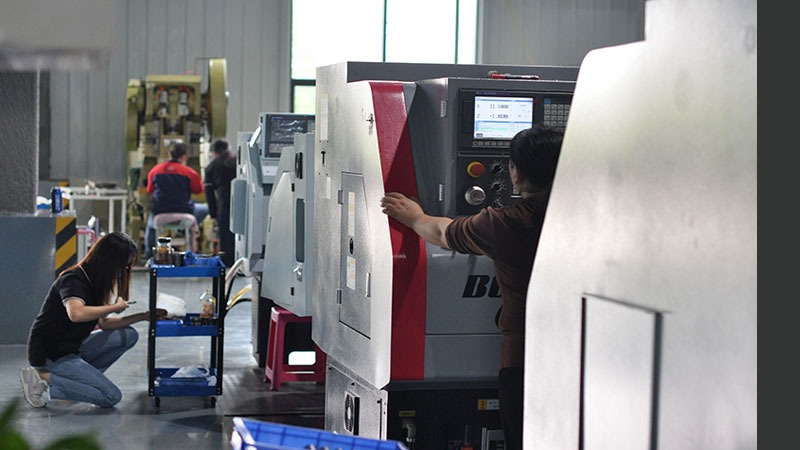
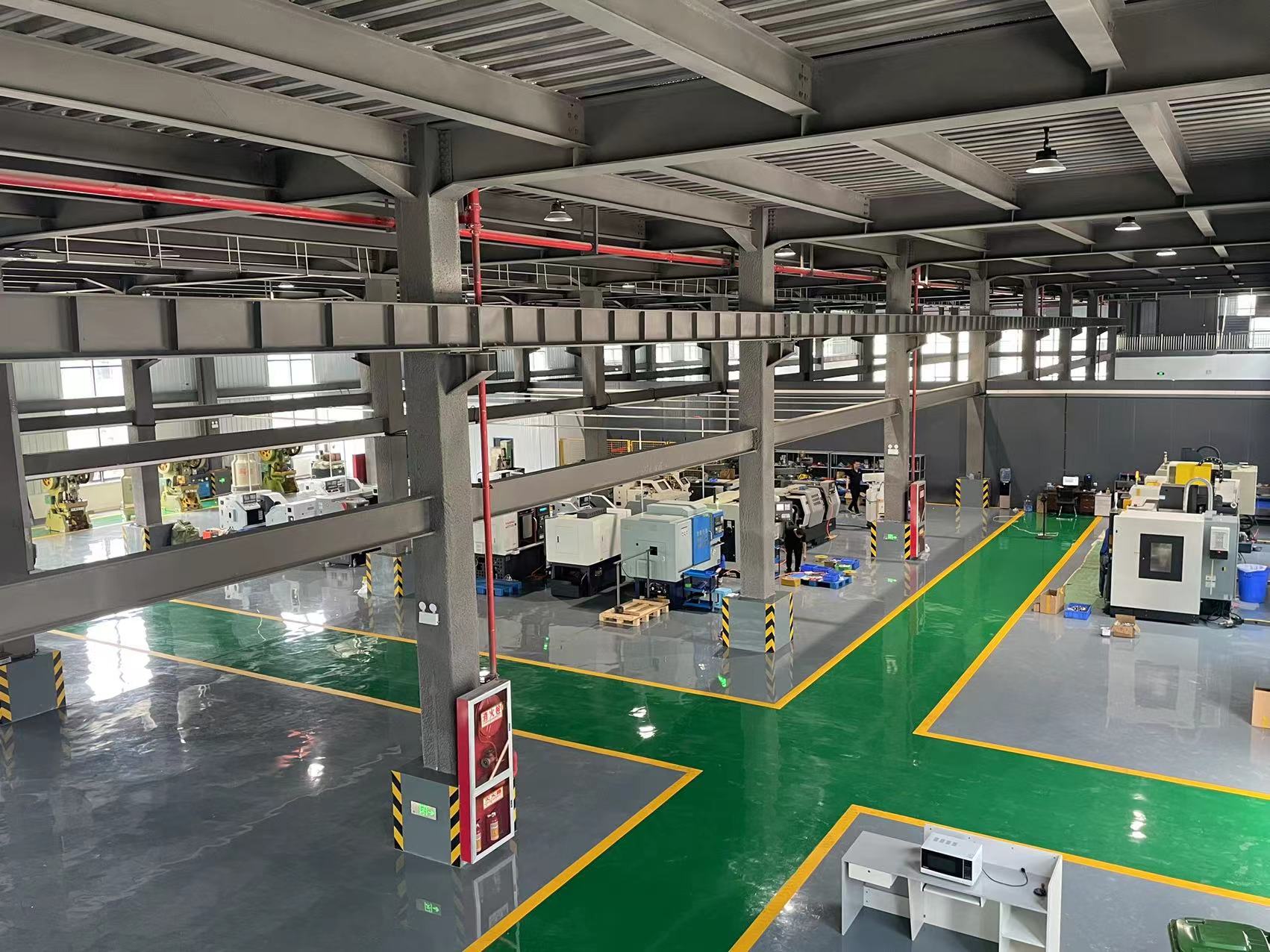
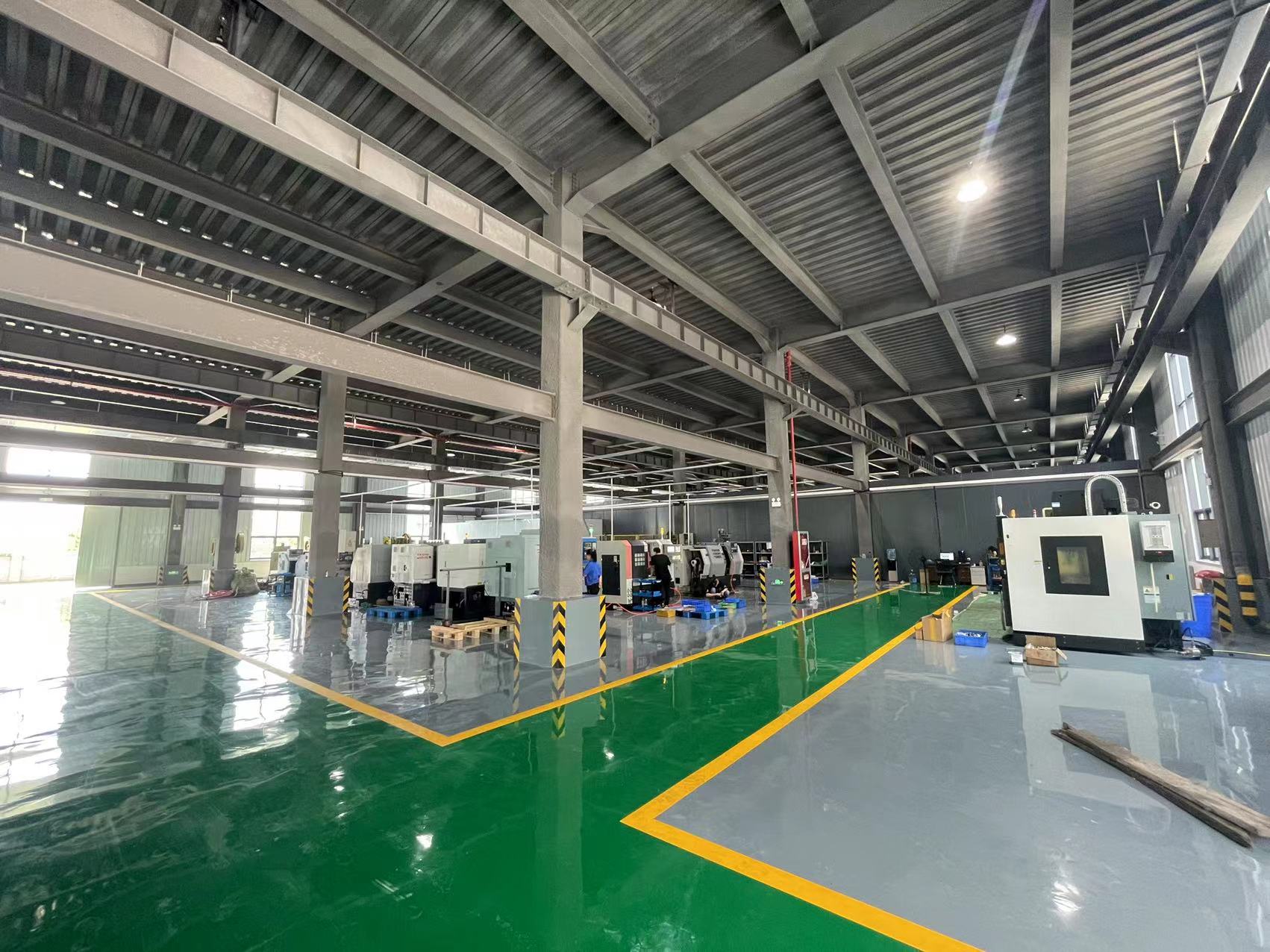
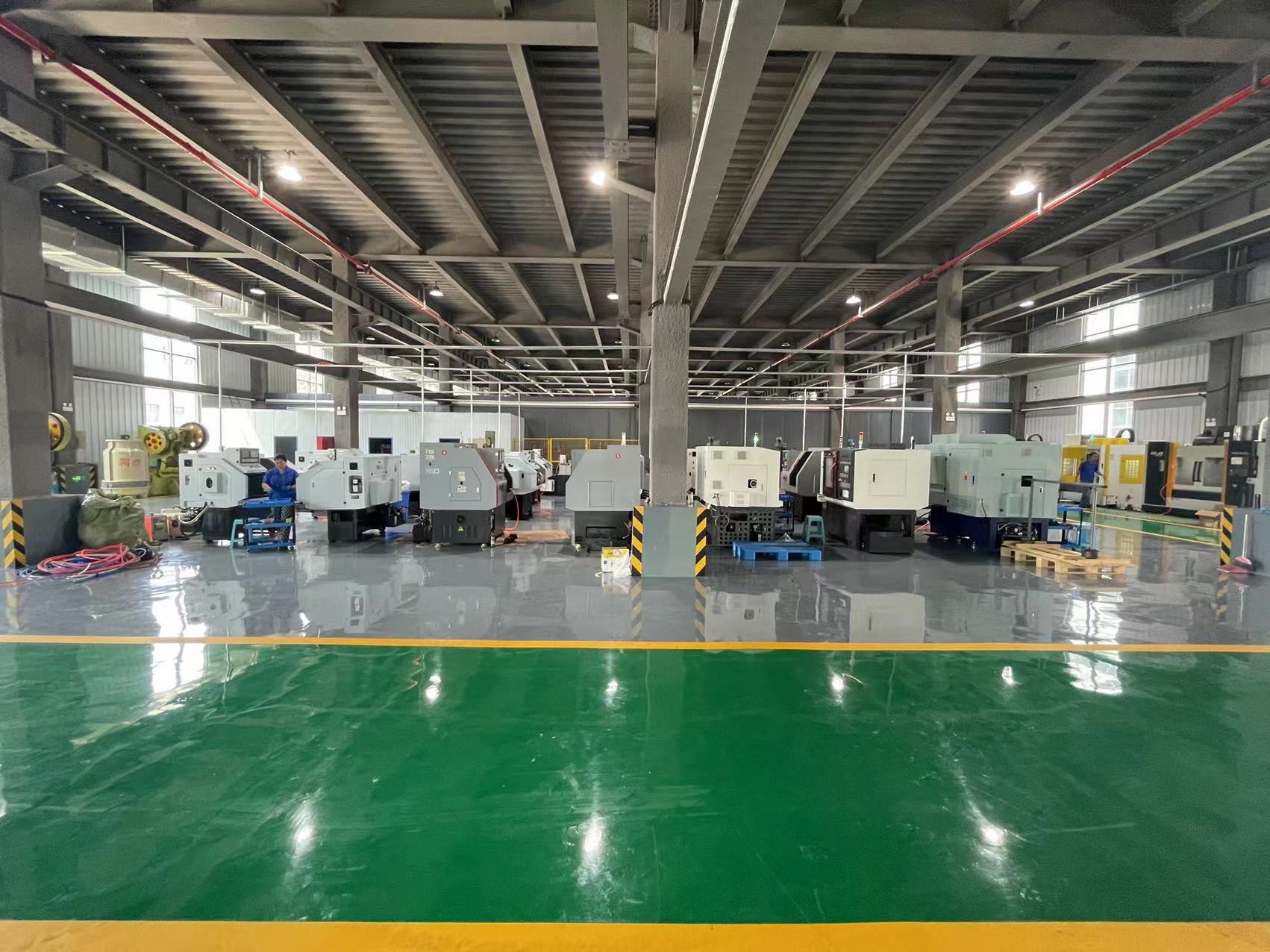
Velnora Titanium Industry Co., Ltd. integrates full-cycle precision CNC manufacturing, strict ultrasonic raw stock validation, and direct OEM fabrication since 2013.
Located in Baoji, Shaanxi, China's definitive titanium manufacturing epicenter, Velnora controls raw sponge metallurgy, wire EDM cutting, multi-axis CNC profiling, and surface functionalization in-house. Our technicians work directly from STEP, IGES, and PDF technical blue-prints to satisfy DIN, ANSI, JIS, and customized tolerance profiles.
To eliminate quality uncertainty across international borders, our team supplies unedited high-definition video walkthroughs and dimensional inspection recordings for every production run prior to export release.
Engineered to resolve real maintenance bottlenecks where traditional tools fail, bend, or present catastrophic hazards.
Super-class mining excavators (Komatsu, Liebherr, CAT) require precise wedge leverage during heavy track plate servicing, bucket tooth pin replacement, and final drive gear inspections under severe dust contamination.
Ulaanbaatar's critical Combined Heat and Power (CHP) plants face severe thermal scaling. Non-magnetic, non-reactive titanium pry tools remove turbine shroud seals and high-pressure steam flanged gaskets safely.
Ulaanbaatar Railway (UBTZ) locomotives and bulk mineral wagons moving through the Trans-Mongolian transit line utilize custom forged titanium pinch bars for sub-zero bogie alignment and suspension pivot service.
Field survey teams in northwestern mountain belts rely on multi-functional Grade 5 pry crowbars that fit inside pack equipment, delivering rock splitting strength without burdening geological survey gear weight limits.
Three commercial driving factors reshaping heavy enterprise tool selection across the Mongolian mining corridor.
Tier-1 conglomerates are modernizing occupational health protocols, restricting the manual lifting weights allowed for field mechanics. Replacing 12 kg forged steel wrecking bars with 6.5 kg titanium levers enables compliance with strict repetitive-strain injury regulations while preserving structural load margins.
Direct logistical corridors connecting Erenhot / Zamyn-Uud directly to our manufacturing hub in Baoji enable rapid ground freight shipping. Mongolian procurement teams bypass extended maritime shipping routes, receiving customized CNC tools in days rather than waiting quarters.
While titanium commands higher initial acquisition costs than low-carbon steel, its lifetime cost-benefit is dramatic in abrasive, acidic, and sub-zero mine environments. Titanium pry bars do not rust, split, shatter, or require re-forging, yielding an estimated 3.8x service life advantage in continuous operations.
Comprehensive technical and commercial responses addressing metallurgical capability, logistics, and testing.
Commercially pure titanium (Grade 1 or Grade 2) offers exceptional corrosion performance but possesses modest yield strength (~275 to 345 MPa), which causes premature plastic bending under high leverage forces. Grade 5 (Ti-6Al-4V) is an alpha-beta alloy heat-treated to achieve a minimum yield strength of 830 MPa and tensile strength surpassing 895 MPa. This structural configuration provides the high springback elasticity and structural deflection resistance demanded by industrial prying tools.
Unlike carbon and low-alloy steels that undergo severe ductile-to-brittle transition (DBTT) below 0°C, Grade 5 titanium does not experience sudden cryogenic embrittlement. In fact, as temperatures drop to -40°C or even -196°C, titanium alloys exhibit a modest increase in tensile and yield strength while retaining sufficient fracture toughness, preventing the catastrophic fractures that occur when steel tools are struck with sledgehammers in sub-zero mining sites.
Yes. As a direct Baoji manufacturer with extensive 4-axis and 5-axis CNC machining, wire EDM profiling, and precision die forging equipment, we engineer pry bars exactly to customer CAD models (STEP, IGES, DXF) or industrial hand sketches. We can incorporate custom wedge angles, fulcrum steps, hexagonal body sections for hand torque grip, integrated rigging eyelets, and laser-etched metric graduation scales.
Standard prototype and evaluation samples are normally dispatched within 7 to 12 working days. Production volumes generally require 15 to 25 days depending on profile complexity and surface finishing. Freight routing from our Baoji facility operates smoothly via direct rail-truck freight through the Erenhot / Zamyn-Uud customs border corridor straight into Ulaanbaatar, or by express air courier (DHL, FedEx) with typical delivery times of 4 to 7 business days.
Every commercial consignment includes comprehensive EN 10204 3.1 Mill Test Certificates (MTC) detailing complete chemical spectrometry analysis (Ti balance, Al, V, Fe, C, N, H, O content) and physical mechanical tests (tensile, yield, elongation). Furthermore, we supply third-party CMM dimensional inspection protocols, ultrasonic subsurface flaw reports, and verified CNC production photos and video documentation before packaging release.
Connect directly with Velnora's engineering team in Baoji. We evaluate STEP / CAD designs, provide rapid quotes within 4 business hours, and supply custom forged titanium pry bar solutions tailored for Mongolia's heavy industrial challenges.