Motorsport
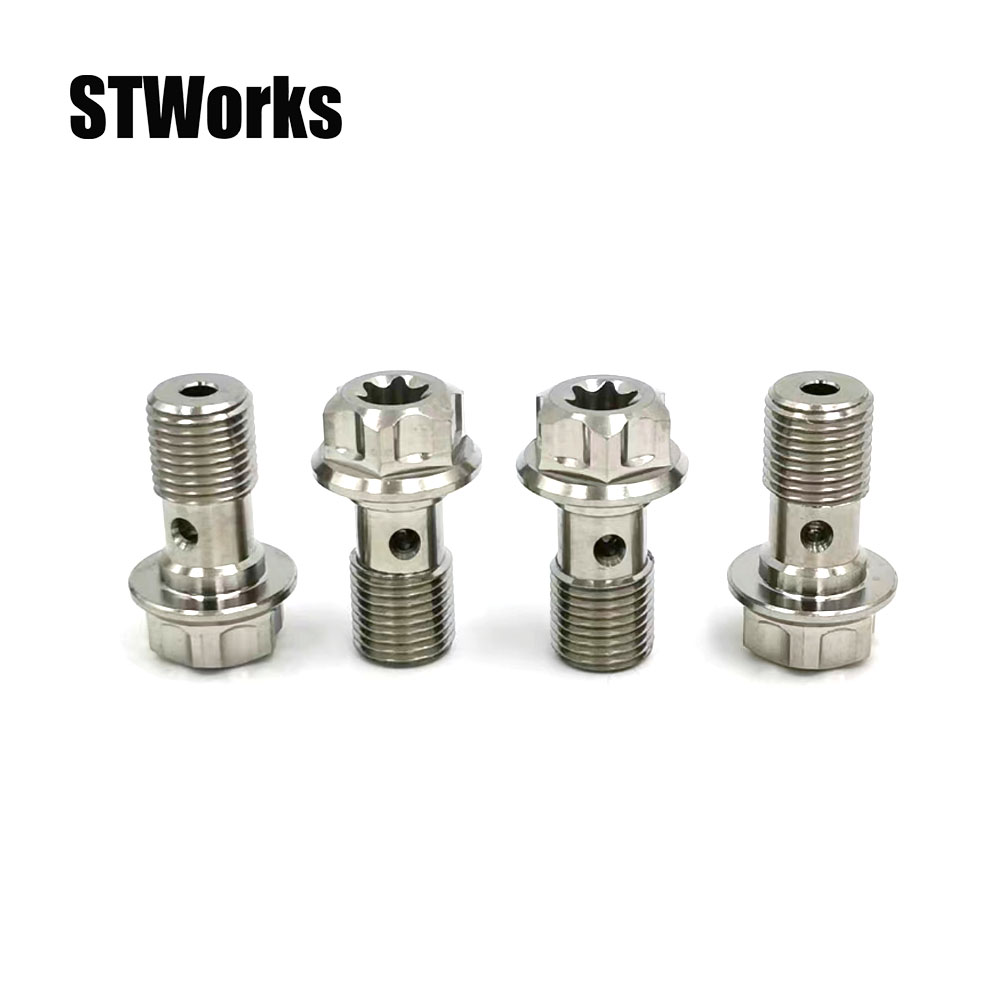
Engineered to DIN, ISO, and JIS tolerances from vacuum-melted Ti-6Al-4V bar stock. Explore our primary OEM fasteners, engine components, and lightweight studs trusted by Osaka motorsport engine builders.
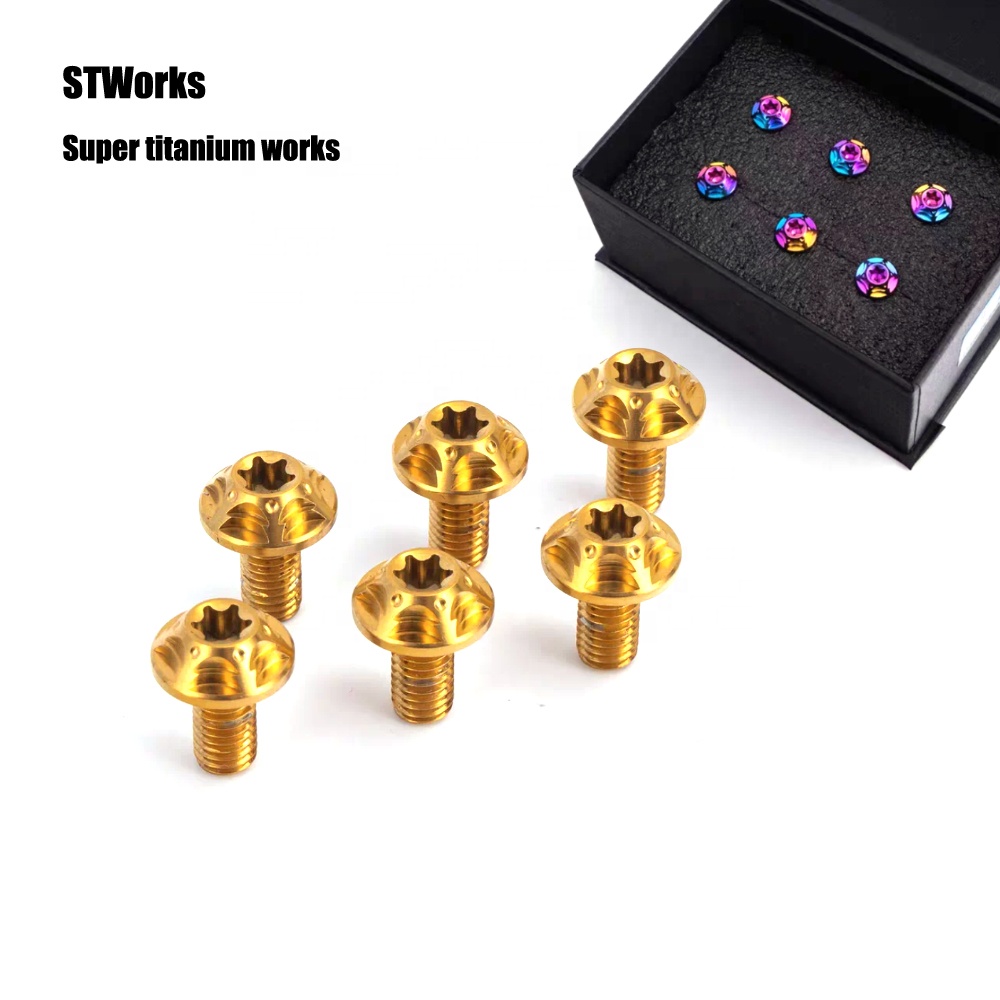
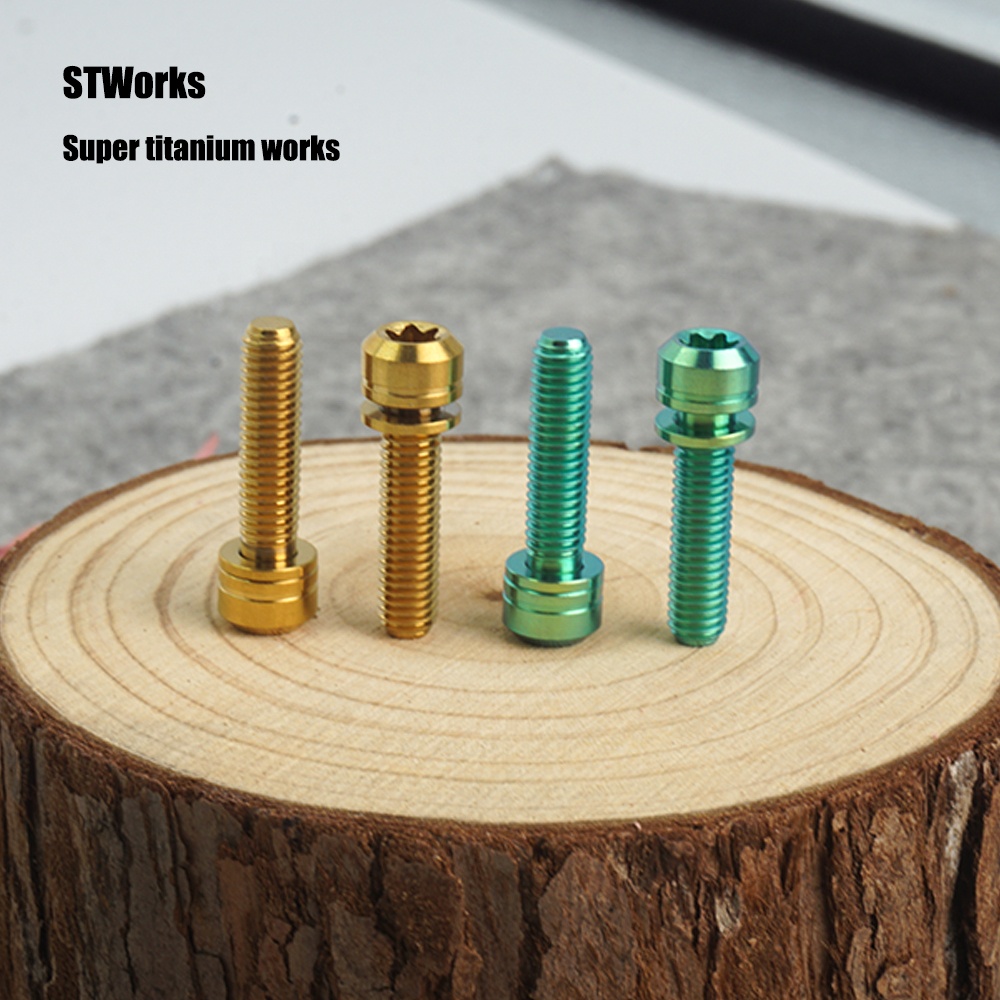
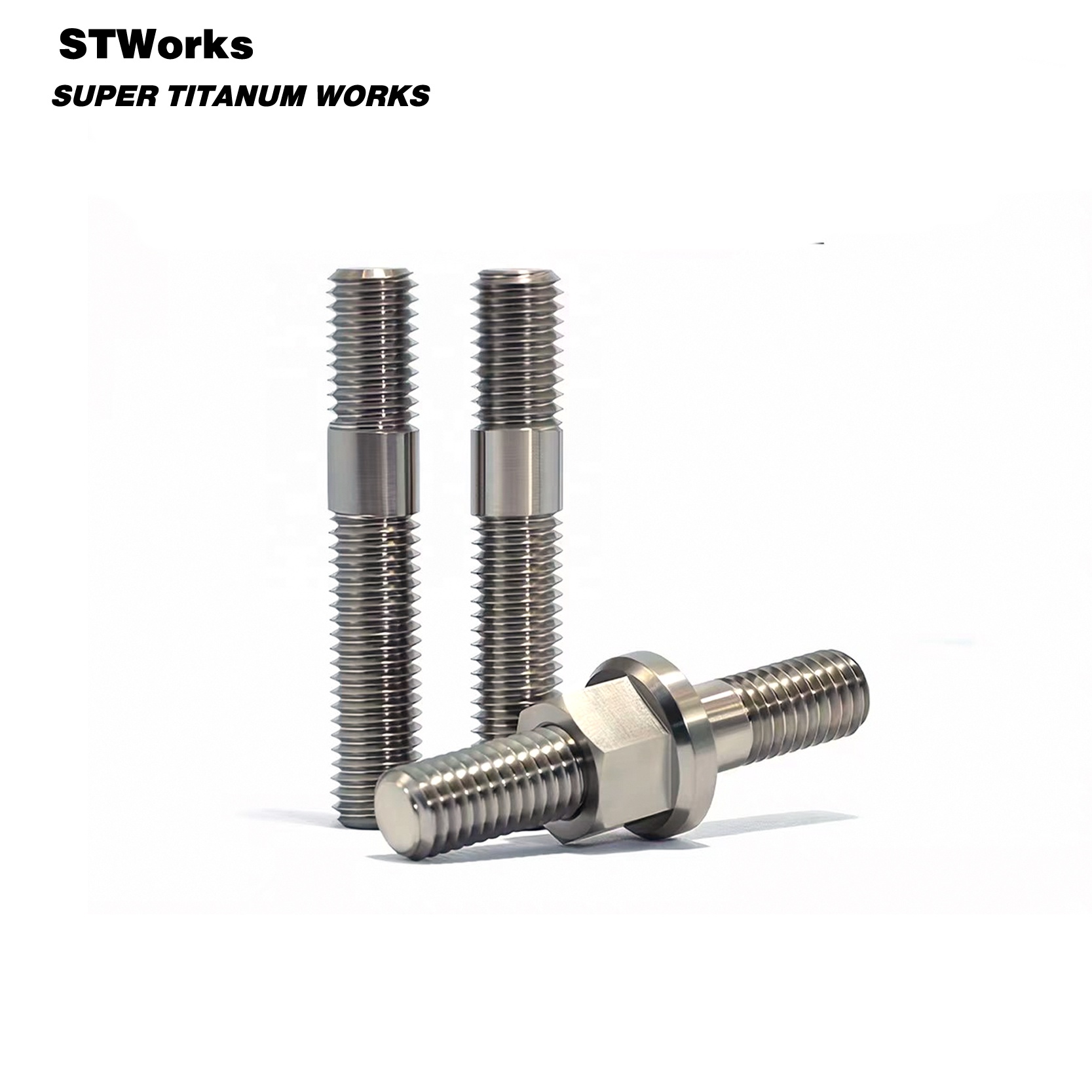
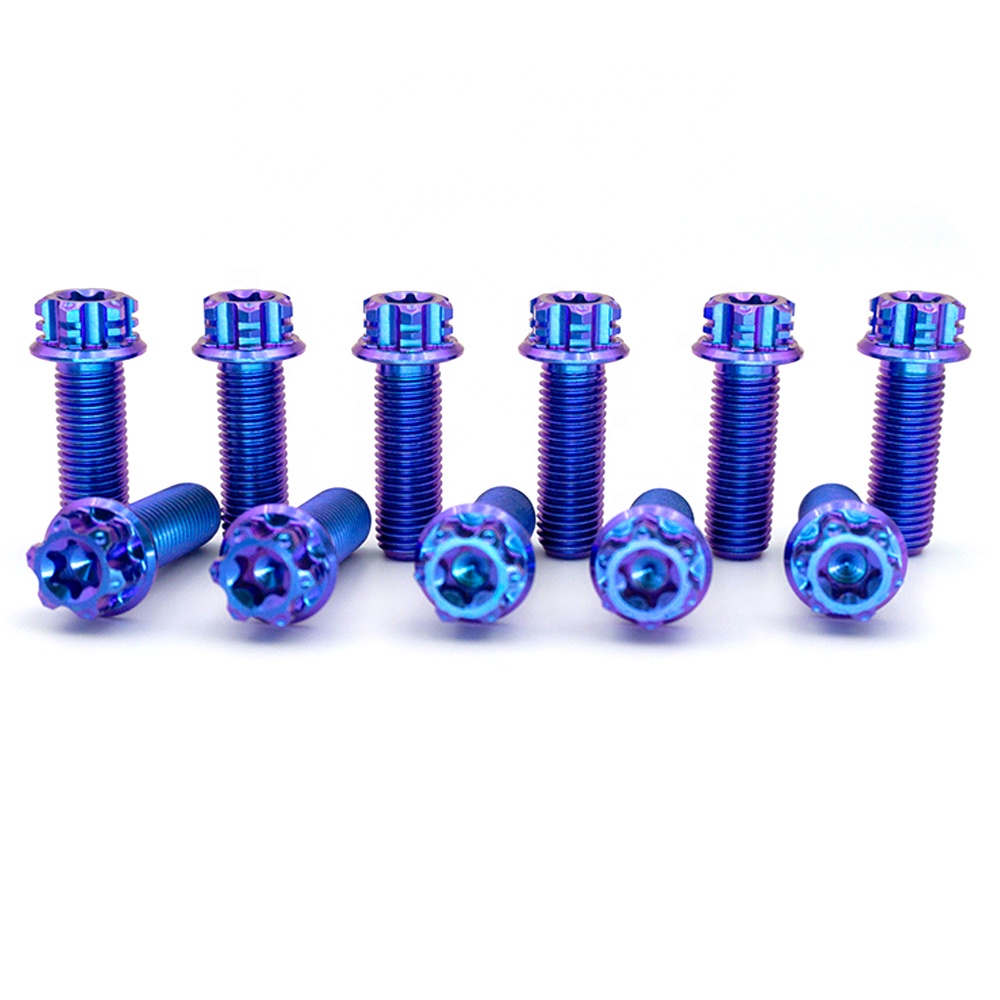
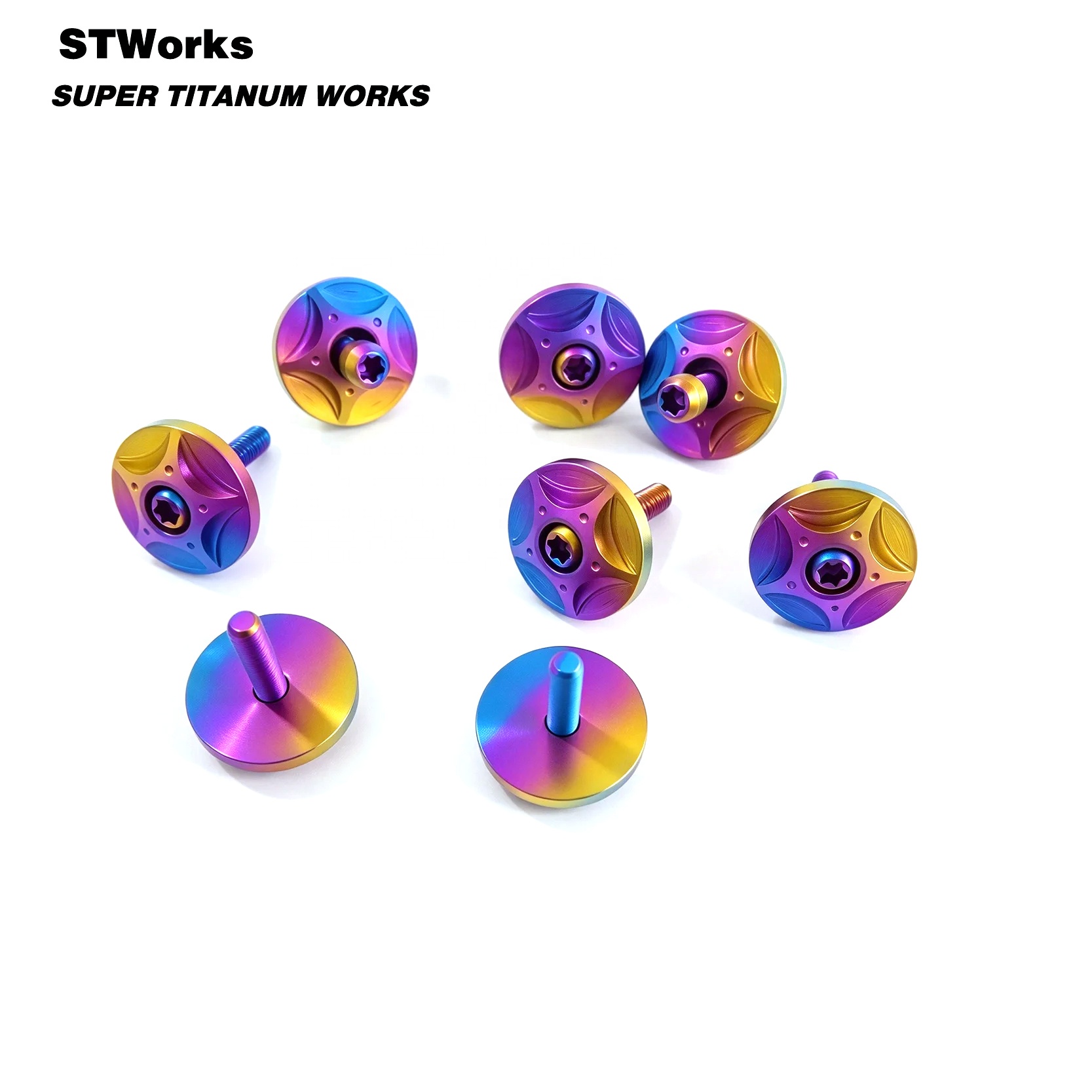
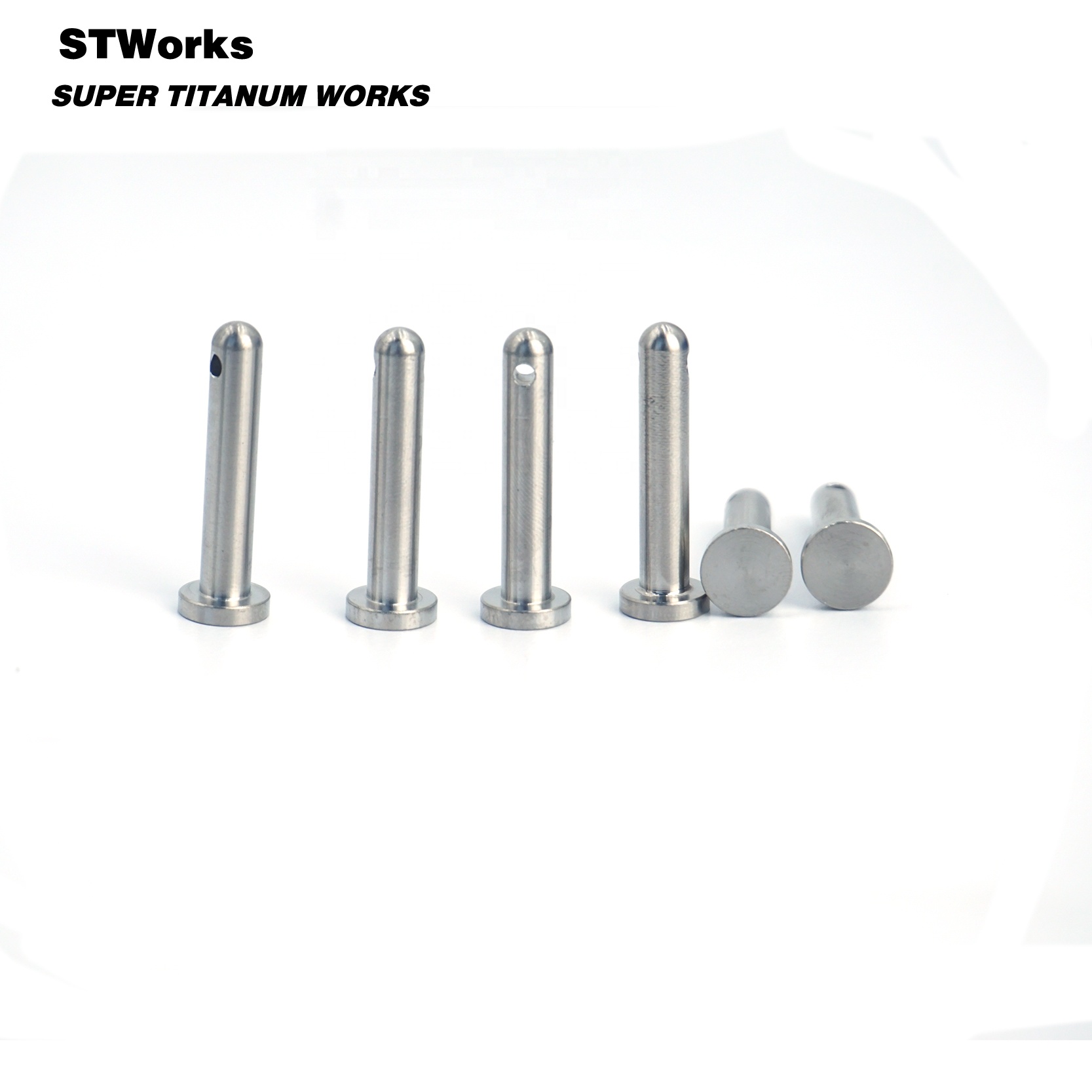
In high-boost, forced-induction powertrains common across Osaka's motorsport corridors—from professional tuning garages in Sakai to performance workshops around the Hanshin expressway network—the cylinder head stud is the paramount barrier against catastrophic combustion blow-by. As cylinder pressures escalate in tuned platforms such as Toyota 2JZ, Nissan VR38DETT, and turbocharged Honda K-series conversions, standard fasteners frequently succumb to fatigue yielding, thermal embrittlement, or uneven thermal expansion lift. Our precision Baoji-manufactured Grade 5 (Ti-6Al-4V, TC4) Titanium Cylinder Head Studs deliver an unyielding clamping matrix, reconciling high tensile loading with lightweight rotating dynamics.
Unlike ordinary commercial fasteners cut via subtractive single-point thread turning—which interrupts the metal’s continuous longitudinal grain flow—our factory implements cold thread rolling under high hydraulic pressure post-solution heat treatment. This manufacturing standard increases fatigue resistance at the thread root by up to 300% through compressive residual surface stress, eliminating stress riser concentrations where cyclic micro-fractures traditionally nucleate under high Brake Mean Effective Pressure (BMEP).
| Mechanical / Physical Property | Velnora Gr5 Ti-6Al-4V Head Stud | Chromoly Steel (AISI 8740) | Tool Steel (H11 / Aged) | Impact on Osaka Tuning Applications |
|---|---|---|---|---|
| Density (ρ) | 4.43 g/cm³ | 7.85 g/cm³ | 7.80 g/cm³ | 43.5% engine top-end static weight reduction |
| Tensile Strength (σb) | 950 - 1050 MPa | 1250 - 1380 MPa | 1500 - 1750 MPa | High clamping capability matched to aluminum blocks |
| Yield Strength (σ0.2) | 880 - 920 MPa | 1100 - 1200 MPa | 1350 - 1450 MPa | Zero plastic elongation under sustained high cylinder PSI |
| Coefficient of Thermal Expansion (α) | 8.6 × 10⁻⁶ / K | 12.2 × 10⁻⁶ / K | 11.9 × 10⁻⁶ / K | Harmonized thermal dilation with billet aluminum heads |
| Young's Modulus (E) | 110 - 114 GPa | 205 - 210 GPa | 210 GPa | Greater elastic resilience; absorbs combustion shockwaves |
| Corrosion & Galling Shield | Vacuum Nitride / PVD Coated | Black Oxide (Prone to Rust) | Phosphate (Requires Oil Film) | Immunity to acidic blow-by and marine coastal moisture |
From an engine-block thermal compliance perspective, the lower elastic modulus of Grade 5 titanium provides a unique functional asset often overlooked by conventional engine assemblers: the elastic strain elongation buffer. When aluminum engine blocks and cylinder heads undergo intense heat cycling on Kansai racing circuits, their thermal expansion rate exceeds that of traditional chromoly studs, exerting destructive localized compressive crushing on head gaskets. Grade 5 titanium studs flex elastically with block expansion without approaching their plastic threshold, preserving consistent head gasket pinch without crushing fire rings.
Directing precision metallurgy from Baoji's Titanium Valley to the rigorous production floors, racing paddocks, and specialized ports of Osaka Prefecture.
Engineered for high-RPM Japanese domestic market (JDM) rebuilds operating out of tuning workshops in Sakai and Higashiosaka. Our head studs survive extreme cylinder head lift forces under 2.5+ bar boost environments, preventing coolant leaks and cylinder block warping during high-speed runs on Central Circuit and Suzuka endurance sessions.
Operating near the Port of Osaka and Izumisano exposed structures introduces aggressive chloride and saltwater spray. Our titanium studs display pristine immunity to pitting corrosion and galvanic failure, serving luxury coastal tenders, supercharged jet-skis, and high-velocity marine powertrains where stainless steel hardware fails in shear stress.
Higashiosaka is world-renowned for its dense network of small-to-midsize industrial tooling and robotic specialists. Our custom M5-M24 Grade 5 fasteners, titanium dowel pins, and CNC milled hardware support specialized automated machinery requiring non-magnetic assembly and unmatched strength-to-weight metrics.
The industrial fastener landscape in the Kansai region is undergoing an unprecedented structural transition. Historically reliant on traditional high-strength carbon steels (SCM435/SCM440), Osaka’s advanced engineering sectors are progressively migrating toward non-ferrous, ultra-performance metallurgy. Several fundamental vectors drive this transformation:
1. Decarbonization and Inertial Mass Reduction in Performance Fleets: The aggressive mandate across Japanese racing regulations and road-going homologation to strip unnecessary curb mass has forced mechanical engineers to scrutinize every fastener. Grade 5 titanium offers an immediate 44% reduction in hardware mass compared with equal-dimensioned steel fasteners. Across an entire performance engine block, substituting head studs, main studs, exhaust bolts, and wheel studs shaves critical kilograms of high-center-of-gravity mass, lowering the engine's center of roll and enhancing cornering agility.
2. Adoption of JIS B 1057 Standards & Quality Control Traceability: Osaka manufacturing procurement departments maintain some of the most rigorous incoming inspection benchmarks in global commerce. Fastener importers demand full material trace certificates conforming strictly to JIS B 1057 (mechanical properties for non-ferrous fasteners) alongside vacuum emission optical spectrometry verification. Velnora Titanium satisfies this trend by supplying batch-specific mill test reports (MTR), tracking raw sponge titanium from certified Baoji suppliers through to finalized rolled thread execution.
3. Advanced Surface Treatments vs. Fretting Corrosion: Because bare titanium-on-titanium or titanium-on-aluminum interfaces can risk galling during high-torque dry assembly, the Osaka tuning market now predominantly specifies Physical Vapor Deposition (PVD) titanium nitride (TiN) or Diamond-Like Carbon (DLC) low-friction coatings. Our factory's automated PVD coating chambers allow Osaka procurement teams to specify micro-thin, super-hard friction coatings that ensure repeatable torque-to-tension calibration without galling.
Headquartered in Baoji—China's recognized Titanium Valley—we supply global precision markets with transparent, video-verified, and certified hardware.
Direct supply from China's premier titanium industrial cluster since 2013, ensuring pristine Grade 5 (Ti-6Al-4V) ingots with full material traceability and competitive factory-direct pricing for Japanese distributors.
We take transparency further by recording and publishing production videos for our parts (over 938 videos recorded), sharing live progress footage with Osaka clients prior to dispatch.
Our workshop seamlessly machines parts conforming to DIN, ANSI, ISO metric, and specifically Japanese Industrial Standards (JIS), processing drawings from CAD, STEP, and IGES formats.
Average response times under 4 hours with a 95.7% reply rate. Direct air-cargo routing to Kansai International Airport (KIX) ensures rapid customs clearance and swift workshop delivery.
Detailed answers covering thread rolling, torque engineering, customs clearances, and anti-galling lubrication.
Whether you need custom cylinder head stud blueprints reviewed for a limited-run Japanese racing project, or seek a reliable high-volume factory supply line for Osaka distributions, our specialists provide quotation reviews and metallurgical analysis within 4 hours.
Contact Us