High Flush
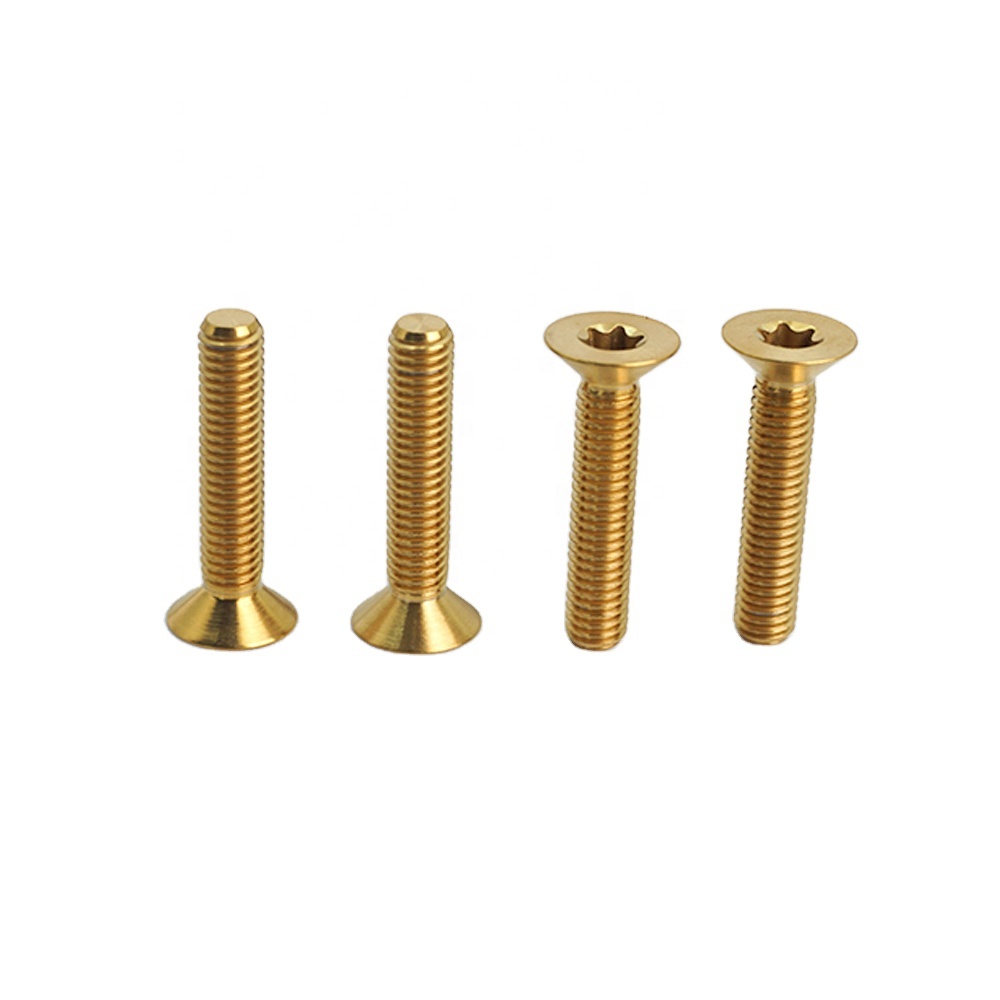
Explore our specialized Grade 5 (Ti-6Al-4V) components engineered for extreme thermal cycles, zero-corrosion exhaust integration, and high-stress mechanical fitment.
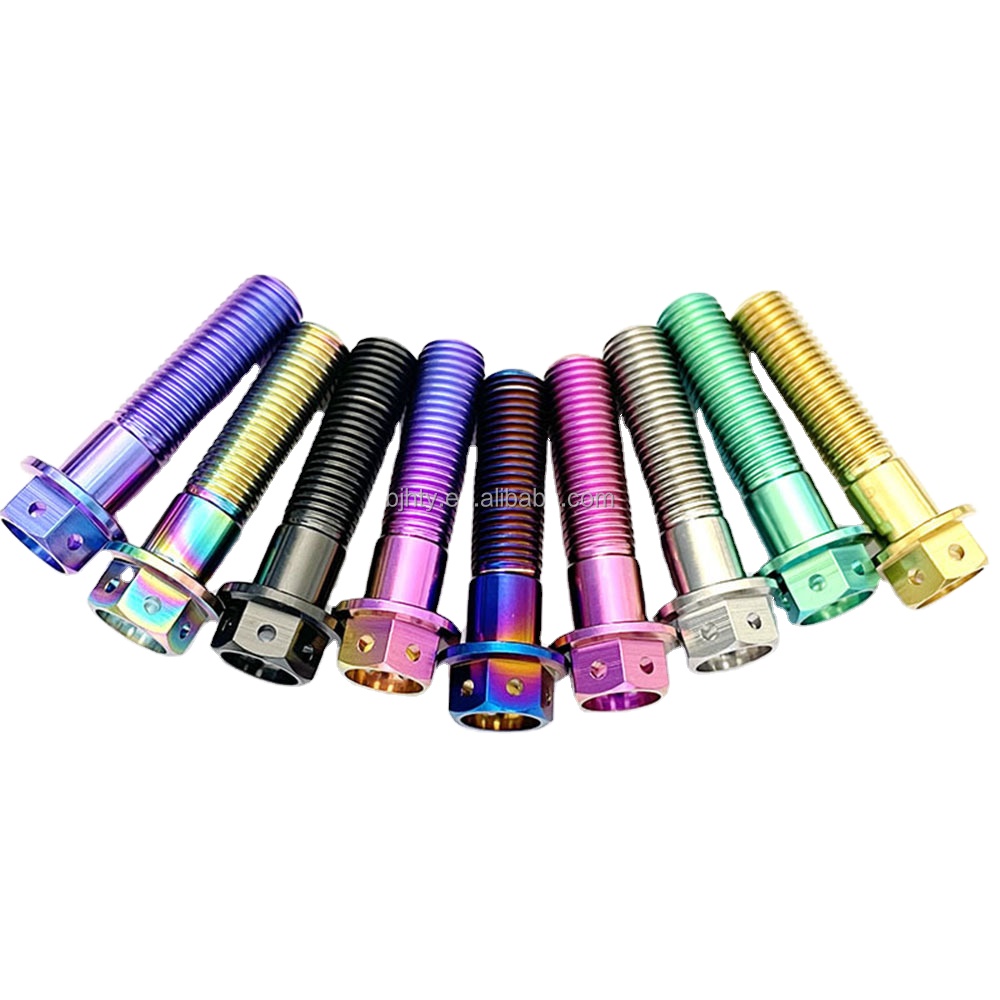
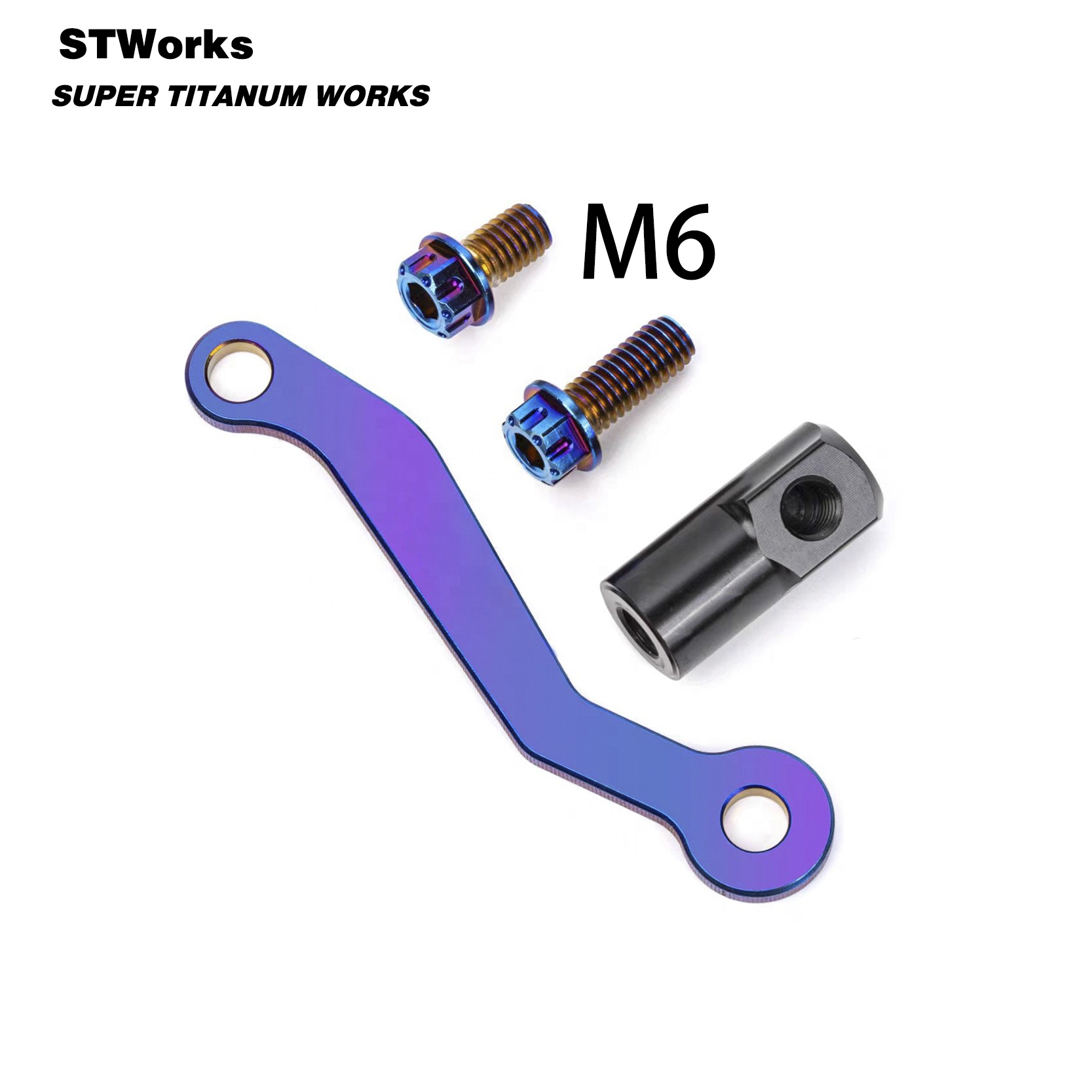
A comprehensive examination of why commercial fleet owners, hypercar tuners, and nautical fabricators in southern Italy are abandoning traditional austenitic steels.
The geography of the metropolitan area of Naples (Campania, Italy) poses an exceptionally harsh test environment for exhaust extraction hardware and tailpipe finishes. Situated directly on the Tyrrhenian Sea, automotive and nautical assets operate within a dual-stress environment: dense maritime marine aerosol carrying high concentrations of sodium chloride (NaCl), coupled with acute heat cycles brought by stop-and-go coastal driving along the winding coastal roads of the Amalfi strip, Posillipo, and Mount Vesuvius transit corridors.
Traditional performance aftermarket exhausts fabricated from AISI 304 or 316 stainless steel suffer irreversible degradation when exposed to this combination. Chloride ions compromise the thin chromium oxide passivation layer on stainless exhausts, inducing catastrophic pitting corrosion and stress corrosion cracking (SCC) at elevated operating temperatures (>450°C). By contrast, Grade 5 Titanium (Ti-6Al-4V) and Grade 2 Commercially Pure (CP) titanium form an instantaneous, ceramic-like titanium dioxide (TiO2) rutile film. This passive barrier is impenetrable to ambient chloride penetration and remains chemically stable under extreme engine thermal transients up to 600°C.
Due to its high specific modulus and low material density (4.43 g/cm³), titanium tips produce a distinct high-frequency metallic "bark" preferred by Italian exotic car collectors and supercar builders across Caserta and Naples.
Exhaust tips installed on coastal performance vehicles and tender boats anchored along the Port of Naples or Marina di Stabia experience continuous salt spray without pitting, chalking, or flaking.
With an extremely low thermal expansion coefficient compared to aluminum or steel, titanium exhaust tips avoid fastener fatigue, flange distortion, and joint leaks under aggressive track use.
As international supply chains shift toward components offering higher lifetime endurance, distributors and independent performance workshops across Campania require direct-from-source precision. Velnora Titanium bridges this requirement by exporting fully validated CNC-machined Grade 5 hardware and tailored exhaust components directly from Baoji, China's central titanium processing hub, to the industrial freight points of Naples.
A rigorous quantitative benchmark comparing Grade 5 Titanium against standard industrial exhaust alloys used in Mediterranean automotive retrofits.
| Mechanical Property | Grade 5 Titanium (Ti-6Al-4V) | Grade 2 CP Titanium | AISI 304 Stainless Steel | Inconel 625 (Nickel Alloy) |
|---|---|---|---|---|
| Density (g/cm³) | 4.43 (Lightweight Leader) | 4.51 | 7.93 (Heavy) | 8.44 (Very Heavy) |
| Tensile Strength (MPa) | 895 – 1000 | 345 – 480 | 515 – 700 | 827 – 1030 |
| Yield Strength (0.2% Offset, MPa) | 828 | 275 | 205 | 414 |
| Thermal Expansion (µm/m·K) | 8.6 | 8.6 | 17.2 (High Warpage) | 12.8 |
| Chloride Pitting Resistance (PREN) | Immune (>45°C seawater) | Immune (Ambient Marine) | Susceptible to pitting | Highly Immune |
| Structural Weight Reduction | ~44% vs. Steel | ~43% vs. Steel | Baseline Reference | Negligible (-6% vs steel) |
Key economic, structural, and regulatory drivers accelerating the adoption of titanium exhaust assemblies in Southern Italy.
The aftermarket tuning sector across Southern Italy is experiencing a decisive transformation driven by three distinct regional factors:
1. Strict Decibel-to-Weight Optimization for Historic Circuit Racing: With the historic motorsport culture of Campania (including hillclimbs and regional track events at Circuito del Sele and Autodromo di Pergusa), race tuners are under severe mandate to shave mass behind the rear axle. Trimming 4 to 8 kilograms off the rear exhaust overhang using Grade 5 titanium significantly reduces the polar moment of inertia, dramatically improving vehicle turn-in dynamics on tight mountain bends.
2. Superyacht Tender & Luxury Marine Conversions: The mega-yacht hubs of Mergellina and the Gulf of Naples have spurred heightened demand for bespoke dry-exhaust solutions and transom tips. High-end carbon-fiber day cruisers and rigid inflatable boats (RIBs) cannot tolerate the rust bleed-off and staining typical of low-grade stainless marine tips. Anodized and PVD-finished titanium components provide the immaculate cosmetic permanence demanded by Mediterranean yacht owners.
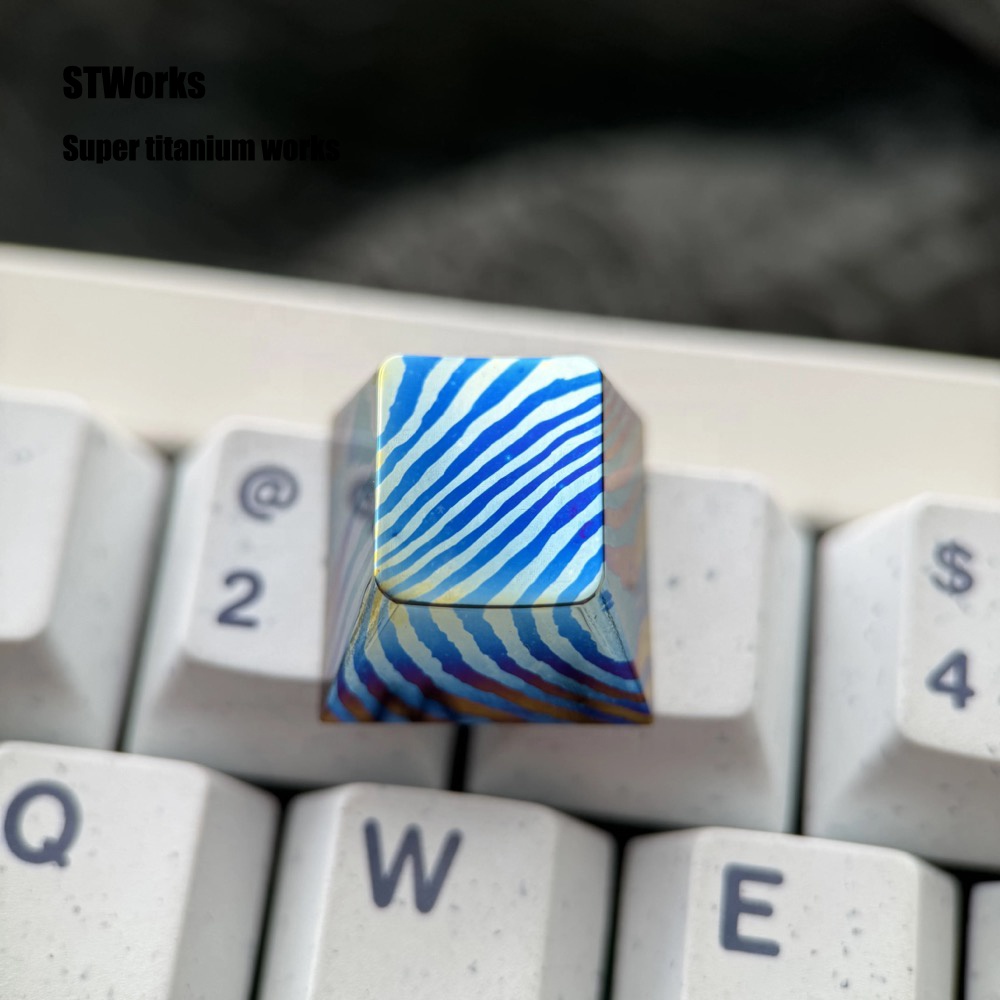
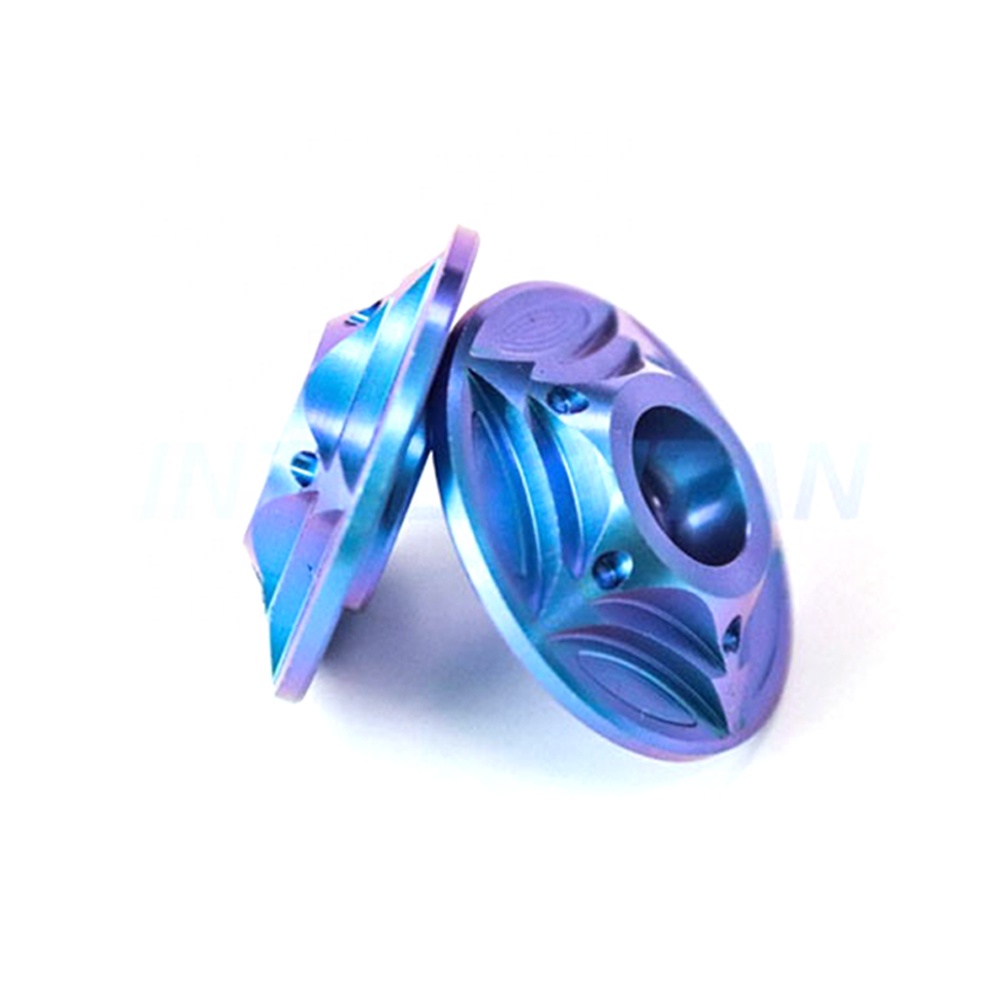
3. The Luxury Aesthetic & Blue-Flame Anodization Phenomenon: Among the elite car styling communities in Naples, Caserta, and Salerno, custom visual finishes have evolved from an enthusiast novelty into a staple market requirement. Controlled electro-chemical anodization and thermal flame-treatment create vibrant iridescent colors—deep blues, purples, and gold halos—without utilizing artificial paints or toxic lacquers that burn off and foul exhaust gas streams.
Combining complete regional raw-material integration with precision CNC machining tolerances according to DIN, ANSI, and ISO global standards.
Founded in 2013, Velnora operates at the epicenter of world titanium smelting, guaranteeing traceable Grade 5 bar stock and sponge certification directly from source.
Our multi-axis turning centers and slow-feeding wire EDM capabilities achieve repeatable machining tolerances within ±0.01mm across intricate exhaust bungs and flanged assemblies.
Eliminate procurement anxiety. We distribute full video updates, coordinate measuring machine (CMM) dimensional reports, and high-res photos during the manufacturing process prior to dispatch.
From custom 3D STEP drawings and laser-etched branding to specialized anti-seize coating application, we support Mediterranean distributors from prototype to volume export.
Crucial commercial, technical, and logistics clarifications for Italian parts brokers, performance shops, and purchasing officers.
Send your dimensional drawings, required wall thickness, surface finish requirements, and targeted volume. Our engineering team in Baoji delivers a detailed technical review and quote within 4 hours.