10+
Years Dedicated Ti Machining
895+ MPa
Grade 5 Tensile Strength
44%
Lighter than Steel (DIN 7991)
≤ 4 Hrs
Engineering Review Response
Precision Fasteners & Titanium CNC Components Portfolio
Original high-tolerance components engineered from cold-forged and precision-turned titanium bar stock
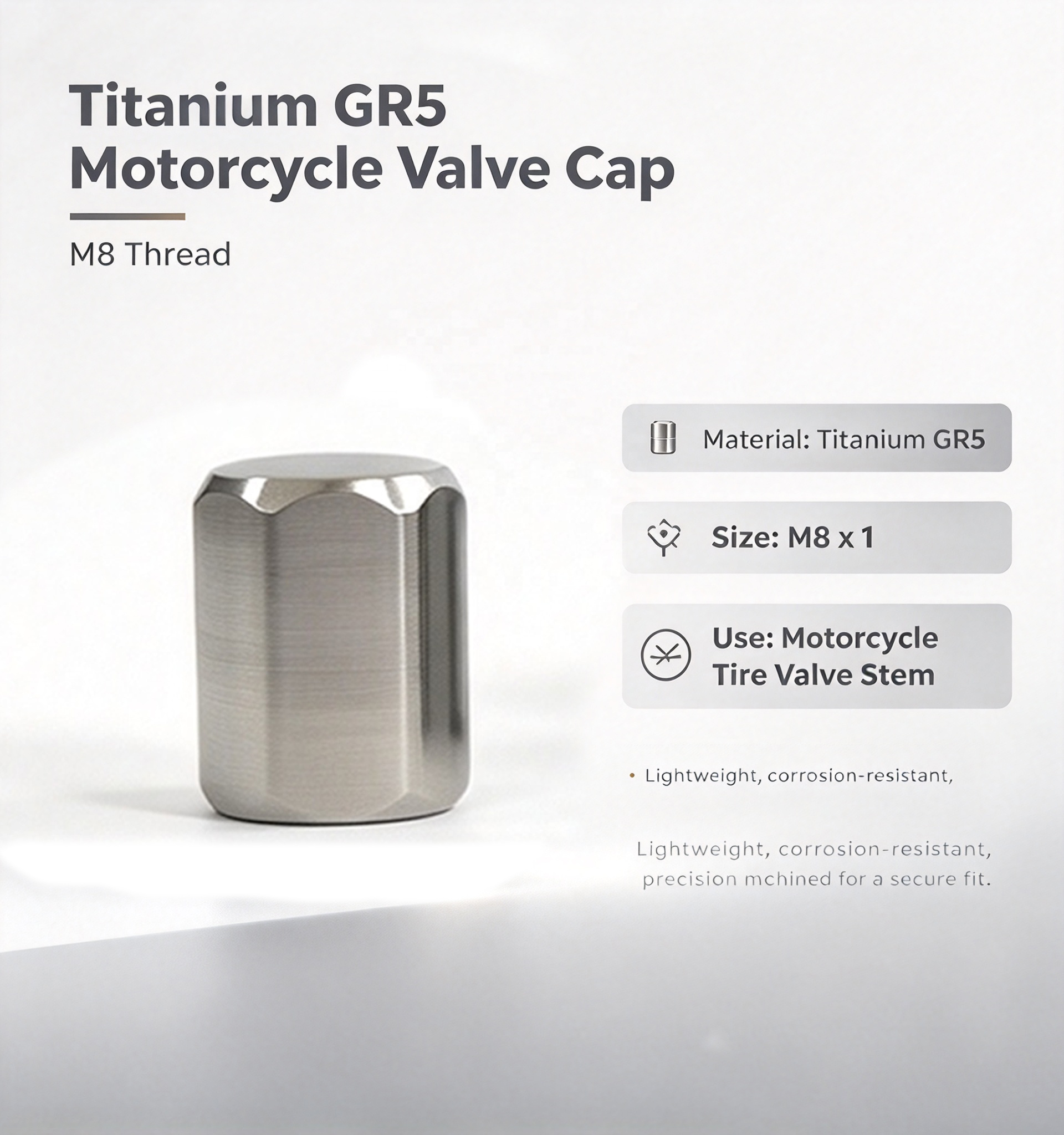
Custom CNC Gr5 M8 Tire Valve Stem
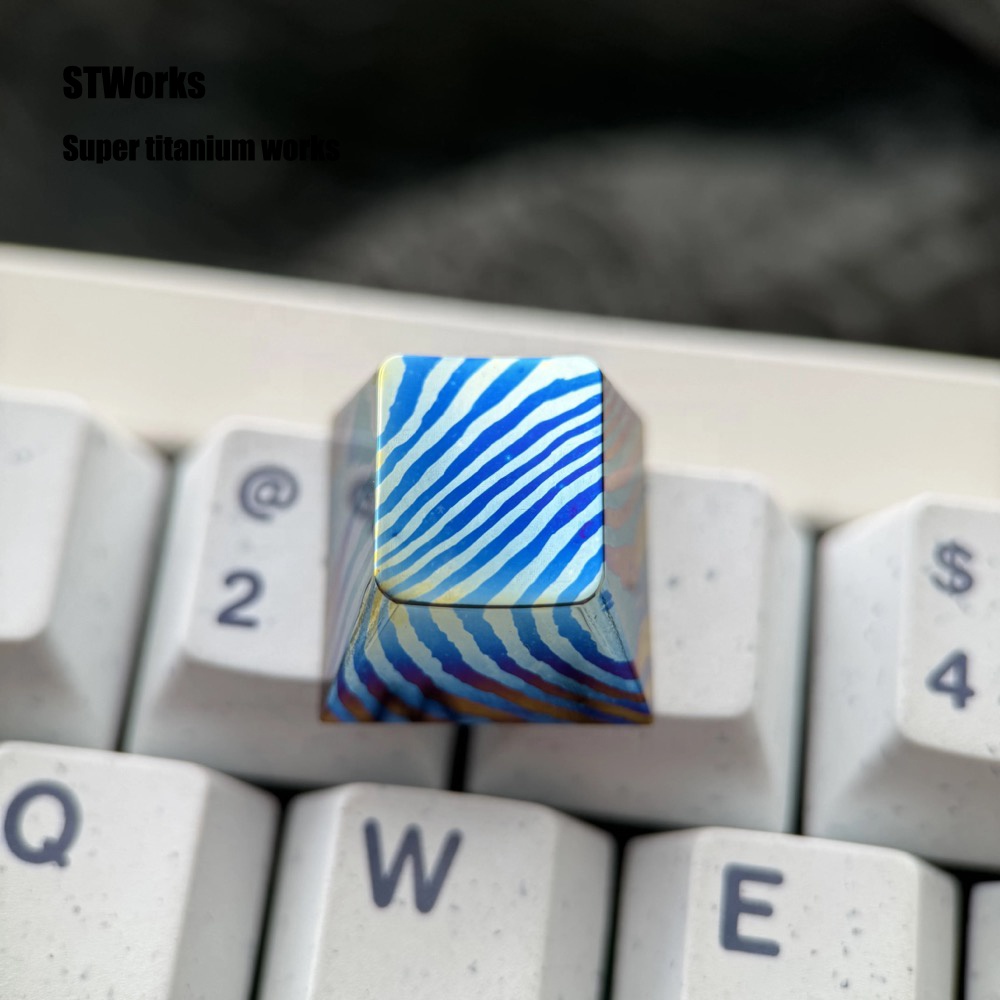
Timascus Mokuti CNC Keyboard ESC Keycap
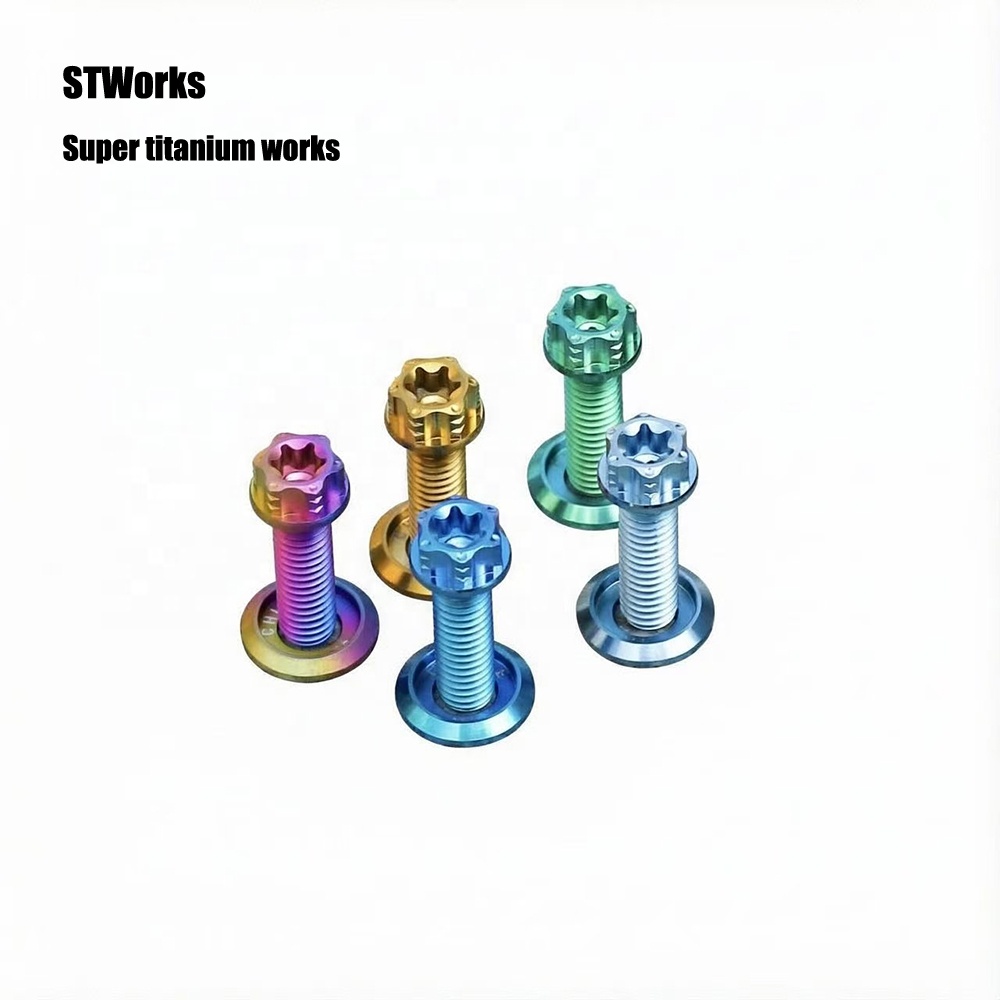
Disc Brake Caliper Bolts M6x20 with Washers
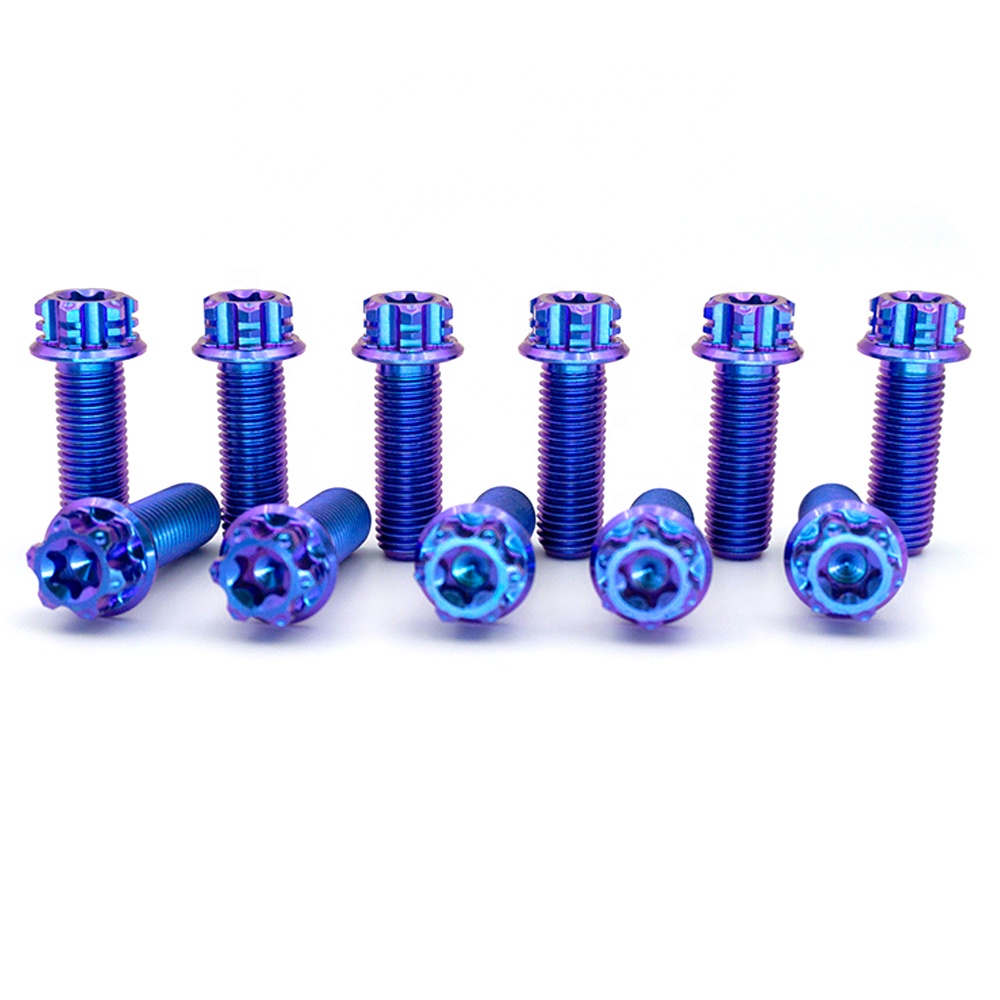
Gr5 Titanium Hex Flange Bolts & Screws
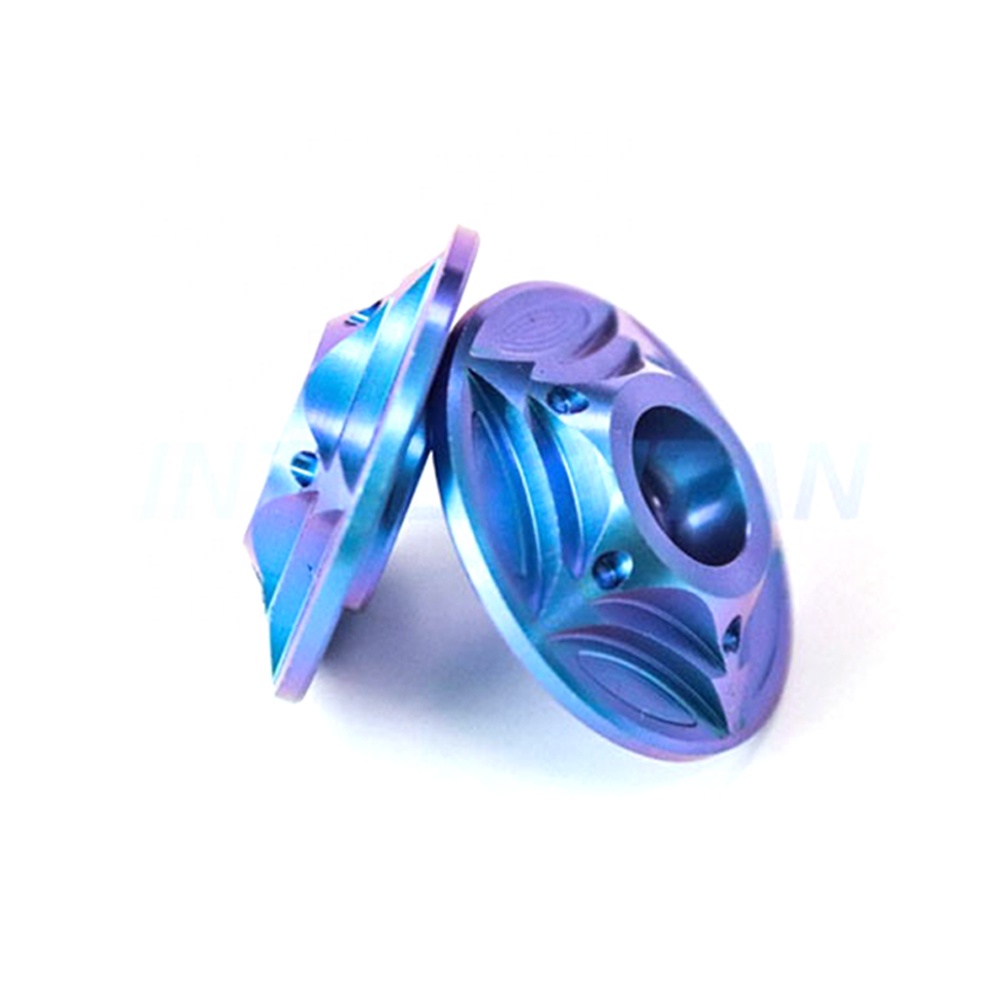
PVD Coated Titanium Alloy M6 Washers
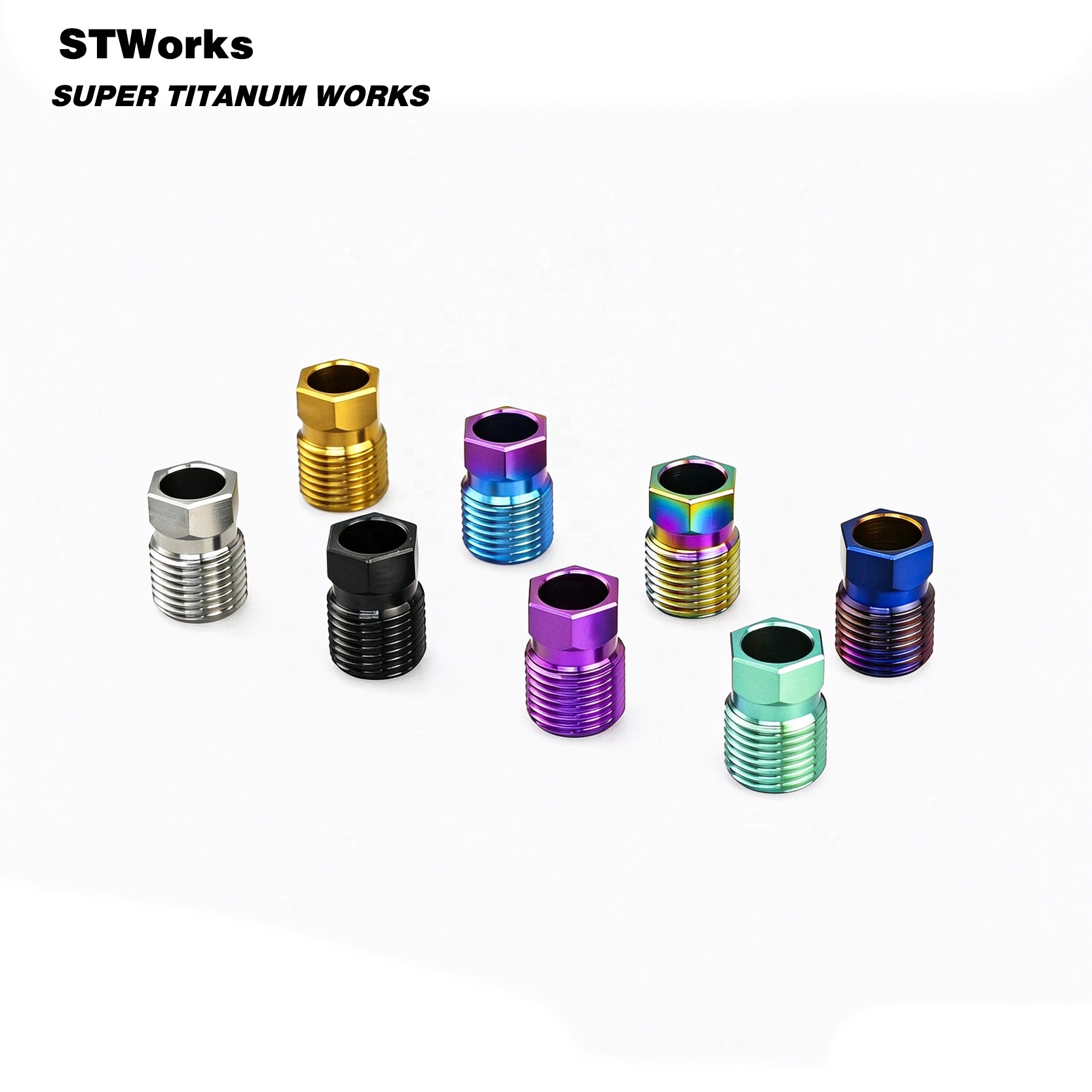
Hydraulic Brake Hose Barb Lock Screw
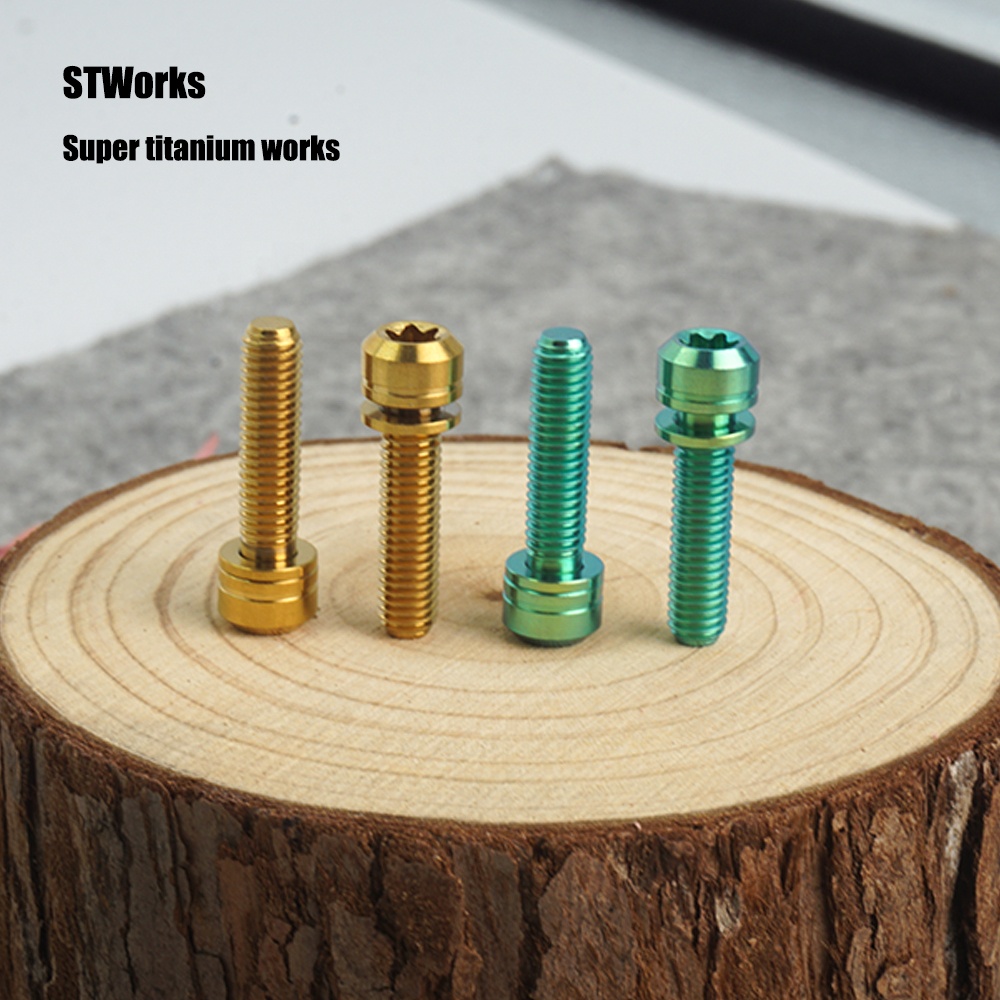
TC4 M5 Tapered Torx Stem Bolts & Washer
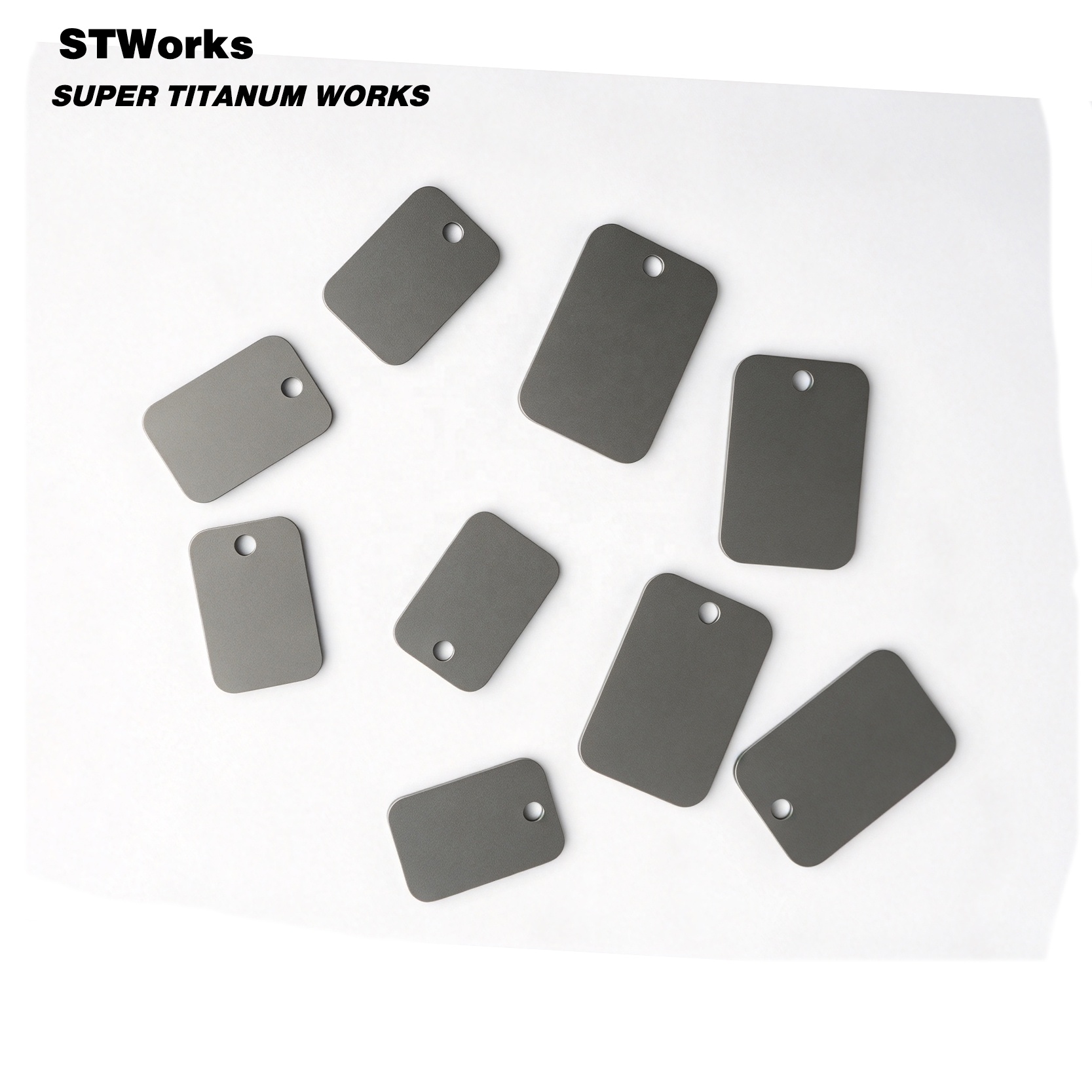
Sandblasted Gr5 Titanium Plate Tag
Engineering Standard: DIN 7991 / ISO 10642 Countersunk Cap Screws
Structural integrity, fluid dynamics, and flush-surface fastener analysis for marine and precision structures
In mechanical engineering, a countersunk head cap screw (frequently specified under DIN 7991, ISO 10642, or ASME B18.3 standards) serves an uncompromising functional objective: delivering maximum mechanical clamping force while allowing the fastener head to sit completely flush with or fractionally recessed beneath the mating component surface. When fabricated from Grade 5 Titanium (Ti-6Al-4V / TC4), this structural geometry resolves the persistent trade-offs associated with austenitic stainless steels (such as A2-70 and A4-80) and zinc-coated carbon steels.
From an applied mechanics perspective, the load transfer behavior of a countersunk fastener diverges radically from that of standard cylindrical socket head screws (DIN 912). The conical countersink angle (standardized at 90° under metric DIN/ISO, or 82° under imperial ASME specifications) induces a bi-axial stress state combining pure axial pre-load with radial tensile wedging. If the conical countersink cavity on the substrate is imperfectly chamfered, stress concentrations spike along the transition radius between the screw shank and the head. Velnora Titanium eliminates this vulnerability by employing precision CNC contour turning with controlled underhead fillet radiusing and cold-rolled threads that provide continuous grain-flow paths throughout the load axis.
| Mechanical Metric | Gr5 Titanium (Ti-6Al-4V) | Gr2 Commercially Pure | Marine 316L (A4-80) | Class 10.9 Alloy Steel |
|---|---|---|---|---|
| Density (g/cm³) | 4.43 | 4.51 | 8.00 | 7.85 |
| Ultimate Tensile Strength (MPa) | 895 – 1050 | 345 – 485 | 800 | 1040 |
| Yield Strength (Rp0.2 MPa) | 828 | 275 | 600 | 940 |
| Elastic Modulus (GPa) | 114 | 103 | 193 | 210 |
| PREN Index (Pitting Resistance) | ∞ (Native TiO&sub2; Passivation) | ∞ (Passive Oxide) | 23.0 – 25.0 | N/A (Corrodes) |
| Galvanic Potential in Seawater | Noble (-0.05 to +0.06V) | Noble (-0.05V) | Intermediate (-0.10V) | Active (-0.60 to -0.70V) |
The reduced elastic modulus of Ti-6Al-4V (114 GPa compared to 193 GPa in stainless steel) delivers superior elongation under dynamic vibration, making countersunk titanium cap screws naturally resistant to cyclic shock loosening. When combined with a Hexagon Socket (Allen) or Torx (6-Lobe / ISO 10664) drive mechanism, high installation torques can be applied without stripping the internal recess—a critical advantage during high-throughput field assembly in harsh Baltic coastal environments.
Localized Applications: Pärnu County Industrial Landscape
Strategic deployment of flush-mounted titanium fasteners across southwestern Estonia's key sectors
Pärnu Bay Shipbuilding & Marine Hardware
Pärnu's commercial fishing fleets, racing yachts, and aluminum service craft operate in an aggressive brackish-water environment subject to freezing Baltic winters and summer salinity cycles. Gr5 countersunk screws are mounted flush along deck plates, rudder mounts, underwater hydrofoils, and carbon-reinforced deck fittings to prevent crevice pitting and reduce drag.
Offshore Wind & Baltic Clean Energy
The Gulf of Riga and Pärnu Bay development zones represent key wind-power frontiers in Estonia. Marine anemometer housings, composite blade fairings, and internal nacelle sensor assemblies require fasteners that survive marine atmospheric salt-spray without galvanic degradation or scheduled replacement over multi-decade cycles.
Nordic Cycling & Motorsport Engineering
Estonia's strong competitive cycling community and custom automotive tuning workshops rely on lightweight Grade 5 countersunk screws for disc brake rotors, bottom bracket guides, aerodynamic cockpit brackets, and motorcycle engine fairings—cutting critical unsprung mass while surviving de-iced winter tarmac.
Regional Procurement Trends in the Estonian Fastener Sector
Strategic shift from high-maintenance marine steels toward resilient titanium alloys
Procurement dynamics within the Baltic manufacturing corridors—specifically in Western Estonia—are witnessing a structural transition. Engineering departments and subcontracting machine shops in Pärnu, Tallinn, and Tartu are progressively replacing traditional A4-80 (AISI 316) marine fasteners with titanium counterparts due to Total Cost of Ownership (TCO) considerations.
While the initial unit purchase cost of cold-forged and precision-machined titanium countersunk screws is higher than standard austenitic hardware, the total life-cycle expense tells a different story. In coastal marine installations and maritime logistics equipment operating along the Pärnu River outlet, stainless steel fasteners suffer from chloride-induced crevice corrosion beneath screw heads where oxygen is depleted. This leads to stress corrosion cracking (SCC) and thread seizure, requiring destructive drilling during scheduled overhauls. Grade 5 titanium instantly forms a chemically inert, self-healing rutile-anatase titanium dioxide (TiO&sub2;) boundary layer upon ambient contact with oxygen, preventing crevice and pitting corrosion indefinitely.
Furthermore, the rapid growth of high-precision electronics, autonomous maritime survey buoys, and defense-related robotics manufactured in Estonia has accelerated the demand for paramagnetic and non-magnetic materials. Ti-6Al-4V exhibits negligible magnetic susceptibility (χm ≈ +3.2 × 10⁻⁶ cm³/g), guaranteeing that flush-mounted countersunk screws positioned adjacent to electronic compasses, Hall-effect sensors, and LiDAR telemetry instruments cause zero electromagnetic distortion.
Baoji Factory Direct: Velnora Titanium Manufacturing Capabilities
Vertically integrated production from raw sponge melting to CNC finishing in China's Titanium Valley
Certified Aerospace-Grade Bar Stock
Founded in 2013 in Baoji, Shaanxi, Velnora sources vacuum-arc remelted (VAR) Grade 5 titanium ingots. We maintain complete material traceability with 3.1 Mill Test Certificates (MTC), certifying mechanical yield, elongation, and chemical composition (including tight hydrogen and oxygen interstitial control).
Rolled Threads & Precision Broaching
Rather than cutting threads—which shears the metal's internal grain boundary and lowers fatigue strength—Velnora utilizes cold thread rolling to enhance surface hardness and thread root fatigue life. Drive sockets (Hexagon and Torx) are precision broached to tight ISO 4759 tolerances, preventing tool slip.
Electrolytic Anodizing & PVD Surface Treatments
To eliminate thread galling and satisfy decorative requirements, we offer in-house electrolytic anodizing (producing spectrum colors including blue, gold, purple, and black without organic dyes) as well as Physical Vapor Deposition (PVD) titanium nitride coatings for heightened surface wear resistance.
Procurement & Technical FAQ for the Pärnu Market
Essential guidance for purchasing agents, marine architects, and structural designers
What are the differences between DIN 7991 and ISO 10642 countersunk specifications?
How does Grade 5 titanium manage galvanic corrosion when installed in aluminum marine hulls in Pärnu Bay?
What preventive measures prevent thread galling (cold welding) during installation?
Can Velnora fabricate custom countersunk cap screws from non-standard CAD files?
What are the typical lead times and customs logistics protocols for shipments to Pärnu, Estonia?
Upgrade Your Fastener Assemblies with Grade 5 Titanium
Whether you require standard DIN 7991 / ISO 10642 countersunk screws or custom CNC components, our application engineering team in Baoji will review your drawings and provide a complete quotation within 4 hours.
Send an Inquiry