Featured Titanium Fasteners & CNC Machined Components
Direct factory supply fabricated from certified Grade 5 aerospace-grade titanium alloy bar stock, adhering to DIN, ISO, ANSI, and JIS engineering standards.
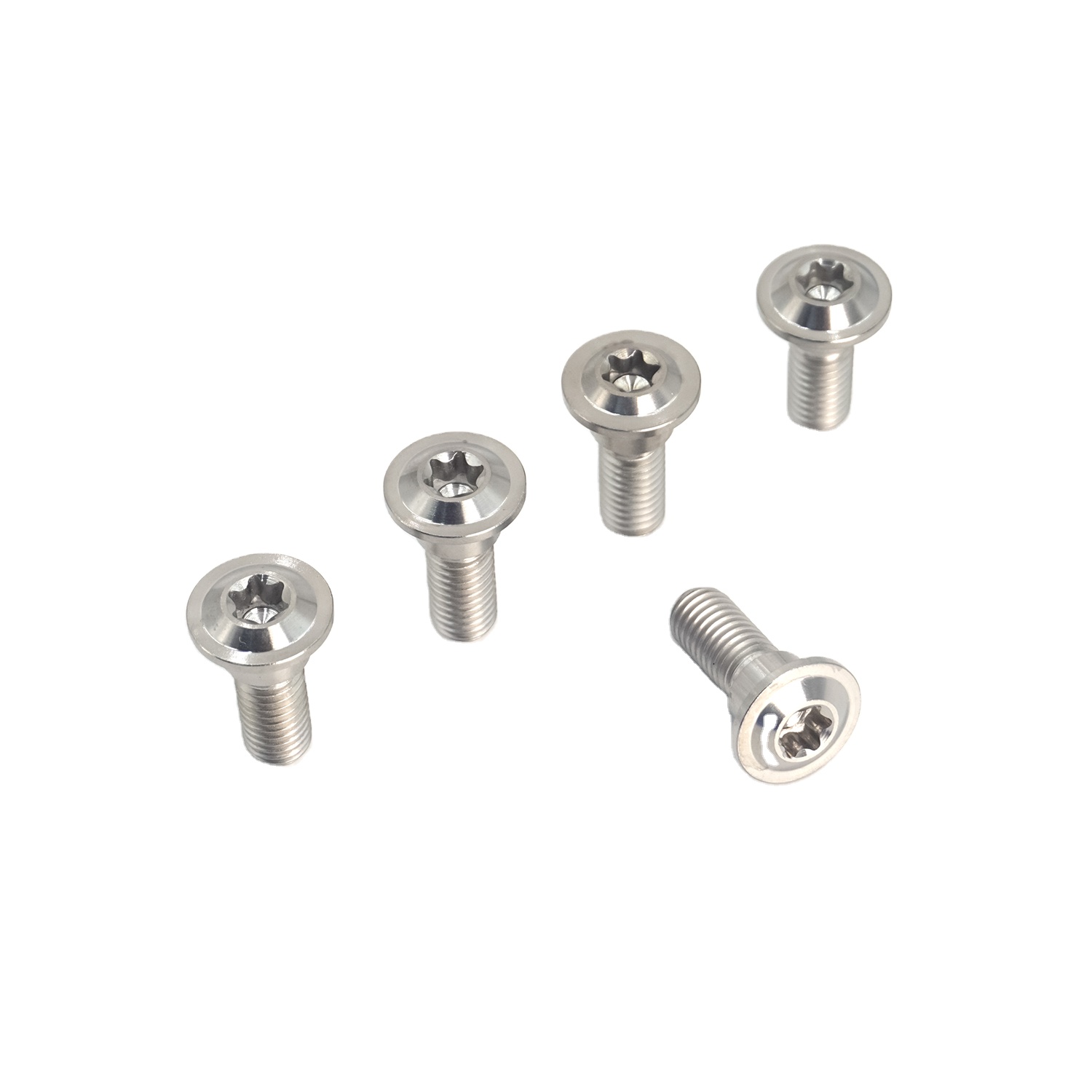
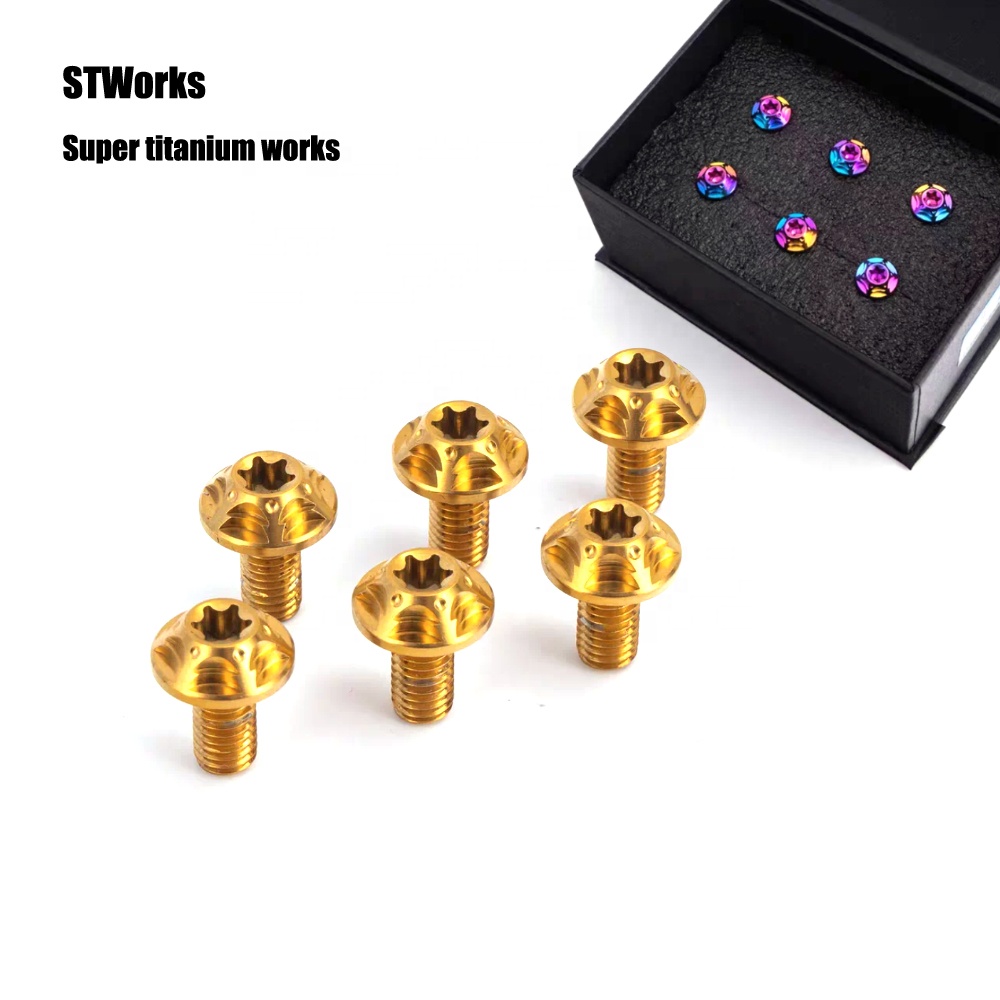
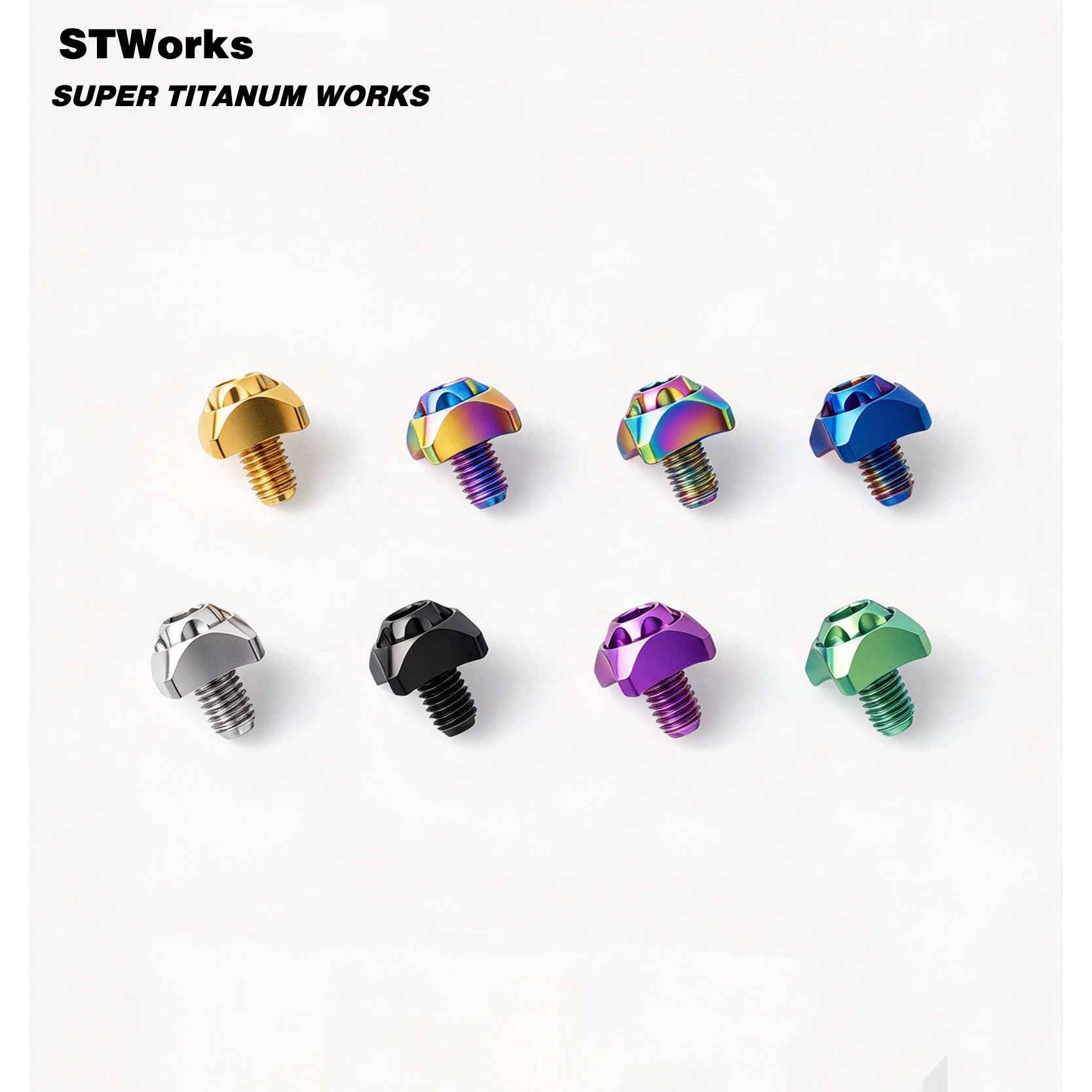
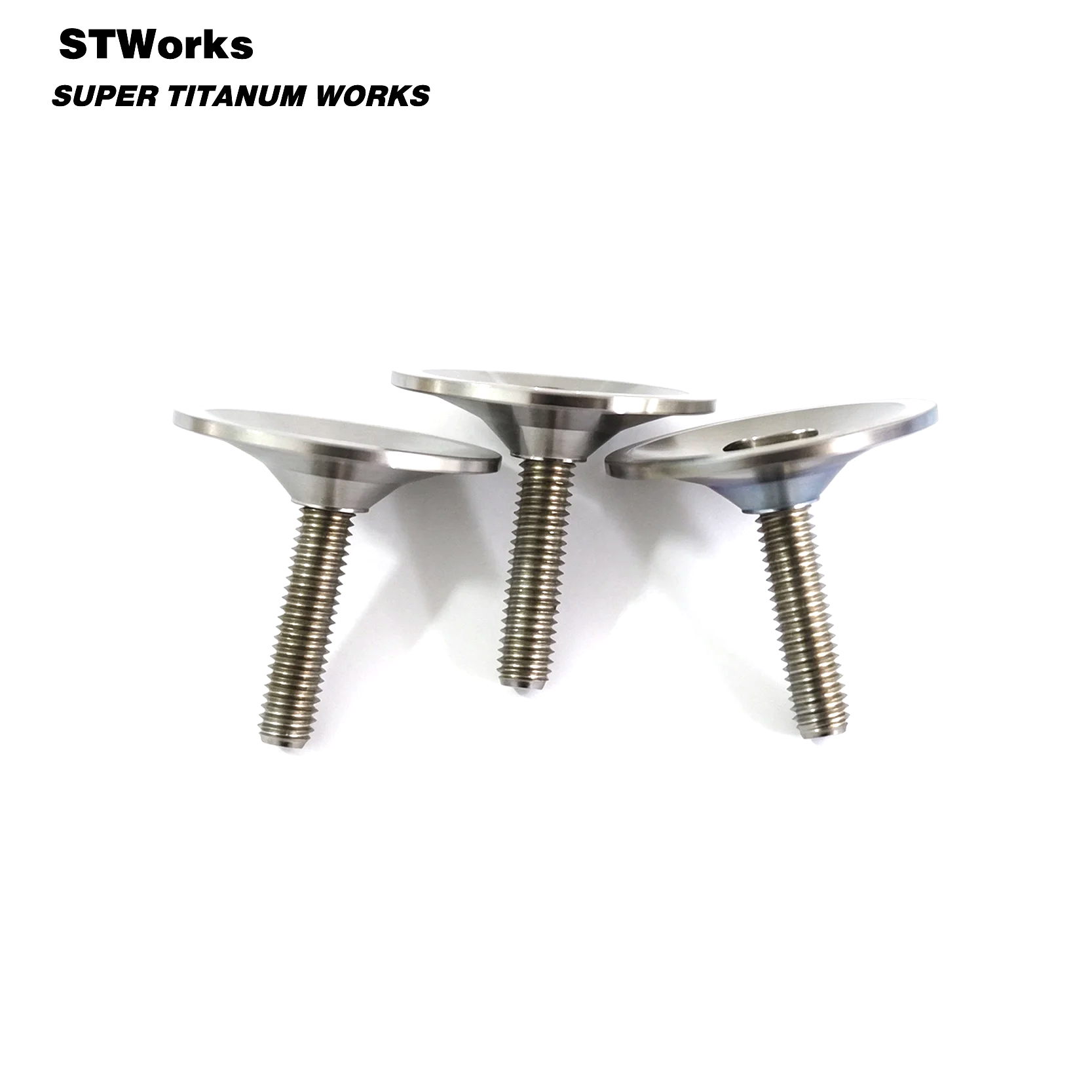
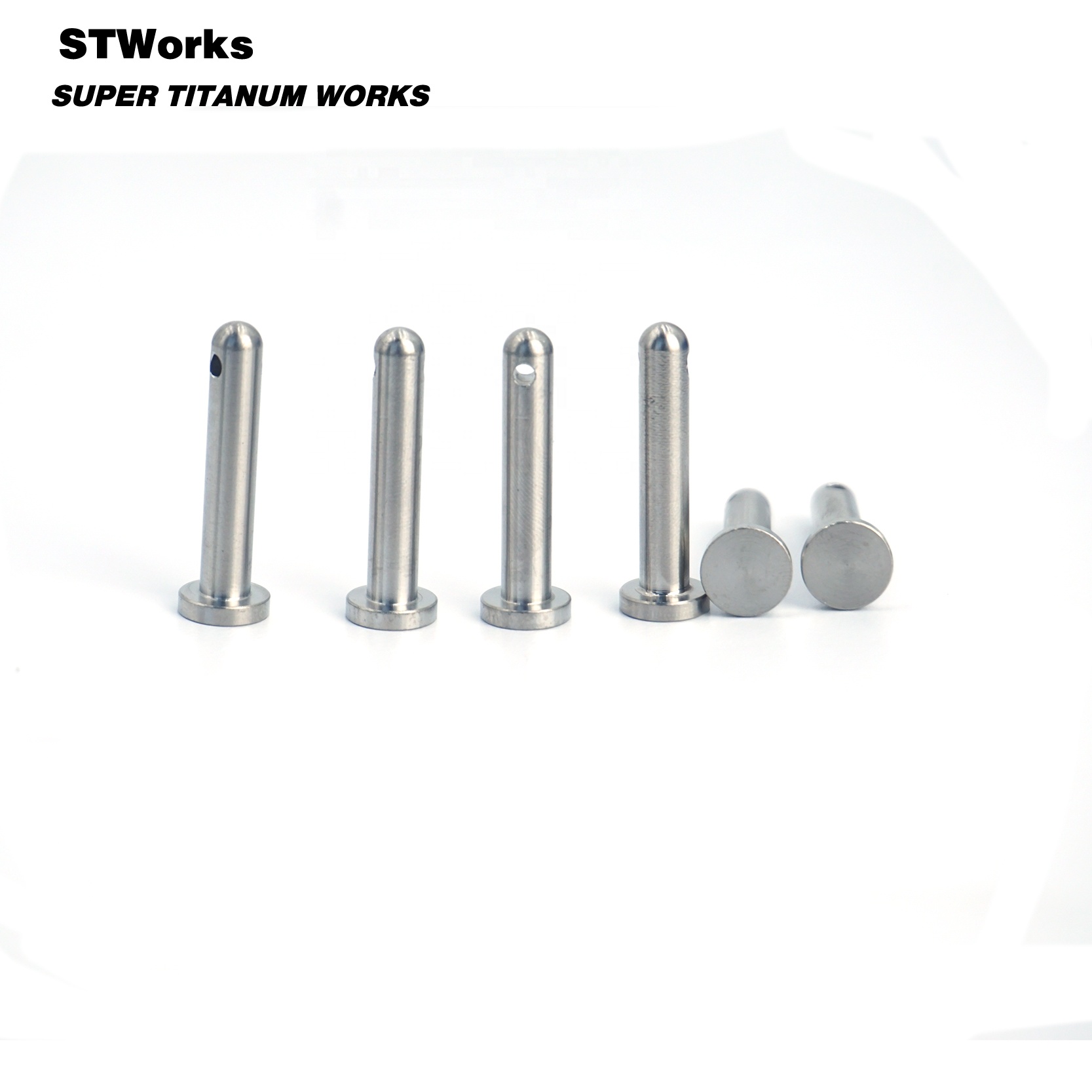
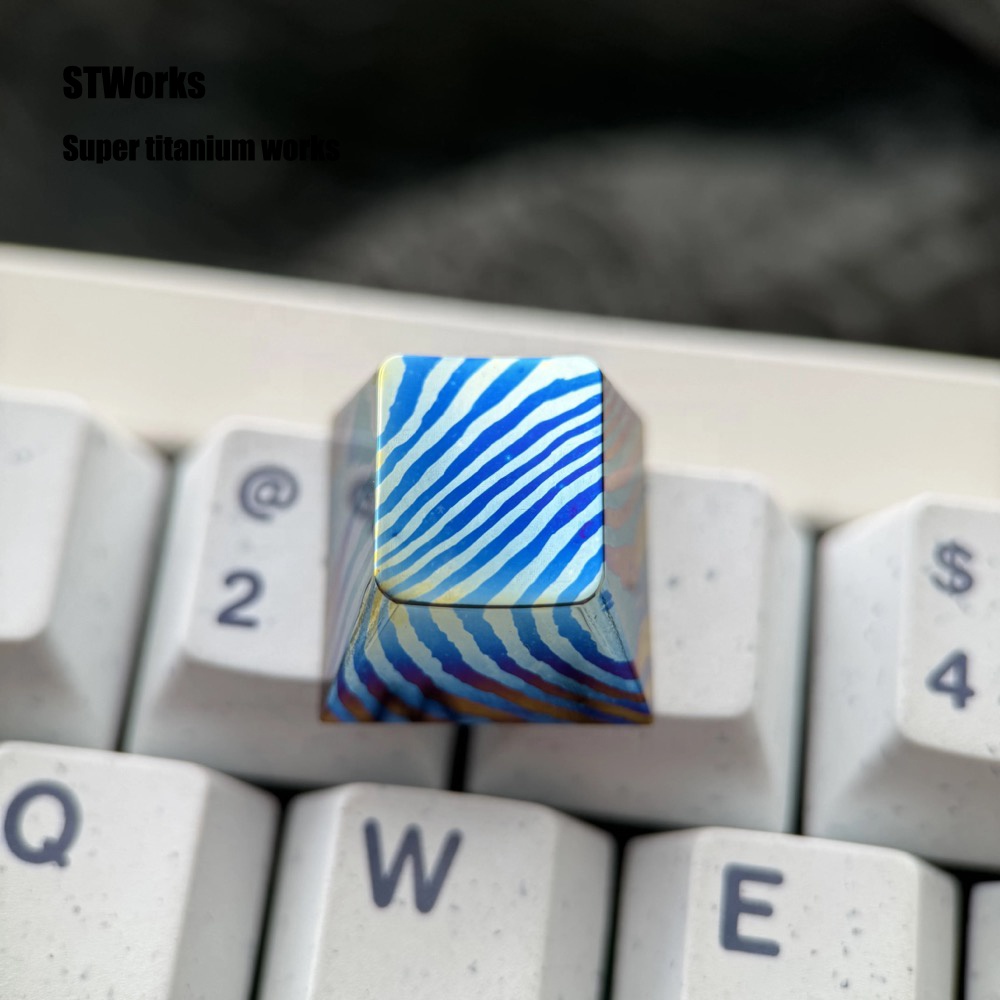
Titanium Castle Nuts (DIN 935 / DIN 937 / UNI EN ISO): Precision Anti-Loosening Mechanics in Dynamic Systems
In high-vibration, mission-critical engineering assemblies, prevailing-torque nuts—such as DIN 985 polymer-insert locknuts or all-metal crimped locknuts—exhibit measurable clamping-force degradation over extended cyclic thermal stresses. For demanding Italian engineering environments, from the superbike engines of Bologna to offshore yacht rudders in Liguria, positive-locking hardware remains non-negotiable. Titanium Castle Nuts (Castellated Nuts) paired with Grade 5 cotter pins or safety wire offer a definitive mechanical interlock that physically prevents axial rotation and joint back-out, regardless of torque loss, acoustic resonance, or thermal expansion differentials.
Fabricated through high-speed multi-axis CNC Swiss turning centers from certified vacuum-melted Grade 5 Ti-6Al-4V (UNS R56400 / Werkstoff 3.7165), our castellated fasteners satisfy rigorous UNI EN ISO geometric standards. Castle nuts feature precision-milled radial slots positioned axially above the main hex body. When an axle, bolt, or clevis pin drilled with a corresponding transverse cotter pin hole is torqued into position, a safety split pin (such as our accompanying Gr5 titanium clevis pins or DIN 94 titanium cotter pins) passes cleanly through the slot and core, delivering absolute rotational lock.
Critical Metallurgy: Why Grade 5 Titanium Surpasses Stainless Steel & Class 10.9 Fasteners
Traditional Italian machinery specifications historically mandated AISI 316L (A4-80) stainless steel for corrosive exposure or zinc-nickel plated quench-and-tempered alloy steels (Property Class 8.8, 10.9) for high-tensile joint security. However, both selections present stark mechanical compromises in elite dynamic sectors:
Class 10.9 and 12.9 alloy steels provide commendable static tensile ratings but impose severe mass penalties (7.85 g/cm³ density) and remain acutely vulnerable to pitting and galvanic corrosion in maritime and coastal humidity. Conversely, austenitic stainless steels fail to achieve structural tensile thresholds (often peaking at 800 MPa yield for cold-worked variants) and exhibit severe galling tendencies during high-torque dry rundowns. Grade 5 titanium resolves this trade-off: delivering a typical ultimate tensile strength of 950–1050 MPa, a density of 4.43 g/cm³ (a 44% mass reduction), and exceptional fatigue life under alternating bending loads.
| Mechanical / Chemical Metric | Velnora Gr5 Ti-6Al-4V | 316L (A4-80) Marine Steel | Class 10.9 Alloy Steel | 7075-T6 Aerospace Al |
|---|---|---|---|---|
| Density (g/cm³) | 4.43 (-44% vs Steel) | 7.95 (Baseline) | 7.85 (Baseline) | 2.81 (Extremely Light) |
| Yield Strength Rp0.2 (MPa) | ≥ 830 - 920 | 600 - 800 | 900 - 940 | 505 |
| Tensile Strength Rm (MPa) | ≥ 895 - 1050 | 800 | 1040 - 1200 | 570 |
| Elastic Modulus (GPa) | 114 (Flexibility & Damping) | 193 | 210 | 72 |
| Corrosion Resistance (Chloride/Brine) | Immune (TiO2 Passive Film) | Moderate / Pitting Risk | Poor (Requires Coating) | Poor (Exfoliation Risk) |
| Slot Shear Integrity under Cotter Load | Superior (CNC Broached) | Ductile Deformation | Brittle Fracture Risk | Premature Slot Stripping |
Eliminating Thread Galling in Titanium Castellated Assemblies
A frequent apprehension encountered among mechanical procurement teams in Northern Italy involves thread galling (cold-welding) during installation. Titanium's tenacious native oxide film can break under severe friction contact pressures, prompting localized micro-welds. Velnora neutralizes this vulnerability through three proprietary manufacturing protocols:
1. Thread Profile Rolling vs. Direct Cutting: Critical pitch threads are roll-formed whenever geometrically viable, establishing continuous metallurgical grain flow, compacted thread flanks, and root radii free from micro-tears that drastically reduce friction coefficients.
2. Multi-Stage Anodization & PVD Nitriding: We offer aerospace-grade Type II sulphuric/oxalic anodizing and Physical Vapor Deposition (PVD) titanium carbo-nitride (TiCN) treatments. These superficial atomic infusions elevate surface hardness up to HV 2200, creating an anti-friction barrier.
3. Anti-Seize Paste Guidance: For bare metallic assemblies subjected to periodic track maintenance, our factory supplies application specifications for synthetic molybdenum-disulfide (MoS2) or nickel-free copper compounds to maintain stable torque-to-clamp preload ratios (K-factor: 0.12–0.15).
Engineered for Italy's High-Tech Manufacturing Clusters
From prototype racing paddocks to automated food packaging corridors, our titanium castle nuts and custom CNC fasteners fulfill stringent industrial tolerances across the Italian peninsula.
Emilia-Romagna: Motor Valley Hypercar & Superbike Assemblies
Italian motorsport racing programs located around Modena, Maranello, Borgo Panigale, and Sant'Agata Bolognese demand extreme weight reductions on unsprung running gear. Our Ti-6Al-4V castle nuts secure rear swingarm pivots, wheel hubs, steering knuckles, and brake disc retaining bobbins. Unlike conventional nuts that can back off under 300+ km/h track reverberations, castellated slots locked with titanium cotter pins guarantee zero-failure retention, even when subjected to intense 650°C brake rotor infrared radiation.
Liguria & Versilia Coastline: Superyacht Rudder & Drive Systems
Yacht builders situated in Genoa, La Spezia, and Viareggio struggle constantly against saltwater crevice corrosion. Stainless steel A4-80 fasteners used in underwater shaft seals, bow thrusters, and stabilizing hydrofoils suffer chloride stress corrosion cracking within stagnant marine boundaries. Titanium castle nuts form an immediate self-healing rutile (TiO2) passivation film, offering total immunity to seawater, cavitation pitting, and marine electrolysis, ensuring lifetime maintenance-free performance.
Veneto, Lombardy & Bologna: Packaging Valley & Pro Cycling
In Bologna's world-leading automatic packaging machine corridor (pharma, food processing) alongside Lombardy’s precision cycling hubs, dynamic inertia reduction is paramount. High-speed reciprocating mechanical pick-and-place arms experience rotational mass reduction of 44% by transitioning to titanium castellated locknuts, lowering servo motor torque draw and cutting cycle times. Simultaneously, premier Italian cycling frame designers utilize custom slotted titanium nuts for disc brake calipers and integrated dropout axles.
Emerging Trends in Italian Industrial Hardware Sourcing
Macroeconomic shifts and strict European technical standards are reshaping how Italian manufacturing directors and supply chain leads procure titanium fasteners.
Stringent EN 10204 3.1 Traceability
Italian tier-1 aerospace and automotive contractors are discarding unverified gray-market fastener lots. Procurement mandates full heat-lot chemical spectrometry, proof stress testing, and documented ultrasonic ingot inspection to satisfy ISO 9001 and IATF 16949 audit systems.
Lightweighting for Fleet Decarbonization
Under EU corporate emissions regulations, commercial transport and rail rolling stock designers in Northern Italy are actively converting non-critical and suspension fasteners to titanium alloys to lower tare weights and elevate electric powertrain operating ranges.
Supply Chain Derisking & Flexible MOQs
Italian purchasing managers are shifting away from rigid multi-thousand-piece minimum order constraints toward adaptable partner factories capable of producing 50-piece prototype batches alongside 10,000-piece production lines with swift DHL/FedEx DAP delivery terms.
Custom OEM Micro-Finishes & Coatings
Demand in Italy has expanded beyond raw metallic mill finishes. Luxury brands now routinely demand custom PVD carbon nitride, burnt iridescent rainbow treatments, and hard-anodized deep matte blacks for open chassis and superyacht exposed hardware.
Why Italian Engineers Rely on Our Manufacturing Architecture
Established in 2013 in Baoji—the heart of China's titanium industry—Velnora Titanium Industry integrates precision Swiss machining with end-to-end quality transparency.
Origin: Baoji Certified Raw Stock
We source 100% virgin aerospace-grade Grade 5 Ti-6Al-4V (TC4) sponge and bar stock directly from top-tier local smelters in Baoji. Every single heat batch undergoes spectrometry to verify compliance with ASTM B348, AMS 4928, and ISO 5832 standards prior to machine line induction.
Live Production Video Verification
We bridge the geographical distance to Italy by broadcasting detailed production video clips and photographic inspections directly from the shop floor. Buyers monitor slot broaching, thread turning, and laser measurement before their order is cleared for export packaging.
Precision Multi-Axis Swiss CNC Centers
Our workshop houses high-precision CNC Swiss lathes, multi-spindle broaching machines, and wire EDM centers. We machine complex castle nut geometries from M4 up to M64 with slot symmetry tolerances maintained within ±0.02 mm and thread pitch concentricity under 0.015 mm.
Frequently Asked Questions by Italian Procurement Teams
Clear, expert technical clarifications covering international customs, material compliance, thread performance, and order mechanics.
Can Grade 5 Titanium Castle Nuts replace DIN 935 Class 10.9 steel nuts directly?
Grade 5 titanium possesses a tensile strength of 895–1050 MPa and yield of ~830–920 MPa, which is directly comparable to Property Class 8.8 and overlaps lower boundaries of Class 10.9 steel. In dynamic structural joints (such as wheel hubs or swingarm shafts), Gr5 can replace steel with an immediate 44% mass reduction while offering vastly superior fatigue endurance. However, because titanium’s modulus of elasticity is approximately 114 GPa (roughly half that of steel), joint elongation under high clamping preloads is greater. Our engineering team will review your tightening torque and joint design to confirm clamping bolt elasticity.
What documentation and inspection certificates are included with Italian export shipments?
Every industrial export lot destined for Italian or European ports includes an EN 10204 3.1 Inspection Certificate detailing chemical composition (spectral analysis of Ti, Al, V, Fe, C, N, H, O contents) and physical mechanical properties (tensile, yield, elongation). Shipments also include full dimensional inspection reports, RoHS/REACH chemical compliance declarations, and detailed commercial invoices with proper EU HS/TARIC codes (typically 8108.90 or 7318 equivalents) to facilitate smooth customs clearance through Italian customs at Milan, Bologna, or Genoa.
How do your castellated nuts prevent thread galling during automated assembly?
We combine rolled internal threading, high-precision surface deburring, and optional surface coatings such as Type II micro-arc or electrolytic anodization, as well as PVD thin-film nitriding. When torqued with anti-seize pastes (such as titanium-compatible paste or MoS2 lubricants), thread friction remains consistent (friction factor μ ≈ 0.12). For automated production lines in the packaging or automotive sectors, we also provide dry-film lubricated castle nuts that eliminate the need for manual paste application.
What are the standard MOQ, lead times, and air/sea shipping routes to Italy?
For standard DIN 935 / DIN 937 stock sizes (M8, M10, M12, M14, M16, M20, M24), our minimum order quantity is as low as 50 to 100 pieces per specification. Custom parts produced to engineering drawings (STEP, IGES, or PDF) typically require a 100 to 200 piece initial run. Prototype production takes 10–14 days. We dispatch high-priority orders via DHL, FedEx, or UPS DAP with 4–6 business days transit directly to Milan Malpensa, Bologna Guglielmo Marconi, or Rome Fiumicino airports. Bulk cargo is shipped by ocean freight to Genoa, La Spezia, or Trieste.
Do you produce mating Grade 5 titanium clevis pins, axle shafts, and cotter pins?
Yes. We engineer complete retaining assemblies. As shown in our product catalog, we supply CNC machined Grade 5 titanium clevis pins with transverse retention holes (sizes M3 through M20), hollow motorcycle axle shafts, and matching DIN 94 titanium split cotter pins. Sourcing both the castle nut and retaining pin from a single factory guarantees precise alignment between the castellated slot depth and the cotter pin diameter, eliminating mechanical play and assembly bottlenecks.
Can we request custom slot geometries or left-hand (reverse) thread directions?
Absolutely. Many racing motorcycle sprockets and left-side rotational assemblies require left-hand (LH) metric fine threads (e.g., M18×1.5 LH, M20×1.0 LH, M24×1.5 LH). Furthermore, we can customize slot widths, increase the slot count from 6 to 8 or 12 for finer cotter pin alignment increments, and add integrated flange bases or reduced-height hex heads matching DIN 937 or proprietary racing specifications.
Accelerate Your Italian Sourcing with Baoji Engineering Precision
Submit your technical CAD drawings (.STEP, .IGES, .PDF) or DIN specification list. Our senior technical machinists will assess feasibility, calculate material volume, and issue a formal B2B export quotation with live manufacturing video verification within 4 hours.