Grade 5 (Ti-6Al-4V)
Explore our high-demand CNC machined Grade 5 titanium products, tactical gear, and custom structural components tailored for export to Northern Mexico.
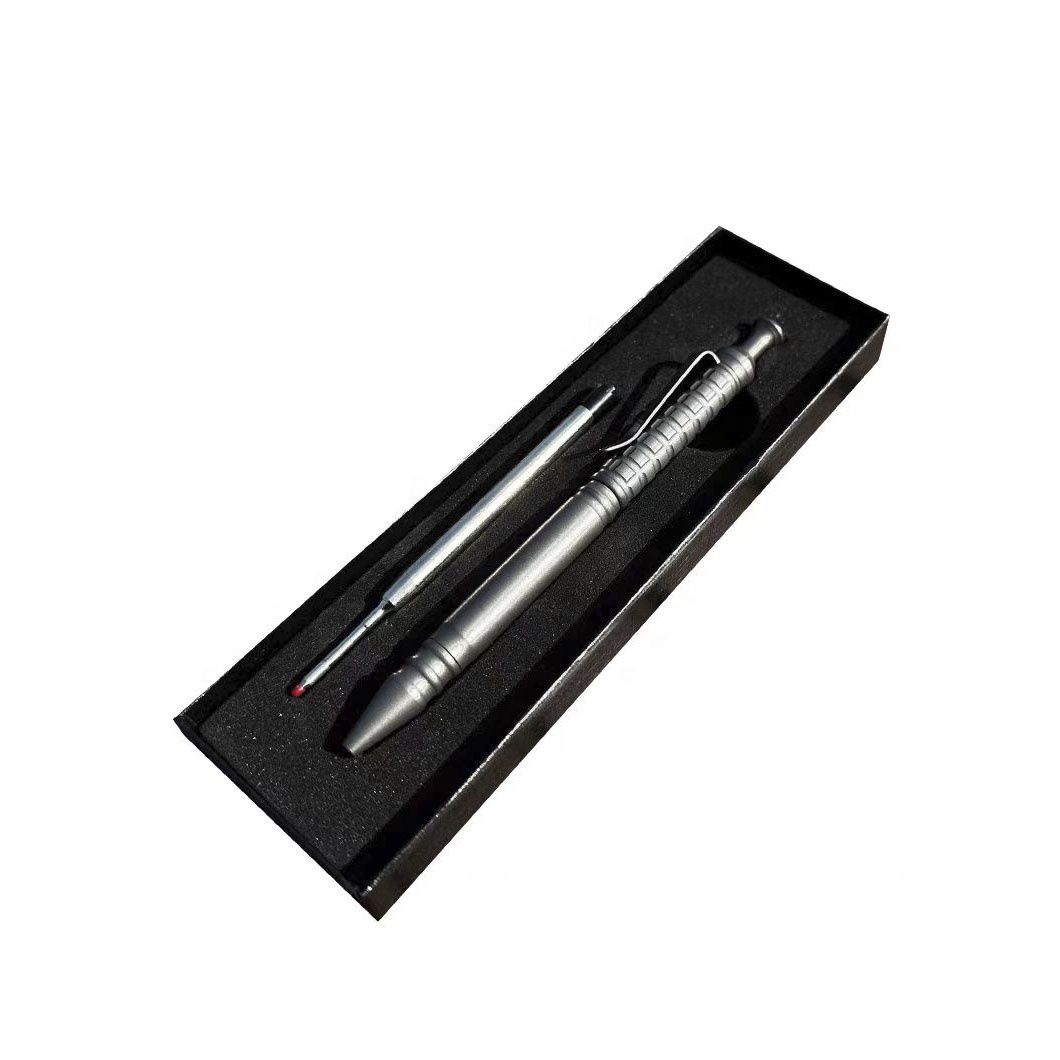
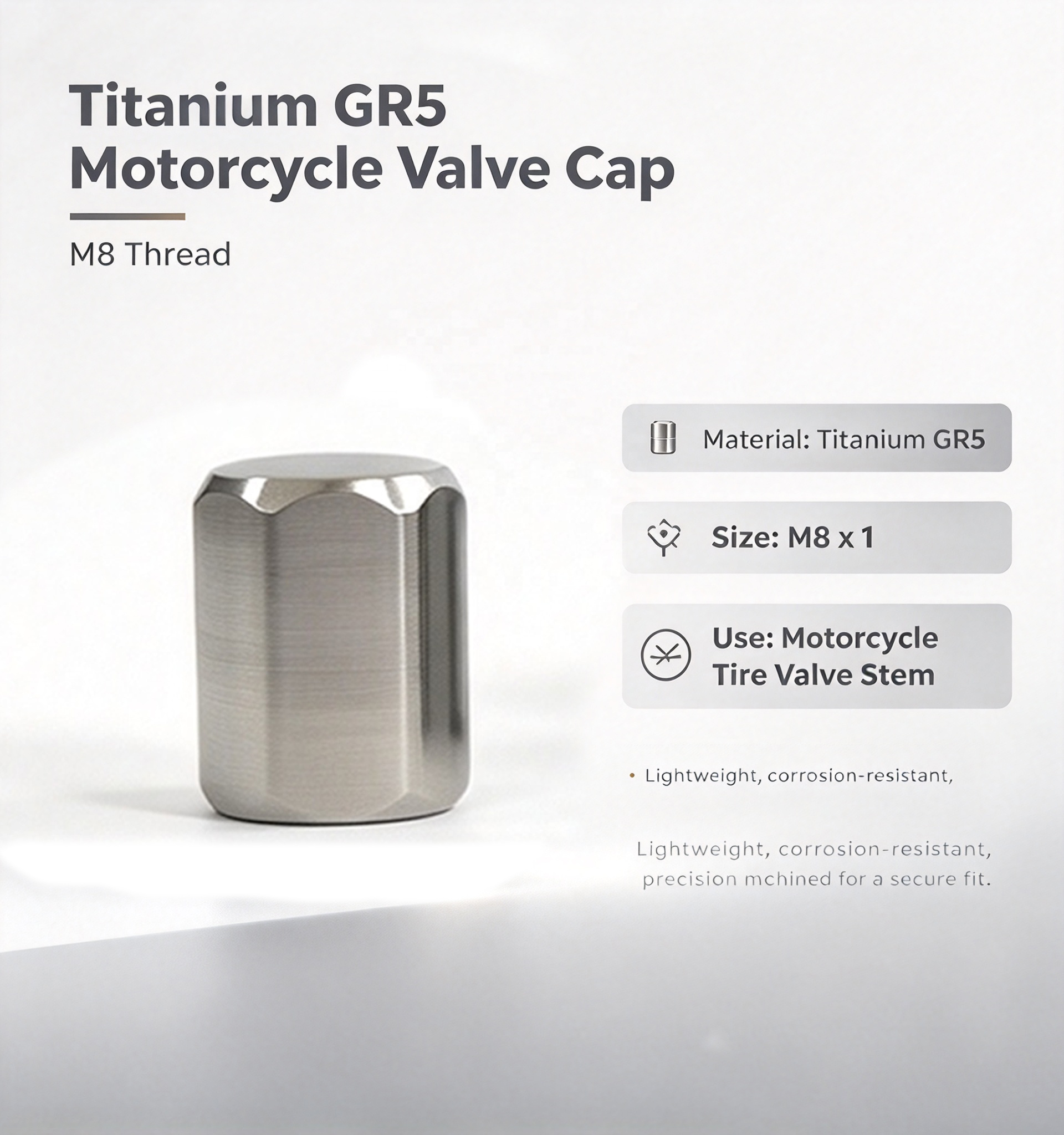
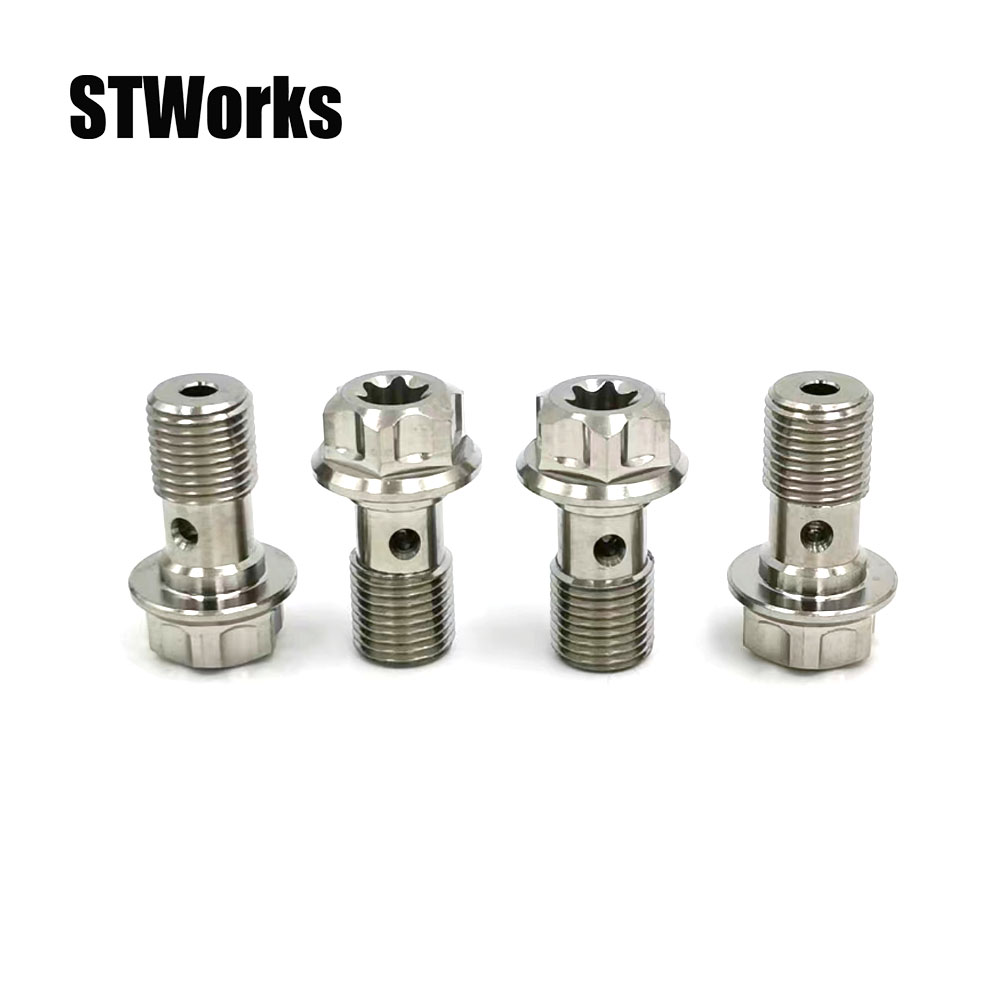
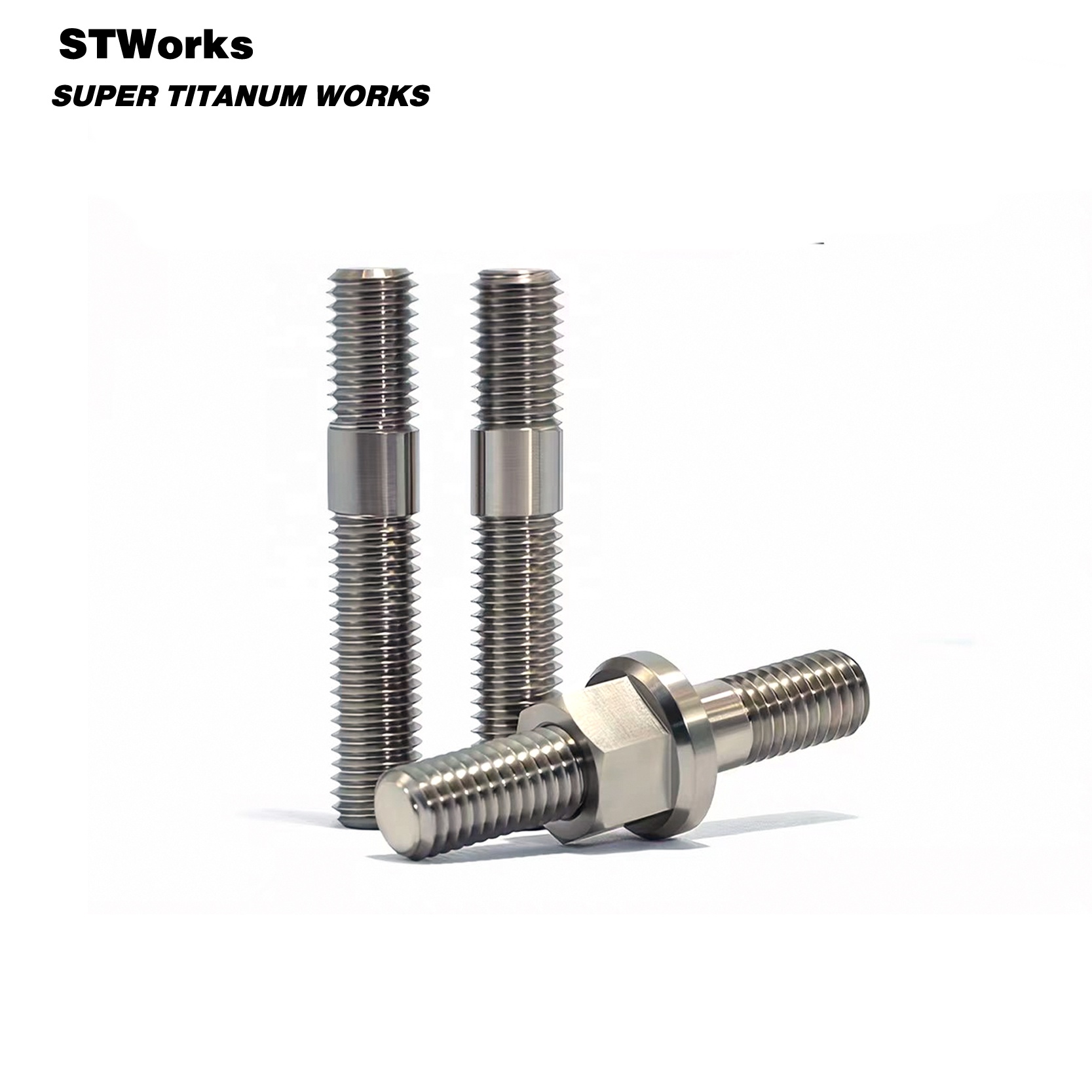
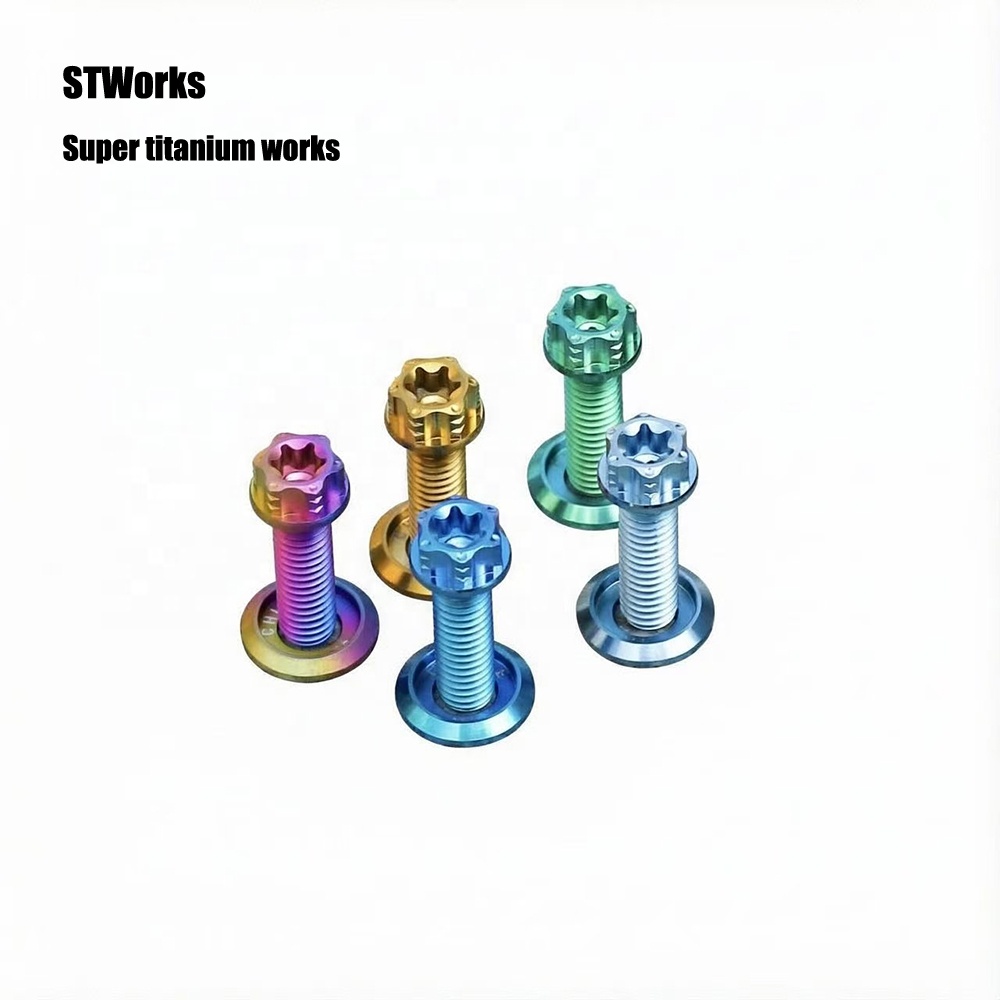
A rigorous examination of yield stress, shear endurance, and mass-to-load ratios in aggressive operating environments.
In heavy industrial hubs like Monterrey, Apodaca, and San Nicolás de los Garza, the choice of fastening, rigging, and personal connection hardware directly influences failure rates, operational life cycles, and workplace safety. Industrial operations across Nuevo León are transitioning away from conventional hot-rolled structural steels and brittle 7000-series aluminum alloys. Instead, they increasingly specify Ti-6Al-4V (Grade 5, UNS R56400)—a dual-phase (alpha-beta) titanium alloy renowned for its superior strength-to-weight ratio, biocompatibility, and non-reactive passive oxide layer.
Standard drop-forged steel carabiners and snap-hooks introduce substantial static deadweight to technicians working in industrial assembly plants, offshore supply lines, or deep mining shafts. Although structural steel exhibits sufficient tensile strength (typically 400 to 650 MPa for standard carbon grades), its high specific density (~7.85 g/cm³) significantly increases physical fatigue for operators carrying extensive gear sets. Conversely, while structural anodized aluminum carabiners provide lightness (~2.7 g/cm³), they suffer from rapid cyclic work-hardening, low shear resilience, and poor galling thresholds when subjected to high-friction steel cable lifelines.
Grade 5 Titanium provides the optimal metallurgic middle ground: with a nominal density of 4.43 g/cm³, it is approximately 44% lighter than steel, yet delivers a minimum yield strength of 830 MPa and ultimate tensile limits surpassing 895 MPa to 1050 MPa depending on thermal treatment. When CNC milled from homogeneous certified titanium round bar stock—rather than stamped from uneven sheet metal—the grain boundary integrity along high-stress curvatures (such as the spine, basket, and nose interface of carabiners) remains completely uncompromised.
| Performance Criterion | Ti-6Al-4V Grade 5 Titanium | 316L Marine Stainless Steel | 7075-T6 Cold Anodized Aluminum | Class 8.8 Structural Carbon Steel |
|---|---|---|---|---|
| Volumetric Mass Density | 4.43 g/cm³ (Optimized) | 8.00 g/cm³ | 2.81 g/cm³ | 7.85 g/cm³ |
| Yield Strength (Rp 0.2) | 880 – 920 MPa | 220 – 290 MPa | 480 – 505 MPa | 640 – 660 MPa |
| Tensile Strength (Rm) | 950 – 1050 MPa | 520 – 680 MPa | 540 – 570 MPa | 800 – 830 MPa |
| Chloride Stress Corrosion | Zero Pitting / Fully Immune | Susceptible to Crevice Pitting | Severe Exfoliation Pitting | Rapid Oxidation / Red Rust |
| Yield-to-Density Ratio | 198 – 207 kN·m/kg | 27 – 36 kN·m/kg | 170 – 179 kN·m/kg | 81 – 84 kN·m/kg |
| Thermal Operating Limit | -200°C up to +420°C | Up to 300°C | Drastic Drop > 120°C | Brittleness below -20°C |
Beyond static loads, industrial rigging and tactical applications in Nuevo León demand resistance against micro-fretting and stress corrosion cracking (SCC). Titanium immediately forms an instantaneous, dense, self-healing oxide stratum (TiO₂) upon atmospheric contact. This film prevents electrochemical electron transfer, entirely resisting galvanic decay when contacting carbon fiber brackets, composites, or exposed industrial chemicals prevalent in regional automotive paint lines, chemical processing units, and battery gigafactories.
How Tier-1 automotive manufacturers, outdoor adventurers, and heavy industrial facilities utilize our precision titanium components.
Plants in Pesquería and Cienega de Flores utilize non-magnetic, spark-resistant Grade 5 titanium connectors and safety tether carabiners on dynamic robotic assembly fixtures to prevent inductive electromagnetic interference.
Alkali galvanizing plants, caustic pickling baths, and petrochemical refineries in San Pedro and Santa Catarina deploy Ti-6Al-4V carabiners, clevis pins, and fasteners to resist caustic fumes that pit stainless alloys.
Monterrey is the climbing capital of Mexico. Search-and-rescue teams and alpine athletes traversing Potrero Chico rely on custom titanium carabiners for absolute tensile reliability without bearing standard steel weight penalties.
Monterrey's expanding aerospace subcontracting cluster requires low-outgassing, hyper-clean Grade 5 titanium hardware for vacuum fixtures, satellite component assembly, and non-destructive inspection tethers.
A strategic overview of industrial relocations, USMCA regulatory requirements, and technical procurement transformations.
The state of Nuevo León is undergoing an unprecedented re-industrialization phase, capturing over 70% of Mexico's nearshoring capital influx. Global original equipment manufacturers (OEMs), defense contractors, and EV supply chain partners are establishing mega-facilities throughout greater Monterrey. This industrial migration has accelerated demanding procurement standards under the United States-Mexico-Canada Agreement (USMCA) framework, creating an urgent market deficit for high-precision, non-corrosive fasteners, specialty alloys, and load-tested Grade 5 titanium rigging hardware.
Historically, procurement departments in Nuevo León sourced generic stainless fasteners and rigging hooks from regional hardware distributors. However, automated manufacturing installations operate under tighter tolerances and higher cycle frequencies. Downtime caused by bolt shear, thread galling, or salt-mist corrosion incurs thousands of dollars in lost operational efficiency per hour. Consequently, procurement directors are restructuring their Approved Vendor Lists (AVL) to mandate:
Direct-to-factory supply chains eliminate intermediary distribution markups while ensuring stringent precision machining standards.
Situated in the heart of Baoji—China's recognized Titanium Valley—we benefit from proximate high-purity titanium sponge supply, vacuum arc remelting facilities, and native bar drawing infrastructure.
Our dedicated facility operates multi-axis turning-milling centers, micro-wire EDM, thread-rolling machines, and optical inspection comparators, eliminating out-of-tolerance deliveries.
We provide comprehensive export-ready clearance documentation for Mexican customs (Aduanas de México), including certified commercial invoices, packing lists, and direct air express tracking.
Critical metallurgical, logistics, and mechanical guidance for technical procurement managers in Mexico.
Collaborate directly with our titanium machining engineers. Submit your dimensional specifications, load expectations, or 2D/3D models for an immediate engineering assessment and competitive export quotation within 4 hours.