Featured Titanium Hardware & Caliper Components
Discover high-precision, low-weight fasteners crafted in Baoji to rigorous JIS B 1057 and DIN aerospace-grade tolerances for the Greater Tokyo industrial ecosystem.
Critical Metallurgical & Hydrodynamic Design Criteria for Caliper Bleed Port Screws
A deep dive into high-performance hydraulic fluid containment, thermal fatigue mitigation, and galvanic isolation under Japanese road and circuit extremes.
1. The Mechanical Dynamics of Bleed Nipples in Tokyo's High-Stress Environments
A brake caliper bleed port screw—commonly designated in automotive vernacular as a bleed nipple or bleeder valve—is among the most safety-critical small-envelope fasteners in any closed-loop hydraulic braking architecture. Operating primarily in metric configurations such as M6×1.0, M7×1.0, M8×1.25, and M10×1.0, these components fulfill a dual-objective mechanical role: providing a hermetic, zero-leak fluid seal under hydraulic line pressures exceeding 18 MPa during emergency deceleration, while simultaneously allowing for precise, air-free hydraulic evacuation during fluid flushing.
In the Greater Tokyo metropolitan basin and neighboring prefectures (Kanagawa, Saitama, and Chiba), vehicular braking systems endure hyper-demanding thermal cycles. From the stop-and-go congestion along Route 357 to aggressive circuit braking at Fuji Speedway or the Twin Ring Motegi, caliper bodies routinely cycle from ambient winter temperatures (sub-zero in northern Kanto) to peak pad-caliper interface temperatures surpassing 450°C. Conventional carbon steel and low-grade austenitic stainless steel (such as SUS304) frequently succumb to corrosive pitting, thread galling, or seizure caused by exposure to glycol-ether brake fluids (DOT 4 and DOT 5.1) combined with winter road brine and de-icing chemicals widely distributed across Hakone and the Kanto mountain passes.
Rolled Threads vs. Cut Threads
Our Ti-6Al-4V bleed screws feature cold-rolled external threads conforming to ISO 965-1 Class 6g standards. Unlike single-point turned threads, cold thread rolling maintains continuous grain alignment along thread flanks, increasing fatigue life by over 38% under pulsating line hydraulic stresses.
Micro-Precision Sealing Tapers
The conical seating tip matches typical 60° or 90° caliper internal chamfers with a surface roughness of Ra ≤ 0.4 μm. This mirror-like CNC-lathed transition eliminates microscopic leak paths even under high-vibration racing conditions.
Electrochemical Passivation
Titanium naturally establishes a nanometer-thin, highly stable rutile (TiO2) oxide layer. In contact with aluminum caliper bodies (monobloc cast or forged A6061-T6), it dramatically reduces galvanic decay compared to conventional copper-plated or zinc-chromated steel screws.
2. Empirical Metallurgy: Ti-6Al-4V Grade 5 Fastener Characteristics vs. Structural Competitors
Procurement directors and chassis development leads at Tokyo tuner studios and OEM component fabricators require unassailable physical data before authorizing fastener substitutions. Below is a detailed performance index demonstrating why Baoji-manufactured Ti-6Al-4V (Grade 5 / JIS Class 60) represents the gold standard for motorsport and high-duty caliper fluid ports.
| Physical Parameter | Velnora Gr5 Ti-6Al-4V | Standard SUS304 Steel | High-Tensile Class 10.9 Steel | 7075-T6 Aerospace Aluminum |
|---|---|---|---|---|
| Density (g/cm³) | 4.43 (44% lighter) | 7.93 | 7.85 | 2.81 |
| Tensile Strength (MPa) | ≥ 895 – 1000 | ≥ 520 | ≥ 1040 | ≥ 572 |
| Yield Strength 0.2% (MPa) | ≥ 828 | ≥ 205 | ≥ 940 | ≥ 503 |
| Modulus of Elasticity (GPa) | 114 | 193 | 210 | 71.7 |
| Thermal Conductivity (W/m·K) | 6.7 (Superior Heat Barrier) | 16.2 | 46.6 | 130 |
| Corrosion Rate (Salt Spray ASTM B117) | Zero Pitting (>1000 hrs) | Surface Tea-Staining | Rapid Oxidation if Plating Damaged | Galvanic Pitting Risk |
3. Tokyo Market Dynamics: Localized Applications & Emerging Engineering Trends
The Kanto engineering market maintains uniquely exacting standards. Whether sourcing for motorsport workshops clustered around Ota Ward, motorcycle modification brands in Adachi, or premium carbon-frame bicycle builders in Machida, Japanese purchasing managers prioritize process traceability, concentricity, and thread cleanliness above all else.
Time Attack & Circuit Builds
Tokyo's specialized track shops (tuning platforms like the Nissan GT-R R35, GR Yaris, and Civic Type-R FL5) frequently replace factory bleeders on Brembo and Akebono 6-piston calipers with our ultra-precise Grade 5 bleed screws to prevent heat-soak fluid boiling during hard 20-minute track sessions.
Big Four Superbike Enthusiasts
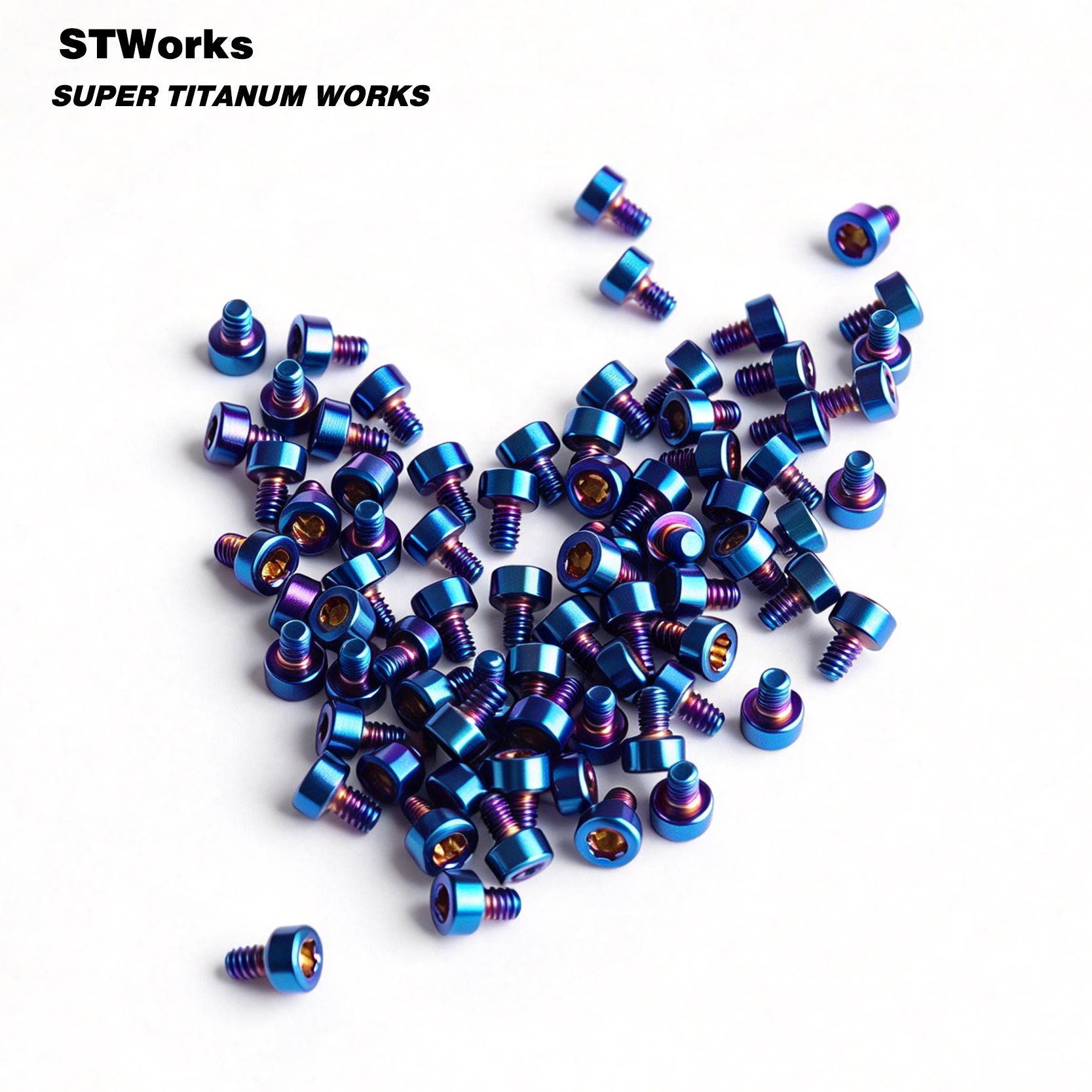
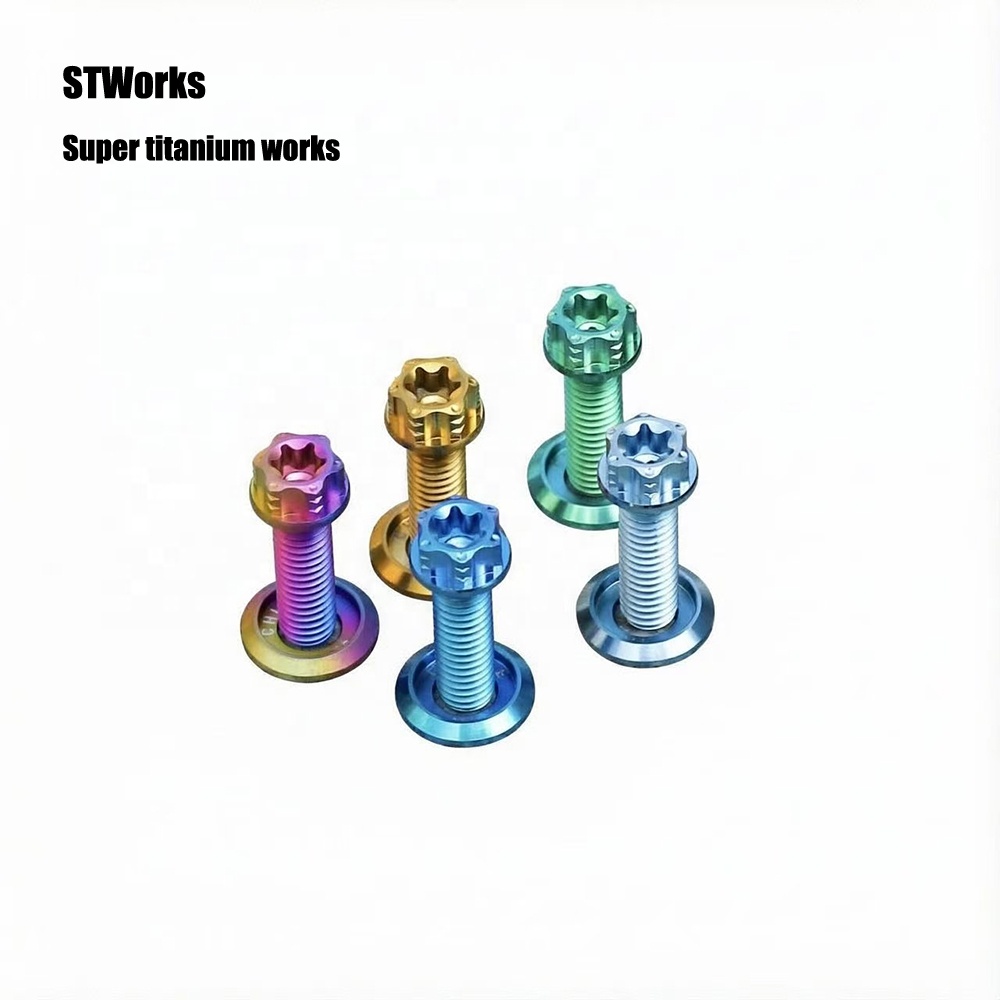
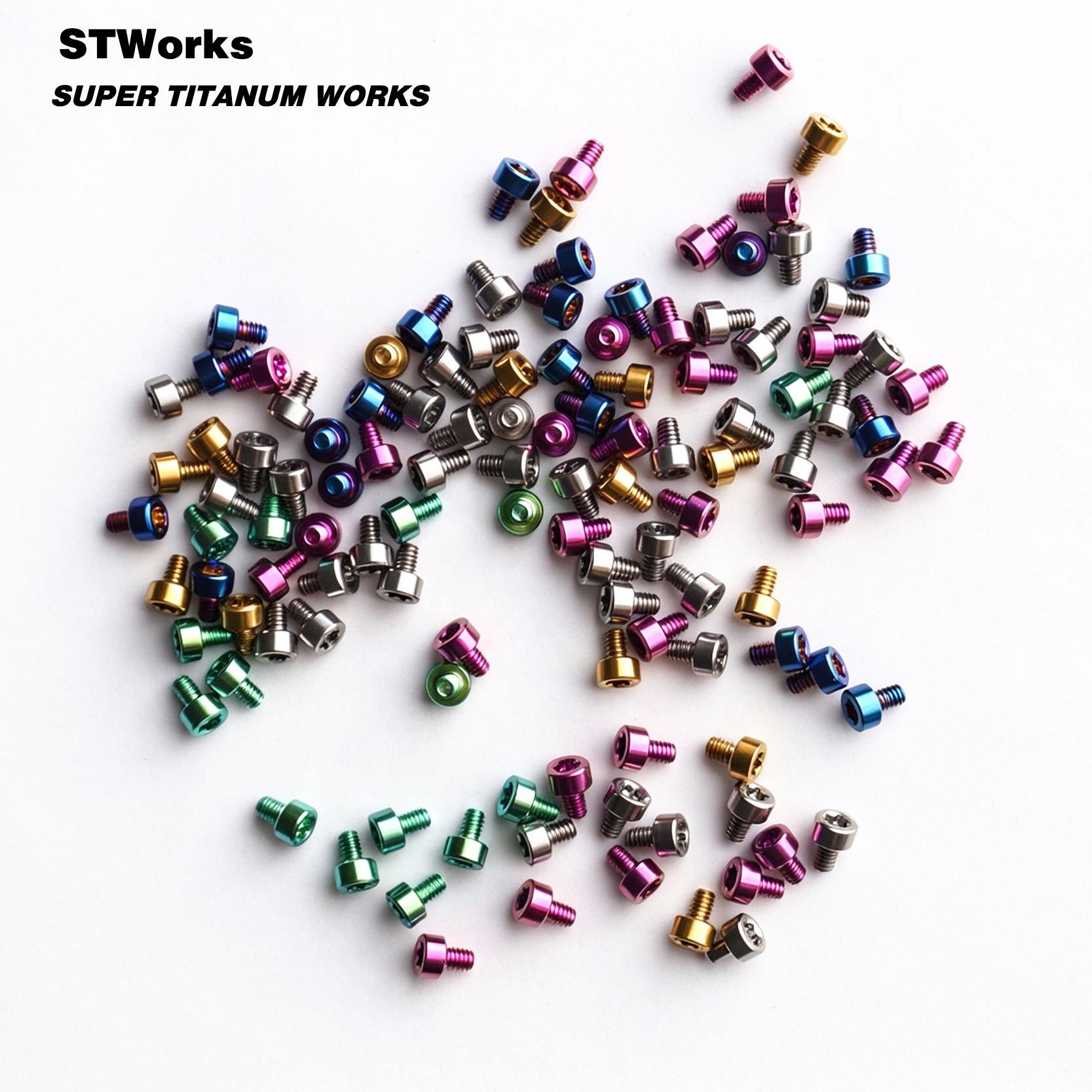
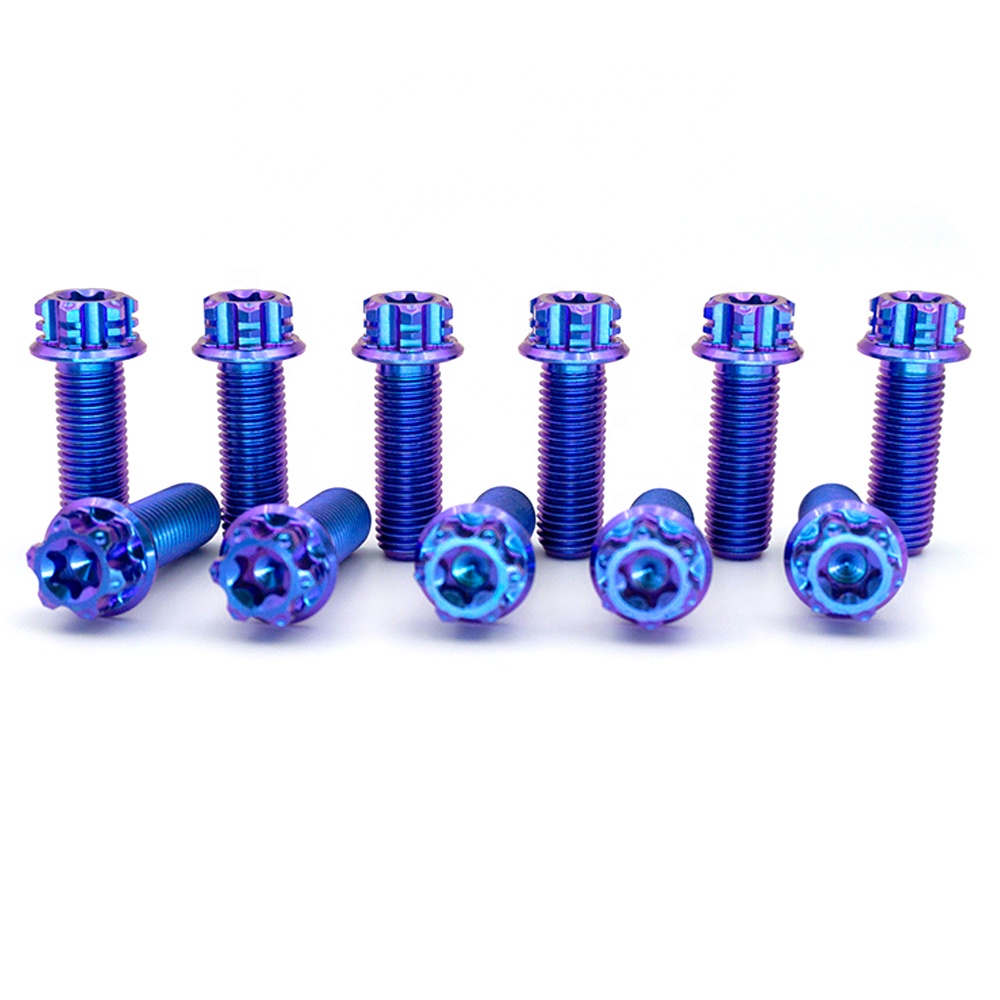
Tokyo, Saitama, and Kanagawa house an extraordinarily high concentration of premier superbike owners (Honda CBR1000RR-R, Yamaha YZF-R1M, Kawasaki Ninja ZX-10R). Customizing caliper hardware with our blue or rainbow PVD-coated bleeders allows riders to shave unsprung mass while achieving bespoke aesthetics.
Competitive Road & E-Bike Calipers
With high-end road disc brakes (Shimano Dura-Ace, SRAM Red) becoming the dominant configuration across Tokyo's recreational peloton, miniaturized titanium bleed ports (M5/M6 micro-bleed screws) deliver crucial weight savings and eliminate sweat-induced corrosion.
4. Enterprise Manufacturing Authority: Direct from Baoji's Titanium Valley
Headquartered in the Precision Manufacturing Park of Baoji, Shaanxi—globally recognized as "China's Titanium Valley"—Velnora Titanium Industry Co., Ltd. has established an integrated supply chain that directly serves institutional buyers throughout Japan, Europe, and the Americas since 2013. We do not intermediate; we engineer directly from virgin titanium ingots to boxed components.
Baoji Ingot Lineage
Every single run utilizes certified titanium sponge with complete mill test certification (MTC) conforming to ASTM B348, guaranteeing zero metallurgical voids or inclusions.
Swiss-Type Multi-Axis CNC
Bleed port internal conduits and side vent apertures are drilled in a single chucking operation, securing absolute concentricity and burr-free fluid passages.
PVD & Anodizing Cleanrooms
Equipped with specialized physical vapor deposition (PVD) vacuum chambers, we apply high-adhesion titanium nitride (TiN) and carbon-based black coatings that never flake.
Strict Tokyo Logistics Routes
With direct express lines connecting Baoji via Xi'an air hubs to Tokyo Narita (NRT) and Haneda (HND), standard sample deliveries land in Tokyo within 3 to 5 business days.
5. Frequently Asked Questions (FAQ) by Tokyo Fastener Sourcing Engineers
To assist Japanese procurement agents, QA engineers, and motorsport distributors in finalizing their supply verification, here are authoritative answers to our most frequent commercial and technical queries.
How do you prevent thread galling between titanium bleed screws and aluminum calipers?
Do your bleed screws conform to Japanese Industrial Standards (JIS B 1057 / JIS B 0205)?
Can we order custom hex head designs or safety wire pre-drilled holes for track inspection?
What are the recommended torque ratings for Gr5 titanium bleed screws in aluminum bodies?
What are your minimum order quantities (MOQ) and sample lead times for Japanese clients?
Accelerate Your Motorsport & Fastener Supply Chain Today
Send our senior engineering team your blueprints, dimensional standards, or OEM part numbers. Receive real-time DFM feedback, metallurgical validation reports, and factory-direct volume pricing within 4 hours.