High-Performance Titanium Brake & Fastening Solutions
Direct from Baoji—China's Titanium Valley—machined exclusively from certified aerospace-grade titanium billet. Inspected with laser micro-calipers to satisfy strict Japanese tolerances.
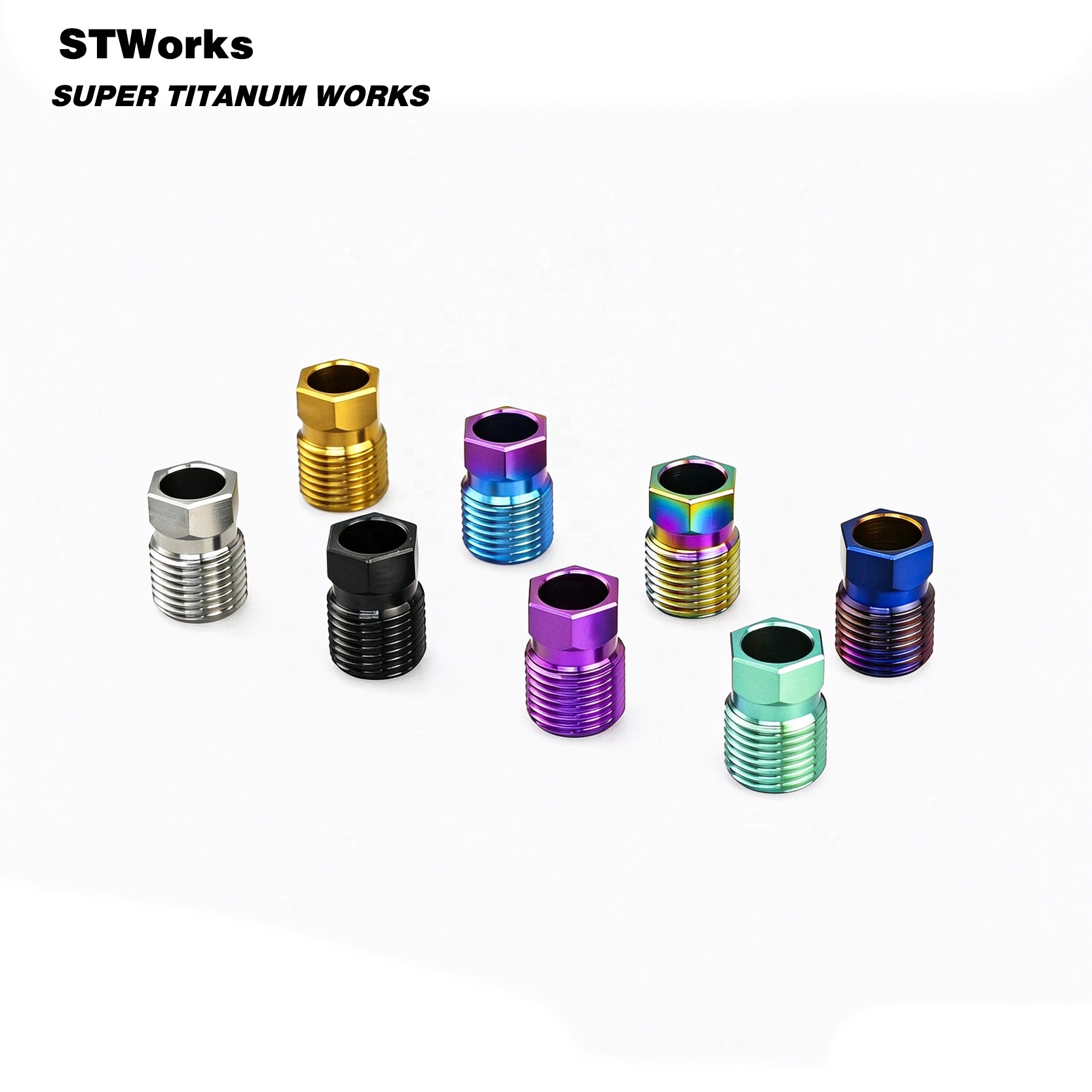
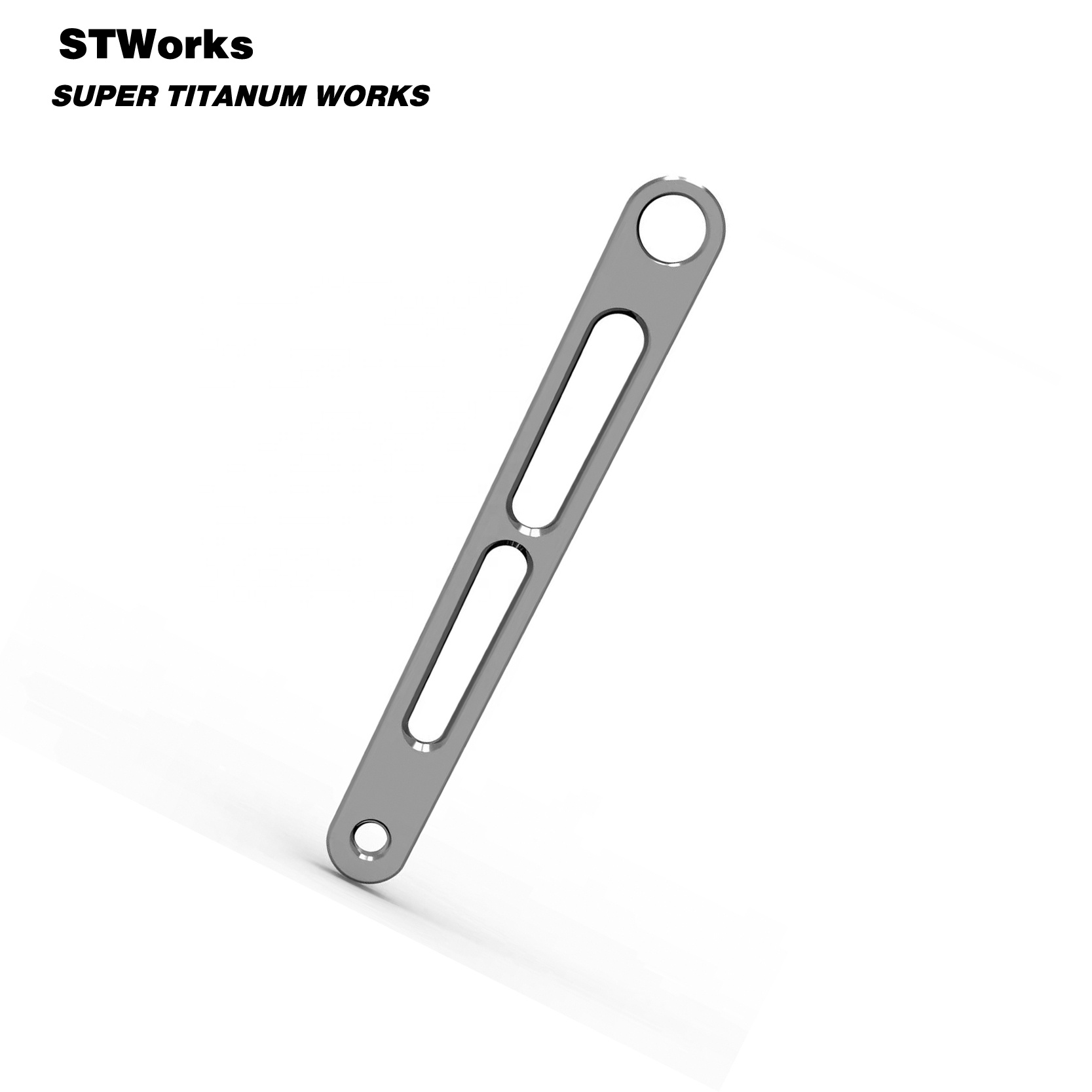
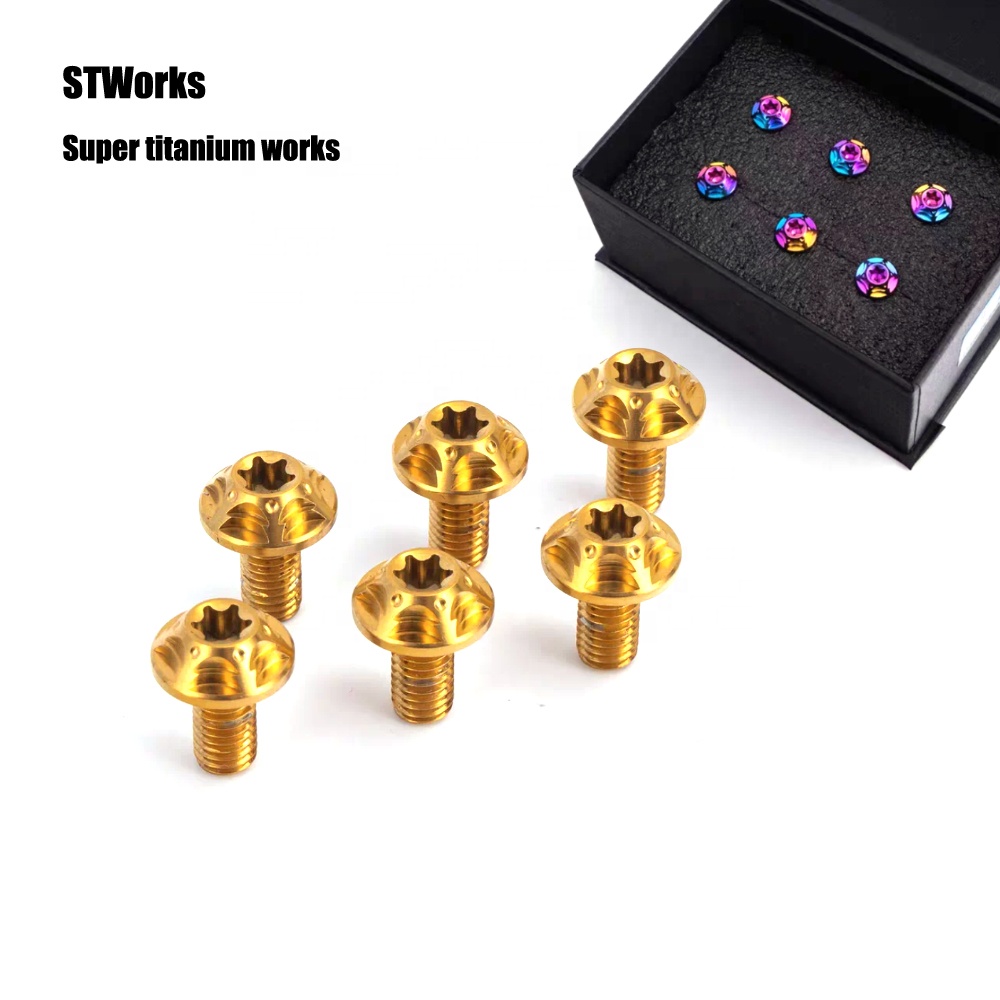
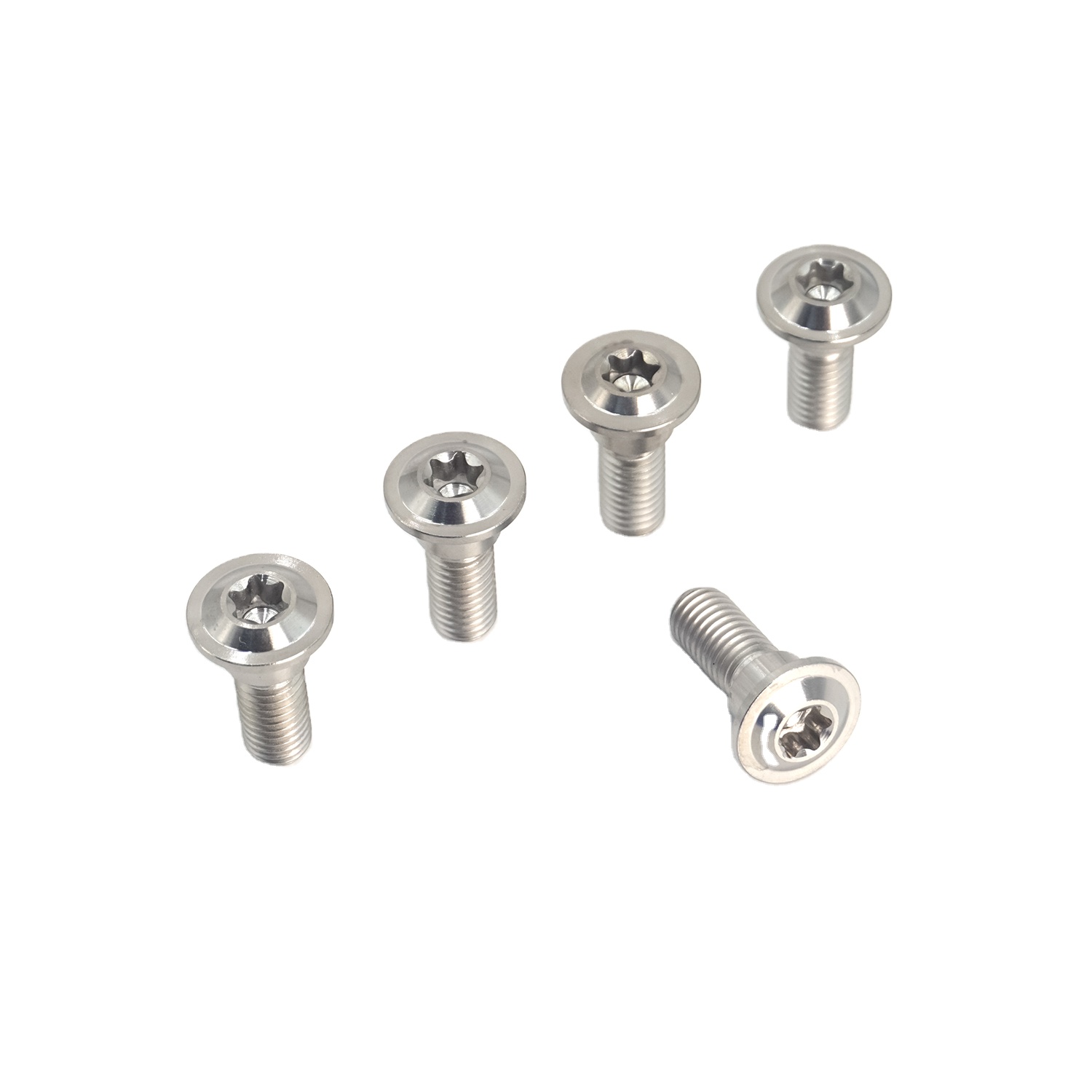
Optimizing Thermal Dissipation & Rotational Inertia: Why Nagoya's Engineering Ecosystem Demands Titanium Rotors
The Chūkyō Industrial Region, anchored by the metropolitan hub of Nagoya in Aichi Prefecture, represents the pinnacle of global automotive and precision mechanical manufacturing. As the home of Toyota Motor Corporation, an extensive tier-1 supplier network, and world-class testing tracks such as the Suzuka International Racing Course and Mikawa Circuit, this region demands rigorous metallurgical performance. For track-focused racing outfits, high-performance aftermarket suppliers, and high-end bicycle brands based in Nagoya, the transition from conventional cast-iron and stainless-steel brake rotors to advanced Ti-6Al-4V (Grade 5) titanium assemblies is driven by pure physics.
In high-speed, repetitive heavy-braking scenarios—such as those encountered down the 1.2-kilometer straight of Fuji Speedway or the technical braking zones of Suzuka—unsprung rotational mass directly impairs vehicle dynamics. A brake rotor functions not merely as an energy-dissipation heat sink; it represents rotational inertia that counteracts steering velocity (gyroscopic resistance) and suspension compliance. By utilizing Ti-6Al-4V Grade 5 titanium (composed of 90% titanium, 6% aluminum, and 4% vanadium), our engineering team achieves an exceptional strength-to-density ratio, slashing rotor carrier and mounting assembly weight by approximately 44% compared to steel alternatives, while maintaining tensile yield strengths in excess of 895 MPa.
Crucial Technical Note on Galling & Thermal Expansion: Because titanium possesses a lower thermal conductivity coefficient compared to gray cast iron, our custom floating rotor designs utilize two-piece bimetallic or composite configurations. Grade 5 titanium is primarily implemented in the carrier hat, floating bobbins, lock screws, and caliper structural fasteners, while heat-treated carbon-ceramic or martensitic stainless steel forms the swept friction ring. This mitigates excessive heat transfer to wheel hubs while preserving the superior lightweight advantages of titanium.
Metallurgical Performance Breakdown: Material Comparison
When procurement managers across Meieki, Sakae, and the greater Aichi manufacturing cluster evaluate structural hardware and brake components, empirical metallurgical test data provides the baseline qualification:
| Physical Property | Gr5 (Ti-6Al-4V) Fastener/Carrier | AISI 410 / 420 Brake Steel | 7075-T6 Aerospace Aluminum | JIS FC250 Gray Cast Iron |
|---|---|---|---|---|
| Density (g/cm³) | 4.43 | 7.75 | 2.81 | 7.20 |
| Ultimate Tensile Strength (MPa) | ≥ 895 | ≈ 700 - 850 | ≈ 570 | ≈ 250 |
| Yield Strength (0.2% Offset, MPa) | ≥ 828 | ≈ 550 | ≈ 503 | N/A (Brittle) |
| Modulus of Elasticity (GPa) | 114 | 200 | 71.7 | 110 |
| Thermal Conductivity (W/m·K) | 6.7 | 24.9 | 130 | 48 - 52 |
| Atmospheric / Salt Corrosion Resistance | Impervious (Self-healing TiO₂ film) | Moderate (Surface oxidation) | Poor (Susceptible to pitting) | Severe Rusting |
| Operating Temperature Limit (°C) | 400°C continuous | 500°C | 120°C (Softens rapidly) | 650°C |
Precision Machining in Baoji: Mitigating Thread Galling & Micro-Cracking
Precision manufacturing of titanium fasteners and rotor carriers requires deep domain expertise. Titanium possesses an affinity for work-hardening and localized thermal accumulation under CNC tooling. At Velnora Titanium Industry, our manufacturing facility in Jinhe Industrial Park, Baoji, leverages 5-axis synchronized CNC machining centers with high-pressure internal coolant delivery to maintain dimensional tolerances within ±0.005mm. Furthermore, all external male threads on our M5, M6, M8, and M10 brake hardware are manufactured via hydraulic cold thread-rolling rather than chip-cutting lathe turning. Cold rolling maintains continuous, uninterrupted grain flow along the root radius, increasing cyclic fatigue endurance by over 30% under severe vibration shock loads.
Source Custom Titanium Rotors for the Nagoya Market
Upload your CAD (.STEP, .IGES, or .DWG) technical drawings. Our chief tooling engineer will conduct a comprehensive DFM (Design for Manufacturability) review within 4 working hours.
Localized Engineering Applications in Nagoya & Tokai
Engineered to withstand coastal humidity from Ise Bay and severe dynamic stress from premier Japanese raceways.
Super GT & Suzuka Track Day Tuning
Motor racing constructors throughout Aichi and Mie prefectures utilize our lightweight Gr5 floating rotor hats and lock bolts to decrease gyroscopic precession on high-speed transitions at Suzuka's Degner Curves and Spoon Curve, improving transient turn-in response.
High-End Road & Gravel Cycling in Mikawa
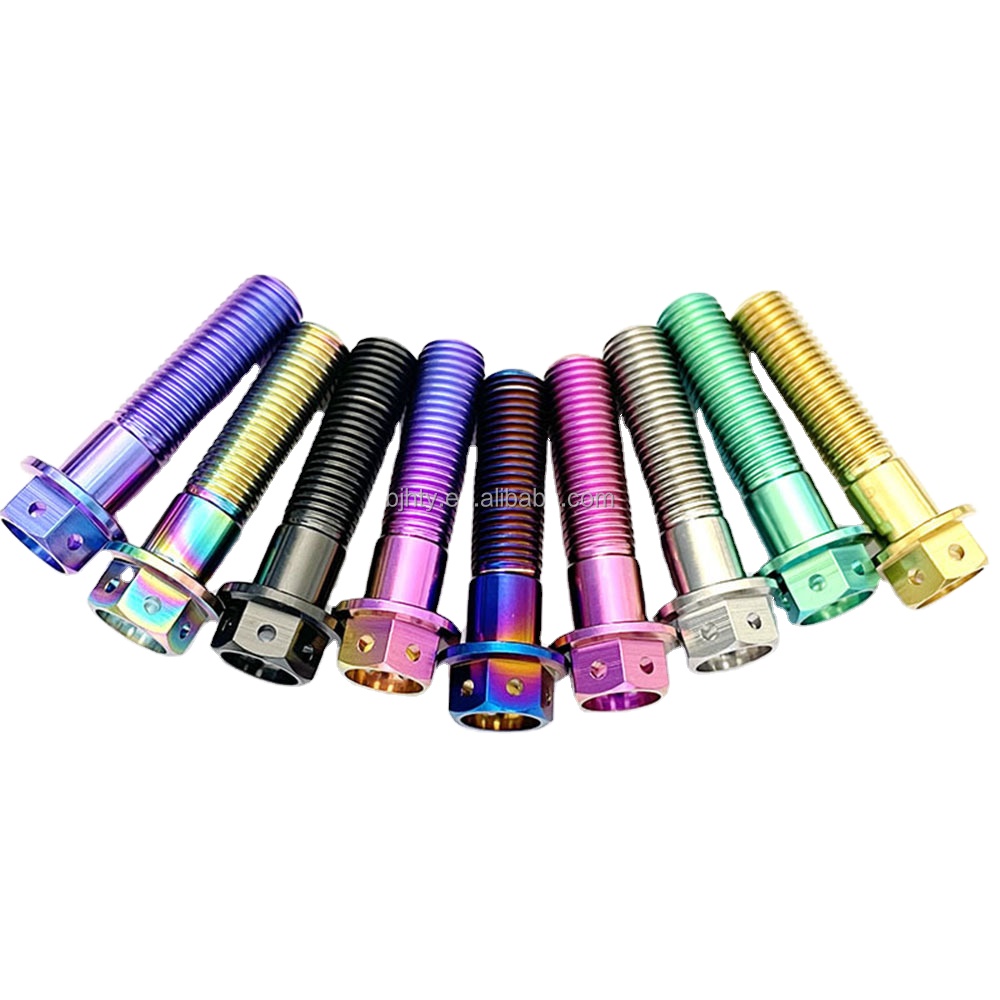
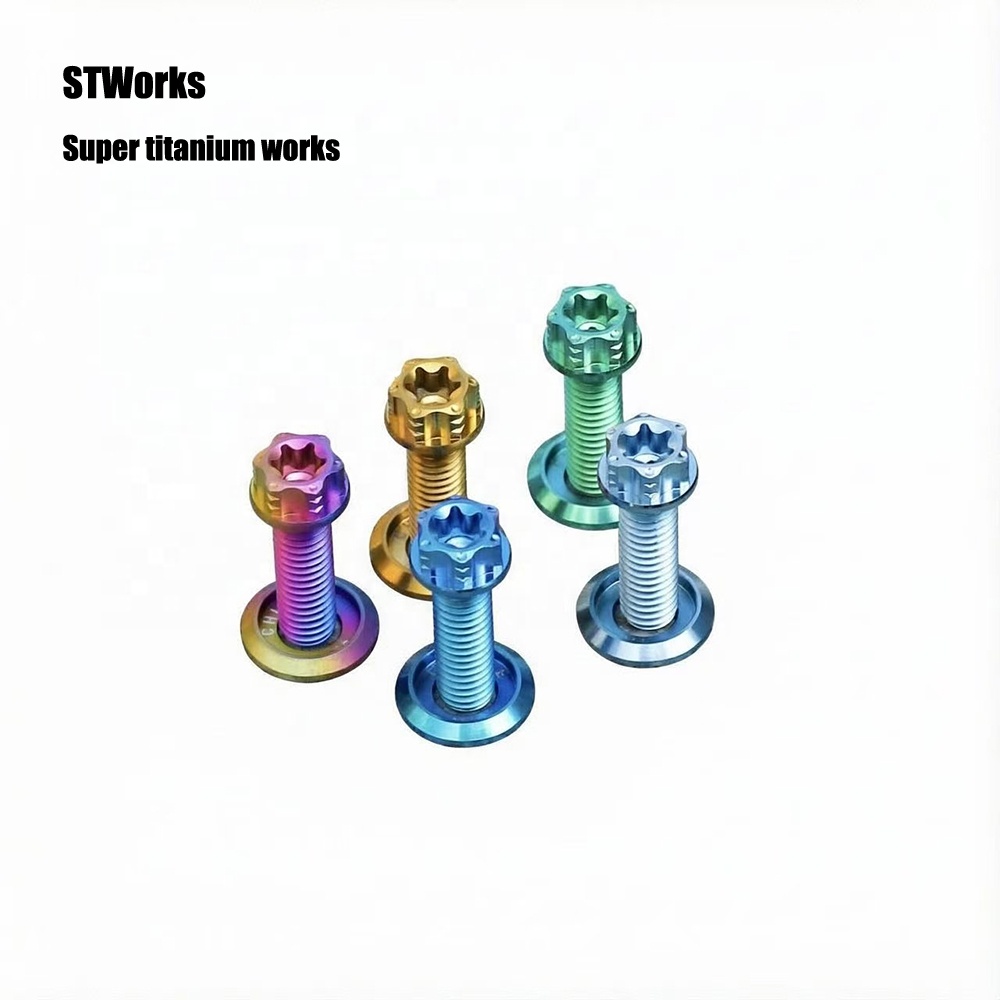
For custom frame builders and competitive peloton racers in Toyota City and Okazaki, our Torx M5x10 rainbow and PVD black rotor bolts eliminate rust caused by sweat and road de-icers while ensuring flawless clamping torque with hydraulic disc calipers.
Port of Nagoya Heavy Industrial Vehicles
The Port of Nagoya is Japan's largest port by cargo throughput. Specialized automated guided vehicles (AGVs) and logistics machinery operating in coastal saline environments leverage our custom titanium brake brackets and hardware to prevent salt-air galvanic degradation.
Emerging Technological Trends in the Nagoya Brake Systems Market
How zero-emission regulations and next-generation mobility architectures are accelerating titanium adoption across central Japan.
EV Weight Reduction & Regenerative Braking Synergy
As Japanese OEMs pivot toward battery electric platforms, high vehicle curb weight requires unprecedented mass-optimization elsewhere. Titanium brake carriers balance aggressive weight targets without sacrificing structural stiffness during emergency mechanical stops.
Brake Dust Particulate Mitigation (Euro 7 Compliance)
Global environmental standards targeting non-exhaust brake emissions have forced Japanese tier-1 suppliers to reconsider cast iron corrosion dust. Titanium carrier assemblies eliminate iron oxide shedding, aligning with forthcoming environmental compliance goals.
Additive Hybrid Manufacturing & Customization
Nagoya tuning shops increasingly order short-run, bespoke floating rotor carriers for vintage JDM platforms (e.g., Skyline GT-R, Supra, NSX). Baoji's combined Wire EDM and 5-axis turning services enable rapid prototyping without costly tooling lead times.
Velnora Titanium Industry Co., Ltd. — Your Baoji Partner
Operating from the epicenter of global titanium refining since 2013, bridging precision Chinese manufacturing with strict Japanese industrial quality standards.
Baoji Raw Material Lineage
Direct raw material supply chains located in China's Titanium Valley ensure 100% prime virgin sponge titanium sourcing. Full Mill Test Certificates (MTC) with chemical spectrometry and tensile test data provided per batch.
Real-Time Digital Factory Inspection
Transparent quality assurance. We shoot and stream real-time CNC machining videos, thread-optical comparator checks, and ultrasonic flaw testing footage so Nagoya buyers verify every specification before dispatch.
Direct Multilingual Engineering Desk
Average quote response under 4 hours with a 95.7% response rate. You interface directly with CNC programmers and metallurgists experienced with DIN, ISO, ANSI, and Japanese Industrial Standards (JIS).
Nagoya B2B Procurement FAQ: Titanium Brake Rotors & Fasteners
Clear, unhedged engineering answers to common technical queries raised by Japanese mechanical engineers and procurement officers.
Can pure titanium or Grade 5 titanium be utilized as a direct friction swept ring on disc brake systems?
Can Gr5 titanium rotor mounting bolts directly replace JIS Class 10.9 and 12.9 high-tensile steel bolts?
How does Velnora prevent thread galling between titanium rotor bolts and aluminum wheel hubs?
What is the standard shipping lead time and customs documentation for deliveries to Chubu Centrair or Port of Nagoya?
What is your Minimum Order Quantity (MOQ) for custom-machined titanium floating rotor hats?
Ready to Upgrade Your Braking Assemblies in Nagoya?
Speak directly with our Baoji titanium specialists. We provide competitive OEM/ODM terms, full dimensional QA reports, and high-precision CNC components tailored to the Japanese market.