Kinematic Dynamics of Titanium Brake Pins in High-Thermal Dissipation Braking Systems
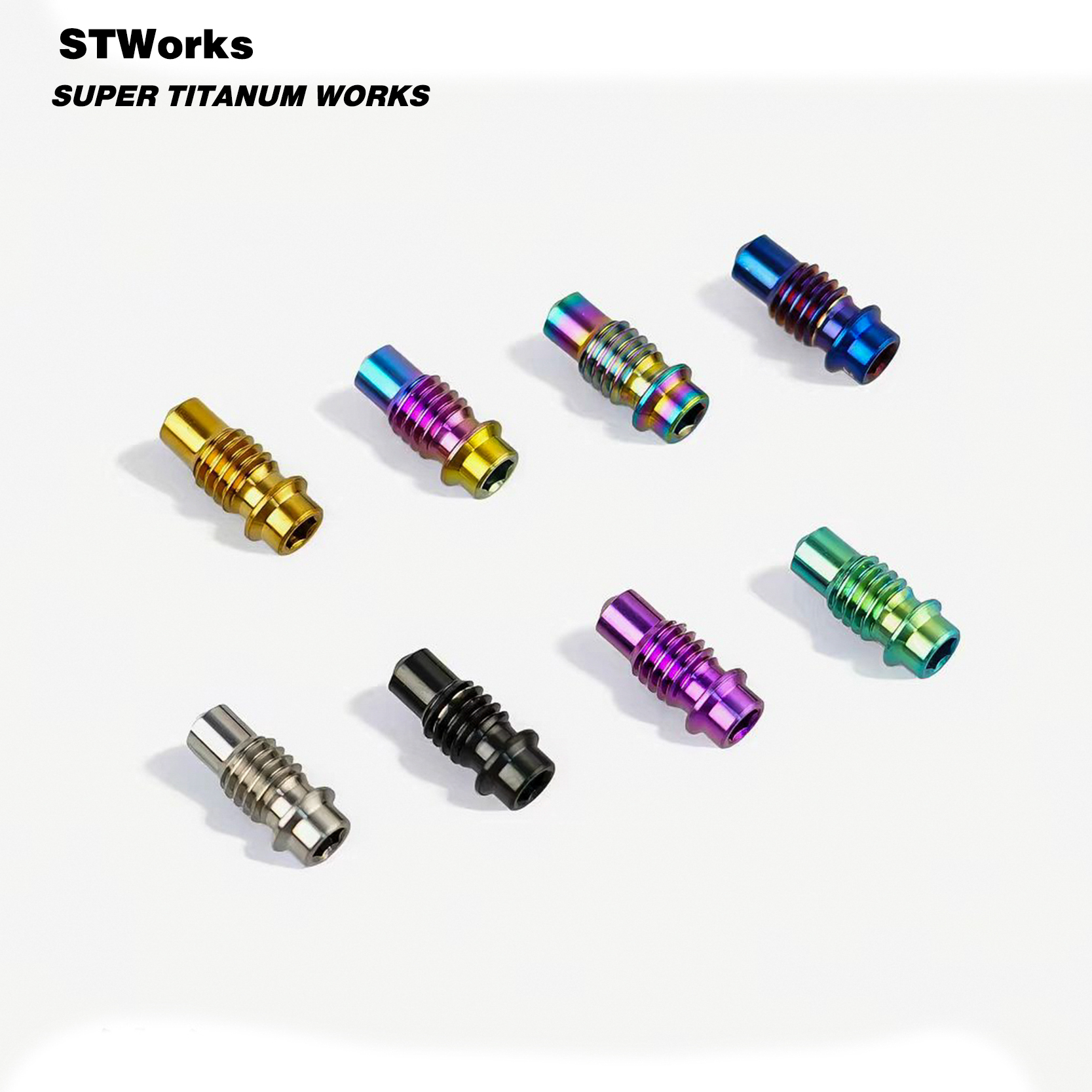
Within modern disc brake caliper architectures—ranging from dual-opposed piston floating configurations to monobloc racing calipers—the brake pad retaining pin (commonly referred to as the brake slide pin or pad guide spindle) functions as the structural datum for pad retraction, linear travel, and torque reaction transfer. Despite its seemingly elementary geometry, the brake pin endures continuous shear forces, cyclical vibrational resonance up to 2,500 Hz, corrosive de-icing salts, and acute thermal spikes frequently surpassing 650°C at the pad-rotor boundary.
Historically, automotive and motorcycle OEMs utilized zinc-plated low-alloy carbon steels or austenitic 304/316 stainless steels for slide pins. However, in aggressive industrial logistics, competitive motorsport, and electric vehicle (EV) fleets operating in Eastern Hungary, these legacy materials reveal significant engineering limitations. Standard carbon steels suffer from zinc coating ablation, followed by rapid galvanic oxidization, pitting, and subsequent "pad hang-up" (where oxidized rust formations lock the pad in contact with the rotor, creating parasitic drag and catastrophic brake glaze). While austenitic stainless steel prevents red rust, its low thermal conductivity (approx. 16 W/m·K) coupled with high thermal expansion rates often leads to thermal binding and galling within aluminum caliper bodies under prolonged mechanical loading.
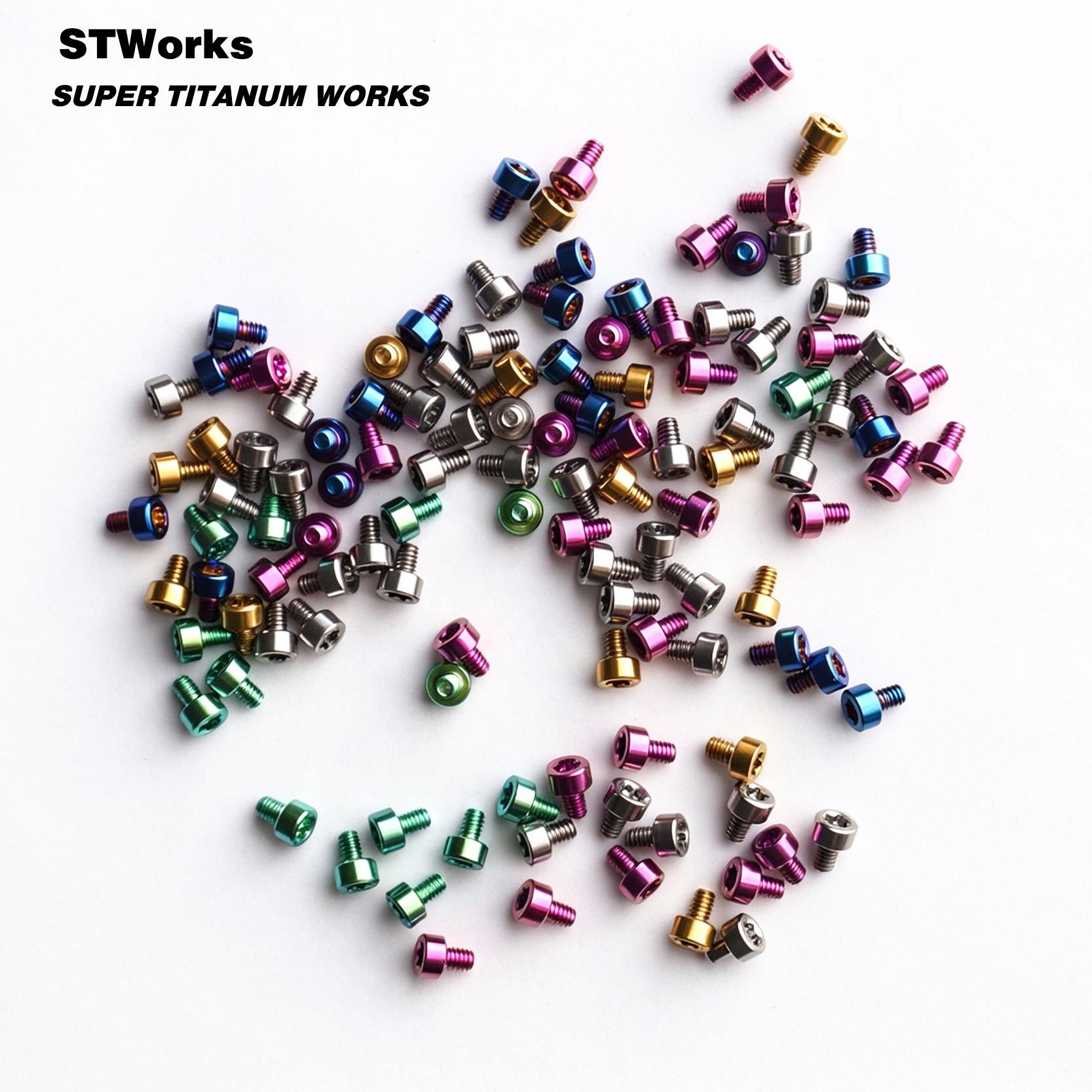
Implementing Grade 5 Titanium (Ti-6Al-4V / TC4, Werkstoff 3.7165) eliminates these failure modes entirely. With a specific density of 4.43 g/cm³ compared to 7.9 g/cm³ for structural steel, titanium provides an immediate 44% reduction in unsprung mass. More importantly, its elastic modulus (Young's modulus of approximately 110 to 114 GPa) represents roughly half that of steel (210 GPa). This optimized compliance allows the pin to absorb micro-chatter, distribute pad vibration evenly, and prevent localized stress concentrations across the pad backplate ear slots, substantially reducing low-frequency brake squeal and erratic pad taper wear.
Metallurgical Superiority: Microstructural Integrity & Galling Prevention
Velnora machines its caliper slide pins exclusively from vacuum-arc remelted (VAR) alpha-beta titanium bar stock. Ti-6Al-4V incorporates 6% aluminum to stabilize the alpha phase (enhancing high-temperature strength) and 4% vanadium to stabilize the beta phase (conferring superior yield strength and ductileness). In brake pin duty cycles, the yield strength of heat-treated Ti-6Al-4V exceeds 828 MPa, delivering a shear resistance that matches or surpasses property class 8.8 and 10.9 fastener steels while offering near-infinite fatigue longevity under salt-spray fog testing (ASTM B117 > 1,000 hours without substrate degradation).
To address the recognized tribological challenge of titanium-on-metal galling, our Debrecen-targeted manufacturing protocols integrate micro-finishing down to Ra 0.2–0.4 μm along the pin bearing shaft, coupled with specialized surface conversion choices. We utilize either Physical Vapor Deposition (PVD) Titanium Nitride (TiN) or Diamond-Like Carbon (DLC) coatings, as well as controlled Type II hard anodization. This creates an ultra-dense, self-passivating ceramic barrier with surface hardness exceeding HV 2,200, guaranteeing friction-free pad translation even under extreme thermal duress without reliance on grease that can vaporize onto friction pucks.
Debrecen’s Industrial Resurgence: Automotive, EV Battery Ecosystems & Precision Logistics
The city of Debrecen and the broader Hajdú-Bihar county represent one of the fastest-accelerating advanced manufacturing capitals in Central and Eastern Europe. Catalyzed by massive greenfield capital expenditure—including the BMW Group Plant Debrecen (the pioneering site for the fully electric Neue Klasse architecture), the multi-billion-euro Contemporary Amperex Technology Co. Limited (CATL) battery gigafactory in the Southern Economic Zone, and associated Tier-1/Tier-2 clusters (such as Semcorp, Eve Energy, and Halms)—the region has transitioned into an ultra-demanding proving ground for lightweight engineering components.
In this concentrated ecosystem, local OEMs, test labs, automated logistics operators, and precision performance engineering workshops face distinct operating realities that necessitate direct procurement partnerships with specialized titanium manufacturers:
Next-Gen EV Weight Optimization
Heavy battery packs elevate the overall curb weight of battery electric vehicles (BEVs), placing excessive stress on regenerative-to-friction blended braking systems. Grade 5 titanium brake pins and caliper bleed bolts trim critical unsprung mass at each wheel assembly, helping engineering teams maximize energy conversion efficiency and transient suspension responsiveness.
Winter Road Chemistry & De-Icing
Eastern European winter transit routes (M35 highway, Debrecen orbital corridors) heavily rely on aggressive calcium and magnesium chloride chemical de-icing agents. Unlike galvanized steel fasteners which seize in brake brackets within two seasons, titanium exhibits total immunity to chloride pitting, ensuring long-term fleet uptime.
Intralogistics AGV & Crane Reliability
The vast logistics parks serving the Debrecen industrial corridor deploy high-duty Autonomous Guided Vehicles (AGVs) and heavy electrified yard tractors. Frequent emergency brake stops cause rapid brake pad overheating. Titanium guide pins eliminate thermal binding and pad sticking, safeguarding continuous 24/7 autonomous battery handling operations.
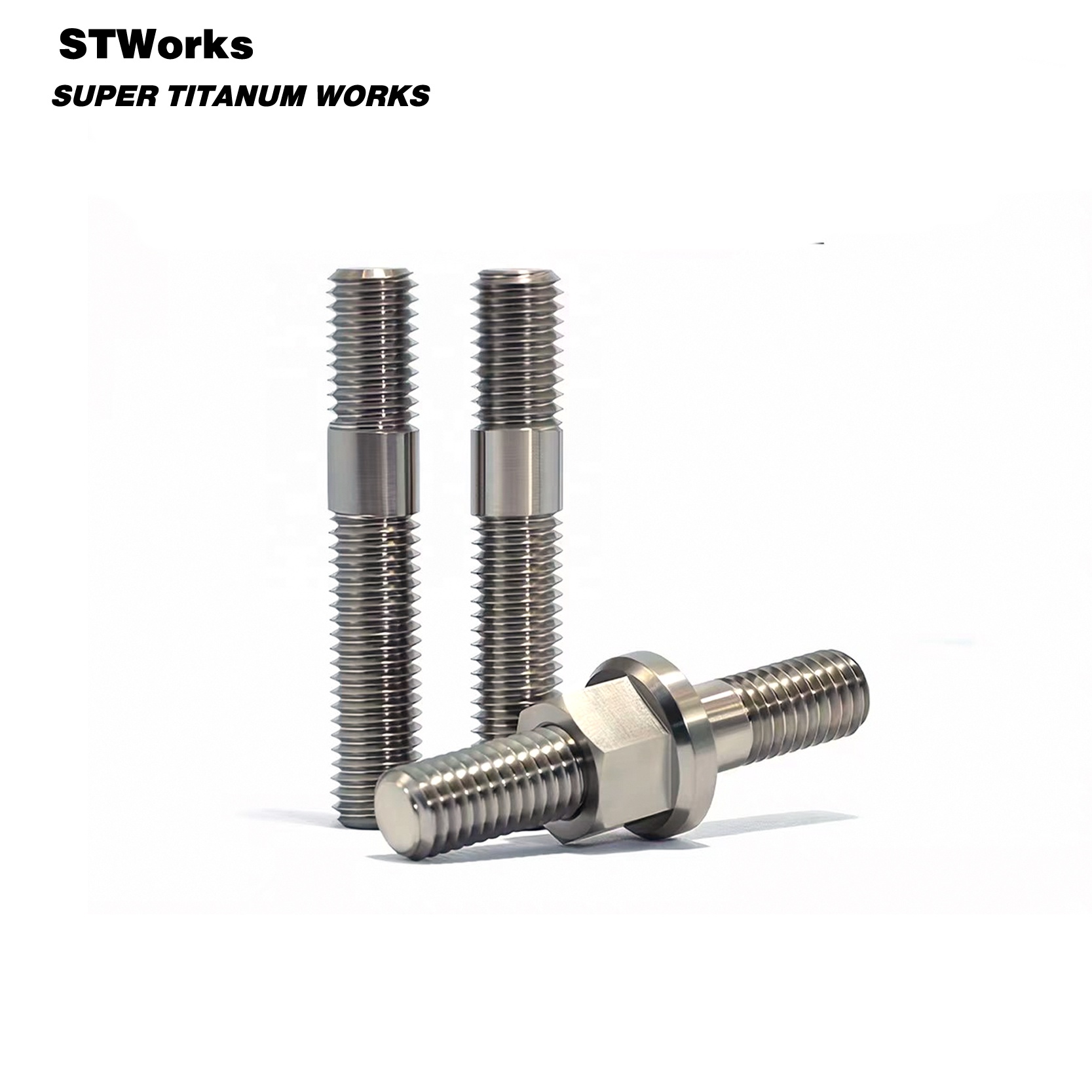
Furthermore, Debrecen's geographic proximity to regional racing hubs—such as the Pannónia-Ring, the Euroring, and motorcycle endurance clubs throughout Central Europe—drives robust aftermarket demand for bespoke titanium brake pins, caliper mounting hardware, and banjo bolts. Motorsport engineering demands rapid pad replacement via R-clip or quick-release retaining pins without thread seizing during intense track pit stops.
Comparative Mechanical & Environmental Performance: Slide Pin Alloys
To aid Debrecen procurement officers, component development engineers, and quality assurance leads in specifying the correct hardware for braking assemblies, the matrix below contrasts Grade 5 Titanium against standard automotive hardware grades under operating conditions typical of modern European transit and performance vehicles:
| Mechanical / Chemical Metric | Grade 5 Titanium (Ti-6Al-4V) | Property Class 10.9 Steel | 316 Austenitic Stainless | 7075-T6 Hard Anodized Al |
|---|---|---|---|---|
| Mass Density (g/cm³) | 4.43 (Optimal Balance) | 7.85 (Heavy Baseline) | 8.00 (Heavy) | 2.81 (Ultra-Light) |
| Tensile Yield Strength (MPa) | 828 – 910 | 900 – 940 | 240 – 290 | 480 – 505 |
| Modulus of Elasticity (GPa) | 110 (Damps Vibration) | 210 (Rigid / Resonant) | 193 (Rigid) | 72 (Prone to Flex Fatigue) |
| Thermal Expansion (10⁻⁶/K) | 8.6 (Matches Caliper Al Closer) | 11.7 | 16.0 (High Galling Risk) | 23.4 (Excessive Expansion) |
| ASTM B117 Salt Spray Lifespan | > 2,000 hrs (Zero Pitting) | < 96 hrs (Red Rust Emergence) | 480 hrs (Crevice Corrosion) | 120 hrs (Coating Pitted) |
| Thermal Stability Threshold | Stable up to 450°C | Tempering Loss > 300°C | Work Softens > 350°C | Severe Degradation > 120°C |
| Debrecen Brake Duty Suitability | Highest (OEM & Race Grade) | Moderate (Requires Frequent Repl.) | Low (Binds under Thermal Load) | Unsafe for Structural Caliper Pins |
*Data compiled from ASTM B348 bar specification testing, ISO 898-1 fastener mechanical properties, and Velnora in-house dimensional and optical metallographic test archives.
Velnora Titanium Industry: Direct Manufacturer Advantages for European Buyers
Headquartered in Baoji, Shaanxi Province—internationally recognized as China's "Titanium Valley" with more than 60% of domestic titanium smelting, forging, and research infrastructure—Velnora Titanium Industry Co., Ltd. has specialized in precision CNC titanium machining, exotic fastener manufacturing, and custom mobility hardware since 2013. We are not a broker or trading intermediary; we control the full manufacturing chain from certified titanium sponge ingot selection to final high-precision Swiss-lathe turning and thread rolling.
When Debrecen Tier suppliers and regional automotive innovators partner with Velnora, they gain clear manufacturing transparency and engineering reliability:
Direct-to-Machinist Communication
Skip sales middle layers. Technical inquiries receive actionable review from our tooling engineers within 4 business hours, including DFM (Design for Manufacturability) analysis on custom STEP/IGES caliper pin drawings.
Real-Time Video QA Audits
We document every production run. Debrecen clients receive high-definition video walkthroughs and photographic CMM inspection reports of thread pitch, concentricity, and micro-finishing before parts leave our facility.
Full Metallurgical Traceability
Every shipment comes with complete EN 10204 3.1 chemical composition and tensile physical test certifications, ensuring total compliance with EU REACH, RoHS, and automotive PPAP documentation standards.
Streamlined EU Logistics Corridors
Reliable door-to-door air express (DHL/FedEx Priority 4–6 business days to Debrecen Airport / Budapest logistics centers) or consolidated sea/rail container freight for scheduled quarterly recurring purchase orders.
Debrecen Localized Buyer FAQ: Titanium Brake Pins & Caliper Hardware
How do titanium brake pins hold up against winter road de-icing salts used around Debrecen and Eastern Hungary?
Can Velnora manufacture custom brake pins according to proprietary OEM or racing caliper drawings?
What surface finishes and anti-galling treatments are recommended for titanium slide pins?
What are the typical lead times and customs arrangements for delivery into Debrecen?
What documentation and certification is provided with titanium fastener shipments?
Can Grade 5 titanium bolts and pins be used in safety-critical automotive structural joints?
Request Technical Specifications & Debrecen Market Quotation
Upload your 2D/3D component drawings or specify your caliper requirements. Our factory-floor engineering team in Baoji will evaluate your tolerances, provide material certification data, and return a competitive manufacturer-direct price quotation within 4 hours.