High-Integrity Titanium Components & Fasteners
Precision CNC-turned and milled aerospace-grade titanium hardware engineered to prevent seizure, thermal degradation, and galvanic corrosion across Latin American fleets.
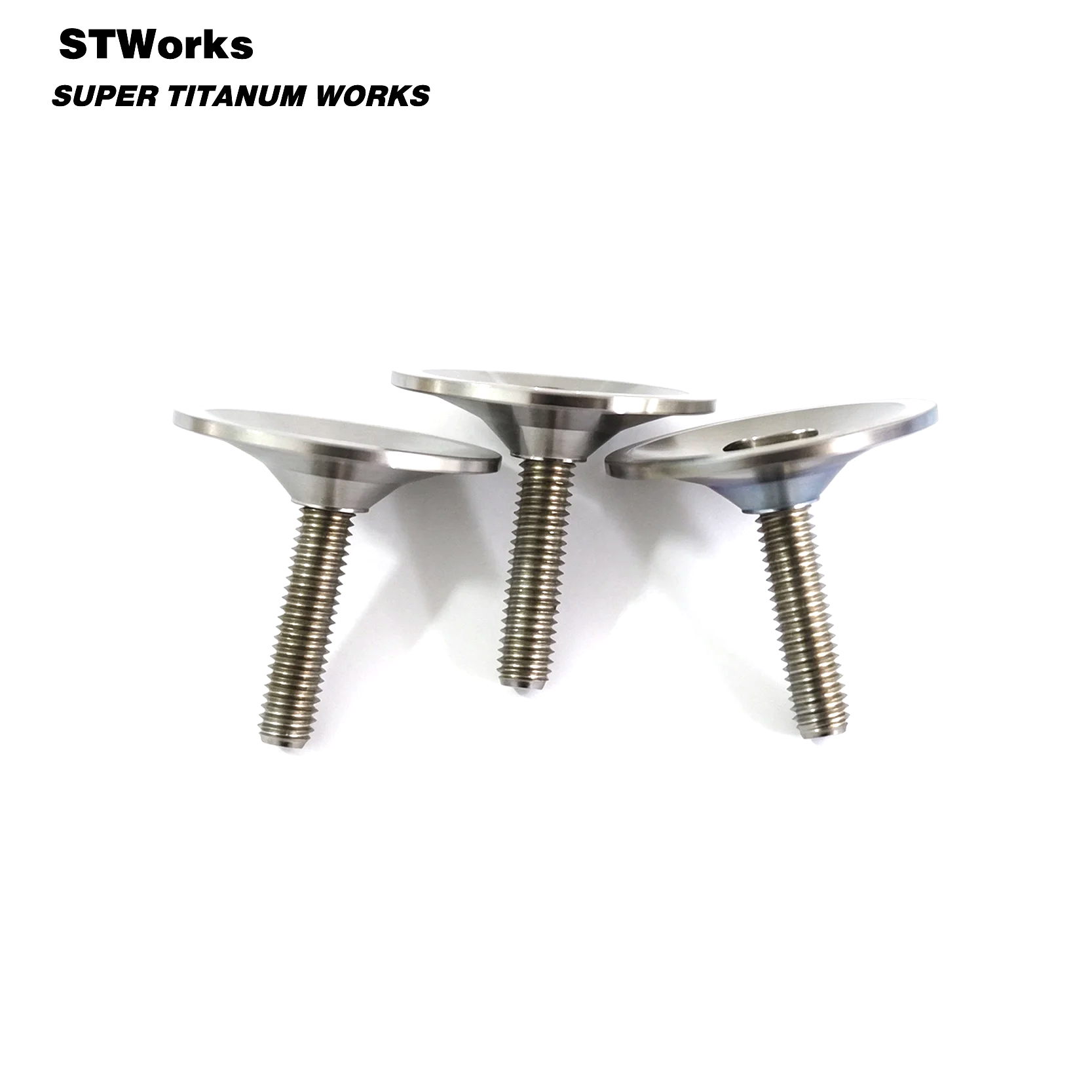
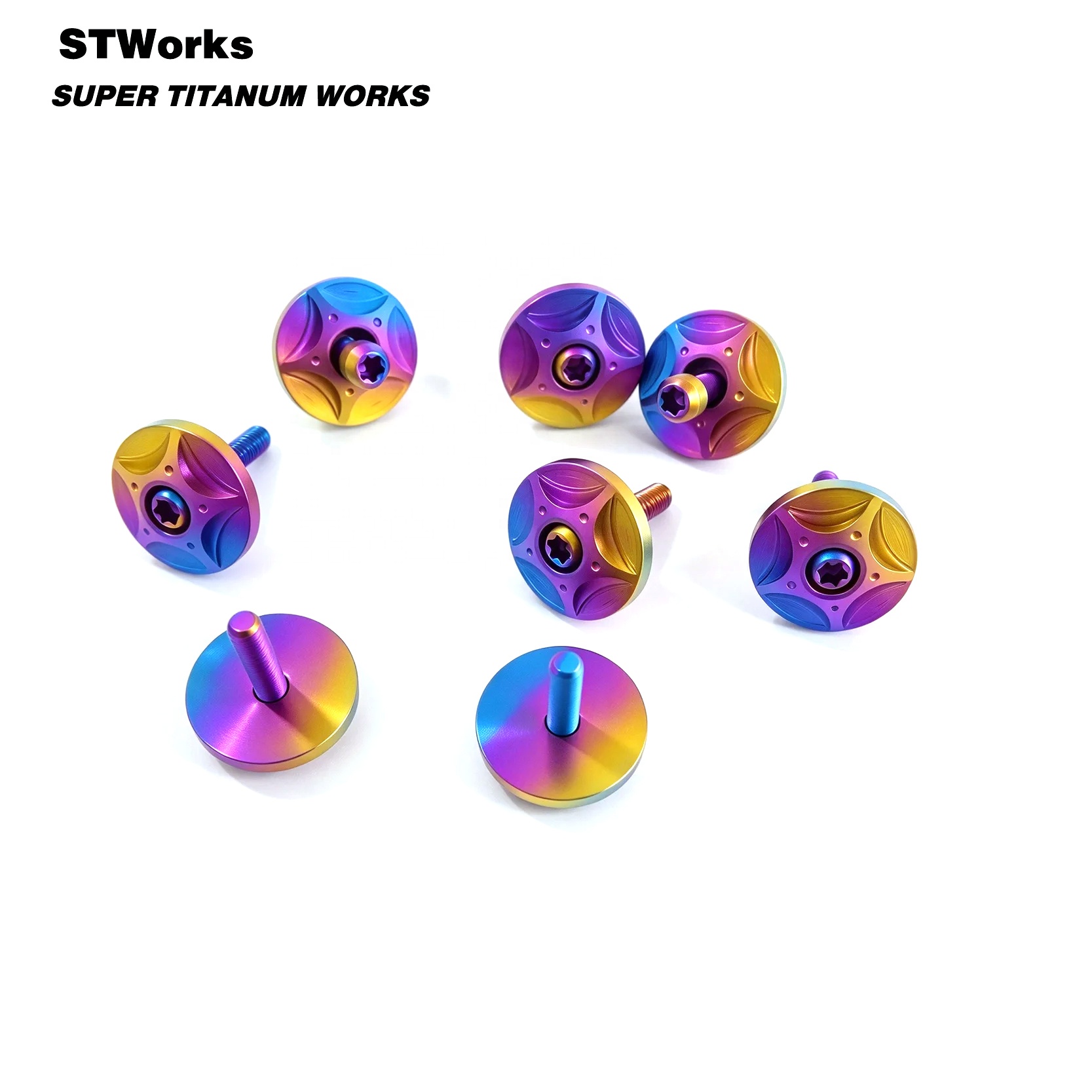
Engineering Superiority: Titanium Brake Pins in Critical Tribological Interfaces
A metallurgical review of structural stability, shear resistance, and heat mitigation in hydraulic disc calipers operating in high-humidity maritime trade environments.
Brake pad retaining pins, slide pins, and pad guide bolts operate in one of the most volatile physical environments found in mechanical engineering. As an essential interface component within hydraulic disc brake calipers, the brake pin guarantees axial pad alignment, smooth retraction, and sustained clamping force delivery under extreme thermal cycles. In baseline commercial vehicles, motorcycles, and racecraft, original equipment manufacturers (OEM) routinely specify zinc-plated or passivated mild carbon steels (Class 8.8) or low-tier austenitic stainless steels (AISI 304). While cost-effective for temperate regions, these materials fail quickly when deployed in equatorial, maritime zones like the Republic of Panama.
Panama's coastal and transit environments—characterized by year-round ambient relative humidity frequently exceeding 85%, continuous ocean salt-spray carryover from the Pacific and Atlantic coastlines, and acidic precipitation—accelerate galvanic corrosion and crevice micro-pitting. When standard steel pins corrode inside an aluminum caliper body (typically cast or forged A380/6061-T6 alloy), the galvanic potential differential induces aggressive sacrificial oxidization. The ferrous oxides swell up to ten times their initial metallic volume, freezing the pin into the caliper bore. This catastrophic condition causes uneven brake pad wear, rotor warping, fluid boiling through sustained drag, and severe brake fade.
Velnora Titanium Industry Co., Ltd. addresses this operational failure mode through the manufacture and export of precision-turned Ti-6Al-4V Grade 5 (UNS R56400 / Chinese TC4) titanium alloy brake pins. Certified with a minimum tensile yield strength of 828–895 MPa, Grade 5 titanium offers an extraordinary strength-to-weight ratio, shearing resistance exceeding common 8.8 bolts, and an inert passivation layer. The spontaneous formation of an adherent, stable titanium dioxide (TiO₂) ceramic film renders our pins totally non-reactive to coastal saltwater aerosols, road mud, dynamic wash chemicals, and polyglycol hydraulic brake fluids (DOT 3, DOT 4, DOT 5.1).
From an operational safety standpoint, thermal dissipation is a prime design criterion. Steel hardware acts as a high-density thermal conduit, driving frictional heat straight from the backing plate through the pin and into the caliper body and hydraulic chambers. Grade 5 titanium presents a thermal conductivity of roughly 6.7 to 7.5 W/(m·K), which is nearly one-fourth that of structural carbon steel (~50 W/(m·K)). By acting as an effective thermal barrier, our precision-turned brake pins restrict conductive heat migration toward sensitive elastomeric piston seals and hydraulic fluids, preventing vapor lock during prolonged descents across Panama's Cordillera Central or repetitive braking on Panama City racetracks.
Localized Applications Across Panama’s Logistics & Transport Hubs
Targeted solutions developed for interoceanic transport corridors, Panama Canal heavy-duty workcraft, and regional high-performance motorsports.
Interoceanic Fleet Logistics & Trans-Isthmian Transport
Commercial transport fleets operating 24/7 haulage between the Port of Balboa (Pacific) and Port of Colón (Atlantic) traverse severe microclimates daily. High-tonnage logistics trucks, container chassis, and escort light-commercial vehicles face continuous drenching from coastal moisture and high-speed highway heat. Velnora titanium caliper slide and guide pins ensure zero pad binding, eliminating roadside breakdowns, preventing excessive fuel consumption caused by brake drag, and maximizing fleet uptime between the Panama Canal free trade zones.
Canal Maritime Auxiliary Vehicles & Port Equipment
Material-handling infrastructure, dockside terminal tractors, reach stackers, and coastal pilot watercraft deployed throughout the Panama Canal corridor operate within direct splash zones. Ordinary cadmium or zinc-plated steel caliper pins seize within weeks due to intense electrochemical attack. Our CNC-machined titanium clevis pins, disc caliper retaining pins, and bleed screws provide absolute resistance to seawater immersion, reducing overhaul labor and eliminating damaged calipers during routine pad swaps.
Panama City Track, Motocross & Highland MTB Sports
Panama boasts a rapidly growing community of premium sport motorcycle riders, track-day enthusiasts, and competitive downhill racers tackling rigorous terrain in Boquete, Chiriquí, and Cerro Azul. Unsprung rotational weight directly impacts gyroscopic inertia, suspension reaction time, and handling agility. By shedding 44% of the weight of original pins and offering ultra-smooth mirror burnished shafts (Ra < 0.4 µm), our Grade 5 pins deliver instantaneous pad response and razor-sharp lever modulation.
Strategic Market Trends in the Panamanian Aftermarket Sector
Why distributors and tier-1 maintenance providers across Central America are shifting from consumable steel pins to permanent titanium hardware.
Panama functions as the logistics and financial nerve center of Central America. Driven by the expansion of the Colón Free Trade Zone (Zona Libre de Colón) and multinational corporate distribution centers, the regional supply chain demands hardware that reduces total lifecycle maintenance costs. The historic approach of treating brake slide pins as disposable hardware is being systematically phased out by commercial fleet directors and premium repair centers. Several market drivers highlight this transition:
1. Escalating Lifecycle Cost Sensitivity: In heavy-duty and logistics applications, the raw cost of a pin is negligible compared to the secondary costs incurred when a pin fails. In a humid tropical climate, a seized steel pin destroys the caliper housing upon attempted extraction, requiring drilling, heli-coil insertion, or total caliper replacement. Panamanian automotive repair groups are recognizing that specifying Gr5 titanium hardware at the first service interval completely eliminates future thread stripping and caliper write-offs.
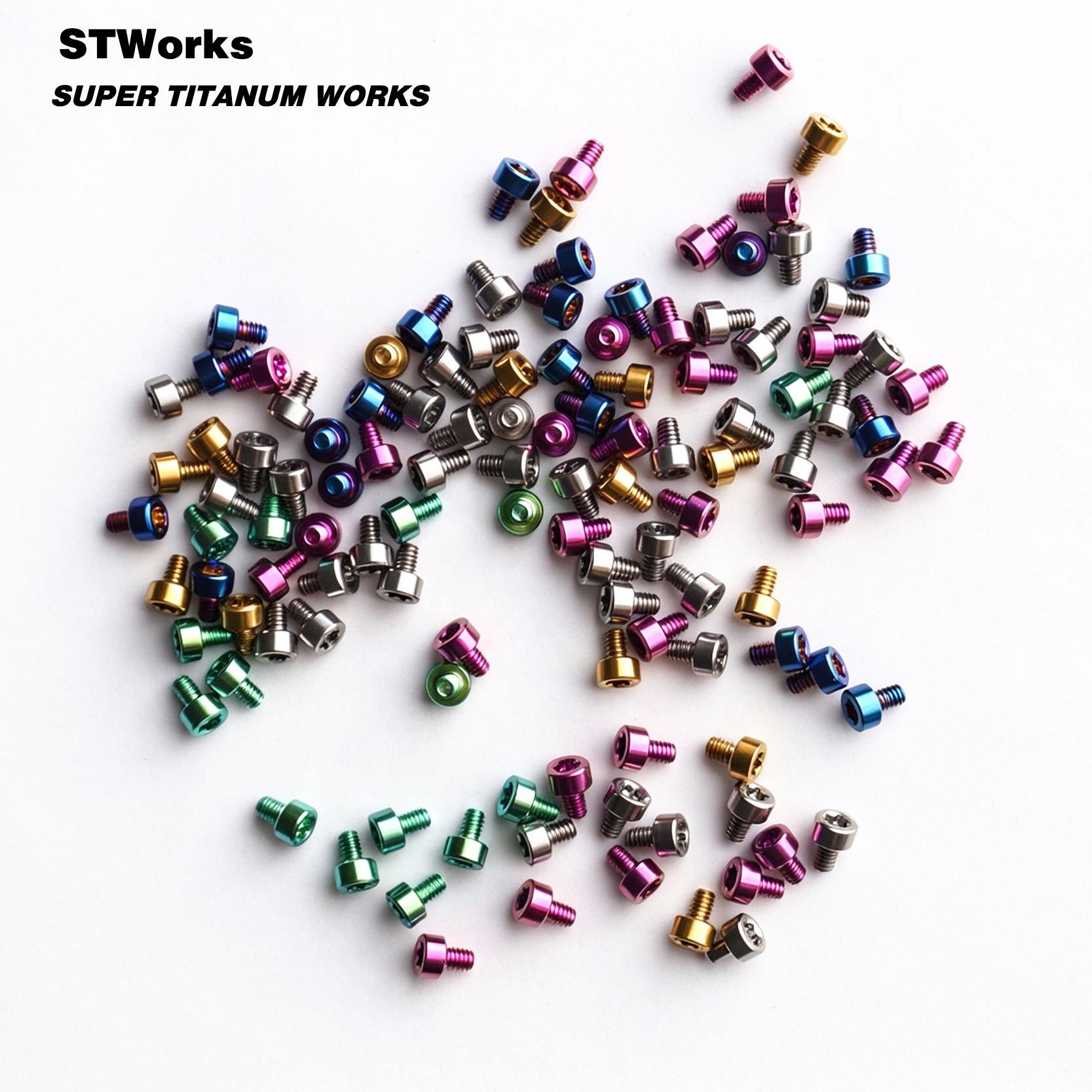
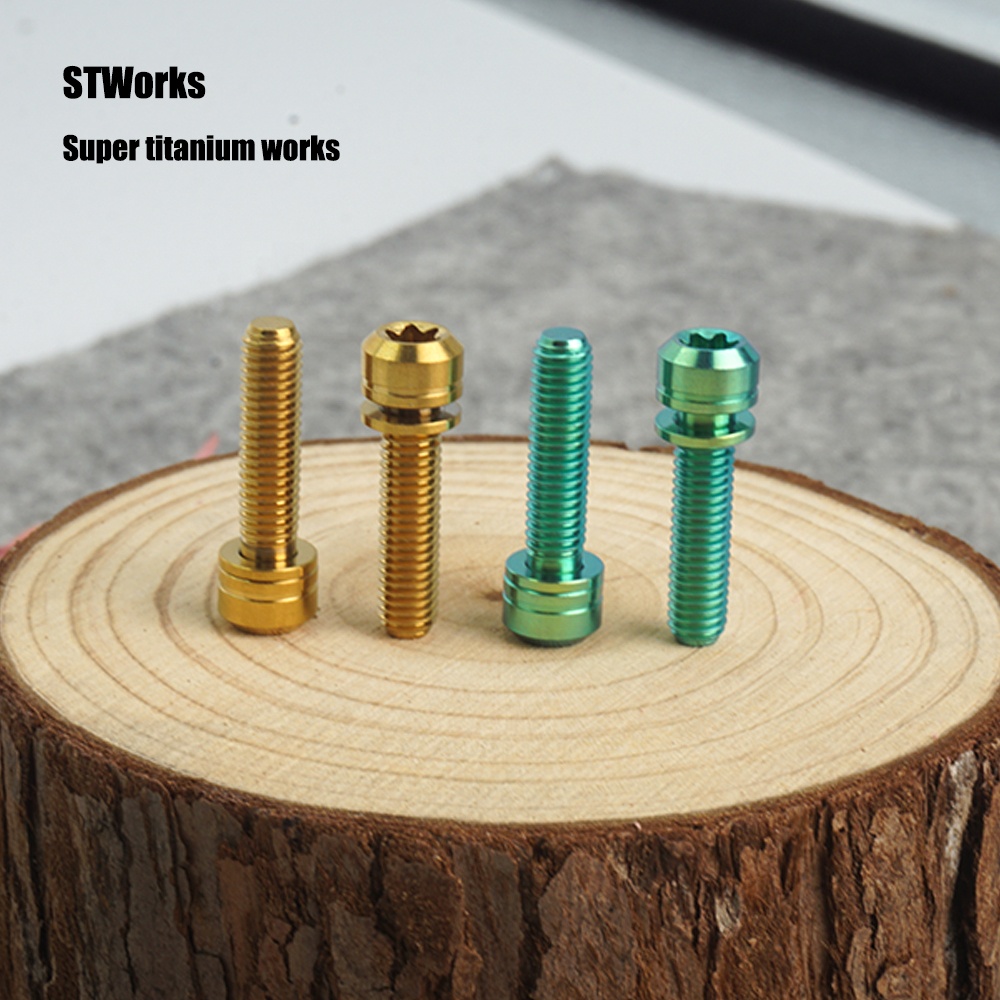
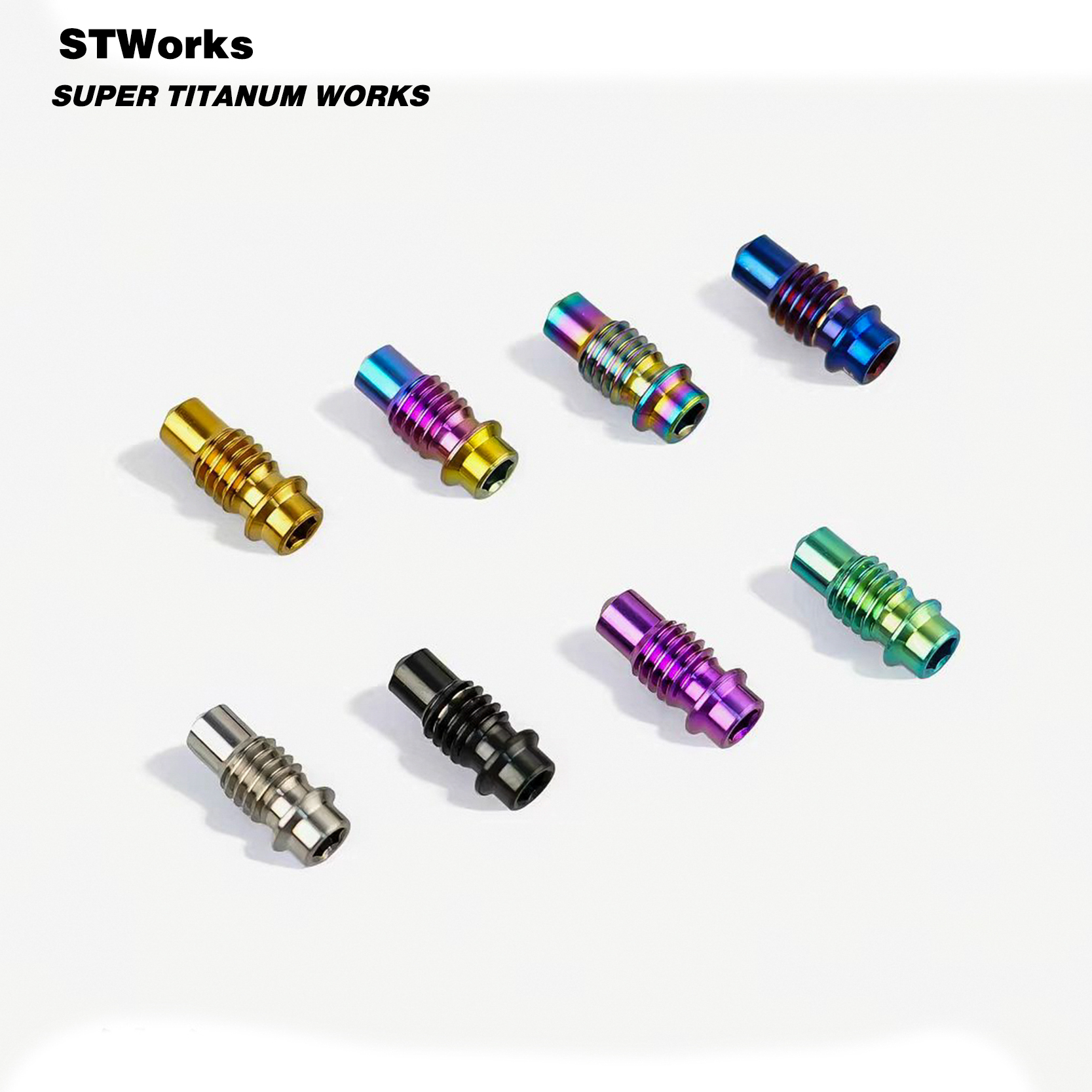
2. Expansion of Luxury Fleets & Motorsport Tuning: Rapid urbanization in the Panama City metropolitan district (Costa del Este, Punta Pacífica) has led to substantial per-capita growth in luxury European sports cars, high-displacement touring motorcycles (BMW GS, Ducati Multistrada, KTM Adventure), and off-road side-by-sides (UTVs). These platforms feature multi-piston Brembo, Nissin, or Akebono brake architectures where titanium pins—available in natural brushed finishes or vivid anodic colors (gold, deep blue, rainbow, violet)—offer both an aesthetic upgrade and measurable performance enhancements.
3. Direct Transshipment Strategic Advantage: Importers based in Panama utilize the nation’s advanced air and sea connectivity to redistribute specialized automotive fasteners throughout Central and South American markets, including Colombia, Costa Rica, Guatemala, and Ecuador. Sourcing high-specification titanium inventory directly from our factory in Baoji allows Panamanian wholesalers to serve as regional hubs for zero-failure replacement hardware.
Engineering Metallurgical Matrix
Quantitative empirical evaluation of fastener alloys under typical Panamanian coastal operating parameters.
| Property Parameter | Ti-6Al-4V Grade 5 (Velnora TC4) | 316 Marine Stainless | 10.9 Zinc Carbon Steel | 6061-T6 Aluminum |
|---|---|---|---|---|
| Density (g/cm³) | 4.43 g/cm³ (Lightweight) | 8.00 g/cm³ | 7.85 g/cm³ | 2.70 g/cm³ |
| Yield Tensile Strength | 880 – 920 MPa | 290 MPa | 900 – 940 MPa | 276 MPa |
| Thermal Conductivity | 6.7 W/(m·K) (Thermal Barrier) | 16.3 W/(m·K) | 51.9 W/(m·K) | 167 W/(m·K) |
| Salt Spray Resistance (ASTM B117) | > 5,000 Hours (Zero Pitting) | Approx. 800 Hours | < 96 Hours (Rust Formation) | Degrades rapidly |
| Galvanic Couple with Al 6061 | Minimal Voltage Difference | Moderate Galvanic Draw | High Sacrificial Potential | Neutral (Structural Weakness) |
| Surface Hardness & Finish | 36 HRC (Burnished / TiN PVD) | 20 HRC (Susceptible to Gouging) | 32 HRC (Plating Wears Fast) | 12 HRC (Easily Grooved) |
Procurement & Engineering FAQ for Panamanian Importers
Clear, technical answers to the most common questions raised by distribution managers, logistics directors, and workshop owners.
Why choose Ti-6Al-4V over 316 Stainless Steel for brake pins?
While 316 stainless resists atmospheric rust, its yield strength is exceptionally low (~290 MPa) compared to Grade 5 titanium (~880 MPa). In high-stress brake calipers, stainless steel pins are prone to bending under heavy hydraulic caliper pad deflection, leading to stuck pads. Furthermore, stainless steel will seize and gall tightly against aluminum calipers under thermal expansion cycles.
How do you address thread galling during installation in Panama?
Titanium can exhibit galling if installed dry with impact machinery into similar metals. We precision-roll all threads (rather than cutting), preserving the grain structure of the alloy and lowering surface roughness. We mandate applying a micro-thin layer of anti-seize paste (such as copper or nickel paste) and torquing to calibrated manufacturer specs with handheld tools.
Can Velnora manufacture custom dimensions from drawings or worn samples?
Yes. Our in-house engineering team regularly processes custom CAD drawings (STEP, IGES, DXF, PDF). For discontinued commercial fleets, vintage racing assemblies, or specialized marine calipers, Panamanian buyers can ship original physical samples to our Baoji facility for CMM dimensional mapping and reverse engineering.
What shipping and logistics channels do you support for delivery to Panama?
We provide comprehensive international shipping documentation (commercial invoice, packing list, Certificate of Origin, and Mill Test Certificates conforming to EN 10204 3.1). Consignments can be delivered directly via express air couriers (DHL, FedEx, UPS) to Panama City within 4–7 business days, or consolidated via ocean container freight to the Port of Balboa or Port of Colón.
What surface finishes and treatments are recommended for tropical regions?
For standard maintenance, our micro-burnished, raw polished finish is ideal. For motorsports and retail display, we offer micro-arc oxidation, multi-voltage electrochemical anodizing (gold, titanium blue, purple, green), and Physical Vapor Deposition (PVD) titanium nitride (TiN) hard coatings that enhance surface hardness up to 2500+ HV for maximum scratch resistance.
What are the minimum order quantities (MOQ) for custom manufacturing?
For standard catalog configurations (such as M5, M6, M8, M10 pins for mainstream Brembo, Shimano, Magura, or Tokico patterns), our MOQ is typically 50 to 100 units per spec. For fully bespoke OEM/ODM drawings, we support pilot trial production runs of 50 pieces to facilitate localized track and laboratory validation before volume scaling.
Why Partner with Velnora Titanium Industry Co., Ltd.
Decade-long manufacturing excellence situated at the epicenter of the global titanium raw material sector.
Located in "China’s Titanium Valley" (Baoji)
Established in 2013, our production facility in the Jinhe Industrial Park benefits from immediate access to the world’s most advanced titanium smelting, forging, and metallurgical testing infrastructure. We source only certified, vacuum-arc remelted (VAR) Ti-6Al-4V bar stock with full traceability and zero inclusions.
Advanced Multi-Axis Swiss CNC Machining
Our machine floor features precision Swiss-type lathes, high-precision centerless grinders, and wire EDM broaching machinery capable of sustaining dimensional tolerances down to ±0.005 mm. Shaft geometries undergo micro-burnishing to eliminate tool marks, ensuring friction-free pad translation under extreme braking.
Transparent Digital Quality Verification
Every overseas shipment is backed by dimensional optical sorting, thread gauge validation, and digital spectrographic alloy analysis. Throughout the production run, our machinists supply real-time high-definition production photos and machining inspection videos, providing Panama buyers total assurance before export dispatch.