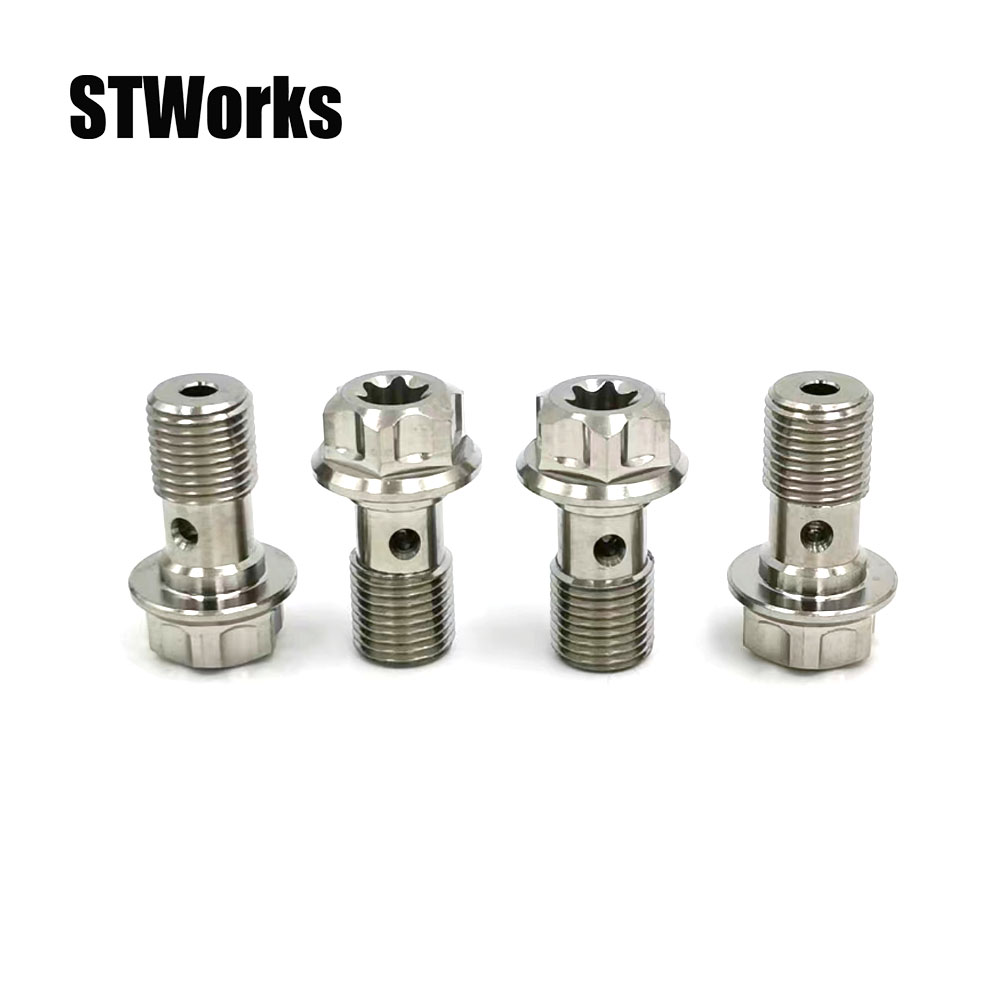
Featured Precision Components
State-of-the-Art Precision Titanium & Timascus Hardware
Engineered from certified Ti-6Al-4V Grade 5, Grade 2 pure titanium, and multi-layered Timascus alloys to meet microscopic horological and motorsports tolerances across Central Europe.
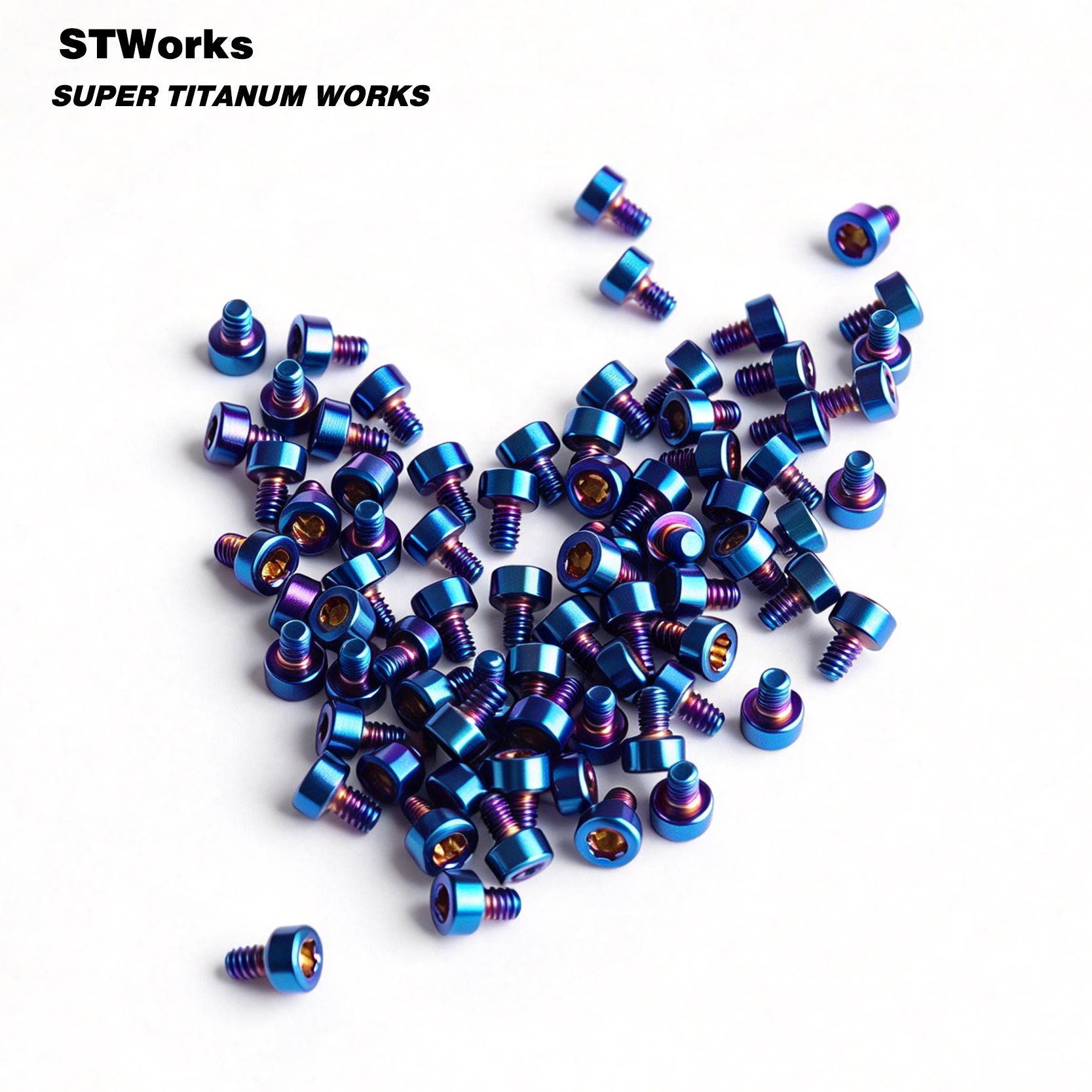
Micro Horological Fasteners
Customized Titanium Screws Mini Screws M2 M2.5 Cylinder Head Bolt Din912 Torx Micro Machine Screw
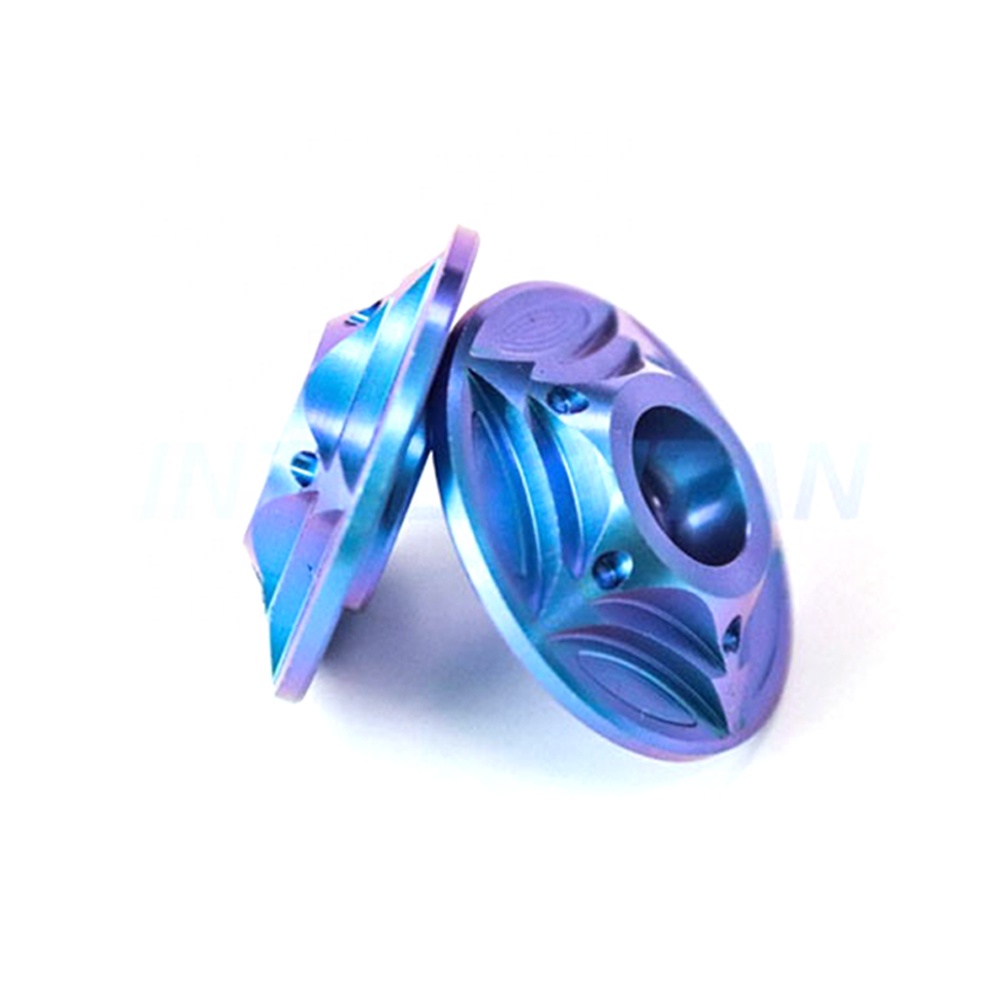
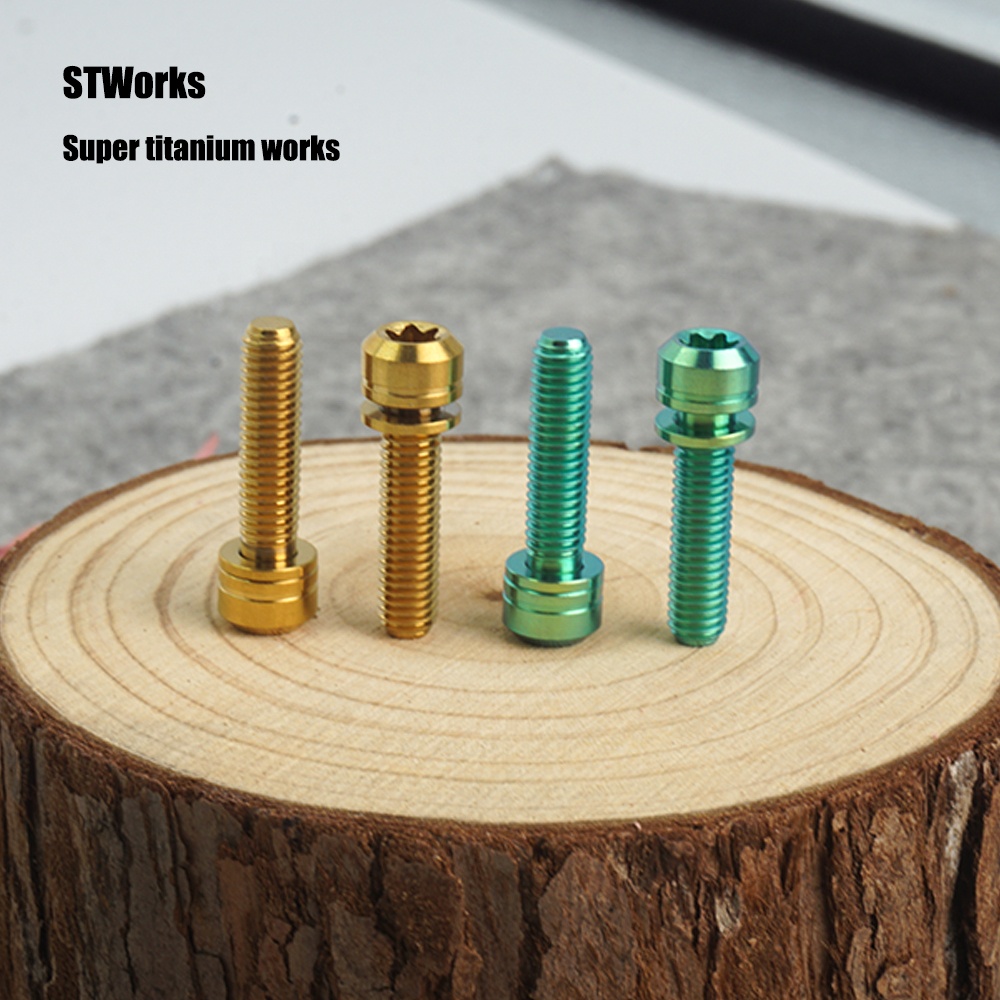
Hermetic Sealing CNC
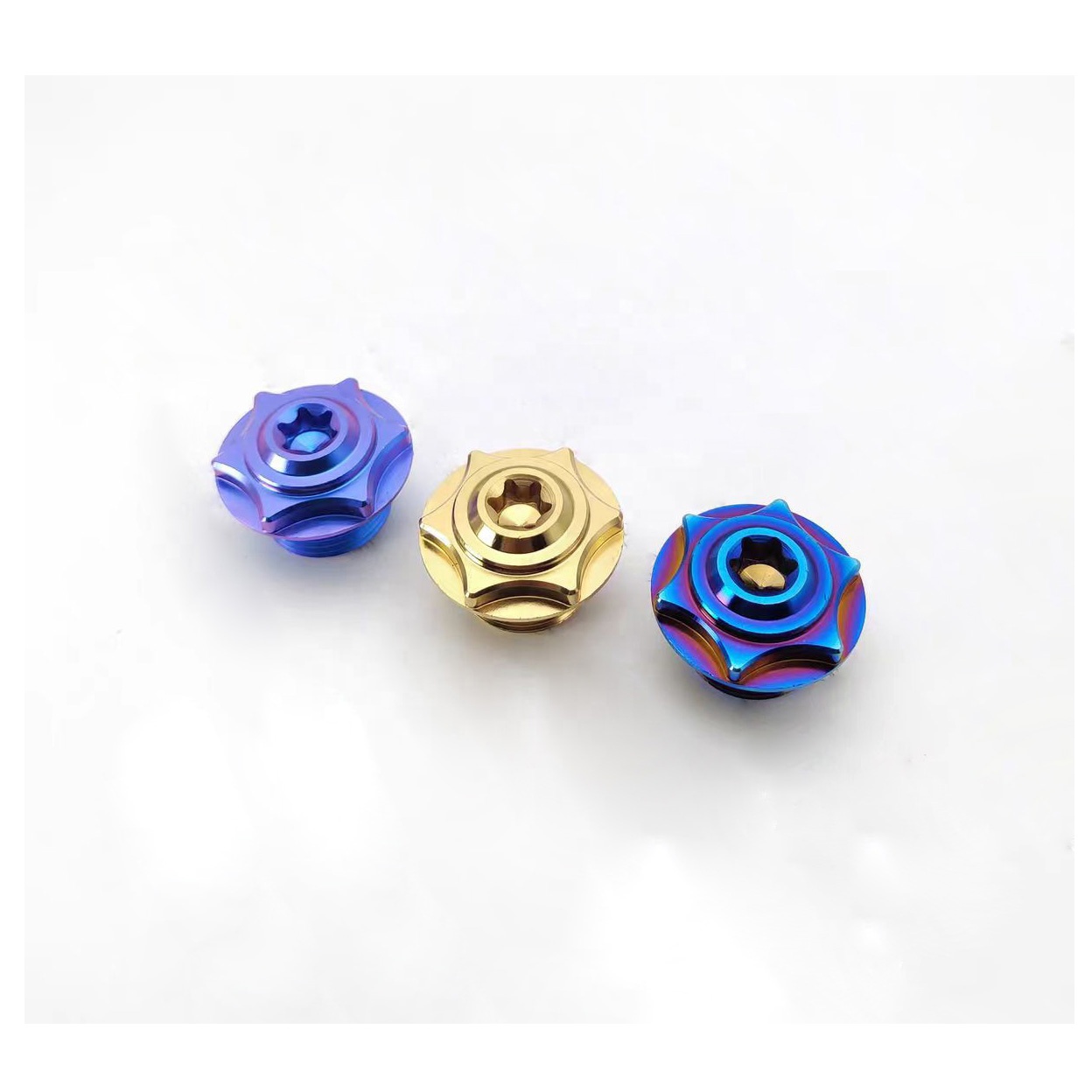
Titanium Screw Motorcycle Oil Filler Cap M20xP1.25/1.5 Gear Oil Cap
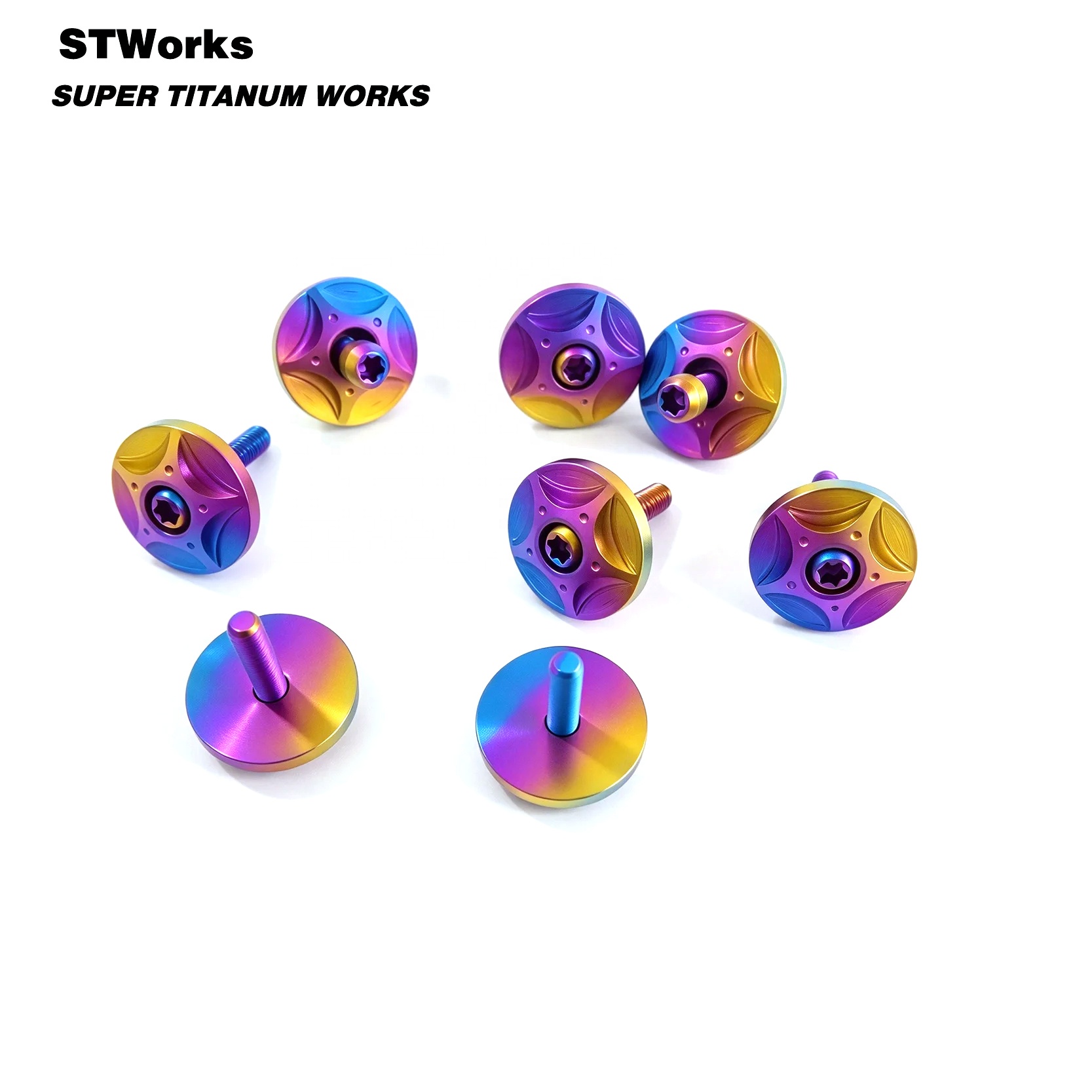
Interference Wave Coloring
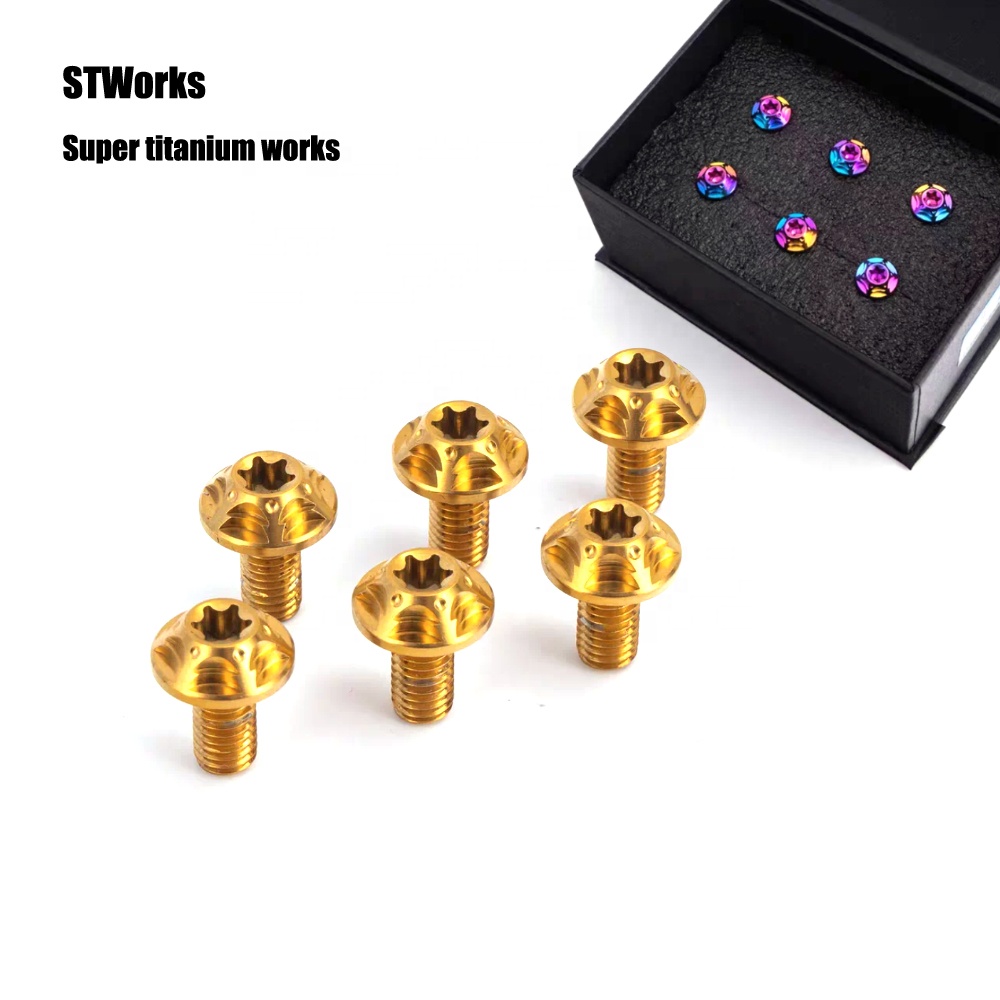
Rainbow Color Torx Pan Screws Gr5 Titanium Torx Bolt Bike Rear Brake Rotor Screw M5*10
13+
Years Metallurgy Excellence
±0.005mm
CNC Machining Tolerance
100%
Diffusion-Bonded Billet Integrity
≤ 4 hrs
Austrian Engineering Response
The Metallurgy of Timascus (Titanium Damascus) in Haute Horlogerie
Timascus, alternatively known as Mokuti or titanium Damascus, represents an exquisite metallurgical pinnacle achieved by diffusion bonding alternating layers of distinct titanium alloys—primarily commercially pure Grade 2 (CP-Ti) and aerospace-grade Grade 5 (Ti-6Al-4V). For high-end watchmakers in Vienna, Graz, Salzburg, and Vorarlberg, Timascus watch cases resolve the longstanding trade-off between ornamental uniqueness and structural durability. Unlike conventional Damascus steel, which is prone to atmospheric and galvanic oxidation, titanium Damascus is completely nickel-free, hypoallergenic, non-magnetic, and immune to sweat and saltwater corrosion.
Manufacturing precision-grade watch cases from diffusion-welded titanium requires strict thermal-atmospheric control during forging and inert-gas hot isostatic pressing (HIP). As a dedicated manufacturer and exporter based in Baoji—globally recognized as "China's Titanium Valley"—Velnora Titanium Industry Co., Ltd. combines sovereign raw billet synthesis with Swiss-standard 5-axis CNC multi-tasking centers. This delivers watch case blanks, screw-down bezels, ergonomic crowns, and sapphire exhibition case backs free from delamination or subsurface micro-voids.
Diffusion-Bonded Cohesion
Laminating alternating strata of Grade 2 and Grade 5 under 1,000°C inert-atmosphere HIP ensures true solid-state atomic diffusion without solder or adhesive flux, preventing delamination during fine thread milling.
Horological Micro-Tolerances
Machined using high-rigidity CNC turning-milling centers and fine wire EDM. Critical o-ring grooves, sapphire crystal step rebates, and lug lug-holes hold repeatable tolerances of ±0.005mm.
Differential Electrochemical Color
Controlled anodic oxidation and micro-flame thermal treatment yield contrasting vibrancy across layers. Titanium Grade 5 and Grade 2 react at distinct potential thresholds, unveiling woodgrain, twist, or raindrop optics.
Bespoke Application Scenarios Across the Austrian Market
The Austrian watch market occupies a distinct and prestigious position in Central Europe. Nestled alongside the German watchmaking hubs of the Black Forest and Glashütte, and retaining deep historic trade links with Swiss Haute Horlogerie (Geneva and the Jura mountains), Austria possesses an elite cluster of master watchmakers (Uhrmachermeister), independent high-concept horological designers, and high-performance engineering ateliers.
Independent Austrian Ateliers
Bespoke watchmakers in Vienna, Linz, and Kitzbühel use custom Timascus cases to create low-volume, high-value signature pieces where no two patterns are visually identical, meeting the demands of collectors globally.
Alpine Extreme Exploration Timepieces
With Austria's mountaineering, winter sports, and alpine search-and-rescue heritage in Tyrol and Carinthia, mechanical watches require zero skin reaction at sub-zero temperatures, salt resistance, and ultra-light wrist presence.
Luxury Tactical & Motorsports Instruments
Austrian design agencies linked to Styrian precision engineering demand bold, lightweight, high-hardness cases for performance drivers and aerospace pilots who require antimagnetism adjacent to cockpit avionics.
Furthermore, Austrian consumers and horological purists express profound respect for artisan handcraft coupled with verifiable material provenance. The traditional practice of wood-pattern Damascus (Mokume-gane) is culturally appreciated throughout Germanic jewelry and cutlery traditions. Timascus translates this revered visual heritage into a modern, bio-compatible, high-tech titanium ecosystem.
Horological Trends Influencing the Austrian & DACH Watch Sector
Modern horological procurement within Austria and the wider DACH territory (Germany, Austria, Switzerland) is experiencing fundamental shifts driven by consumer taste evolution, environmental compliance, and structural supply chain reconfigurations.
| Strategic Industry Factor | Conventional 316L / Bronze Casing | Timascus / Mokuti Grade 2/5 Casing | Austrian Market Impact & Trend |
|---|---|---|---|
| Weight / Wrist Ergonomics | Heavy (~7.9 g/cm³), induces fatigue on oversized tool watches | Ultra-light (~4.47 g/cm³), ~44% lighter than steel | Rapid rise in demand for 42mm+ cases that remain comfortable during alpine activities |
| Dermatological & EU REACH Compliance | Potential nickel-release; bronze causes skin discoloration | 100% Biocompatible, zero toxic metals, nickel-free | Direct alignment with stringent Austrian and EU health, allergy, and occupational safety norms |
| Magnetoresistance (ISO 764) | Paramagnetic, vulnerable to high-intensity magnetic deflection | Completely non-magnetic raw substrate | Guarantees movement isochronism when exposed to modern electronic devices and EV powertrains |
| Exclusivity & Visual Differentiation | Monochromatic, satin/mirror brushed surfaces; uniform appearance | Distinctive topographic, twist, or ladder graining on each case | Enables Austrian micro-brands to achieve 40–80% pricing premiums among discerning collectors |
| Chemical / Acid Stability | Prone to chloride pitting, crevice corrosion in sea brine | Passivated TiO2 layer protects substrate permanently | Resistant to thermal sulfur springs, sweat, and road-salt common in Austrian mountain environments |
1. The Shift Toward Micro-Brand Independence: Independent watch designers throughout Vienna and Vorarlberg are capturing market share from mass-conglomerate watch houses. To stand apart, these ateliers rely on avant-garde case metallurgy. Timascus provides an instantly recognizable identity without requiring multimillion-euro tooling runs.
2. Direct Digital Engineering Collaboration: Austrian CAD engineers prefer working directly with manufacturing facilities that ingest STEP, IGES, and native 3D geometry files. By offering direct engineer-to-machinist file review and high-resolution video progress reporting, Velnora removes transactional friction from the international procurement cycle.
3. Sustainability & Chemical Responsibility: Conventional PVD/CVD coatings or wet electroplating frequently generate hazardous effluents. The coloration of Timascus is achieved entirely through high-voltage water bath anodizing or controlled thermal oxidation. This creates interference colors via the light refraction of varying titanium oxide layer thicknesses—employing zero toxic dyes, heavy metals, or hazardous electrolytes.
Corporate Advantages & Precision Manufacturing Capabilities
Founded in 2013 in Baoji, Shaanxi—China’s Titanium Valley—Velnora Titanium Industry Co., Ltd. has spent over a decade delivering precision titanium fasteners, CNC components, racing hardware, and Timascus EDC products across North America, the European Union, and the United Kingdom. Machining layered titanium Damascus requires specialized expertise that distinguishes experienced manufacturers from general machine shops:
5-Axis CNC Multi-Tasking
Simultaneous 5-axis milling eliminates repositioning errors, ensuring precise alignment across lug holes, crown tube threads, and bezel seating shoulders.
Precision Wire EDM Processing
Slow-speed submerged wire EDM preserves the boundary interfaces of diffusion-welded sheets, producing clean blanks and sharp transitions without thermal degradation.
Dedicated Tooling Geometries
Custom polished-carbide and PCD tooling combined with high-pressure internal cooling prevent material work-hardening and thermal tool chatter during fine profile cutting.
Production Video Transparency
To eliminate transatlantic procurement anxiety, we supply Austrian clients with process videos and inspection reports during machining, threading, and finishing.
Our facility operates under strict quality management systems conforming to international metrics including DIN, ISO, ANSI, and JIS. Beyond raw case bodies, we manufacture complementary Timascus and Grade 5 horological hardware: case-back screw rings, bespoke rotor weights, custom buckle assemblies, dial indices, and mini-screws down to M1.2.
Procurement & Technical FAQ for Austrian Watchmakers & Importers
What specific titanium grades are diffusion-bonded to produce your Timascus watch cases?
Our standard horological Timascus (Mokuti) is engineered by vacuum-diffusion welding alternating sheets of commercially pure Titanium Grade 2 (CP-Ti) and Ti-6Al-4V Grade 5 (TC4). Grade 2 provides formability and a distinct anodization voltage reaction, while Grade 5 delivers a high tensile strength exceeding 895 MPa, exceptional thread shear resistance, and structural rigidity. On request, we also incorporate Titanium Grade 7 (palladium alloyed) or zirconium layers (ZircuTi) for specialized high-contrast monochrome horological executions.
How does your machining process maintain watertight tolerances (10–30 ATM) on layered metals?
Because Timascus consists of alternating layers with differing hardness and ductility, improper machining speeds can cause micro-ridging along o-ring gland seats. We machine gasket glands, crystal rebate shoulders, and screw-down case-back threads using ultra-sharp micro-grain carbide tools operating at optimized surface speeds and high-pressure coolant delivery. Critical seal diameters are verified on optical profile projectors and coordinate measuring machines (CMM) to maintain circularity within ±0.005mm, ensuring reliable waterproof integrity up to 30 ATM (300 meters) when paired with standard NBR/FKM gaskets.
Can you supply complete watch case assemblies including crowns, bezels, and case backs?
Yes. We offer complete OEM and ODM case-kit production tailored to Austrian ateliers. This includes the main mid-case, unidirectional or fixed bezel rings, screw-down crowns, exhibition case backs with sapphire crystal retaining steps, matching strap buckles, and internal movement holder rings (machined from either Grade 5 Ti or brass). We can manufacture from customer-provided 3D STEP/IGES CAD files or provide mechanical drawings based on target movement calibers such as ETA 2824-2, Sellita SW200/SW300, or bespoke custom calibers.
What are the options for finishing, heat etching, and anodic coloration?
We supply Timascus parts in three primary states: 1) As-machined / raw sanded (for watchmakers wishing to conduct their own flame or chemical patterning); 2) Mirror-polished and electrochemical anodized (producing bright blues, purples, golds, and emerald highlights); and 3) Acid-etched and flame-torched (producing high-relief topological grain textures with deep bronze and violet contrasts). Our electrochemical treatment uses clean, non-toxic electrolyte solutions that produce durable interference-oxide films compliant with EU safety standards.
What are your minimum order quantities (MOQs) and sampling lead times for Austrian clients?
Understanding the boutique scale of Austrian independent horological studios, we accommodate flexible low-volume runs. Functional prototyping runs start from 5 to 10 case assemblies. Repeat boutique production runs typically range from 20 to 100 units. Prototype engineering and machining typically require 3 to 4 weeks upon 3D CAD approval, with express insured air delivery directly to Austria (Vienna Schwechat VIE, Linz, or Graz) within 4 to 6 business days via DHL/FedEx Express.
How are Austrian import customs duties and VAT managed for titanium components from China?
Components exported to Austria are cleared through the Austrian Federal Ministry of Finance (Bundesministerium für Finanzen - BMF) customs authority under Harmonized Tariff Schedule (HS) Codes such as 9111.90.00 (parts of watch cases) or 8108.90 (worked articles of titanium). We provide commercial invoices, packing lists, Certificate of Origin (COO), and raw material spectral analysis certificates (Mill Test Certificates confirming chemical composition). Commercial clients possessing an Austrian EORI and VAT ID (UID-Nummer) handle the standard EU Import VAT according to standard trade terms (DAP, CPT, or FOB).
Ready to Engineer Your Signature Timascus Timepiece?
Submit your 2D engineering drawings or 3D CAD models (STEP, IGES, PDF) for comprehensive manufacturability analysis, dimensional tolerance review, and quotation within 4 hours.