DIN 912 Micro
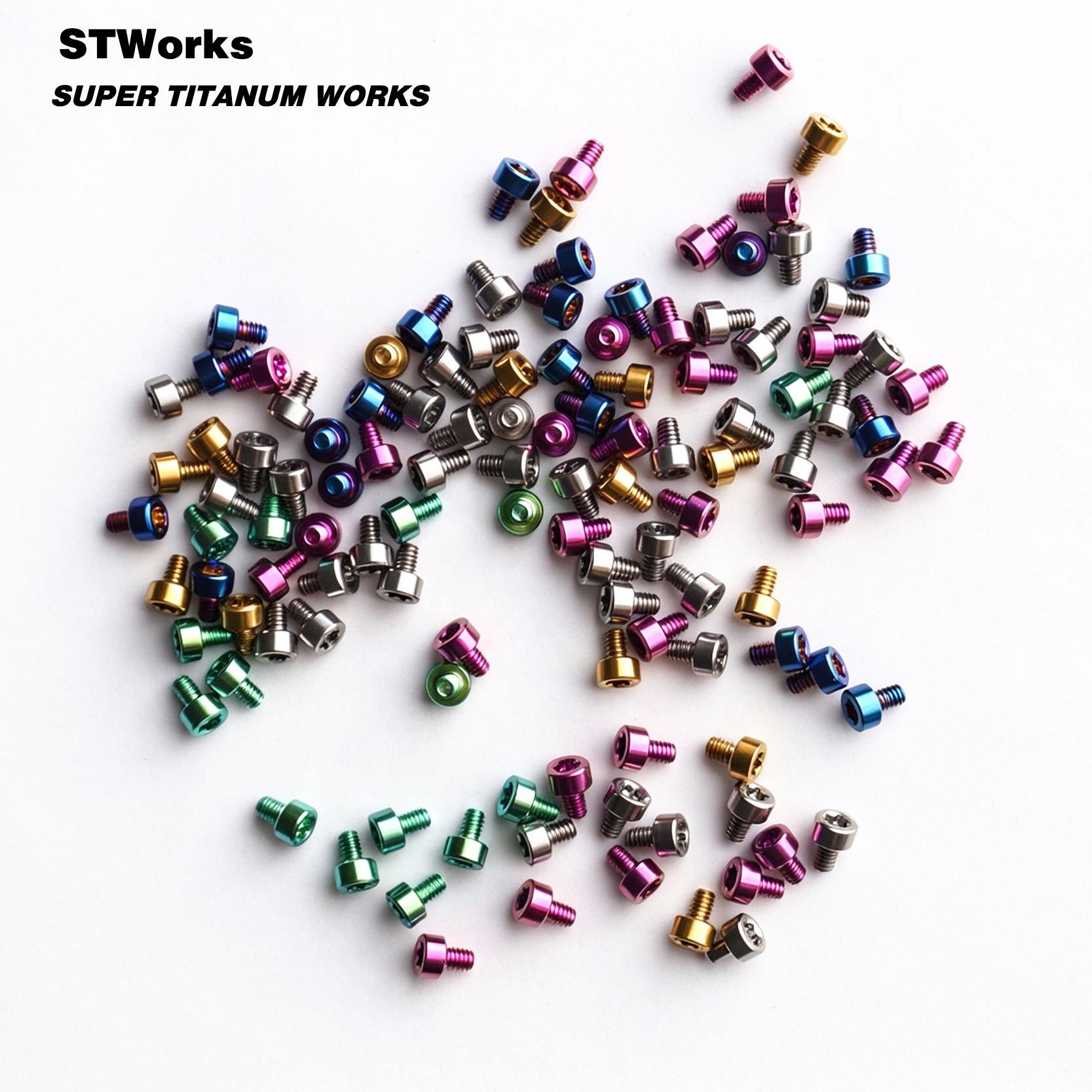
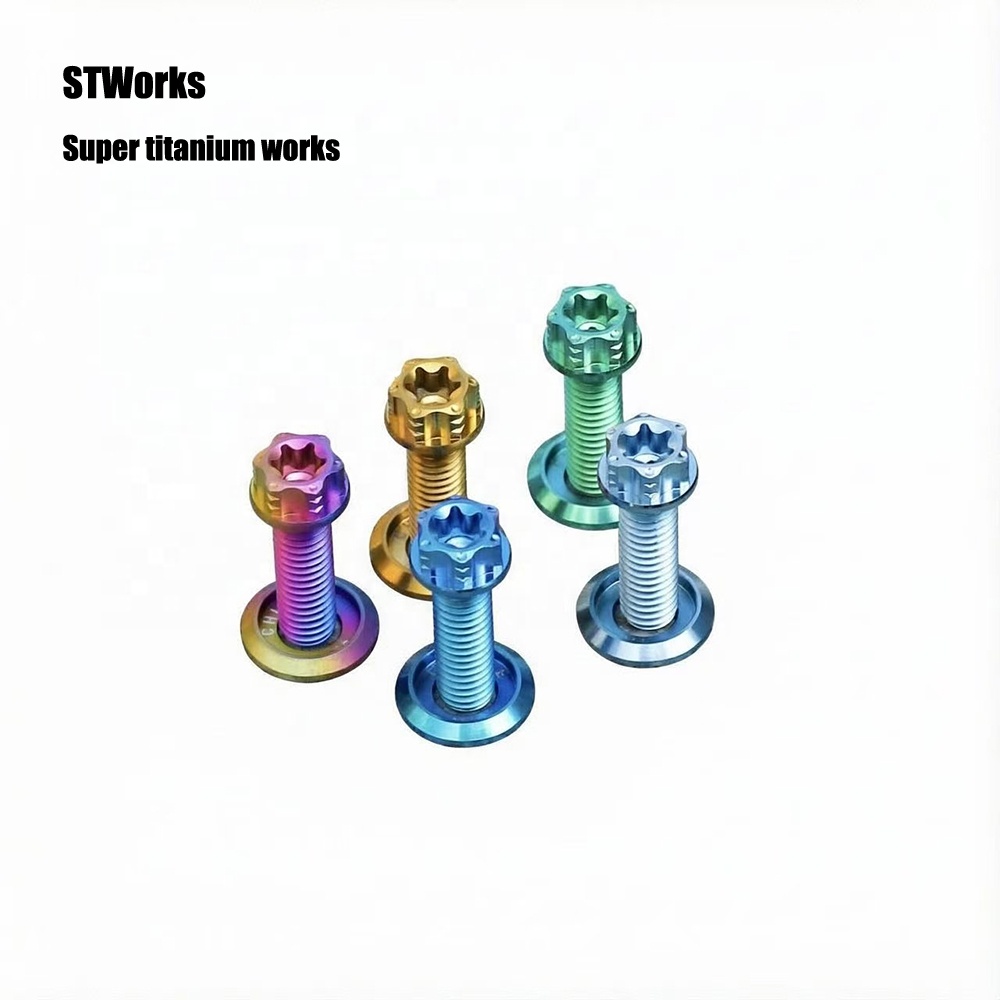
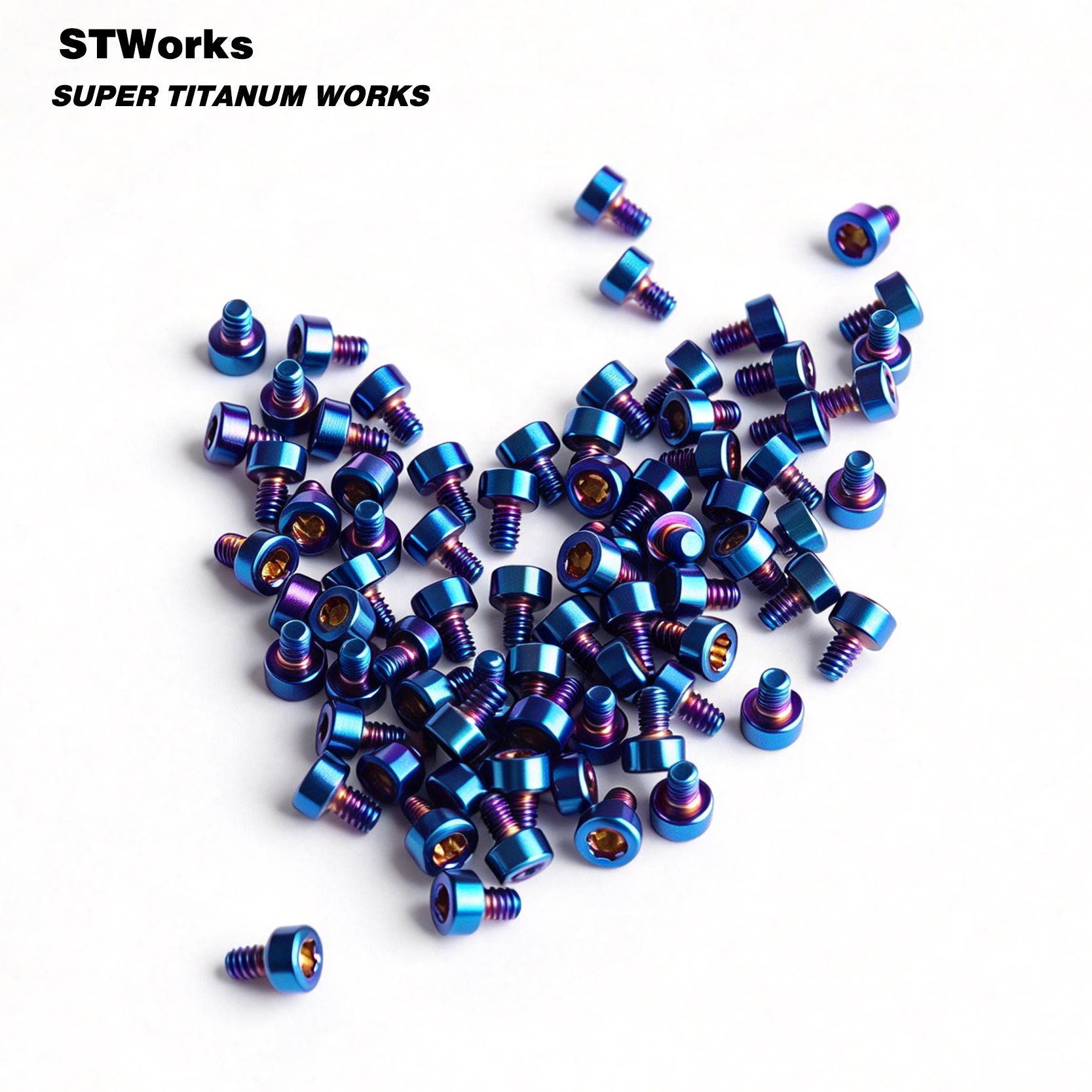
Explore our standard aerospace-grade Gr5 (Ti-6Al-4V) components, CNC machined micro fasteners, and specialized Timascus accessories available for direct logistics dispatch to Burgas port facilities and inland industrial hubs.
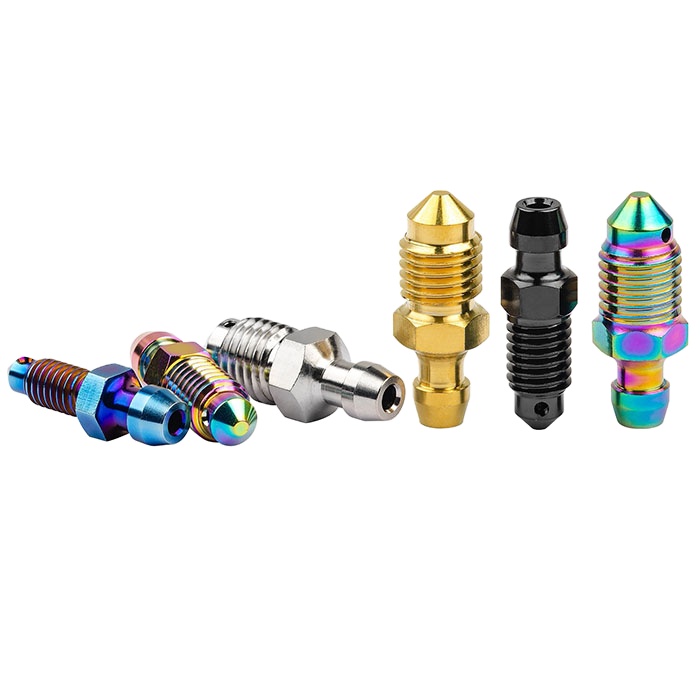
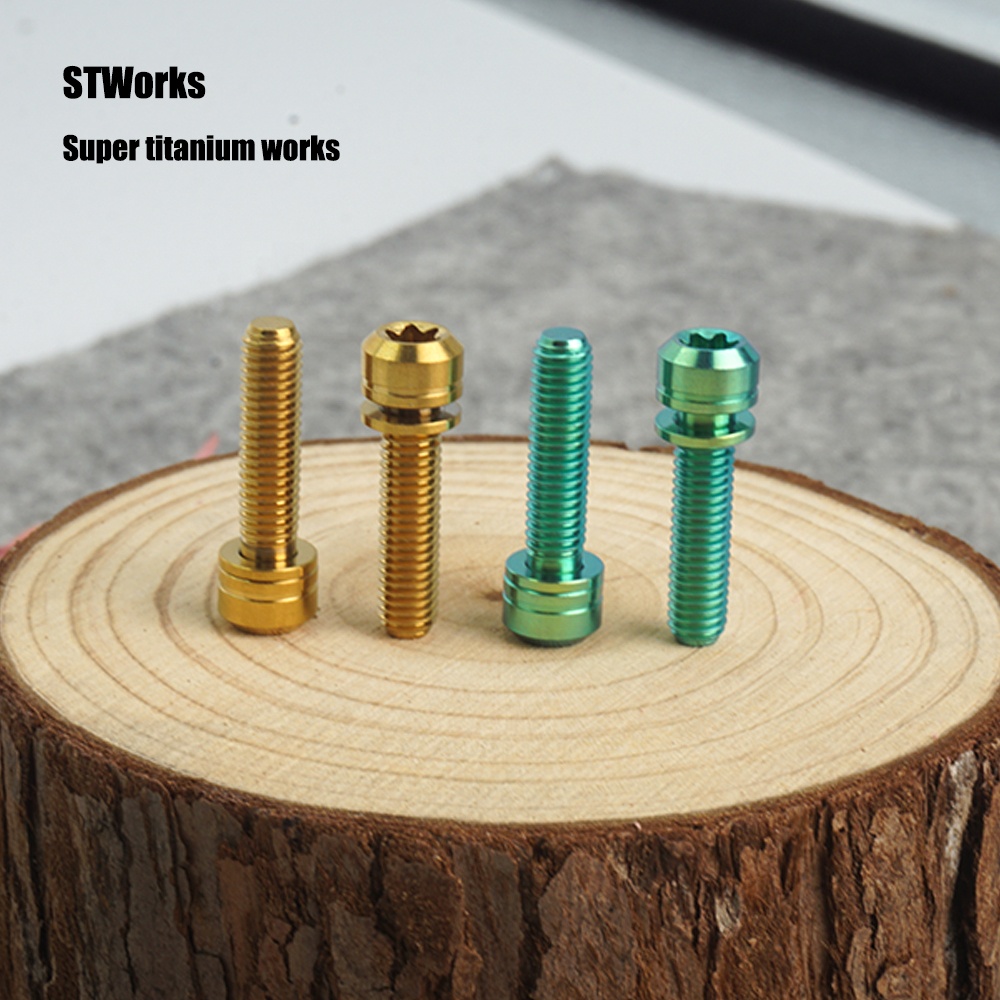
Timascus, frequently designated across European bespoke engineering as Mokuti or Titanium Damascus, is an advanced multi-phase metallurgical laminate composed of alternating layers of distinct titanium alloys. Unlike decorative steel Damascus, Timascus is completely non-magnetic, corrosion-immune in extreme marine saltwater, and exhibits exceptional structural strength.
The manufacturing of authentic Timascus rods and sheets does not rely on melt fusion or adhesive bonding. It employs Hot Isostatic Pressing (HIP) in a high-vacuum, inert argon environment. High-purity Grade 2 Commercially Pure (CP) Titanium layers are interstacked with aerospace-grade Grade 5 (Ti-6Al-4V) or CP Grade 4 sheets. Subjected to pressures exceeding 100 MPa and temperatures above 900°C, atomic diffusion merges the crystal lattices across the interfacial boundaries, preventing delamination during high-speed CNC turning, wire EDM, or continuous high-load maritime service.
The dramatic visual pattern of Mokuti does not stem from external paints, synthetic pigments, or plating. It is governed entirely by thin-film optical interference of light waves reflecting off differential titanium oxide (TiO₂) layers. Grade 2 and Grade 5 titanium oxidize at distinct thermal and electrochemical rates. When heat-treated with an open torch flame (380°C to 720°C) or submerged in an electrolyte bath under precise direct-current voltages (12V to 110V), the CP Ti layers produce vibrant cyan, sky blue, and violet hues, while the Ti-6Al-4V layers produce brilliant gold, bronze, magenta, and emerald green.
To produce distinctive Mokuti patterns across cylindrical rods and flat plates, our metallurgical forge applies mechanical torsion, coin pressing, ladder dies, or random indexing under hydraulic forging presses while maintaining strict alpha-beta transition temperature monitoring. From classical Twist patterns for round pen bodies to intricate Raindrop, Herringbone, Basketweave, and Nebula configurations for flat bolster stock, each bar exhibits continuous structural cohesion with zero void inclusions or shear micro-cracking.
| Material Designation | Composite Layer Ratio | Tensile Strength (Rm) | Yield Strength (Rp0.2) | Density (g/cm³) | Corrosion Rate (Black Sea Water) | Primary Industrial Utility |
|---|---|---|---|---|---|---|
| Velnora Timascus Ti-2/Ti-5 | 50% Gr2 / 50% Gr5 (Ti-6Al-4V) | 710 – 820 MPa | 540 – 620 MPa | 4.47 g/cm³ | < 0.0001 mm/year (Immune) | Marine deck trim, bespoke knife bolsters, luxury EDC |
| Velnora Tri-Alloy Mokuti | Gr2 / Gr5 / Gr7 (Palladium-Ti) | 760 – 860 MPa | 580 – 680 MPa | 4.52 g/cm³ | Zero pitting (Acidic & Saline) | Extreme offshore instrumentation, luxury yacht bezels |
| Standard Ti-6Al-4V (Grade 5) | Homogeneous Monolithic | 895 – 1000 MPa | 828 MPa | 4.43 g/cm³ | < 0.0002 mm/year | Aerospace fasteners, motorcycle caliper bolts |
| 316L Marine Stainless Steel | Fe-Cr-Ni-Mo Austenitic | 520 – 620 MPa | 220 – 290 MPa | 7.98 g/cm³ | Subject to crevice pitting under bio-film | Conventional marine hardware (Heavy weight) |
| Damasteel Stainless Damascus | RWL34 + PMC27 Steel | 750 – 1150 MPa | 600 – 900 MPa | 7.80 g/cm³ | Moderate (Prone to staining in warm brine) | Cutlery blades (Magnetic, requires oiling) |
As Bulgaria's primary maritime logistics gateway and home to the Port of Burgas, the region combines deep-water shipping infrastructure, custom marine refitting yards, precision machinery workshops, and a growing community of specialized artisan guilds.
The Black Sea marine environment presents a unique corrosion challenge: a brackish upper layer with active sulfate-reducing bacteria and humid coastal winds. Traditional marine bronze or coated stainless steel hardware can suffer stress cracking or unsightly staining over time. Bespoke yacht builders and marine refitting facilities across the Port of Burgas, Sozopol, and Nessebar increasingly integrate our Timascus sheets for custom helm switches, dashboard trim, luxury deck hatch bezels, and yacht interior styling. Timascus provides complete immunity to seawater pitting while delivering a permanent iridescent visual finish that elevated coastal vessels require.
Bulgaria possesses a revered historical tradition of bladesmithing and metallurgy, which has modernized into a thriving bespoke cutlery and tactical knife maker community operating throughout Burgas, Sliven, Stara Zagora, and Plovdiv. High-end collectors demand lightweight, vibrant folding knife bolsters, pocket clips, backspacers, and frame lock scales. Velnora's stress-relieved Mokuti flat sheets (thicknesses from 2.5mm to 6.5mm) machine smoothly on CNC routers and pantographs without internal residual tension curling, ensuring knife makers achieve perfectly flat joint assemblies.
Burgas has emerged as an attractive hub for creative design engineering studios and precision lifestyle brands manufacturing luxury mechanical watch casings, rotating bezels, writing instruments, and fidget sensory spinners. By utilizing our seamless Timascus round rods (diameters from Ø12mm to Ø50mm), watchmakers turn striking, swirling cases on high-precision Swiss-type lathes. The material is hypoallergenic, completely nickel-free, lightweight on the wrist (4.47 g/cm³), and impervious to human sweat acid attack.
Black Sea environmental monitoring equipment deployed off the Burgas bay frequently encounters deep-water anoxic conditions with high hydrogen sulfide (H₂S) concentrations. Standard metallic sensor housings suffer rapid degradation. Velnora's custom hot-isostatic pressed Mokuti bars provide researchers and subsea engineering contractors with completely non-magnetic, corrosion-free enclosures capable of withstanding severe hydrostatic loads while ensuring no magnetic deflection interferes with sensitive oceanographic magnetic and sonic instrumentation.
Analyzing the shift from conventional basic metals toward ultra-high-performance titanium composites within the Bulgarian precision manufacturing ecosystem.
Bulgarian machine shops and sub-tier contractors are rapidly integrating multi-axis (4-axis and 5-axis) CNC machining centers, wire EDM systems, and fiber laser cutters to serve the European Union market. This modernization has catalyzed strong demand for certified titanium stock. Buyers in Burgas and the surrounding Thrace industrial zones are diversifying away from standard steel and aluminum components into differentiated, high-margin decorative and aerospace titanium composites like Timascus, catering to luxury niche buyers across Germany, Austria, and Scandinavia.
Operating within the European Single Market requires Bulgarian engineering procurement managers to enforce full adherence to EU REACH (EC 1907/2006) and RoHS compliance directives. Monel, beryllium copper, and certain nickel-heavy specialty alloys are subject to escalating regulatory restrictions and health concerns. Timascus offers an entirely non-toxic, biocompatible, nickel-free, and lead-free alternative that fulfills European consumer goods regulations without requiring hazardous chromium or toxic electroplating baths.
Geographically situated on the western shore of the Black Sea, Burgas serves as the critical maritime terminal for multimodal freight connecting East Asian titanium production directly with Central and Eastern Europe. Working directly with Velnora Titanium Industry Co., Ltd.—headquartered in Baoji, China's Titanium Valley—Bulgarian manufacturing clients eliminate multi-tiered European broker markups, obtaining factory-direct pricing with rapid customs clearance via the Burgas Free Zone and Sofia Air Hub.
Machining layered titanium composites requires strict adherence to proper cutting parameters. Because Grade 2 and Grade 5 titanium have differing hardness levels (approx. 160 HB vs. 330 HB), standard toolpaths must be configured to prevent tool chatter, smearing, and work-hardening.
Always utilize sharp, sub-micrograin carbide end mills coated with AlTiN or TiAlN. Maintain cutting speeds (Vc) between 35 and 55 m/min for roughing, and up to 75 m/min for finishing. Maintain a continuous chip load (fz = 0.04 to 0.08 mm/tooth) to keep the tool cutting underneath the work-hardened surface layer. Never allow the tool to dwell or rub against the workpiece, as the low thermal conductivity of titanium will concentrate heat at the cutting edge and cause premature tool breakdown.
Always machine Timascus with generous flood cooling or high-pressure through-spindle coolant (7% to 10% semi-synthetic emulsion). Dry machining can ignite fine titanium swarf and compromise the metallurgical layer bonds. For complex geometries, pocket profiles, or contour blanks, high-precision brass wire EDM cutting is strongly recommended. Timascus exhibits uniform electrical conductivity across both Grade 2 and Grade 5 interfaces, resulting in smooth, burr-free cut surfaces with virtually zero kerf taper.
To reveal vibrant, high-contrast Damascus patterns, proper surface prep is mandatory before coloring. Sand progressively with silicon carbide abrasive paper from 400 grit up to 2000 grit, followed by diamond paste buffing (3-micron, then 1-micron) to achieve a true optical mirror shine. Alternatively, fine sandblasting with aluminum oxide (120 to 180 mesh) creates a soft matte, micro-textured velvet finish that absorbs light differently and yields deeper, saturated tones.
For three-dimensional tactile relief where the Damascus pattern can be felt by hand, the finished part can be briefly submerged in a controlled acid bath (such as a 3%–5% hydrofluoric acid mixture or Multi-Etch solution). Grade 2 titanium etches faster than Grade 5, carving micro-recesses into the CP Ti layers while leaving the Ti-6Al-4V bands slightly elevated, enhancing both pattern contrast and grip tactile feel.
Degrease the finished component thoroughly with acetone or ultrasonic cleaning. Use a clean propane or MAPP gas torch with a soft, neutral bushy flame. Wave the flame evenly across the part. At roughly 380°C, faint golden tones appear. Between 450°C and 550°C, deep purples and blues develop on the CP Ti layers while the Ti-6Al-4V layers transition into warm bronze and yellow. At 650°C–720°C, striking turquoise, vivid green, and crimson bands emerge. Quench immediately in distilled water to freeze the desired oxide state.
For repeatable batch manufacturing where exact color matching is required across multiple production units, electrolytic bath anodization is ideal. Submerge the part as the anode (+) in a 1%–2% ammonium phosphate or baking soda electrolyte bath with a stainless steel or pure titanium cathode (-). Regulate DC voltage incrementally: 15V produces golden straw; 28V yields vibrant purple; 72V produces sky blue; 85V delivers emerald green. The differing alloy chemistries yield a two-tone color gradient across the distinct layers.
Established in 2013 and rooted in Baoji—globally recognized as "China's Titanium Valley"—Velnora Titanium Industry Co., Ltd. specializes in precision titanium fastener production, multi-axis CNC machining, wire EDM processing, and custom metallurgical composite forging. We do not act as secondary metal traders; we control the full fabrication cycle from certified titanium sponge melting and vacuum HIP pressing to final dimensional inspection.

Essential answers regarding international customs, testing documentation, shipping transit, minimum order thresholds, and dimensional tolerances for titanium alloy imports into Bulgaria.
Bulgaria is a member of the European Union Customs Union. Imports of titanium rods and sheets under HS Code 8108.90 (Titanium and articles thereof) originating outside the EU are typically subject to standard EU common customs tariffs (generally 3.7% to 7% depending on the specific alloy profile) plus standard Bulgarian VAT (20%). We provide full commercial invoices, packing lists, and certified Certificates of Origin (COO). For clients preferring hassle-free delivery without dealing with local customs agents at Port of Burgas or Sofia Customs, we offer Delivered Duty Paid (DDP) shipping solutions where all import duties and VAT clearances are handled in advance.
Every batch of Timascus (Mokuti) rods, forged rounds, and sheets is accompanied by a comprehensive Mill Test Certificate (MTC) adhering to EN 10204 3.1 standards. This documentation specifies the exact chemical heat analysis of the individual base titanium alloys (conforming to ASTM B348 for Grade 5 and ASTM B265 for Grade 2). Additionally, we conduct 100% ultrasonic non-destructive flaw detection (UT) across all bonded billets to verify complete lack of internal voids, delamination defects, or unbonded seams prior to CNC profiling.
For prototype samples, custom pattern bar trials, and urgent CNC workshop requirements, we utilize priority air express via DHL Express, FedEx International Priority, or UPS, delivering directly to Burgas addresses within 5 to 8 business days. For volume manufacturing orders (exceeding 200 kg of rods, plate sheets, or CNC turned components), consolidated air freight takes approximately 10 to 14 days, while direct ocean container freight into the Port of Burgas container terminal takes roughly 32 to 38 days, offering maximum freight economy.
To support independent artisan knifemakers, boutique watch designers, and coastal prototype workshops across Burgas, our standard stock patterns (such as Twist, Raindrop, and Basketweave) carry an MOQ as low as 1 piece for standard sizes (e.g., 3.5mm x 40mm x 250mm plate or Ø25mm x 200mm rod). For bespoke pattern configurations, non-standard thickness gauges (up to 30mm plate), or custom diameter turnings (up to Ø120mm), custom manufacturing runs start at an accessible MOQ of just 5 pieces.
Yes. In addition to delivering raw ground rods and surface-milled sheets, Velnora operates a complete precision CNC machine shop equipped with high-speed 4-axis and 5-axis machining centers, precision wire EDM cutting machines, and surface grinding stations. You can submit your 3D CAD files (STEP, IGES, or DXF) and our technicians will machine your components to final design tolerances (down to ±0.01 mm), minimizing expensive material scrap and machine time in your own Burgas facility.
Timascus retains the structural thermal characteristics of its parent alloys. Up to 400°C, the composite exhibits virtually no mechanical degradation or risk of layer detachment. However, if exposed continuously to temperatures exceeding 500°C in open atmospheric air, spontaneous thermal oxidation will begin to alter the surface coloration. For high-temperature motor exhausts or marine turbo fittings requiring thermal stability, we recommend our specialized high-temperature vacuum anodizing protocols or clear PVD protective sealants.
Whether you require standard size round bars for CNC lathe turning, calibrated flat plates for EDC knife hardware, or custom forged Mokuti billets tailored to maritime refits in Burgas, our metallurgy engineers are ready to assist with rapid pricing and CAD feasibility feedback.