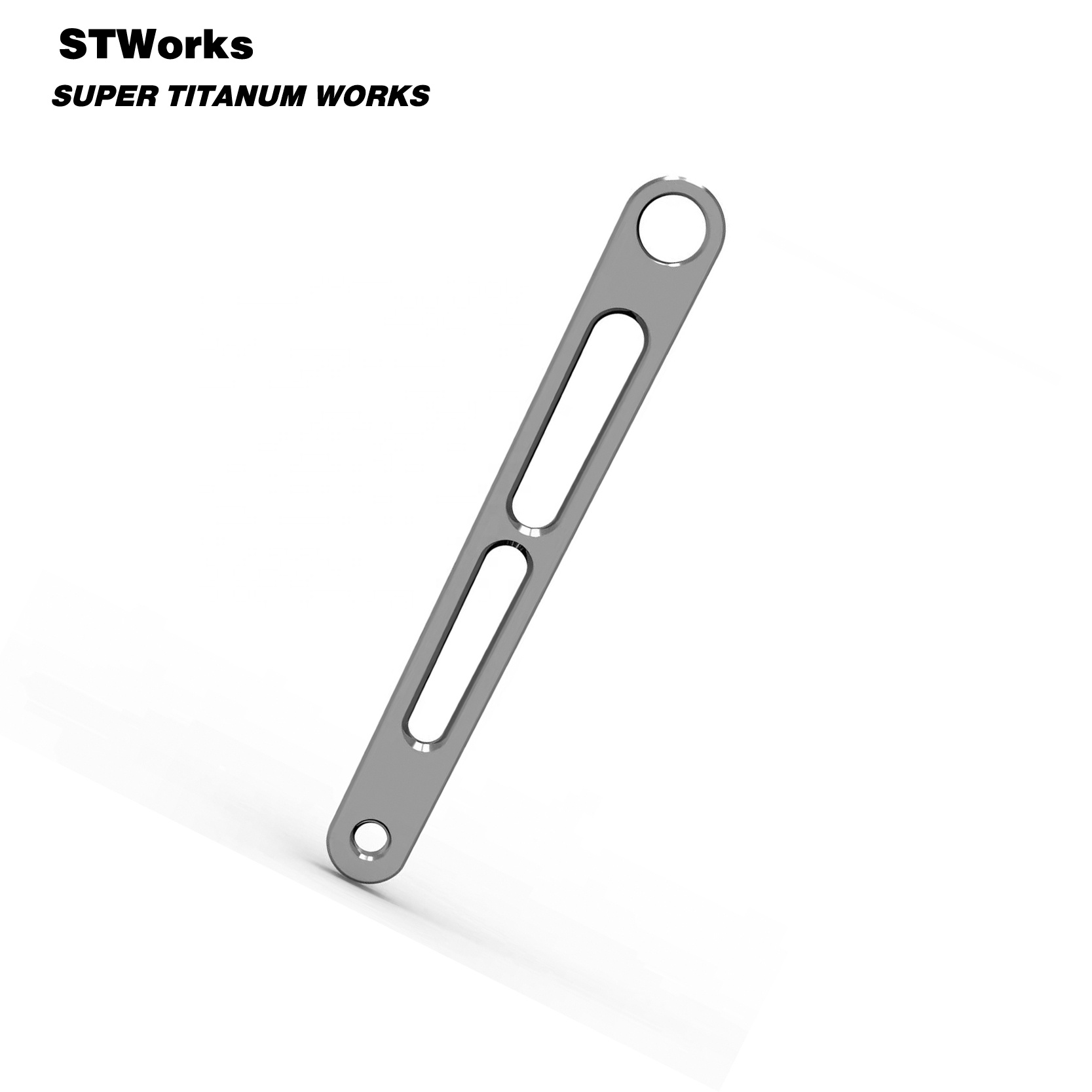
Titanium Alloy CNC Machined Spotlight Extension Bracket Auxiliary Light
Material: Ti-Alloy Grade 5
View Specifications →
Direct from our precision multi-axis CNC turning shop: custom OEM fastening solutions built to DIN, ISO, and customer-specific CAD tolerances with full batch inspection.
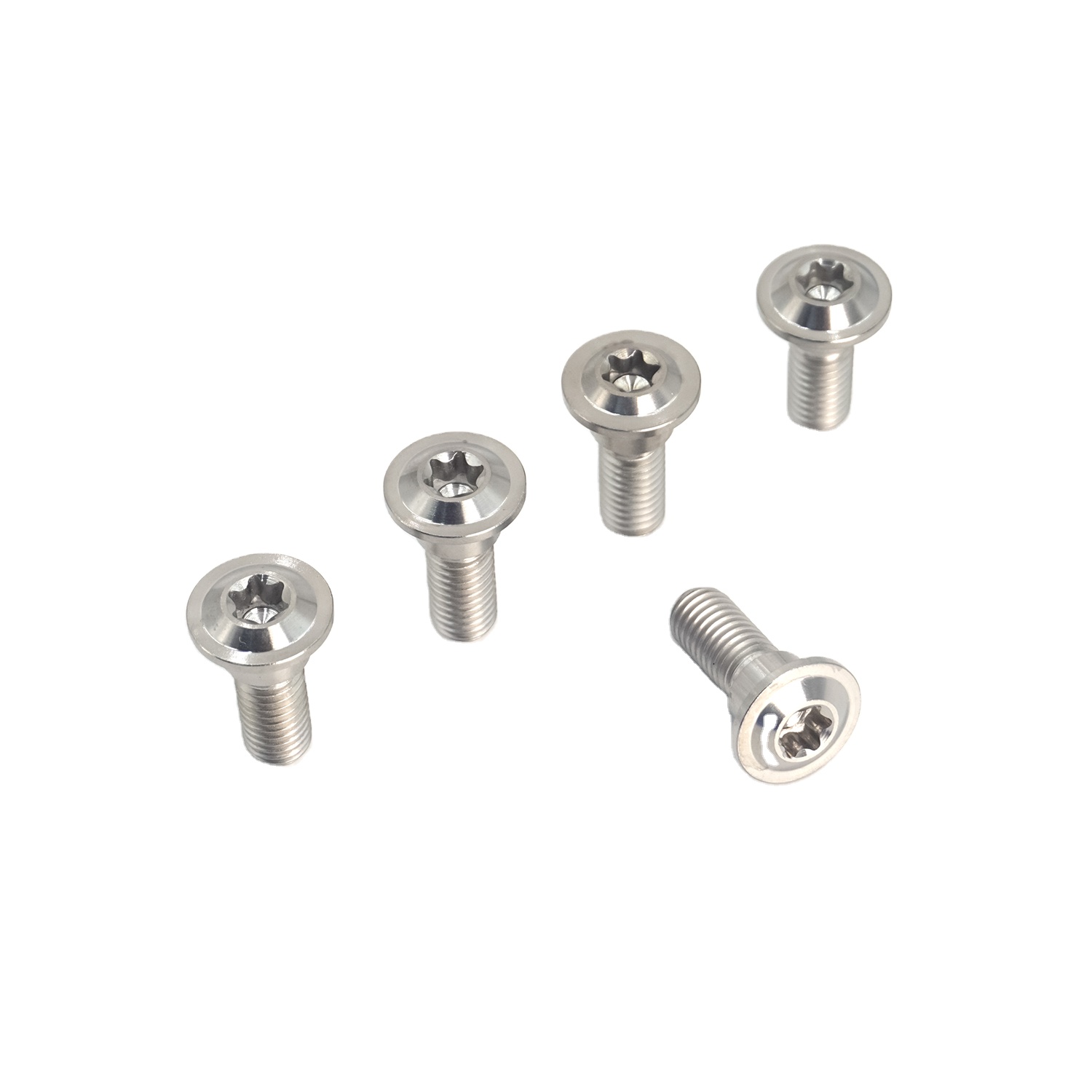
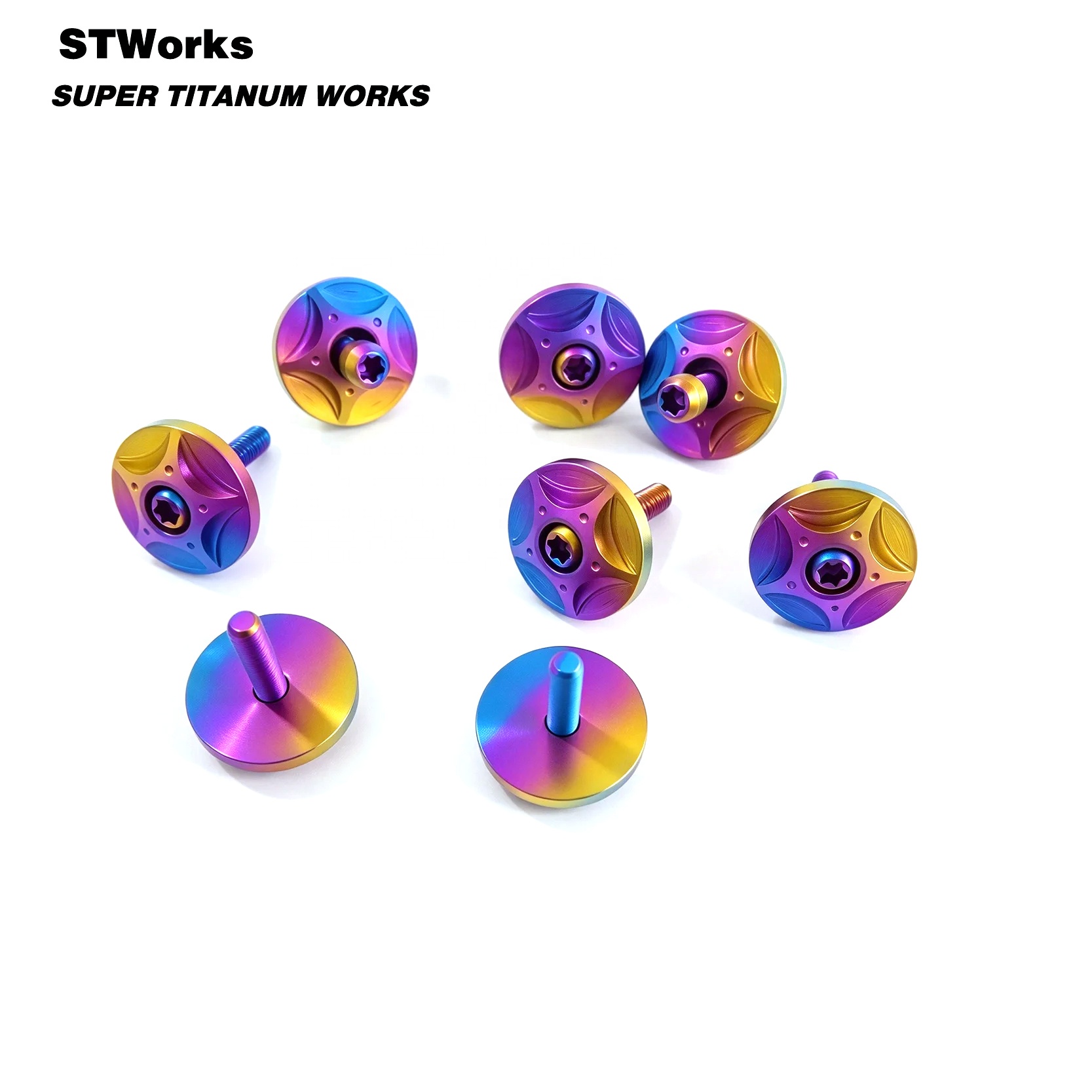
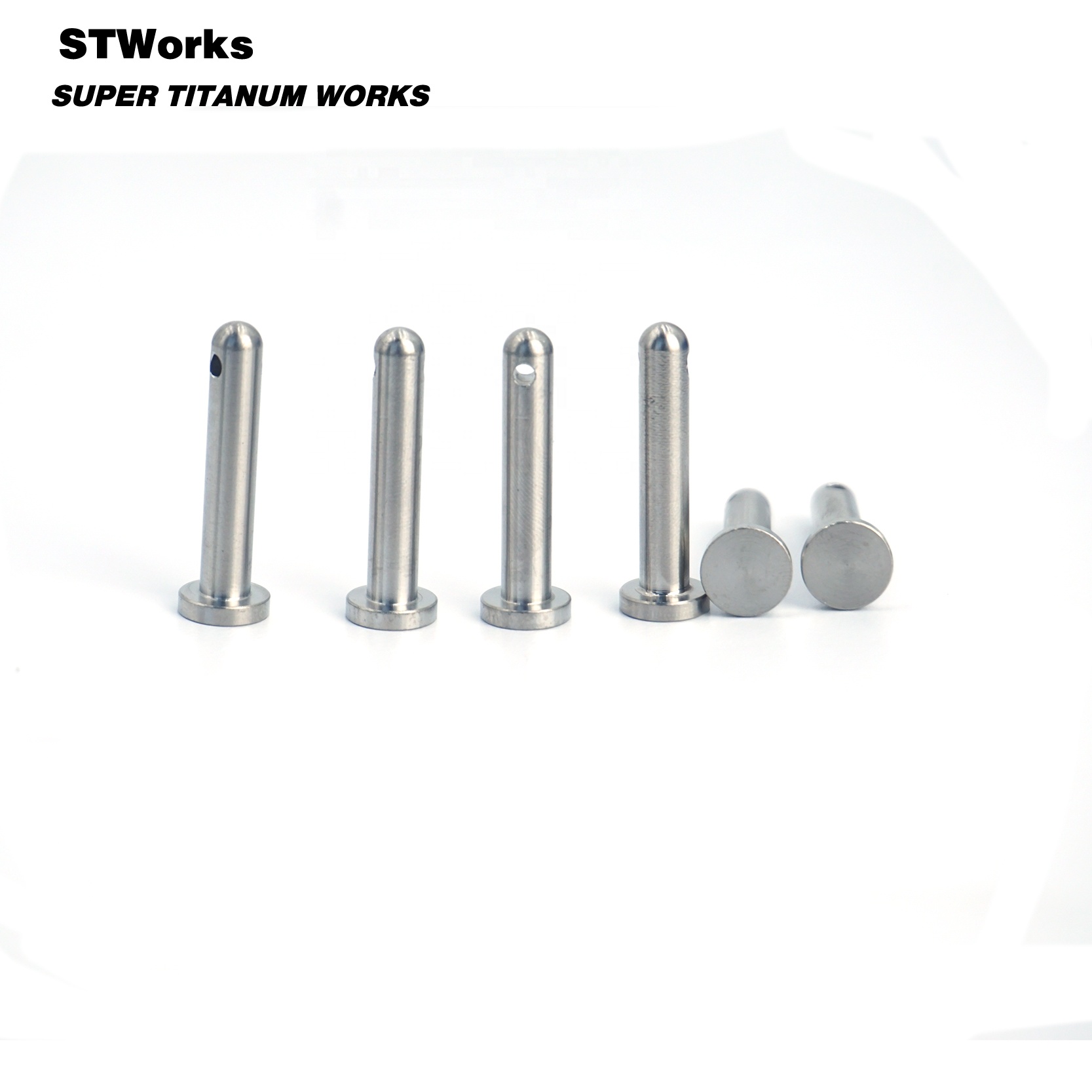
A metallurgical and kinematic inquiry into prevailing-torque retention, thread galling mitigation, and galvanic stability for mechanical systems operating across Liechtenstein and the Upper Rhine Valley.
In high-frequency cyclic loading, heavy-duty percussive drilling, and high-speed robotic manipulators, fastener failure almost never initiates from static tensile rupture; it stems from microscopic transverse slippage along the thread flanks, known classically as the Junker vibration phenomenon. In the industrial jurisdiction of Schaan, Liechtenstein—a global center of excellence for mechanical anchoring, construction fixing technology, precision dental instrumentation, and advanced mechatronics—fastener integrity cannot be left to passive friction or secondary spring washers. The deployment of custom OEM Grade 5 (Ti-6Al-4V) Titanium Self-Locking Hex Nuts (DIN 985 non-metallic prevailing-torque, DIN 980v all-metal crimped collar, and DIN 6927 flanged lock nuts) represents an uncompromising evolutionary leap over carbon and austenitic stainless steels.
Exceeds standard 8.8 grade carbon steel while saving 44% net assembly weight.
Drastically diminishes rotating mass inertia and parasitic kinematic load.
Single-point CNC single-pass thread turning ensures optimal 6H/4h class contact fit.
Impervious to severe Alpine road salts, de-icing chlorides, and industrial moisture.
When engineering locking fasteners for the Schaan market, OEM designers must specify the proper locking topology based on thermal operational limits and chemical exposure. Velnora Titanium manufactures two primary configurations of self-locking titanium hex nuts:
A. Prevailing-Torque All-Metal Deformed Collar (DIN 980v / ISO 7042): Fabricated directly from solid Gr5 titanium bar stock on CNC turn-mill centers, the top portion of the nut body undergoes controlled three-point radial crimping or elliptical necking. This creates an engineered interference fit with the male bolt threads. As the mating bolt enters the deformed zone, high radial contact pressure induces elastic deformation in the titanium crystal lattice. Because Grade 5 titanium boasts an extraordinary yield strength (~895 to 930 MPa) paired with a relatively low elastic modulus (~114 GPa, roughly half that of alloy steel), the collar behaves as an integrated, non-relaxing spring clip. It maintains residual clamping force across thermal variations from -60°C up to +350°C without creep, outgassing, or embrittlement.
B. Polyamide Elastic Ring Inserts (DIN 985 / ISO 7040): Incorporating an unthreaded, virgin PA66 or high-temperature PEEK ring locked into an internal retaining groove, this configuration creates prevailing torque through plastic deformation of the polymer collar against the advancing bolt crests. This mechanism provides consistent clamp loads, prevents back-off during vibration, and acts as an environmental seal against particulate ingress. However, for applications exposed to elevated temperatures above 120°C or aggressive synthetic ester lubricants common in heavy industrial drill heads, all-metal deformed titanium nuts remain the structural standard.
Titanium’s spontaneous surface passivation forms a tenacious, nanoscale Titanium Dioxide (TiO₂) dielectric film. Under high assembly torque and rapid thread engagement, contact stresses at the microscopic asperities can rupture this oxide layer, resulting in naked metal-to-metal contact and instantaneous cold-welding (galling). To prevent galling in critical installations throughout the Schaan engineering corridor, our manufacturing process executes precise counter-measures:
• Micro-Profile Mirror Polishing: Thread roots and flank profiles are CNC turned with ultra-fine polycrystalline diamond (PCD) tooling, achieving surface roughness values below Ra 0.4 μm, minimizing mechanical interlocking friction.
• Micro-Arc Oxidation (MAO) & PVD Nitride Depositions: Applying titanium nitride (TiN) or Diamond-Like Carbon (DLC) increases the surface micro-hardness to over 2,200 HV, creating an extremely hard boundary layer that completely decouples frictional contact.
• Controlled Lubrication Protocols: We provide engineering lubrication recommendations (fluoropolymer pastes, molybdenum disulfide, or anti-seize complexes) that recalibrate the torque-tension coefficient ($\mu_{tot} \approx 0.12 - 0.15$), converting wrench torque directly into consistent bolt preload rather than parasitic friction.
| Performance Parameter | Velnora Gr5 Ti-6Al-4V Nut | A4-80 (316) Stainless Steel | 10.9 Alloy Steel (Coated) | 7075-T6 Hardened Al |
|---|---|---|---|---|
| Density (Mass Factor) | 4.43 g/cm³ (-44% vs steel) | 7.98 g/cm³ | 7.85 g/cm³ | 2.81 g/cm³ |
| Tensile Yield Strength | 895 – 950 MPa | 600 MPa | 940 – 1000 MPa | 505 MPa |
| Modulus of Elasticity | 114 GPa (Superior compliance) | 193 GPa | 210 GPa | 72 GPa |
| Vibration Damping Capacity | Exceptional (Low resonance) | Moderate | Low | Moderate |
| Corrosion in Salt & Acid | Immune (Active passivation) | Pitting prone under Cl⁻ | Requires sacrificial zinc | Galvanic attack prone |
| Operating Temp Window | -200°C to +400°C | -196°C to +300°C | -40°C to +250°C | -50°C to +120°C |
| Magnetic Susceptibility | Non-Magnetic (μr ≈ 1.00005) | Weakly paramagnetic | Strongly Ferromagnetic | Non-Magnetic |
Schaan serves as Liechtenstein's high-tech manufacturing capital, bordering Buchs (CH) and Feldkirch (AT). Here is where our precision Grade 5 titanium self-locking fasteners excel.
Schaan is home to global leaders in construction demolition and diamond coring systems. Electro-pneumatic hammer mechanisms subject internal armature housings to severe multi-axis shock waves exceeding 1,200g. Standard nylon-insert nuts degrade from grease absorption and friction heat; our all-metal deformed Gr5 self-locking hex nuts eliminate vibration back-off while stripping crucial ounces from handheld tools.
Operating in the high-elevation Rätikon mountain ranges adjacent to Schaan, ropeway towers, tension pulleys, and avalanche retention grids endure extreme thermal fluctuations (-35°C to +40°C) alongside saturated saline humidity from road salts. Gr5 titanium nuts guarantee zero galvanic rust when bolted across specialized composite frames, maintaining torque across decades of service without repainting.
With Liechtenstein being a primary hub for world-class prosthetic dental laboratories and prosthetic CAD/CAM milling centers, zero-tolerance robotic indexing jigs require fasteners that do not distort under vacuum or generate magnetic interference during ultra-sensitive optoelectronic scanning. Our non-magnetic titanium nuts provide sterile, biocompatible locking reliability.
The Rhine Valley precision logistics and semiconductor manufacturing corridor requires AGVs and high-speed multi-axis pick-and-place gantries. Replacing steel fasteners with Grade 5 titanium lock nuts decreases moment of inertia across articulated robot arms, enabling higher acceleration curves, reduced motor heat, and lowered power draw.
Nestled against alpine trails, local engineering firms and custom bicycle builders design ultra-lightweight enduro and downhill suspension link pivots. Titanium self-locking flange nuts provide high resistance to lateral sway, prevent pivot pin liberation under aggressive rock strikes, and withstand direct mud and pressurized pressure-washer cleanings without thread seizure.
Liechtenstein’s thin-film optical and surface coating technologies require hardware that will not outgas in high vacuum ($10^{-7}$ mbar). Our un-plated, ultrasonically degreased Gr5 titanium self-locking nuts eliminate organic binders and cadmium risks, remaining stable through chamber bakeout cycles up to 300°C.
Understanding the microeconomic and regulatory dynamics influencing mechanical sourcing across Liechtenstein and the Swiss-Austrian border zone.
Strict European Union and EEA environmental directives enforced across Liechtenstein mandate the elimination of electroplated cadmium and hexavalent chromium coatings historically used on locking fasteners. Grade 5 titanium offers inherent, chemical-free corrosion passivity, eliminating hazardous plating supply chains entirely while complying directly with REACH Candidate List standards.
As Schaan production lines shift toward collaborative robots (Cobots) and higher cycling speeds, reducing weight on end-of-arm tooling (EOAT) directly translates to lower motor wattages and reduced joint wear. Transitioning bolted joints from A4 stainless to Gr5 titanium yields immediate 44% mass savings on structural joints with superior fatigue resistance.
Procurement directors in Liechtenstein require unassailable traceability back to the titanium melt ingots. Velnora Titanium guarantees 100% origin certification (Baoji Titanium Valley), accompanied by EN 10204 Type 3.1 inspection certificates covering chemical spectrometry, ultimate tensile yield, elongation, and ultrasonic bar flaw verification.
While standard mass-market fasteners rely on high-speed cold heading that causes internal micro-fissures in brittle titanium alloys, precision engineering firms in Schaan demand single-point CNC turned threads. This eliminates burrs, controls pitch variance within ±0.008 mm, and prevents premature fatigue cracking in high-stress vibrational environments.
Liechtenstein’s unique integration within the Swiss Customs Area (Schweizer Zollgebiet) allows rapid customs clearance into Zurich Airport (ZRH) or St. Gallen-Altenrhein (ACH), followed by seamless overland bonded transit to Schaan. Direct factory dispatch with accurate EORI and HS classification (7318.16) ensures delivery within 3–5 working days via priority air express.
Engineers in the DACH sector evaluate lifecycle cost rather than initial component expense. Fastener corrosion, thread galling, or lock failure in remote alpine installations or high-throughput machinery costs tens of thousands of Swiss Francs (CHF) in downtime. Titanium’s near-infinite operational lifespan guarantees the lowest overall maintenance cost.
Combining the metallurgical capital of Baoji, China's Titanium Valley, with advanced CNC multi-axis automation and export-verified digital transparency.
Established in 2013 at the heart of China’s Titanium Valley, our raw stock is sourced exclusively from certified vacuum arc remelted (VAR) Grade 5 Ti-6Al-4V (TC4) and commercial pure Grade 2 ingots, ensuring low interstitial gas levels (O < 0.18%, H < 0.012%) for superior fracture toughness.
Our workshop houses high-precision Citizen and Star Swiss-type automatic lathes alongside 5-axis machining centers. We execute thread rolling, EDM broaching, single-point single-pass internal threading, and radial deformed locking crimping to strict DIN 985, DIN 980v, DIN 6927, and ISO 7040 tolerances.
Our engineering support team—headed by seasoned machinists and metallurgists—maintains a 95.7% response rate within 4 hours. Send us your 2D PDF blueprints or 3D STEP/IGES models for instant manufacturability review, tolerance analysis, and transparent volume pricing in USD or EUR/CHF.
We solve the traditional cross-border procurement trust deficit by recording and transmitting high-resolution production videos and optical CMM measurement logs before packaging. You inspect your thread gauge clearances, chamfers, and surface finishes before parts leave our facility.
From micro-bead blasting and high-luster hand polishing to electrochemical anodizing (gold, violet, ice blue, emerald, rainbow) and vacuum PVD coating (DLC black, titanium nitride TiN gold), we achieve both cosmetic perfection and engineered anti-friction boundary layers.
We empower regional R&D departments across Liechtenstein with agile sample runs from 50 to 100 pieces for pilot prototypes and anchor pull testing, scaling seamlessly to scheduled annual releases of 100,000+ pieces with dedicated stocking agreements and buffer inventory.
Technical clarity on standards, anti-galling engineering, testing protocols, and Swiss customs clearance procedures.
DIN 985 specifies a standard-height prevailing-torque hex nut with a non-metallic (typically Polyamide 66) elastic insert ring crimped inside a top retention collar. When engaged, the male thread cuts into the polymer, creating frictional interference without damaging bolt threads. It operates effectively from -40°C to +120°C. In contrast, DIN 980v specifies an all-metal prevailing-torque nut where the top portion of the titanium body is mechanically deformed (tri-oval crimped or slotted). DIN 980v is rated for extreme operating temperatures up to +350°C, does not absorb fluids, and withstands harsh synthetic hydraulic oils or high vacuum environments common in heavy drilling and optical coating machinery in Schaan.
Grade 5 titanium (Ti-6Al-4V) exhibits an ultimate tensile strength of 895 to 1,000 MPa, making it directly comparable to Property Class 8.8 and approaching Class 10.9 in standard yield capacity. However, because its elastic modulus is roughly half that of alloy steel (~114 GPa vs 210 GPa), titanium exhibits higher elastic elongation under tension. For critical bolted assemblies previously engineered for ultra-high-tensile Class 12.9 fasteners (e.g., primary structural anchor linkages), a direct 1:1 replacement is not advised without recalculating clamp load requirements or increasing nominal thread diameter by one metric size (e.g., M8 to M10) to preserve equivalent clamping margin while reducing net assembly weight.
We address thread galling through three rigorous engineering controls: First, we maintain internal thread surface roughness below Ra 0.4 μm using CNC single-point diamond turning tools. Second, we offer specialized surface treatments including Micro-Arc Oxidation (MAO), Titanium Nitride (TiN), and MoS2 (molybdenum disulfide) dry-film coatings that establish a non-metallic barrier against micro-welding. Third, we supply technical application guidelines: using calibrated, torque-controlled tools (avoiding high-RPM impact wrenches) and applying titanium-compatible nickel-free anti-seize paste, maintaining consistent friction coefficients (μ ≈ 0.12–0.14).
Every commercial production batch is delivered with a complete documentation dossier complying with EN 10204 Type 3.1. This includes: (1) Ingot heat analysis verifying chemical composition (Ti, Al, V, Fe, C, N, H, O); (2) Room temperature tensile test results (yield, ultimate tensile strength, percentage elongation, reduction of area); (3) Thread tolerance verification logs measured via calibrated 6H Go/No-Go plug gauges; and (4) RoHS 3 and REACH compliance declarations. Third-party testing reports from SGS or TÜV are available upon request prior to container dispatch.
Under the bilateral Customs Treaty of 1923, Liechtenstein operates within the Swiss Customs Area. Shipments consigned to Schaan are declared under Swiss customs tariff regulations using HS code 7318.16 (screws, bolts, nuts, of titanium). We provide commercial invoices in CHF or EUR with complete customs declarations, export packing lists, and Certificates of Origin. Goods clear customs smoothly at Zurich Airport (ZRH) or Basel-Mulhouse (BSL) and are dispatched via express road freight directly to your receiving dock in Schaan, with Swiss VAT (8.1%) handled transparently through your designated forwarder.
Yes. Beyond standard DIN 985 and DIN 980 hex patterns, a substantial percentage of our manufacturing volume is dedicated to custom OEM designs: integrated serrated flange lock nuts (DIN 6927), 12-point double-hex nuts for aerospace packaging constraints, thin-profile jam lock nuts, and captive rotating washer assemblies. Our CNC turn-mill stations accommodate non-standard metric thread pitches (e.g., M10×1.0, M12×1.25, M14×1.5) as well as Unified National (UNF/UNC) threads built to precision class 3B.
For standard DIN-specification titanium hex nuts in common diameters (M3 through M16), our standard MOQ begins at 100 to 200 pieces, with popular sizes maintained in semi-finished bar inventory for rapid dispatch. For fully customized blueprints requiring dedicated tooling, specialized crimping dies, or custom PVD coatings, pilot production MOQs start at 100 to 300 pieces. Prototype sample batches are typically turned, inspected, and shipped within 7 to 10 working days, while recurring mass-production runs require 18 to 25 working days depending on surface finish complexity.
Titanium is close to carbon fiber in the galvanic series (both being noble materials), making titanium the global benchmark fastener for direct contact with Carbon Fiber Reinforced Polymers (CFRP) without risk of the catastrophic galvanic erosion caused by steel or aluminum. When joining titanium lock nuts with 6000 or 7000-series aluminum structural components in wet or saline Alpine environments, aluminum behaves as the sacrificial anode. To prevent galvanic attack on the aluminum plate, we recommend our specialized anodized titanium finishes or insulating fluoropolymer washers to isolate electrical conductivity across the interface.
Submit your 2D manufacturing drawings (PDF) or 3D CAD files (STEP/IGES) for a thorough engineering assessment, tolerance verification, and precision quotation within 4 hours.
Get a Quote