Brake System
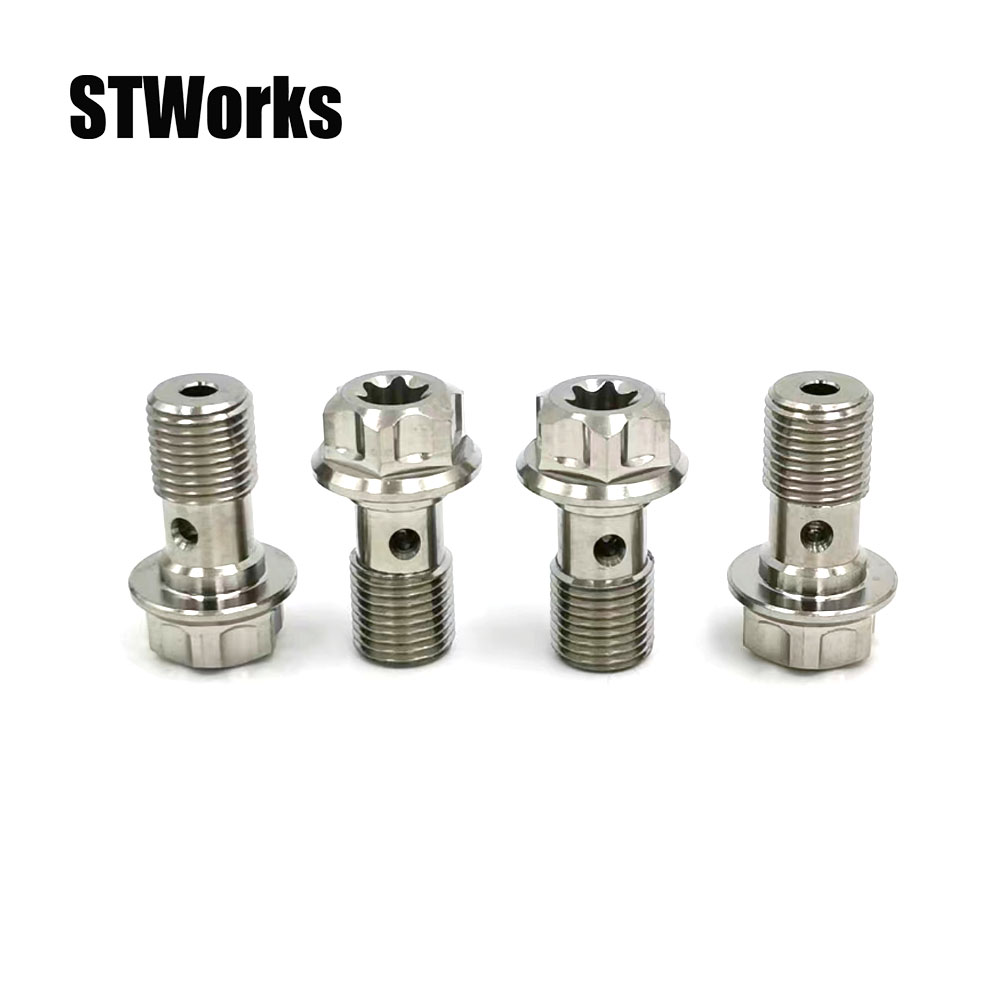
Gr5 Titanium Motorcycle Banjo Bolts Hexagonal Head M10
Spec: M10×1.25 / 1.0mm | PVD: Super-Hard TiN/DLC
Technical Specs
Bespoke cold-forged and CNC-machined Grade 5 Ti-6Al-4V components built to DIN, ANSI, and JIS tolerances. Each batch delivers verifiable shear strength, fatigue endurance, and zero-corrosion longevity in marine conditions.
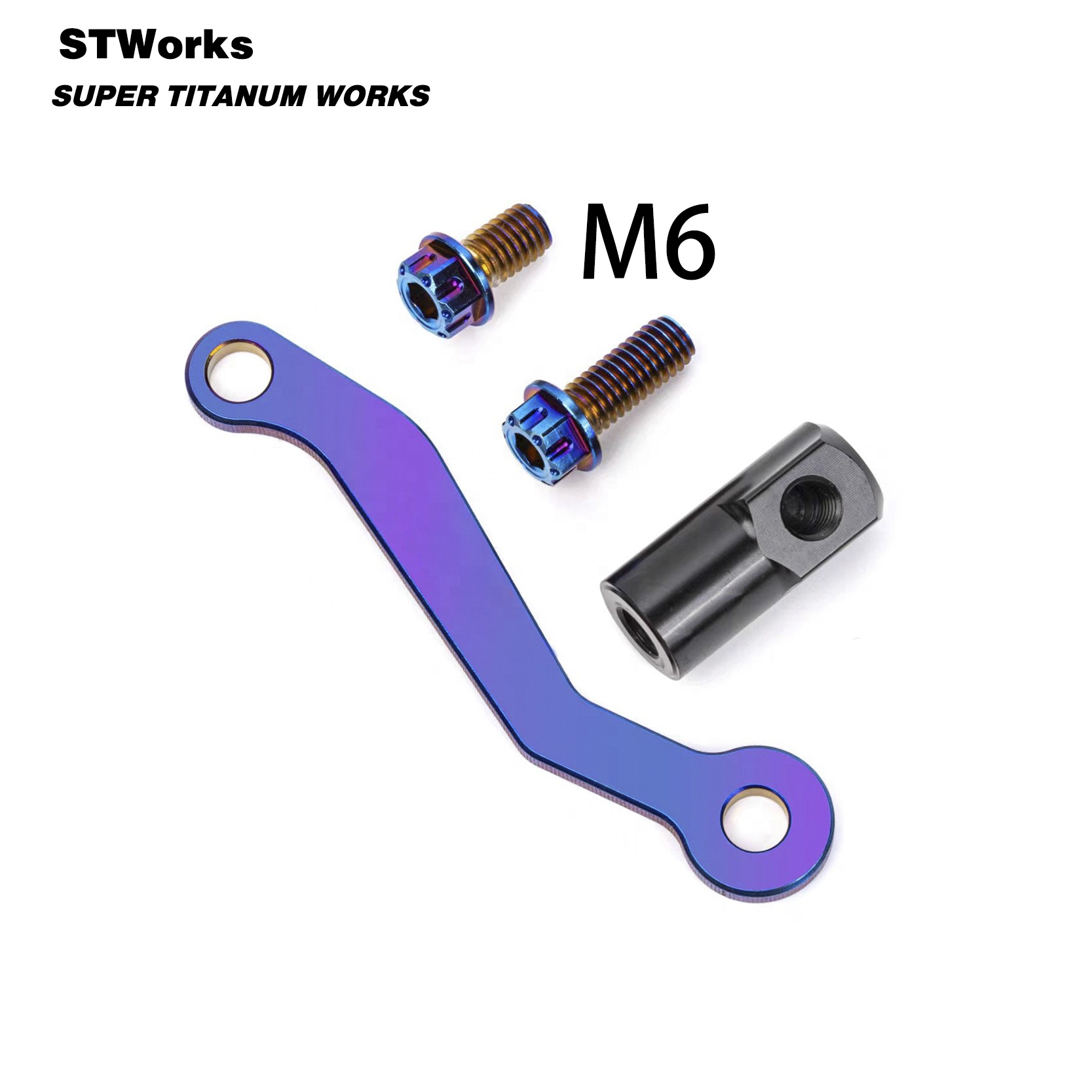
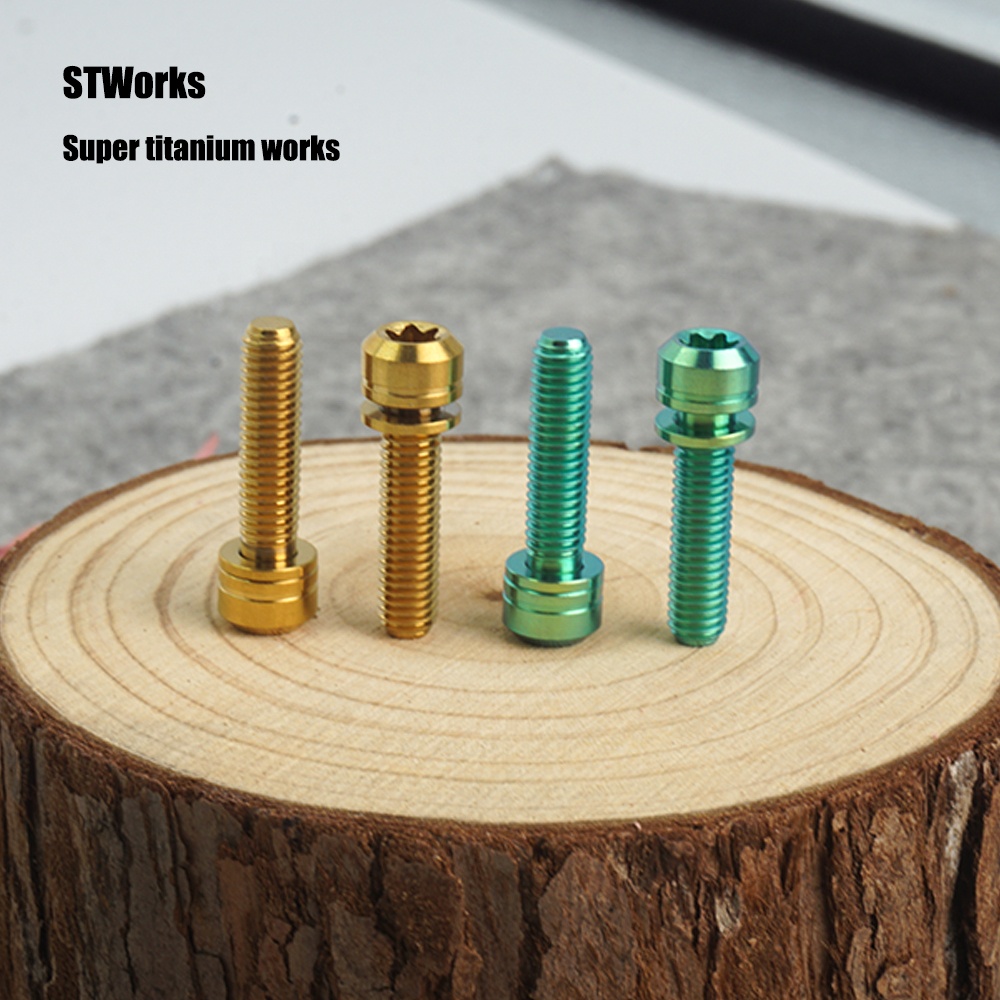
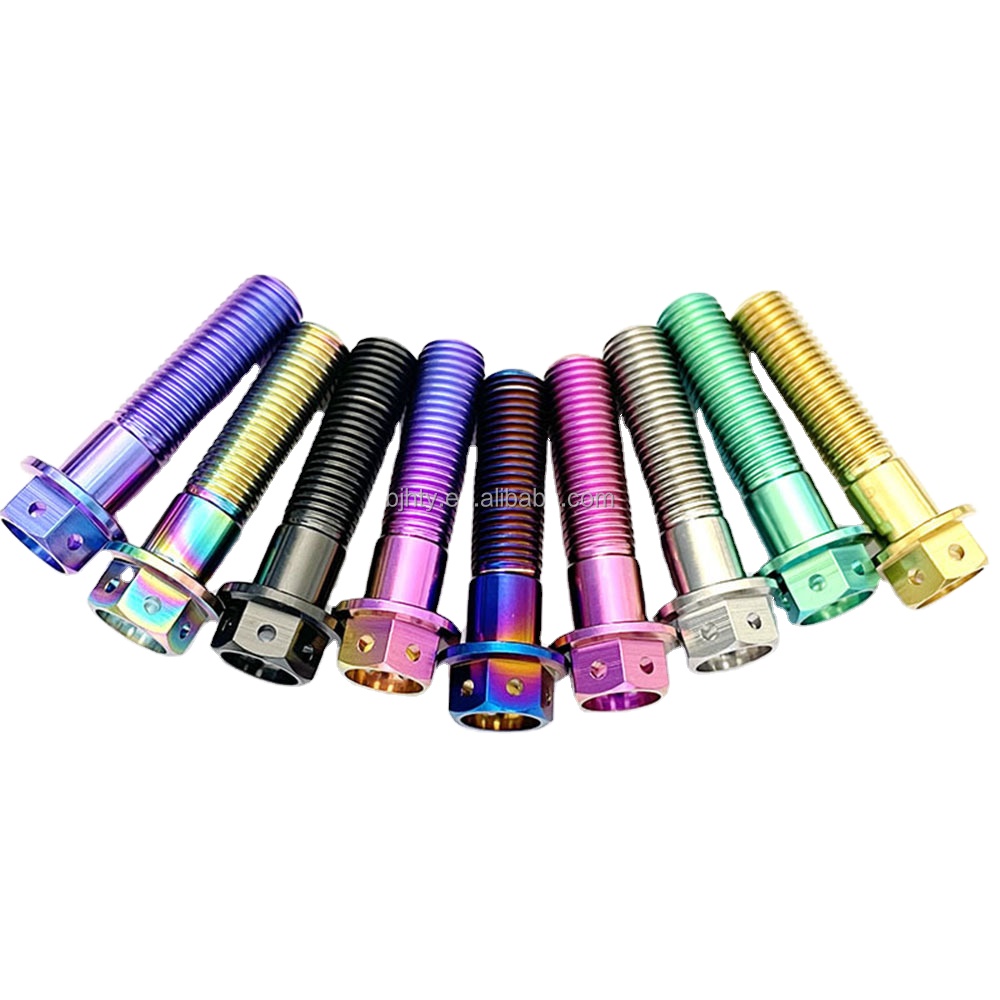
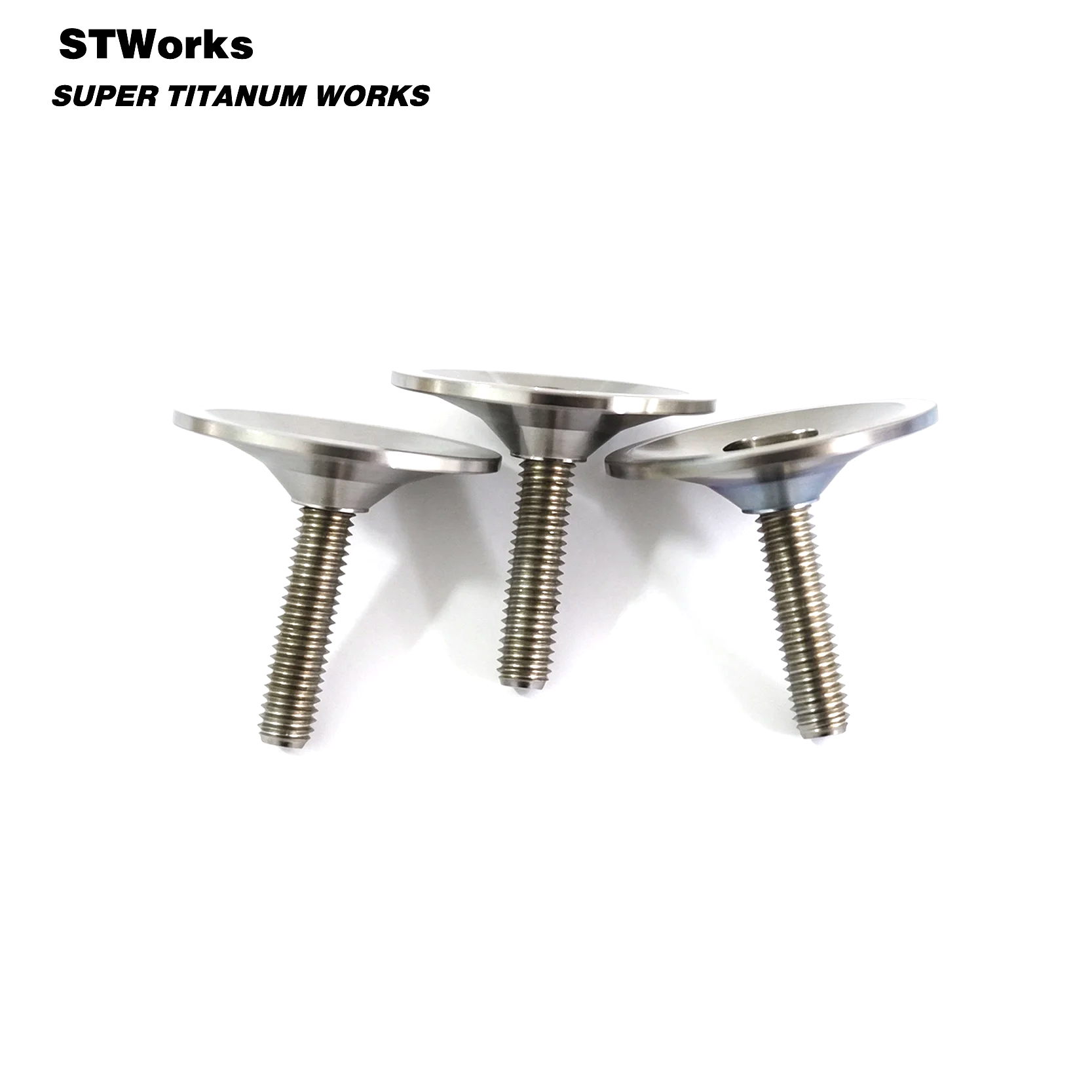
A comprehensive examination of dynamic shear loading, cyclic thermal fatigue, and chloride-induced stress corrosion resistance for industrial and automotive OEMs in the Odesa Oblast.
In high-performance braking assemblies, rotor bolts represent the most safety-critical link between kinetic energy dissipation and hub structural stability. When brake calipers clamp against rotating friction rings, the brake rotor bolts bear instantaneous torsional shear stress, continuous cyclical tensile preload, and severe convective thermal cycles alternating between ambient sub-zero coastal winter drafts and localized frictional heat spikes surpassing 480°C. In the greater Odesa coastal hub, these mechanical stresses are compounded by constant exposure to maritime chloride aerosols from the Black Sea, industrial port airborne particulates, and aggressive magnesium-chloride de-icing agents deployed during winter logistical operations.
Standard OEM class 8.8 and even cad-plated class 10.9 structural steel bolts succumb rapidly to pitting corrosion, thread seizure, and microscopic hydrogen embrittlement in this coastal climate. Once rust initiates within the internal hex or Torx drive recess, rotational maintenance becomes prone to fastener rounding, seized threads, and hub galvanic pitting. Velnora Titanium Industry addresses these failure modes by engineering custom cold-forged and precision-machined Ti-6Al-4V Grade 5 (TC4) rotor bolts, delivering a metallurgical density of 4.43 g/cm³, a yield strength exceeding 830 MPa, and an unyielding ruthenium-stable passive oxide film ($TiO_2$) that renders chloride pitting virtually impossible.
Addressing the distinct mechanical and environmental failure modes present in southern Ukrainian transportation networks, port facilities, and competitive motorsport.
The container and grain terminals of Odesa, Chornomorsk, and Pivdennyi operate high-torque gantry crane braking systems, heavy tow tractors, and port logistics reach stackers under 24/7 salt spray. Custom OEM Grade 5 titanium disc rotor hardware prevents galvanic seizing against aluminum hubs and guarantees zero-downtime maintenance schedules during grain corridor load cycles.
Odesa's thriving club racing scene—spanning autocross events, coastal drift stages, and high-displacement superbike fleets—demands minimal rotational inertia. Shaving unsprung weight directly from the brake rotor periphery drops gyroscopic precessional torque, enabling snappier corner turn-in, reduced brake fade on technical layouts, and track safety wired flanged heads.
The agricultural heartlands connecting Odesa, Mykolaiv, and central Ukraine subject heavy-duty grain transport trailers and high-horsepower tractors to brutal vibratory shocks and chemical fertilizer corrosives. Custom M12–M16 high-tensile titanium rotor fasteners provide vibration fatigue resistance that exceeds high-tensile alloy steels without suffering galvanic lock-in.
Fleet operators and precision workshops in Odesa are systematically upgrading high-wear braking hardware from zinc-plated alloy steel to Gr5 Titanium. The primary catalyst is the lifetime total cost of ownership (TCO). While steel fasteners require frequent replacement due to salt-induced thread corrosion and seizing, titanium fasteners survive the full lifecycle of the vehicle chassis, entirely eliminating drilled-out bolt extractions and damaged hub threads.
With supply routes through the Black Sea evolving, Odesa importers and distributors demand direct, verified factory partnerships in Baoji—China's premier Titanium Valley. Eliminating multi-tier European brokerage markups allows Ukrainian mechanics, tuning houses, and logistics entities to receive full chemical composition analysis (MTR), mechanical test sheets, and customizable OEM head-markings at direct-from-forge pricing.
Quantitative benchmarks demonstrating why Ti-6Al-4V Grade 5 is the optimal selection for combined thermal stress, cyclic torque, and marine atmospheric resistance.
| Physical / Mechanical Property | Gr5 Ti-6Al-4V (Velnora OEM) | Class 10.9 Alloy Steel | AISI 316 Marine Stainless | 6061-T6 Aluminum (Cosmetic) |
|---|---|---|---|---|
| Density ($\rho$, g/cm³) | 4.43 (44% lighter than steel) | 7.85 (Heavy rotational baseline) | 8.00 (Maximum parasitic mass) | 2.70 (Not suitable for structural shear) |
| Tensile Strength ($R_m$, MPa) | 950 – 1050 | 1040 – 1220 | 580 – 680 | 310 |
| Yield Strength ($R_{p0.2}$, MPa) | 880 – 920 | 940 | 290 | 275 |
| Fatigue Limit ($\sigma_w$, Cycles $> 10^7$) | 510 MPa (Exceptional endurance) | 420 MPa (Degrades with corrosion) | 260 MPa (Susceptible to work fatigue) | 95 MPa (Rapid cyclic micro-cracking) |
| Black Sea Salt Fog Resistance | Immune (Active self-healing $TiO_2$) | Severe rust & seize within 1 season | Moderate (Crevice pitting risk) | Severe galvanic white powder exfoliation |
| Thermal Expansion Coeff. ($10^{-6}/K$) | 8.6 (Matches ceramic/steel rotors) | 11.5 (High differential expansion) | 16.0 (Causes bolt loose loosening) | 23.2 (Joint clamping loss) |
| Thread Fabrication Method | Continuous Cold-Rolled Fillet | Cut or rolled | Machined / Cut | Cut |
A critical engineering consideration often neglected by standard distributors is the distinction between machined cut threads and continuous cold-rolled threads. At Velnora Titanium Industry, our rotor bolts are forged from aerospace-certified AMS 4928 titanium rod stock, followed by precision CNC shank profiling and thread forming via specialized hardened carbide circular thread-rolling dies. Cold rolling preserves the grain flow lines of the titanium alloy parallel to the thread crest and root contours, increasing dynamic shear fatigue life by up to 300% compared to lathe-cut threads and eliminating micro-notch stress concentration zones that cause catastrophic bolt head detachment under emergency brake stops.
How Velnora maintains tight tolerance controls from raw Baoji sponge titanium to packaged shipment arriving in Odesa.
Every melt lot of Grade 5 (Ti-6Al-4V) ingots undergoes optical emission spectrometry and chemical titration to guarantee interstitial elements (O < 0.20%, Fe < 0.30%, H < 0.015%).
Heads are formed under high-tonnage hydraulic forging presses, creating dense grain consolidation at the critical head-to-shank junction, followed by deep internal Torx or hex broaching.
Multi-spindle Swiss-type CNC centers turn bearing shoulders, underhead radius relief fillets, and safety wire cross-holes with continuous runout under 0.005mm.
Metric threads (M6, M8, M10, M12) are rolled in high-pressure cycles, compacting the crystalline grain boundary structure to achieve DIN 13 class 6g thread precision tolerances.
Parts undergo ultrasonic degreasing followed by physical vapor deposition (TiN gold, DLC diamond black, rainbow thermal anodizing) delivering surface micro-hardness up to 2500 HV.
Automated optical camera sorting inspects thread pitch, concentricity, and head squareness. Complete EN 10204 3.1 chemical & mechanical inspection sheets are packaged with every export.
Combining the geopolitical heart of titanium processing in Baoji with transparent global export standards.
Founded in 2013 in Baoji, Shaanxi, our facility is embedded in the world's most dense titanium metallurgy cluster. This gives our engineers uninterrupted priority access to premier titanium sponge, controlled vacuum arc remelting (VAR) ingots, and certified raw billet mills.
We eliminate purchasing uncertainty across borders. Over 938 product videos and live factory floor footage allow Odesa procurement managers to witness the exact machining, broaching, anodizing, and optical measurement of their custom batches before final balance payment.
Whether you require standard DIN 912 socket caps, DIN 7991 countersunk screws, ISO 7380 button heads, or custom proprietary blueprinted geometries with underhead radius radiusing and safety-wire perforations, our CAD/CAM engineers turn STEP files into finished parts rapidly.
Actionable answers covering metallurgy, freight delivery corridors, galvanic assembly protocols, and custom drawing prototyping.
Upload your 2D/3D component drawings (STEP, IGES, PDF) or share OEM replacement part dimensions. Our senior machining engineers deliver a full manufacturability review, alloy consultation, and tiered pricing quote within 4 business hours.