Precision Titanium Hardware Ready for OEM Integration
Machined from certified Ti-6Al-4V bar stock with rolled micro-threads, leak-proof sealing cones, and anti-galling chemistry.
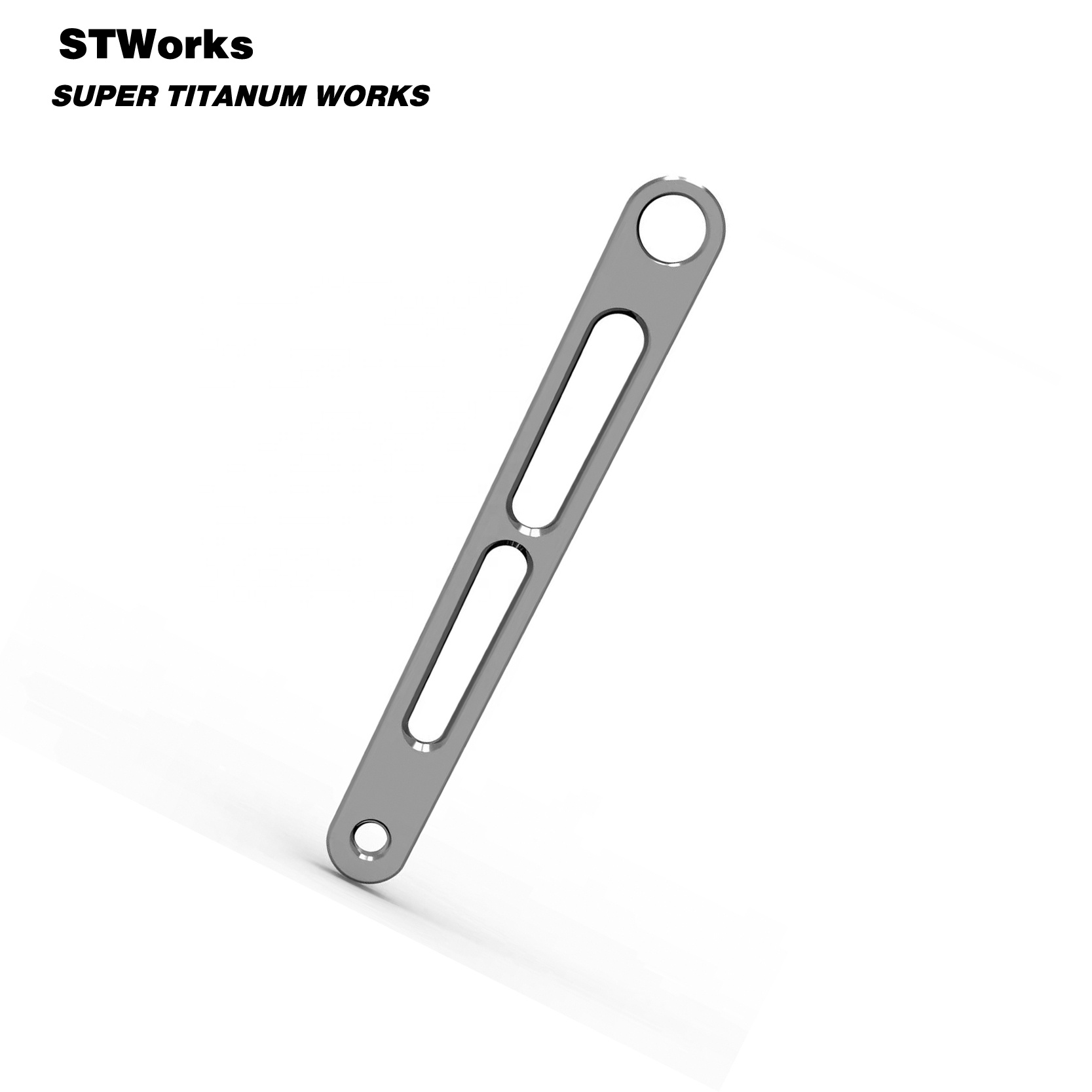
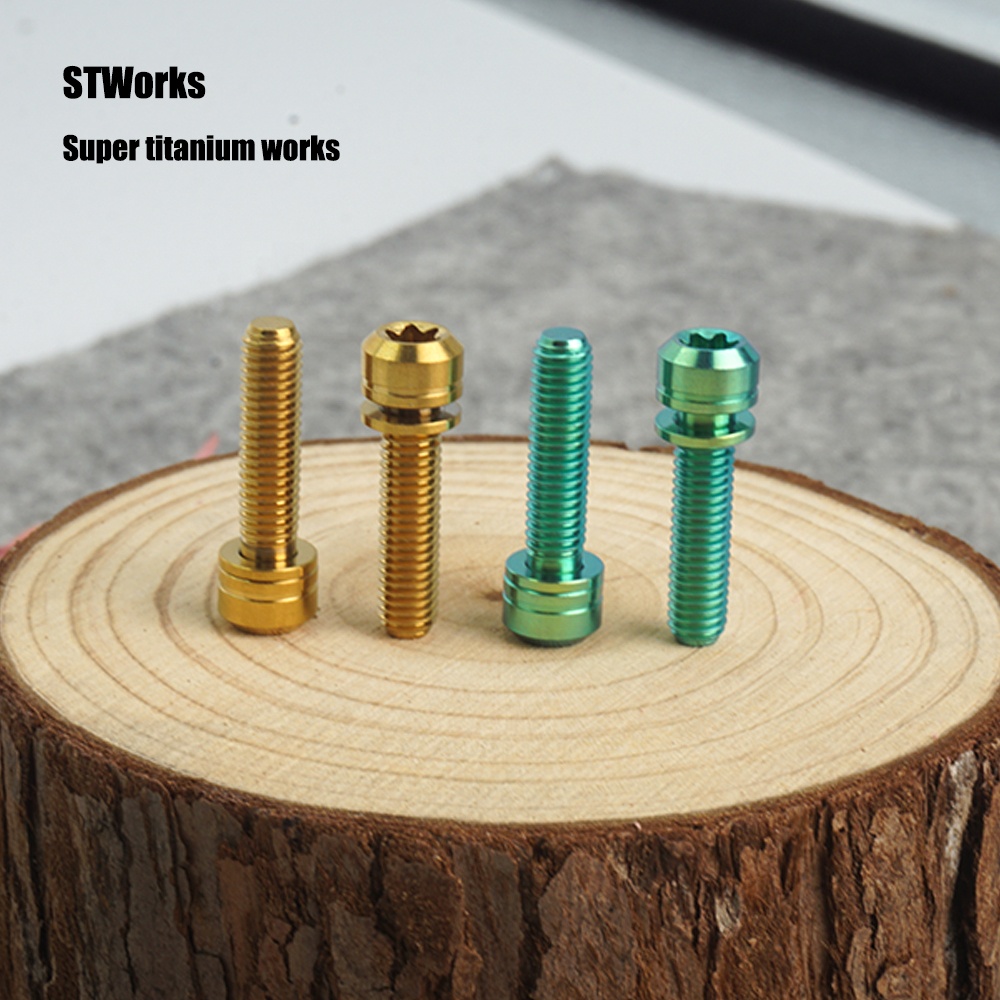
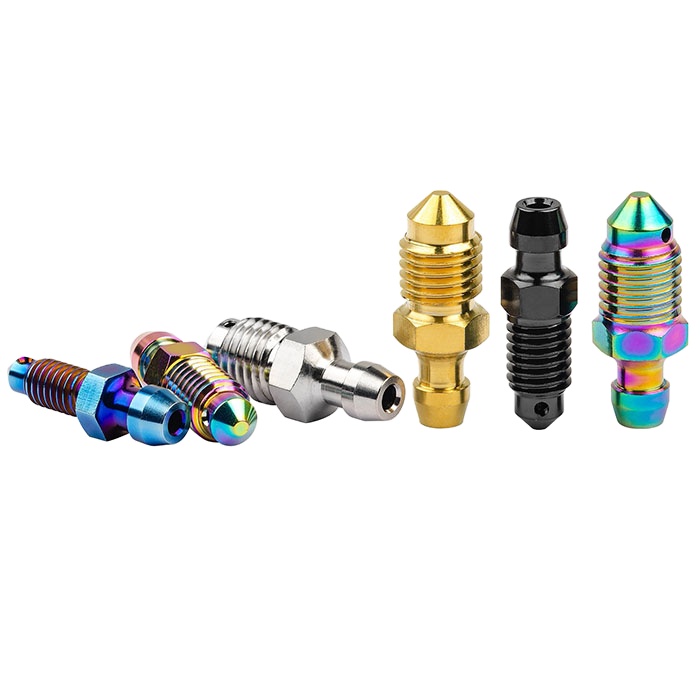
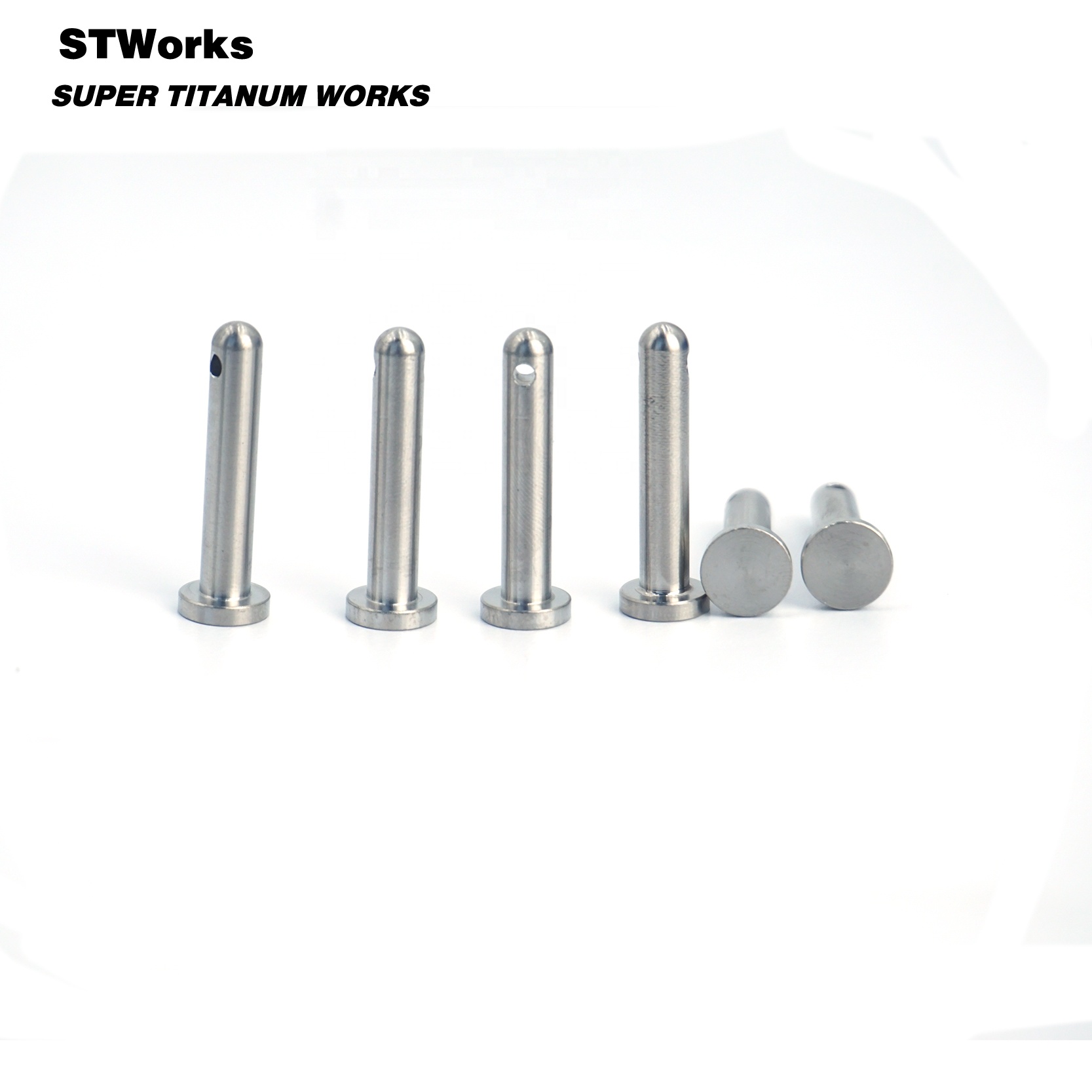

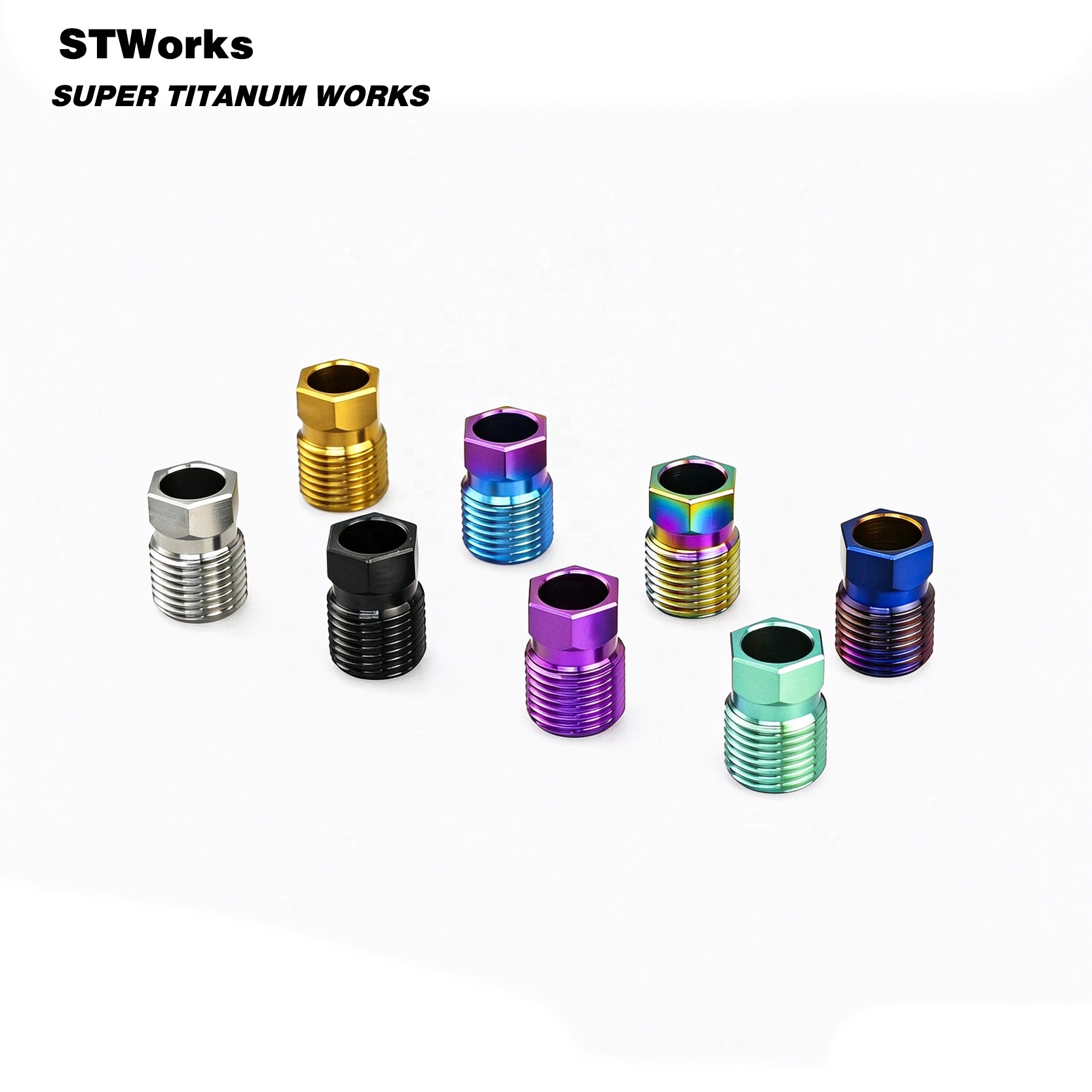
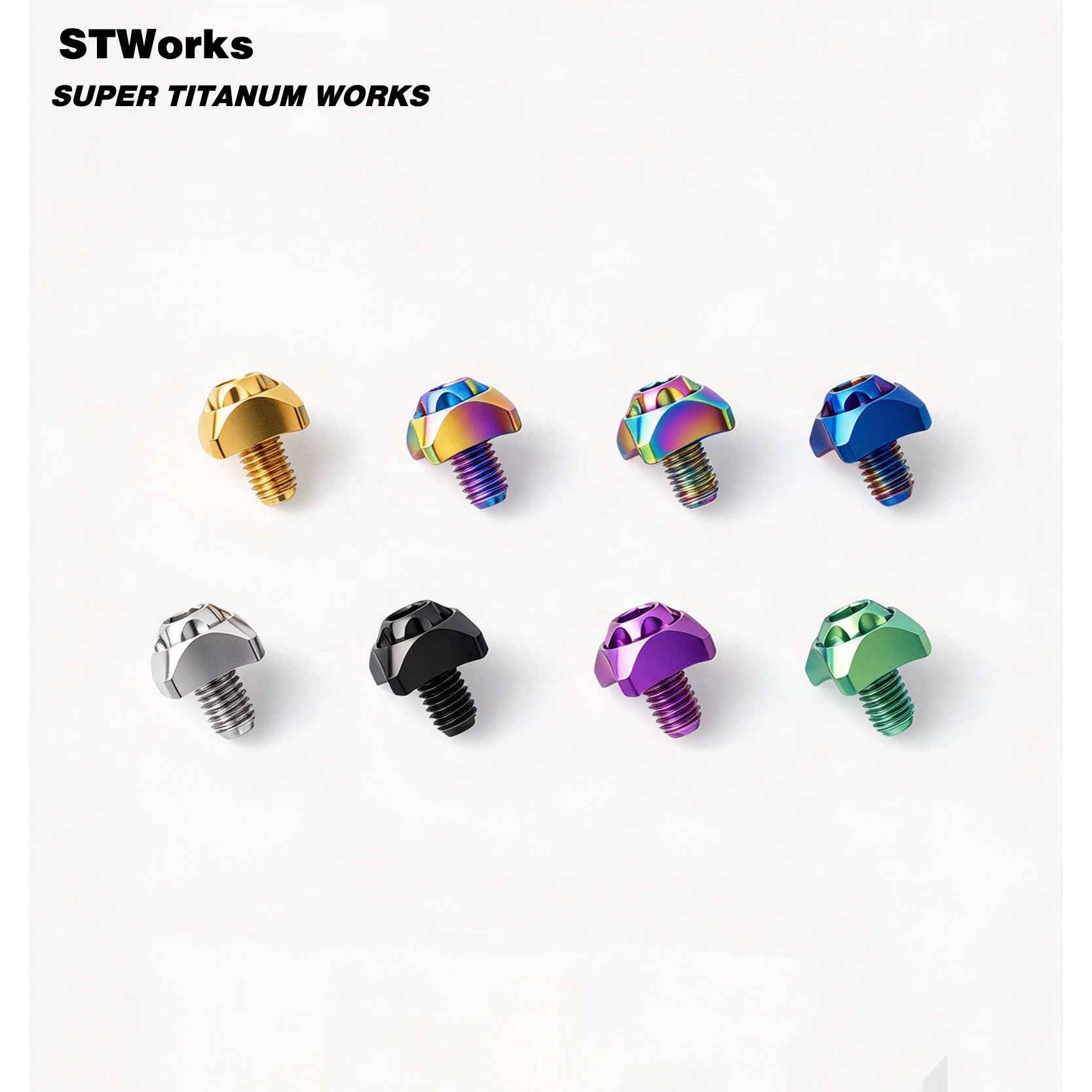
Engineering Custom OEM Titanium Bleeder Screws for High-Duty Hydraulic Systems
A deep dive into fluid dynamics, structural fatigue, galvanic compatibility, and microscopic seal interfaces in performance hydraulic braking calipers.
Micro-Lapped Sealing Tapers & Orifice Geometry
In conventional steel and brass brake bleeder valves, microscopic surface imperfections along the sealing cone seat can cause intermittent air entry under micro-vacuum situations during system bleeding. Velnora Titanium manufactures custom bleeder nipples featuring precision CNC-ground 90-degree and 120-degree inverted taper seats with a surface roughness finish held below Ra 0.4 μm.
Our rolled threads (M6x1.0, M7x1.0, M8x1.25, M10x1.0, and M10x1.25) maintain a continuous grain flow along the root circumference, providing 30% higher shear fatigue strength than conventional cut threads when torqued inside forged aerospace aluminum caliper blocks.
Corrosion Immunity Against Glycol & DOT Synthetic Fluids
Brake fluids (specifically hygroscopic DOT 3, 4, and 5.1 formulations) inevitably absorb atmospheric humidity through caliper piston seals over long service cycles. When water-contaminated fluid meets carbon steel bleeder screws, galvanic oxidation rapidly seizes threads inside the caliper housing.
By leveraging certified Grade 5 Titanium (Ti-6Al-4V), our bleeder screws form an instantaneous, chemically inert rutile (TiO2) passivation film. They remain immune to pitting, crevice oxidation, and galvanic bonding inside aluminum calipers, eliminating the risk of sheared bleeder nipples during maintenance overhauls.
Material Property Benchmark: Fasteners in Performance Caliper Architecture
| Mechanical / Chemical Parameter | Ti-6Al-4V Gr5 (Velnora Spec) | 10.9 Plated Carbon Steel | AISI 304 / 316 Stainless | 6061-T6 Anodized Aluminum |
|---|---|---|---|---|
| Density (ρ) | 4.43 g/cm³ (-44% vs Steel) | 7.85 g/cm³ (Baseline) | 7.93 g/cm³ | 2.70 g/cm³ |
| Tensile Strength (Ultimate, Rm) | 950 – 1050 MPa | 1000 – 1040 MPa | 520 – 680 MPa | 310 MPa |
| Yield Strength (Rp 0.2) | 880 – 920 MPa | 900 – 940 MPa | 210 – 290 MPa | 276 MPa |
| Modulus of Elasticity (E) | 114 GPa (Superior compliance) | 210 GPa | 193 GPa | 69 GPa |
| Galvanic Compatibility w/ Al Caliper | Excellent (TiO2 protective barrier) | Poor (High rust potential) | Moderate (Crevice risk) | Direct wear & thread galling |
| Thermal Working Ceiling | 450°C (No microstructural drift) | 300°C | 400°C | 140°C (Rapid softening) |
Precision Titanium Fastener Applications Across Gwangju Metropolitan Ecosystems
How high-tensile titanium bleeder nipples and custom CNC fittings integrate into South Korea’s automotive capital and cutting-edge advanced manufacturing clusters.
Gwangju Global Motors (GGM) & Commercial Fleet Lineage
As Gwangju scales production of urban micro-mobility and compact internal combustion and electric vehicles at Bitgreen Industrial Complex, Tier-1 brake caliper assembly lines demand lightweight hardware that withstands harsh winter de-icing calcium chloride salts without surface degradation.
Electric Vehicle & Purpose-Built Mobility (PBV) Systems
In high-mass battery electric platforms engineered around Honam expressway corridors, brake calipers experience aggressive thermal cycling due to regenerative-to-friction braking handoffs. Titanium bleeder screws act as an exceptional thermal damper, keeping caliper fluid temps stable.
Industrial Robotics & High-Pressure Actuators
The Gwangju Advanced Science & Technology Park (Hanam/Cheomdan) relies heavily on high-precision hydraulic end-effectors, agricultural automation, and robotic clamping systems where fluid evacuation points must remain zero-leak and non-magnetic.
Market Trends: Why Gwangju Automotive & Tech Procurement Is Shifting to Custom Ti
1. Unsprung Weight Reduction in Next-Gen Sports EVs
South Korean EV engineering teams are ruthlessly shedding unsprung rotating and non-rotating mass at the hub assembly. Switching caliper hardware—including pad pins, banjo bolts, and bleeder screws—from steel to Ti-6Al-4V saves up to 350 grams of unsprung mass per axle wheel corner, noticeably sharpening steering responsiveness and suspension frequency dampening.
2. Supply Chain Optimization & Direct Baoji OEM Sourcing
Historically reliant on European or domestic distributors charging heavy markups for specialty hardware, Gwangju procurement managers now contract directly with Velnora Titanium in Baoji. Direct access to primary sponge titanium smelting and precision multi-axis Swiss-lathe centers lowers part costs by up to 40% while preserving sub-15 micron engineering tolerances.
Velnora Titanium Industry: The Direct Factory Edge
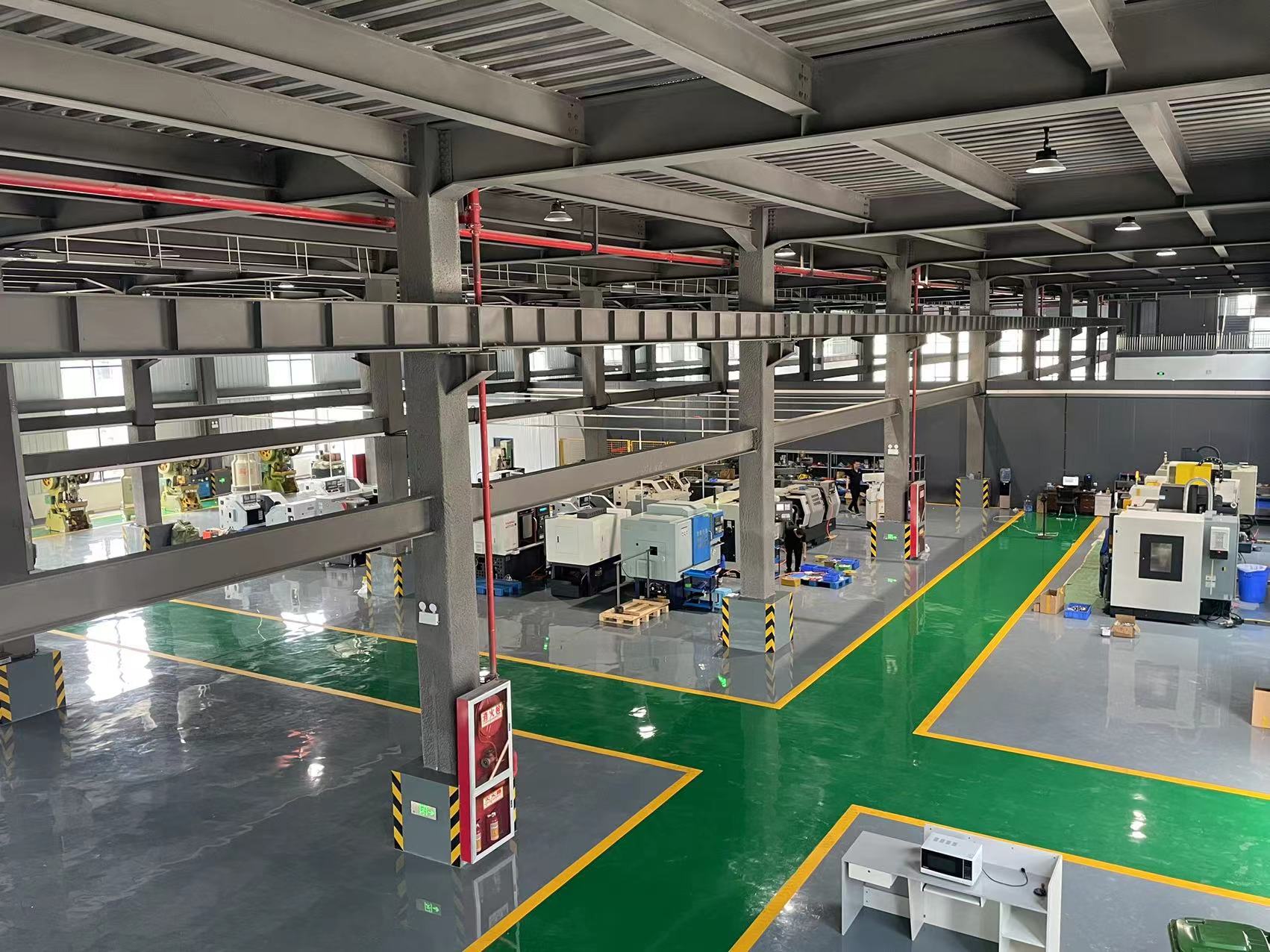
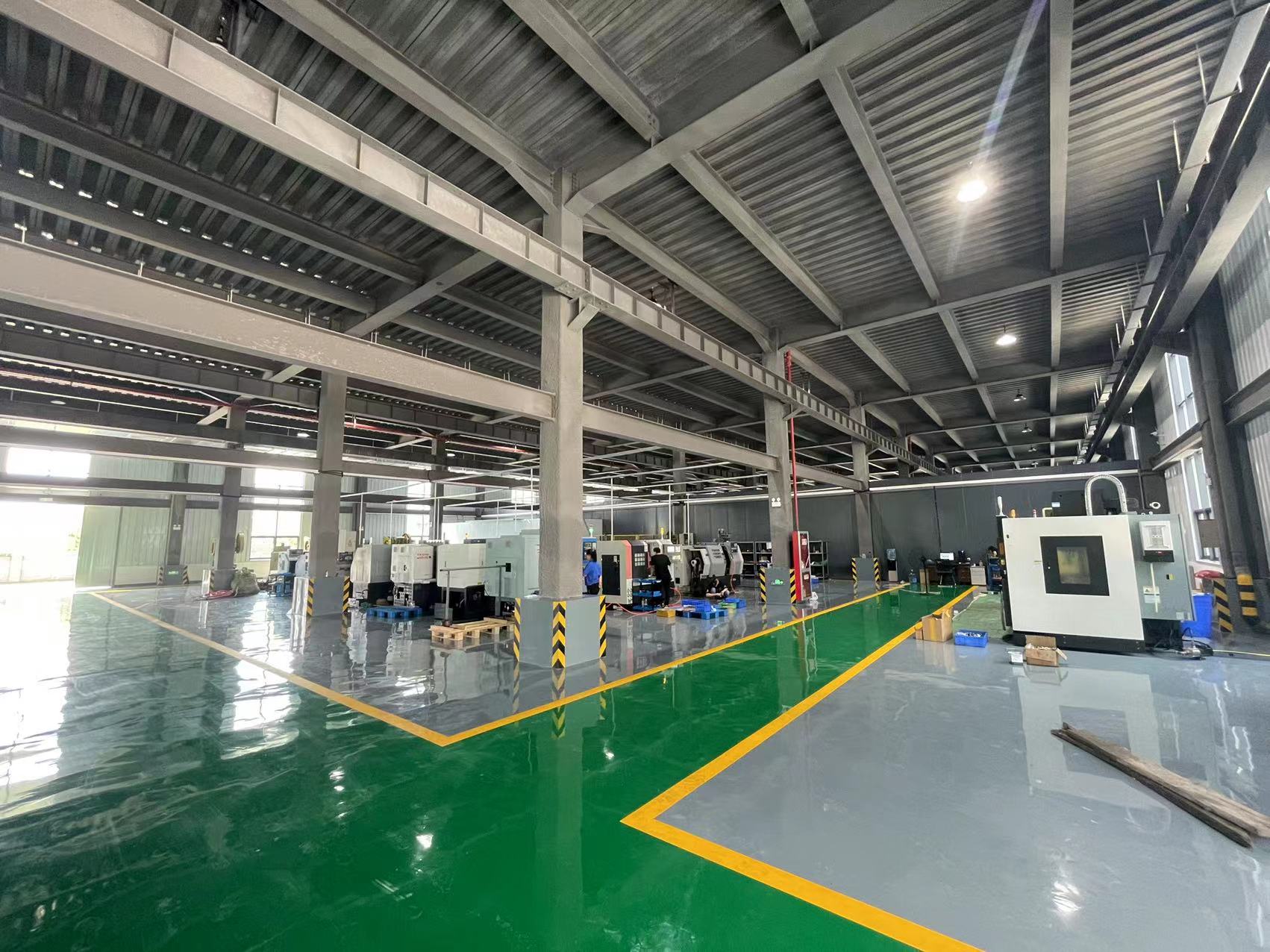
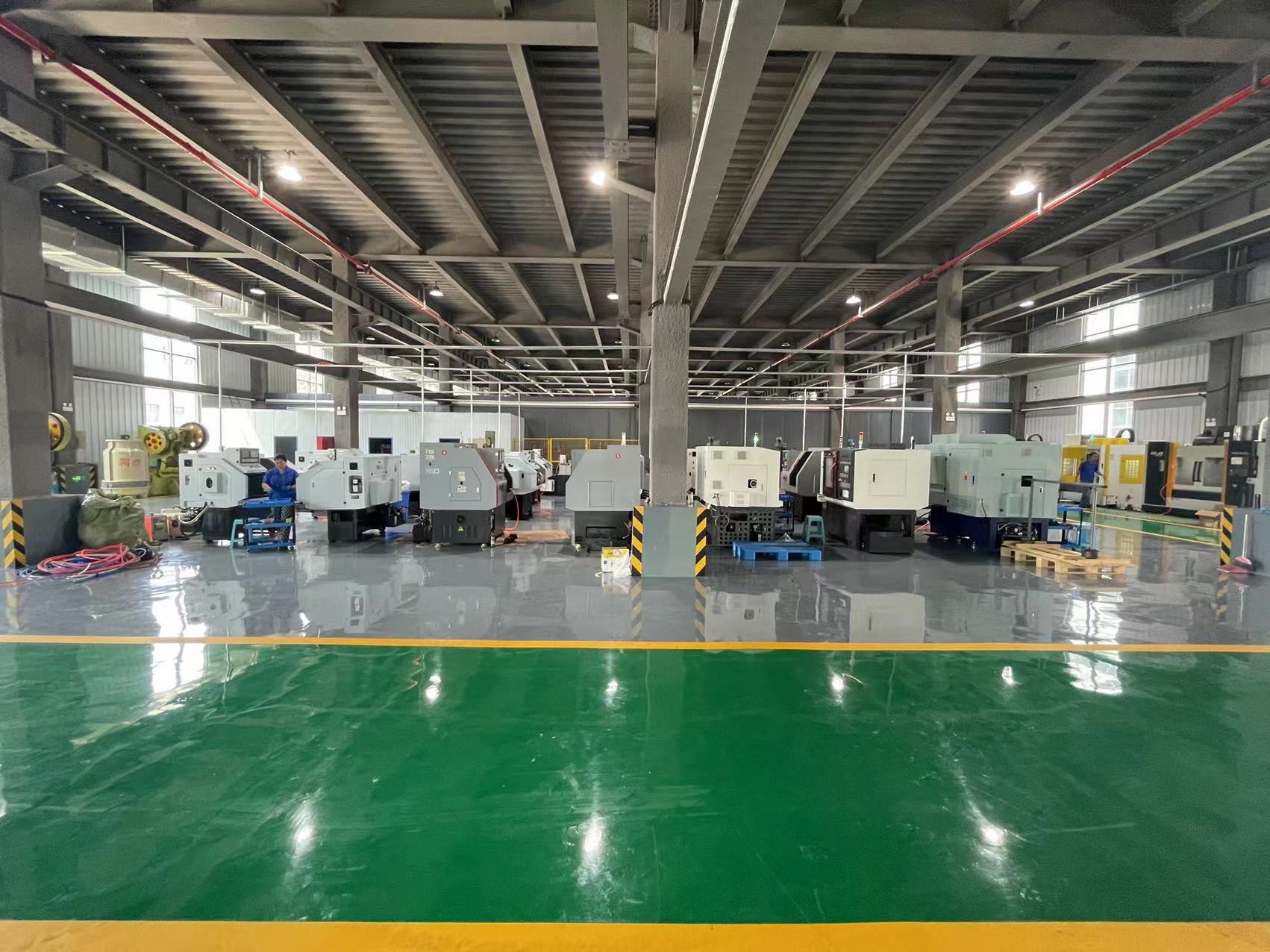
Established in 2013 inside Baoji — China’s world-renowned Titanium Valley — providing transparent, video-documented CNC production.
Precision CNC & Wire EDM
Dual-spindle high-speed CNC turning, thread rolling, micro-orifice gun drilling, and Wire EDM for intricate, close-tolerance geometric specs.
Video Verification Service
We take real-time photos and high-resolution machining videos of your batch before dispatch, giving Korean QA inspectors complete remote sign-off authority.
Stringent Quality Audits
Full optical comparator checks, thread ring gage audits, spectrometer chemical material verification, and hydrostatic seal integrity certifications.
OEM/ODM Custom Finishes
Anodized blue, violet, burnt gold, or rainbow hues, plus durable PVD DLC (Diamond-Like Carbon) coatings for maximum surface hardness against wrench wear.
Frequently Asked Questions by Gwangju & South Korean B2B Buyers
Clear engineering answers regarding tolerances, customs clearances, anti-galling lubrication, and custom blueprint prototyping.
We machine all standard and custom automotive/motorcycle metric bleeder specifications: M6x1.0, M7x1.0, M8x1.25, M10x1.0, and M10x1.25. Taper seats include 90° inverted cones, 120° chamfer seals, and dual-port cross-drilled internal channels. Custom imperial pitches (e.g., 3/8-24 UNF or 1/4-28 UNF) can be precision turned according to your STEP/IGES files.
Titanium against aluminum can experience frictional micro-welding if installed dry. We apply a dual mitigation strategy: first, rolling the male threads with high surface burnishing, and second, offering specialized micro-thin PVD coatings or recommending high-purity copper/nickel-free anti-seize paste during factory torque-down. Tightening torque should follow OEM titanium-specific lubricated values.
For custom CNC runs, sample batches take 7–12 working days, while bulk OEM orders ship within 18–25 days. From our Baoji facility, air express consignments (via DHL, FedEx, or SF International) land at Incheon (ICN) or Muan (MWX) International Airports within 48–72 hours, smoothly passing Korea Customs Service (UNI-PASS) under standard HS Code 8108.90 with complete COO (Certificate of Origin) documents.
For fully bespoke dimensions based on customer-submitted CAD prints, typical batch production begins at 100 to 300 pieces. For standard off-the-shelf configurations (such as M10x1.0 Gr5 bleeder nipples), trial sample packages from 50 pieces are available to facilitate initial dynamometer and pressure bench validation.