Precision CNC Machined Hardware & Custom EDC Alloys
Precision-milled structural components, diffusion-bonded Mokuti elements, and Grade 5 (Ti-6Al-4V) assemblies manufactured to micron-tolerances.
Metallurgical Engineering: Timascus Knife Scales for Central European Cutlery
A rigorous examination of diffusion bonding, corrosion thermodynamics, and CNC wire electrical discharge machining tailored for boutique and production knifemakers across Poland and the greater EU.
Diffusion-Bonded Dual Titanium Matrix
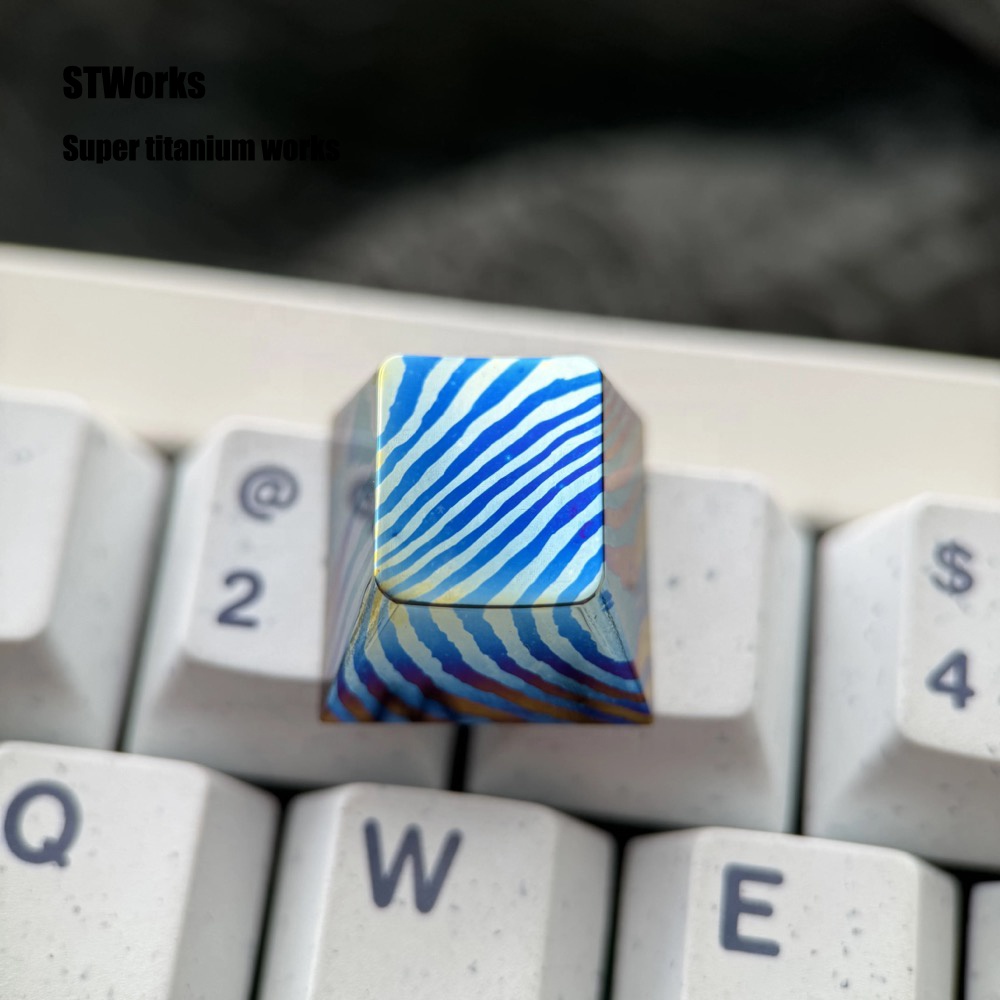
Timascus (often referred to metallurgically as Titanium Damascus or Mokuti) represents an elite category of inter-metallic composites. Engineered by hermetically sealing alternating layers of CP Grade 2 commercially pure titanium (yielding unmatched chemical pliability and brilliant light oxide coloration) with Grade 5 Ti-6Al-4V (supplying severe tensile yield strength above 895 MPa), each billet undergoes solid-state diffusion under high-pressure vacuum hot pressing (HIP). Unlike ferrous Damascus, Timascus is completely non-ferrous, impervious to saltwater chloride pitting, non-magnetic, and immune to rust, making it an extraordinary structural candidate for bespoke pocket clip systems, bolsters, and folding knife handle scales.
Ultra-Precision Slow-Feed Wire EDM Profiling
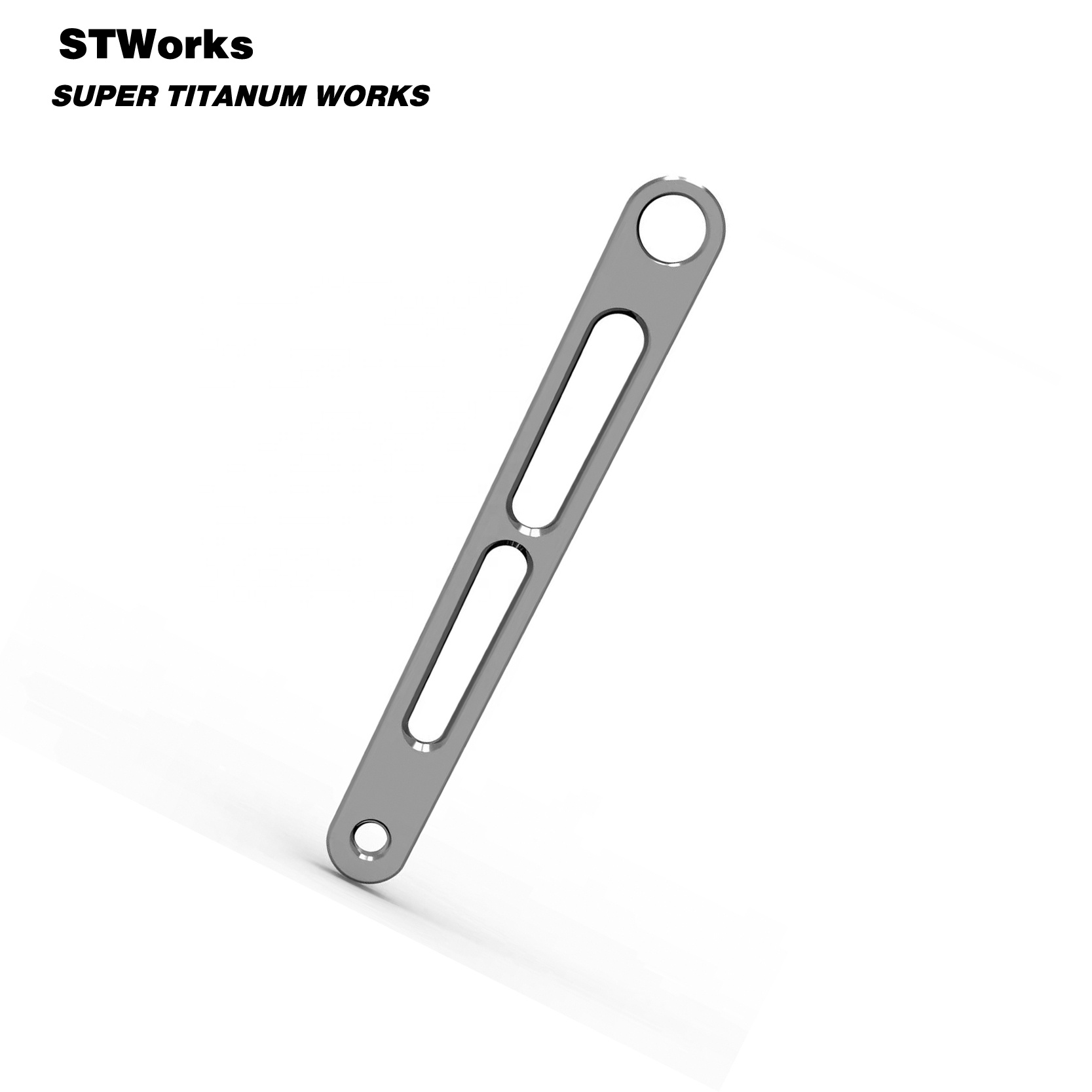
Machining Timascus presents notorious mechanical bottlenecks due to work-hardening tendencies and thermal conductivity limitations (6.7 W/m·K). Our manufacturing facility deploys sub-micron submerged Wire EDM (Electrical Discharge Machining) and high-speed CNC centers equipped with internal high-pressure coolant tooling. By controlling wire tension and dielectric conductivity, we eliminate shear stress delamination across the multi-layer titanium seam. Custom knife builders in Łódź, Warsaw, and Kraków receive scale blanks contoured to CAD/CAM files with lock-bar reliefs, pivot hole tolerances held to H7 limits, and internal weight-reduction pockets milled to precision.
Interference Oxide Thermodynamics
The radiant contrast on custom knife scales is generated not through organic paints or synthetic pigments, but via light interference over amorphous titanium dioxide (TiO2) films. Because CP Grade 2 and Grade 5 Ti-6Al-4V exhibit different electrical potentials and chemical oxidation kinetics, applying specific voltage regimens (ranging from 12V bronze to 28V violet, 72V cyan, and 105V emerald) causes the alternating laminated strata to refract distinct wavelengths of the visible spectrum. Knife makers in Poland achieve museum-grade iridescent banding, river-wash topographical motifs, or flame-torched satin finishes with total chromatic stability.
Localization Architecture: The Industrial Transformation of Łódź
Examining how central Poland's traditional textile capital transformed into a strategic advanced manufacturing, knifemaking, and precision engineering corridor.
The Łódź Tactical & Custom Cutlery Renaissance
Historically famed as the "Manchester of Poland" for its 19th-century industrial textile mills, Łódź (Województwo łódzkie) has systematically pivoted into a sophisticated technological crossroads. The intersection of technical universities like Politechnika Łódzka and a burgeoning community of artisanal knifemakers, tool-and-die craftsmen, and industrial EDC workshops has fostered high demand for aerospace-grade metals. Custom knife scale prototyping requires short turnaround times, predictable material homogeneity, and pre-chamfered blanks that integrate directly into European framelock and linerlock geometry.
Logistical Superiority via Central Poland Intermodal Hubs
Łódź occupies the ultimate multimodal logistics nexus of Central and Eastern Europe. Anchored by the A1/A2 motorway junction and the transcontinental Chengdu-Łódź freight rail terminal, our direct factory-to-B2B supply pipeline ensures rapid bulk and sample delivery. European procurement officers bypass secondary distributor markups by receiving shipment lots dispatched directly from our precision factory in Baoji's Titanium Valley to Łódź freight stations with seamless EU customs classification under TARIC codes 8108.90 (Titanium Articles).
Emerging Central European EDC & Outdoor Trends
Poland's outdoor lifestyle, survivalist bushcraft sector, and tactical gear enthusiasts have escalated demands for ultralight, non-corroding pocket tools. Discerning European knife collectors are migrating away from traditional carbon fiber, Micarta, and G10 towards diffusion-bonded exotic metals. Custom knifemakers in Łódź, Poznań, and Wrocław use our pre-ground, flat-lapped Timascus blanks to command four-figure retail valuations on boutique custom folding knives, offering their clientele heirloom-grade durability backed by verified material certifications.
Technical Specification: Handle Material Engineering Performance
Compare mechanical strength, corrosion immunity, thermal stability, and machinability across high-performance folding knife scale substrates.
| Property Matrix | Velnora Timascus (Mokuti) | Standard Gr5 (Ti-6Al-4V) | Austenitic 304 Stainless | Carbon Fiber (Toray 3K) |
|---|---|---|---|---|
| Structural Density | 4.46 g/cm³ (Lightweight) | 4.43 g/cm³ | 7.93 g/cm³ (Heavy) | 1.75 g/cm³ |
| Yield Tensile Strength | 650 – 895 MPa (Laminate mean) | ≥ 825 – 895 MPa | ≈ 205 – 240 MPa | ≈ 600 MPa (Anisotropic) |
| Corrosion Resistance (Salt/Acid) | Permanent Immunity (Bio-inert) | Exceptional (Passivating TiO2) | Susceptible to Crevice Pitting | Resin Sensitive to Solvents |
| Machining Process | Slow Wire EDM / Carbide Milling | CNC Turning / 5-Axis Milling | High-Speed Milling | Diamond Abrasive / Dust Hazard |
| Aesthetic Visual Signature | Multi-Layered Topo Light Interference | Monochromatic / Anodized | Polished / Matte Steel | Woven Fiber Lattice |
| Non-Magnetic Property | 100% Non-Magnetic | 100% Non-Magnetic | Weakly Magnetic post-work | 100% Non-Magnetic |
Factory Precision Backed by "China's Titanium Valley"
Founded in 2013 in Baoji, Shaanxi, Velnora Titanium Industry Co., Ltd. operates state-of-the-art multi-axis CNC milling, wire EDM cutting, and electrochemical surface treatment facilities.
End-to-End In-House Manufacturing
We do not outsource critical operations. From metallurgical ingot vacuum melting and billet forge welding to 5-axis CNC contour milling, Swiss screw threading, and high-precision Wire EDM, every Timascus knife scale, Gr5 fastener, and custom EDC billet is processed inside our proprietary facilities in Baoji, ensuring zero impurity contamination and total grain alignment control.
Transparent Live Video QC Tracking
To eliminate international procurement uncertainty for buyers in Łódź and across Europe, our engineering teams provide comprehensive digital verification. We produce real-time machining videos, CMM (Coordinate Measuring Machine) thread pitch checks, spectral alloy composition tests, and pre-shipment color fidelity videos so knifemakers can approve their orders prior to export departure.
Agile OEM/ODM Engineering Capacities
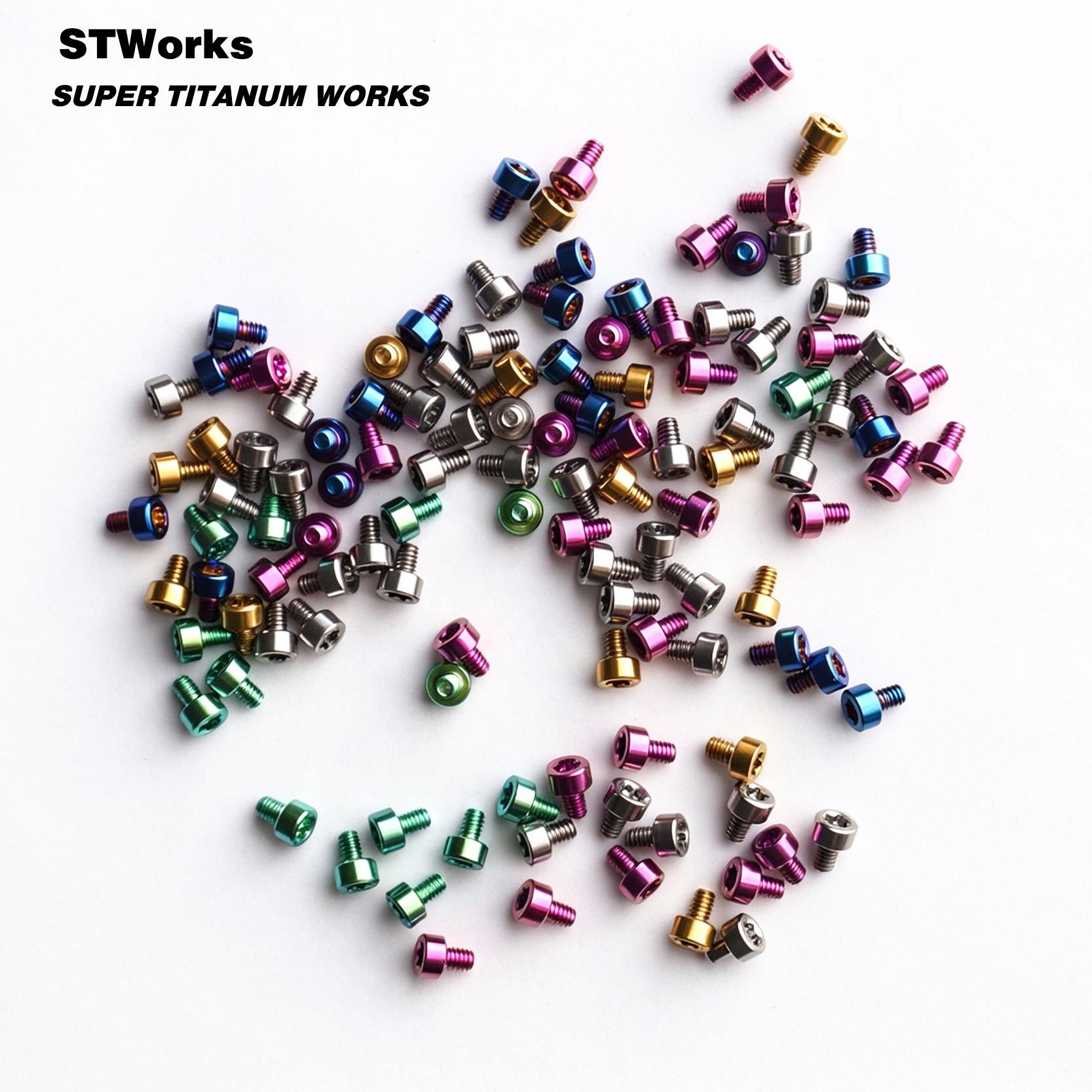
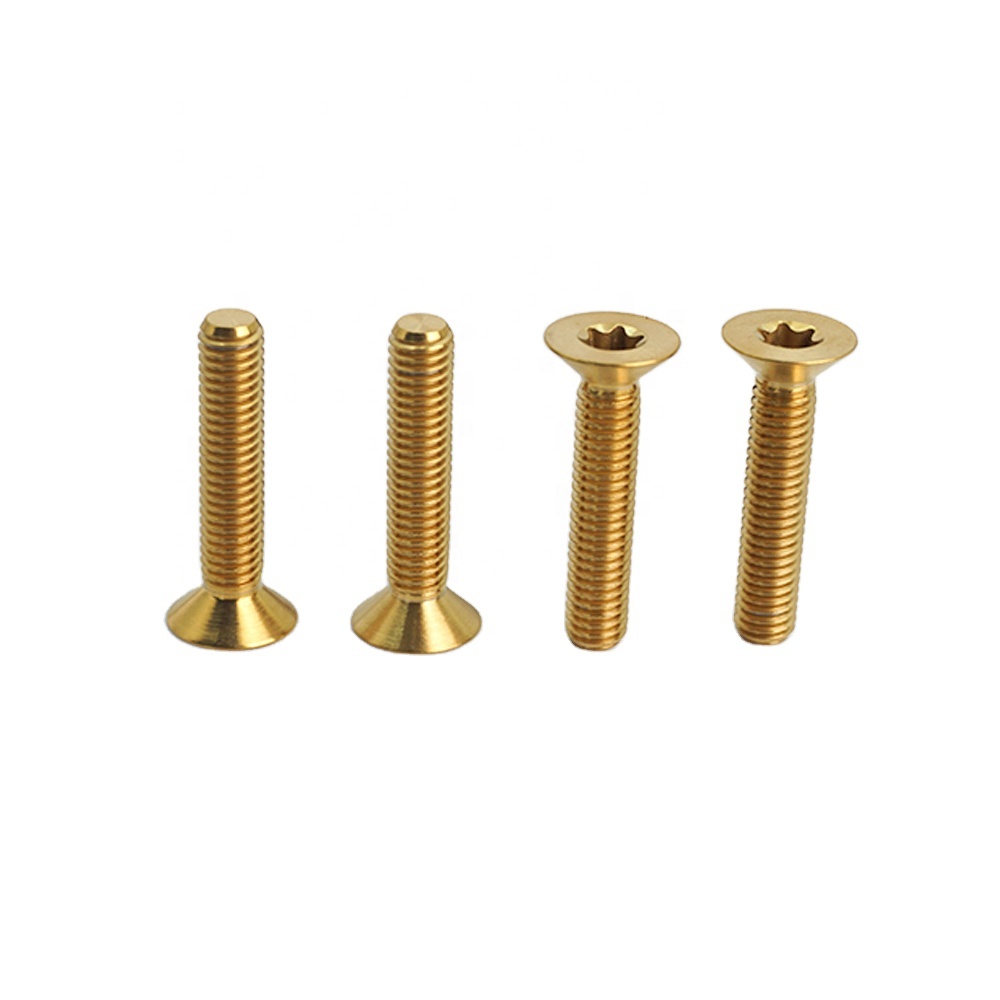
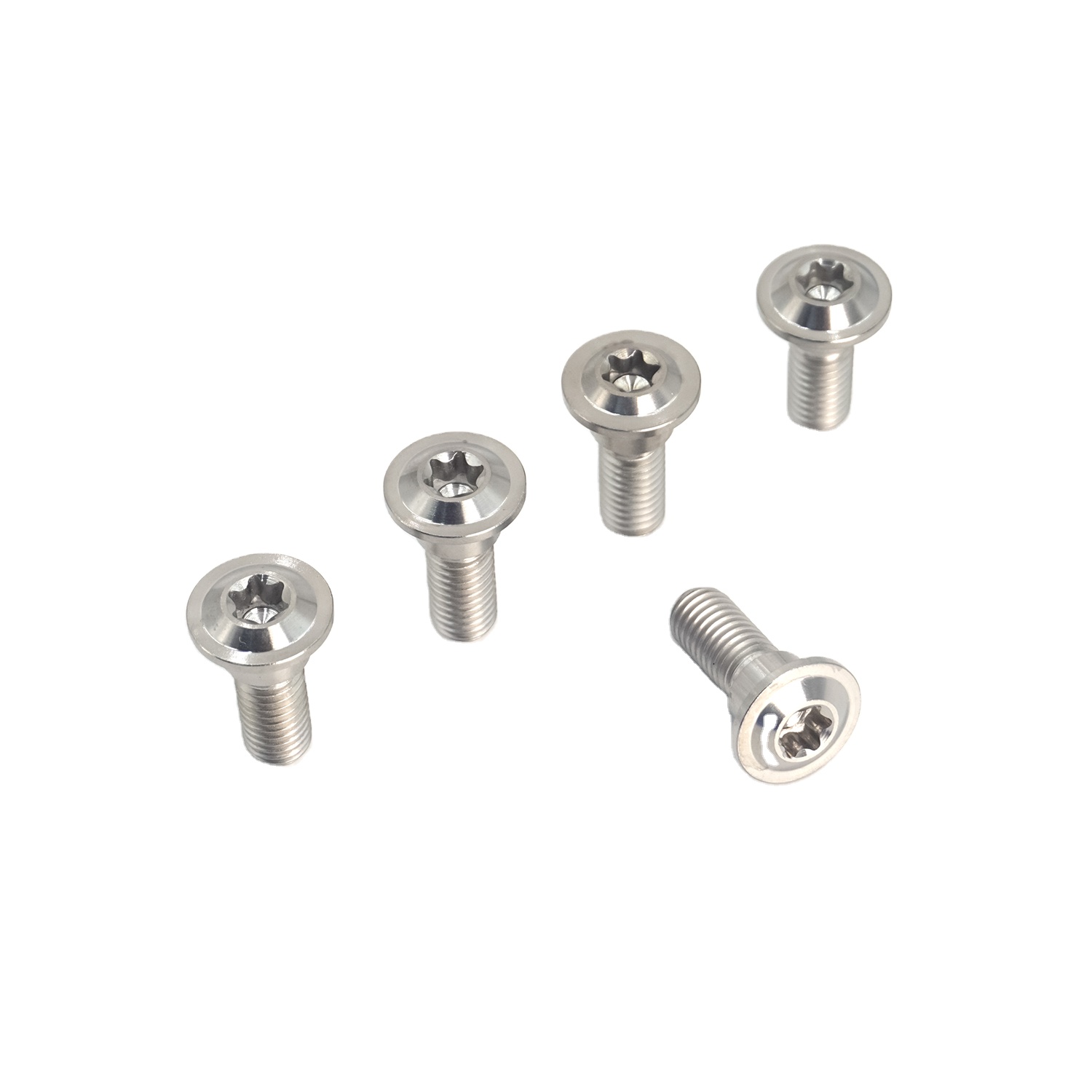
Whether you require standard 1U mechanical keyboard accents, micro DIN 912 Torx screws for knife pivots, or custom CNC milled Timascus blanks contoured precisely to your CAD assemblies, our engineering staff processes STEP, IGES, and DXF files with rapid DFM (Design for Manufacturability) analysis delivered within 4 business hours.
Frequently Asked Questions: Sourcing Timascus in Łódź, Poland
Technical and commercial answers addressing common engineering queries from European purchasing departments and independent custom knifemakers.