Precision Titanium Brake System Components & Hardware
Engineered in Baoji's Titanium Valley, certified to DIN/ISO/JIS standards, and delivered directly to distributors and racing engineering ateliers across Narva, Ida-Viru County, and the Baltic Sea transit zone.
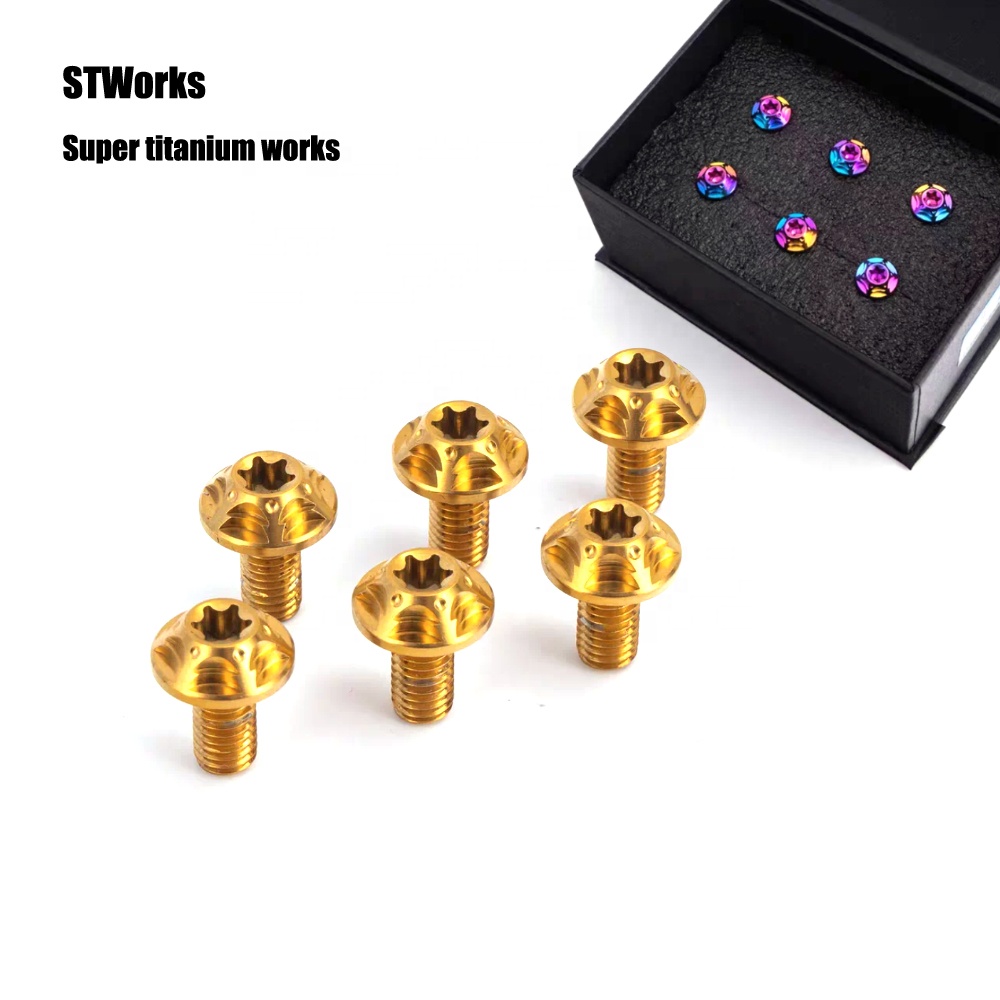
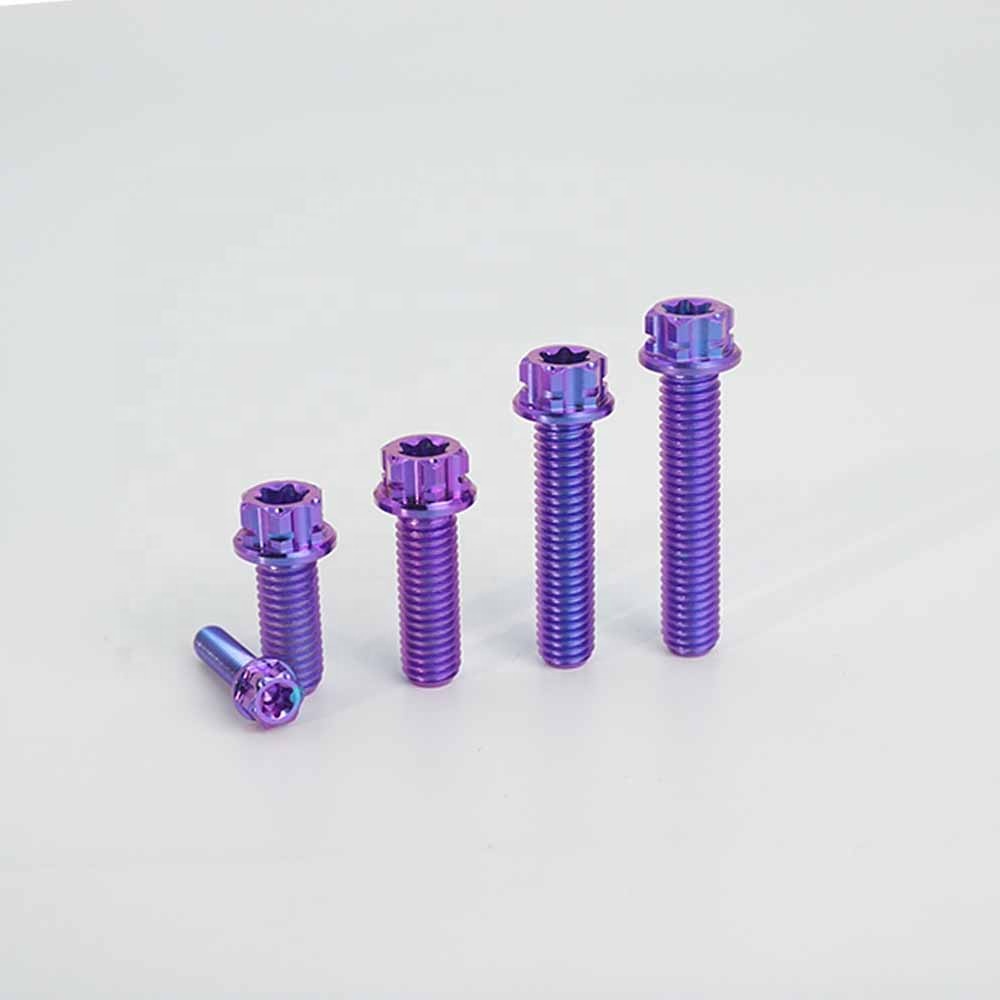
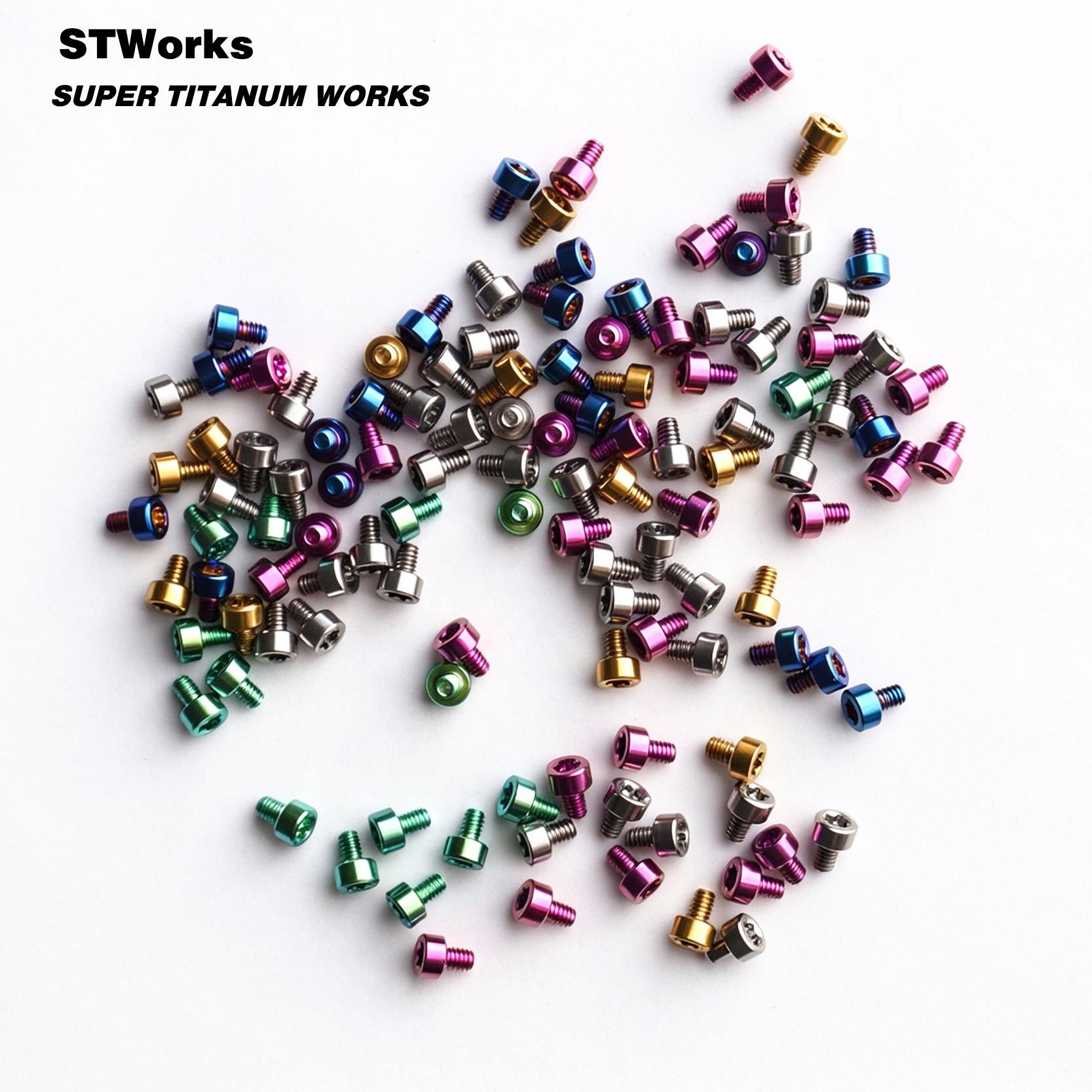
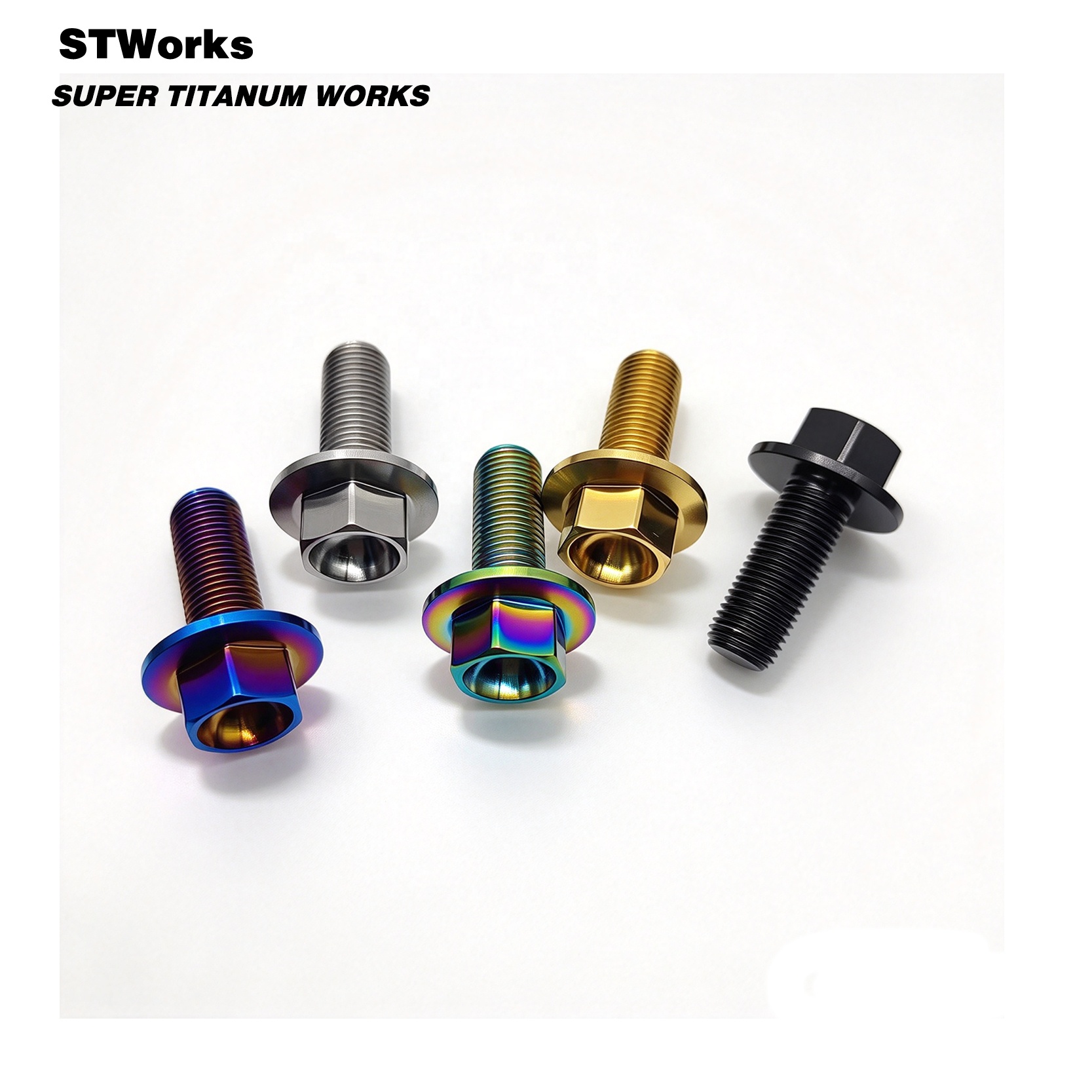
Engineering Whitepaper: Thermo-Mechanical Superiority of Ti-6Al-4V Brake Rotors & Fasteners
In modern automotive engineering, high-performance motorsports, and heavy rail logistics, braking efficiency is defined by the thermal dissipation velocity, friction coefficient consistency, and the mitigation of unsprung rotating mass. While traditional cast iron (such as G3000 pearlite iron) and ferritic stainless steel have served as standard baseline friction materials for decades, their intrinsic physical limitations become catastrophic under the severe cyclical conditions of Northern and Eastern Europe. In particular, operators throughout the Baltic trade corridor—centered around industrial centers such as Narva and Ida-Viru County—face harsh winter sub-zero temperatures, dense marine coastal humidity, and extreme concentrations of road de-icing salts (calcium chloride and sodium chloride).
As a premier Chinese manufacturer established in Baoji—globally recognized as China's Titanium Valley—Velnora Titanium Industry Co., Ltd. has spent over a decade perfecting the metallurgical processing of Grade 5 Titanium (Ti-6Al-4V, Chinese national designation TC4). Grade 5 is an alpha-beta dual-phase titanium alloy containing 6% aluminum to stabilize the alpha phase and 4% vanadium to stabilize the ductile beta phase. This unique crystal lattice yields an exceptional strength-to-density ratio: with a density of 4.43 g/cm³ compared to cast iron's 7.85 g/cm³, our precision-machined titanium floating brake rotor hats, solid disc rotors, floating bobbins, and caliper mounting studs reduce unsprung rotational inertia by over 43%.
| Material Designation | Density (g/cm³) | Tensile Strength (MPa) | Thermal Conductivity (W/m·K) | Rotational Mass Reduction | Salt-Spray Resistance (ASTM B117) |
|---|---|---|---|---|---|
| Velnora Ti-6Al-4V (Grade 5) | 4.43 | 895 – 1050 | 6.7 – 7.5 | −43.7% vs. Steel | Immune (> 2,500 hrs zero pitting) |
| Grade 2 Commercially Pure Ti | 4.51 | 345 – 480 | 16.4 | −42.5% vs. Steel | Immune (> 2,500 hrs zero pitting) |
| 410 Martensitic Stainless Steel | 7.75 | 650 – 850 | 24.9 | Baseline (±0%) | Moderate (pitting within 150 hrs) |
| G3000 Grey Cast Iron | 7.25 | 200 – 310 | 46.0 | ±0% (Standard Heavy) | Poor (surface rust within 12 hrs) |
| 7075-T6 Billet Aluminum (Hats only) | 2.81 | 570 | 130.0 | −63.5% (Non-friction zone) | Fair (susceptible to galvanic oxidation) |
Friction Interface Dynamics and Thermal Dissipation Geometry: Titanium rotors machined at our Jinhe Industrial Park facility leverage advanced multi-axis CNC drilling and wire electrical discharge machining (EDM) to produce cross-drilled and directional curved vanes. Unlike cast iron, which suffers from thermal warping, surface craze cracking, and rapid oxidization when moving from freezing ambient conditions (−20°C) to high-speed brake engagement temperatures exceeding 650°C, Ti-6Al-4V maintains a low coefficient of thermal expansion (8.6 × 10&supmin;&sup6;/K). When paired with high-performance semi-metallic, sintered bronze, or carbon-ceramic friction pads, our Grade 5 discs exhibit minimal brake fade, consistent pedal feel, and zero thermal judder across sustained deceleration cycles.
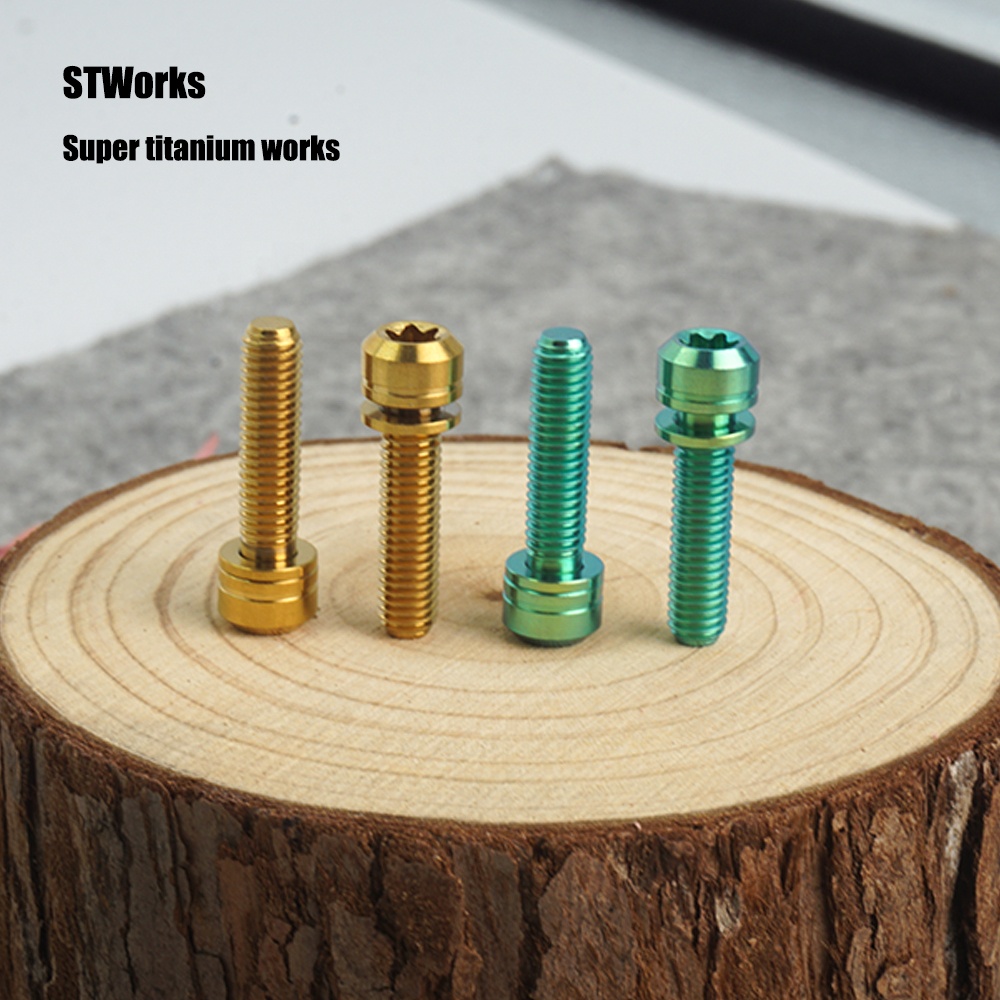
Anti-Galling Precision Threading Architecture: Critical to brake safety is the fastening hardware connecting the rotor to the hub and floating carrier. Standard cut threads on aftermarket bolts often suffer from galling under torque. Velnora utilizes continuous cold-forming and thread-rolling equipment. Cold-rolled threads compact the titanium grain structure along continuous load-bearing lines, providing higher fatigue thresholds and 30% higher shear strength than standard machined threads. Furthermore, our specialized surface treatments—including micro-arc oxidation (MAO), hard PVD vacuum deposition, and precise physical anodization—ensure reliable torquing, eliminating thread micro-welding even when subjected to intense thermal cycles.
Engineered for Narva & the Baltic Sea Logistics Corridor
Strategic deployment of titanium braking hardware in Estonia's leading industrial gateway, where high chemical salinity, freeze-thaw cycles, and heavy cargo transit intersect.
Heavy-Duty Commercial Transit & Fleet Logistics
Narva sits as the prime crossing between the Baltic logistics backbone (E20 corridor) and broader Eastern European supply channels. Long-haul freight vehicles operate under persistent winter salt slurry and continuous braking down gradients. Upgrading trailer hubs and critical pneumatic disc brake carriers with Velnora Grade 5 titanium rotor hats and flange bolts stops road-chemical corrosion and eliminates seized rotor fasteners during preventative overhauls.
Baltic Winter Motorsport & Ice-Track Performance
Motorsport teams operating across Estonia, Latvia, and Finland demand brake discs that endure sub-zero track surface temperatures followed by instant 700°C kinetic heat soak. The cryogenic ductility of Velnora Ti-6Al-4V avoids the brittle cracking common in standard grey cast iron during winter ice-rally stages, delivering immediate pedal response and reduced gyroscopic steering resistance.
Sillamäe & Narva-Jõesuu Maritime Port Equipment
Coastal container gantries, ship-to-shore mobile cranes, and maritime winch brake assemblies in nearby Sillamäe port run 24/7 in saturated sea-air salinity. Standard steel rotor discs require constant resurfacing due to chloride pitting. Titanium Grade 2 and Grade 5 brake rotor assemblies are 100% rust-free, drastically slashing unscheduled port equipment downtime and maintenance overhead.
Electric Vehicle (EV) Lightweighting & Energy Recup
As Northern European fleets shift rapidly toward pure electric drivetrains, EV platforms suffer from excess battery weight. Because regenerative braking handles initial deceleration, mechanical discs can sit idle for miles, accumulating aggressive rust in damp Baltic climates. Our titanium brake rotors and hardware eliminate friction surface rust while saving up to 18 kilograms of unsprung mass per vehicle, extending single-charge range.
Industrial Mining & Oil Shale Processing Machinery
Ida-Viru County's established industrial plants utilize heavy conveyance, crushing, and rail shunting equipment where brake mechanisms operate in caustic, dust-laden air. Velnora manufactures custom-machined heavy-gauge titanium friction rings and clamping bolts that resist sulfurous compounds, moisture, and abrasive stone particulates without catastrophic failure.
Baltic Market Trends: Sustainable Mobility & Precision Sourcing in Estonia
The industrial fabric of the Baltic region is undergoing an unprecedented structural transition. Estonia's high-tech manufacturing sector, known for agility and digital supply chain integration, is driving demand toward advanced lightweight metallurgy under the framework of the European Green Deal. Procurement managers in Narva, Tallinn, and Tartu are rethinking the total cost of ownership (TCO) of mechanical components. Standard cast steel rotor discs are inexpensive on initial purchase, but their frequent maintenance, rust contamination, and excess weight impose recurring operational costs that modern automated fleets and sustainable logistics operations can no longer justify.
Key procurement trends observed across Narva and the surrounding trade corridor include:
- Direct-from-Manufacturer OEM Integration: Estonian aftermarket brands and industrial fabricators are bypassing European trading middlemen, ordering custom-dimensioned titanium brake rotors directly from Baoji via verified digital audit channels and production video feeds.
- Demand for Mixed Multi-Material Brake Assemblies: High-end automotive tuning houses in Tallinn and Narva are adopting two-piece floating brake assemblies with forged aluminum or titanium hats, Grade 5 titanium drive bobbins, and lightweight rotor rings to optimize rotational dynamics on track cars and snowcross racing setups.
- Stringent Compliance with EU Technical Directives: Baltic importers demand full trace certification, including mill test reports (MTR) meeting EN 10204 3.1, chemical composition analysis by optical emission spectrometry, and thread conformity verified to ISO 965-1 metric standards.
- Cold-Climate Material Integrity: Greater awareness of the ductile-to-brittle transition temperature (DBTT) has made engineering teams wary of low-grade steels. Grade 5 titanium preserves high fracture toughness and impact resistance at temperatures well below −40°C, offering reliable safety across Scandinavian and Baltic winter driving conditions.
Direct Manufacturing Advantages from China's Titanium Valley
Founded in 2013 in Baoji, Shaanxi, Velnora Titanium Industry Co., Ltd. combines advanced metallurgical ingots, precision five-axis CNC machining, and comprehensive quality assurance.
Origin in Baoji's Metal Hub
Located at the core of China's primary titanium cluster, our factory sources certified virgin vacuum-arc remelted (VAR) titanium sponge ingots with complete traceability, keeping raw material costs competitive and physical purity high.
Multi-Axis CNC & Wire EDM
Our machine floor operates high-precision 5-axis CNC machining centers, high-speed turning lathes, and specialized slow-speed wire EDM cutting units capable of achieving disc rotor tolerances within ±0.005 mm with uniform surface runout.
Real-Time In-Production Video QA
We provide unprecedented transparency: every custom brake rotor and fastener run is documented with video clips and dimensional inspection photos sent directly to your engineering team before goods leave our factory floor.
Rapid 4-Hour CAD Review SLA
You deal directly with machinists and design engineers, not intermediate sales agents. Submit your STEP, IGES, DXF, or PDF drawings and receive a detailed manufacturability review and firm cost quotation within 4 business hours.
Frequently Asked Questions by Baltic & European Buyers
Clear technical, logistical, and commercial answers for purchasing agents and engineers sourcing titanium components in Narva, Estonia, and across the EU.
Can Grade 5 (Ti-6Al-4V) titanium brake rotor bolts directly replace Grade 10.9 or 12.9 steel bolts?
Grade 5 titanium features an ultimate tensile strength of 895 to 1050 MPa and yield strength of ~828 MPa, which makes it structurally comparable to Property Class 8.8 and near Class 10.9 metric steel bolts, while saving approximately 44% in weight. In brake rotor-to-hub retention and floating disc bobbin applications, Gr5 is an exceptional and secure direct replacement because our cold-rolled threads yield superior fatigue resistance under dynamic braking loads. However, for extreme clamping joints requiring Class 12.9 tension (such as certain internal diesel cylinder head studs), we recommend upsizing the fastener thread diameter or letting our engineers calculate exact pre-load stresses against your CAD model before replacement.
How do you handle EU customs clearance, TARIC codes, and shipping to Narva, Estonia?
We routinely export to EU destinations under standard Incoterms including FOB Shanghai/Tianjin, CIF Tallinn or Muuga Port, and full door-to-door Delivered Duty Paid (DDP) directly to your warehouse address in Narva. For standard titanium fasteners and screws, the relevant EU TARIC/Harmonized Code is generally 8108.90 (Articles of titanium), while brake system components may be classified under 8708.30 (Brakes and servo-brakes; parts thereof). Every export consignment includes an EU-compliant commercial invoice, packing list, Certificate of Origin, and complete chemical/mechanical Mill Test Certificates (EN 10204 3.1) to guarantee smooth clearance through the Estonian Tax and Customs Board (Maksu- ja Tolliamet).
How does Velnora prevent galling and thread seizure on titanium brake assemblies?
Galling (friction-induced micro-welding) can affect titanium threads if they are dry-torqued against matching metals without proper engineering. Velnora addresses this through two primary manufacturing measures: First, our external threads are produced via hardened thread-rolling dies rather than single-point cutting, resulting in a mirror-like Ra < 0.4 μm surface roughness that minimizes microscopic friction peaks. Second, we offer specialized anti-wear surface enhancements including physical vapor deposition (PVD) titanium nitride/DLC coatings and micro-arc oxidation. When installing into aluminum or steel calipers, we recommend applying an approved copper-free or nickel-based anti-seize paste, and torquing to calibrated values adjusted for lubricated friction coefficients.
Is there a risk of galvanic corrosion between titanium brake discs/hardware and aluminum hubs?
Titanium is noble and will not corrode in contact with moisture or salts. However, when paired directly with less noble metals like 6061/7075 aluminum in the presence of an electrolyte (such as winter road-salt brine along Baltic transit routes), the aluminum could theoretically serve as a sacrificial anode if bare metal contacts occur over large surface differentials. To mitigate this risk, Velnora designs its floating rotor systems with hard-anodized aluminum hats or isolated Grade 5 titanium drive bobbins, often incorporating Passivated 304 or Belleville disc spring washers. This mechanical barrier prevents electrical continuity between dissimilar metals, ensuring zero galvanic oxidation over seasons of harsh winter driving.
What are the typical Minimum Order Quantities (MOQ) and production lead times for custom brake discs?
For standard catalogue titanium hardware, rotor screws (such as M5×10 Torx bicycle rotor screws or M8/M10 flange bolts), our standard MOQ is generally 100 to 300 pieces. For custom CNC-machined solid or floating brake rotor discs built to your proprietary 2D/3D technical drawings, our rapid-prototyping batch starts at just 2 to 10 sets to facilitate dyno validation and track testing. Prototype machining lead times are typically 10 to 14 working days, while recurring commercial container-load runs range from 20 to 30 days depending on surface treatment requirements.
How does titanium perform under continuous high-heat friction compared to traditional carbon-ceramic rotors?
Carbon-ceramic discs (CCBs) offer exceptional resistance to high-heat track fade, but they are cost-prohibitive, fragile under gravel impact during rally stages, and poor at cold initial bite during sub-zero Baltic mornings. Grade 5 titanium rotors provide a balanced mid-point: they provide immediate cold-bite response without warming laps, weigh nearly the same as carbon-composite matrices, withstand severe impact from track grit or gravel without chipping, and cost only a fraction of carbon-ceramic systems to machine and replace.
Accelerate Your Baltic Supply Chain with Certified Baoji Titanium
Whether you are outfitting a racing fleet across Estonia, upgrading port handling cranes in Sillamäe, or seeking an authorized OEM machining partner for custom brake hardware, our engineering team is ready to analyze your technical specifications.