High-Torque Drivetrain Hardware & Custom Titanium Solutions
Manufactured to aerospace DIN, ANSI, and JIS tolerances. Featuring hot-forged bolt heads, precision rolled threads (M5–M24), and custom physical vapor deposition (PVD) finishes.
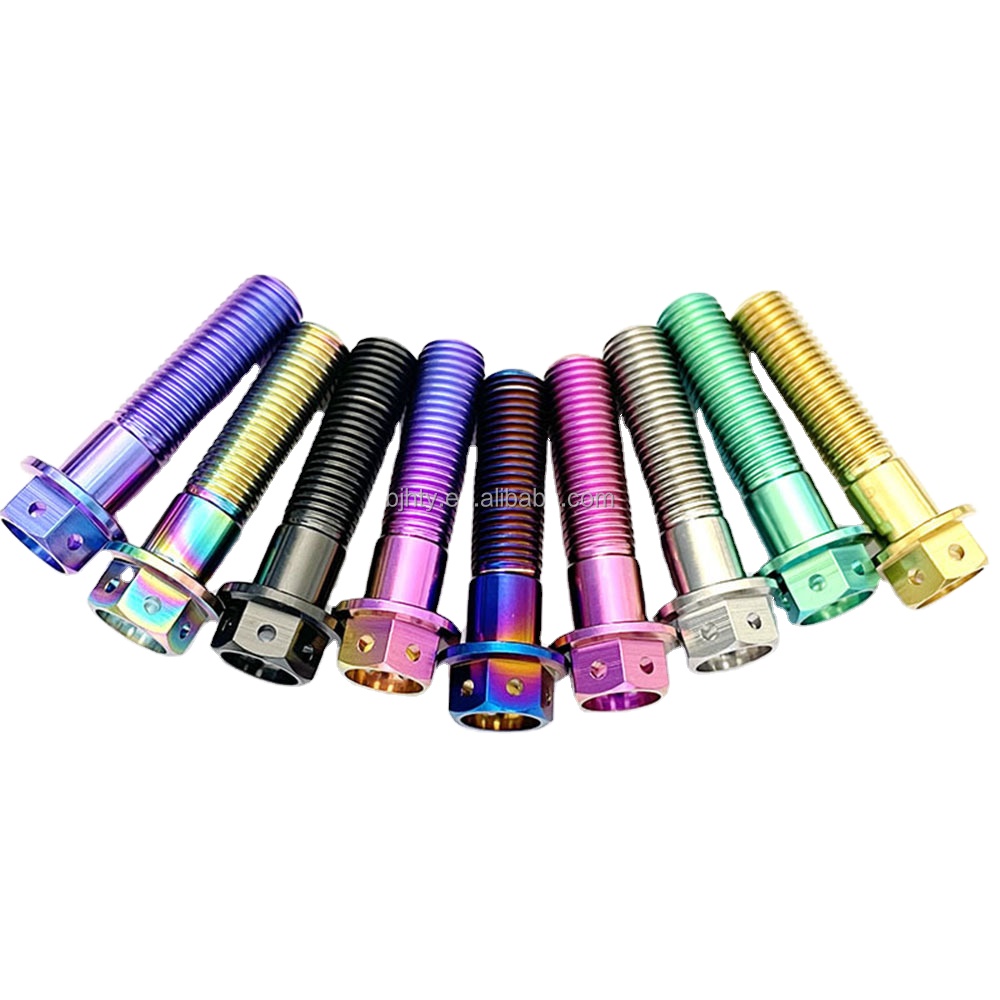
Titanium Alloy Double Drive Head Flanged Hex Bolts for Motorcycle-Ultra Light Corrosion Resistant Race Spec M8/M10 Drilled Bolts
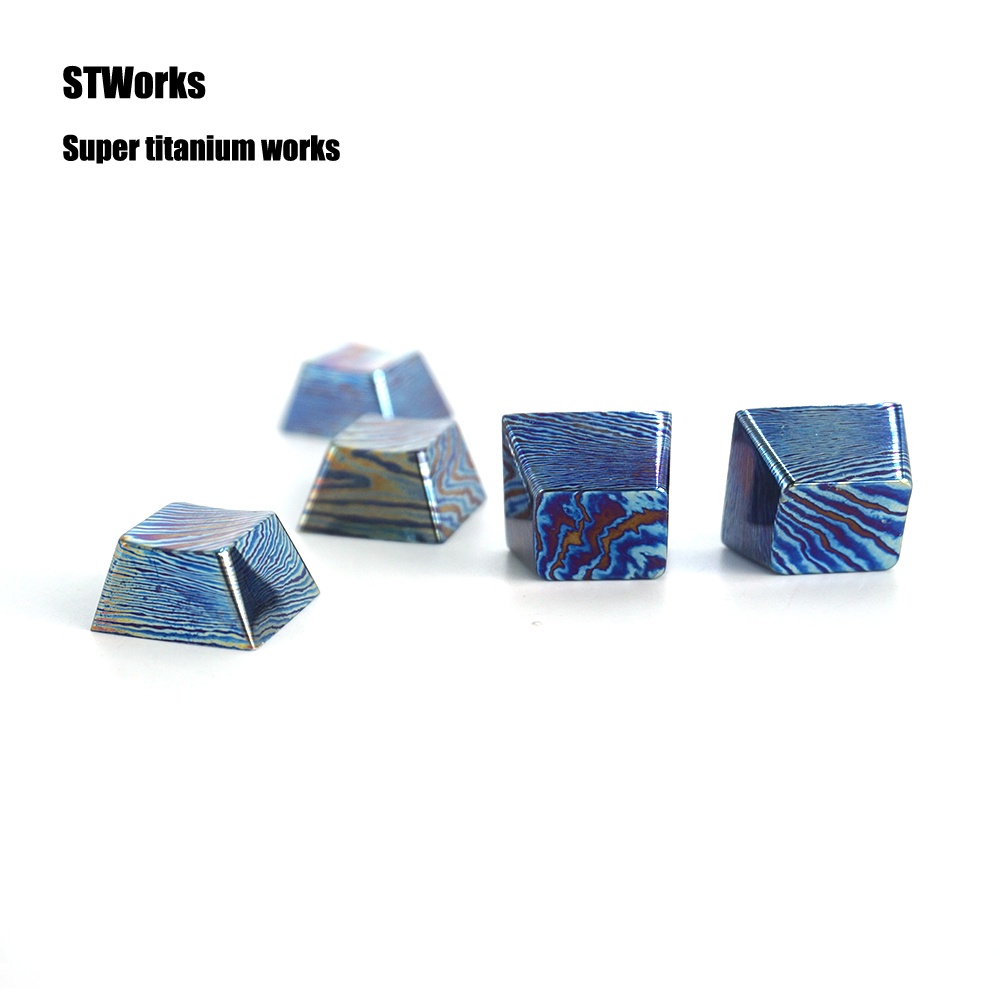
Titanium Gaming Keyboard Caps-CNC Machined Broaching Wire EDM Stainless Steel Options Anti-Corrosion PVD Coating 18mm X 8.5mm
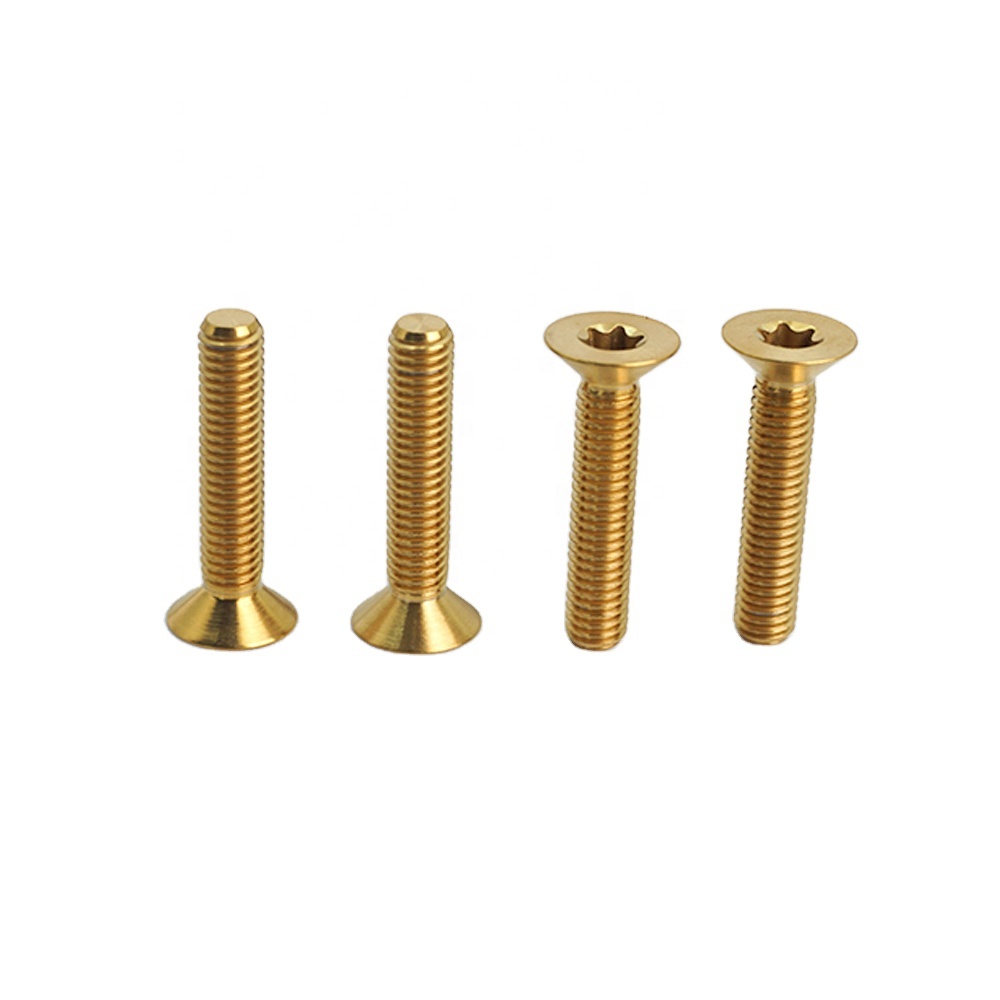
M6x25 Titanium Alloy Screw Countersunk Flat Head Titanium Bolt Bicycle Motorcycle Car Modification
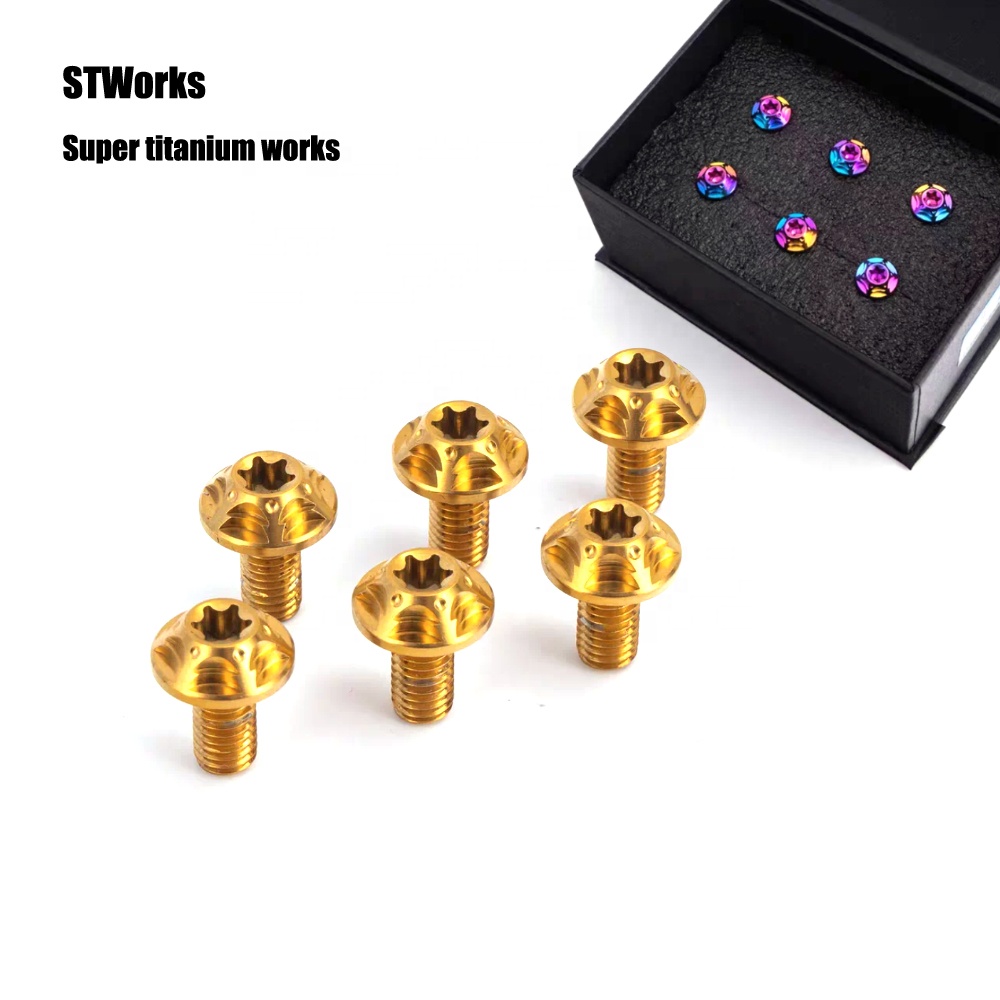
Rainbow Color Torx Pan Screws Gr5 Titanium Torx Bolt Bike Rear Brake Rotor Screw M5*10
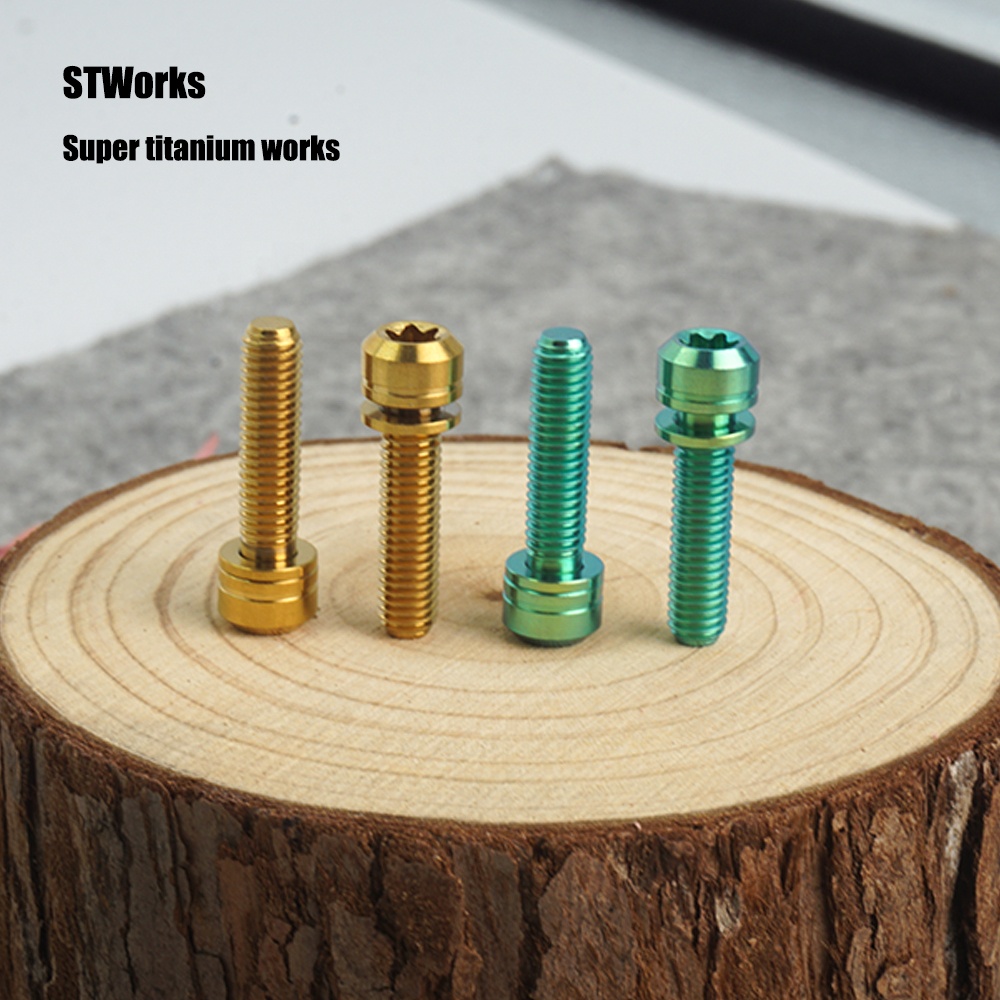
TC4 Titanium Ti Torx M5x16 /18/20/25mm Tapered Head Bolt with Washer Screw for Bicycle Stem Bolts
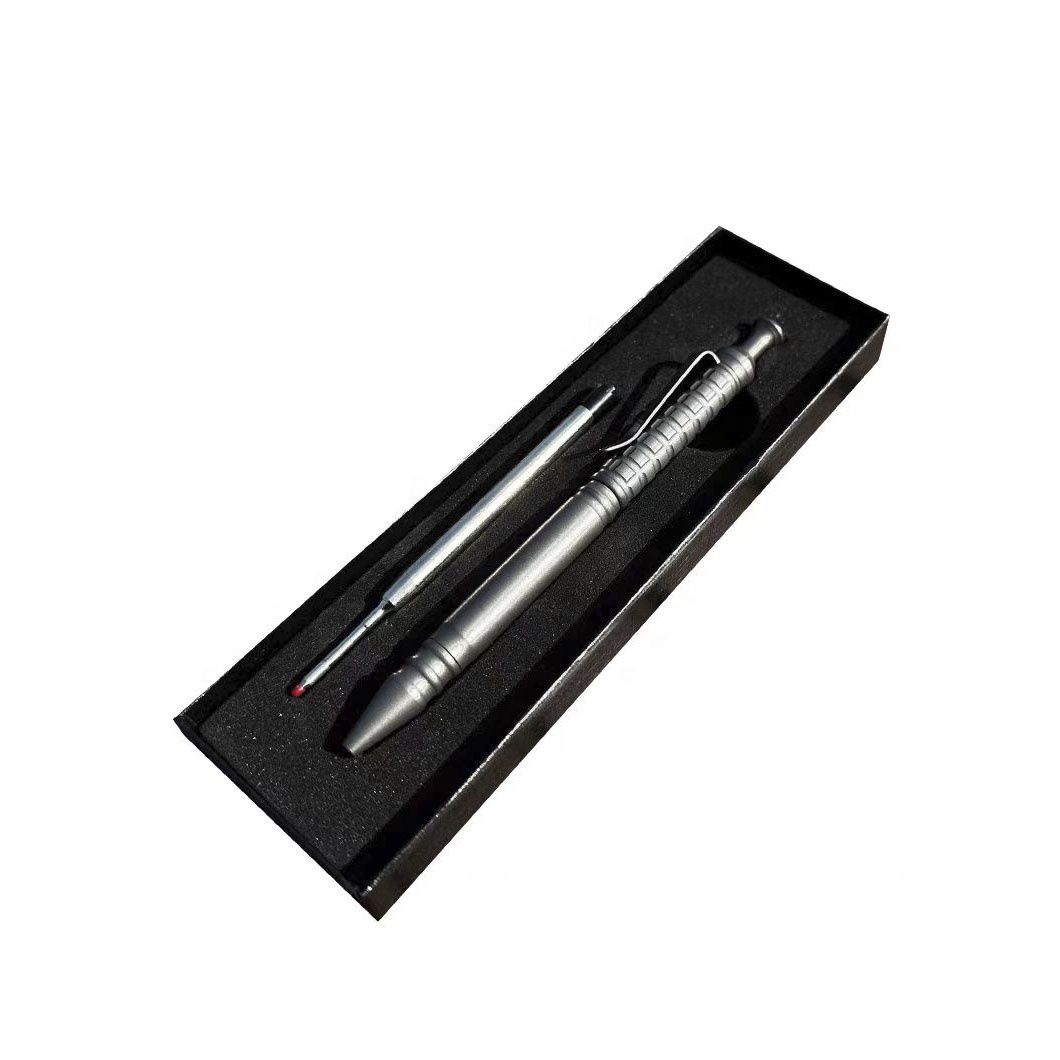
Cnc Machining Wire EDM Stainless Steel Multifunctional Bolt Titanium Alloy Tactical Pen Portable Outdoor EDC Ballpoint Pens
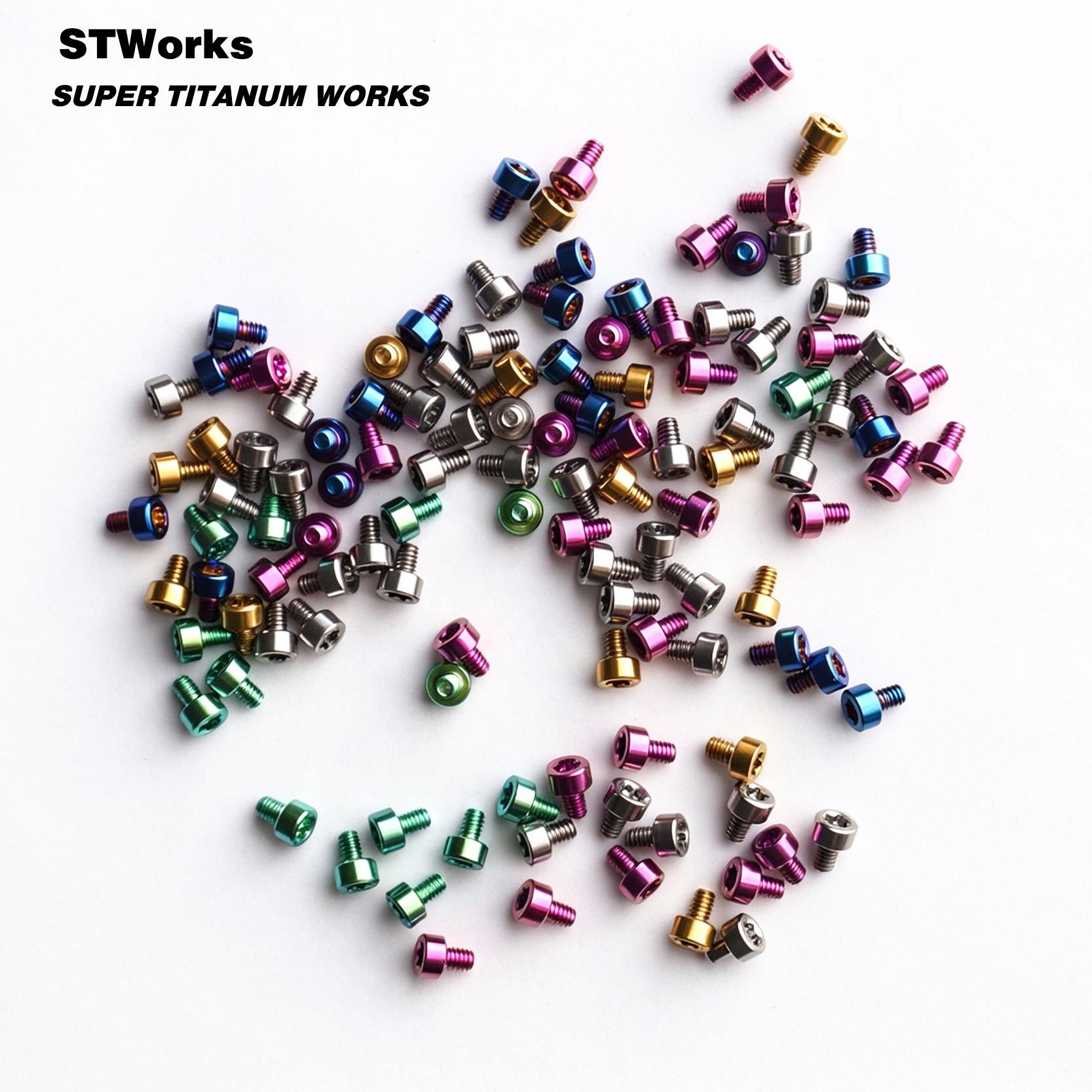
Titanium Screws M2 M2.5 Customized Cylinder Head Bolt Din912 Torx Micro Machine Screw
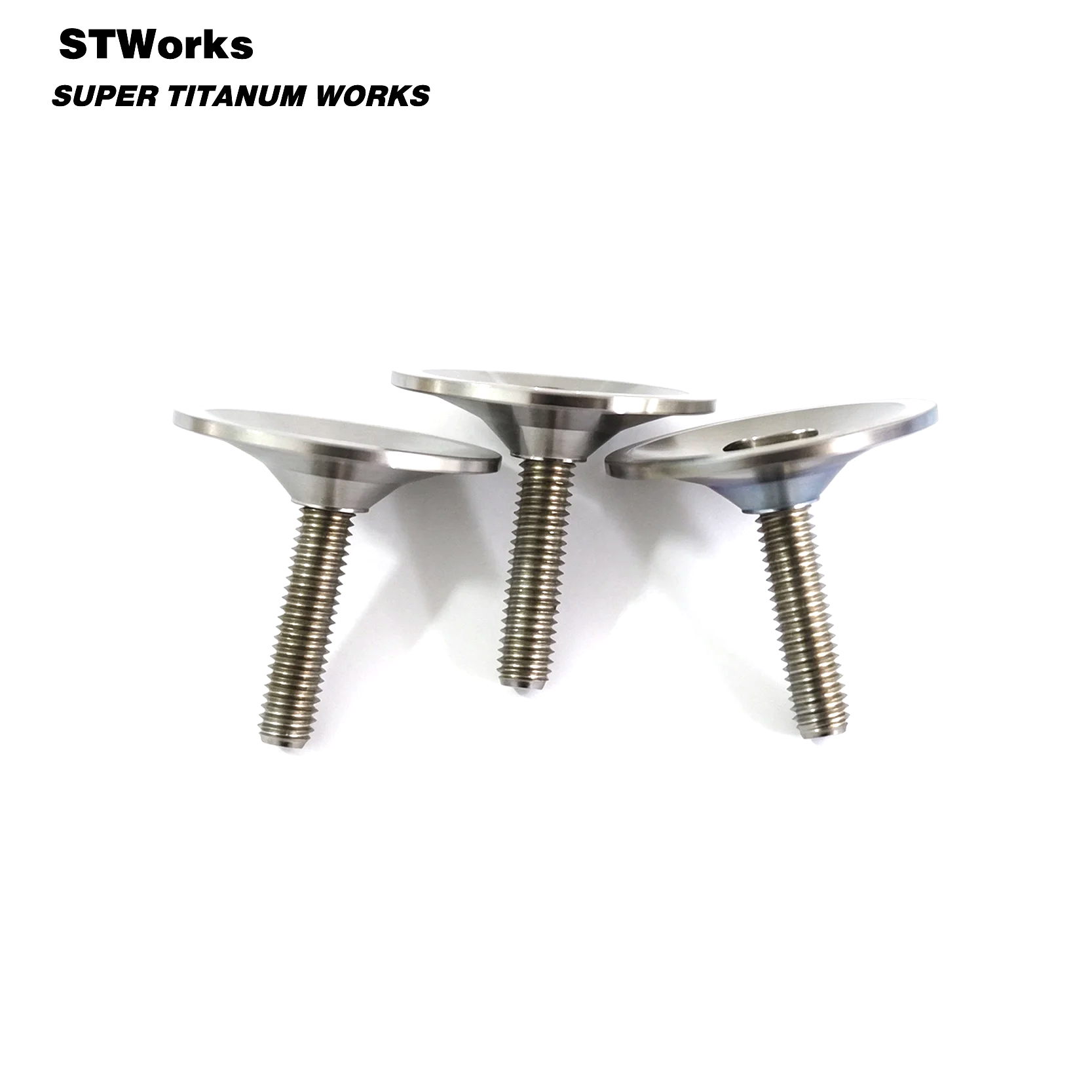
Titanium Bicycle Headset Top Cap CNC Machined Grade 5 Ti Stem Top Cap M6 with M6 X30 Titanium Bolt
Drivetrain Shear Dynamics & Rotational Mass Mitigation in Titanium Sprocket Bolts
In modern performance motorcycle and competition vehicle platforms, rear wheel sprocket bolts endure some of the highest compound mechanical loads encountered anywhere on the chassis. Unlike static chassis fasteners subjected primarily to axial pre-load tensions, a rear sprocket bolt operates under aggressive cyclic shear, severe torsional spikes from hard throttle transitions, aggressive engine braking, and high-frequency vibrations induced by chain lash and uneven track topography.
Sourced directly from Baoji—China's internationally recognized "Titanium Valley"—our Grade 5 (Ti-6Al-4V, TC4) titanium sprocket bolts and locking flange nuts are engineered to fundamentally resolve the performance compromises of zinc-plated or black-oxide OEM Grade 8.8 and 10.9 carbon steel bolts. With a density of just 4.43 g/cm³ compared to 7.85 g/cm³ for structural alloy steel, replacing an OEM six-bolt sprocket configuration with Grade 5 titanium instantly sheds over 42% to 45% of hardware mass.
Standard bolts manufactured through traditional machining methods cut through the continuous metallurgical grain lines of the metal bar stock, creating microscopic stress risers at the thread root where fatigue micro-fractures initiate under repeated chain shock loads. At our Baoji facilities, all Velnora titanium sprocket hardware utilizes hot heading forging to establish the primary head structure, followed by precision CNC shank profiling and cold thread rolling. Thread rolling displaces the titanium grain along continuous, uninterrupted parabolic curves, imparting high residual compressive stresses on the thread flanks and root radii. This critical production distinction increases cyclical fatigue strength by more than 35% compared to cut-thread bolts.
Metallurgical Comparison: Sprocket Hardware Materials Under Drivetrain Torque
The table below provides mechanical and physical property benchmarks for drivetrain engineering teams selecting fastener specifications for race-spec rear sprockets, rotor carriers, and hub dampeners:
| Performance Characteristic | Velnora Gr5 Titanium (Ti-6Al-4V) | Class 10.9 Quenched Alloy Steel | Class 8.8 Standard Steel | 7075-T6 Aerospace Aluminum |
|---|---|---|---|---|
| Density (g/cm³) | 4.43 (44% Lighter than Steel) | 7.85 (Heavy rotational drag) | 7.85 (Heavy rotational drag) | 2.81 (Extremely light) |
| Tensile Strength (MPa) | 950 – 1050 | 1040 – 1080 | 800 – 830 | 520 – 570 |
| Yield Strength (MPa) | 880 – 950 | 940 – 970 | 640 – 660 | 460 – 505 |
| Strength-to-Weight Ratio (kN·m/kg) | 214.4 (Superlative) | 132.5 | 101.9 | 185.0 |
| Corrosion / Salt Spray Endurance | Immune (Self-healing TiO₂ oxide film) | Susceptible to red rust if plated coating chips | High corrosion risk in wet conditions | Prone to galvanic / pitting corrosion |
| Cyclic Fatigue Resistance | High (With precision rolled threads) | High (Requires heavy anti-corrosion grease) | Moderate (Prone to yield under shock) | Low (Rapid fatigue notch sensitivity) |
| Suitability for Sprockets | Ideal for WorldSSP, Moto2, Superbike | Standard OEM street factory fitment | Low-power light commuting only | Not recommended for primary sprocket drive |
*Note: Aluminum 7075-T6, while light, exhibits low shear and fatigue resistance under instantaneous throttle torque shock and should never be used as a primary drive sprocket bolt on vehicles exceeding 250cc. Grade 5 Titanium is the globally accepted standard for ultra-lightweight structural racing drivetrains.
Localized Application Scenarios: The San Marino Racing & Hillclimb Corridor
The Republic of San Marino occupies an exceptionally prominent and specialized niche in the international motorsport community. Despite its compact sovereign geography atop the rugged limestone ridges of Monte Titano, San Marino sits directly at the geographical and cultural heart of Italy's famous "Terra dei Motori" (Motor Valley), bordering the Emilia-Romagna and Marche regions.
Just a few kilometers from San Marino’s borders lies the Misano World Circuit Marco Simoncelli—the venue for the annual MotoGP and World Superbike (WorldSBK) rounds. This proximity drives an extraordinarily high density of specialized race prep garages, privateer racing teams, championship karting workshops, and high-performance aftermarket prototyping workshops throughout the nine Castelli of San Marino (including Serravalle, Borgo Maggiore, and Domagnano).
Locally based racing builders continually demand sprocket and hub hardware capable of handling extreme demands:
- Monte Titano Hillclimbs & Steep Gradient Torsion: San Marino's dramatic vertical elevation shifts, tight hairpin climbs, and historic rally stages subject motorcycle and rally cross-kart drivetrains to instantaneous low-gear torque loads, where traditional steel bolts suffer shear yield or loosening.
- Rallylegend San Marino: The world-renowned annual Rallylegend event brings historic Group B, WRC, and modified competition machinery to the republic's asphalt. Vintage racing restorations and modern custom drivetrain conversions rely on custom CNC Grade 5 titanium bolts to eliminate unsprung weight while preserving historical aesthetic authenticity.
- Supermoto & Track Day Tuners: Highly tuned single-cylinder 450cc supermotos and liter-class track bikes operating in the San Marino-Rimini corridor demand our pre-drilled double-drive flanged hex bolts to allow safety-wire lock wiring as required by FIM and national racing technical scrutineers.
Unsprung Mass Optimization on Mount Titano
Every gram eliminated from the rear wheel hub assembly reduces the moment of inertia ($I = m \cdot r^2$). When navigating rapid direction changes on downhill switchbacks from San Marino toward Serravalle, a titanium-equipped rear hub responds with significantly less chassis disturbance, allowing suspension damping to maintain optimal tire contact.
Anti-Galling Treatments for Quick Paddock Gear Ratio Swaps
Race technicians at Misano and San Marino karting tracks change final drive gearing ratios between warm-up sessions and feature races. We offer specialized Physical Vapor Deposition (PVD) DLC (Diamond-Like Carbon), TiN Gold, and Nitride coatings that prevent microscopic thread galling between titanium male threads and titanium or alloy female threads under rapid pneumatic or manual wrenching.
Emerging Drivetrain Trends in the San Marino & Northern Italian Corridor
1. Rapid Growth of E-Moto & Electric Superbikes
The rise of high-torque electric motorcycles and racing series demands drivetrain hardware that withstands instantaneous maximum torque from 0 RPM. Electric powertrains cannot afford rotational parasitic losses. Sanmarinese tuning developers are transitioning 100% of final drive sprocket fasteners to aerospace Grade 5 titanium to maximize range and battery motor efficiency.
2. Pre-Drilled Safety Wire Scrutineering Mandates
Sanctioned racing organizations across Europe have intensified safety regulations. Drivetrain failure on the circuit poses catastrophic risk. Demand in San Marino for our cross-drilled flanged hex head bolts has surged, permitting track marshals and mechanics to secure all six sprocket bolts with 0.8mm stainless or inconel safety lock wire in compliance with FIM technical regulations.
3. Direct-from-Factory B2B Sourcing via Digital Verification
Motorsport engineering firms in San Marino previously relied on multi-tiered European distributors with 300% retail markups. The modern trend is direct procurement from verified Baoji manufacturers. By providing on-site third-party factory assessment reports, dimensional CMM inspection sheets, and mill test certificates (EN 10204 3.1), we supply Sanmarinese teams with certified hardware at factory direct economies of scale.
Why Global Racers Partner With Velnora Titanium Industry (Baoji, China)
Established in 2013 in Baoji—the central hub of China's non-ferrous titanium smelting and aerospace engineering industry—Velnora Titanium Industry Co., Ltd. delivers verified fastener manufacturing excellence. Our facility integrates precision multi-axis CNC machining centers, high-tonnage multi-station hot-heading headers, cylindrical thread rolling machines, and specialized wire-EDM wire discharge equipment.
Certified Aerospace Raw Material (TC4 / Gr5)
We do not purchase cheap scrap-remelt titanium. All raw material ingots undergo vacuum arc remelting (VAR) and ultrasonic non-destructive flaw detection. Every production heat is traceable to certified mill test reports detailing exact chemical composition (Aluminum 5.5–6.75%, Vanadium 3.5–4.5%, Iron ≤ 0.3%, Oxygen ≤ 0.2%).
Live Video Production & Inspection Reports
International clients ordering from San Marino never have to guess about production status. We document our turning, heading, thread rolling, and anodizing processes with high-definition photos and video walkthroughs before final container or express air dispatch, ensuring total transparency.
Full Drawing-to-Part Customization (OEM/ODM)
Whether you require standard DIN 6921 hex flange dimensions, Japanese JIS B1189 standards, tapered flush designs, or custom lightweight hollowed shanks with laser-etched team logos, our in-house engineering team converts your 2D PDF or 3D STEP/IGES CAD files into finished components within days.
Frequently Asked Questions: Titanium Sprocket Bolt Procurement for San Marino Buyers
Here are detailed, technically grounded answers to the most common questions raised by race mechanics, parts distributors, and motorcycle engineers in San Marino and neighboring Italian provinces:
1. Why should our racing team choose Grade 5 (Ti-6Al-4V) instead of standard stainless steel or aluminum for sprocket bolts?
Sprocket bolts must withstand intense dynamic shear stress and torque shock from the engine's countershaft drive. Aluminum fasteners (even high-grade 7075-T6) lack sufficient shear yield strength and cyclical fatigue resistance; using them on a rear sprocket risks catastrophic bolt head shearing under hard acceleration or engine downshifts. Conversely, commercial 304 or 316 stainless steel bolts have low tensile strength (typically 500–700 MPa) and add substantial rotating mass. Grade 5 titanium provides an optimal yield strength exceeding 880 MPa, ultimate tensile strength of 950–1050 MPa, and cuts rotating weight by ~44% compared to OEM steel, offering the ideal balance of safety, rigidity, and throttle responsiveness.
2. How do you prevent thread galling (cold welding) during installation of titanium sprocket bolts?
Titanium possesses a microscopic, stable oxide film that, under extreme friction and high dry torque, can cause friction welding or galling against mating threads (especially if paired with titanium or stainless steel nuts). We resolve this in three ways: First, all our threads are mirror-smooth cold rolled rather than cut. Second, we recommend and specify anti-seize paste containing copper, molybdenum disulfide (MoS₂), or nickel grease on the threads and under the bolt flange. Third, we provide advanced Physical Vapor Deposition (PVD) ceramic or DLC surface treatments that introduce a hard anti-friction barrier layer, ensuring smooth torque application and gall-free disassembly even after intense wet race weekends.
3. What tightening torque values should be used when replacing OEM steel sprocket bolts with Ti-6Al-4V bolts?
Because titanium has a modulus of elasticity approximately half that of alloy steel (110 GPa for Ti-6Al-4V vs. 210 GPa for steel), it elongates slightly more under equivalent tensile pre-load, providing excellent clamp retention under vibration. When using recommended anti-seize lubrication, torque values are generally set to 80% to 85% of the factory OEM dry steel specification. For instance, a standard M10×1.25 motorcycle sprocket bolt typically torqued to 50–55 Nm dry in steel is tightened to 38–44 Nm using Grade 5 titanium with thread paste. We provide detailed torque and installation engineering data sheets with every shipment to ensure precise bolt stretch without thread over-yielding.
4. What thread manufacturing process is used for Velnora sprocket hardware?
We strictly utilize thread rolling for all structural and drivetrain fasteners. Unlike thread cutting (lathe single-point turning or tap/die chasing) which severs the continuous longitudinal grain flow lines of the forged titanium rod stock, thread rolling uses high-pressure hardened carbide cylindrical dies to plasticize and re-form the threads. This cold-work process burnishes the thread root, eliminates micro-grooves, increases surface hardness, and imparts beneficial residual compressive stress, resulting in up to 300% higher cyclical fatigue life under alternating drive-acceleration loads.
5. How does shipping, customs clearance, and logistics work for deliveries to San Marino?
Although the Republic of San Marino is an independent sovereign state and not an official member of the European Union, it belongs to a customs union with the EU. Shipments from our factory in Baoji, China, are routed via express air (DHL, FedEx, UPS) or direct air freight directly through Bologna Guglielmo Marconi Airport (BLQ), Rimini Federico Fellini Airport (RMI), or Milan Malpensa (MXP), and transported through Italian customs into San Marino under standard T2 customs declarations without double taxation or complex border hold-ups. Typical air express delivery to San Marino addresses takes just 4 to 7 business days from dispatch.
6. Can you supply titanium sprocket bolts pre-drilled for safety locking wire?
Yes. We manufacture race-spec flanged hex heads with pre-drilled cross-holes (typically 1.5mm to 1.8mm diameter) drilled across multiple points of the hex flats. This permits rapid safety wire lock wiring in compliance with FIM, CIV (Campionato Italiano Velocità), and FMI race scrutineering guidelines. We deburr every drilled hole using ultrasonic or rotary deburring processes to prevent sharp edges from cutting the lock wire under high-frequency vibration.
7. What is your minimum order quantity (MOQ) for custom-dimension sprocket bolts or custom team branding?
For standard metric racing sizes (M8×1.25, M10×1.25, M10×1.5, M12×1.25) in natural polished or standard anodized colors, our typical MOQ is 50 to 100 sets. For custom CNC designs—including specialized flange countersinks, custom thread step-downs, or unique laser-etched team graphics—our prototyping MOQ starts at just 50 pieces. We also support full production runs of 1,000 to 50,000 pieces for European aftermarket distribution brands.
8. What quality inspection documentation accompanies each order to San Marino?
Every shipment is accompanied by a comprehensive quality assurance packet containing the Material Test Certificate (EN 10204 3.1) showing spectrophotometric chemical analysis and mechanical tensile testing results, full dimensional CMM (Coordinate Measuring Machine) inspection reports, optical thread pitch verification records, and a formal Certificate of Conformance (CoC). This documentation provides complete traceability required by professional race engineering operations.
Accelerate Your Final Drive Performance Today
Partner directly with Baoji’s premier titanium fastener factory. Whether you manage a race team competing at Misano, run an engineering restoration garage in San Marino, or distribute high-performance aftermarket motorsport parts across Europe, we deliver certified Grade 5 titanium hardware engineered to exact CAD specifications.