Ti-6Al-4V
Years Manufacturing (Since 2013)
Gr5 Minimum Tensile Strength
Global OEM Clients Served
Average Drawing Response Time
Explore our export-ready titanium fasteners, flange nuts, and motorsport upgrades manufactured in Baoji with full material traceability and verified ISO/DIN certifications.
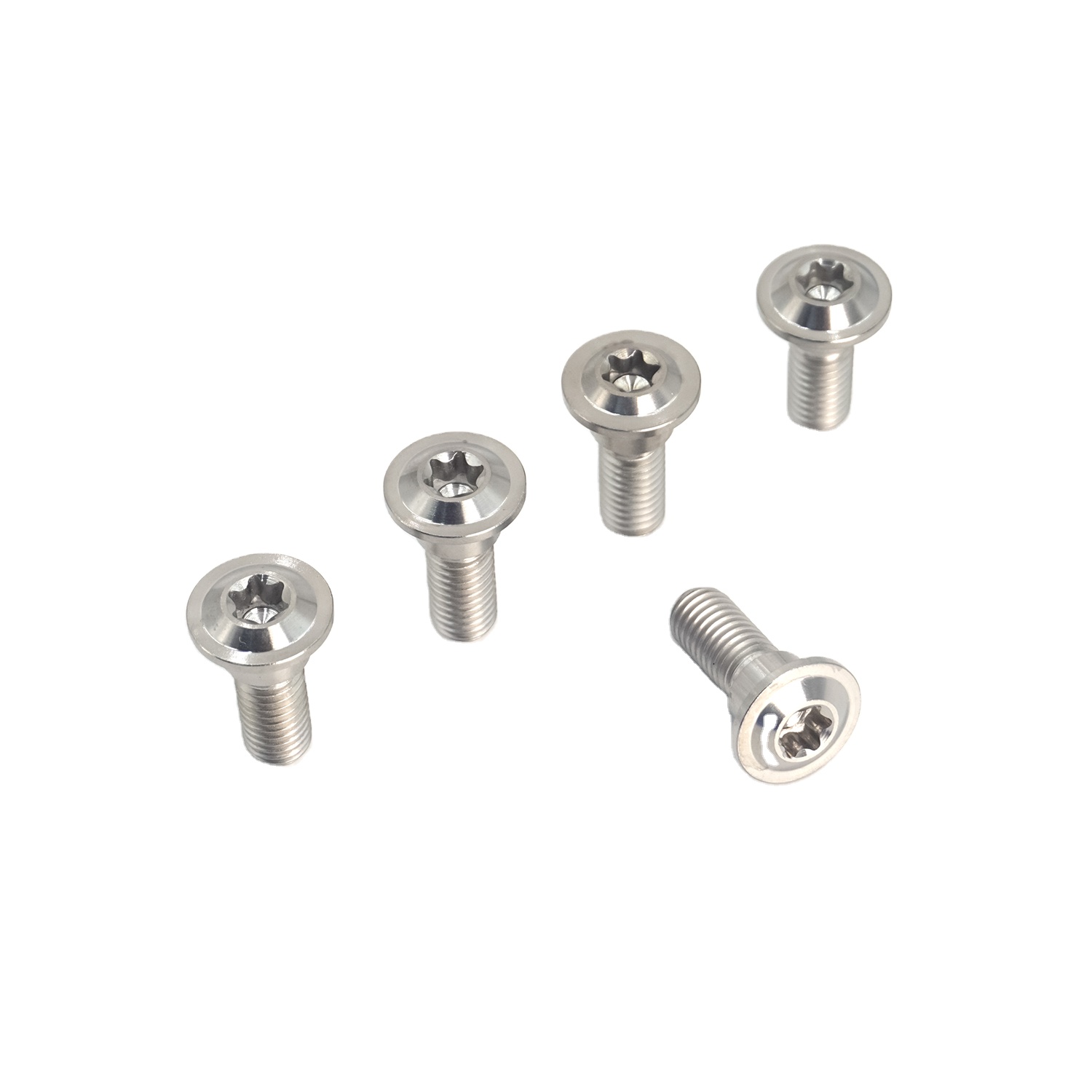
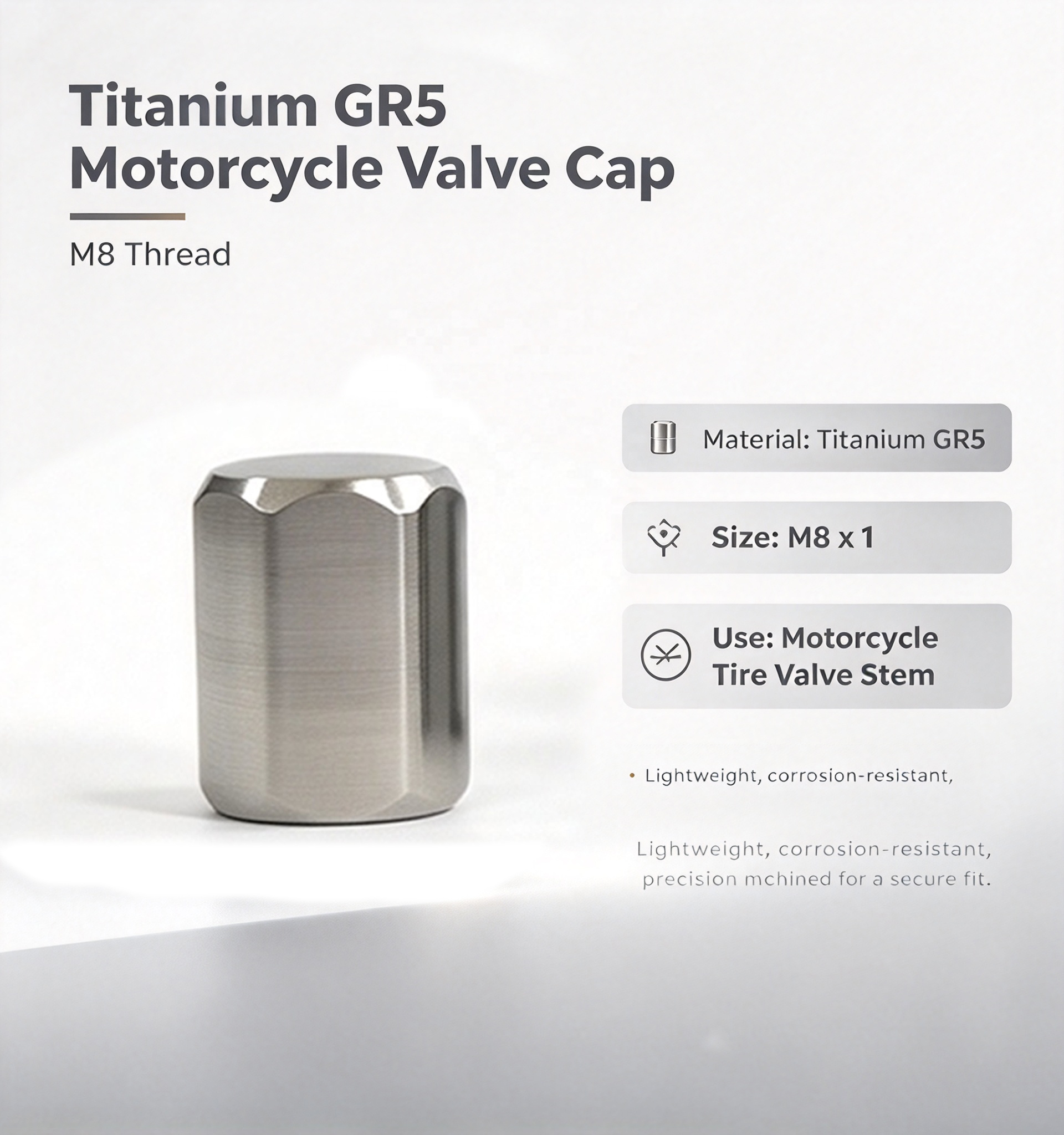
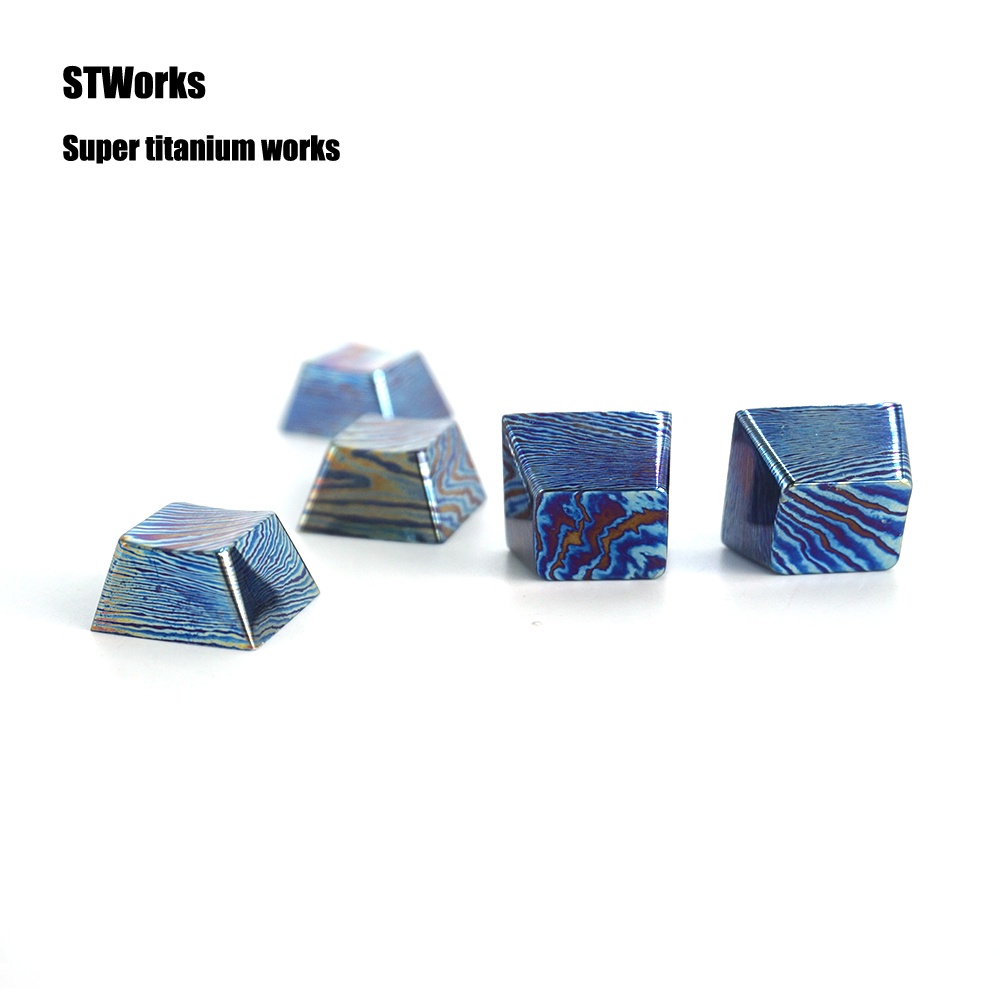
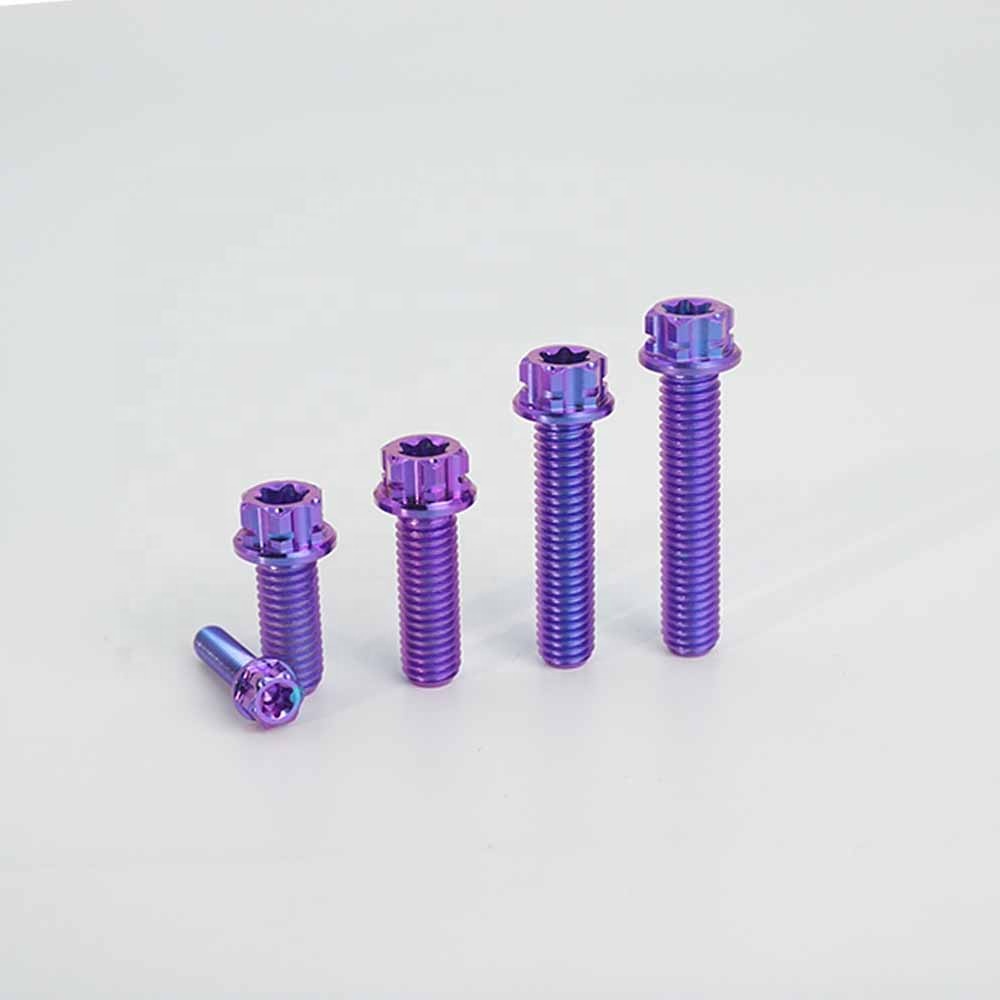
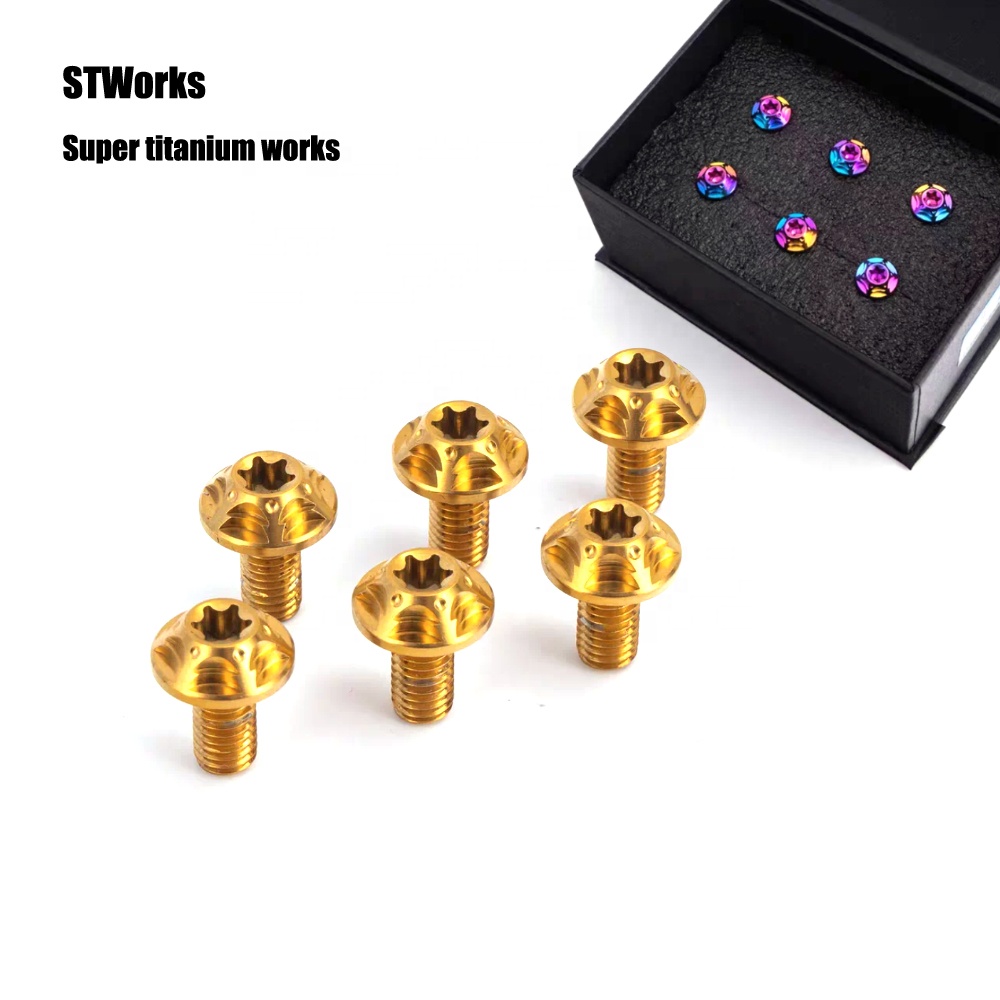
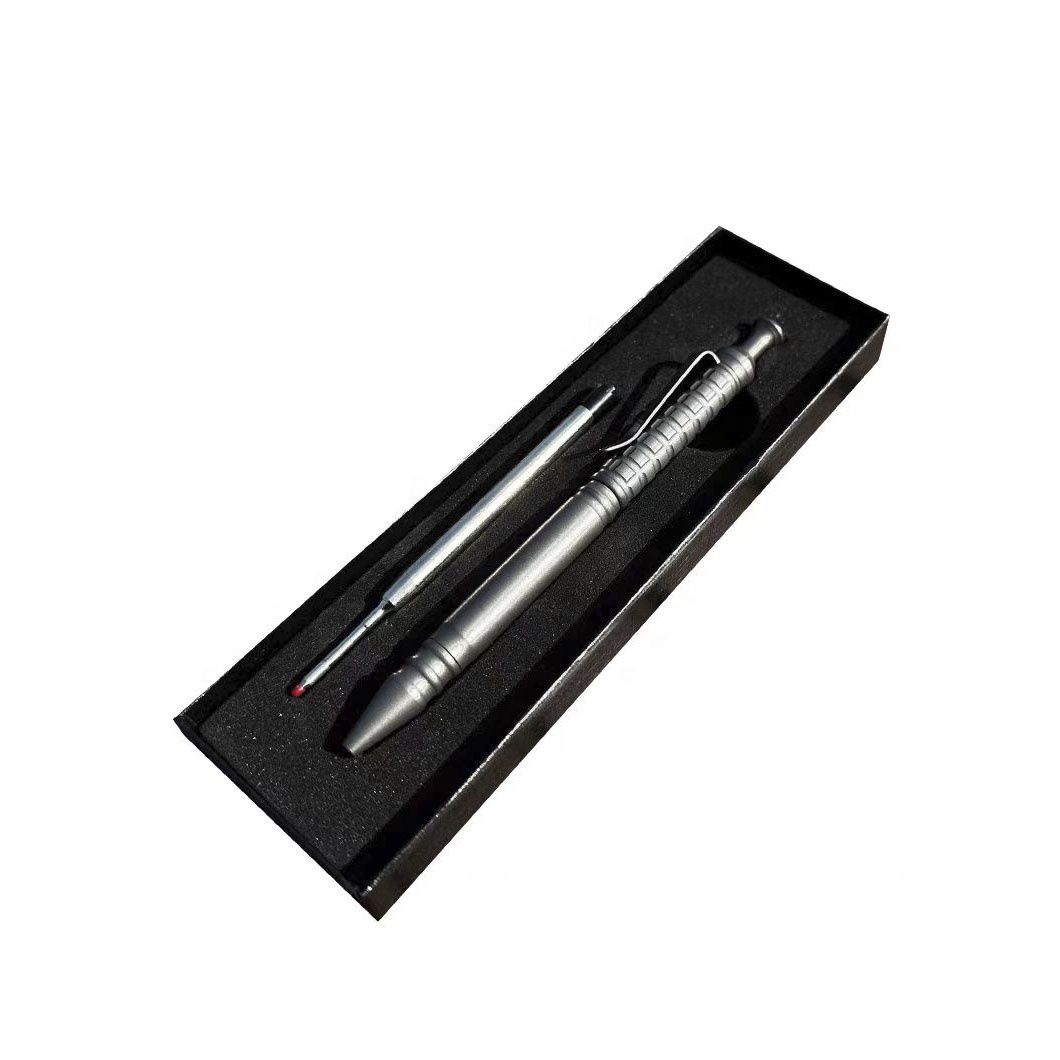
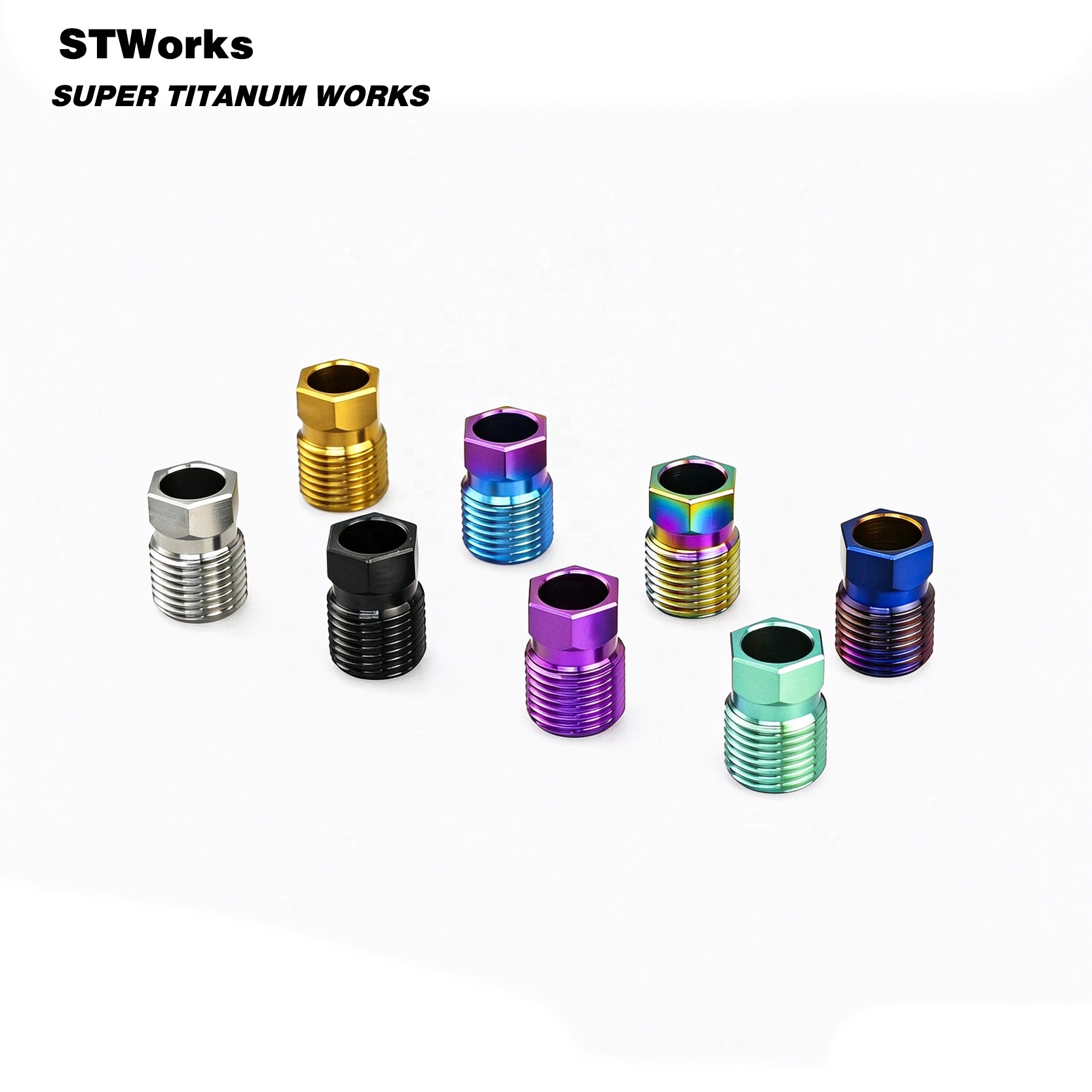
Flange nuts engineered from titanium alloy (notably Ti-6Al-4V Grade 5, corresponding to GB/T TC4 or UNS R56400) deliver a unique mechanical convergence: extreme tensile load capabilities comparable to ASTM Class 8.8 and 10.9 structural steels, alongside virtually impervious behavior to chloride-induced stress corrosion cracking (SCC). Unlike conventional hexagonal nuts that mandate an independent, loose washer, a titanium hex flange nut integrates a wide, circular base beneath the hexagonal drive. This integrated configuration delivers two non-negotiable engineering benefits: it drastically enlarges the load-bearing surface area to dissipate clamping pressures across softer clamping faces (such as aluminum housings, composite brackets, and thin steel plates) and resists rotational loosening induced by cyclic vibrational shock.
In tropical environments characterized by relative humidity exceeding 85% and high chloride salt spray, standard cadmium-plated or hot-dip galvanized steel nuts quickly experience sacrificial layer breakdown. Once galvanic breakdown initiates, localized pitting leads to joint seizure, thread galling, and catastrophic tensile failure. Velnora's CNC cold-formed and precision-machined titanium flange nuts develop an instantaneous, self-healing stoichiometric titanium dioxide (TiO2) rutile/anatase protective passivation layer. This oxide shield is impervious to marine ambient atmospheres, sulfurous agricultural byproducts, and industrial wash-downs, maintaining uniform preload tension throughout prolonged multi-year service lifecycles without chemical corrosion degradation.
| Mechanical / Physical Property | Gr5 Ti-6Al-4V (Fastener Core) | Gr2 Pure Titanium | AISI 316 Marine Stainless | Class 10.9 Alloy Steel |
|---|---|---|---|---|
| Density (ρ) | 4.43 g/cm³ (∼44% lighter than steel) | 4.51 g/cm³ | 7.98 g/cm³ | 7.85 g/cm³ |
| Yield Strength (Rp0.2) | ≥ 828 MPa (Typical 895–920 MPa) | ≥ 275 MPa | ≥ 220 MPa | ≥ 900 MPa |
| Tensile Strength (Rm) | 895 – 1000+ MPa | ≥ 345 MPa | 520 – 680 MPa | 1000 – 1040 MPa |
| Modulus of Elasticity (E) | 110 – 114 GPa (Superior elasticity) | 103 GPa | 193 GPa | 206 GPa |
| Corrosion in Seawater / Brackish | Immune (<0.001 mm/year penetration) | Immune | Prone to crevice attack & pitting | Rapid oxidation without barrier coat |
| Thread Forming Method | CNC Turning & Precision Thread Rolling | Cold Machining | Cold Heading | Hot/Cold Rolling |
How Honduran commercial fleets, maritime ports, coastal infrastructure, and processing mills overcome corrosive environments using Chinese-manufactured Grade 5 titanium flange nuts.
As Central America's premier deep-water shipping hub on the Atlantic coast, Puerto Cortés handles millions of tons of dry bulk, containerized freight, and chemical tankers. Crane spreaders, dockside container handling machinery, and marine deck winches are exposed 24/7 to high-salinity trade winds and marine splash zones. Implementing M8 to M16 titanium flange nuts completely eliminates fastener corrosion seizure on sensor mountings, exhaust manifold ducting, and salt-wash pump manifolds, reducing unplanned dock maintenance shutdowns.
The fertile Valle de Sula region hosts extensive African palm oil extraction plants and sugarcane processing complexes (Ingenios Azucareros). Processing machinery operates under aggressive organic acid exposure, high humidity, and continuous vibrating centrifugal loads. Titanium flange nuts withstand sulfuric cane-juice vapors and fatty acid washouts on vibratory screens and processing centrifuge covers, offering multi-year life spans where stainless steel fasteners crack from stress corrosion.
The tourism and commercial maritime infrastructure across the Bay Islands (Roatán, Utila, Guanaja) relies heavily on reverse osmosis desalination plants, passenger catamarans, and specialized dive fleets. Titanium flange nuts and matching bolts are deployed in high-pressure RO seawater intake pumps, outboard engine transom mountings, and underwater robotics where galvanic corrosion between mismatched metals causes catastrophic downtime.
Across mountainous hydroelectric installations along the Patuca and Ulúa river basins, sluice gate instrumentation, high-head turbine sensor couplings, and valve actuators demand zero-defect mechanical fasteners. Titanium flange nuts provide the damping elasticity required to resist vibration loosening under extreme hydraulic surge pressures without yielding or rusting in unconditioned river tunnels.
From off-road trail endurance competitions across Pico Bonito to cross-border heavy fleet transit connecting San Pedro Sula to Tegucigalpa, unsprung mass reduction directly impacts vehicle longevity. Titanium flange nuts replace OEM heavy steel wheel lugs, brake caliper anchor pins, and suspension linkage pivots—reducing rotational inertia while resisting tropical monsoon mud and gravel pitting.
Key economic and industrial shifts driving Honduran procurement directors to bypass intermediaries and source precision titanium fasteners directly from China's specialized manufacturers.
Historically, industrial engineers in Honduras specified marine stainless steel (AISI 316) for coastal machinery. However, escalating lifecycle audits revealed frequent failures due to crevice corrosion under gaskets and galling during routine maintenance. With modern Chinese CNC scale making titanium fasteners cost-competitive, buyers increasingly replace 316 stainless with Grade 5 titanium flange nuts to gain total corrosion immunity and a 44% reduction in assembly weight.
Honduran importers in San Pedro Sula and Tegucigalpa previously relied on expensive US-based distributors in Miami or Houston, enduring up to 200% markups and prolonged customs re-export delays. Direct factory sourcing from Baoji—supported by air courier door-to-door transit (DHL/FedEx in 5–8 days) and full container sea freight via Puerto Cortés—provides substantial margin advantages for local industrial distributors.
Cross-border engineering procurement in Central America now demands unassailable proof of metallurgical integrity. Honduran procurement heads require Mill Test Certificates (MTC) conforming to EN 10204 3.1 and real-time CNC machining footage. Velnora's protocol of delivering live production videos, optical thread gauge inspections, and spectrometer batch checks before dispatch provides complete purchasing confidence.
Founded in 2013 in Baoji—known globally as China's Titanium Valley—Velnora integrates aerospace raw bar stock sourcing with state-of-the-art CNC micro-machining and rigorous export protocols.
Velnora Titanium Industry Co., Ltd. is situated in the Precision Manufacturing Park, Jinhe Industrial Park, Baoji, Shaanxi. Over thirteen years of specialized production, our dedicated team of machinists and fastener engineers has focused exclusively on titanium alloys, Timascus, and specialized metals. We bypass third-party trading intermediaries—your engineering drawings are reviewed and executed directly by the technicians who set up the CNC machinery.


Detailed engineering, logistical, and commercial answers for purchasing managers, marine mechanics, and hardware wholesalers across Central America.
Connect directly with Velnora's precision engineering shop floor in Baoji, China. Submit your required fastener dimensions, thread pitches, quantities, or custom STEP/CAD files. Our machinists evaluate your specifications and provide a competitive quote within 4 business hours.