Cycling Upgrade
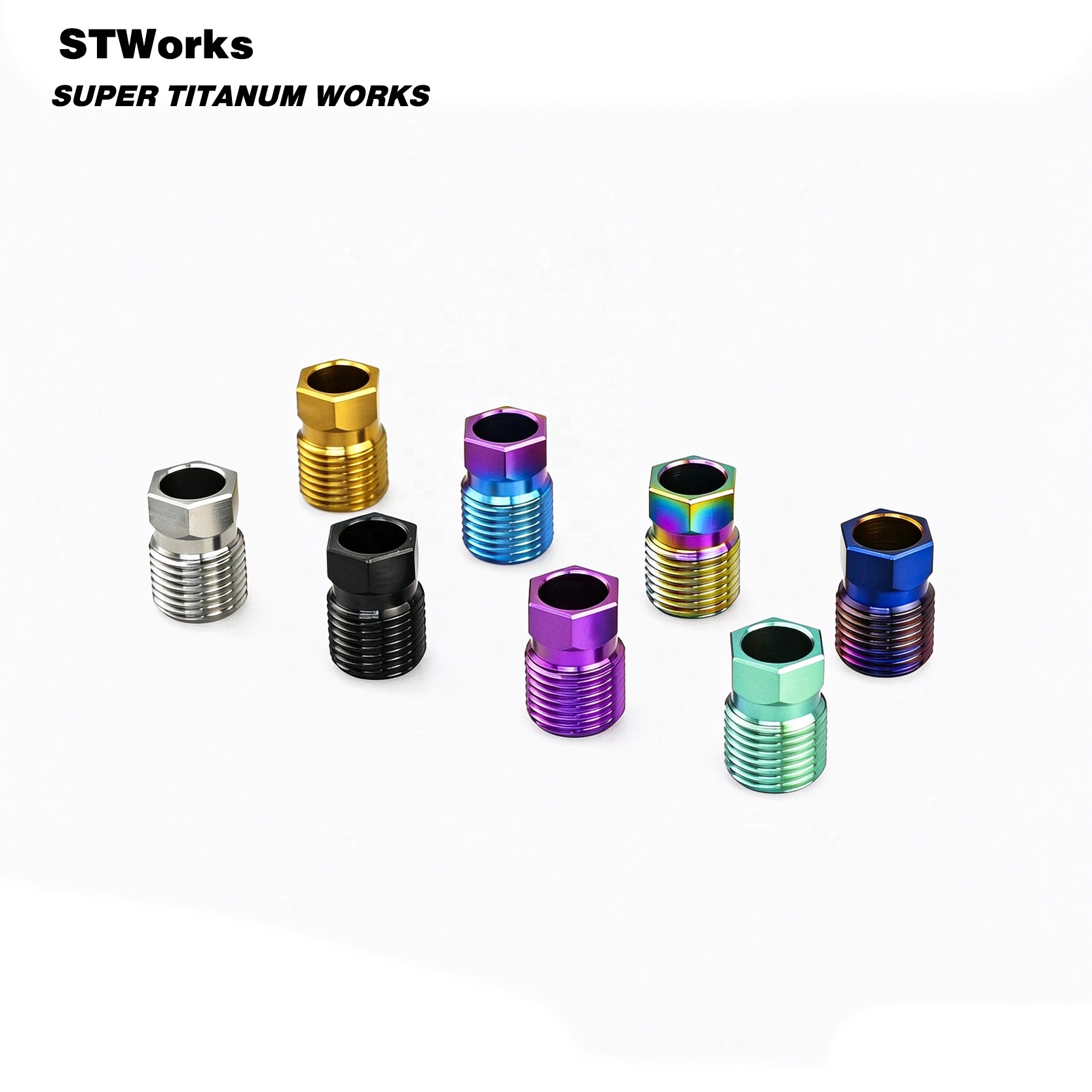
Titanium Hose Barb Lock Screw for Shimano Road Disc Brake Caliper
Grade 5 titanium alloy precision CNC turned. High-tensile, zero-corrosion hydraulic hose locking for high-vibration racing.
Inquire NowExplore our export-grade Ti-6Al-4V fasteners and metallurgical patterned titanium solutions crafted specifically for precision mechanical tolerances and bespoke Japanese OEM design requirements.
Grade 5 titanium alloy precision CNC turned. High-tensile, zero-corrosion hydraulic hose locking for high-vibration racing.
Inquire Now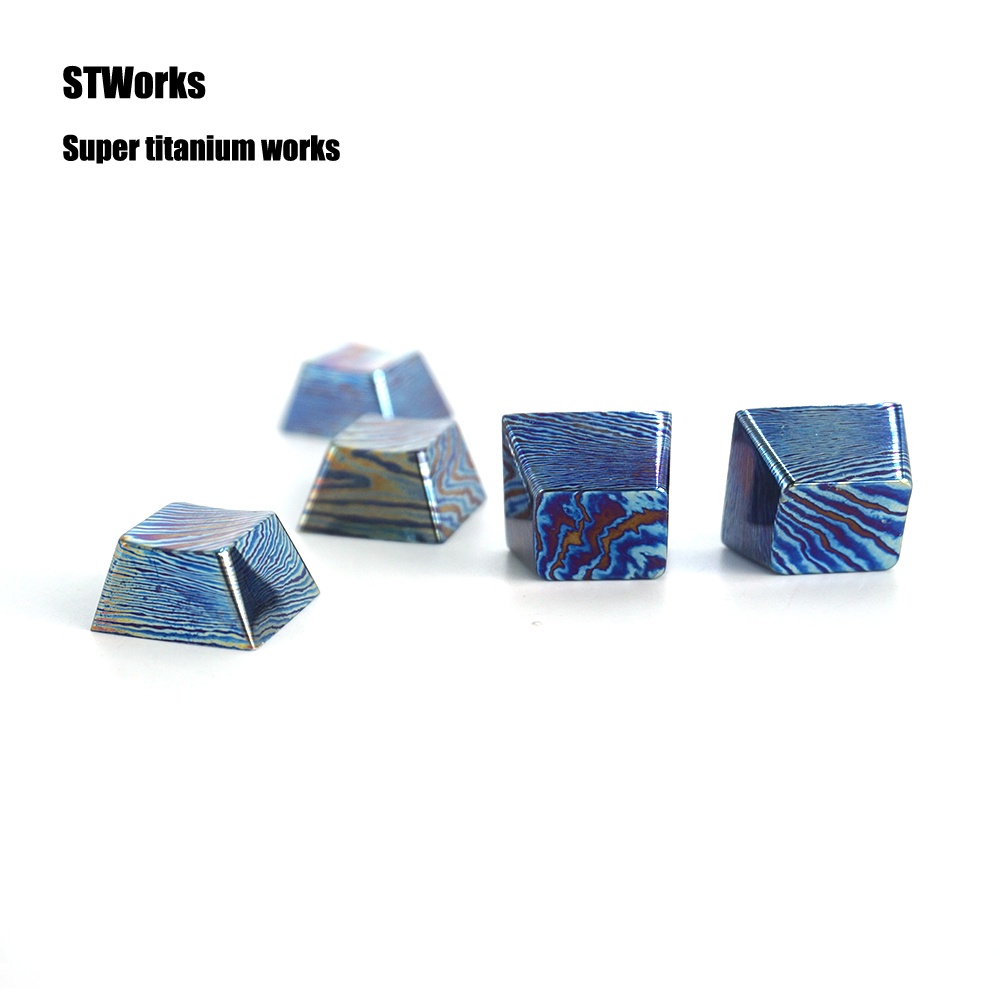
Multi-axis CNC wire EDM and broaching. PVD wear-resistant coating or natural heat-anodized decorative finishes.
Inquire Now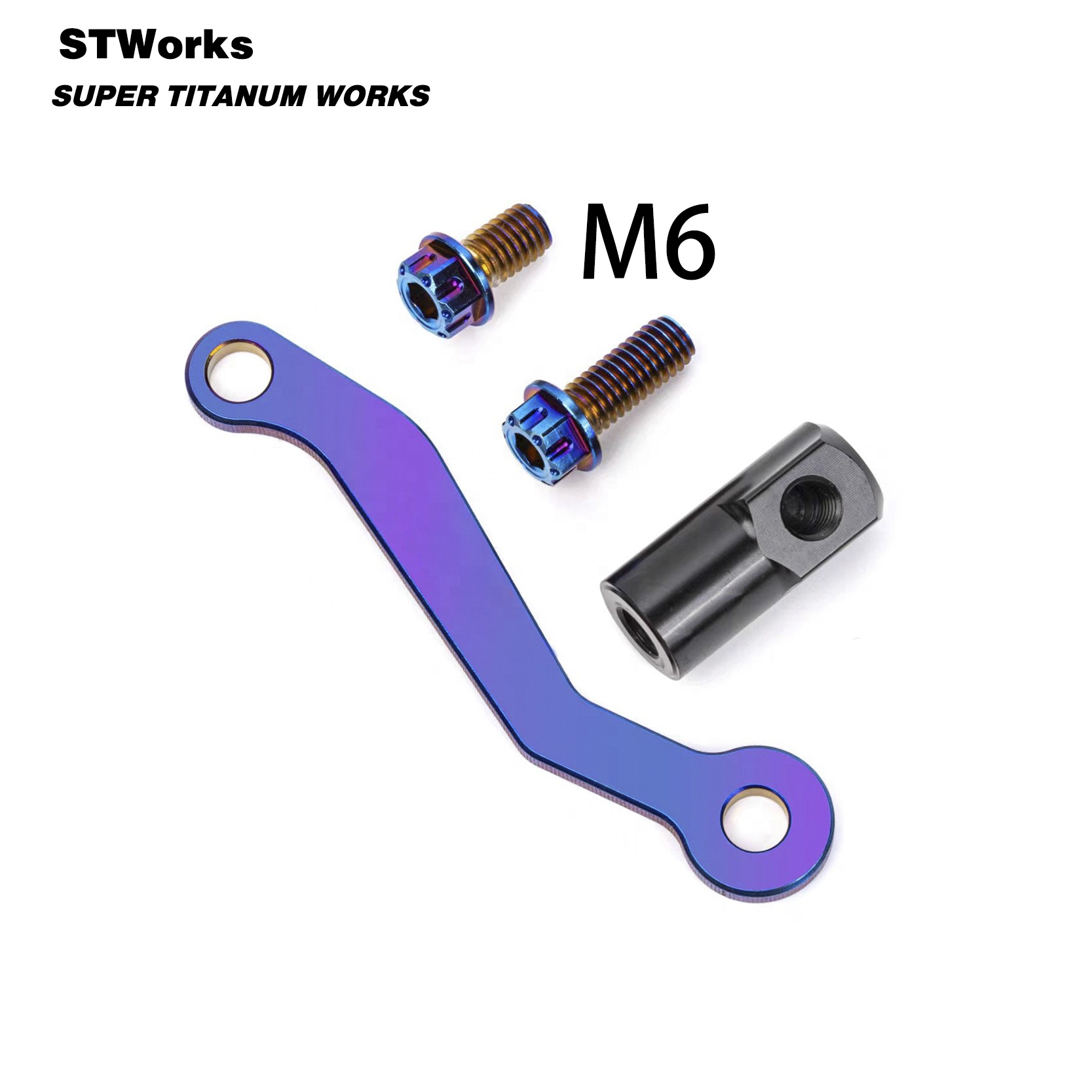
Ultra-rigid lightweight mounting bracket engineered for track dynamics, track bikes, and Japanese superbikes.
Inquire Now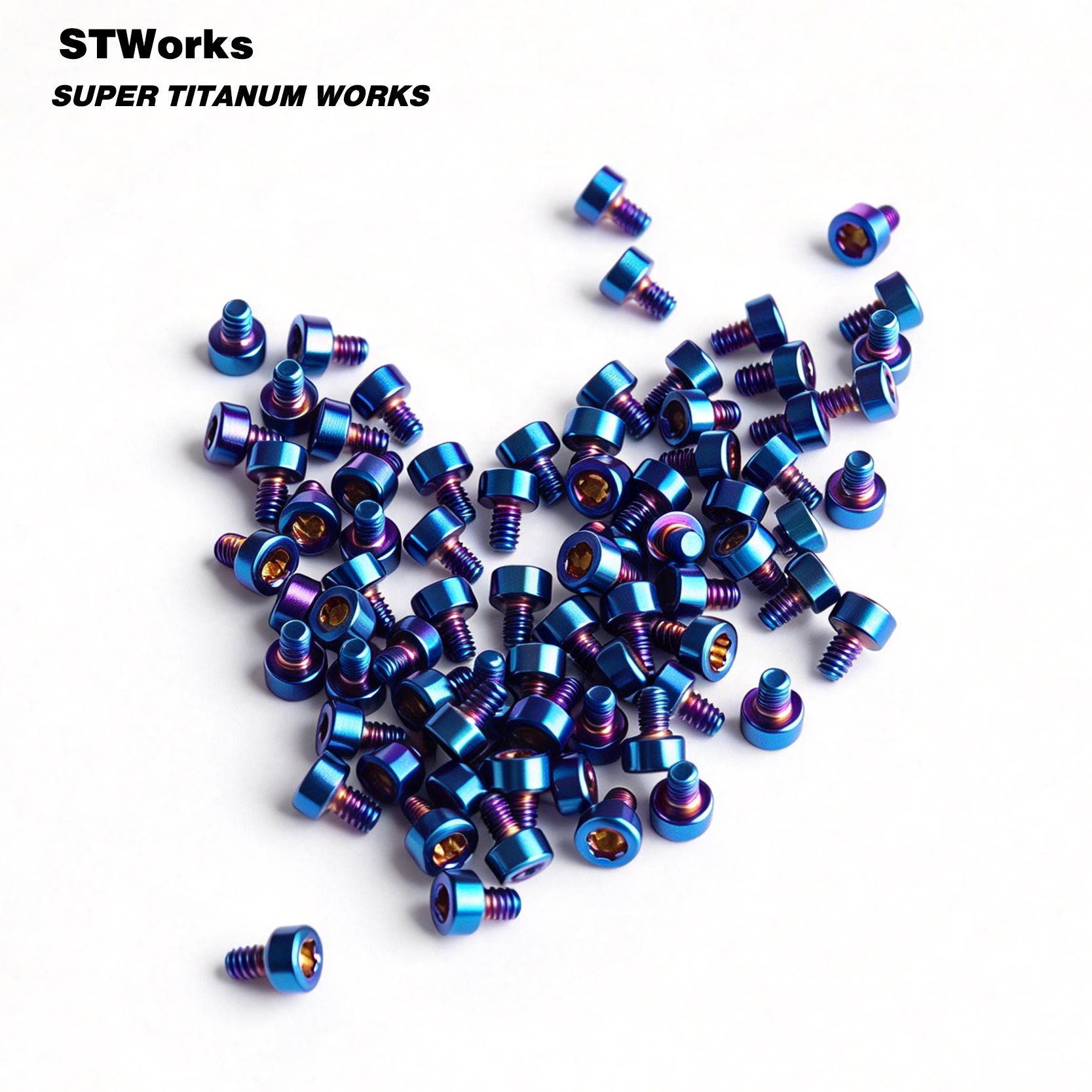
Precision micro machine screws designed for optical mounts, horological components, precision robotics, and camera rigs.
Inquire Now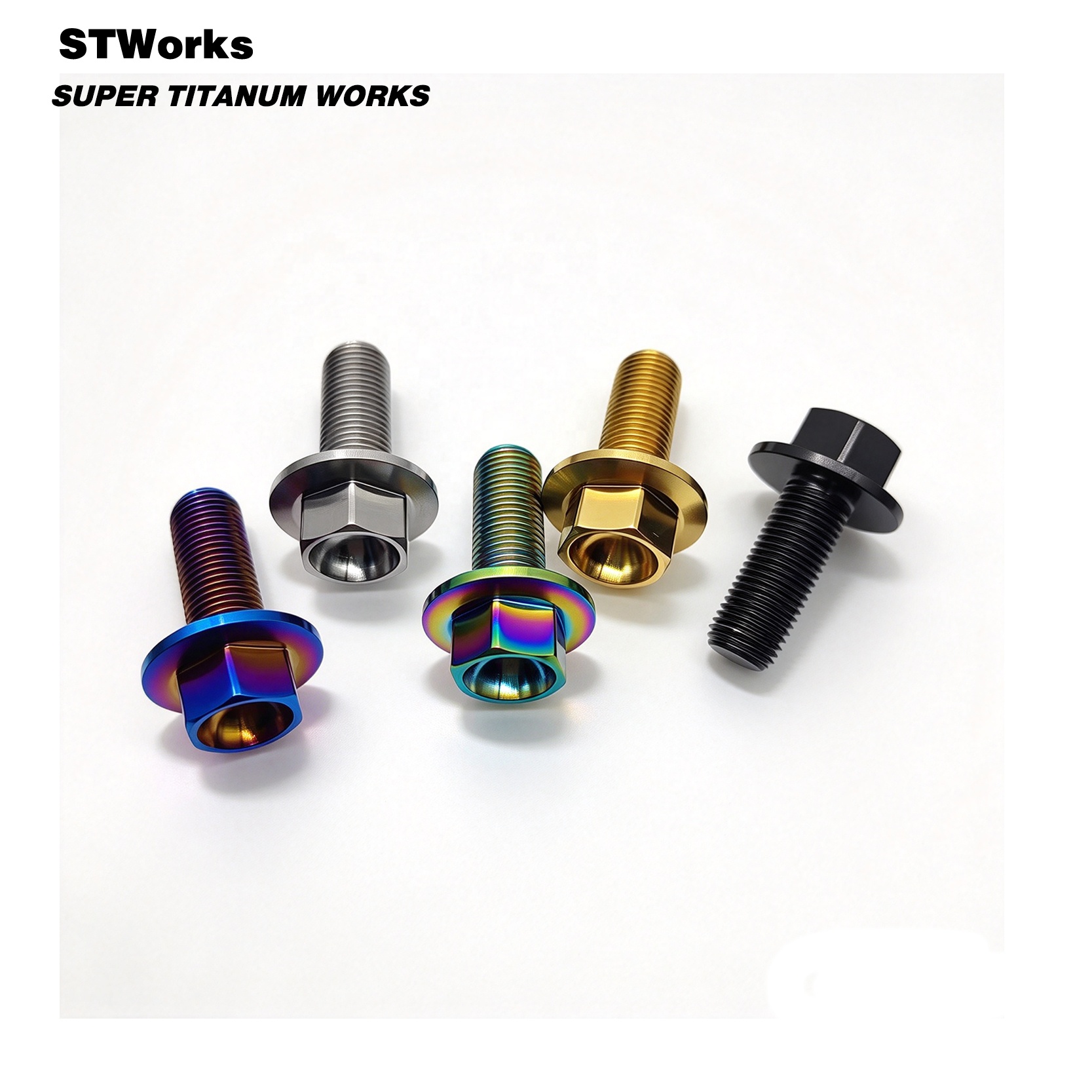
Cold-forged and rolled threads exceeding 950 MPa tensile resistance. Chemical anodization with stable color retention.
Inquire Now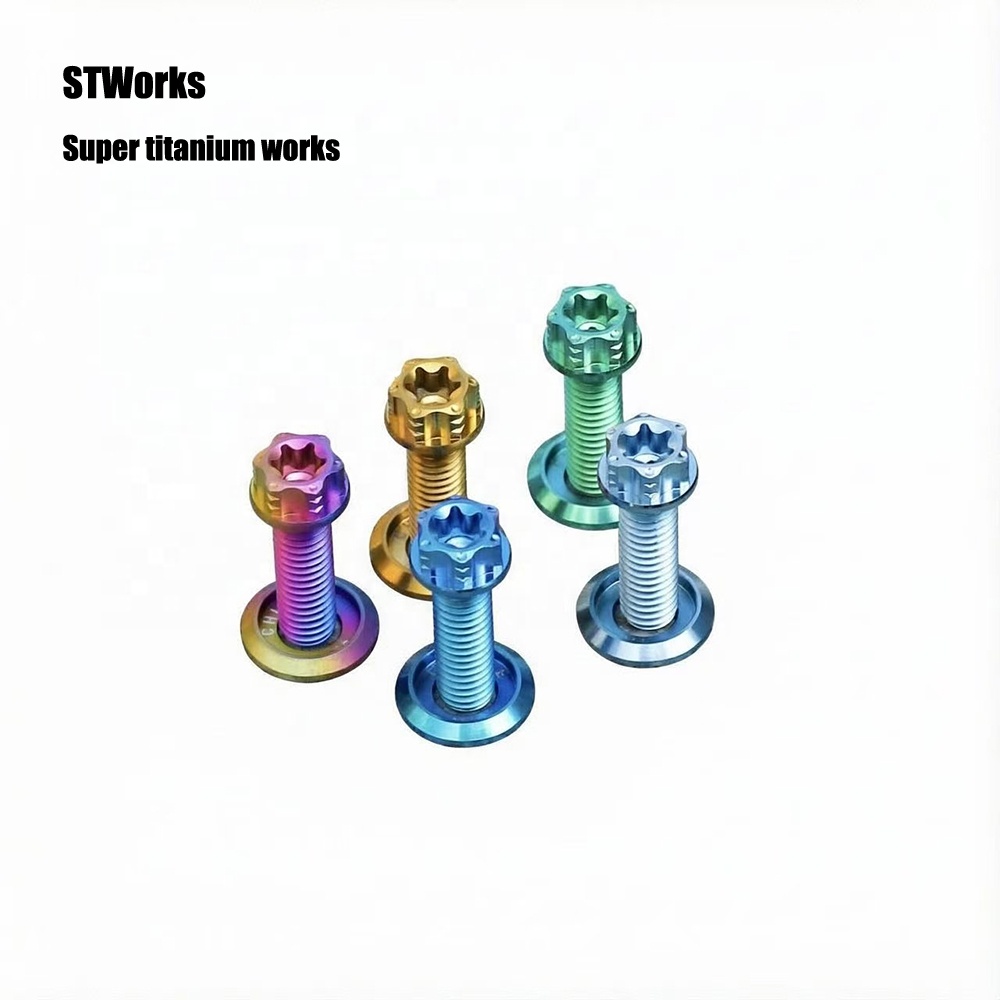
Candy-colored electrochemical anodized Grade 5 titanium bolts. Eliminates galling risks when torqued to OEM specification.
Inquire Now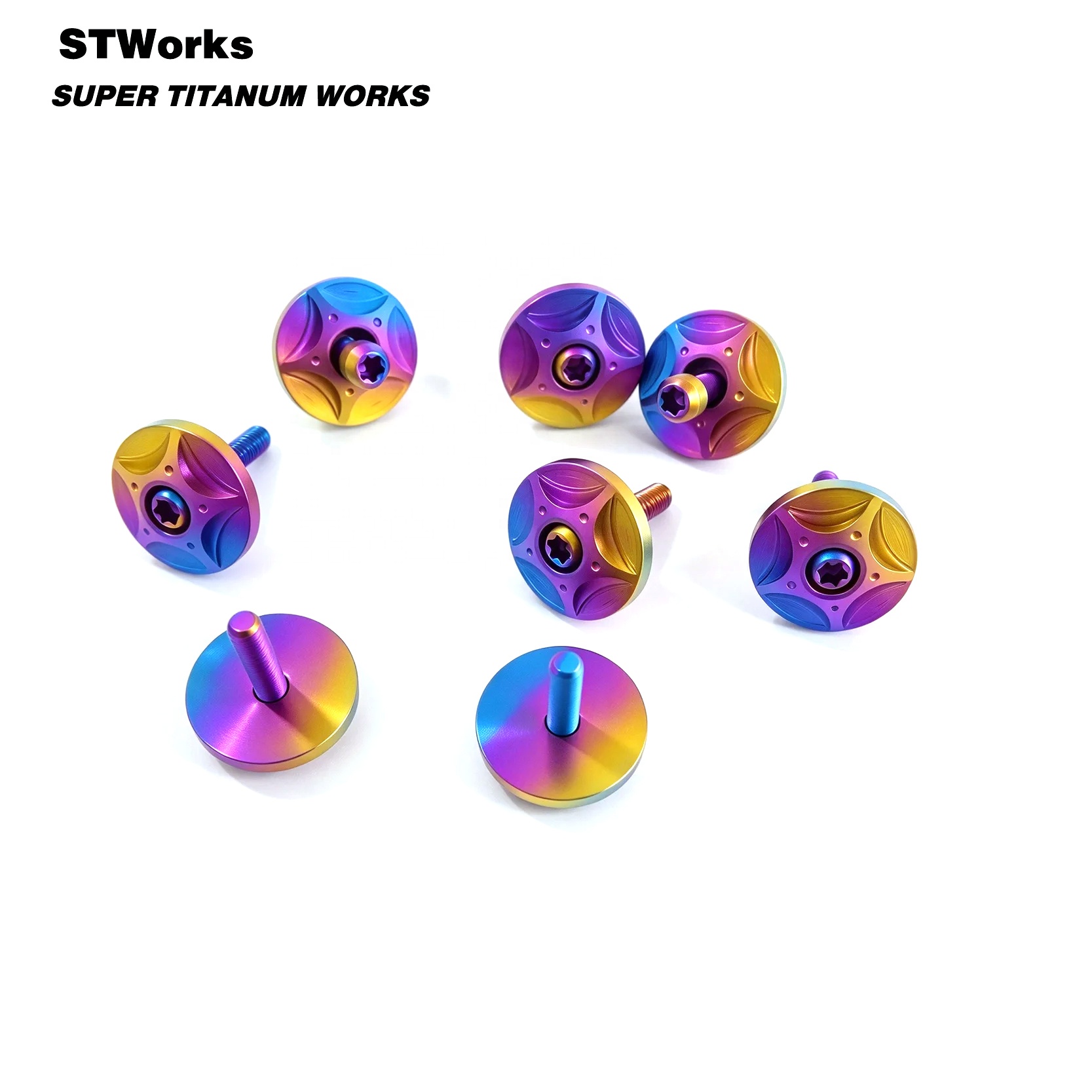
High-precision CNC finished 1-1/8 inch cockpit integration. Ultra-low weight with customized laser marking available.
Inquire Now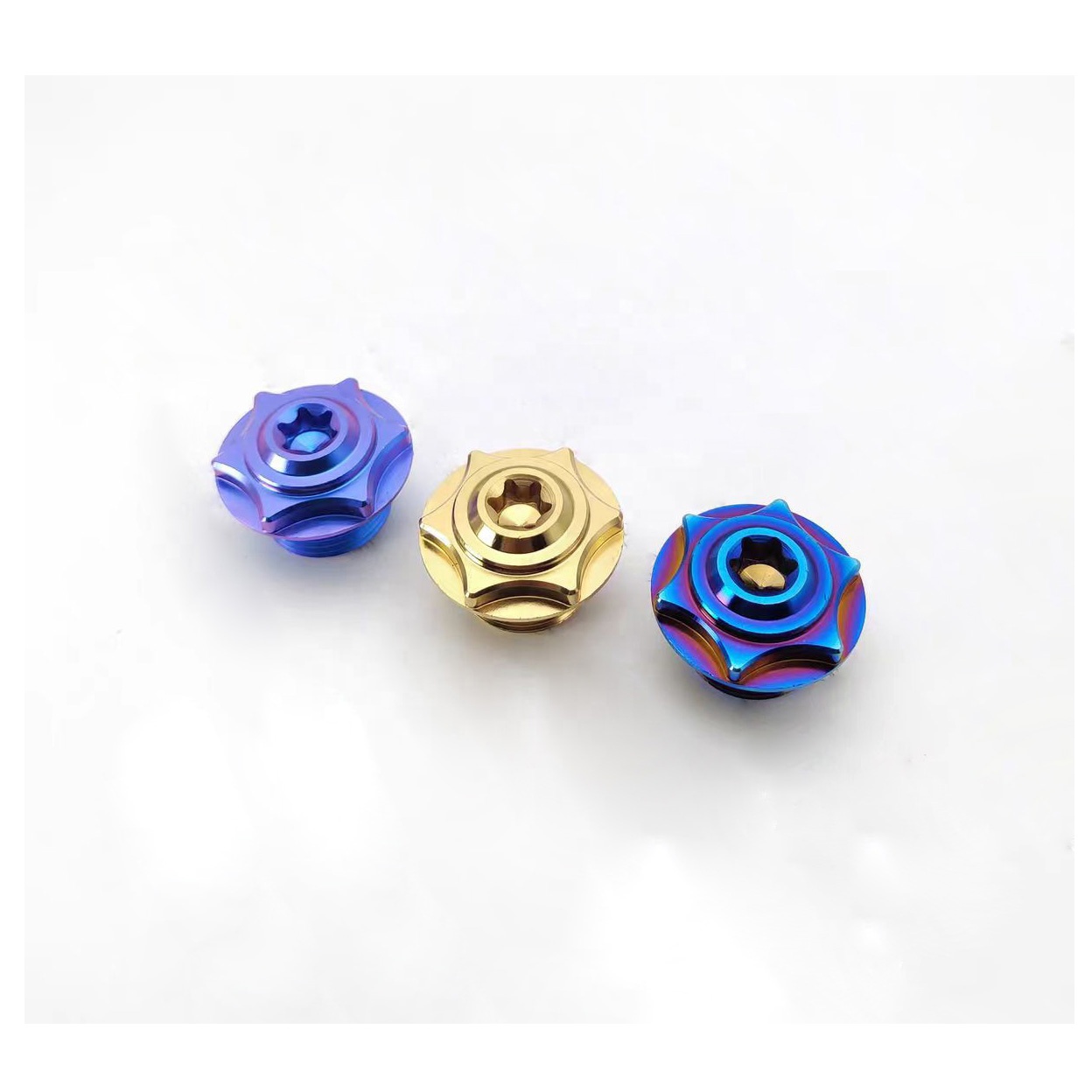
Pre-drilled safety lock-wire holes for circuit safety inspection. Thermal endurance against aggressive synthetic engine oils.
Inquire NowA technical analysis of solid-state vacuum diffusion bonding, layer integrity, and precision CNC workability for high-tier Japanese procurers.
Timascus (Titanium Damascus / Mokuti) round bars produced by Velnora utilize alternating laminations of commercially pure Grade 2 (CP-Ti) and Grade 5 (Ti-6Al-4V TC4). Hot isostatic pressing (HIP) under inert gas atmosphere ensures complete atomic diffusion along the weld boundary, eliminating mechanical shear failure or micro-void separation during intense lathe turning and wire EDM cutting.
零剥離保证 (Zero Delamination)Japanese master artisans demand rich chromatic distinction. Because CP Grade 2 and Alpha-Beta Ti-6Al-4V react to voltage-driven oxidation baths at significantly different electron exchange rates, uniform voltages (12V to 110V) produce distinct refractive interference colors—ranging from deep royal bronze and violet to brilliant turquoise and electric emerald across the folded swirls.
干渉色光学 (Optical Interference)Unlike ferrous Damascus steel, titanium Damascus exhibits zero magnetic permeability and extreme acid-alkali corrosion protection. When machined into medical handles, watch bezels, or luxury fountain pen bodies, our Timascus bars maintain permanent chemical inertness against salt corrosion, human sweat, and aggressive organic chemical reagents.
生体適合性 (100% Hypoallergenic)| Alloy Parameter | Velnora Timascus Round Bar | Traditional Steel Damascus | Monolithic Grade 5 Ti | Aluminum 7075-T6 |
|---|---|---|---|---|
| Alloy Composite | Gr2 CP + Gr5 (Ti-6Al-4V) | 1095 + 15N20 High Carbon Steel | Ti-6Al-4V Homogeneous | Al-Zn-Mg-Cu Matrix |
| Density (g/cm³) | 4.46 (Lightweight) | 7.85 (Heavy) | 4.43 | 2.81 |
| Rust & Salt Corrosion | Impervious (Zero Rust) | High Risk (Requires Mineral Oil) | Impervious | Prone to Pitting & Galvanic Rust |
| Pattern Generation | Thermal Flame or Electro-Anodizing | Ferric Chloride Chemical Acid Etch | None (Monochrome Gray) | Surface Anodized Layer Only |
| Magnetic Response | Non-Magnetic (Horology Safe) | Ferromagnetic (Distorts Movements) | Non-Magnetic | Non-Magnetic |
| Machinability (HRC) | 32 – 36 HRC (Homogenized HIP) | 58 – 62 HRC (Brittle without temper) | 34 – 38 HRC | ≈ 15 HRC |
How high-precision Japanese manufacturing sectors in Tokyo, Seki, Osaka, and Hamamatsu implement Velnora Timascus round bars into commercial products.
Artisans in Seki City (Gifu Prefecture) demand defect-free Timascus round stock for bolster rings, pommels, pocket-knife pivots, and handles. The material delivers Damascus aesthetic appeal without contaminating fine sushi and sashimi knives with ferrous oxide or metallic tang.
High-end independent watchmakers in Tokyo source our Ø25mm–Ø45mm round bars to lathe bespoke rotating watch bezels, crowns, and case-backs. The non-magnetic property prevents balance wheel disturbances while exhibiting swirling wave geometries.
Tuning houses in Hamamatsu integrate Timascus bar stock into custom steering damper caps, radial brake reservoir lids, and exhaust hanger fasteners for custom race builds, adding personalized aesthetic flair without sacrificing tensile rigidity.
Boutique lifestyle brands across Osaka utilize smaller bar profiles (Ø8mm–Ø18mm) to machine rotary potentiometers, high-end acoustic earphone casings, mechanical mod bodies, and tactile bolt-action pens that stand out in competitive collector markets.
Market developments steering procurement strategies among Japanese metal traders and OEM manufacturers.
The concept of Monozukuri (craftsmanship excellence) is expanding from carbon steels to exotic titanium matrices. Master sharpeners and leathercraft tool builders are incorporating Timascus fittings to modernise heirloom artifacts for export to global collector networks.
Escalating import duties and distributor markups on North American Mokuti have prompted Japanese procurement houses to build direct B2B supply corridors with Baoji precision mills. Direct procurement allows customized layer counts (from 30 to 128 layers) and tighter dimensional tolerances.
Japanese engineering departments require h7 to h9 outer diameter ground tolerances on incoming raw round bars to permit uninterrupted feed in automatic Swiss-lathe bar loaders. Mill-finished rough rods are being phased out in favor of centreless precision-ground rods.
Operating in China's Titanium Valley since 2013, we combine raw sponge ingot control with export-certified manufacturing transparency.
Every quotation is processed directly by tooling engineers who program our multi-axis CNC machines and EDM wire stations. Our team of 11–50 precision specialists provides technical feedback on your STEP/IGES CAD files without sales intermediary delays.
Eliminate distance uncertainty. During diffusion forging, CNC lathe turning, thread rolling, and anodization, our production team provides detailed process photography and inspection videos before dispatch, guaranteeing dimensional fidelity.
Backed by verified on-site assessment reports, documented international trade transaction levels, and complete traceability back to Shaanxi raw titanium sponge certificates, ensuring high material purity for the Japanese export market.
Key technical, metallurgical, customs, and payment clarifications for importing Timascus round stock and titanium components to Japan.
Submit your target bar diameter, pattern requirements, or 2D/3D part drawings. Our English- and Japanese-capable technical export engineers respond with full metallurgical specifications and pricing within 4 business hours.