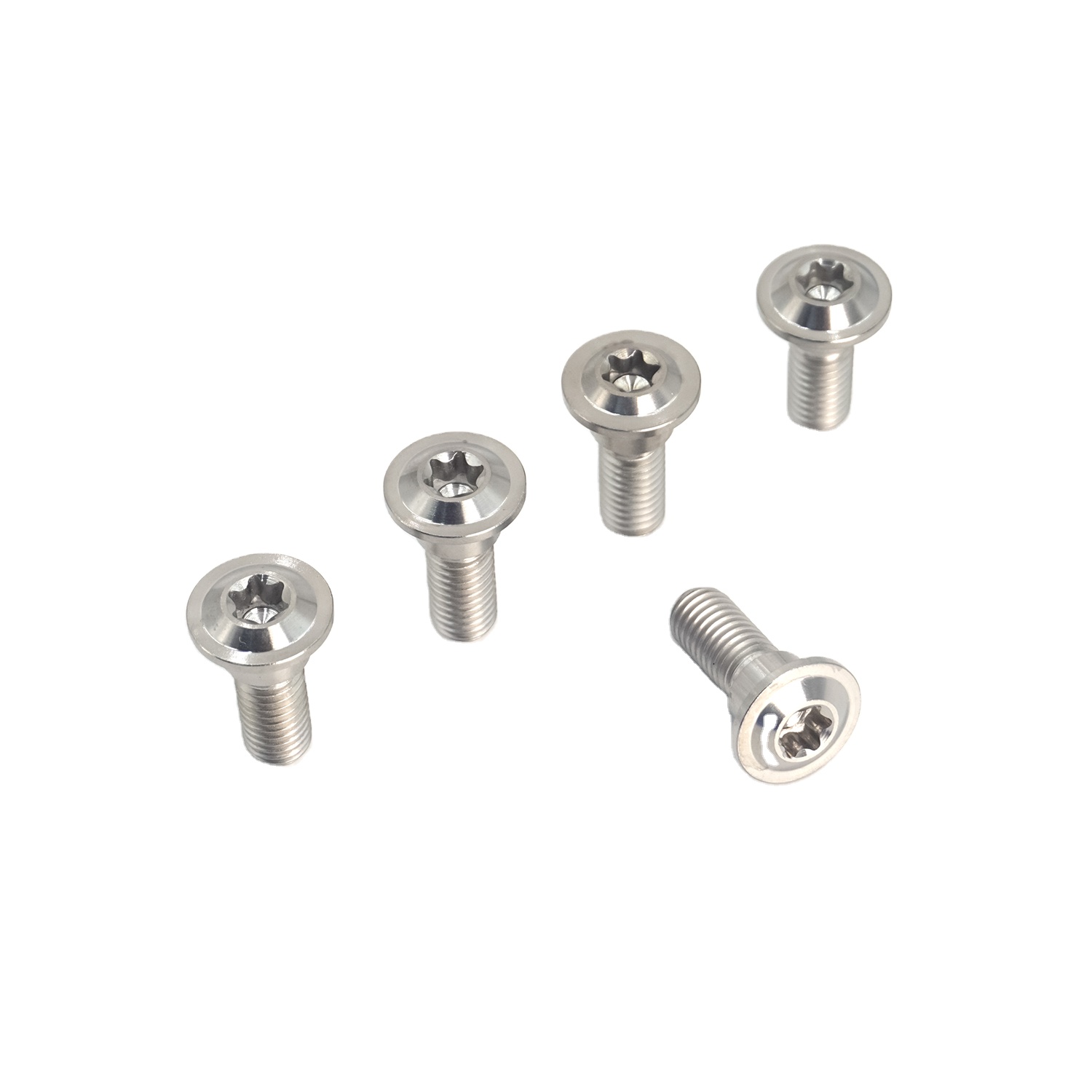
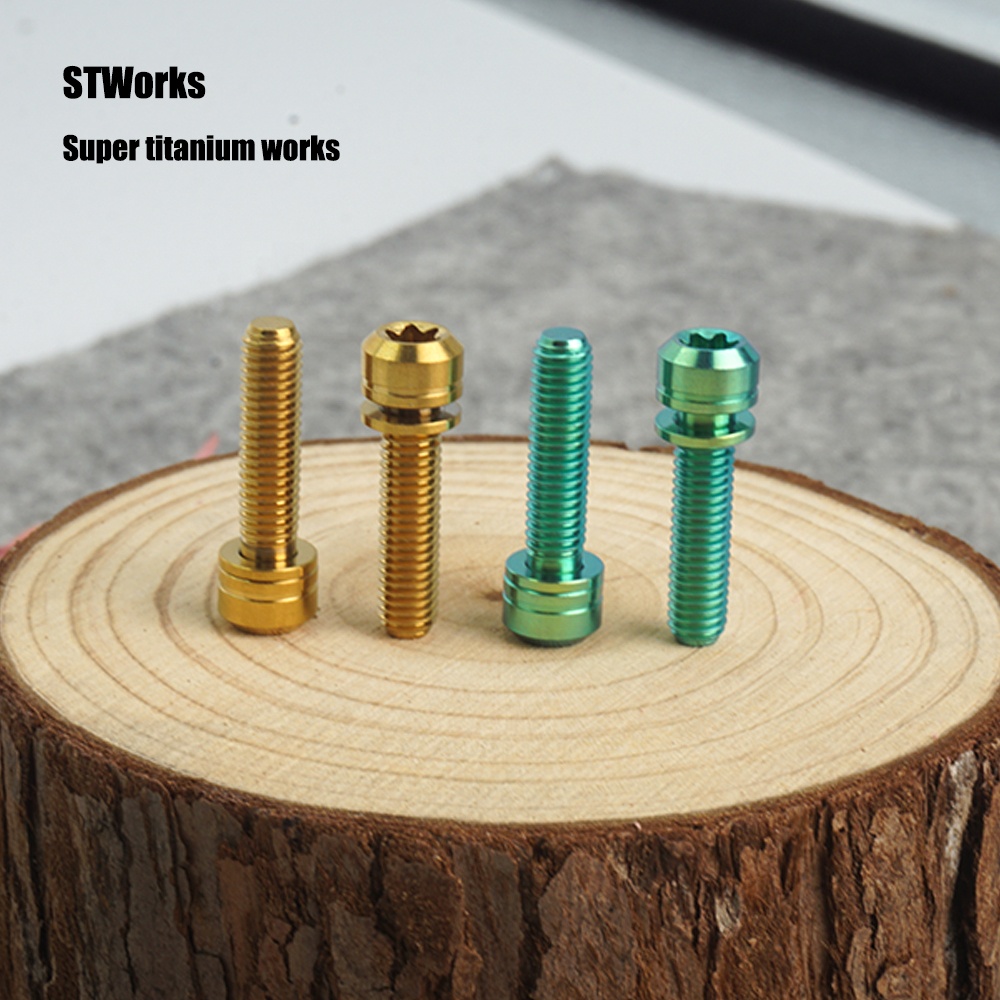
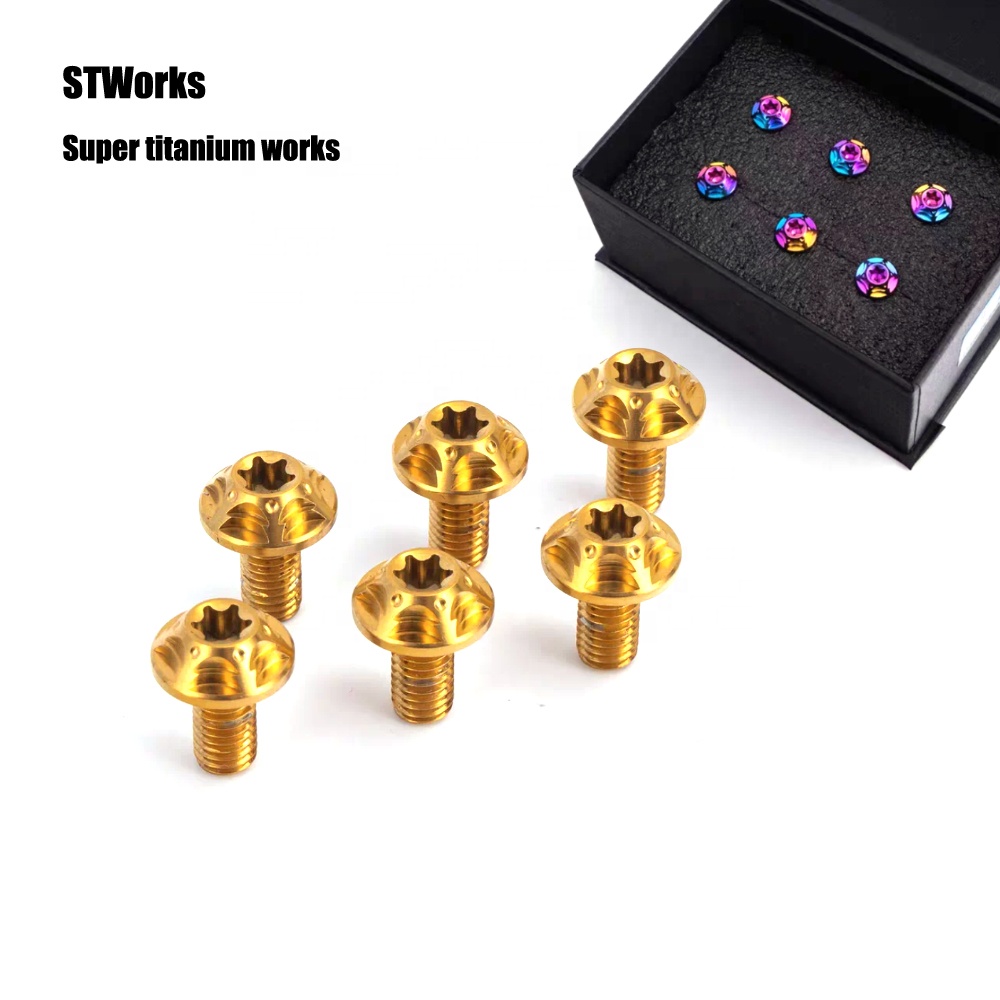
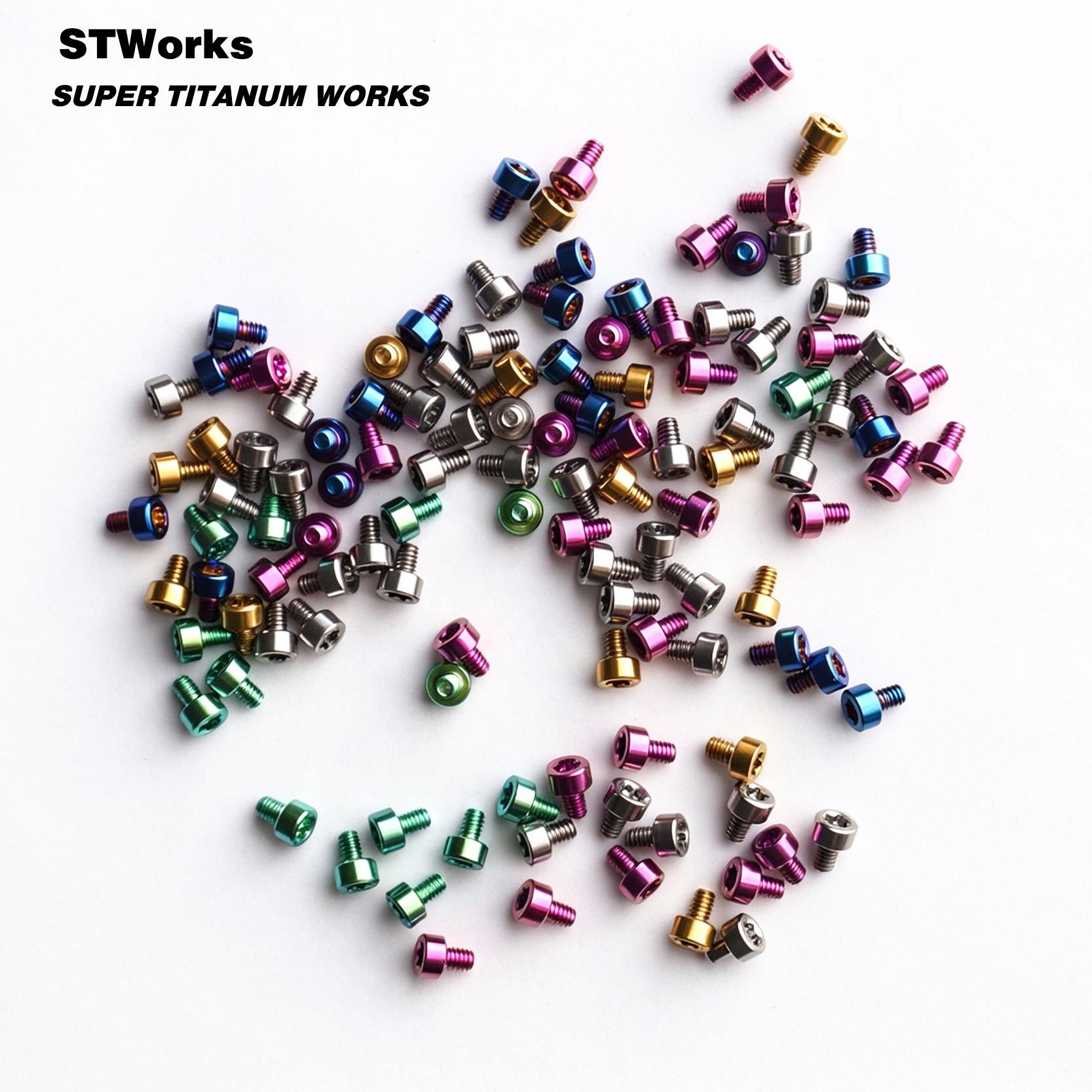
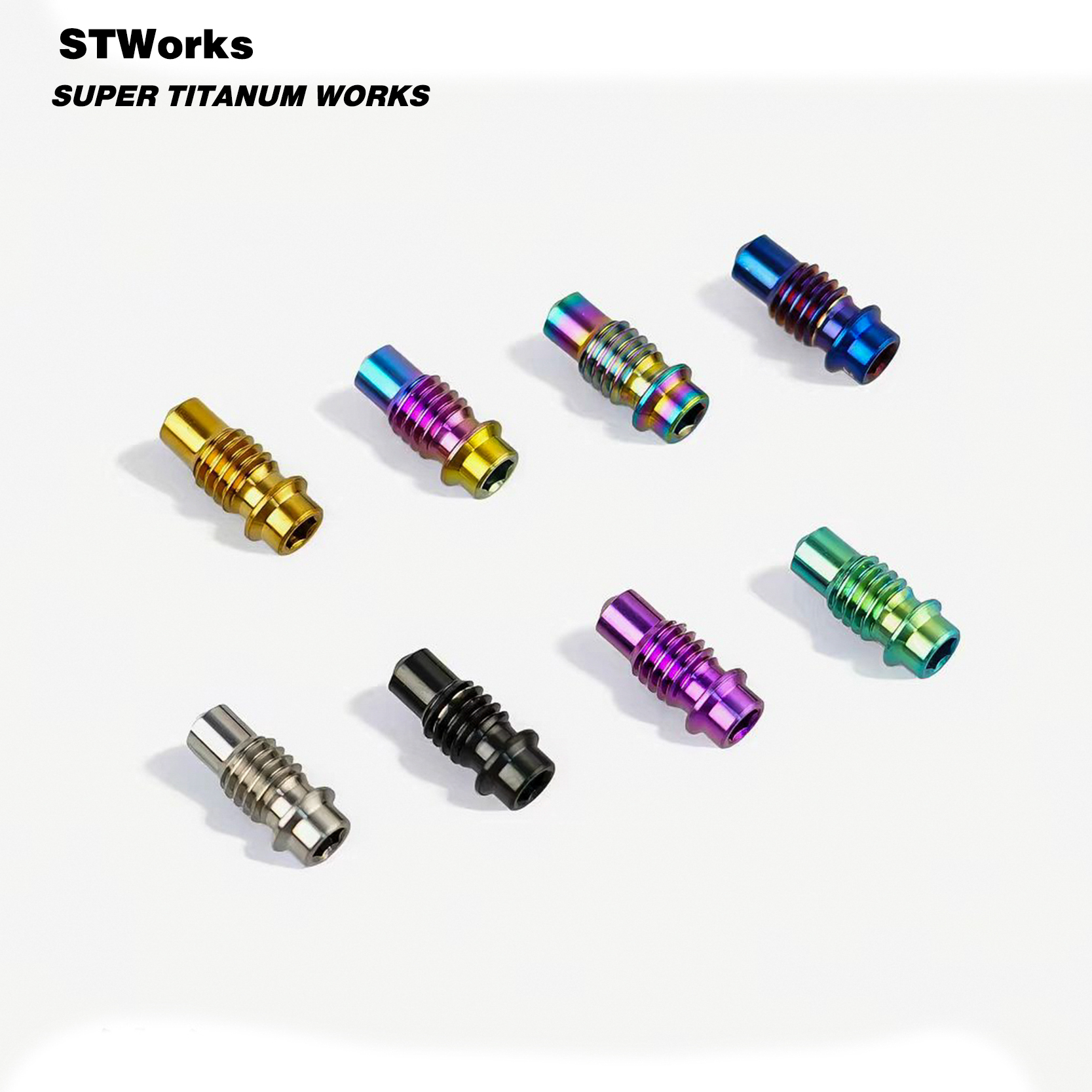
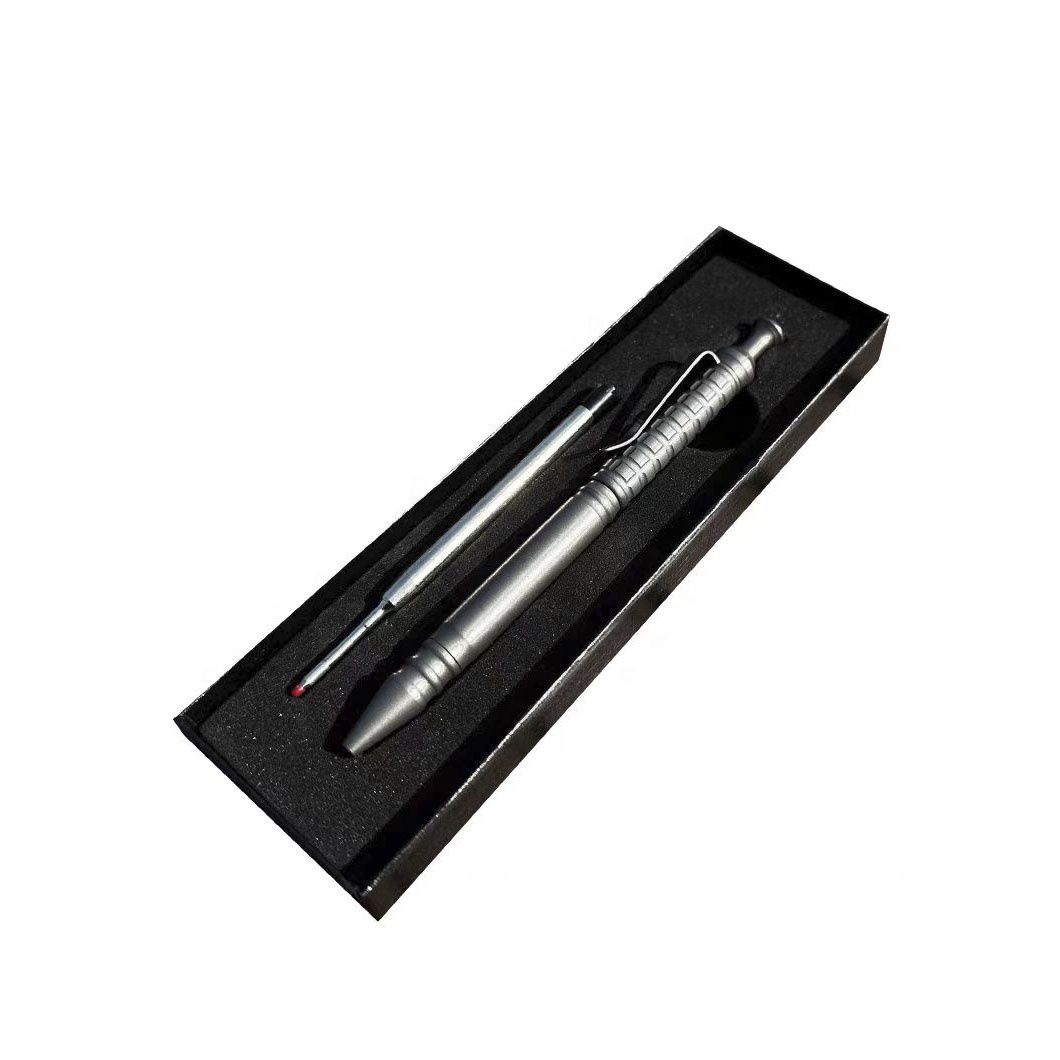
Precision-turned Grade 5 (Ti-6Al-4V) components, disc hardware, and bespoke CNC fittings fabricated in Baoji’s Titanium Valley, custom-packed and certified for Hamburg industrial importers.
An authoritative analysis of why mechanical engineers in the Free and Hanseatic City of Hamburg are substituting spring steels with cold-coiled Beta-titanium and hot-wound Ti-6Al-4V alloys.
Because titanium's shear modulus (G ≈ 40–42 GPa) is roughly half that of standard alloy spring steel (G ≈ 79–81 GPa), a titanium spring requires significantly fewer coils or thinner wire diameter to achieve identical spring rates (C = Gd^4 / (8D^3n)). This delivers immediate volumetric reductions and eliminates coil bind in ultra-compact motorsport and automated packaging kinematics.
At a nominal density of 4.43 to 4.82 g/cm³ compared to 7.85 g/cm³ for chrome silicon (55CrSi), titanium suspension springs yield a net mass reduction of 40% to 55%. Lowering the unsprung mass in high-speed chassis systems exponentially decreases wheel bounce inertia, improves tire-to-tarmac contact latency, and preserves damping fluid viscosity across brutal cyclic loads.
Hamburg’s damp maritime climate, persistent salt spray along the River Elbe, and de-icing road salts severely induce stress corrosion cracking (SCC) in conventional steel springs. Titanium automatically synthesizes a self-healing, adherent TiO2 oxide film that renders it completely impervious to chlorides, eliminating the need for brittle epoxy, powder, or cadmium electroplating.
| Mechanical Characteristic | Beta-C Titanium (Ti-3Al-8V-6Cr-4Mo-4Zr) | Ti-6Al-4V Grade 5 (TC4 Annealed/Aged) | 55CrSi (SAE 9254 / DIN EN 10270-2) | 17-7PH Stainless (EN 10088-3) |
|---|---|---|---|---|
| Density (ρ) [g/cm³] | 4.82 (39% Lighter) | 4.43 (44% Lighter) | 7.85 (Reference Benchmark) | 7.80 |
| Shear Modulus (G) [GPa] | 40.0 ± 1.5 | 42.0 ± 1.0 | 79.5 ± 2.0 | 75.5 |
| Tensile Yield Strength (Rp0.2) [MPa] | 1380 – 1520 | 950 – 1100 | 1650 – 1800 | 1150 – 1350 |
| Torsional Fatigue Limit (τe) [MPa] | 750 (Shot-peened + scragged) | 580 (Precision shot-peened) | 720 (Under oil bath) | 510 (Rapid drop in saltwater) |
| Resilience Index (σy² / 2ρE) | Superior (~4.8x steel) | High (~3.2x steel) | 1.0 (Baseline) | 0.85 |
| Corrosion Resistance in 5% NaCl Mist | Zero Pitting (>10,000 hrs) | Zero Pitting (>10,000 hrs) | Severe Rust < 96 hrs uncoated | Pitting & Crevice < 500 hrs |
| Resonance Frequency (ƒn) | ~1.45x Higher (Anti-Surge) | ~1.38x Higher | Standard (Surge prone at >8k RPM) | Standard |
Bridging international manufacturing prowess with the stringent operational demands of Hamburg's maritime terminals, aerospace supply chains, and Northern European motorsport hubs.
At container terminals Altenwerder (CTA) and Burchardkai (CTB), heavy automated guided vehicles (AGVs) demand dampening systems that endure 24/7 salt-fog and wet brackish exposure without coating delamination or fatigue failure.
Precision calibration jigs, cabin dampening assemblies, and non-magnetic spring actuators engineered for aerospace testing facilities located in Finkenwerder and surrounding supplier clusters.
Private race teams and tuning ateliers across Northern Germany operating on tracks like Oschersleben and Bilster Berg rely on our custom-rated titanium coil springs to shed critical grams from coilovers while eliminating spring sag.
Deep-submergence remote operated vehicles (ROVs) deployed out of Hamburg’s maritime research institutes utilize non-magnetic, corrosion-immune titanium springs in mechanical shock-absorbing payloads down to 3,000 meters.
How regulatory compliance, structural lightweighting, and long-term total cost of ownership (TCO) models are driving capital allocations in German industrial design.
Hamburg distributors require uncompromising CE certification aligned with the EU Machinery Directive (2006/42/EC) and the upcoming Machinery Regulation (EU) 2023/1230. Our manufacturing protocols include calibrated material testing certificates according to DIN EN 10204 Type 3.1, verifying tensile, yield, and ultrasonic porosity absence before export.
German industrial buyers are increasingly moving past immediate unit pricing to calculate Life-Cycle Cost (LCC). In harsh port equipment, crane dampeners, and robotic gantries, traditional steel springs require annual inspections and corrosion-related replacements. Titanium’s infinite corrosion fatigue threshold in humid marine settings virtually reduces maintenance overhead to zero.
With the expansion of urban electric delivery fleets and heavy-payload e-cargo bikes in Hamburg's historic Speicherstadt and inner-city zones, vehicle builders must offset heavy lithium battery pack weights. Switching primary and auxiliary suspension assemblies to titanium delivers immediate net payload recovery while lowering kilowatt consumption.
Clear, authoritative technical clarifications answering European compliance, freight logistics, material mechanics, and quality verification standards.
All our titanium suspension springs and precision hardware ship with complete Technical Dossiers compliant with EU directives. Each production lot is accompanied by a DIN EN 10204 3.1 Inspection Certificate documenting the chemical heat analysis (spectral analysis confirming Al, V, Fe, C, N, H tolerances) and physical tensile/yield tests. For assemblies integrated into industrial equipment, CE Declaration of Conformity documents are provided.
Titanium alloys exhibit pronounced room-temperature creep if not processed correctly. Our factory employs hot coiling followed by solution heat treatment, controlled aging, and multi-stage warm presetting (scragging) under solid load. Furthermore, computer-controlled dual-stage ultrasonic shot peening creates an optimized compressive surface stress layer of 600–750 MPa, guaranteeing zero static height sag over millions of operational cycles.
Yes, but with fundamental geometry adjustments. Because titanium’s shear modulus G is ~40 GPa versus steel's ~80 GPa, directly duplicating steel wire diameter and active coil count would result in half the intended spring stiffness. Our engineering team assists Hamburg design departments in recalculating spring geometry according to DIN EN 13906-1 standards, yielding an identical load curve with significantly fewer coils, shorter solid height, and up to 50% less weight.
For prototype evaluations and sample runs (1 to 50 pieces), dispatch is routed via air express (DHL / FedEx Express) reaching Hamburg Airport (HAM) within 4 to 6 business days. For volume industrial consignments, freight is coordinated through combined multimodal rail corridors (Eurasia Land Bridge, ~18–22 days directly to Hamburg Billbrook terminal) or standard sea freight through modern logistics routes into Port of Hamburg Waltershof (~28–35 days).
Titanium has a known propensity for frictional adhesive wear when rubbing against dissimilar metals such as steel shock body collars or aluminum perches. To eliminate fretting, our springs feature precision ground and square end-coils (< 0.5° squareness) coupled with customized surface finishes: thermal oxidation, micro-arc oxidation (MAO), Teflon/PTFE shrink isolation sleeves, or specialized physical vapor deposition (PVD) anti-friction coatings.
For custom coil springs engineered to customer CAD or 2D technical drawings (PDF, STEP, IGES format), our initial trial MOQ begins as low as 10 to 50 units. For serial OEM partnerships, we maintain scheduled framework supply agreements with buffer stocks held at our facility. Our precision coiling and CNC machining achieve tolerances of ±0.05 mm on free length, ±0.03 mm on wire diameter, and ±2% on specified spring rates.
Operating from China's primary titanium industrial cluster since 2013, our dedicated machining facilities deliver complete supply chain integration from raw vacuum arc melted sponge to finished suspension springs.
Located in the Jinhe Industrial Park in Baoji, Shaanxi, our plant maintains direct supply contracts with major certified ingot smelters. We execute stringent raw-material chemical verification via glow discharge mass spectrometry, ensuring our Grade 5 (Ti-6Al-4V) and proprietary Beta-titanium spring rods are free from tungsten inclusions, central segregation, or gas voids.
Our 5-axis CNC turning and milling centers, Wire EDM machines, multi-axis automatic hot/cold coiling systems, and computer-controlled continuous heat-treatment ovens guarantee precision manufacturing. Real-time production videos and dimensional inspection logs are systematically recorded and shared with German procurement directors prior to shipment dispatch.
In-house quality testing features servo-hydraulic dynamic spring endurance testing machines, optical coordinate measuring machines (CMM), surface roughness profilers, and micro-hardness testers (Vickers/Rockwell). Every spring design undergoes cyclic resonance sweep testing up to 10^7 cycles without resonant micro-fracture propagation.
Whether you require a custom spring rate calculation for motorsport coilovers, marine robotics dampers, or volume serial shipments to Northern Germany, our senior metallurgists and mechanical specialists are ready to review your STEP/PDF technical drawings.