Featured Precision Titanium Components & Assembly Sets
Precision-machined from aerospace-grade Ti-6Al-4V TC4 bar stock. Explore our high-demand fastening components engineered to partner with tapered load-distributing washers.
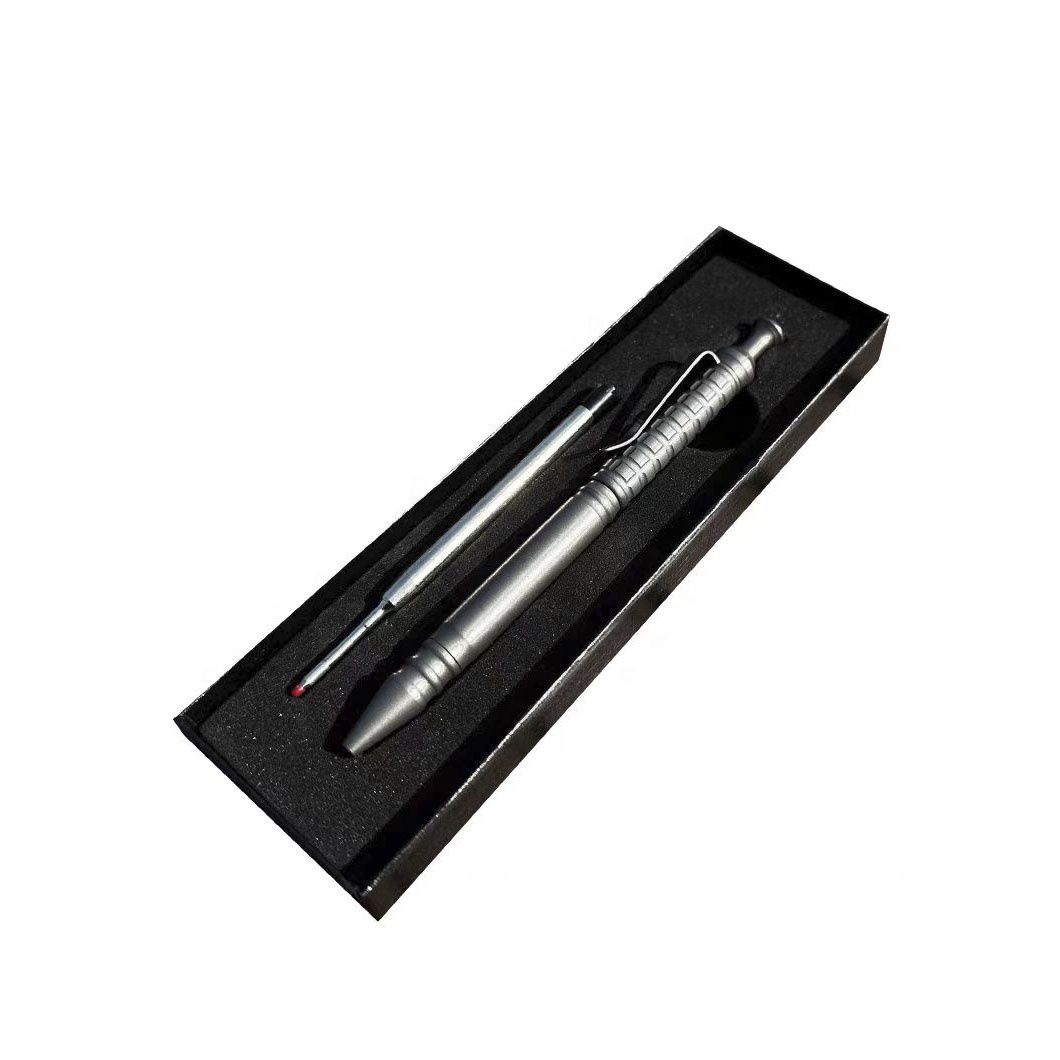
Cnc Machining Wire EDM Bolt Titanium Alloy Tactical Pen
Explore Product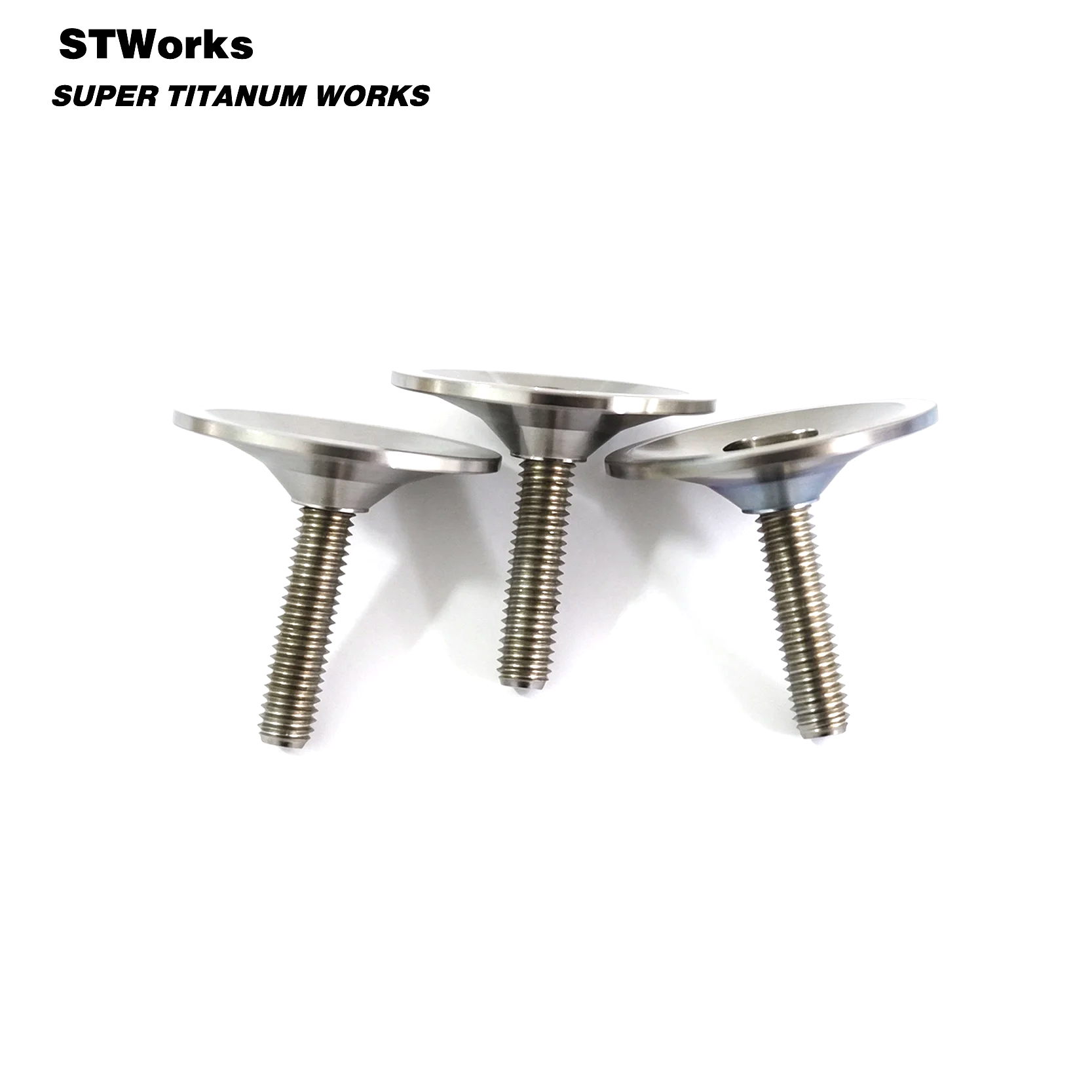
Titanium Bicycle Headset Top Cap CNC Machined Grade 5 Ti
Explore Product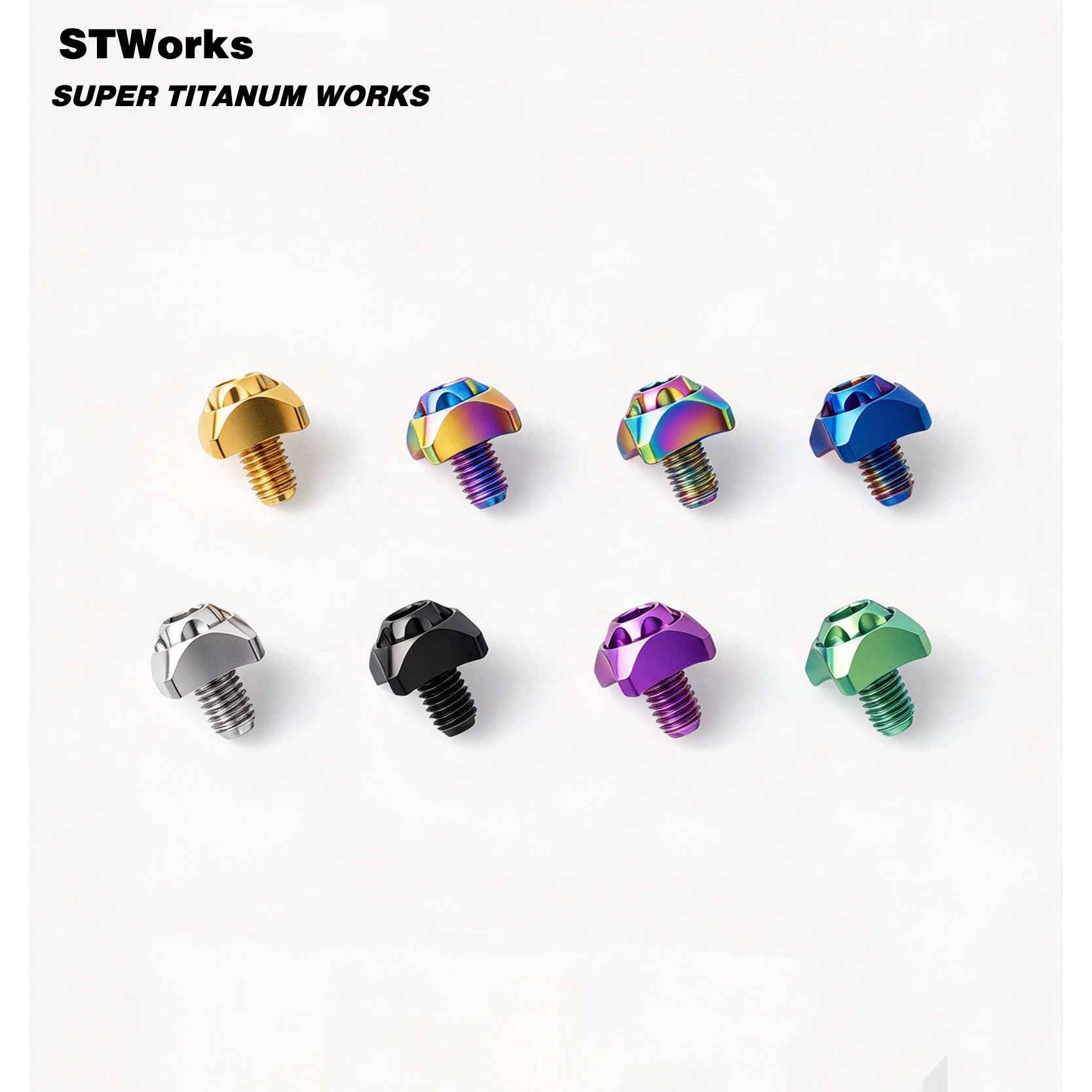
Titanium Screw & Shim Set for Shimano SRAM Derailleur
Explore Product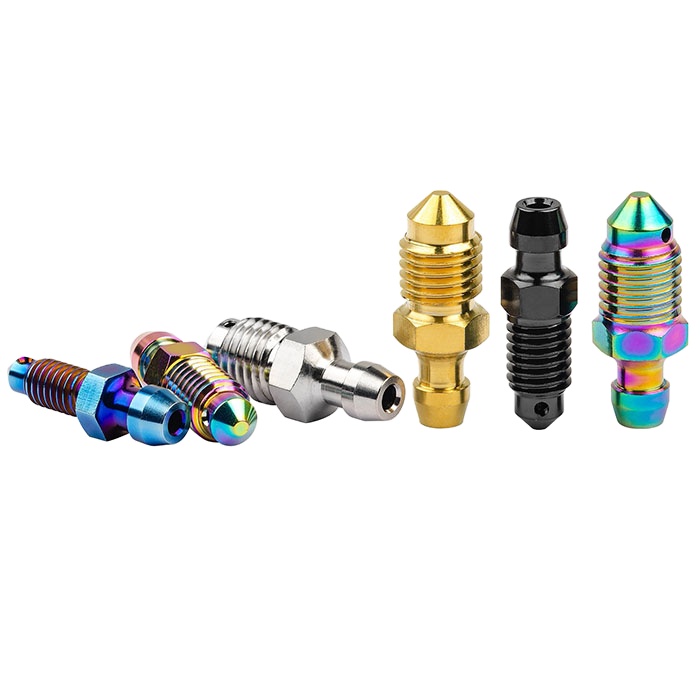
M10 Titanium GR5 Bolt Bleed Nipple Motorcycle Oil Screws
Explore Product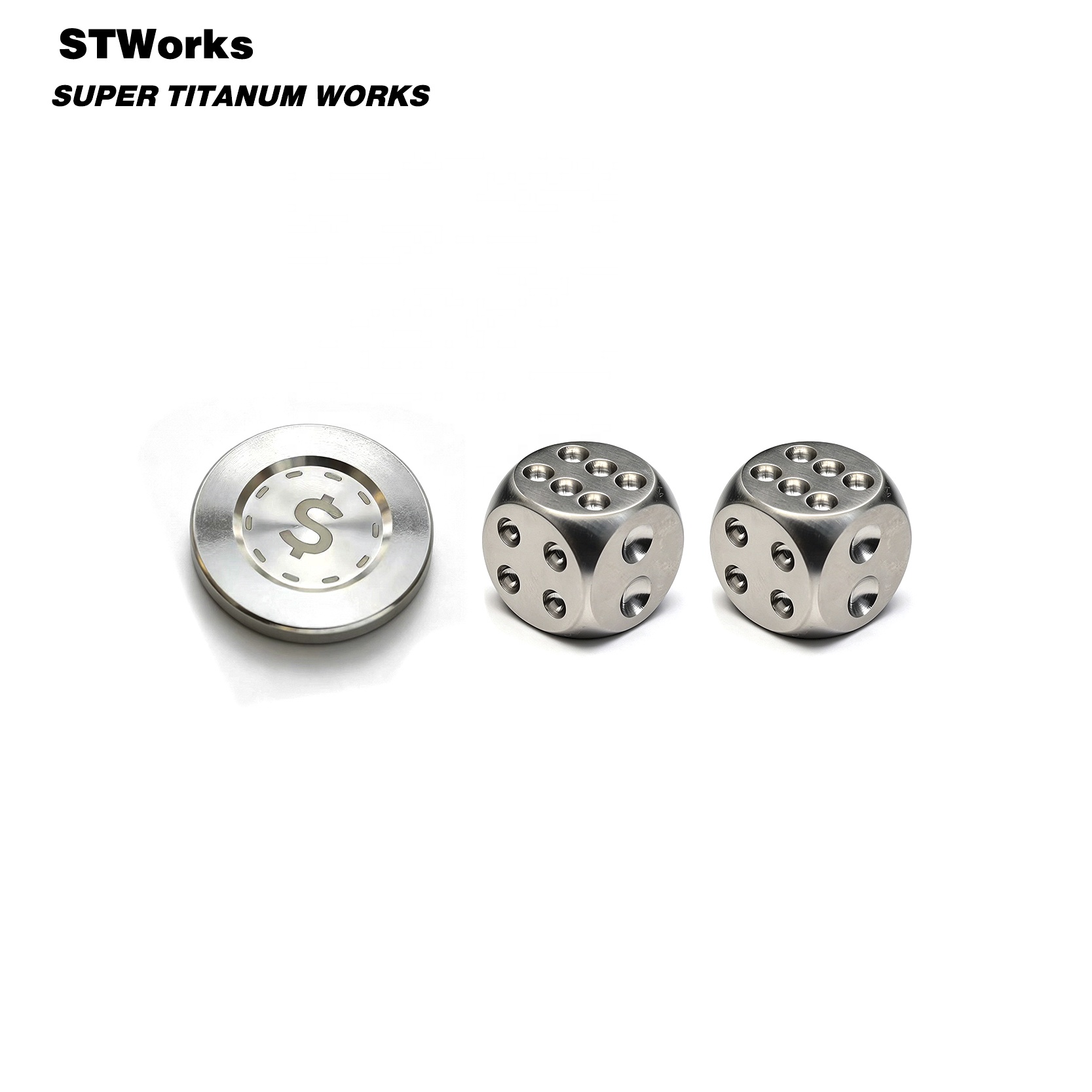
Custom-Made Titanium Alloy EDC Commemorative Coins & Dice
Explore Product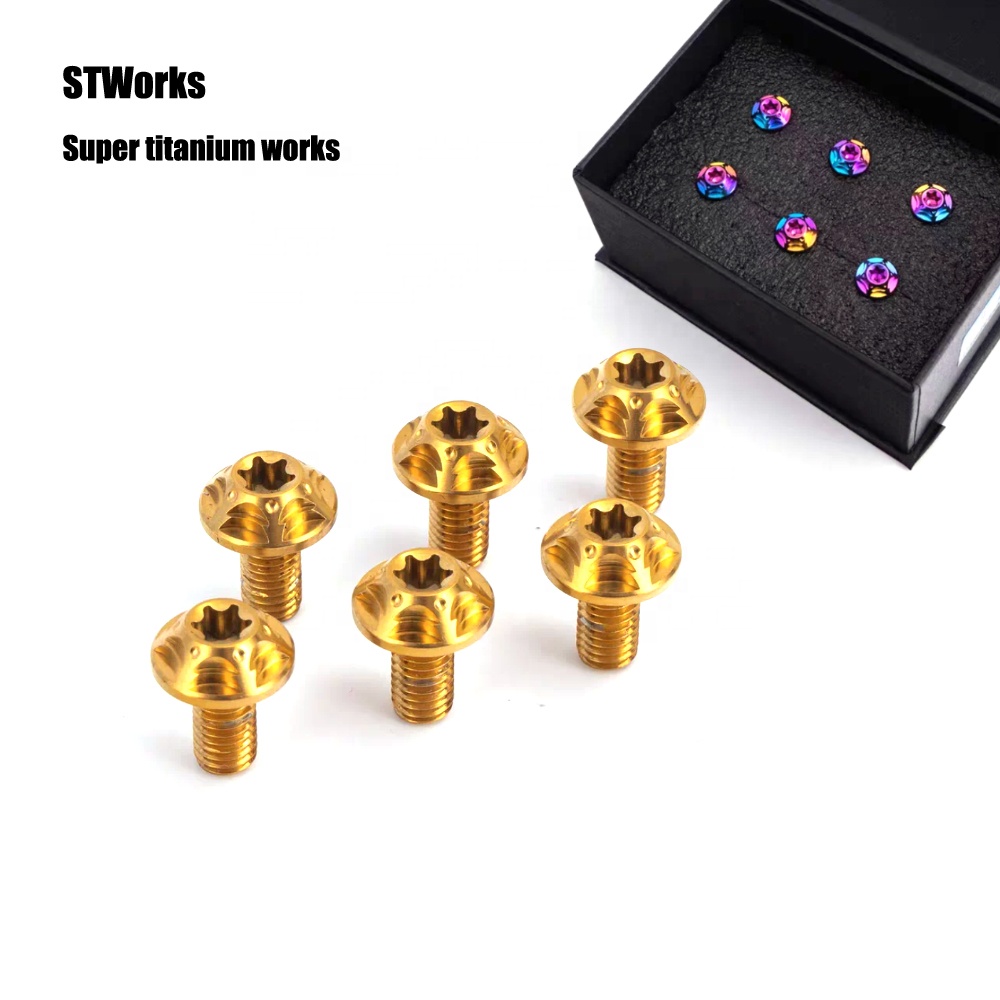
Rainbow Color Torx Pan Head Gr5 Titanium Rotor Screws
Explore Product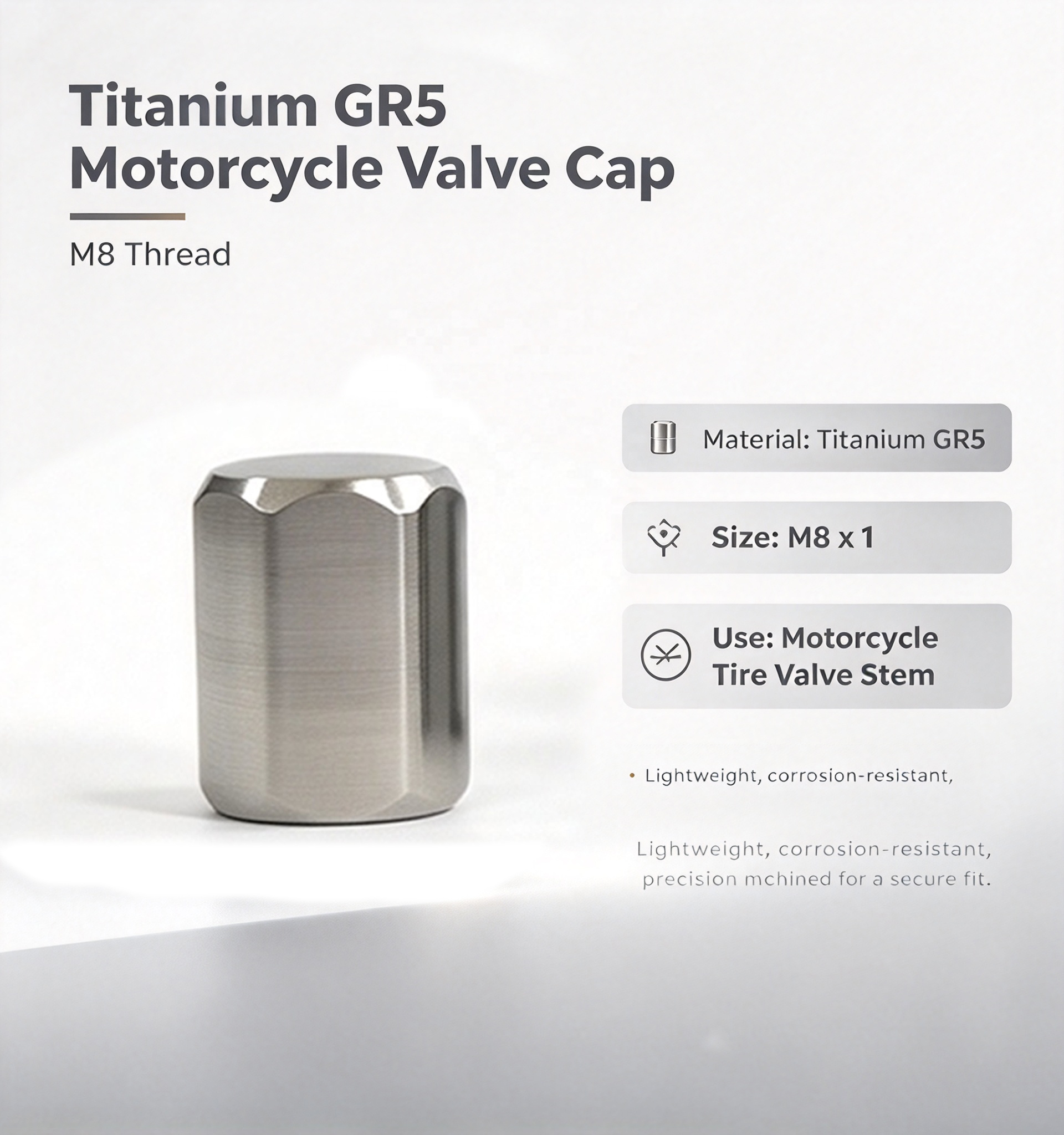
Custom Logo CNC Titanium Alloy Gr5 M8 Tire Valve Stem
Explore Product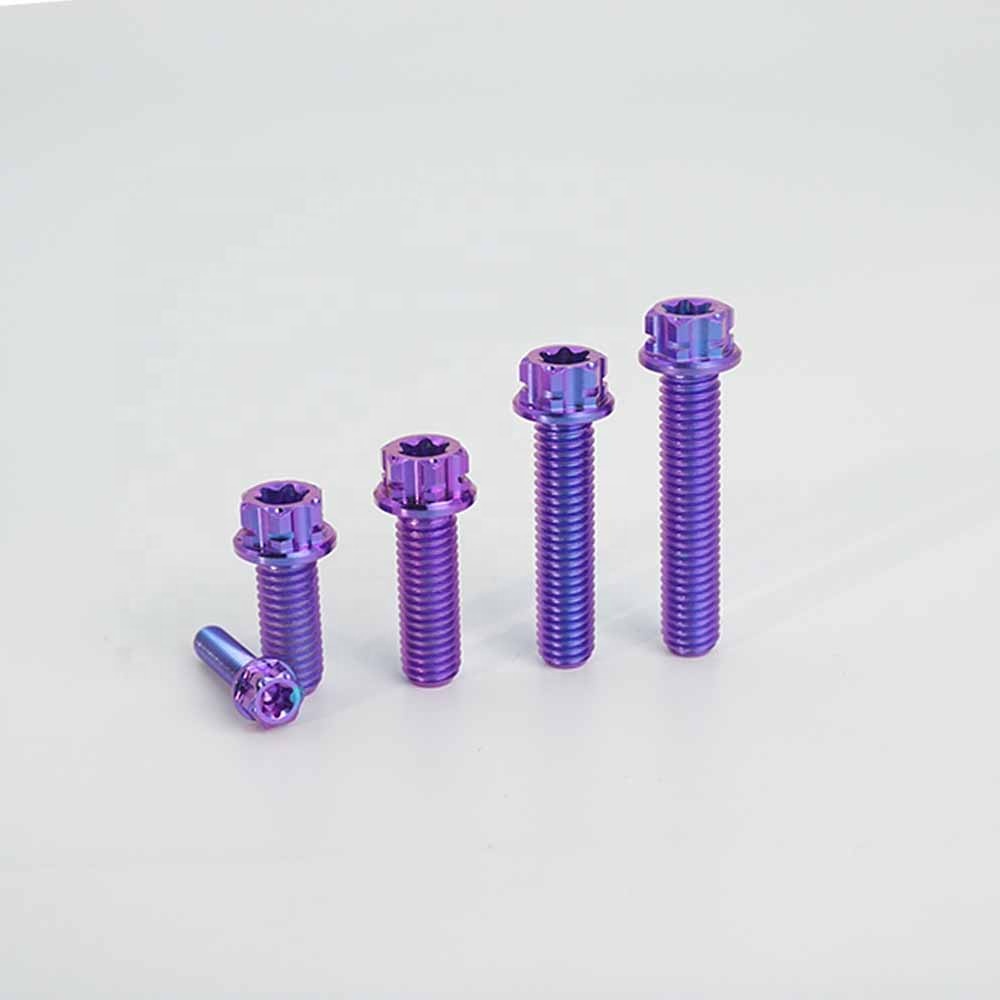
Gr5 Titanium Bolts M6x40 M6X10 M8x30 Torx Flange Bolts
Explore ProductThe Mechanics of High-Performance Titanium Tapered & Conical Washers
An authoritative operational evaluation of Grade 5 (Ti-6Al-4V) conical contact discs, DIN 6796 Belleville shims, countersunk cup washers, and angular misalignment shims under heavy cyclic fatigue.
In safety-critical mechanical assemblies—ranging from Formula racing suspension linkages and high-vibration aerospace control surfaces to subsea oilhead wellheads and precision composite bicycle front derailleurs—threaded fastener integrity is constantly under siege. Fastener assemblies rarely fail due to insufficient static tensile load; rather, they suffer from vibrational self-loosening, embedment relaxation, and differential thermal expansion mismatch. Here enters the engineered tapered washer: a mathematically contoured conical or angled disc that acts as a stiff mechanical spring to store dynamic preload elastic potential.
While traditional spring steel (e.g., 50CrV4 or 1075 carbon steel) and 300-series stainless steel washers have historically dominated general industry, their physical limitations become glaring in extreme environments. Hardened carbon steel is catastrophically prone to hydrogen embrittlement and galvanic pitting, while austenitic stainless steels exhibit rapid yield point collapse and a propensity toward micro-fretting galling under severe torque. As world-class aerospace and tier-1 motorsport sectors push for unprecedented strength-to-weight metrics, Grade 5 Titanium (Ti-6Al-4V, Werkstoff 3.7165, UNS R56400) tapered washers have transitioned from an exotic alternative to the global industry benchmark.
Low Modulus, High Elastic Travel
With an elastic modulus of ~114 GPa—almost exactly half that of alloy steel (~210 GPa)—Grade 5 titanium provides twice the elastic deflection distance ($\delta$) for an identical conical profile, providing an exceptional buffer against embedment and thermal bolt shrinkage.
Impervious to Salt & Galvanic Attack
Titanium forms a self-healing native titanium dioxide (TiO₂) ceramic passive layer instantly upon exposure to oxygen. In salt-spray testing, Ti-6Al-4V survives 5,000+ hours with zero pitting, and matches the galvanic potential of carbon-fiber composites (CFRP) flawlessly.
Rotational Mass & Weight Optimization
Boasting a light density of 4.43 g/cm³ compared to steel's 7.85 g/cm³, titanium conical shims cut tare mass by 44%. In rotating or reciprocating motorsport assemblies—such as brake rotor mounts and clutch plates—reducing rotating inertia delivers immediate thermodynamic and acceleration gains.
1. Precision Geometrical Classifications of Titanium Tapered Washers
In precision manufacturing, "tapered washer" encompasses three distinct engineering geometries, each designed to solve a specific physics challenge within a bolted joint:
A. Conical Spring Washers (Belleville / Heavy-Duty DIN 6796): These disc springs feature a precisely machined frustum-of-a-cone geometry. Under tightening, the cone flattens elastically, sustaining a continuous axial clamp load even if bolt stretch shifts due to thermal gradients (such as exhaust manifold cycles or cryogenic fuel delivery). Our CNC-turned DIN 6796 Ti washers avoid the micro-cracking common in stamped sheet metal parts by preserving axial grain alignment during machining.
B. Countersunk Finishing / Load-Distributing Cup Washers: Engineered with a continuous $90^\circ$ or $100^\circ$ internal bevel, these CNC-machined Grade 5 cup washers pair directly with flat-head countersunk Torx or socket screws. They prevent localized stress concentrations in thin sheet structures, carbon fiber fairings, and plastics by distributing the fastener head's wedging forces over a significantly enlarged surface area.
C. Spherical Tapered Alignment Pairs (DIN 6319 Type C / D): Used where non-parallel mating surfaces cause bending stress in bolt shanks. A concave spherical base pairs with a convex conical seat, compensating for angular misalignment up to $3^\circ$ to $5^\circ$. By keeping the bolt in pure axial tension, these washers eliminate the catastrophic bending fatigue responsible for shear fractures.
| Engineering Property | Grade 5 Titanium (Ti-6Al-4V) | Grade 2 CP Titanium | 316L Marine Stainless | 50CrV4 Spring Steel |
|---|---|---|---|---|
| Density (g/cm³) | 4.43 (Ultralight) | 4.51 | 7.98 | 7.85 |
| Tensile Yield Strength ($R_{p0.2}$ MPa) | ≥ 828 - 910 | ≥ 275 - 345 | ≥ 220 - 290 | ≥ 1,300 (Brittle) |
| Modulus of Elasticity ($E$ GPa) | 114 (Superior Spring Deflection) | 103 | 193 | 210 |
| Hydrogen Embrittlement Risk | Zero (Immune) | Zero | Very Low | High (Catastrophic Risk) |
| CFRP Galvanic Compatibility | Exceptional (Noble Matching) | Exceptional | Moderate (Risk of Crevice) | Severe Galvanic Corrosion |
| Continuous Temperature Envelope | -210°C to +420°C | Up to +300°C | Up to +400°C | Up to +200°C |
2. Advanced Manufacturing Ecosystem: The Velnora Titanium Advantage
Velnora Titanium Industry Co., Ltd., situated in the East Zone, 1st Floor, Building 2, Precision Manufacturing Park, Jinhe Industrial Park, Baoji, Shaanxi, China—the world-renowned epicenter known as "China's Titanium Valley"—has engineered and exported titanium fasteners, CNC turned parts, and precision washers since 2013. Drawing direct access to sponge titanium smelting clusters and vacuum arc remelting (VAR) infrastructure, our supply chain guarantees 100% metallurgical traceability from raw vacuum-annealed ingot to final export crate.
Unlike standard fastener stamping houses that rely on punch presses—which leave micro-fissures and residual shear strain along the critical inner hole circumference—Velnora crafts titanium tapered and conical washers utilizing high-precision 5-axis Swiss-type CNC lathe turning centers and slow-feeding wire EDM. Every washer undergoes precise single-point chamfering, face-milling, and reaming. This eliminates circumferential tool marks and micro-notches, raising high-cycle dynamic fatigue thresholds past $1 \times 10^7$ cycles without plastic settlement.
Micrometric Quality Control
Our metrology laboratory uses digital optical profile projectors, Zeiss coordinate measuring machines (CMM), and Mitutoyo surface roughness testers. Outer diameter, inner clearance, and conical angle tolerances are held to strict ±0.02 mm / ±0.15° standards.
Electrolytic Color Anodizing & PVD
We provide voltage-controlled micro-arc oxide coloration (burnt rainbow, electric blue, imperial gold, purple, and stealth black PVD coating). Our coatings deposit no organic dyes, keep total weight at zero delta, and resist oil, fuels, and UV radiation.
Video-Verified Supply Chain Traceability
Prior to dispatch, every custom batch includes high-definition production videos, spectrometer chemical composition analyses, and tensile test certifications (EN 10204 3.1). You review your actual parts running on our machines before packing.
3. Future Procurement & Technological Trends in Titanium Fastener Hardware
As industry supply chains align with automated Industry 4.0 assembly paradigms, the procurement of titanium tapered washers is experiencing five decisive structural evolutions:
1. Shift Toward SEMS Integrated Captive Washer Assemblies: Modern robotic assembly lines in hypercar and e-VTOL (electric vertical takeoff and landing) aircraft manufacturing reject two-piece bolt-and-washer handling. The market is transitioning toward SEMS architecture, where a titanium tapered washer is installed before thread rolling, keeping it captive yet free-spinning on the shank. This guarantees automated torque tools never miss an essential conical Belleville disc.
2. Anti-Galling Solid Film Lubrication (DLC & MoS₂ Impregnation): Uncoated titanium-on-titanium mating faces suffer from microscopic cold welding (galling) under high preloads. Procurement contracts are shifting toward factory-applied Diamond-Like Carbon (DLC) and molybdenum disulfide (MoS₂) dry coatings. These stabilize the torque-tension friction coefficient ($\mu = 0.10 - 0.14$), eliminating messy wet anti-seize pastes on clean racing and aerospace production lines.
3. Closed-Loop Green Titanium Sourcing & EBCHR Remelting: European and North American buyers are enforcing ESG compliance on raw metallurgy. Sourcing is migrating rapidly toward Electron Beam Cold Hearth Remelting (EBCHR), which utilizes 100% recycled aerospace scrap turnings. This lowers the component's embodied carbon by over 60% compared to traditional Kroll-processed titanium sponge.
The Engineering Frontier: Finite Element Non-Linear Conical Geometries
Traditional flat Bellevilles exhibit a linear force-displacement spring curve up to roughly 75% flattening. Next-generation aerospace Bellevilles engineered by Velnora feature non-linear, mathematically parabolic taper profiles developed through FEA stress mapping. This provides a regressive spring rate: clamp force stays almost perfectly constant even when dynamic expansion shifts washer deflection over a wide thermal window.
Frequently Asked Questions on Titanium Tapered Washers
Direct answers to the structural, metallurgical, and supply chain questions asked by B2B mechanical engineers and procurement heads.