High-Integrity Titanium Fastener & Component Recommendations
Direct from Baoji, China's Titanium Valley. Explore our top 8 precision-machined Grade 5 (Ti-6Al-4V) bolts and structural titanium components engineered to withstand extreme rotational shock loads and corrosive environments.
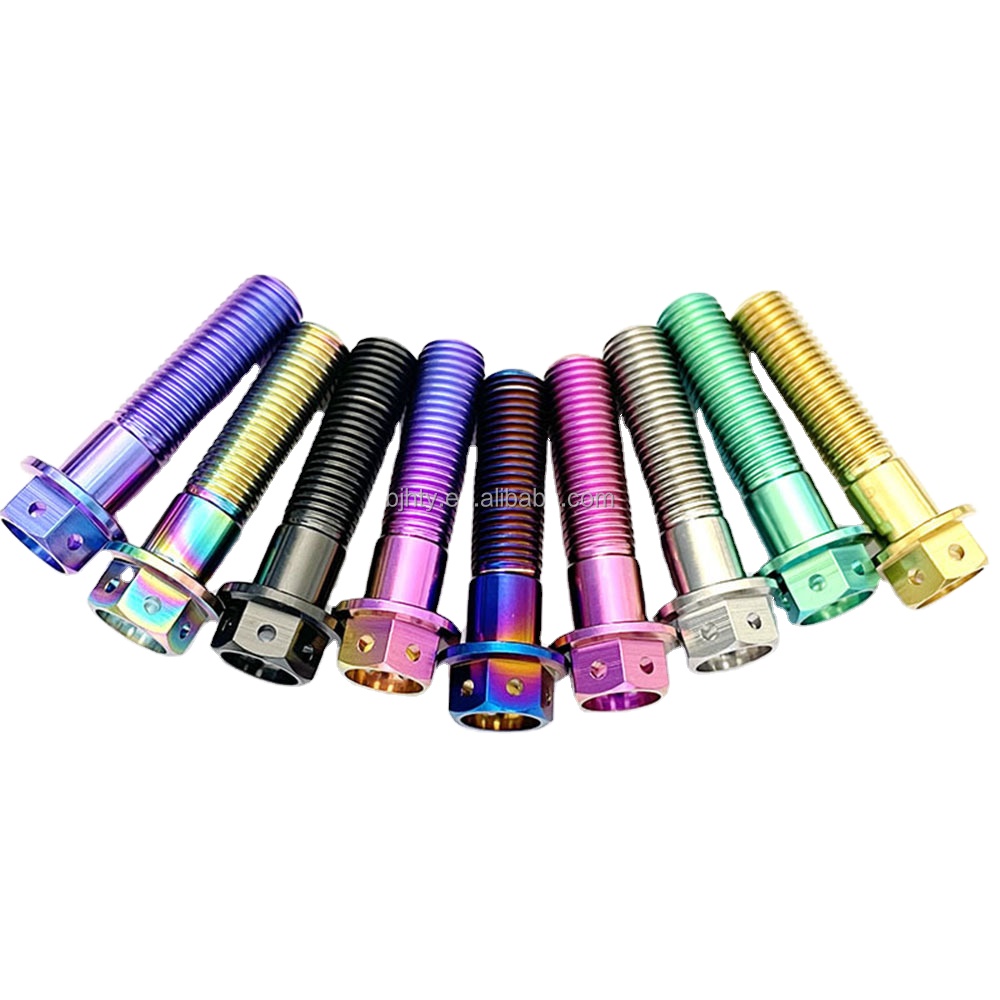
Titanium Alloy Double Drive Head Flanged Hex Bolts for Motorcycle
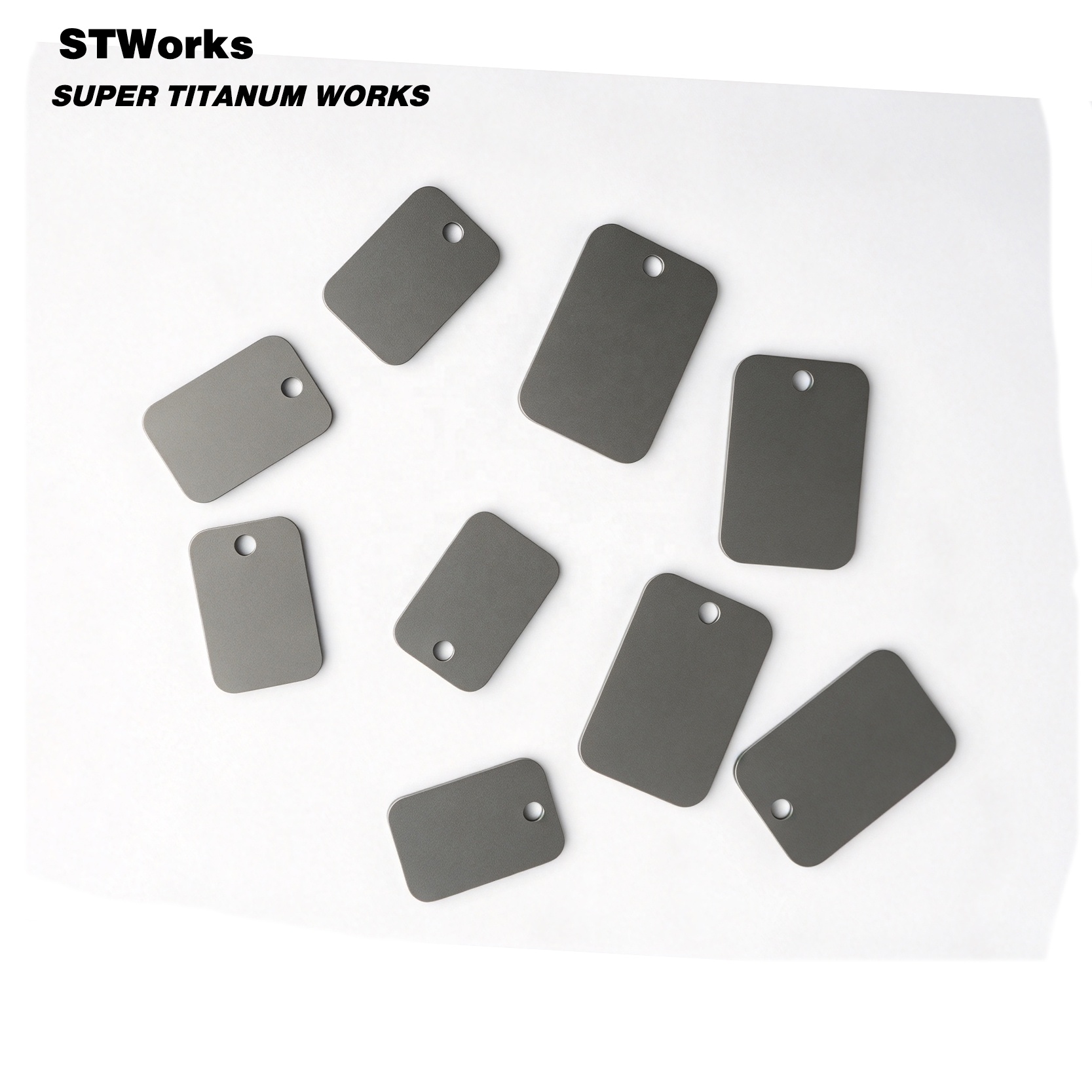
Custom Grade 5 Titanium Plate Tag Sandblasted Free Laser Engraved
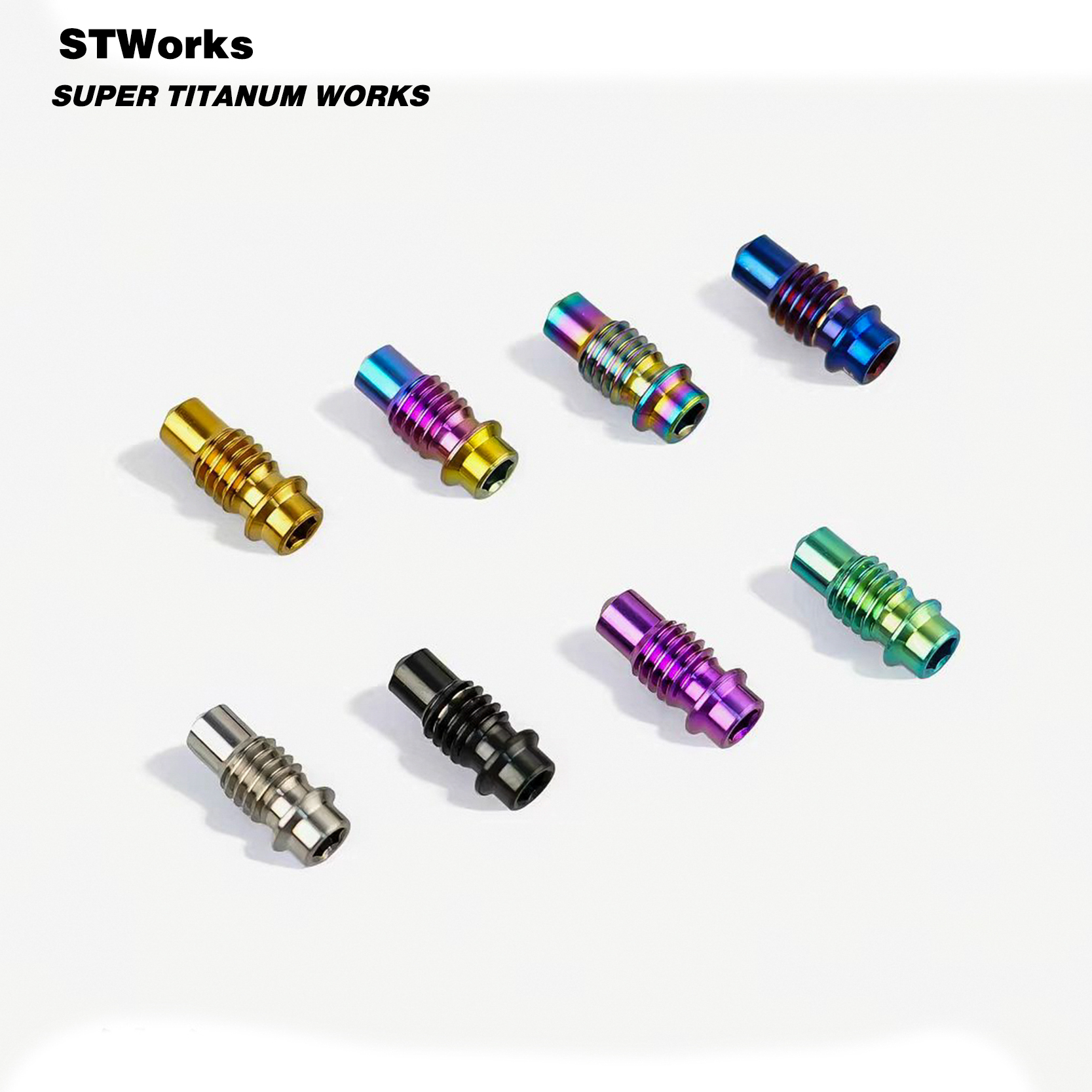
TC4 Titanium Caliper Bleed Port Screw for Shimano Road Disc
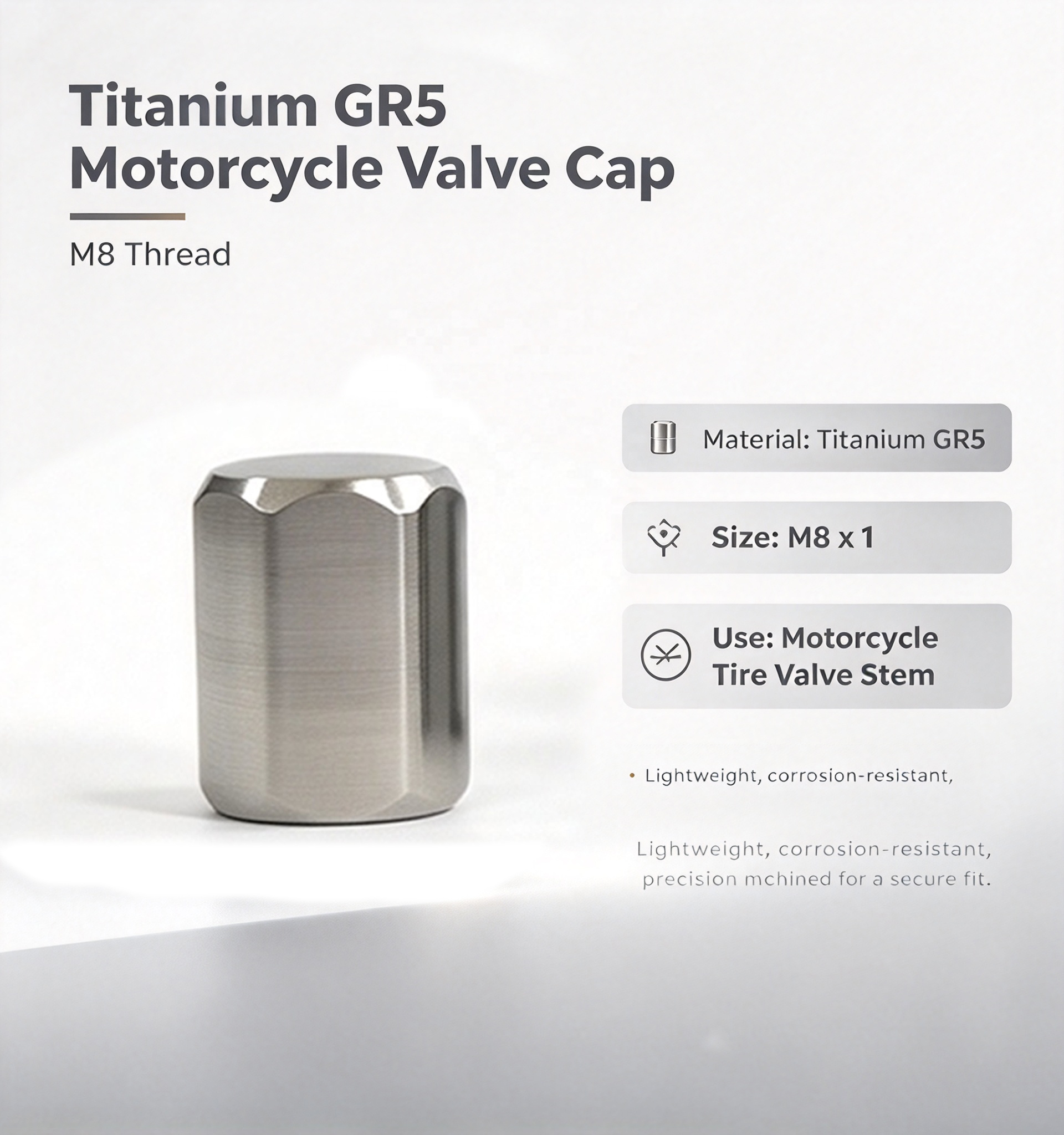
Custom Logo CNC Titanium Alloy Gr5 M8 Auto Bike Tire Valve Stem
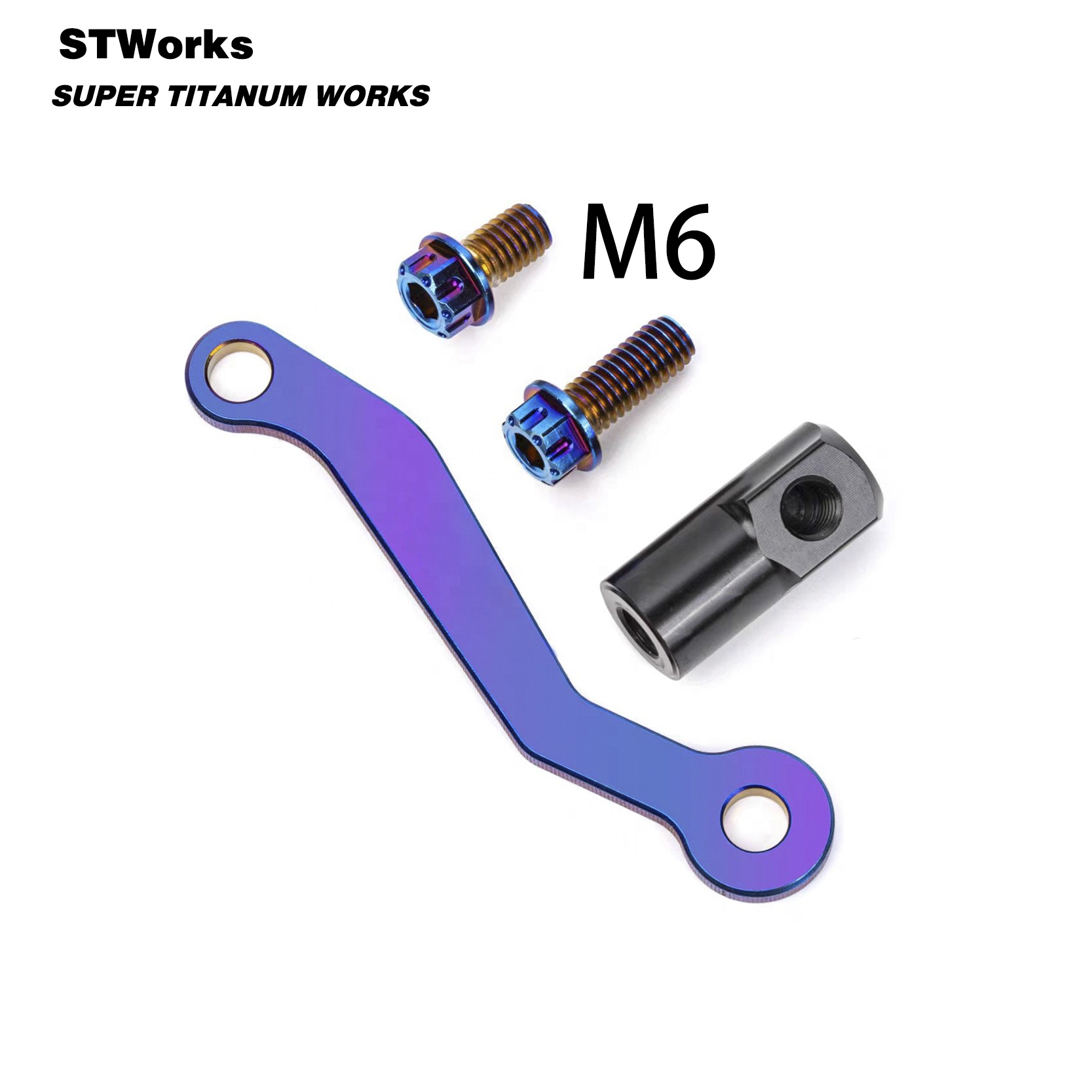
Gr5 TC4 Titanium Brake Fluid Reservoir Mount Bracket
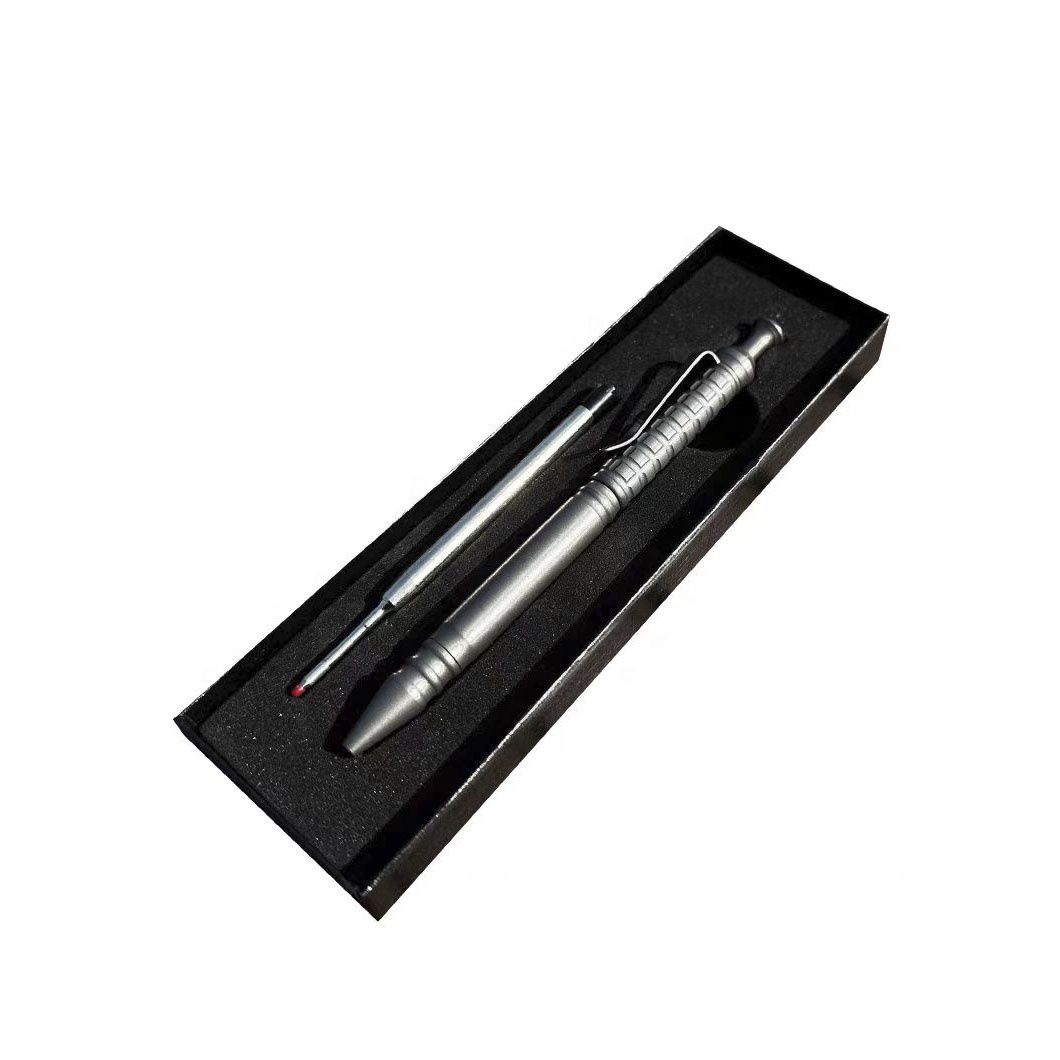
CNC Machining Wire EDM Multifunctional Bolt Titanium Tactical Pen
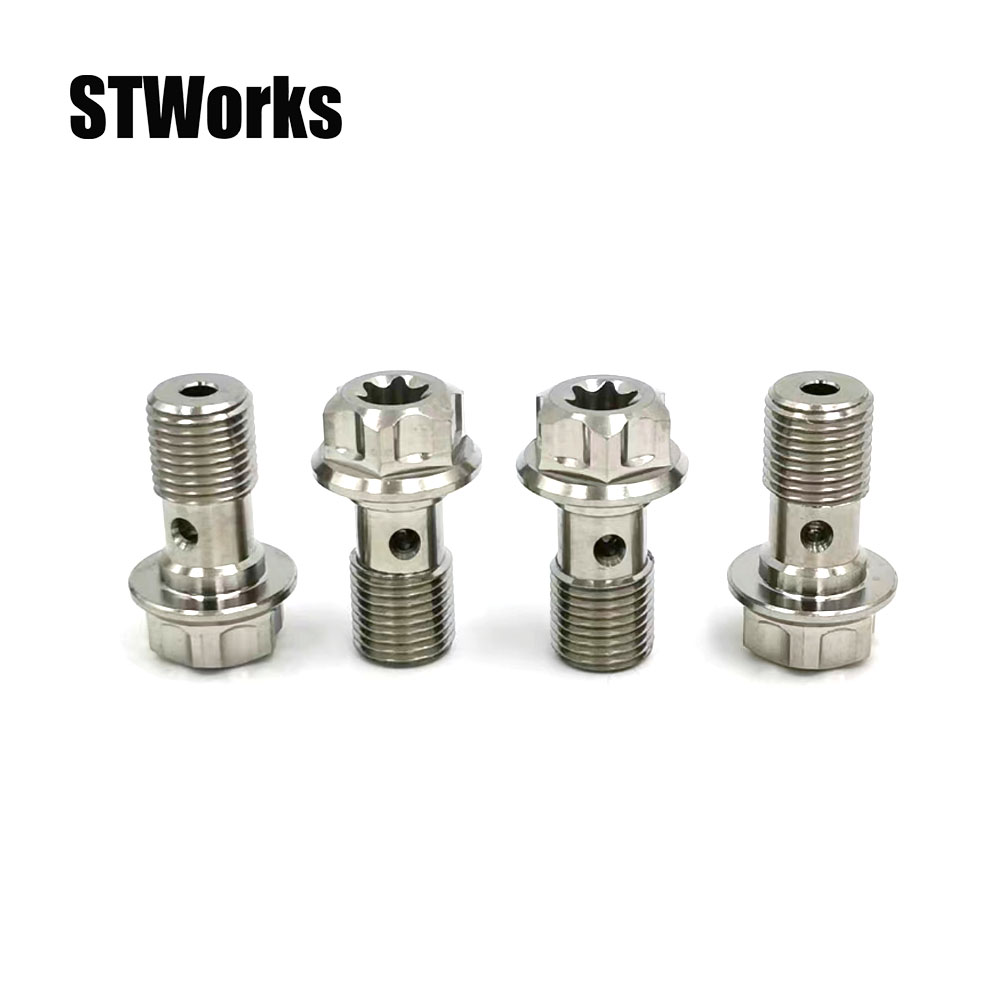
Gr5 Titanium Motorcycle Banjo Bolts Hexagonal Head M10
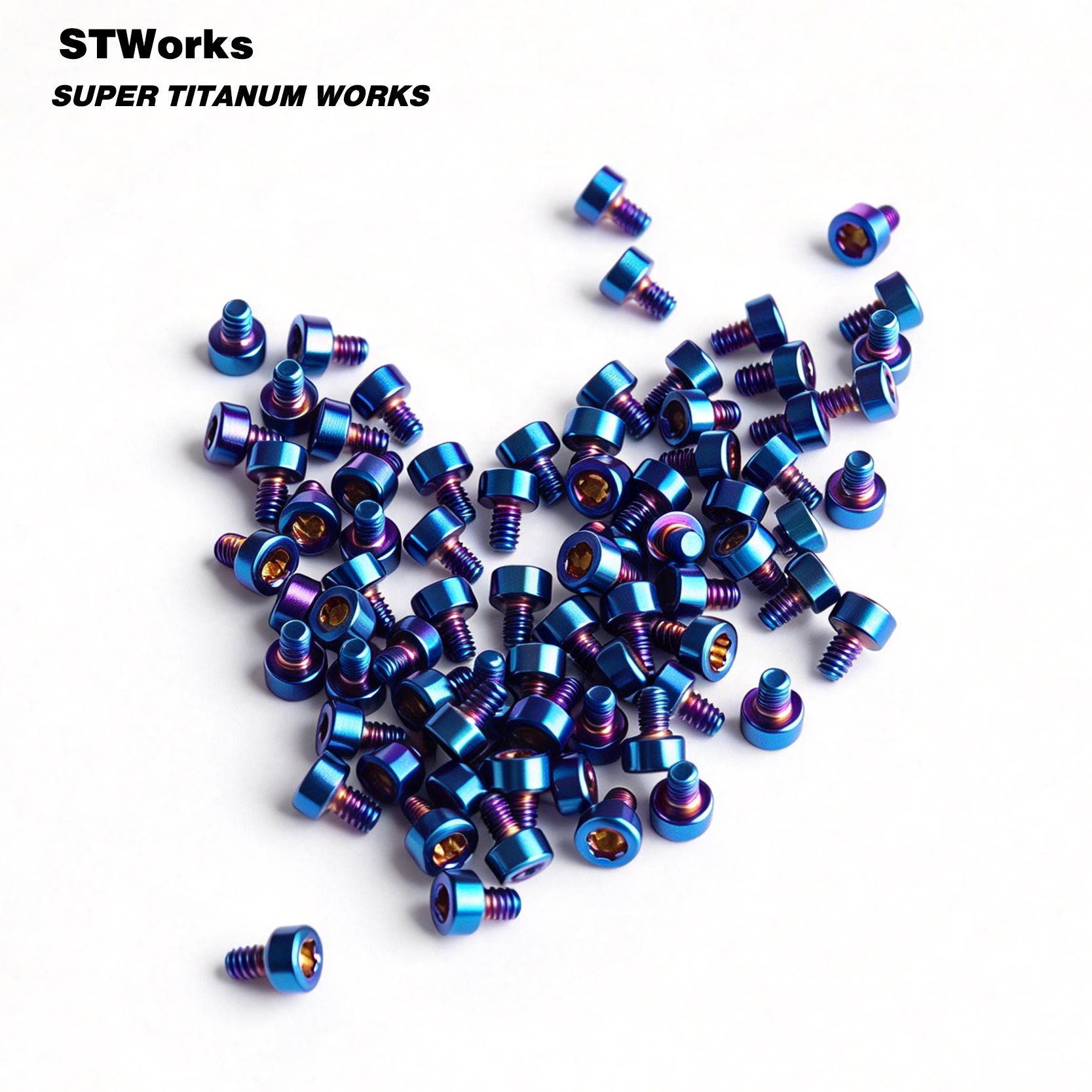
Customized Titanium Screws Mini Screws M2 M2.5 Cylinder Head Bolt
The Severe Shear & Rotational Physics of Final Drive Sprocket Fasteners
Motorcycle rear sprocket bolts occupy one of the most mechanically demanding environments in vehicle dynamics. Unlike stationary structural fasteners subjected purely to static tensile clamping preloads, sprocket mounting hardware operates in a state of continuous, severe cyclic combined loading: alternating shear stress, high-frequency torsional shock waves from clutch engagement, and dynamic radial forces generated by the chain drive.
Every time a high-displacement superbike or off-road motocross machine accelerates, instantaneous engine torque is transmitted from the countershaft through the final drive chain directly onto the sprocket teeth. This induces an immediate tangential shear load across the bolt shank interface between the sprocket and the wheel hub. When downshifting or applying regenerative engine braking, the stress vectors reverse instantly, creating alternating stress cycles that rapidly induce fatigue micro-cracking in substandard hardware.
- Elimination of Rotational Inertia: Grade 5 titanium boasts a density of 4.43 g/cm³—roughly 44% lighter than 8.8 and 10.9 structural steels (7.85 g/cm³)—dramatically cutting gyroscopic unsprung rotational mass at the rear axle.
- Elastic Modulus Damping: With an elastic modulus of ~114 GPa (compared to 205 GPa for steel), Ti-6Al-4V possesses superior compliance that absorbs mechanical peak impacts without transferring brittle shock waves into the wheel hub bearings.
- Complete Galvanic Inertness: Eliminates galvanic pitting and seizure when fastened against lightweight forged aluminum or magnesium sprocket carriers in wet, muddy, or salted racing environments.

Engineering Property Validation: Ti-6Al-4V vs. Industrial Alloys
A data-backed comparative assessment illustrating why leading motorsport racing teams and tier-1 OEM manufacturers prioritize certified Grade 5 titanium over conventional carbon steels and aluminum alloys.
| Mechanical Property | Grade 5 Titanium (Ti-6Al-4V / TC4) | Class 10.9 Alloy Steel | Class 8.8 Medium Carbon Steel | 7075-T6 Aerospace Aluminum | 316 Marine Stainless Steel |
|---|---|---|---|---|---|
| Density (g/cm³) | 4.43 | 7.85 | 7.80 | 2.81 | 8.00 |
| Tensile Strength, Ultimate (MPa) | 950 – 1050 | 1040 | 800 | 572 | 580 |
| Yield Strength (0.2% Offset, MPa) | 880 – 920 | 940 | 640 | 503 | 290 |
| Strength-to-Weight Ratio (kN·m/kg) | 214 – 237 | 132 | 102 | 203 | 72 |
| Modulus of Elasticity (GPa) | 114 | 205 | 200 | 71.7 | 193 |
| Fatigue Endurance Limit (10⁷ Cycles, MPa) | 510 | 490 | 380 | 160 | 240 |
| Chloride Pitting Resistance | Immune (Forms TiO₂ Passive Layer) | Poor (Rapid Oxidation) | Poor (Requires Plating) | Susceptible to Exfoliation | Moderate (Crevice Attack) |
Manufacturing Disciplines of Trusted Titanium Sprocket Bolt Factories
Fastener integrity is not solely determined by raw material chemistry; precision CNC turning, thread cold-forming metallurgy, and coaxial broaching are critical to prevent catastrophic mechanical fracture.
Cold-Rolled Threads vs. Cut Threads
Premier factories strictly employ high-pressure cold thread rolling rather than single-point CNC cutting. Cut threads sever the internal metallic grain flow lines of the Ti-6Al-4V bar stock, creating microscopic stress risers at the root apex. In contrast, cold rolling plastically deforms the alloy between high-precision circular rolling dies, compressing the atomic lattice and establishing continuous, burnished grain boundaries that boost fatigue life by more than 35%.
Double-Drive Head Geometry
Modern sprocket bolts feature a hybrid external hex flange combined with an internal Torx (Star) or deep hex recess. This provides motorsport mechanics with dual-tool redundancy during high-pressure pit lane tire swaps. Furthermore, the broad-diameter integrated flange distributes clamping pressure evenly over the sprocket mounting slots, eliminating the need for separate washers while preventing flange dishing under 45–55 Nm torque limits.
Pre-Drilled Safety Wire Ports
For FIM, AMA, and MotoAmerica homologation compliance, rear sprocket fasteners must be mechanically secured. Elite manufacturers cross-drill 1.5mm holes through each flat of the hexagonal head via precision CNC indexing. These burr-free chamfered holes allow rapid application of stainless steel or titanium safety lock-wire, ensuring zero risk of fastener backing under sustained extreme chassis vibration.
Rooted in Baoji: The Heart of China's Titanium Valley
Founded in 2013, Velnora Titanium Industry Co., Ltd. operates in the Precision Manufacturing Park of Baoji, Shaanxi—a world-renowned industrial cluster that accounts for over 60% of China's titanium refining and advanced metal processing. Being situated at the epicenter of the global titanium supply chain provides unprecedented raw material traceability, advanced smelting access, and state-of-the-art metallurgical testing facilities.
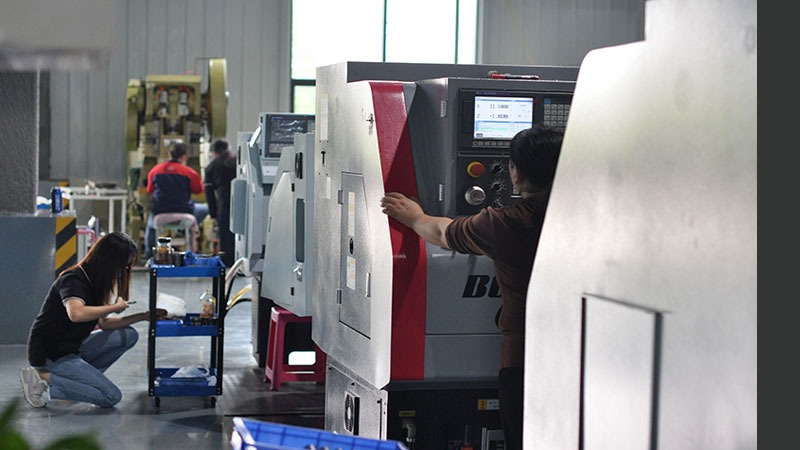
We do not broker products. Every fastener, banjo bolt, and structural bracket is programmed, turned, and inspected in-house on high-precision multi-axis Swiss CNC lathes and wire EDM machinery. Adhering to DIN, ANSI, and JIS dimensional standards, our factory bridges the gap between boutique motorsport racing demands and high-volume OEM supply chain reliability.
Future Procurement & Technology Trends in Titanium Fasteners (2025–2030)
Market intelligence for global procurement managers, distributor brand directors, and racing engineers navigating the evolving landscape of performance hardware.
1. Instant Torque Demands in High-Performance E-Motorcycles
The rapid expansion of high-voltage electric superbikes and e-motocross platforms delivers full torque instantly from zero RPM. This sudden torque delivery produces sharp shear impulses that exceed conventional internal combustion engine profiles. Sourcing trends show that tier-1 electric powertrain builders are systematically phasing out standard class 8.8 bolts in favor of Grade 5 titanium sprocket hardware with stress-relieved root radiuses to combat low-cycle torsional fatigue.
2. Nano-Layered PVD & Anti-Galling Surface Coatings
Thread galling has historically been the primary friction challenge when installing titanium fasteners into metallic hubs. Procurement is rapidly shifting toward pre-applied Physical Vapor Deposition (PVD) coatings—specifically Diamond-Like Carbon (DLC) and Titanium Carbo-Nitride (TiCN). These nanostructured thin films provide an ultra-hard surface finish (2500–3500 HV) with an exceptionally low coefficient of friction (µ < 0.15), eliminating the need for messy anti-seize paste while preserving repeatable torque-tension clamp relationships.
3. Digital QA & In-Process Video Traceability
Global supply chain executives now demand deeper verifiable transparency to mitigate counterfeit alloys. The procurement standard of 2025 emphasizes live factory auditing: optical sorting with automated vision measuring machines (checking pitch diameter, runout, and flank angle within ±0.005mm) alongside real-time production video dispatches and EN 10204 3.1 chemical/tensile mill test verification before cargo departure.
4. Holistic Life-Cycle Sourcing (TCO vs. Purchase Price)
Professional aftermarket brands are shifting their calculations from initial piece-part acquisition cost to Total Cost of Ownership (TCO). While Grade 5 titanium carries a higher upfront raw material cost than steel, its indefinite fatigue lifespan, immunity to road salt oxidation, and complete elimination of snapped bolt extractions provide immense value-add, drastically reducing warranty claims and elevating brand reputation.
Frequently Asked Questions on Titanium Sprocket Fastener Procurement
Comprehensive engineering insights directly from our metallurgical shop floor to assist technical buyers and mechanics during hardware specification.
Why is Grade 5 (Ti-6Al-4V) mandatory for sprocket bolts rather than commercially pure Grade 2 titanium?
Can a Grade 5 titanium sprocket bolt directly replace an OEM Grade 10.9 factory steel bolt?
What is thread galling (cold welding), and how does Velnora prevent it on titanium threads?
How does the tightening torque change when installing titanium sprocket bolts with anti-seize compound?
Does galvanic corrosion occur between titanium sprocket bolts and aluminum wheel hubs?
What fastener standards and custom OEM drawing formats do you support?
What is the standard Minimum Order Quantity (MOQ) and sample lead time?
How are anodized colors created on titanium, and does color anodizing impact bolt strength?
Request a Technical Drawing Review & Factory Quote
Send our Baoji machining center your required thread pitch, shank length, drive geometry, or custom CAD files. Receive an engineer-reviewed manufacturing feasibility assessment and wholesale quotation within 4 hours.