Brake Hardware
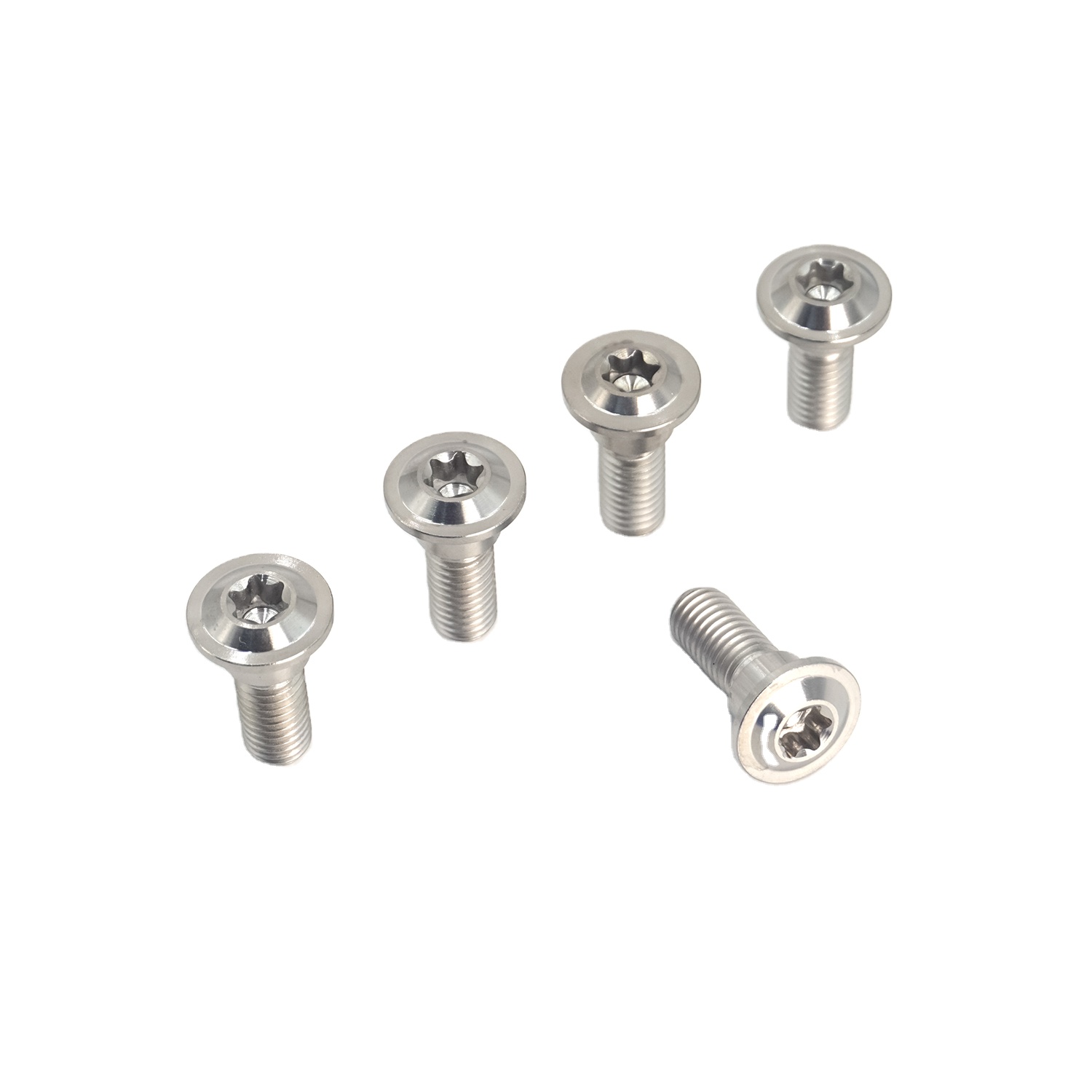
OEM CNC Machining Gr5 Titanium Disc Brake M8x23 Screws
- Material: Ti-6Al-4V (Grade 5)
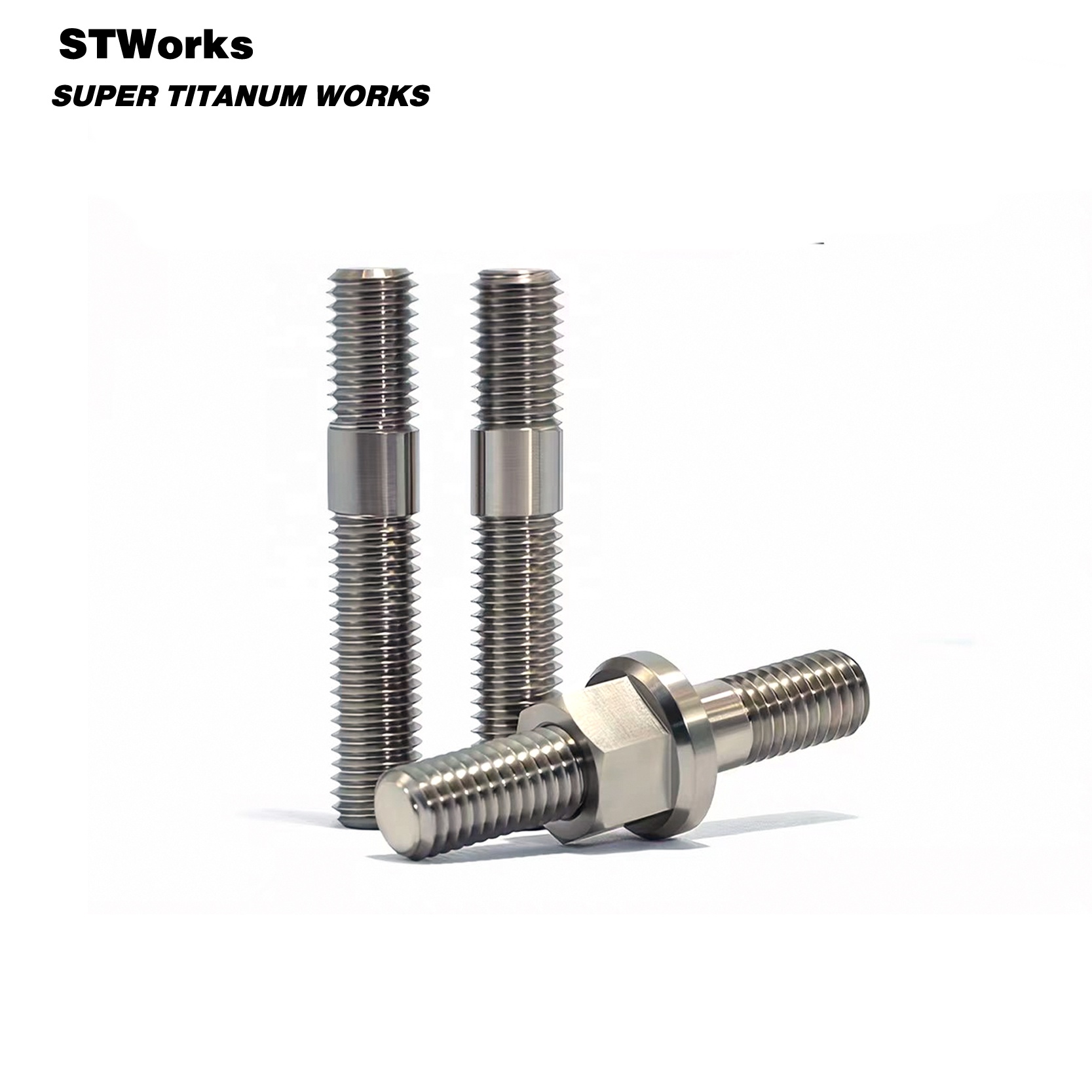
- Thread Process: Form-Rolled Class 6g
- Application: Motorcycle Braking Disc
Explore our premier production catalog engineered from certified Grade 5 (Ti-6Al-4V) aerospace bar stock and pure titanium. Each component undergoes strict thread-rolling, CNC multi-axis contouring, micro-deburring, and spectral material verification.
Headquartered in Baoji, Shaanxi—globally recognized as "China's Titanium Valley"—Velnora Titanium Industry integrates primary smelting ingot access, multi-pass cold drawing, aerospace thread rolling, and Japanese precision CNC centers under one strict quality audit protocol.
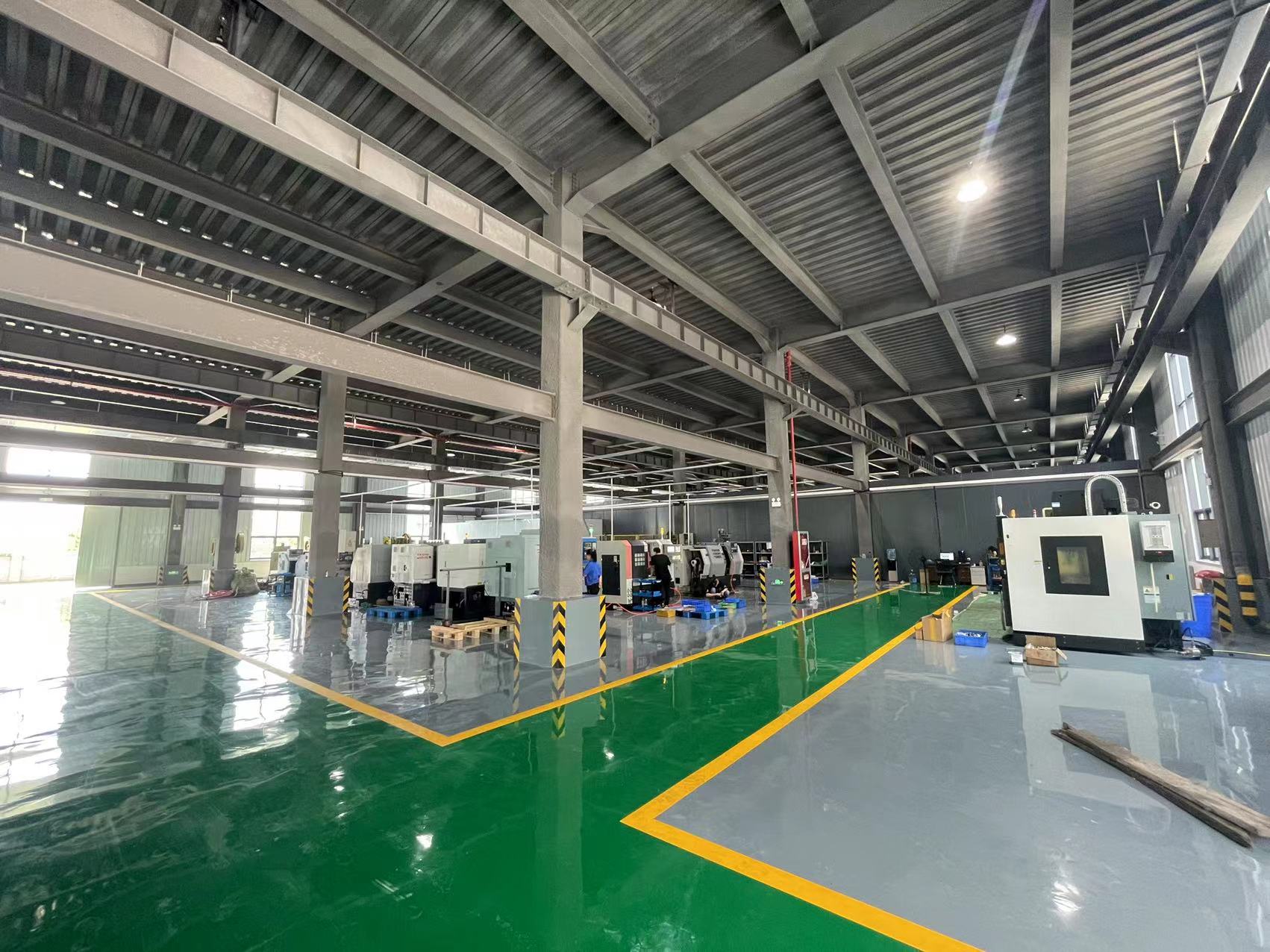
Equipped with citizen Swiss-type CNC automatic lathes, 4-axis and 5-axis vertical machining centers, and ultra-slow wire EDM machinery. We hold micro-tolerances down to ±0.005mm on safety-critical automotive brake pins, hollow-drilled racing studs, and medical orthopedic fixtures without secondary setup distortion.
✓ Real-time machining video feed & progress logs supplied for all OEM batches.
We machine exclusively from Grade 5 Ti-6Al-4V (TC4), Grade 2 Commercially Pure (CP) titanium, and proprietary Timascus / Mokuti billet. Each raw batch includes direct XRF spectrometry, ultrasonic porosity inspection, and EN 10204 3.1 chemical & physical mill test certificates detailing hydrogen and oxygen ppm.
✓ Complete heat-number traceability from vacuum consumable arc melting to boxed parts.
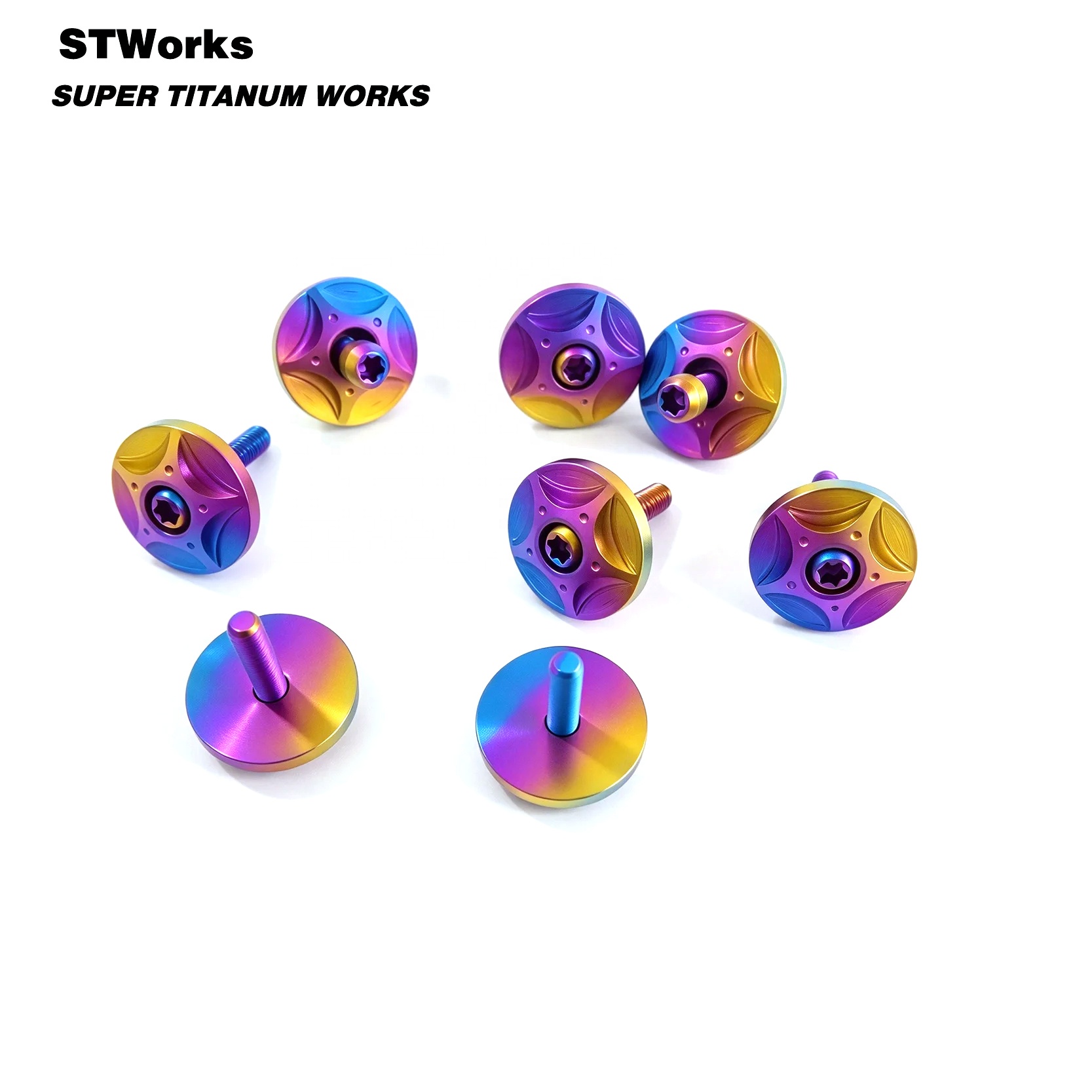
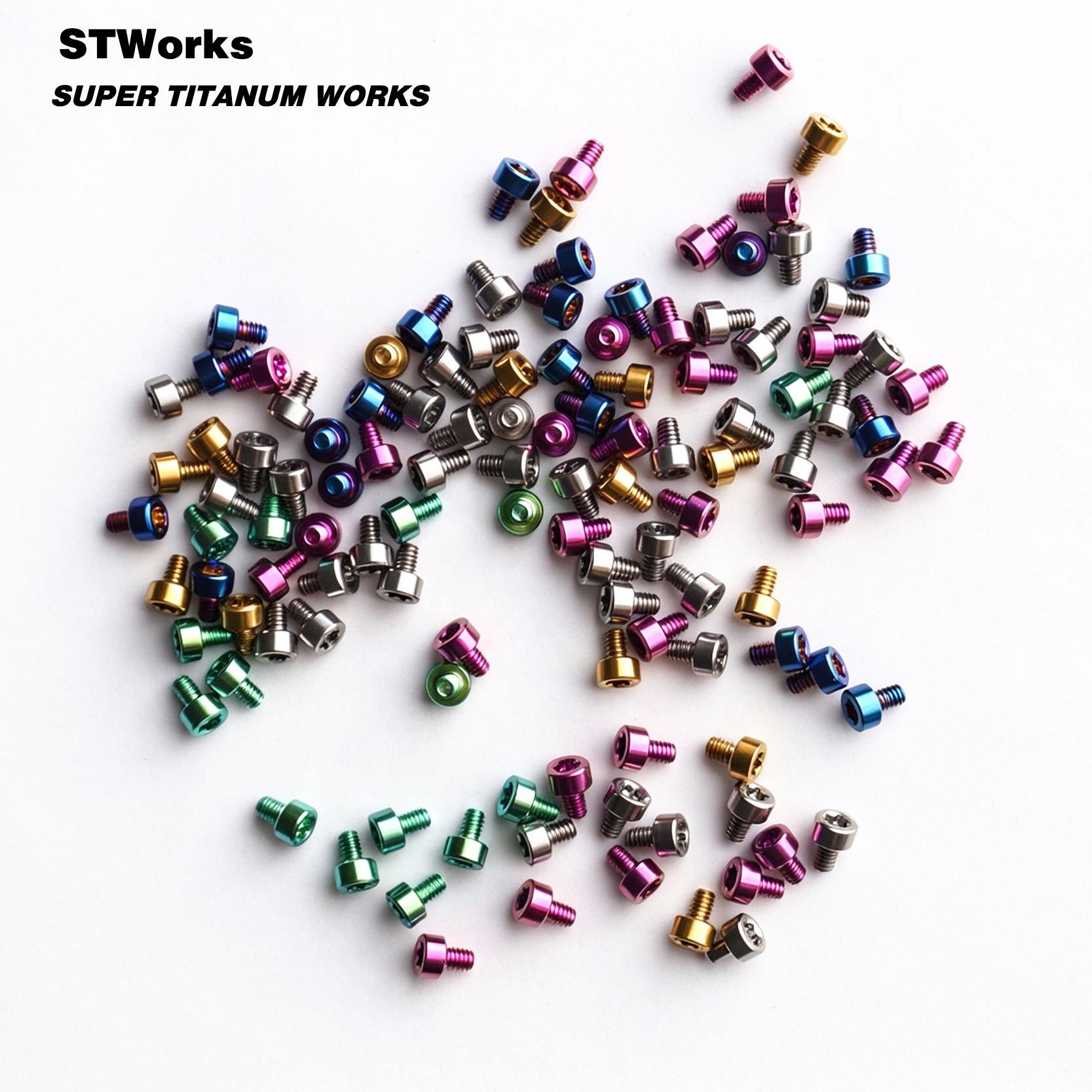
Titanium naturally suffers from high surface galling during thread tightening. We solve this via specialized high-voltage Type II anodization, micro-bead blasting, PVD (TiN, AlCrN, DLC) hard coatings, and precision cryogenic micro-finishing. We generate vibrant, dye-free interference coloration from 15V to 110V.
✓ Extreme wear resistance, zero thread binding, and zero measurable weight addition.
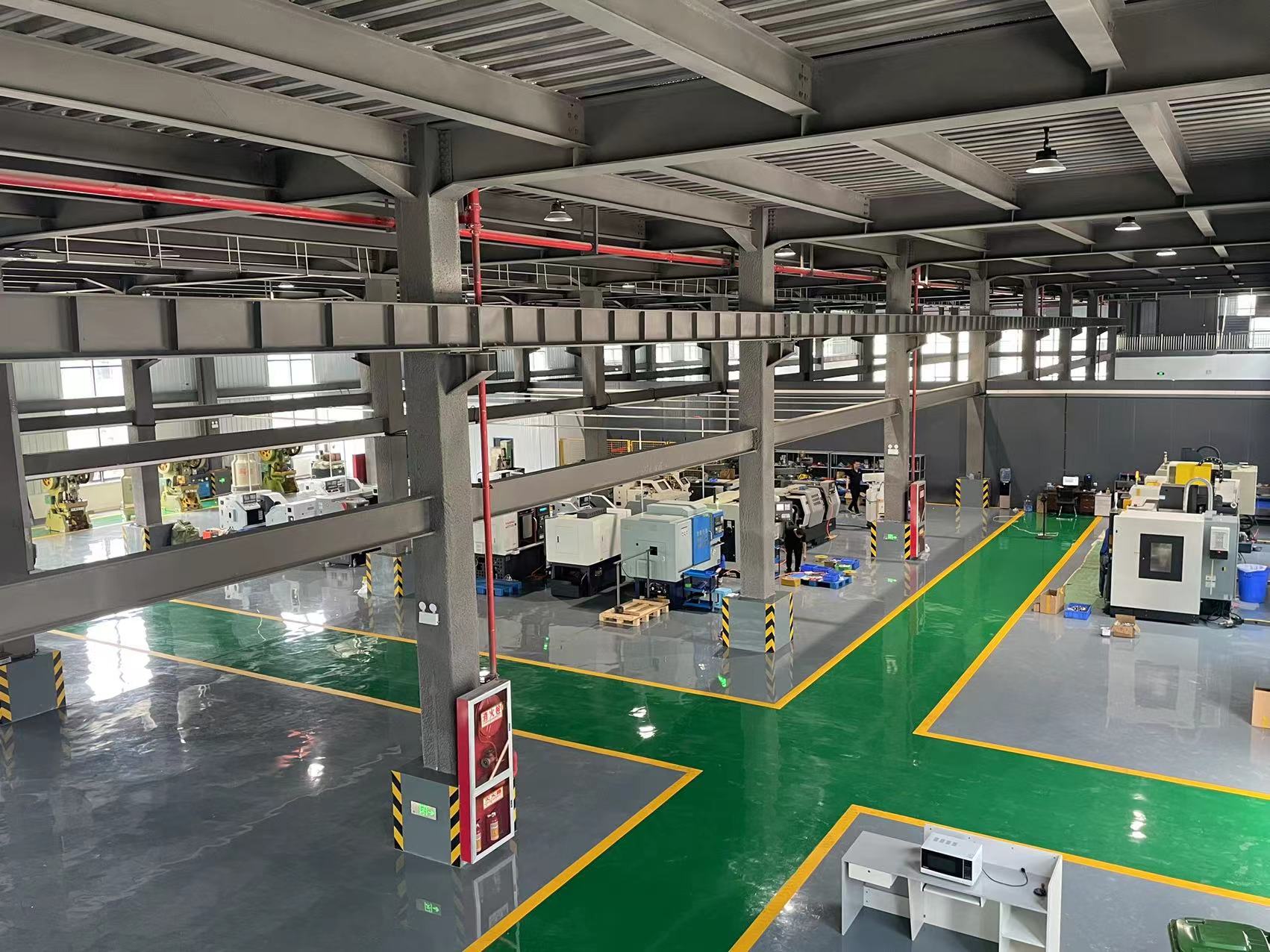
Unlike trading brokers who mask sub-tier workshops, Velnora operates a direct, open-shop manufacturing workflow. International buyers receive live high-definition video walkthroughs, thread gauge optical comparator readings, and dimensional CMM reports before international air export.
Our frontline engineers review your 3D CAD files (STEP, IGES, SolidWorks, DWG, PDF) within 4 working hours. We advise on cost-saving design optimizations—such as converting machined threads into cold-rolled threads to increase cyclical fatigue resistance by over 30% along stress-concentration roots.
Fastener joint failure under vibration is unacceptable in high-stress racing or medical assemblies. Our metrology laboratory validates pitch diameter tolerances, core concentricity, drive-socket broaching depth, and surface roughness (Ra down to 0.4 μm).
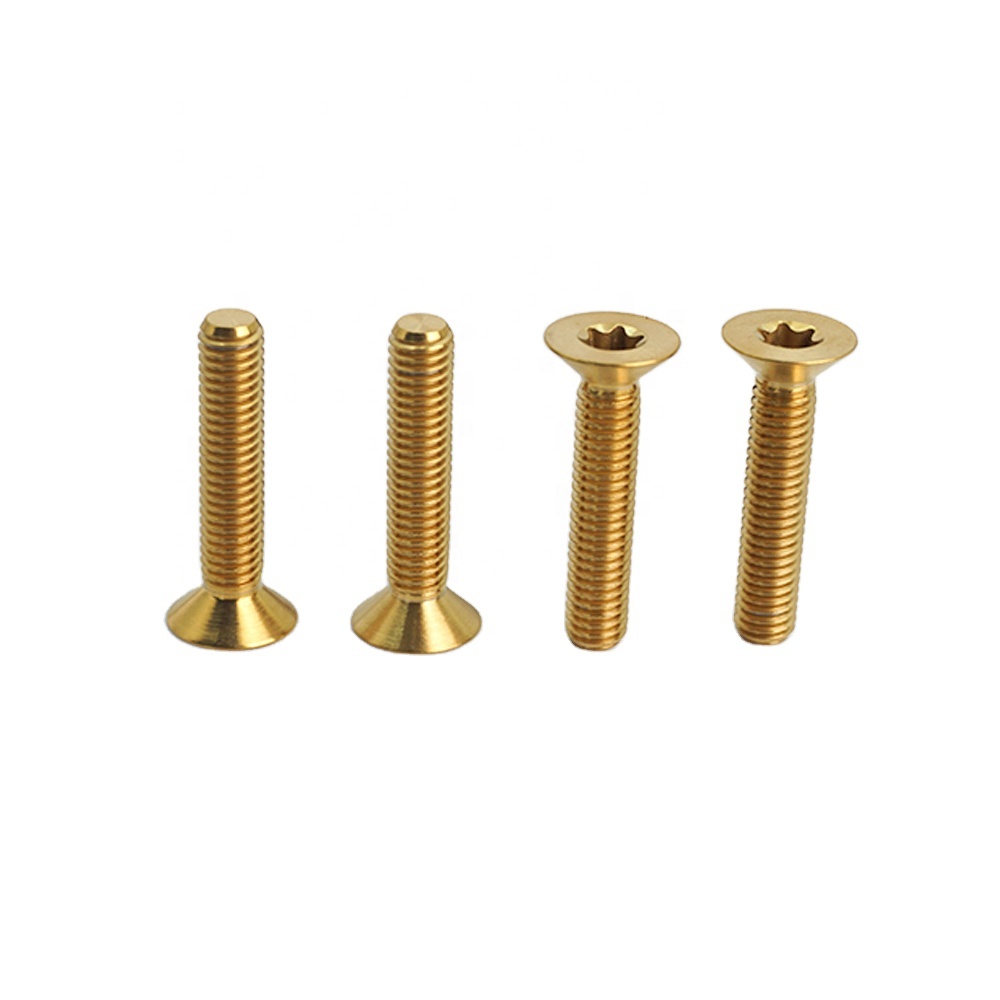
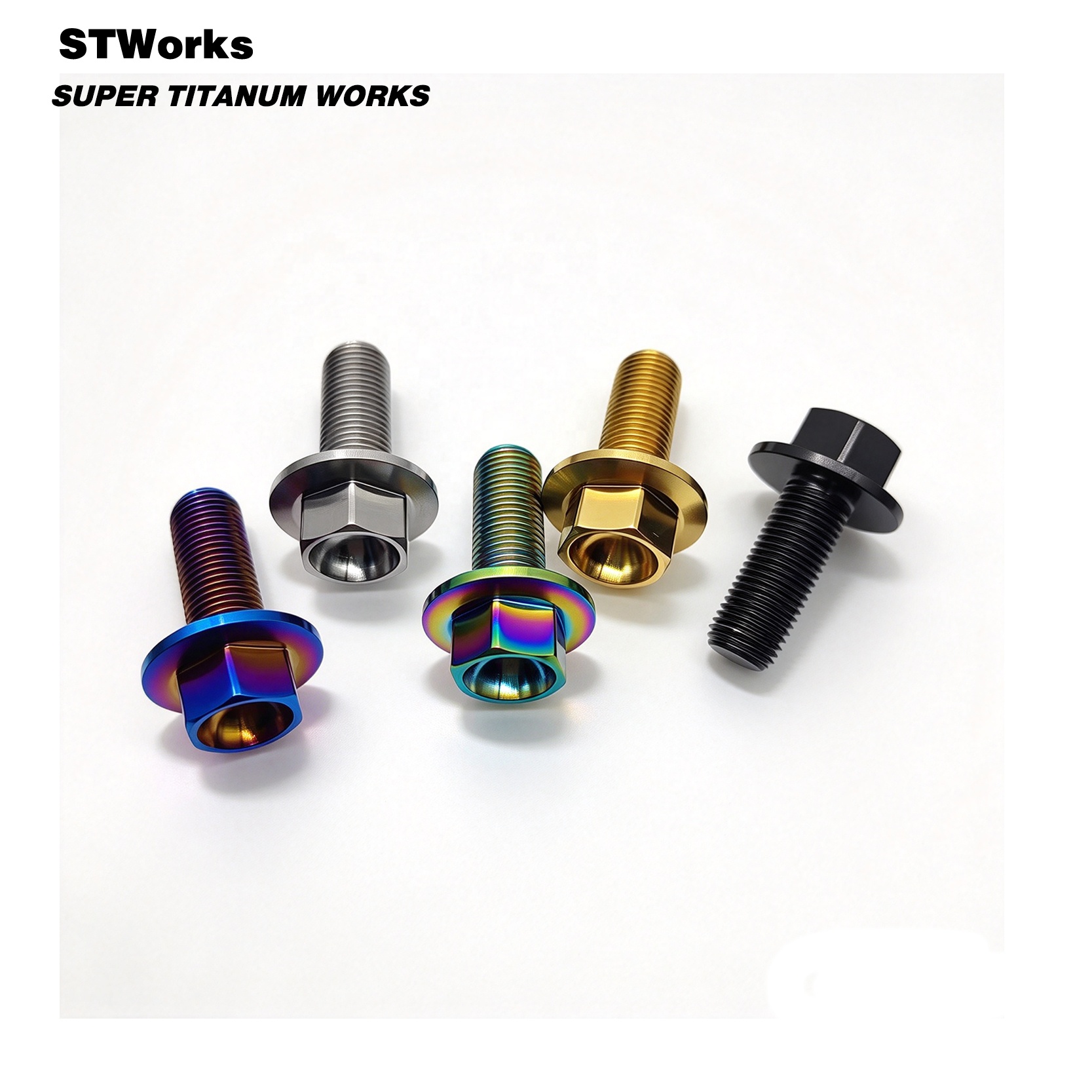
We manufacture strictly to DIN 912 (Socket Caps), DIN 6921 (Hex Flange), DIN 7991 (Countersunk), DIN 985 (Nyloc), and bespoke custom drawings with serialized laser batch marking. Every export crate is double-sealed with desiccants and moisture-barrier vacuum packaging.
Selecting the proper grade is critical for preventing shear yield, galvanic battery corrosion, and thermal micro-creep. Review our empirical comparison matrix engineered to guide B2B hardware procurement decisions.
| Engineering Property | Gr5 Ti-6Al-4V (TC4) | Gr2 Commercially Pure | AISI 304 / 316 Stainless | 7075-T6 Hard Aluminum | Class 10.9 Alloy Steel |
|---|---|---|---|---|---|
| Density (g/cm³) | 4.43 | 4.51 | 7.93 | 2.81 | 7.85 |
| Tensile Strength (MPa) | 895 – 1050 | 345 – 480 | 515 – 650 | 570 | 1040 |
| Yield Strength (0.2% MPa) | 828 – 920 | 275 – 380 | 205 – 240 | 505 | 940 |
| Weight Saving vs. Steel | ≈ 44% Lighter | ≈ 43% Lighter | Baseline | ≈ 65% Lighter | Baseline |
| Chloride & Seawater Resistance | Immune (No Pitting) | Immune (Passivated) | Susceptible to Crevice Pitting | Poor (Rapid Exfoliation) | Severe Rust / Catastrophic |
| Operating Temp Threshold | -250°C to +420°C | -196°C to +300°C | -200°C to +600°C | Max 120°C (Softens) | -40°C to +400°C |
| Thermal Conductivity (W/m·K) | 6.7 (Insulating) | 16.4 | 16.2 | 130 | 43 |
| Recommended Optimal Use | Motorsport, Braking, Rotor Pins | Chemical Valves, Marine Hull | General Sheet Metal Hardware | Low-Torque Cosmetic Mounts | Heavy Industrial Structural |
*Note on Fastener Replacement: Ti-6Al-4V Grade 5 directly matches and exceeds Property Class 8.8 structural steel. While its yield strength approaches Class 10.9 steel, titanium possesses a lower modulus of elasticity (114 GPa vs. 210 GPa for steel), resulting in double the elastic elongation under tension. Always verify clamping stretch and use adjusted torque values.
Strategic sourcers and supply chain directors face shifting raw material markets, carbon borders, and digitized quality expectations. Here are the macro procurement trends dictating high-precision titanium purchasing.
Geopolitical re-alignments in aerospace grade titanium sponge have prompted global brands to bypass Western tier-1 distributors in favor of direct upstream partnerships in Baoji, China. Direct factory contracts ensure stable titanium raw bar reserves and fixed-cost price caps across 12-month delivery schedules.
Sustainability mandates (Scope 3 carbon footprinting and EU CBAM tariffs) are accelerating demand for certified recycled titanium chips. Modern factories re-smelt clean CNC titanium turnings back into non-critical aerospace Grade 2 and Grade 5 ingots via Vacuum Arc Remelting (VAR), lowering raw part carbon cost by over 40%.
Paper-only inspection reports are rapidly becoming obsolete. Global procurement teams now require digitized Coordinate Measuring Machine (CMM) data point clouds, live laser micrometer logs, and cloud-archived video verifications for every manufactured serial run, guaranteeing instantaneous assembly-line compatibility.
B2B buyers are moving away from massive 50,000-piece single runs that freeze capital. Modern precision CNC workshops leverage high-speed toolpath simulators and quick-change modular fixturing to provide Low-Volume High-Mix (LVHM) titanium runs—delivering orders from 50 to 500 units within 10 to 14 business days.
Titanium is notoriously difficult to machine due to its low thermal conductivity, high chemical reactivity at elevated cutting temperatures, and elastic springback. Here is how modern precision engineering overcomes these historical limits.
Traditional flood coolants vaporize before penetrating the cutting zone of high-tensile TC4 bar stock, causing work hardening and micro-chipping of carbide endmills. State-of-the-art multi-axis machines now inject high-pressure cryogenic liquid CO2 or liquid nitrogen (-196°C) directly through the tool spindle. This prevents thermal buildup, extends tool life fourfold, and preserves pristine surface grain orientation.
While low-cost workshops cut screw threads on simple CNC turning centers, this tears across the grain flow of the titanium bar, creating micro-notches that act as fracture origins under cyclic vibration. Advanced manufacturing uses dual-cylindrical cold thread rolling dies to plastically displace the metal. This burnishes the root, work-hardens the surface, and boosts dynamic fatigue resistance by over 30%.
Conventional anodization forms a thin passivated surface layer between 10nm and 200nm thick. To resist the brutal tribological sliding friction of motorsport brake calipers and engine wristpins, factories now employ Micro-Arc Oxidation (MAO/PEO). This transforms the outer titanium envelope into a thick ceramic-phase TiO2 layer possessing diamond-like Vickers hardness above 1200 HV.
Direct, empirical answers to the technical inquiries our engineering desk receives from motorsport constructors, medical device integrators, and industrial buyers worldwide.
Whether you are replacing heavy steel fasteners with ultra-light Gr5 bolts, prototyping a complex multi-axis aerospace bracket, or mass-producing anodized EDC assemblies, our Baoji engineering floor is ready to review your tolerances, optimize your toolpaths, and supply sample hardware.