DIN 912 Micro
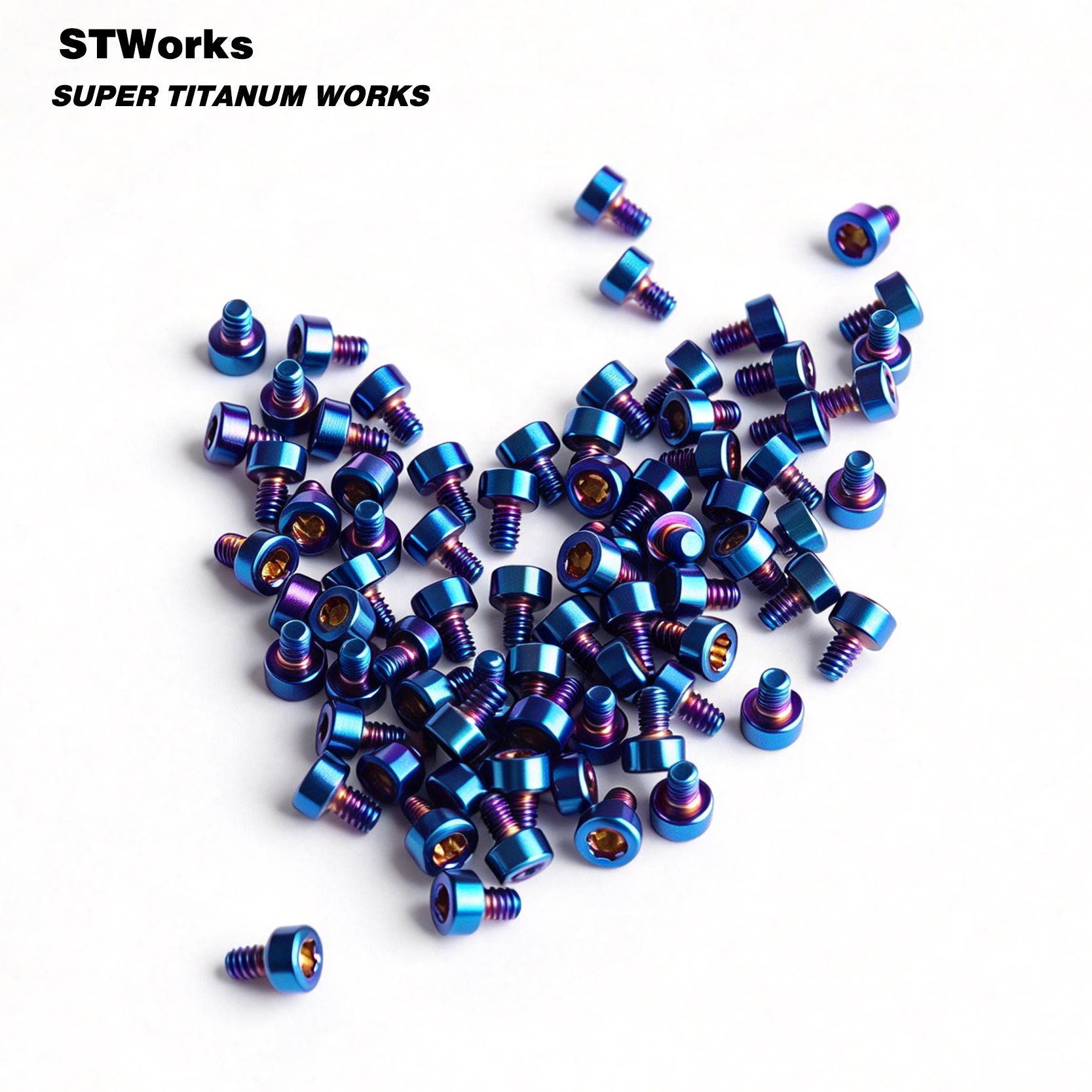
Customized Titanium Screws Mini Screws M2 M2.5 Cylinder Head Bolt Din912 Torx Micro Machine Screw
Grade 5 (TC4) / Gr2 • Torx T6-T10 • Micro Precision Electronics & Telemetry
Explore our export-grade Gr5 Ti-6Al-4V fasteners, ultra-light racing bolts, and high-performance bespoke assemblies directly machined in our Baoji manufacturing center.
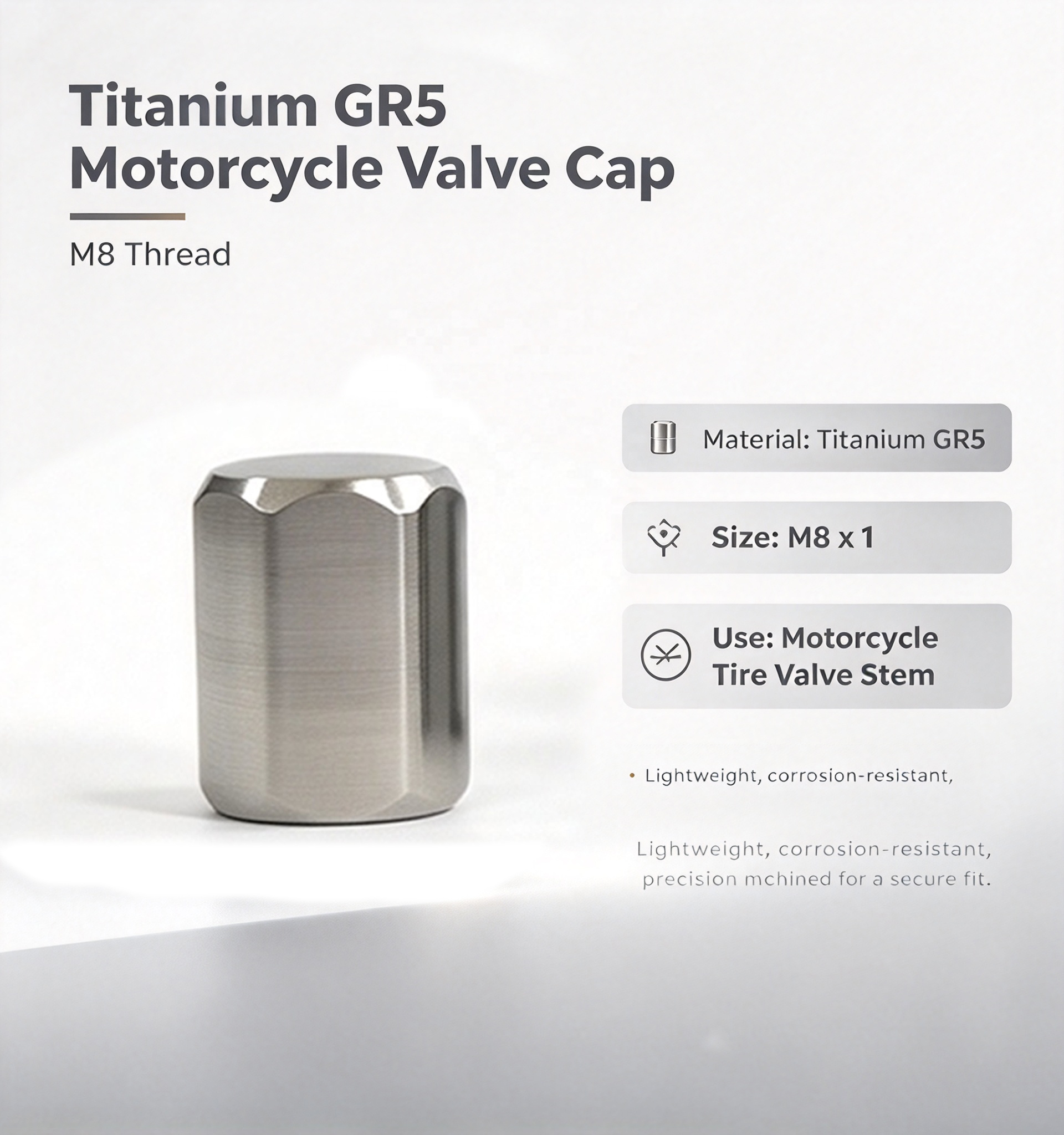
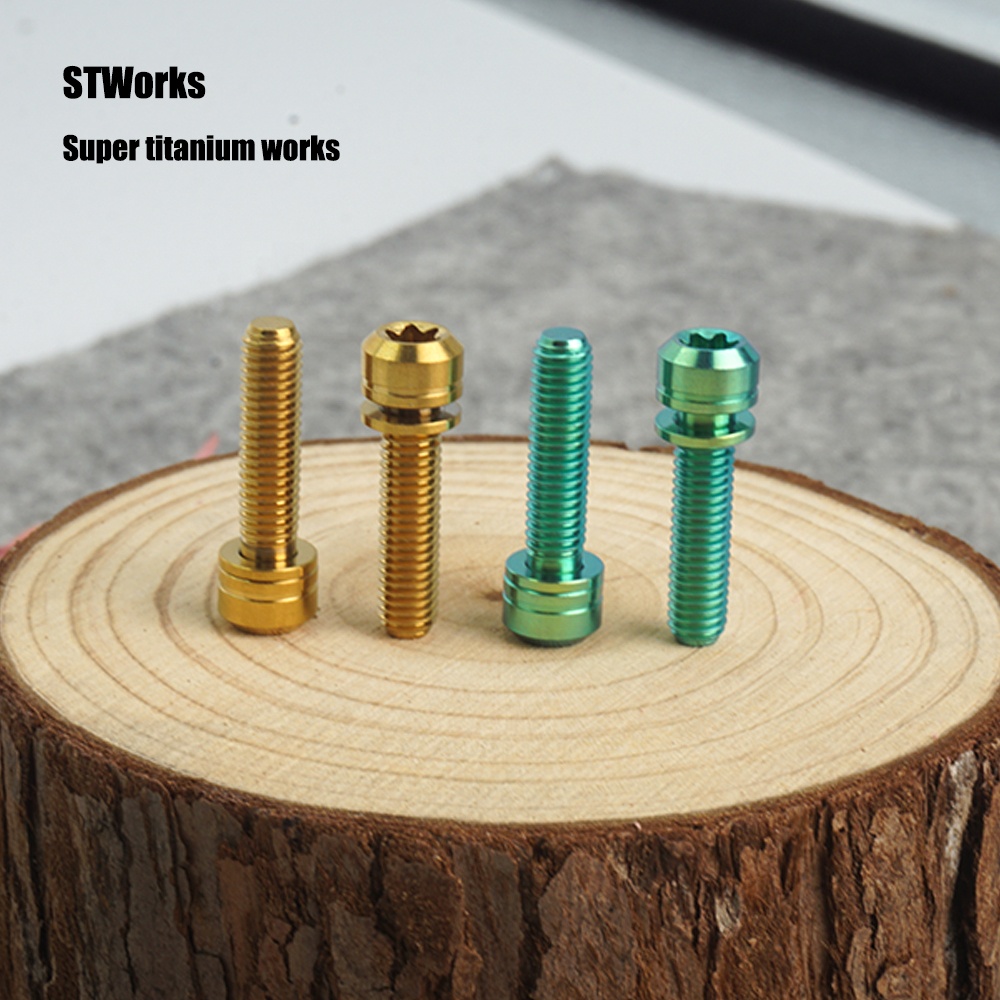
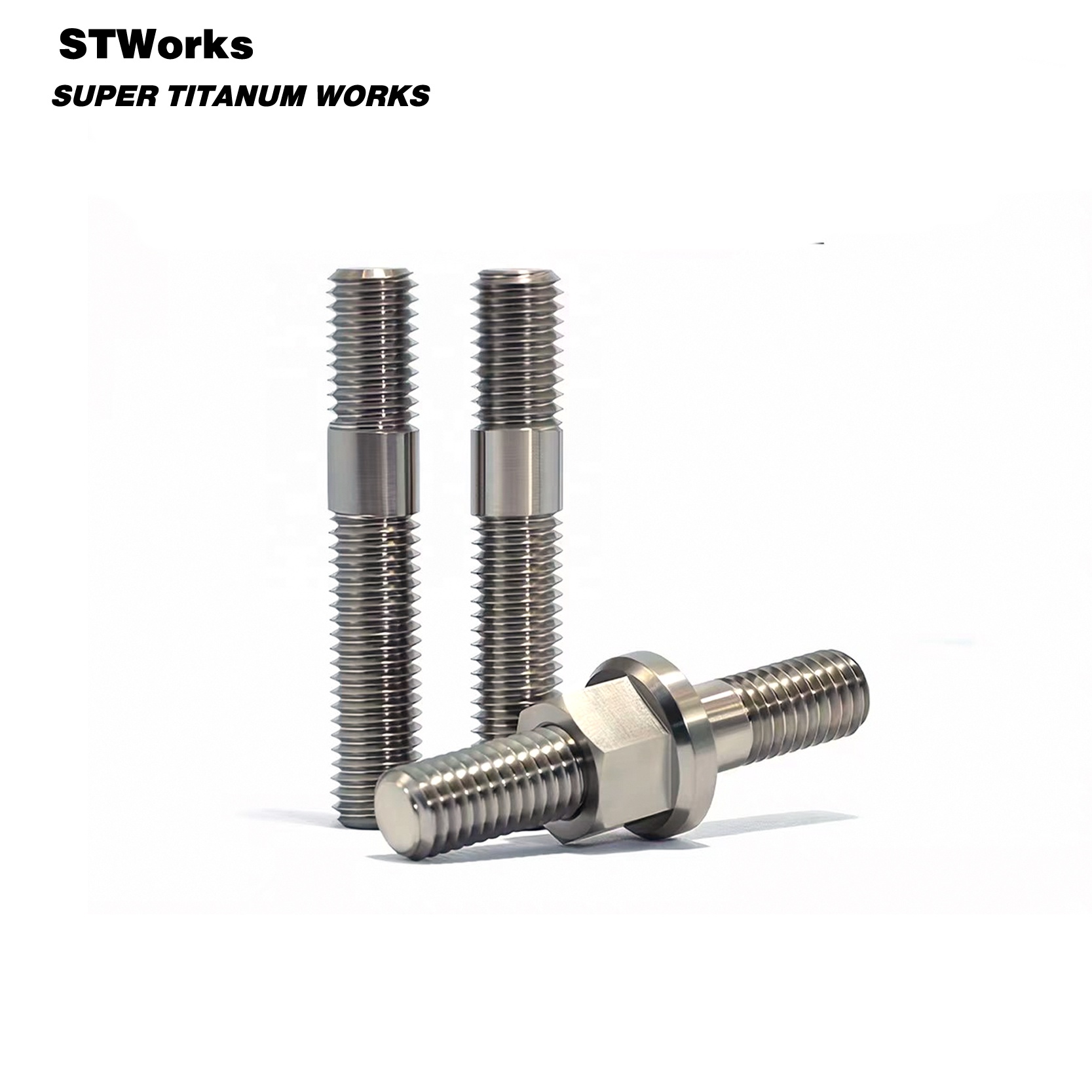
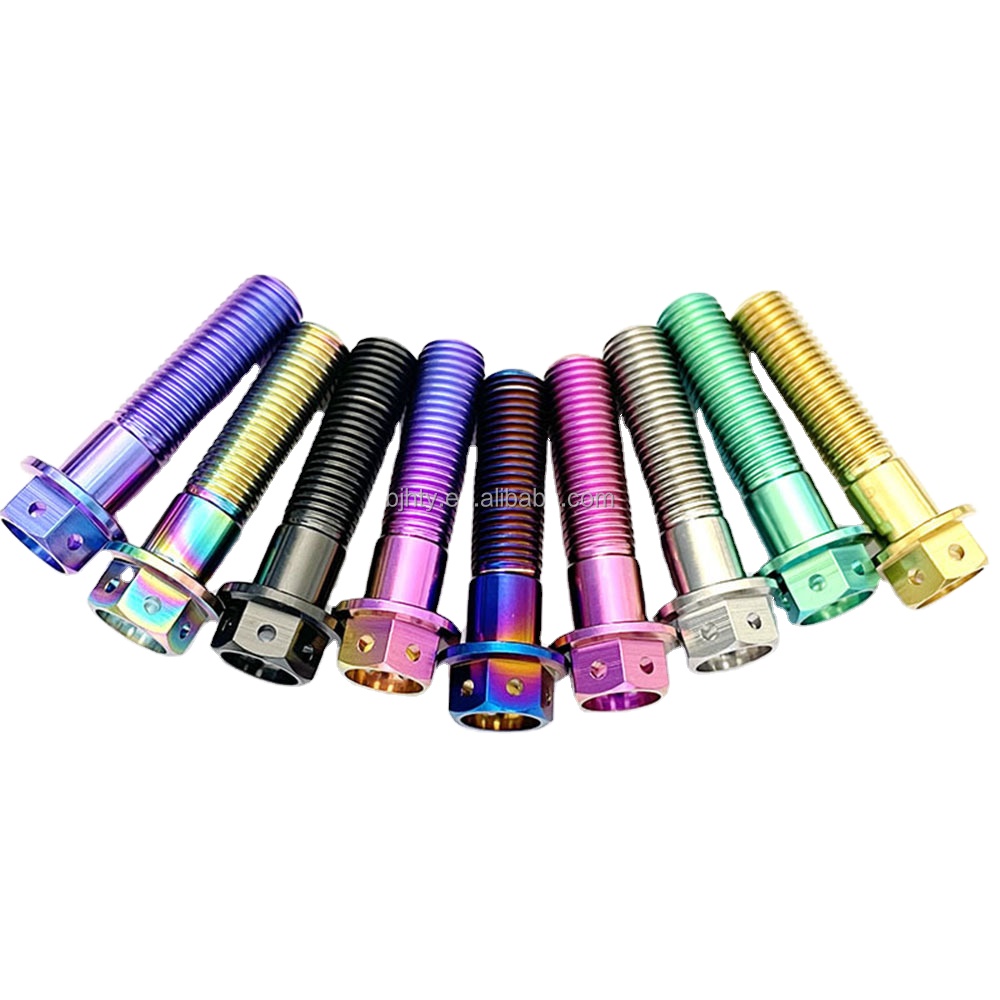
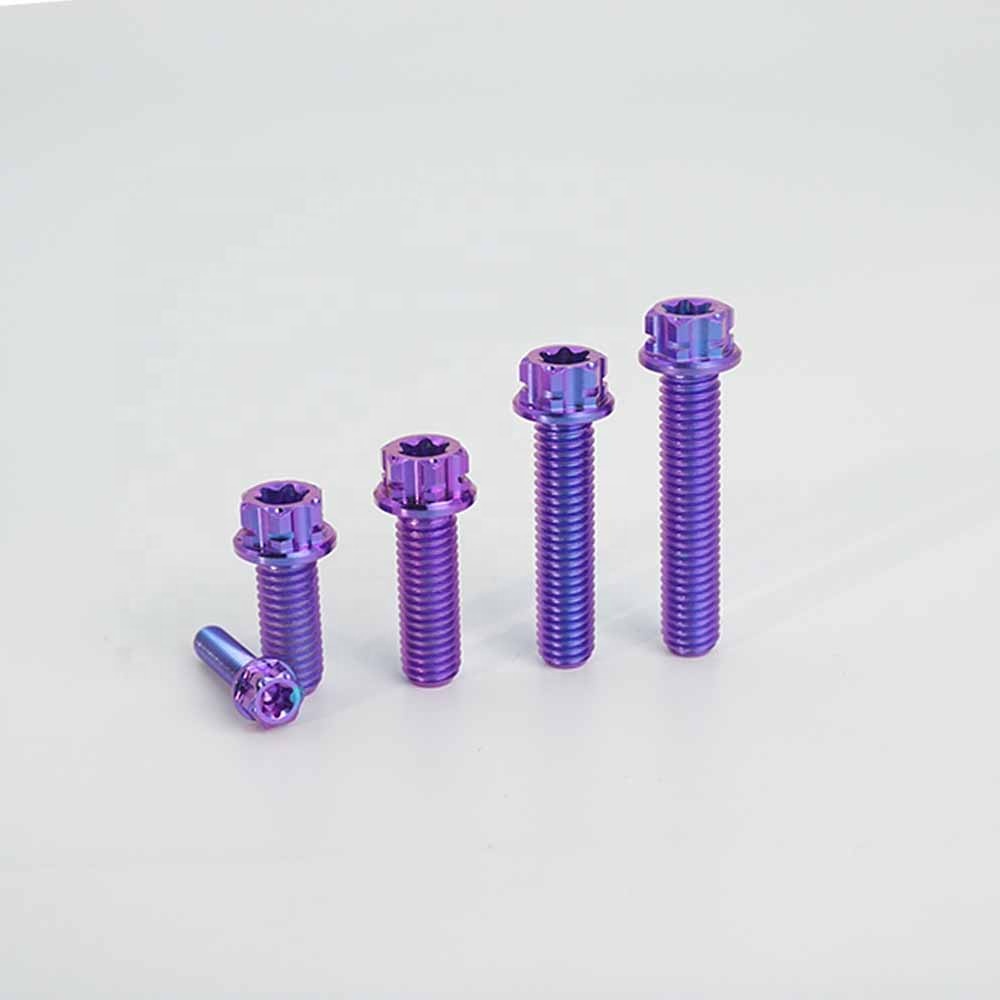
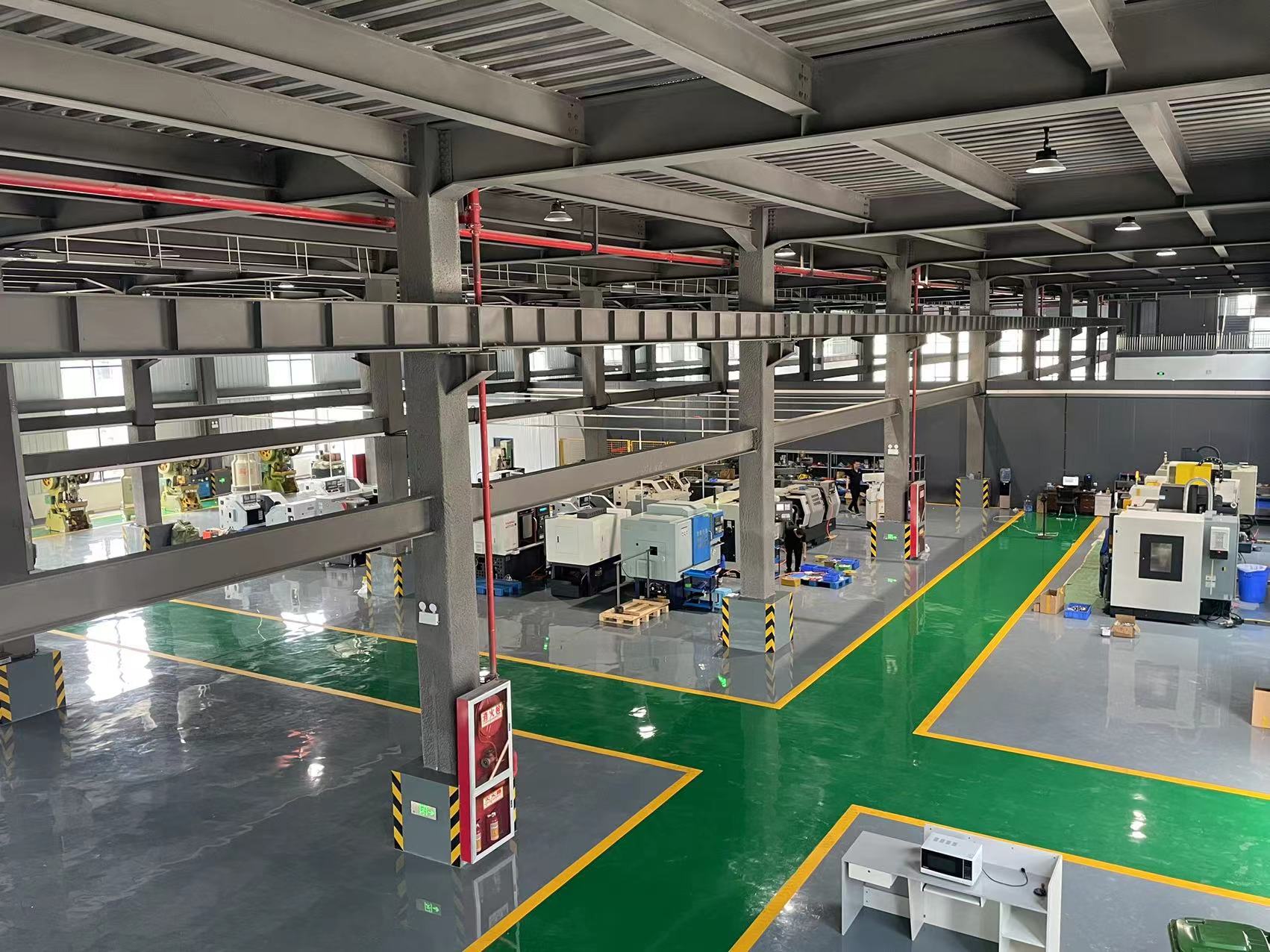
Founded in 2013 in the heart of China's "Titanium Valley" (Baoji, Shaanxi), Velnora Titanium Industry Co., Ltd. is a specialized high-tier manufacturer focused entirely on transforming aerospace-grade titanium raw material into high-stress automotive wheel bolts, racing lug studs, and custom CNC components.
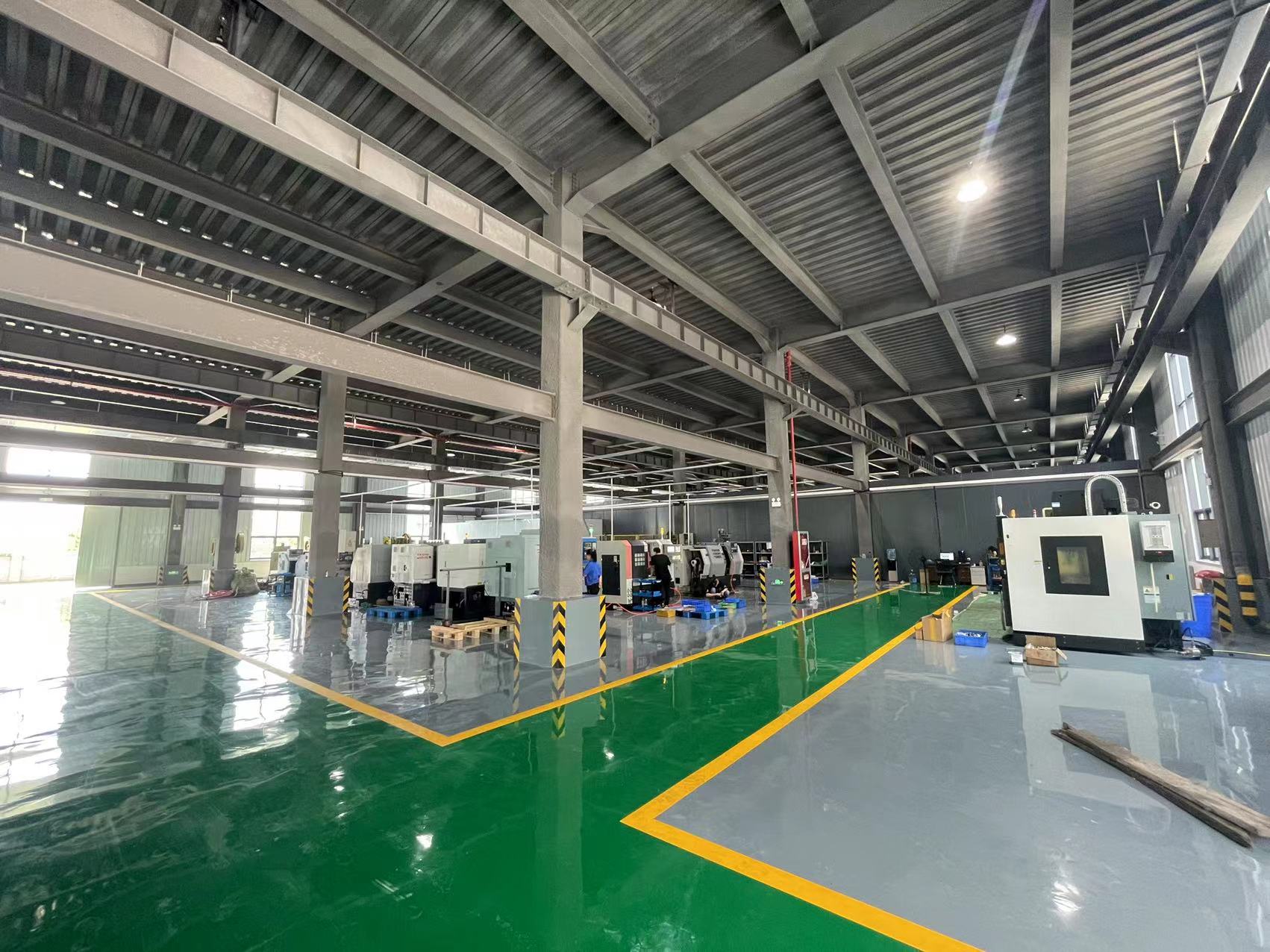
Unlike trading intermediaries, our integrated factory operates across the entire manufacturing lifecycle: starting from vacuum arc remelted (VAR) titanium billets, hot heading, precision thread rolling, multi-axis CNC secondary turning, through to in-house PVD coating and micro-arc oxidation surface engineering.
Wheel fasteners exist in the harshest loading environment of any vehicle: carrying immense cyclic shear stresses, dynamic thermal shocks from carbon-ceramic/cast-iron brake friction, and corrosive road de-icers.
In high-performance automotive dynamics, shedding unsprung rotating mass yields up to 4 to 6 times the kinetic efficiency benefit of shedding static weight from the vehicle chassis. Because wheel bolts spin at wheel RPM at an eccentric radius from the hub centerline, their mass contributes directly to the rotational moment of inertia ($I = m \cdot r^2$).
By replacing Grade 10.9 or 12.9 carbon steel wheel bolts ($\rho \approx 7.85\text{ g/cm}^3$) with Velnora Grade 5 Forged Titanium ($\rho \approx 4.43\text{ g/cm}^3$), wheel hardware weight is reduced by 44% to 47%. On a 20-bolt supercar setup, this removes over 1.2 kg of rotational inertia, sharpening steering transient response, damping wheel hop over high-speed curbing, and improving tire contact patch compliance.
The single greatest cause of fastener shear failure under cornering load is thread root micro-cracking caused by CNC thread cutting. Cutting shears the metal grain structure perpendicularly, creating microscopic stress concentrations at every thread pitch valley.
At our Baoji facility, all Velnora titanium wheel studs and bolts feature 100% hydraulically rolled threads. The thread profile is plastically displaced under controlled tonnage, creating a work-hardened, smooth root with continuous, unbroken longitudinal grain fibers that dissipate peak stress and resist dynamic shear fatigue indefinitely.
| Mechanical / Physical Property | Ti-6Al-4V (Grade 5 Annealed) | Grade 10.9 High-Tensile Steel | Grade 12.9 Alloy Steel | 7075-T6 Aerospace Aluminum |
|---|---|---|---|---|
| Density ($\text{g/cm}^3$) | 4.43 (44% Lighter than Steel) | 7.85 (Baseline) | 7.85 (Baseline) | 2.81 (Ultra-light, Non-structural) |
| Yield Strength ($R_{p0.2}$, MPa) | 880 - 950 | 940 | 1100 | 505 (Inadequate for wheel clamping) |
| Ultimate Tensile Strength ($R_m$, MPa) | 950 - 1050 | 1040 | 1220 | 570 |
| Elastic Modulus ($E$, GPa) | 114 (High Clamping Compliance) | 210 | 210 | 72 |
| Fatigue Endurance Limit ($10^7$ Cycles) | 510 MPa (Exceptional Cyclic Life) | 420 MPa | 490 MPa (Notch sensitive) | 160 MPa |
| Thermal Expansion Coeff. ($\mu\text{m/m}\cdot\text{K}$) | 8.6 (Matches Carbon/Forged Wheels) | 12.0 | 11.5 | 23.4 (Extreme thermal loosening risk) |
| Corrosion & Salt Spray Resistance | Immune (Self-healing $\text{TiO}_2$ film) | Rusts if zinc/phosphate breached | Susceptible to hydrogen embrittlement | Severe galvanic oxidation with steel hubs |
Strategic purchasing managers in motorsport, aftermarket alloy brands, and high-end automotive tier suppliers must adapt to four structural procurement shifts shaping the 2025–2030 landscape.
Heavy battery packs (often adding 400–700 kg of static vehicle weight) demand aggressive rotational weight savings from chassis engineers. Sourcing Grade 5 titanium wheel lug bolts directly lowers the unsprung mass penalty, maximizing regenerative braking efficiency and extending single-charge range.
To eliminate rim gouging and friction spikes on bespoke carbon-fiber or forged magnesium wheels, procurement is moving rapidly toward two-piece titanium wheel bolts featuring independent floating 60-degree cone or ball seats, maintaining uniform clamping torque.
Traditional wet anodizing is being superseded by Physical Vapor Deposition (PVD) Diamond-Like Carbon (DLC) and Titanium Nitride (TiN). These nanometer coatings provide extreme surface hardness (>2500 HV), entirely eliminating thread galling during impact gun usage.
Global regulatory scrutiny requires comprehensive material provenance. Quality auditors now demand full EN 10204 3.1 chemical spectrographic certificates, ultrasonic billet flaw reports, and individual laser serial coding directly on the bolt head to guard against counterfeit stock.
Aftermarket brands increasingly commission custom drive patterns—such as asymmetric 7-point stars, Torx Plus tamper-proof recesses, or spline drives—bundled with matching forged titanium keys to combine aesthetic exclusivity with anti-theft security.
Leading manufacturers are abandoning raw billet CNC bar milling for bolt heads. By adopting induction-heated closed-die hot heading, the material fiber flows naturally into the head-to-shank radius, completely eliminating failure risks during peak lateral cornering loads.
Our ISO 9001:2015-aligned manufacturing process ensures every titanium wheel fastener meets rigid international aerospace and automotive standards (DIN, ISO, ANSI, and JIS).
Spectrographic analysis of Gr5 Ti-6Al-4V raw bar stock to verify strict elemental thresholds (Al: 5.5-6.75%, V: 3.5-4.5%, Fe < 0.3%, O < 0.2%).
Non-destructive ultrasonic immersion testing of round bars to identify any microscopic internal voids, inclusions, or density variations prior to heading.
Controlled induction pre-heating followed by high-tonnage closed-die heading to form the bolt head and collar with continuous metallurgical grain flow.
Precision turning of shank relief, chamfers, and internal socket drive recesses (Torx/Hex) holding tight dimensional tolerances within ±0.005 mm.
CNC planetary dies cold/warm displace threads (M12x1.25, M12x1.5, M14x1.25, M14x1.5), producing a mirror finish and burnished root radii.
High-vacuum inert-atmosphere thermal annealing eliminates residual mechanical stresses introduced during heading without causing alpha-case oxidation.
Micro-polishing, multi-stage ultrasonic degreasing, and application of PVD (Black DLC, Gold TiN) or high-voltage anodizing for custom aesthetic accents.
100% automated optical profile inspection for thread pitch verification, GO/NO-GO ring gauge checks, and coordinate measuring machine (CMM) reports.
Critical metallurgical, mechanical, and commercial answers for professional procurement managers, automotive engineers, and performance brand owners.
Yes, Grade 5 Ti-6Al-4V is the direct replacement standard for automotive wheel hardware. With an ultimate tensile strength exceeding 950–1050 MPa and yield strength exceeding 880–950 MPa, forged titanium matches the functional yield performance of Class 10.9 automotive steel while reducing mass by ~44%.
Because titanium has a lower modulus of elasticity (114 GPa vs. 210 GPa for steel), it exhibits superior elastic strain capacity under dynamic cyclical loads. This allows titanium wheel fasteners to maintain consistent preload clamping force during track-day wheel flexing without suffering permanent plastic deformation or loosening.
Titanium alloys have a natural affinity to micro-weld (gall) under extreme frictional contact with mating steel hub threads if improperly managed. Velnora resolves this through three engineered manufacturing safeguards:
When installing Velnora Grade 5 titanium wheel bolts with recommended anti-seize paste, follow standard OEM vehicle torque values (typically 110–120 Nm for M12 threads and 130–145 Nm for M14 threads, such as Porsche, BMW M, Ferrari, and Audi RS platforms).
Never exceed OEM specified torque limits, and always torque by hand using a calibrated torque wrench in a star pattern. High-speed pneumatic impact guns should be limited to low-torque initial rundown to protect the rim seat geometry and bolt coating.
Titanium is significantly more inert than conventional zinc-plated carbon steel. Titanium spontaneously forms a dense, self-repairing titanium dioxide ($\text{TiO}_2$) passivation film that electrically insulates the substrate.
Unlike steel fasteners—which readily rust, pit, and seize inside aluminum hub housings when exposed to winter road salt—titanium fasteners will never seize or weld themselves to aluminum wheel hubs or brake rotor bells. This makes titanium the superior material for all-weather, high-mileage road performance.
Yes. As a direct Baoji factory with complete in-house 5-axis CNC machining, wire EDM, and heading capabilities, over 65% of our production is customized OEM/ODM work. We regularly produce:
For standard thread configurations (M14x1.25, M14x1.5, M12x1.5 in standard 28mm lengths), our baseline MOQ starts at just 50 to 100 pieces (ideal for small aftermarket tuning brands and bespoke fleet builds). Custom bespoke engineering runs typically start at 200–300 pieces.
Rapid prototyping samples from existing tooling are dispatched within 5–7 business days. Full batch production orders generally require 15–22 business days including PVD surface coating, accompanied by photo and video quality verification prior to express worldwide delivery (DHL, FedEx, UPS air freight, or sea cargo).