Bestseller
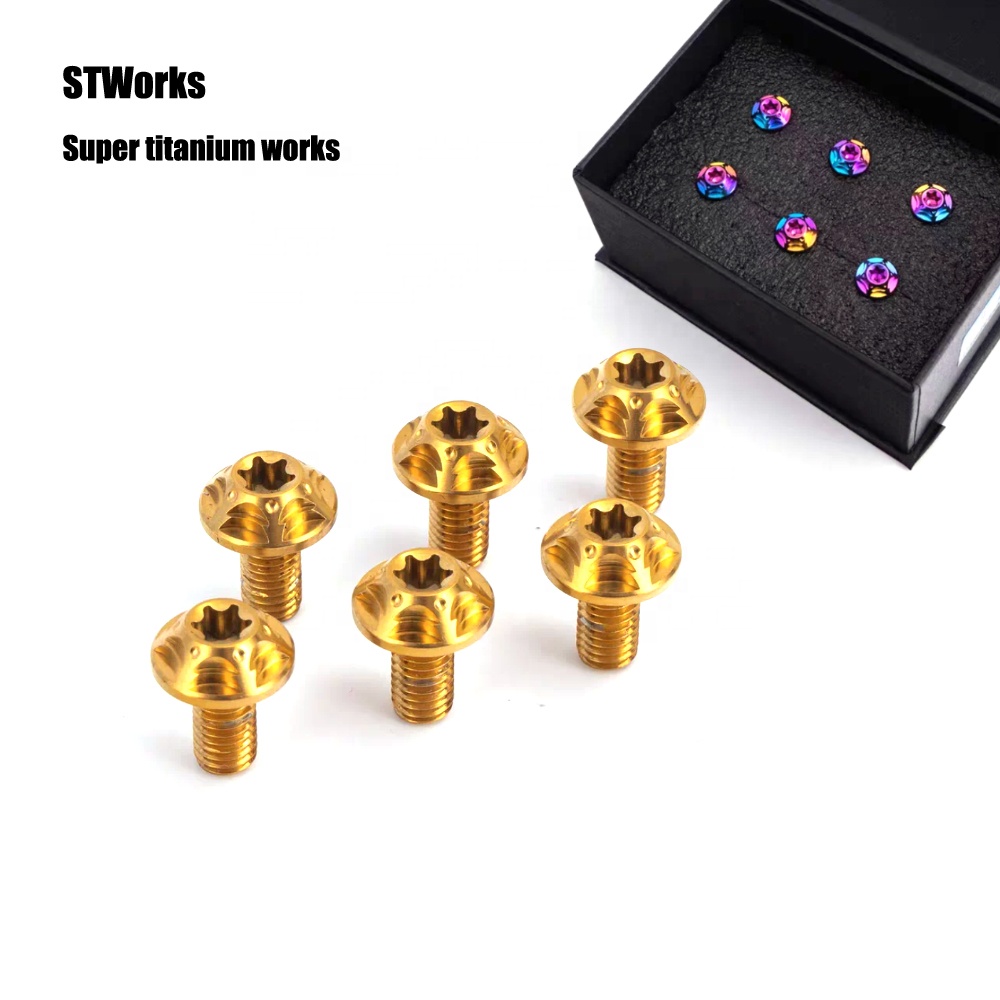
Direct factory supply from our Baoji precision machining facility. Each component is manufactured from aerospace-certified Grade 5 (TC4) titanium billets, featuring rolled threads and precision-broached drive sockets.
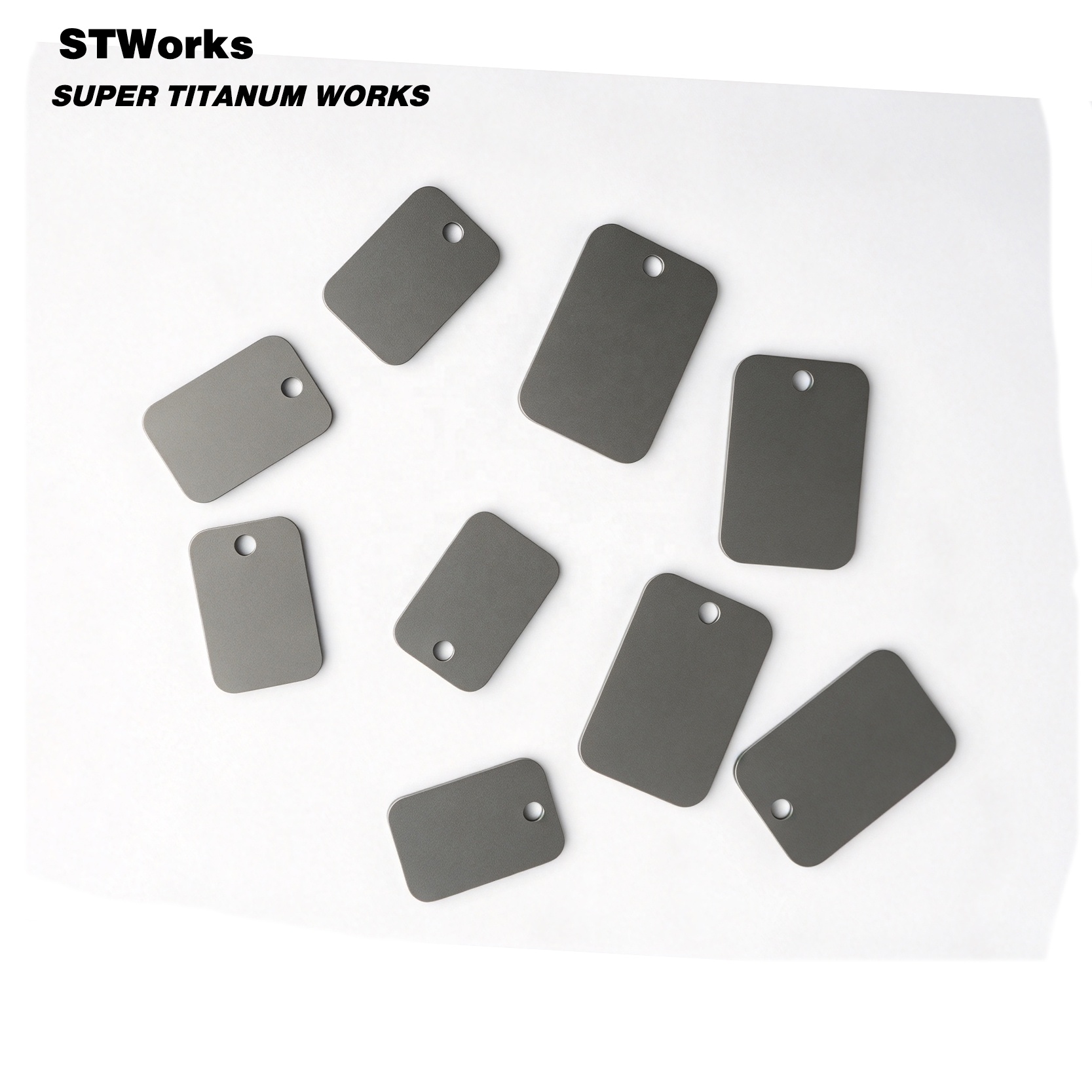
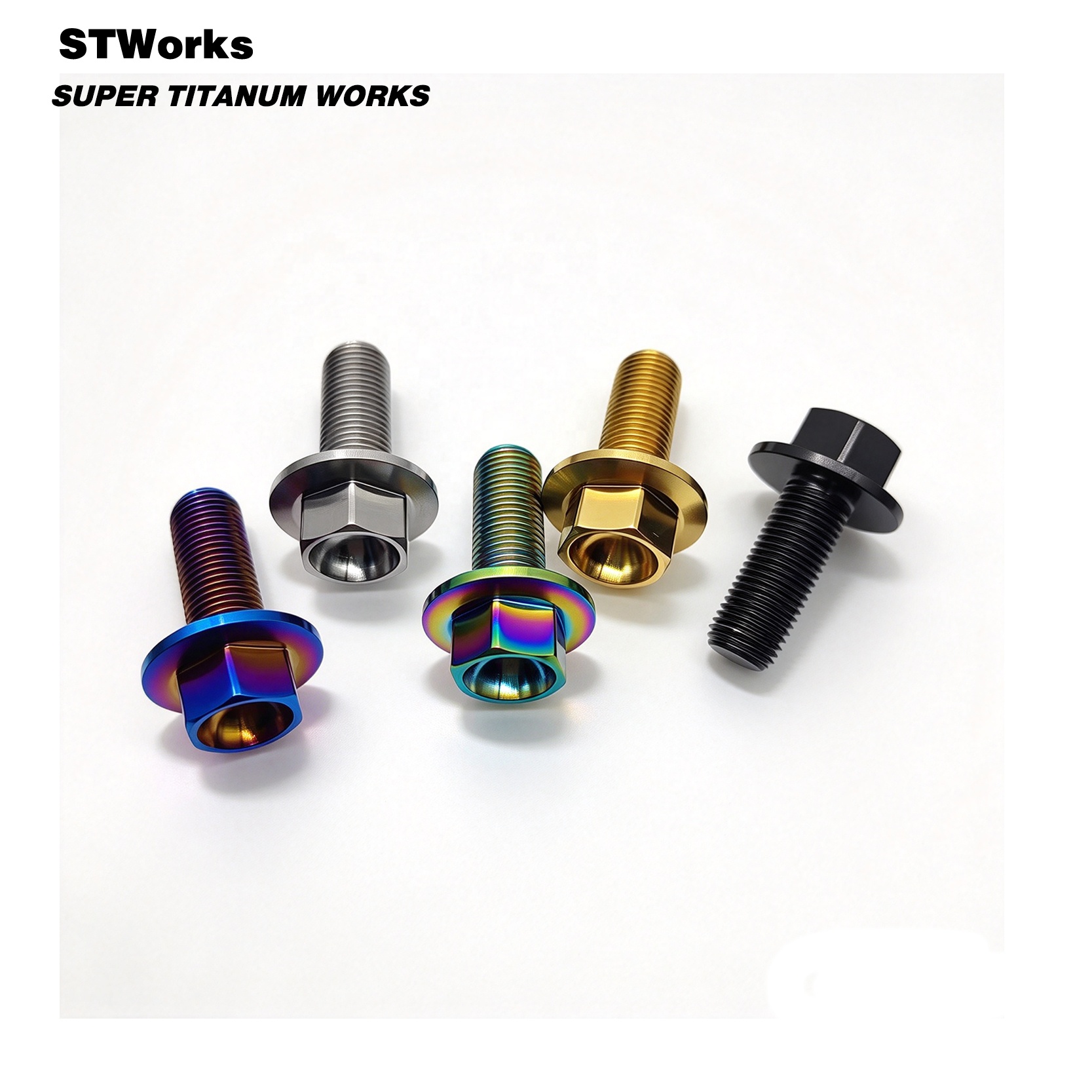
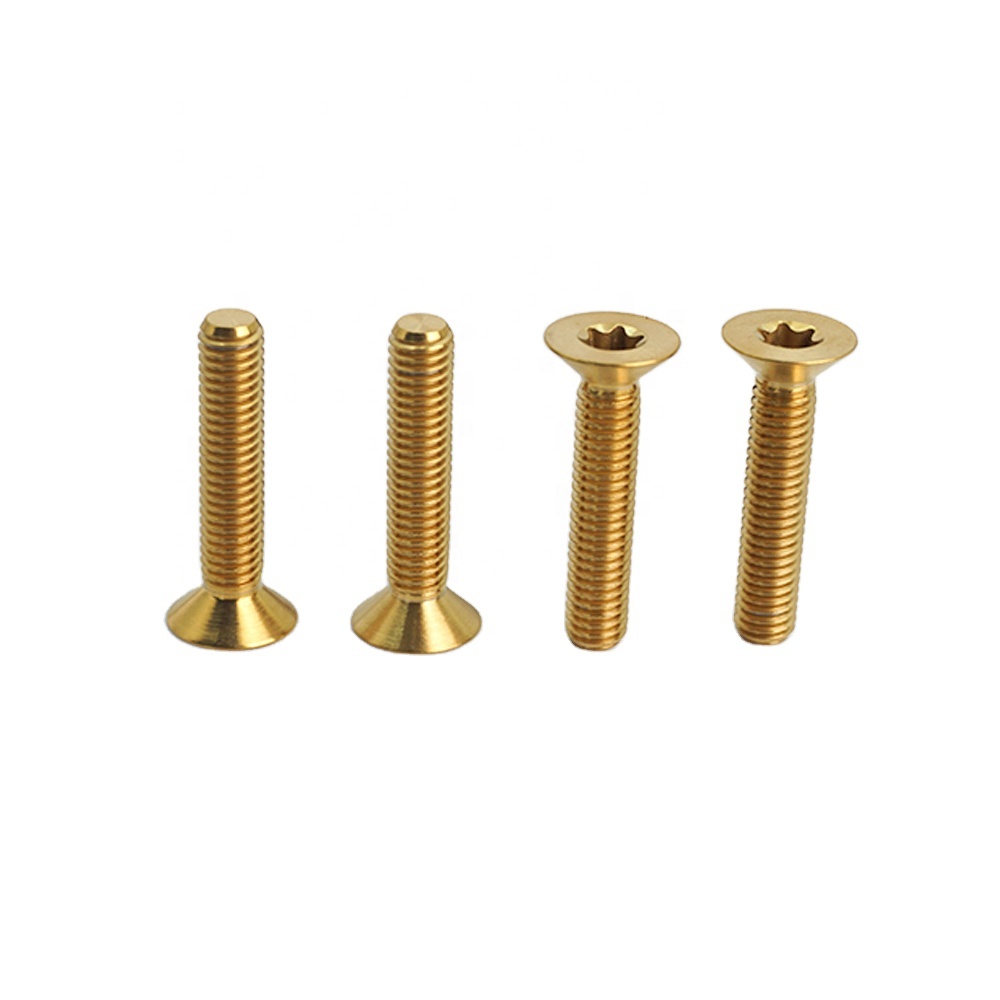
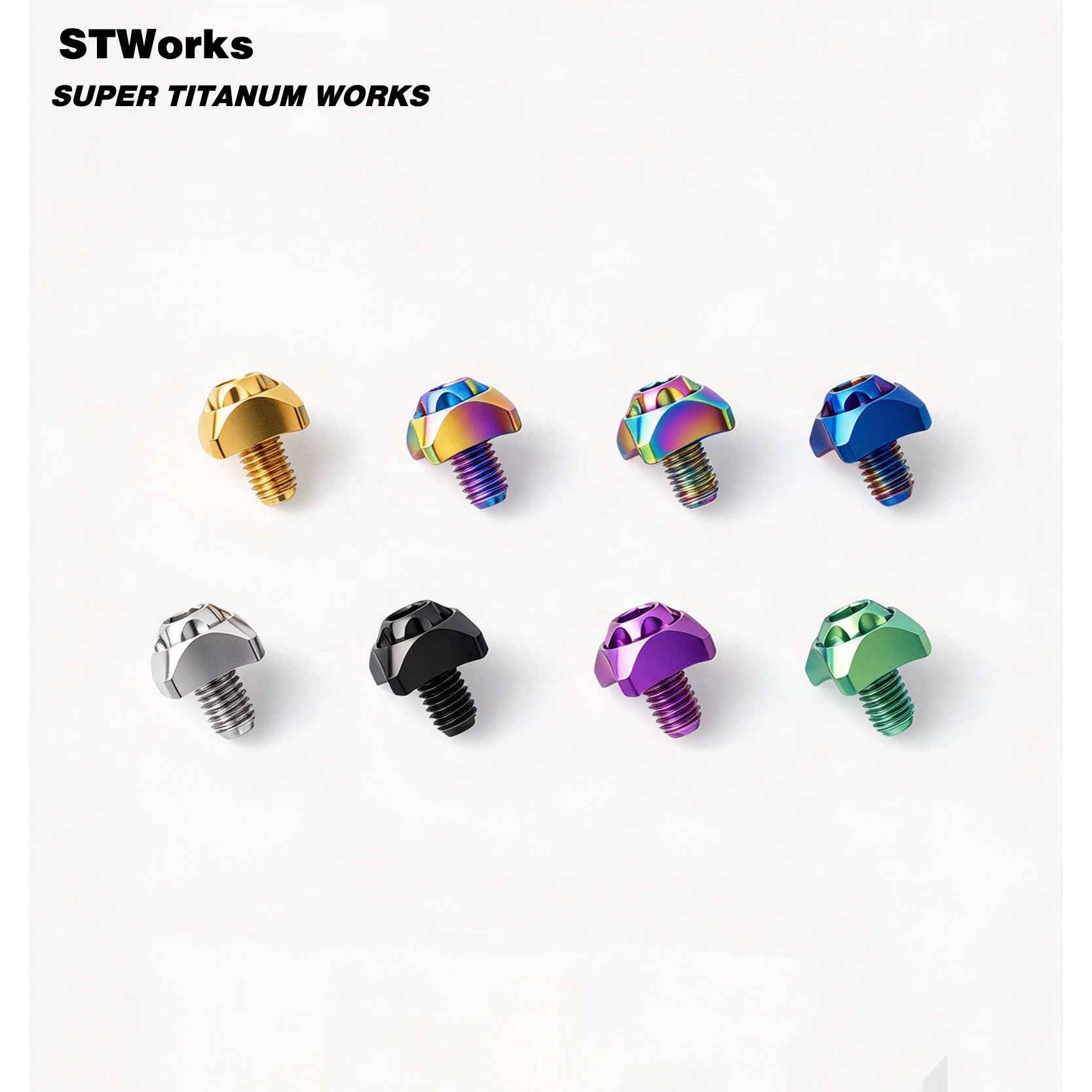
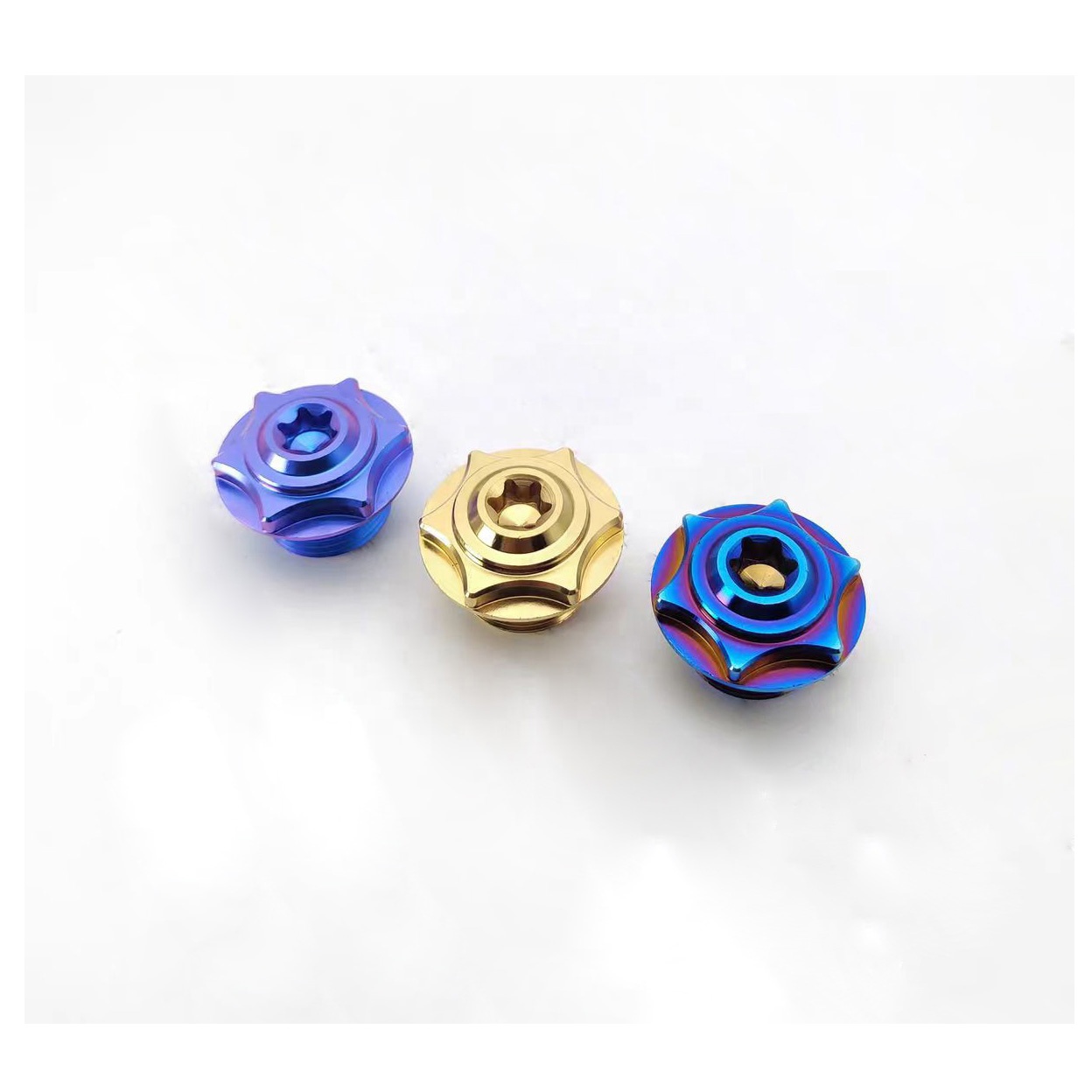
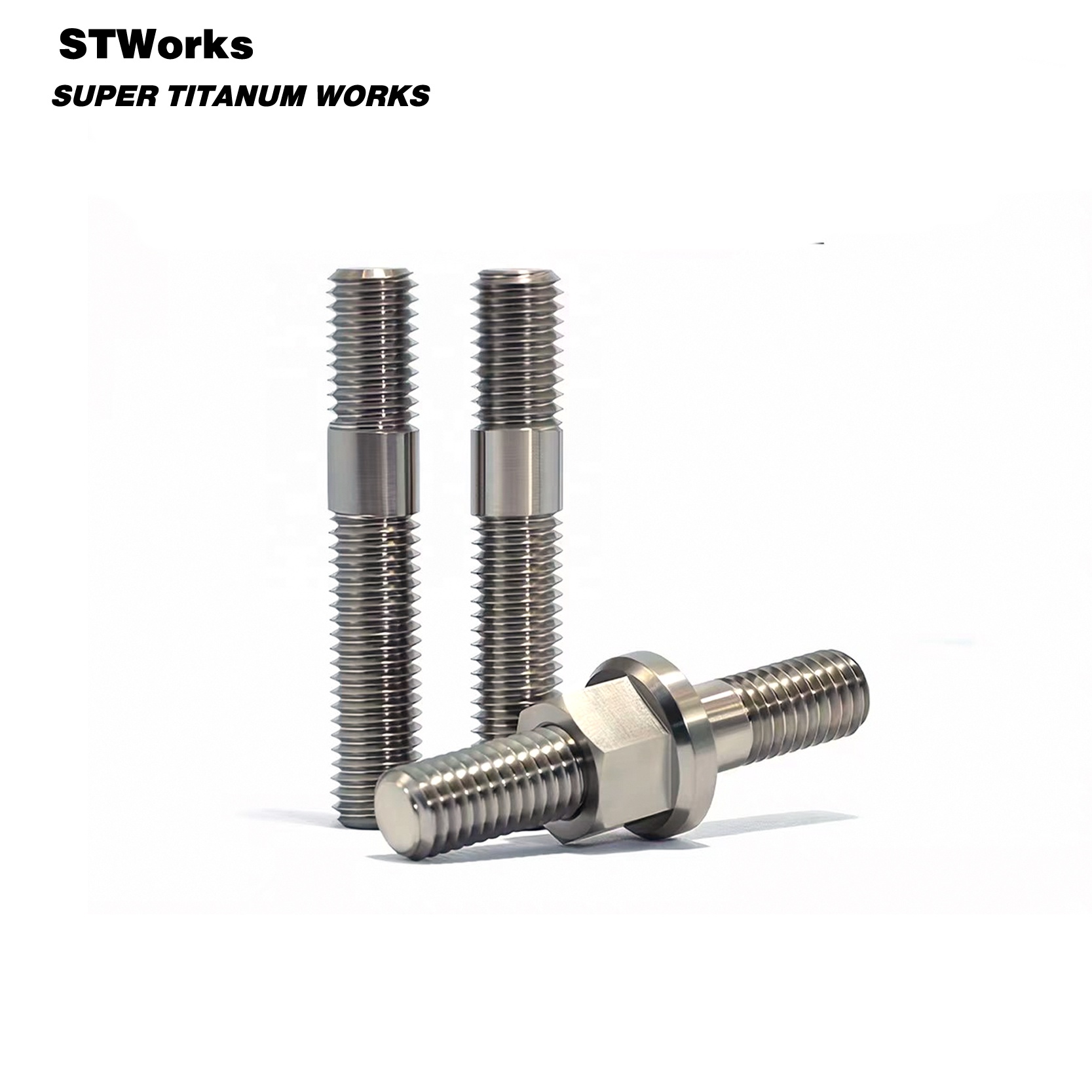
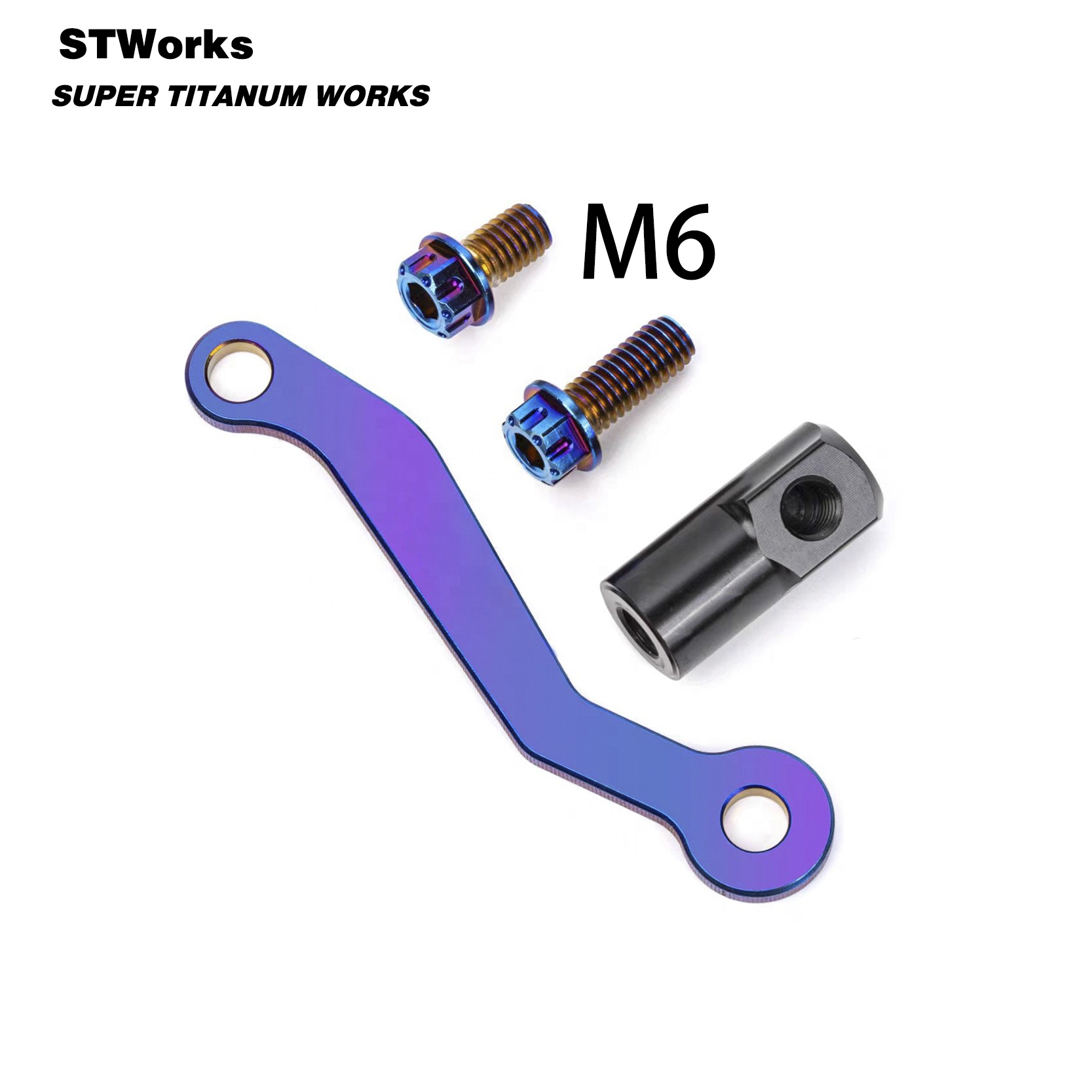
Understanding why Grade 5 (Ti-6Al-4V) socket head cap screws represent the pinnacle of fastening technology for high-stress dynamic assemblies.
Grade 5 titanium (UNS R56400 / Werkstoff 3.7165) features a dual-phase duplex crystalline matrix. By stabilizing the alpha matrix with 6% Aluminum and the ductile beta phase with 4% Vanadium, our fasteners achieve a minimum tensile strength exceeding 895–1000 MPa, with yield limits reaching 828 MPa.
Unlike budget manufacturers who cut external screw threads using turning inserts, Velnora utilizes high-tonnage precision cylindrical die cold thread rolling. Thread rolling creates continuous, uninterrupted grain lines that follow the thread contour, drastically reducing notch sensitivity under shear.
Stripped drive sockets are the leading cause of field assembly failure. We maintain strict internal broaching tolerances conforming to DIN 912 and ISO 10664. Our internal hex sockets and Torx Star recesses feature controlled bottom radius fillets to mitigate stress concentration during high-torque power tool installation.
| Mechanical Property | Velnora Gr5 Ti-6Al-4V | Class 12.9 Alloy Steel | 316 Stainless Steel (A4-80) | 7075-T6 Aerospace Aluminum |
|---|---|---|---|---|
| Density (g/cm³) | 4.43 (44% lighter than steel) | 7.85 | 8.00 | 2.81 |
| Tensile Strength (MPa) | 950 – 1050 | 1220 | 800 | 570 |
| Yield Strength (0.2% Offset, MPa) | 880 – 950 | 1100 | 600 | 505 |
| Strength-to-Weight Ratio (kN·m/kg) | 226 (Superior Efficiency) | 155 | 100 | 203 |
| Modulus of Elasticity (GPa) | 114 (Excellent Shock Dissipation) | 210 | 193 | 72 |
| Corrosion Resistance (Chloride/Marine) | Immune (Passive TiO₂ Film) | Extremely Poor (Rusts rapidly) | Moderate (Pitting vulnerable) | Prone to Galvanic Flaking |
| Operating Temp Limit (°C) | Up to 420°C | 300°C | 350°C | 120°C |
How tier-1 aerospace, hyper-car engineering, robotics, and maritime defense contractors are reshaping their titanium hardware supply pipelines.
With the aggressive mass-reduction targets in high-performance EVs and hyper-electric motorcycles, rotating and unsprung hardware has become a prime target. Replacing wheel hub bolts, brake disc screws, and suspension link pins with Grade 5 Titanium yields significant rotational inertia reductions, directly boosting acceleration telemetry and battery range efficiency.
Procurement directors are migrating beyond basic chemical anodizing toward multi-layer vacuum PVD. Applied Diamond-Like Carbon (DLC), Titanium Carbo-Nitride (TiCN), and Titanium Nitride (TiN) gold treatments provide surface hardness exceeding 2500–3000 HV. This virtually eliminates abrasive thread wear while offering customizable team aesthetic finishes.
Global geopolitical shifts and raw material volatility make supply assurance critical. Western buyers are circumventing intermediary trading companies to establish long-term framework supply agreements directly with Chinese precision manufacturers anchored in Shaanxi's Titanium Valley, securing traceability and EN 10204 3.1 chemical test certs.
Velnora Titanium Industry Co., Ltd. has delivered world-class CNC precision components and titanium fasteners to over 1,000 international OEMs, racing teams, and industrial fabricators since 2013.
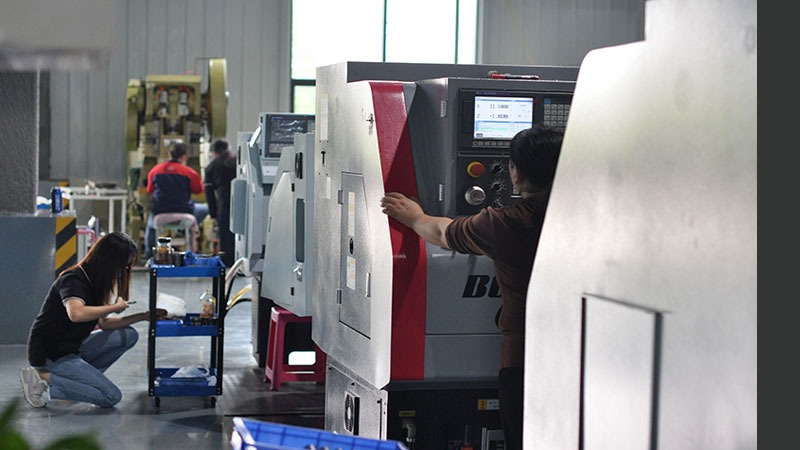
Operating from the Jinhe Industrial Park in Baoji, Shaanxi, our facility houses multi-axis Swiss-type turning centers, heavy-duty CNC milling cells, high-speed wire EDM machinery, and hydraulic cylindrical thread rollers capable of handling tolerances down to ±0.005 mm.
Detailed technical answers to common queries regarding thread galling, torque-tension mechanics, grade selection, and OEM production standards.
Grade 5 (Ti-6Al-4V) exhibits a nominal tensile strength of 950–1050 MPa and a yield strength around 880–920 MPa. This makes it a direct, superior 1-to-1 substitute for standard Class 8.8 structural fasteners with a 44% mass reduction.
For assemblies engineered around Class 10.9 or 12.9 high-tensile alloy bolts (such as engine connecting rod bolts or hyper-load suspension uprights), joint safety factors must be reviewed. While Gr5 has sufficient tensile margin for 90% of dynamic racing applications, highly critical joints may require moving up one nominal thread increment (e.g., from an M8 steel fastener to an M10 titanium bolt) or moving to cold-worked Beta-C titanium alloys.
Galling occurs when friction shears away titanium's naturally occurring micro-thin titanium dioxide (TiO₂) passivation layer under pressure, allowing direct metal-to-metal bonding and micro-welding between male and female threads. To mitigate galling in production environments:
1. Always apply a quality anti-seize compound containing molybdenum disulfide (MoS₂), nickel-base paste, or specialized copper-free marine anti-seize.
2. Utilize Velnora rolled threads, which possess a smooth surface finish (Ra ≤ 0.4 µm) compared to torn cut threads.
3. Strictly prohibit high-RPM pneumatic or electric impact wrenches during thread engagement. Run bolts down by hand or at low RPM before final calibrated torque-wrench tightening.
4. Consider our PVD DLC or TiN coated socket screws, which present a chemically inert barrier that completely prevents galling.
Titanium exhibits a lower shear modulus (~114 GPa) compared to carbon steel (~210 GPa). When calculating installation torque using the standard formula T = K · D · F (where T is torque, K is the nut friction factor, D is nominal diameter, and F is target clamp preload):
Dry unlubricated titanium has a friction coefficient of K ≈ 0.30–0.35, which is erratic and risks galling. When properly lubricated with anti-seize paste, K stabilizes between 0.12 and 0.15. As a general engineering rule of thumb, torque values for Grade 5 titanium bolts should be set to approximately 75% to 85% of the torque specified for comparable Grade 8.8 steel bolts to achieve identical clamping preload without over-stretching the thread roots.
Yes. Grade 5 titanium is the premier fastening material for modern composite aerospace and automotive monocoques. Aluminum and standard carbon steel have significant galvanic potential differentials when in contact with carbon fiber, resulting in severe galvanic corrosion of the metal in the presence of an electrolyte.
Titanium possesses an electrochemical potential very close to carbon fiber on the galvanic scale. It forms a resilient, dense oxide surface layer that prevents electron transfer, totally eliminating galvanic corrosion without needing insulating fiberglass scrims or barrier sleeves.
We manufacture to DIN 912 (socket head cap screws), DIN 7991 (flat countersunk socket screws), ISO 4762, ISO 14579 (hexalobular Torx socket), DIN 6921 (hex flange bolts), and ANSI/ASME B18.3 inch-series standards. For bespoke components, we accept native 3D CAD files in STEP (.stp), IGES (.igs), and 2D engineering blueprints in PDF or DWG with geometric dimensioning and tolerancing (GD&T).
Every dispatch can be accompanied by an EN 10204 Type 3.1 Inspection Certificate detailing chemical composition, yield/tensile mechanical breakdown, optical hardness testing, and thread gage GO/NOGO verification records.
Partner directly with an authentic Baoji titanium fastener manufacturer. Send us your project bill of materials, custom blueprints, or standard product specs for a rapid engineering quote within 4 business hours.
Get Catalog