Featured Titanium Disc Fasteners & Precision CNC Hardware
Direct factory sourcing for high-performance motorsport, cycling, and tactical assemblies. Every item is machined with micro-inch tolerances, rolled micro-threads, and dual-surface passivated finishes.
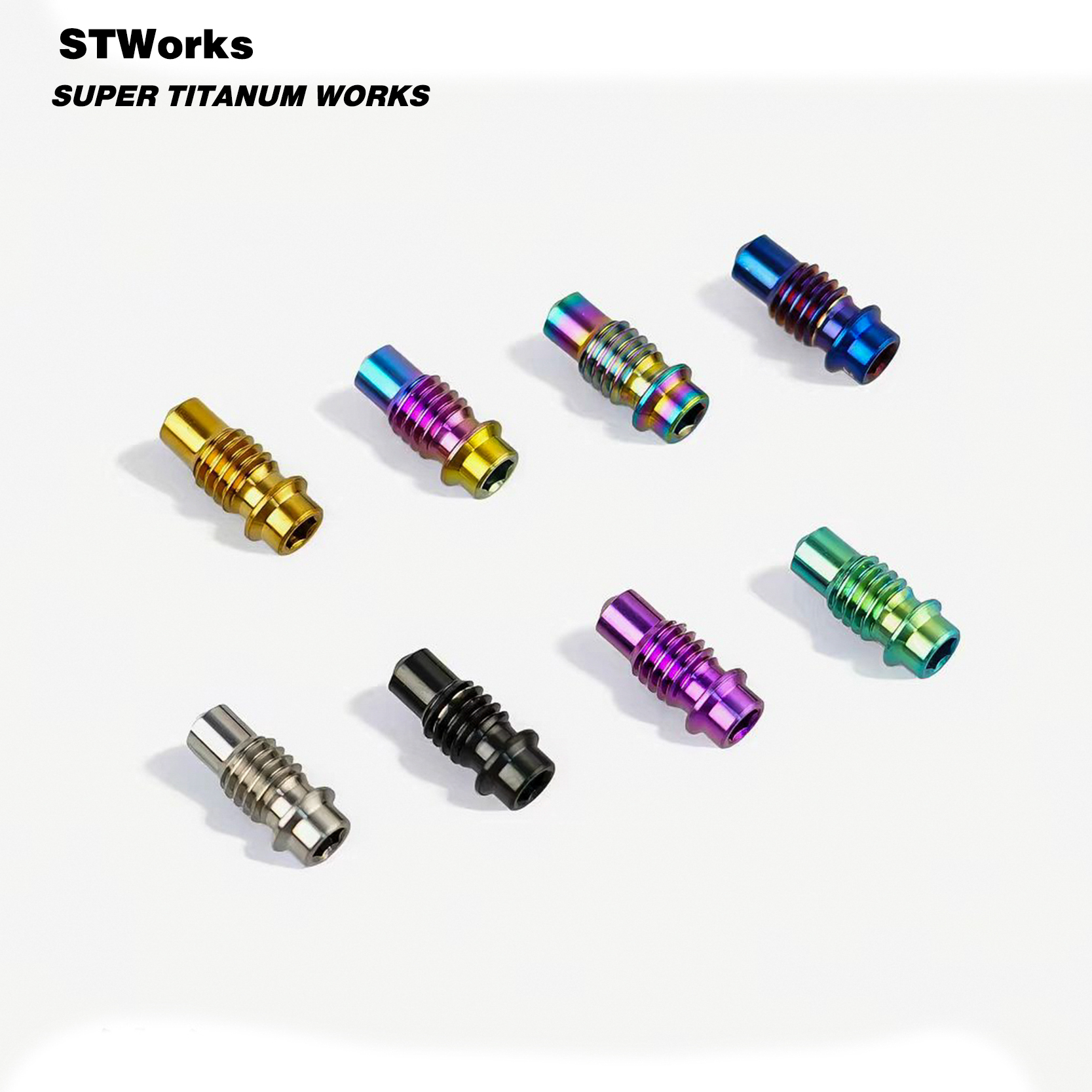
TC4 Titanium Caliper Bleed Port Screw for Shimano Road Disc Brake Caliper
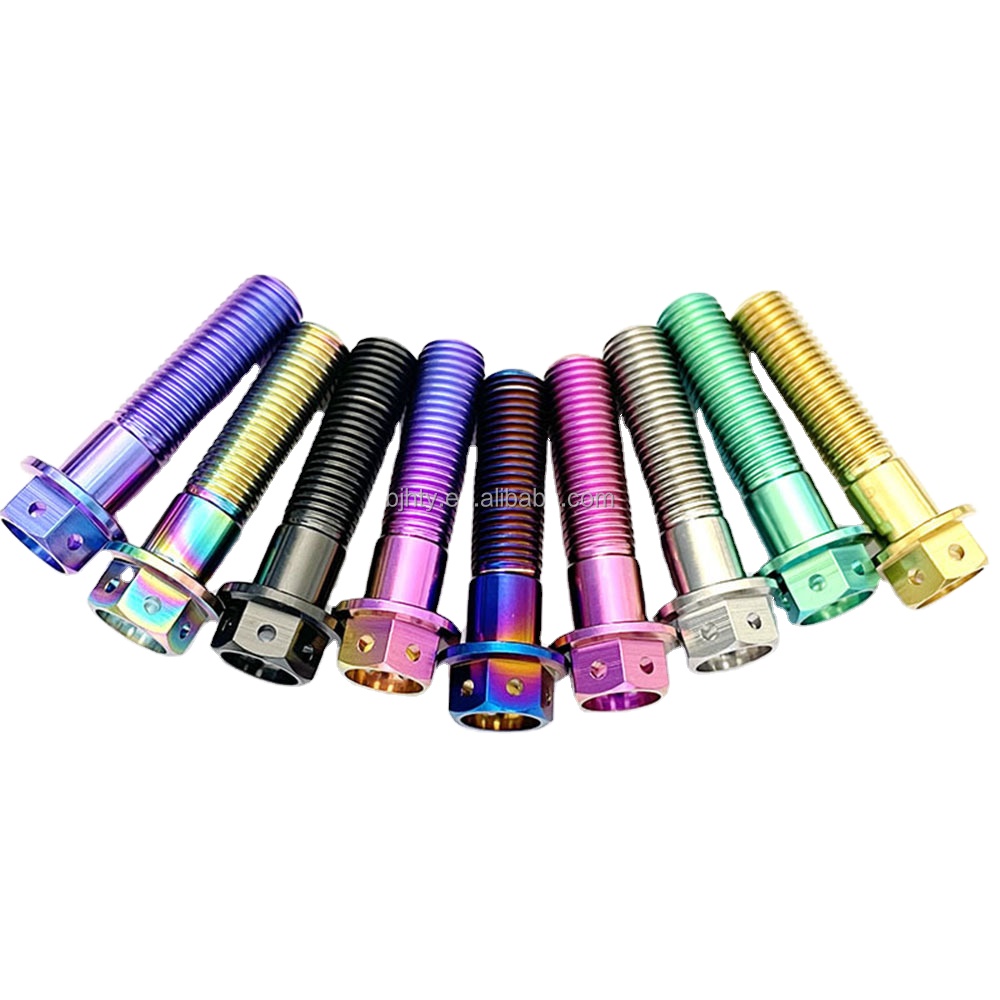
Titanium Alloy Double Drive Head Flanged Hex Bolts for Motorcycle M8/M10
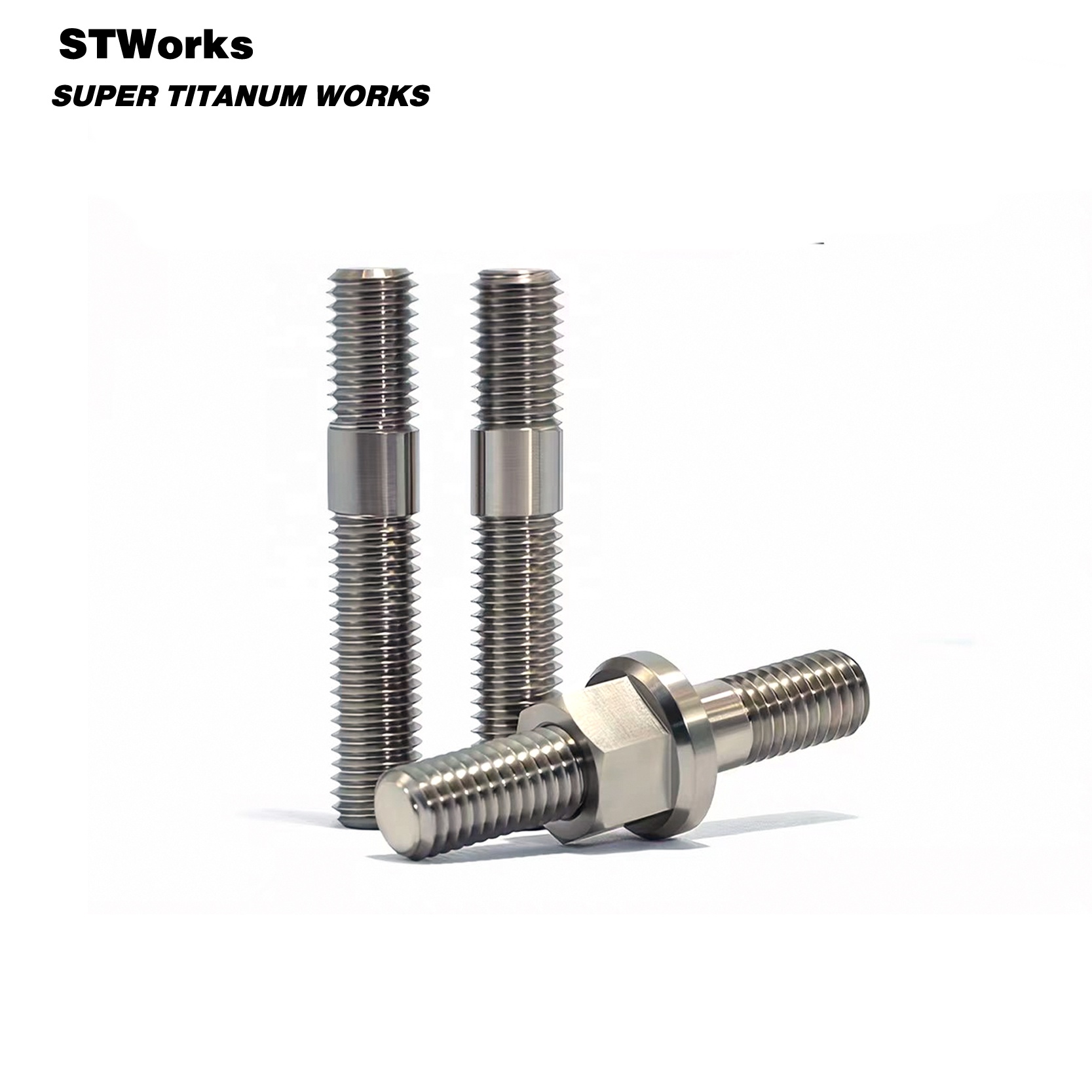
12 Point Nuts Titanium 6AL-4V Grade Exhaust Screws M8x1.25 Ultra Light
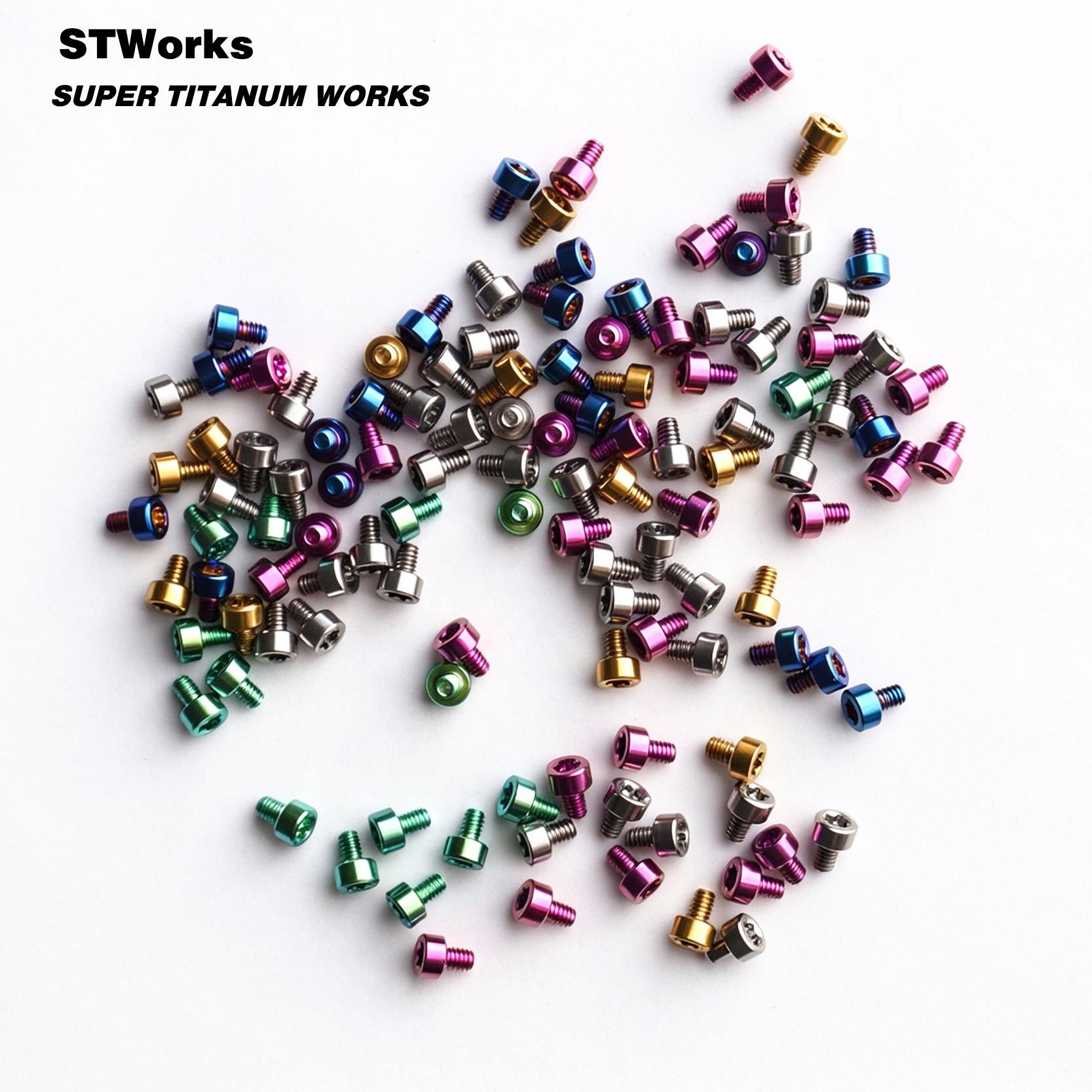
Titanium Screws M2 M2.5 Cylinder Head Bolt DIN 912 Torx Micro Machine Screw
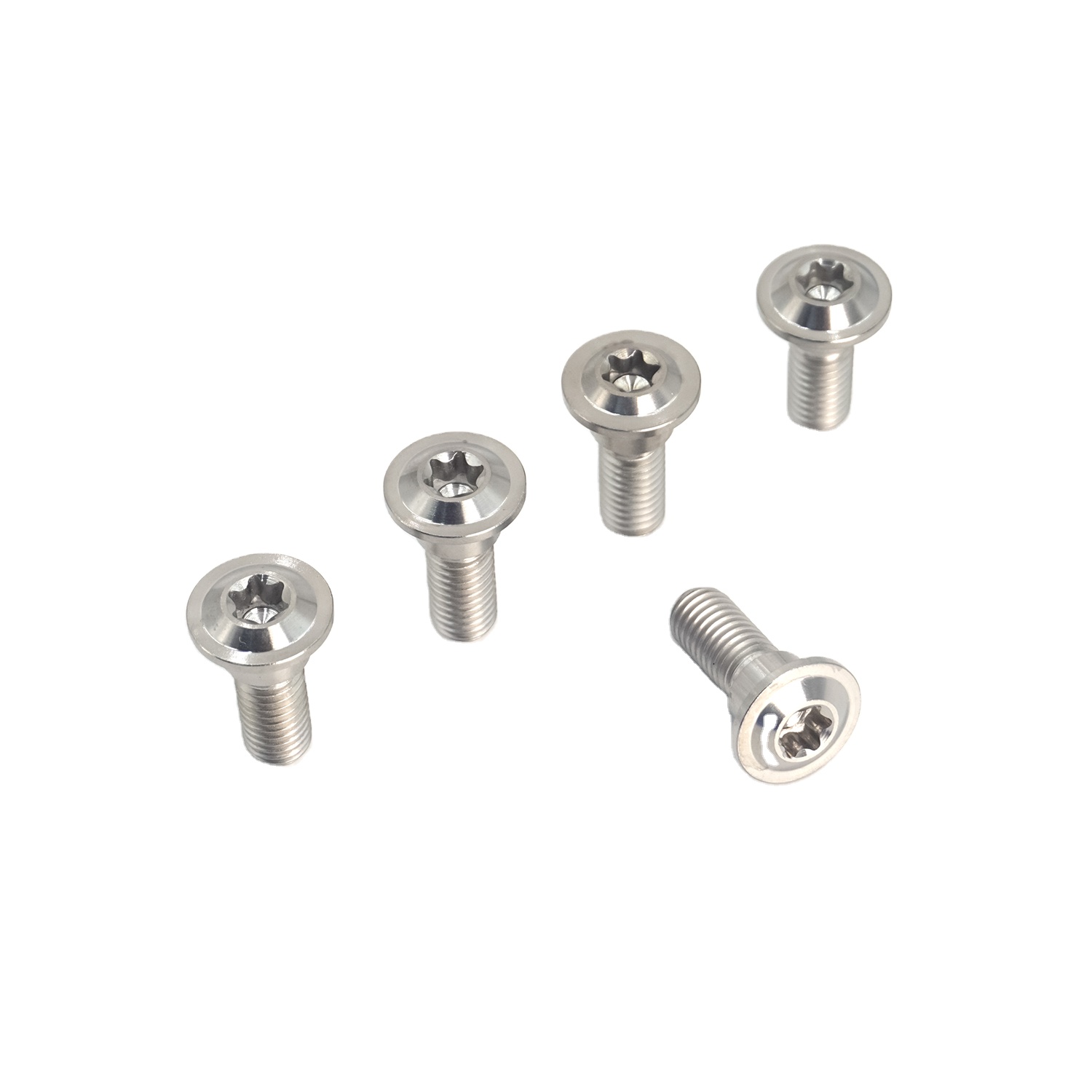
OEM CNC MACHINING Gr5 Titanium Disc Brake M8x23 Screws for Motorcycle
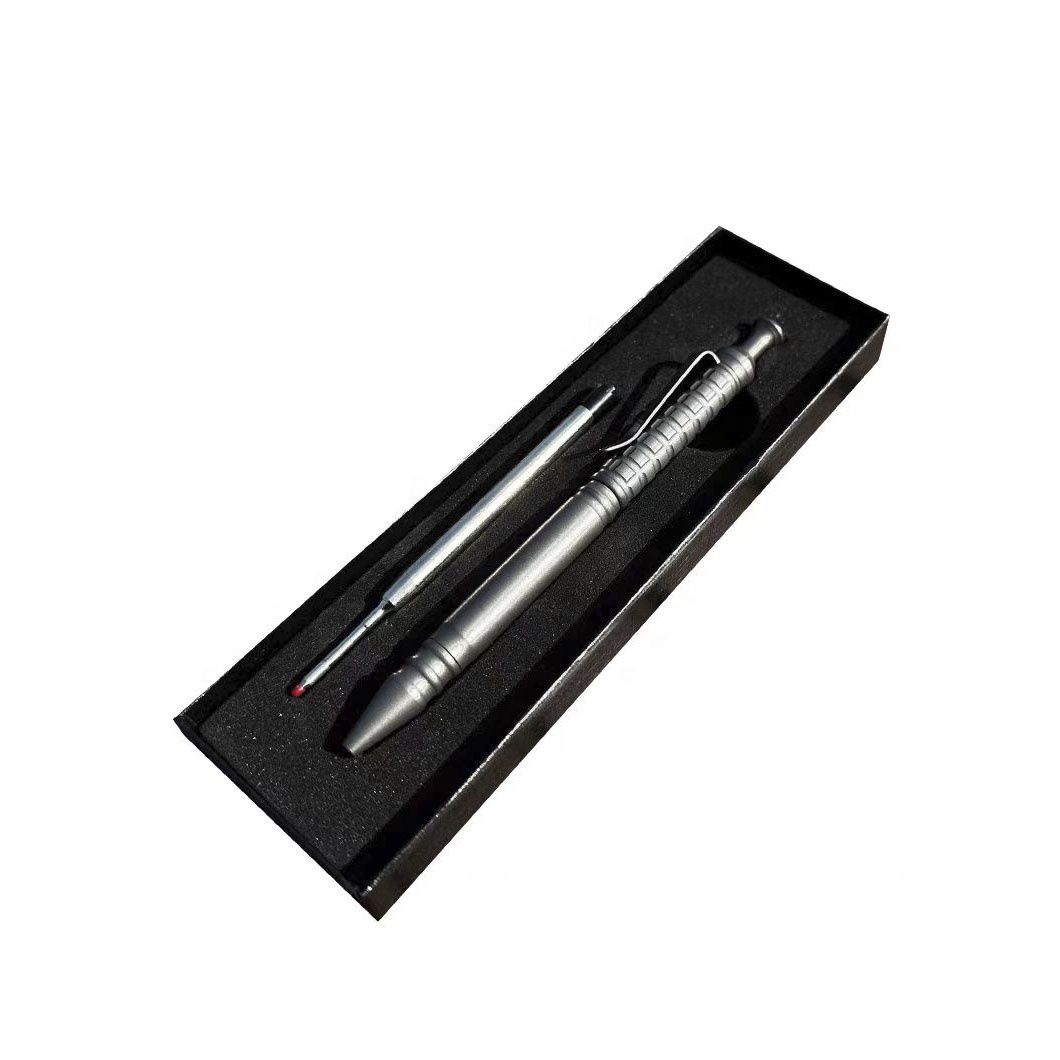
CNC Machining Wire EDM Multifunctional Bolt Titanium Alloy Tactical Pen
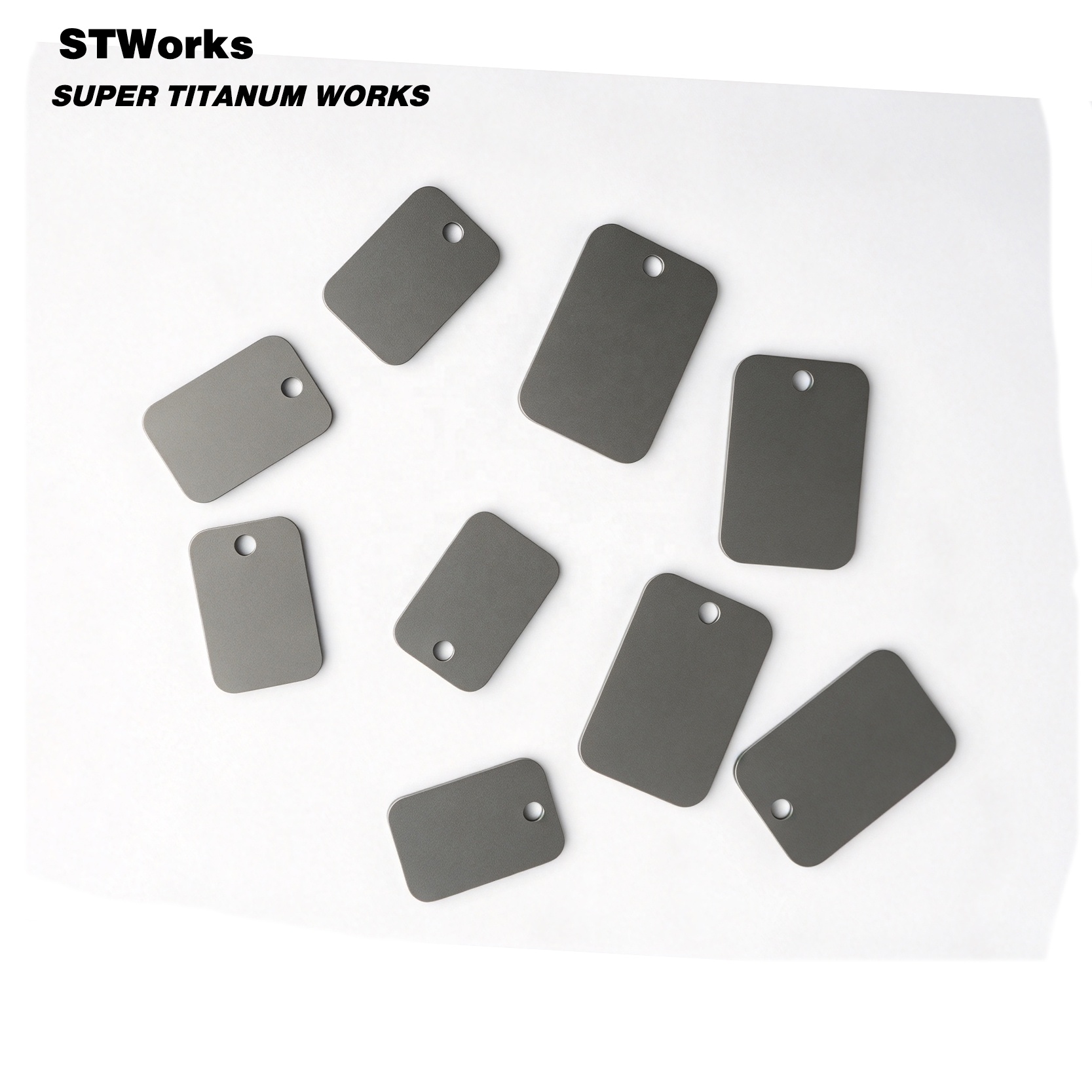
Custom Grade 5 Titanium Plate Tag Sandblasted Free Laser Engraved Blank
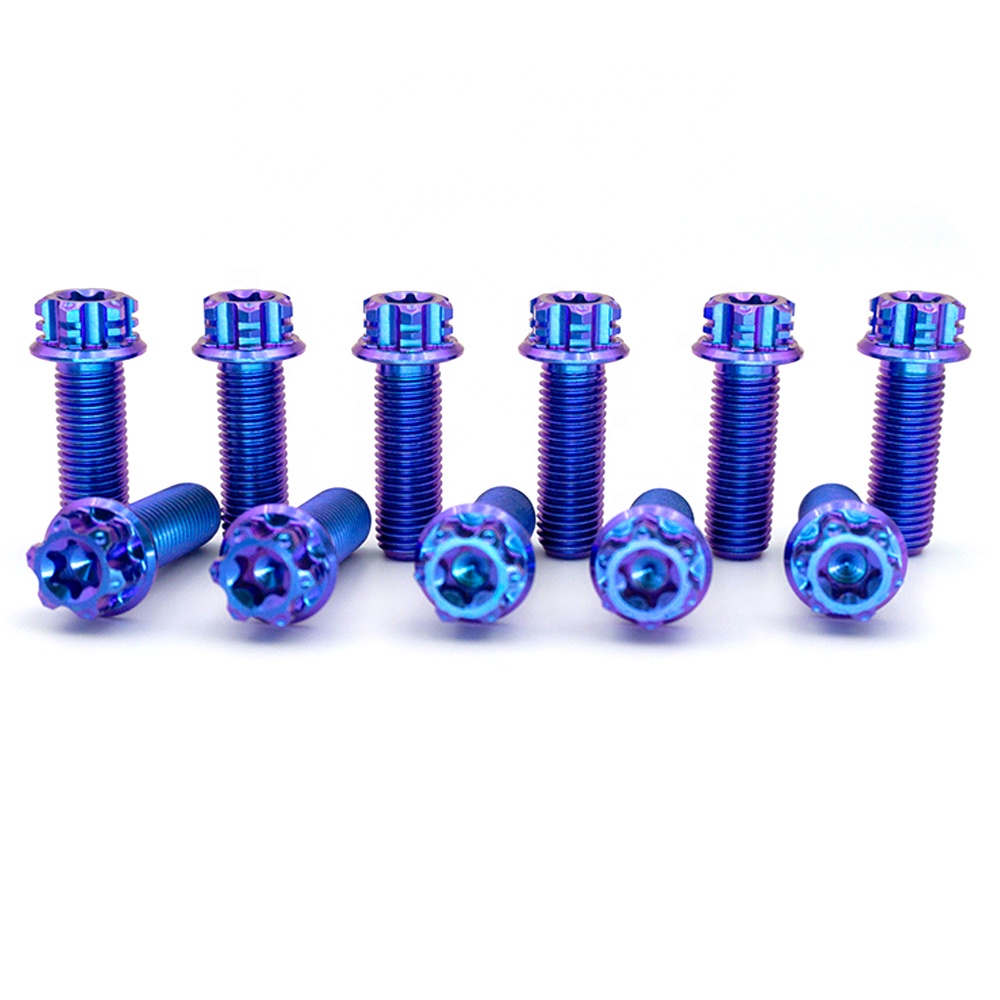
Titanium Alloy Hexagonal Flange Head Bolts and Screws for GR5 Motorcycle
Engineering Titanium Disc Screws: The Physics of High-Performance Braking
Disc brake rotor screws represent one of the most critical safety junctions in modern powersports, high-end cycling, and automotive applications. Discover why Tier-1 racing teams and OEMs have fully transitioned from Grade 8.8/10.9 steel to Ti-6Al-4V.
Rotational & Unsprung Mass Dynamics
Rotational inertia is inversely proportional to acceleration and braking responsiveness. At 4.43 g/cm³, Grade 5 titanium offers an immediate 44% reduction in mass compared to steel bolts. By shedding weight at the wheel hub perimeter, gyroscopic resistance is diminished, noticeably improving steering transition agility and suspension dampening recovery times under violent wheel chatter.
Cyclic Thermal Dissipation & Shear Load
Kinetic braking energy generates rotor temperatures exceeding 500°C. Conventional carbon steel bolts experience embrittlement and thermal relaxation, leading to preload clamp-force decay. Ti-6Al-4V retains over 80% of its room-temperature yield strength up to 400°C, preventing thermal expansion mismatch, rotor warping, and catastrophic multi-axis shear fractures during aggressive trail braking.
Galvanic Isolation & Zero Rusting
Direct interface between steel fasteners and cast iron, carbon-ceramic, or aluminum wheel hubs in saline or humid environments yields rapid galvanic corrosion. Titanium spontaneously forms a dense, self-healing oxide passivation layer (TiO2), completely impervious to chloride ion pitting, de-icing road salts, and aggressive synthetic brake fluids (DOT 4, 5.1).
Material Mechanics: Grade 5 Titanium vs. Alternative Fastener Alloys
Compare the certified mechanical benchmarks used by our engineering department when validating disc rotor screws, caliper bleeders, and structural chassis fasteners.
| Mechanical Property | Gr5 Ti-6Al-4V (TC4) | Ti-6Al-4V ELI (Gr23) | Class 10.9 Carbon Steel | AISI 304 Stainless | 7075-T6 Aluminum |
|---|---|---|---|---|---|
| Density (g/cm³) | 4.43 (Optimized) | 4.43 | 7.85 | 7.93 | 2.81 |
| Tensile Strength, Ultimate (MPa) | 950 - 1050 | 860 - 920 | 1040 | 515 - 700 | 572 |
| Yield Strength 0.2% (MPa) | 880 - 920 | 790 | 940 | 205 | 503 |
| Modulus of Elasticity (GPa) | 114 (Superior Flexibility) | 110 | 210 | 193 | 71.7 |
| Shear Strength (MPa) | 620 | 550 | 630 | 380 | 331 |
| Fatigue Limit (10^7 cycles, MPa) | 510 | 480 | 420 | 240 | 159 |
| Thermal Expansion Coeff. (μm/m·K) | 8.6 | 8.6 | 11.7 | 17.2 | 23.4 |
| Brake Fluid & Salt Spray Resistance | Immune (>2,000 hrs NSS) | Immune | Poor (Zinc flakes off) | Moderate (Crevice risk) | Poor (Pitting risk) |
How We Manufacture: Rolled Threads vs. Cut Threads in Disc Fasteners
Precision machining of titanium disc screws requires strict metallurgical control. Many low-cost suppliers cut threads on conventional lathes; we utilize continuous cold-rolling dies to achieve aerospace fatigue thresholds.
Continuous Grain Flow Rolling
Lathe thread cutting severs the natural crystal grains of the Ti-6Al-4V bar stock, generating micro-notches that act as stress concentration focal points under severe cyclic braking. Our automated thread rolling machines plastically displace the alloy, compressing the root grain boundaries and boosting root tensile resistance by over 30%.
5-Axis Swiss Machining & Torx Plus (IP)
Disc screws endure severe torque during pneumatic installation. Standard Torx or internal hex drives can strip due to titanium's lower modulus of elasticity. We precision-mill Torx Plus (IP) and proprietary double-drive configurations with true 90-degree drive angles, completely eliminating cam-out failure during high-speed assembly.
Electrochemical PVD & Anodizing
Beyond standard voltage-controlled electrolytic anodizing (which yields striking gold, violet, burnt blue, and rainbow finishes via optical thin-film interference), we provide Physical Vapor Deposition (PVD) Diamond-Like Carbon (DLC) and Titanium Nitride (TiN) hard coatings that dramatically elevate Vickers hardness to >2500 HV.
Global Procurement Trends: Sourcing Titanium Disc Fasteners
Strategic purchasing managers in powersports, aerospace, and high-performance automotive are revising their procurement matrices to meet upcoming supply chain realities.
1. Electric Vehicle Powertrain Unsprung Weight Squeezes
As battery packs dramatically inflate vehicle curb weight, OEMs are mandating aggressive weight reduction across rotating unsprung brake hardware. By 2028, the adoption of titanium disc screws in performance EVs is projected to expand by 28.4% CAGR, especially when paired with carbon-ceramic brake systems.
2. Pre-Applied Microencapsulated Anaerobic Adhesives
Field-applied thread lockers (liquid loctite) create torque scatter and galling risks during assembly line production. Future purchasing tenders predominantly require factory pre-applied DIN 267-27 micro-encapsulated locking patches (Dri-Loc/3M) cured directly onto the titanium threads to ensure exact clamp load repeatability.
3. Verified Digital Traceability & EN 10204 3.1 MTRs
Scrutiny over material authenticity has intensified. Buyers reject commodity traders lacking certified melt traceability. Modern tenders require lot-specific spectroscopic alloy assay reports, ultrasonic non-destructive testing for subsurface voids, and optical dimensional verification for zero-defect compliance.
Velnora Titanium Industry: The Baoji Valley Manufacturing Advantage
Located in Baoji, Shaanxi—widely recognized as China's Titanium Valley—Velnora Titanium Industry Co., Ltd. has delivered precision fasteners and bespoke CNC components to over 1,000 enterprise clients globally since 2013.
Direct Mill Ingot Upstream Integration
Situated within the core of China's titanium sponge refining and forging cluster, we secure premium aerospace-certified TC4 vacuum consumable arc-melted ingots directly from regional smelters. This insulated supply chain eliminates speculative commodity markups and shields our partners from raw titanium pricing fluctuations.
Transparent Production with In-Process Video
We bridge the cross-border B2B trust gap by sharing video and photographic documentation throughout the manufacturing lifecycle. From CNC roughing, 5-axis drive milling, and thread rolling to CMM automated sorting and spectrometer testing, your engineers inspect physical quality milestones before packaging.
Rigorous Metrology & Quality Assurances
Every production batch undergoes strict quality control: full dimensional profiling via Keyence optical comparators, thread pitch diameter verification with class 6g thread ring gages, tensile pull testing to destruction, and salt spray testing. Full material certificates (EN 10204 3.1) are supplied as standard.
Frequently Asked Questions for B2B Titanium Disc Screws Buyers
Everything your engineering team and sourcing agents need to know regarding torque parameters, anti-galling, design standards, and factory order minimums.
How do we calculate tightening torque when switching from steel to titanium disc screws?
Because titanium has an elastic modulus of roughly 114 GPa (compared to 210 GPa for steel), it elongates more under an identical clamp load. In dry assembly conditions, titanium possesses a higher friction coefficient, which can result in false torque readings. To calculate the correct tightening torque, engineers utilize the standard formula: T = K · F · d (where K is the nut factor, F is the clamp preload, and d is nominal bolt diameter). When installing titanium disc screws with a titanium-rated copper- or molybdenum-based anti-seize paste, reduce OEM dry steel torque specifications by roughly 10% to 15% to achieve identical clamping preload without overstretching the bolt shank.
What prevents thread galling (cold welding) during automated installation?
Titanium has a tendency to micro-weld under excessive friction and speed. We address this through three engineering controls: First, all our threads are polished or cold-rolled to an ultra-smooth root surface finish (Ra ≤ 0.4 μm), eliminating microscopic friction peaks. Second, we recommend or factory-apply anti-seize paste, molybdenum disulfide (MoS2), or microencapsulated thread coatings. Third, our pneumatic installation guidelines advise running drivers at speeds below 300 RPM until snug, using a calibrated torque wrench for the final seat.
Can Grade 5 Titanium directly substitute Grade 10.9 steel rotor bolts?
In over 95% of motorcycle, automotive aftermarket, and cycling disc assemblies, yes. Ti-6Al-4V achieves a tensile strength of 950–1050 MPa, closely matching Class 10.9 steel (1040 MPa), while exhibiting higher fatigue resistance in cyclic vibration environments. However, for ultra-heavy commercial vehicles or specialized hypercar rotor mounts with extreme shear forces, an engineering review of the bolt shank diameter (e.g., upsizing from M8 to M10 or utilizing Ti-6Al-4V with rolled threads) is conducted to ensure an adequate safety factor.
Does electrolytic anodizing degrade the fatigue strength of titanium screws?
Unlike aluminum anodizing (which creates a thick, porous oxide layer that can reduce fatigue limits), titanium anodizing creates a nano-scale passive barrier (between 10 nm and 200 nm thick depending on the applied voltage). The titanium itself acts as the refractive substrate without chemical etching. Extensive rotating-beam fatigue testing confirms that standard Type II and Type III color anodization has zero measurable impact on the high-cycle fatigue threshold of our Grade 5 bolts.
Which international fastener standards do your production lines support?
We machine fasteners to DIN (e.g., DIN 912 socket cap, DIN 7991 countersunk, DIN 6921 hex flange), ISO (ISO 14581, ISO 14579 Torx), JIS (Japanese Industrial Standards), and ANSI/ASME inch standards. In addition, over 60% of our disc screw output involves customized OEM geometries—such as stepped shoulders, captive floating rotor bushings, hollow-drilled lockwire heads, and proprietary drive recesses—machined directly from your 2D/3D CAD drawings (STEP, IGES, DXF, or PDF).
What are your typical Minimum Order Quantities (MOQs) and lead times?
For standard catalog specifications (such as M5x10 Torx bicycle rotor screws or M8x20/25 motorcycle hex flange bolts), MOQs start at 100 to 200 pieces per spec. For fully customized OEM CNC parts requiring tailored tooling setups, our MOQ typically ranges between 300 and 500 pieces. Production lead times average 12 to 18 business days for CNC turned batches, with express international air courier delivery (DHL, FedEx, UPS) arriving at your receiving dock within 3 to 5 business days worldwide.
How do you verify material purity and prevent fake or substandard titanium?
Counterfeit titanium and low-cost Grade 2 CP passed off as Grade 5 is a common hazard in commodity trading. Velnora performs incoming X-ray Fluorescence (XRF) and Optical Emission Spectrometry (OES) assays on every batch of raw rod entering our shop. We test for exact percentage compositions: Aluminum (5.5–6.75%), Vanadium (3.5–4.5%), and Iron/Oxygen limits. Mill Test Certificates complying with EN 10204 Type 3.1 accompany every outbound export order.
Can you provide custom laser engraving and retail-ready packaging?
Yes. We offer fiber-laser engraving for lot numbers, customer brand logos, and torque ratings directly onto the bolt heads. For aftermarket brands, distributors, and race teams, we provide barcoded heat-sealed polybags, custom blister packaging, and anodized protective cases ready for retail shelves.
Request a Technical Drawing Review & Factory Quote
Have a custom rotor bolt print, an aftermarket project, or an OEM production blueprint? Upload your STEP, IGES, or PDF files. Our manufacturing engineers in Baoji will evaluate tolerances, alloy choices, and furnish a detailed quote within 4 business hours.