Featured Titanium Fasteners & CNC Machined Components
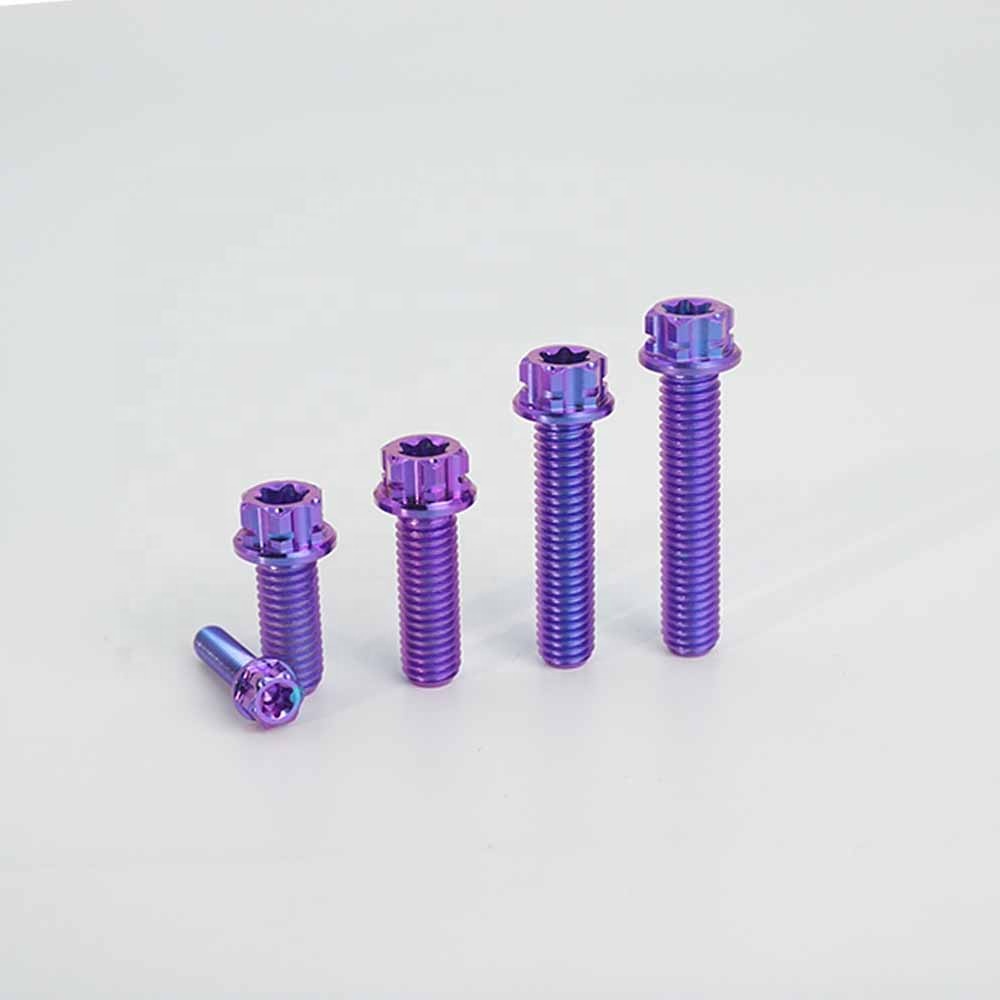
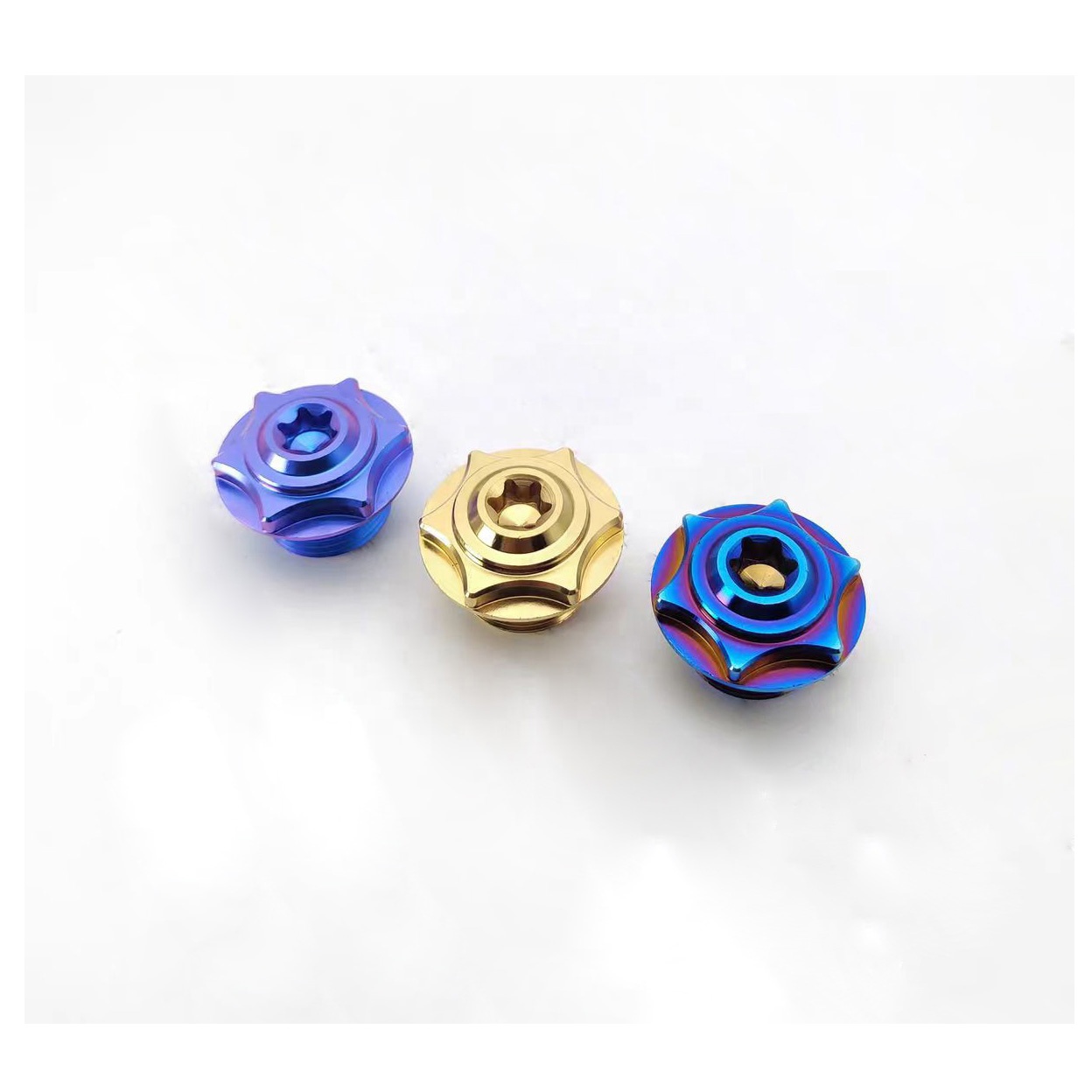
Explore our flagship Grade 5 (Ti-6Al-4V TC4) precision fastener portfolio. Manufactured with optical thread consistency, chamfered entry profiles, and corrosion-resistant PVD or anodized surface options.
Technical Whitepaper: Engineering Ti-6Al-4V Grade 5 Titanium Axle Nuts
In high-velocity wheeled applications, from MotoGP racing paddocks and factory superbike racing to off-road rally machinery and competitive downhill mountain bikes, the axle nut is a safety-critical mechanical anchor. The rear spindle fastening assembly must sustain dynamic shear stresses, multidirectional gyroscopic loads, and substantial cyclic shock waves caused by pavement imperfections, high-angle lean cornering, and rapid acceleration-induced chain snatch. Specifying Grade 5 Titanium (Ti-6Al-4V, Werkstoff 3.7165, TC4) for wheel spindle and axle applications provides an unmatched strength-to-density ratio, eliminating critical unsprung mass without sacrificing structural tensile stability.
1. Unsprung Mass Dynamics & Rotational Inertia
In dynamic vehicle kinematics, unsprung mass—encompassing wheels, brake rotors, calipers, wheel bearings, swingarm dropouts, and axle hardware—dictates suspension response and tire contact patch compliance. When an axle nut made of standard carbon steel or property class 8.8 / 10.9 chrome-molybdenum alloy is replaced with a precision CNC machined Grade 5 titanium flanged nut, hardware mass is curtailed by approximately 44% (density of Ti-6Al-4V is 4.43 g/cm³ versus 7.85 g/cm³ for structural steel). Reducing mass located precisely at the rotational centerline of the wheel assembly attenuates the damper reaction threshold, empowering shock valving to react with increased velocity and minimizing vertical wheel chatter under heavy trail braking.
2. Metallurgical Grain Architecture: Cold Forging vs. Cut Threads
A frequent vulnerability found in low-grade aftermarket titanium axle nuts is the reliance on single-point CNC cutting or thread whirling tools directly on extruded bar stock to cut internal threads. Thread cutting mechanically interrupts and cleaves the internal longitudinal grain boundaries of the alpha-beta titanium crystal lattice, generating microscopic notch sensitivity grooves at the thread root where cyclic stress cracks initiate.
As an engineering-driven Baoji manufacturer, our production incorporates high-precision cold-forged blanks matched with CNC controlled thread-forming taps. By displacing and compressing the titanium matrix along the thread flanks rather than severing it, the grain flow contours continuously around the thread crests and root radii. This work-hardens the contact face to approximately 34–36 HRC, yielding a 300% extension in cyclic fatigue life and dramatically reducing the incidence of catastrophic thread stripping during high-torque pit-lane tire changes.
Titanium Axle Nut Engineering Specification & Torque Matrix
| Nominal Size | Pitch (mm) | Flange Dia (Ø mm) | Drive Geometry | Tensile Strength (MPa) | Proof Load (kN) | Rec. Torque (Anti-Seize Lubricated) |
|---|---|---|---|---|---|---|
| M14 × 1.50 | 1.50 Metric Fine | 28.0 mm | Hex 22mm / Bi-Hex | ≥ 950 MPa | 84.2 kN | 65 – 72 Nm |
| M16 × 1.50 | 1.50 Metric Fine | 32.0 mm | Hex 24mm / Flanged | ≥ 950 MPa | 114.5 kN | 85 – 95 Nm |
| M18 × 1.50 | 1.50 Metric Fine | 35.0 mm | Hex 27mm | ≥ 980 MPa | 146.0 kN | 105 – 118 Nm |
| M20 × 1.50 | 1.50 Metric Fine | 38.0 mm | Bi-Hex 30mm 12-Pt | ≥ 980 MPa | 182.4 kN | 125 – 140 Nm |
| M22 × 1.50 | 1.50 Metric Fine | 42.0 mm | Bi-Hex 32mm / Lock-Pin | ≥ 980 MPa | 224.0 kN | 145 – 160 Nm |
| M24 × 1.50 | 1.50 Metric Fine | 46.0 mm | Hex 36mm / Castellated | ≥ 980 MPa | 268.0 kN | 175 – 195 Nm |
| M25 × 1.50 | 1.50 Metric Fine | 48.0 mm | Custom Spindle Drive | ≥ 1,000 MPa | 292.0 kN | 190 – 215 Nm |
*Note: Standard engineering friction coefficient (μ = 0.10 – 0.12) is assumed with anti-galling Ti-paste or synthetic MoS2 assembly lubricant. Dry assembly of titanium threads will cause false torque readings and instantaneous surface galling.
3. Preventing Galling & Cold-Welding under High Clamping Preload
The native chemical advantage of titanium—its immediate formation of an amphoteric, passive titanium dioxide (TiO2) film upon atmospheric contact—presents a tribological challenge during heavy mechanical tightening. When an unlubricated Grade 5 nut is torqued against a steel or titanium axle shaft under high rotational clamping pressures, micro-asperities pierce this thin oxide barrier. Direct metal-to-metal contact triggers local adhesive shear transfers, producing severe surface galling and eventual microscopic cold welding.
To ensure total reliability for tier-1 vehicle teams and industrial customers, we implement a twofold prevention framework:
1. Mechanical Clearance Tolerancing: Internal threads are tapped to strict ISO 6H tolerance classes with enlarged lead-in radii to eliminate crest binding under thermal expansion.
2. Advanced PVD & Dry Film Surface Modification: Beyond natural raw turning, we offer Physical Vapor Deposition (PVD) Titanium Nitride (TiN), Titanium Carbo-Nitride (TiCN), Diamond-Like Carbon (DLC), and Micro-Arc Oxidation (MAO). These treatments alter the contact surface hardness up to 2500–3000 HV, radically diminishing adhesive shear friction and extending fastener life across hundreds of trackside maintenance cycles.
Key Engineering & Technological Trends in Titanium Fasteners
As global equipment builders, electric vehicle pioneers, and race constructors demand tighter tolerances and integrated safety systems, the industrial architecture of titanium axle nuts and structural hardware is undergoing rapid technological evolution:
Integrated Bi-Hex 12-Point Architectures
Transitioning away from conventional 6-point hex drives toward 12-point (bi-hex) flange geometries. 12-point profiles allow thinner wall thicknesses, reduce socket wall clearance requirements, and distribute applied torque evenly across twice as many contact points, preventing corner rounding under pneumatic pit guns.
All-Metal Deformed Self-Locking Threads
Nylon-insert locking nuts fail under the intense brake heat radiated through wheel hubs. The industry is adopting precision triple-crimp all-metal prevailing torque locks. By strategically deflecting the top 1.5 threads elliptical-inward, the nut maintains friction grip past 350°C without organic inserts.
Multi-Channel CNC Safety-Wire Integration
Demanded by FIM, AMA, and FIA motorsport technical inspections, modern axle nuts feature EDM or micro-milled lock-wire radial through-holes drilled across hex corners. This allows mechanics to anchor stainless safety wire directly to the swingarm assembly, ensuring zero chance of backing off.
B2B Titanium Fastener Procurement Trends (2025–2030)
Procurement directors and supply chain engineers are navigating shifting international raw material indexes, sustainability benchmarks, and stricter quality compliance standards. When sourcing titanium hardware directly from Chinese manufacturing hubs, several structural trends dominate the current landscape:
Direct-from-Source Baoji Supply Integration
B2B buyers are bypassing third-party trading agencies to partner directly with CNC facilities in Baoji (China's Titanium Valley), securing verifiable ingot provenance, mill test certificates (MTC EN 10204 3.1), and 15–25% cost efficiencies.
High-Mix, Agile Low-MOQ Production
OEMs and aftermarket specialty brands demand flexible batch runs (50 to 500 pcs) for bespoke motorcycle platforms rather than massive 10,000-piece tooling commitments, favoring precision multi-axis CNC turn-mill setups.
Digital Quality Assurance Auditing
Real-time shop-floor transparency is replacing post-shipment disputes. Global buyers now require video-recorded coordinate measuring machine (CMM) dimensional checks, optical thread pitch verification, and spectrographic material analysis prior to air freight.
Electrification & Weight Optimization
With the rapid proliferation of high-torque electric motorcycles, e-scooters, and lightweight EV platforms, maximizing battery range through micro-lightweighting has pushed titanium hardware from niche racing paddocks into OEM production assembly lines.
Enterprise Advantage: Precision Manufacturing from China's Titanium Valley
Headquartered in the Precision Manufacturing Park of Baoji, Shaanxi, our enterprise operates at the geographical and technical epicenter of China's titanium industry. Since 2013, our specialist facility has focused strictly on the micro-machining, precision cold-forming, and surface finishing of titanium fasteners and special alloy components for global export.
Certified Titanium Sponge Provenance
We melt and forge certified zero-grade vacuum arc remelted (VAR) titanium sponge. Every production lot is chemically analyzed to guarantee low interstitial element counts (O ≤ 0.18%, Fe ≤ 0.25%, H ≤ 0.012%), avoiding the micro-brittleness plaguing scrap-melted alloys.
Advanced Multi-Axis Swiss CNC Machining
Our workshop integrates Japanese multi-axis Swiss-type lathes, high-rigidity CNC turning centers, and wire EDM machinery capable of machining complex flanged geometries, internal thread undercut reliefs, and cross-drilled safety pin ports to ±0.005mm tolerances.
Shop-Floor Video Transparency Before Shipment
We eliminate supplier uncertainty. Every international batch order is accompanied by detailed high-resolution dimensional inspection photographs, thread ring-gauge verification videos, and batch packaging clips transmitted to the buyer before courier dispatch.
Frequently Asked Questions: Sourcing Titanium Axle Nuts
Technical and commercial inquiries handled by our engineering and export departments:
Can a Grade 5 titanium axle nut directly replace an OEM steel axle nut?
Yes. Grade 5 (Ti-6Al-4V) features a minimum tensile strength of 895–1000 MPa, directly matching or exceeding standard automotive property class 8.8 and comparable to class 10.9 structural bolts. It can replace factory steel spindle nuts size-for-size while shedding 44% of hardware mass and providing lifetime immunity to road salt and atmospheric rust.
What is the correct tightening torque when installing titanium axle nuts?
Always apply an anti-seize lubricant containing molybdenum disulfide, copper, or nickel-flake paste to the spindle threads. Lubrication stabilizes the friction coefficient (μ ≈ 0.11). Torque the nut to approximately 80–85% of the dry OEM steel torque recommendation. Never torque dry titanium threads with pneumatic impact wrenches.
How do you guarantee internal thread concentricity and pitch accuracy?
Our internal threads are machined on synchronized CNC turning centers equipped with optical tool monitoring and precision roll-form taps. Thread profiles are verified 100% using certified Go/No-Go plug thread gauges conforming to ISO 965-2 (6H fit) and ANSI B1.1 Class 2B/3B standards.
What surface finishing and coloration technologies are available?
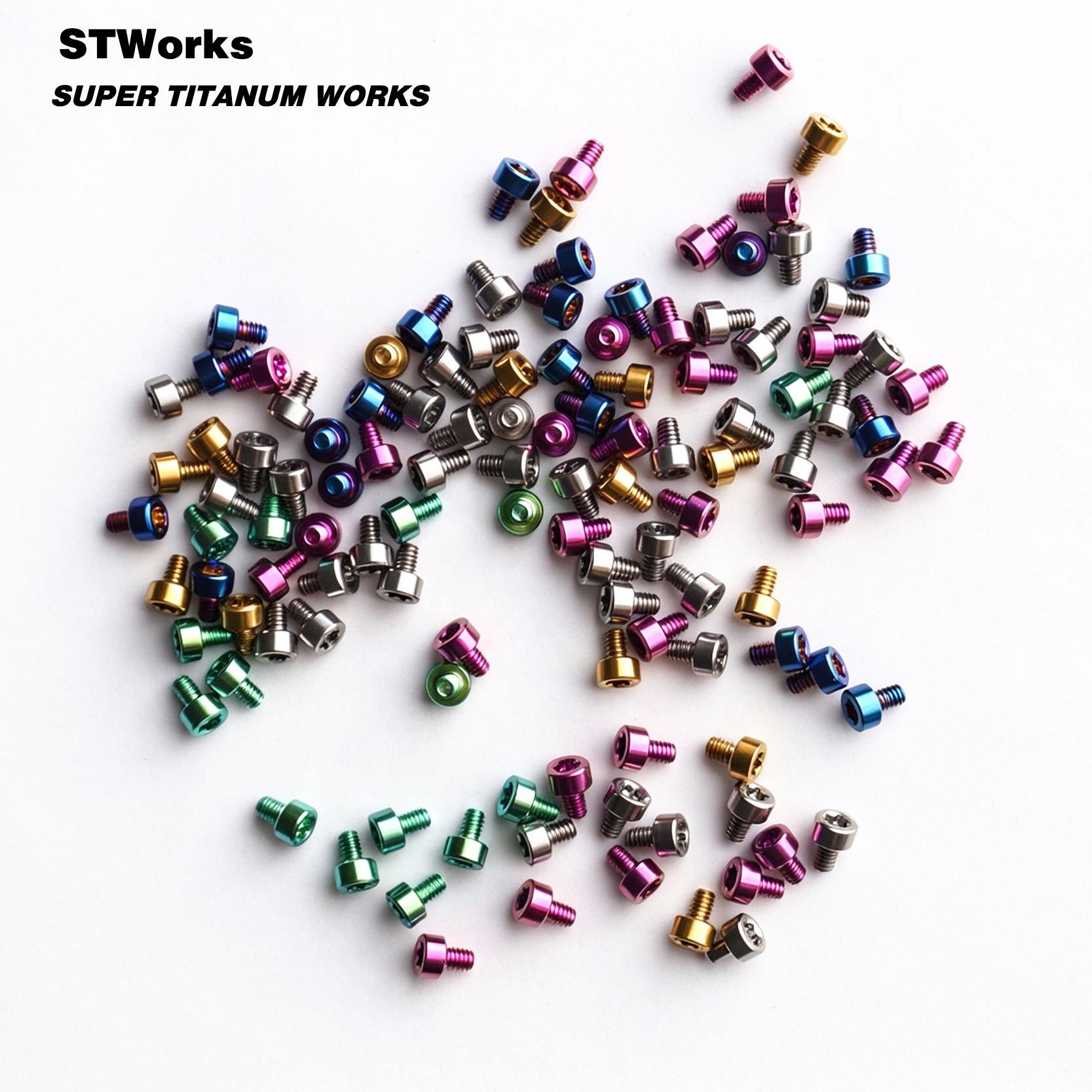
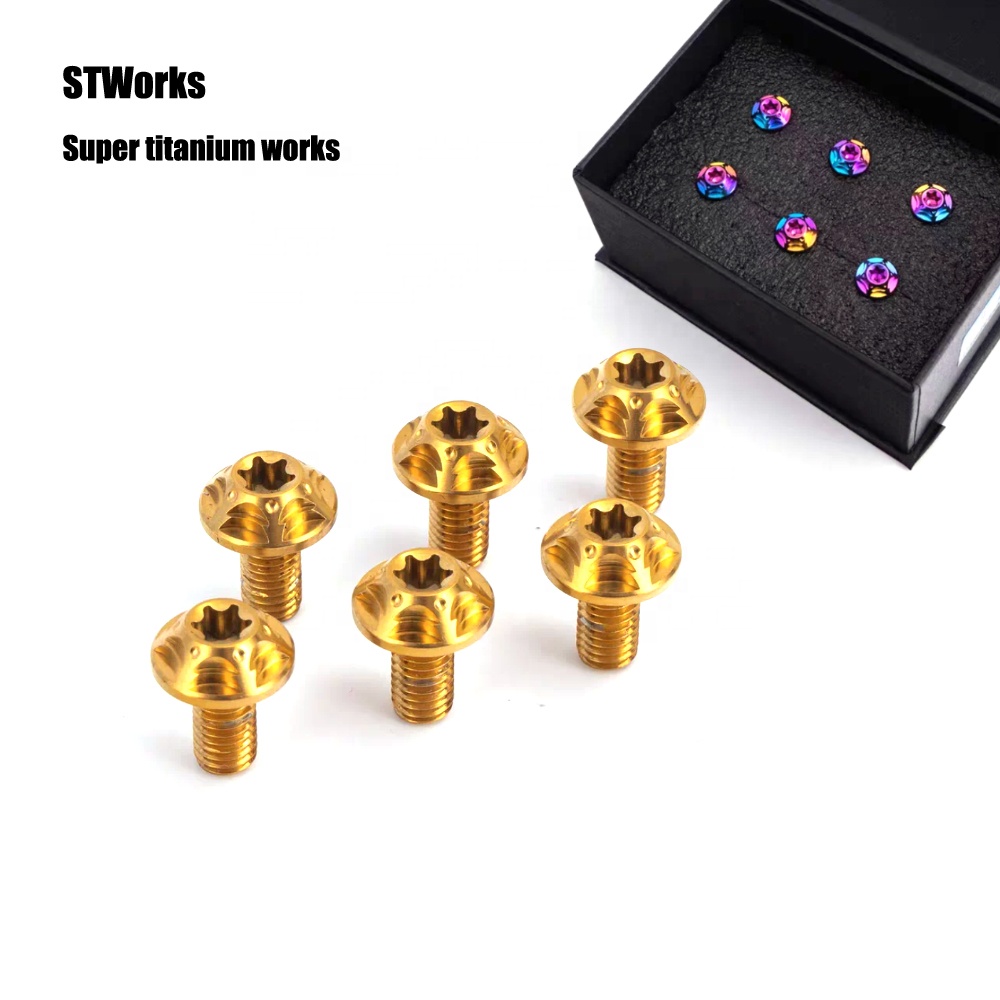
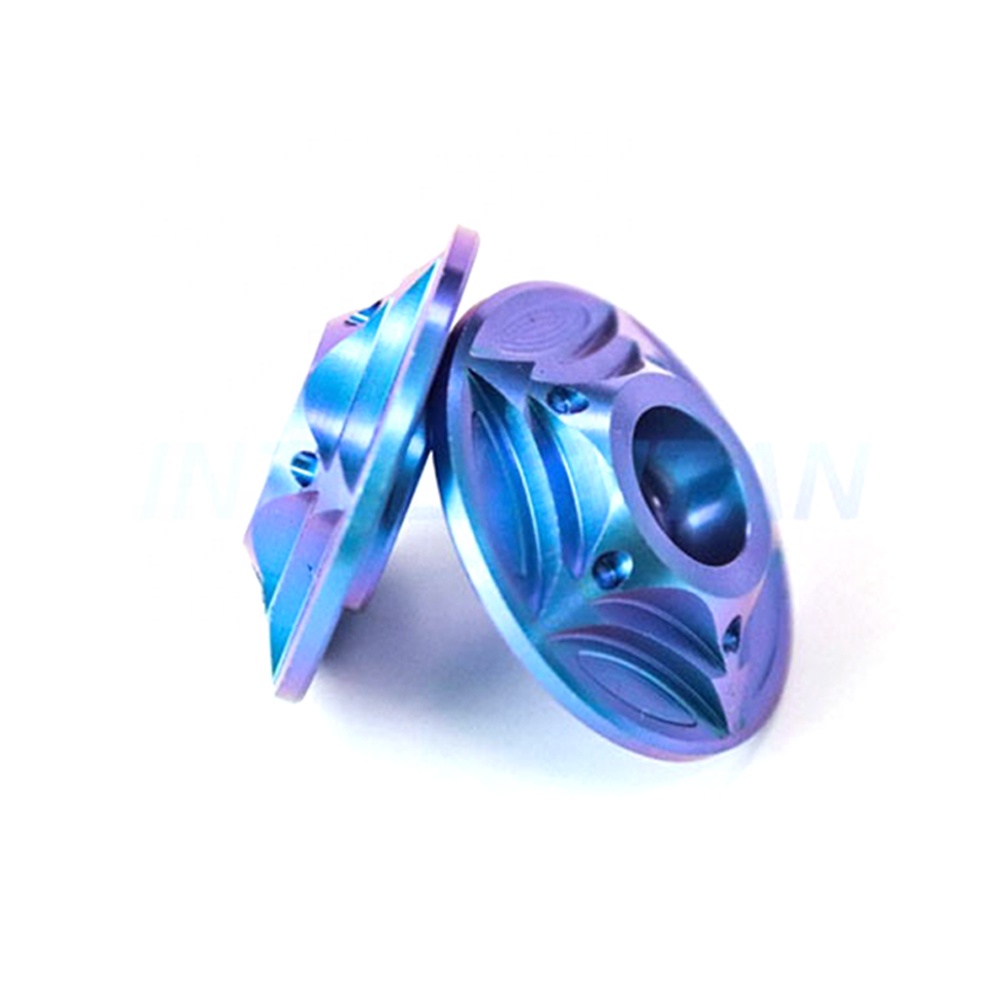
We offer natural ultra-smooth mechanical polishing, bead blasting (matte titanium finish), electrochemical anodizing (blue, purple, gold, green, bronze, and burnt rainbow), and physical vapor deposition (PVD) yielding ultra-hard TiN Gold, Rose Gold, TiCN, and DLC Black coatings.
What is your minimum order quantity (MOQ) for custom CAD designs?
For standardized thread sizes (M14, M16, M18, M20, M22, M24) in raw or anodized finishes, MOQs start as low as 50–100 pieces. For completely custom OEM designs derived from customer STEP/IGES/PDF mechanical drawings, our pilot tooling run is 100–200 pieces, scaling to tens of thousands for regular production contracts.
What documentation and certifications accompany B2B export shipments?
Every export shipment includes a Raw Material Test Certificate (EN 10204 3.1) showing chemical ingot composition and mechanical tensile data, an internal Certificate of Conformity (CoC), optical CMM inspection reports, and full commercial export customs paperwork.
Request a Custom Engineering Quote & Drawing Feasibility Review
Partner directly with Baoji's premier titanium CNC machining facility. Upload your CAD models (.STEP, .IGES, .DWG) or specify your nominal axle thread sizes, drive geometry, and finishing requirements. Our senior application engineers respond within 4 business hours.
Contact Us