High-Performance Titanium Hardware & Custom CNC Assemblies
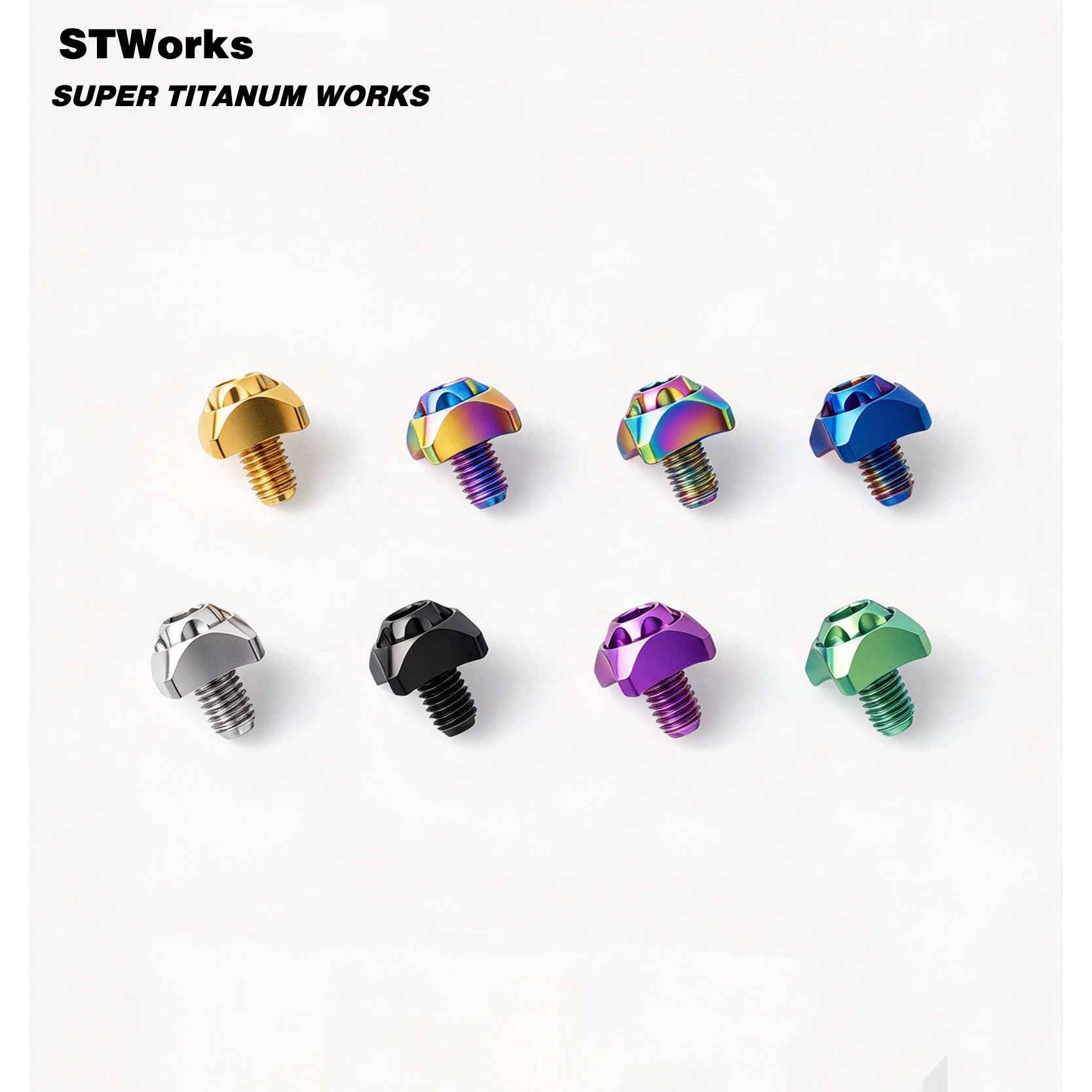
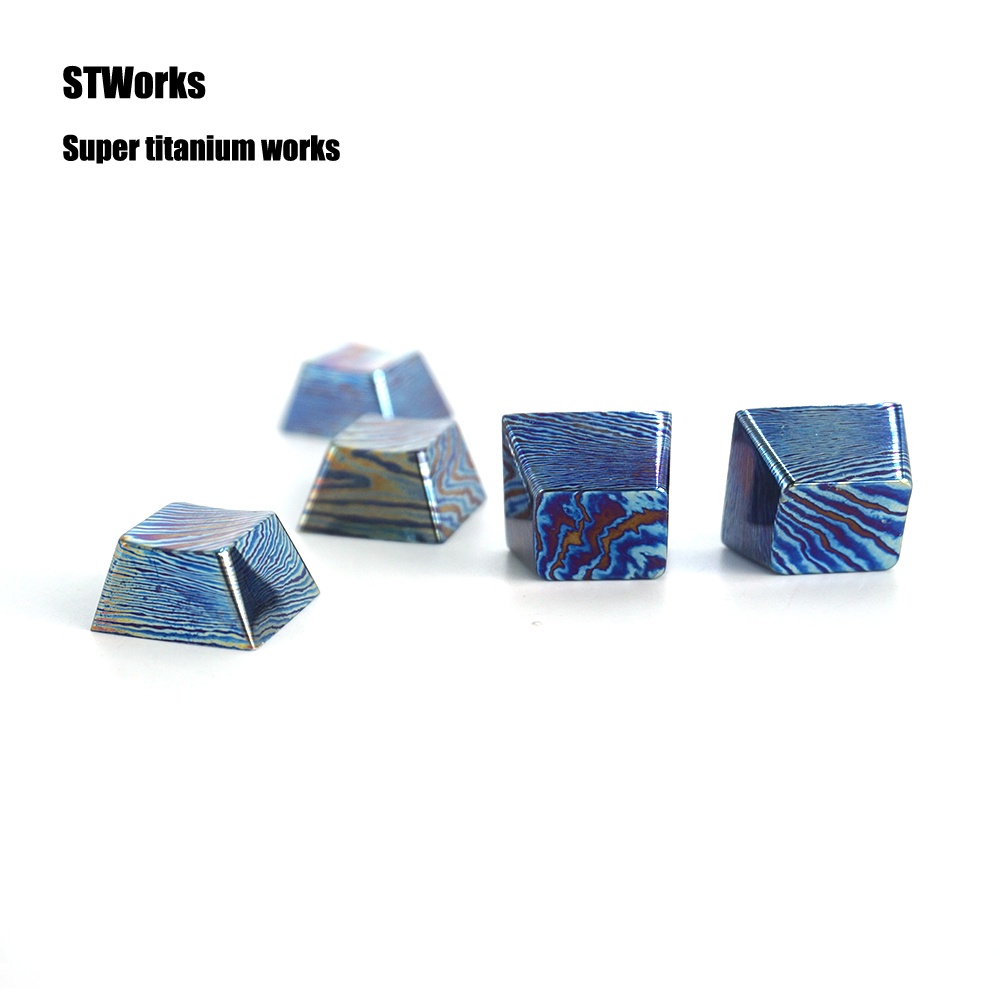
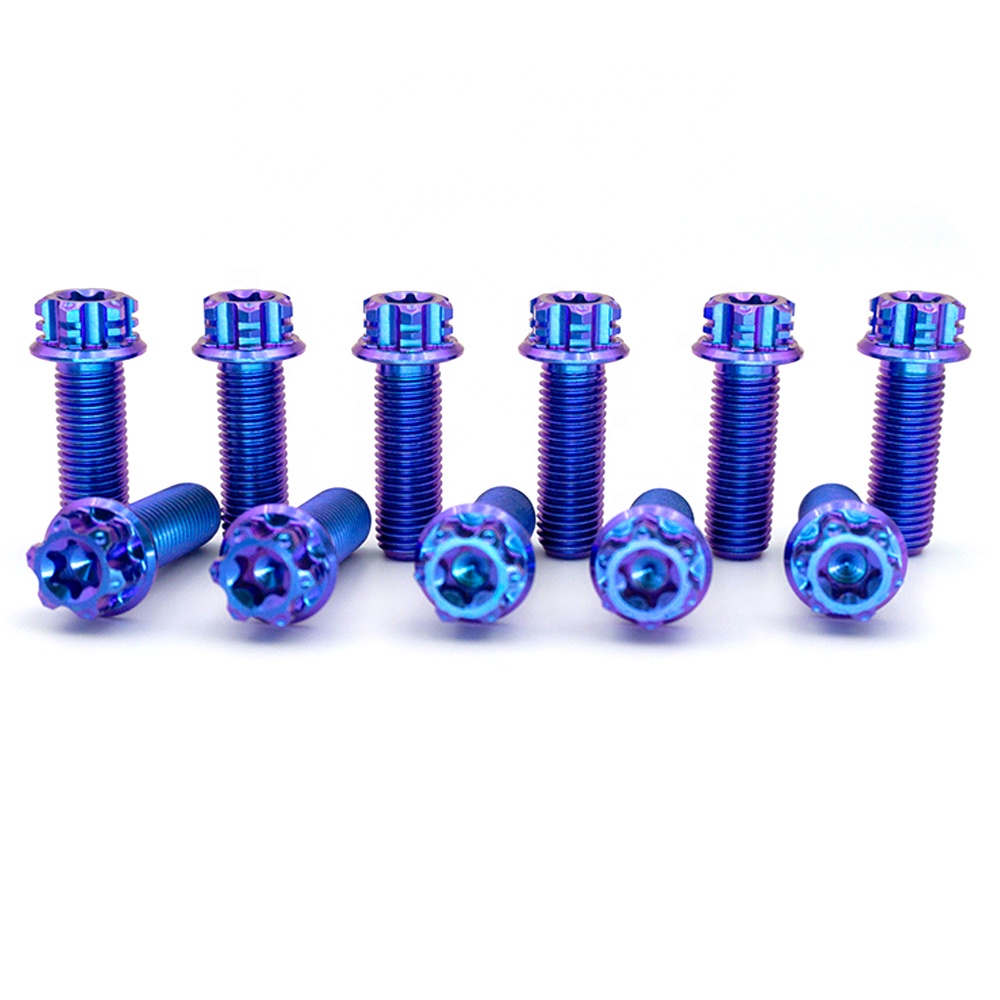
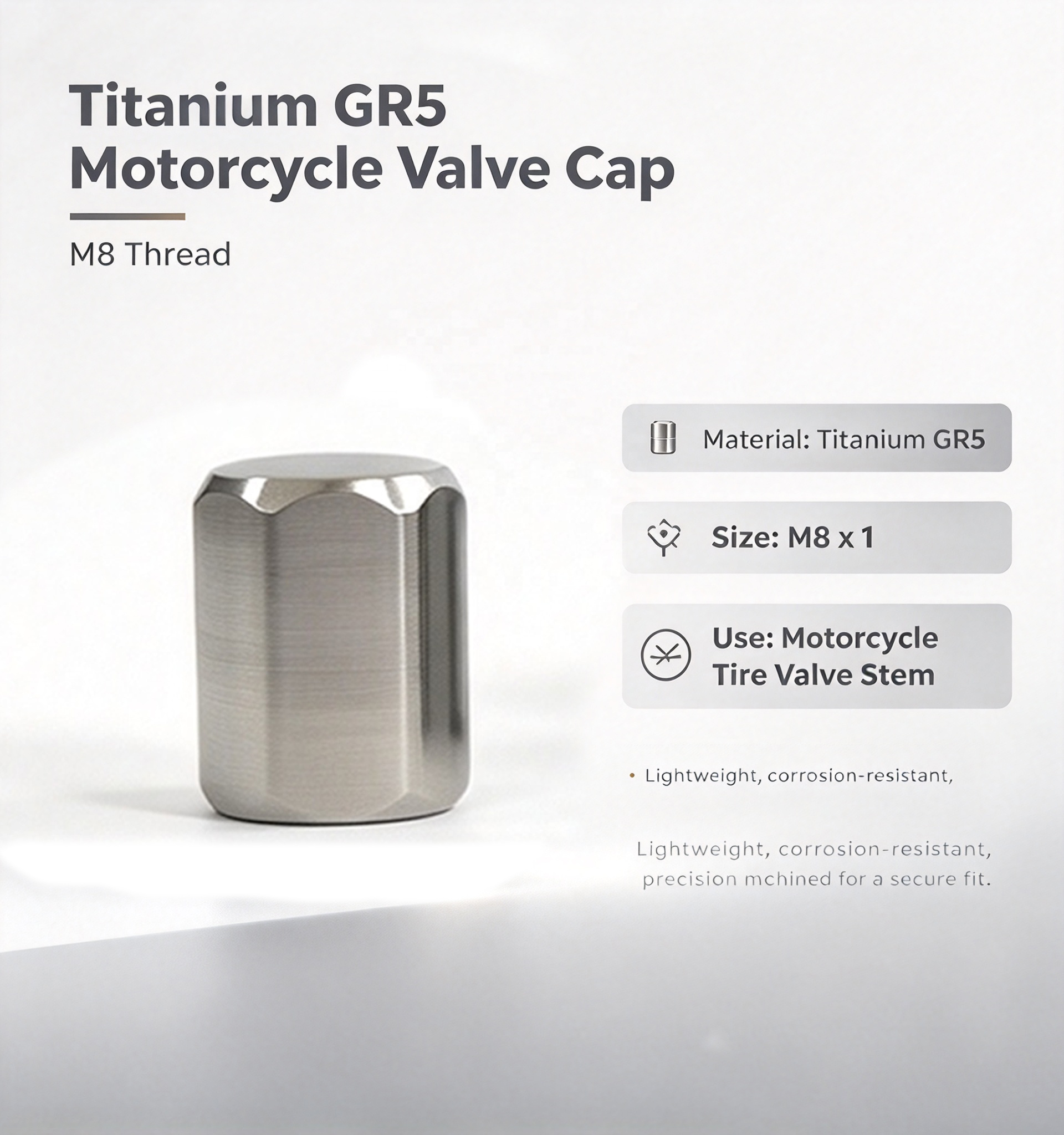
Direct from Baoji's dedicated titanium machining centers. Explore our factory-machined titanium Allen bolts, multi-function bracket systems, racing wheel hardware, and artisanal Timascus components.
The Engineering Metallurgy of Titanium Allen (Socket Head) Bolts
An authoritative examination of microstructural mechanics, cold-rolled threading dynamics, rotary broaching, and joint preload optimization for OEM purchasing managers and design engineers.
In high-stress mechanical engineering, the internal hex socket head cap screw—commonly referred to in international trade as the Titanium Allen Bolt (governed primarily by DIN 912, ISO 4762, and ASME/ANSI B18.3)—is a fundamental fastener solution. When weight reduction must not compromise structural integrity, industrial purchasers consistently transition from Class 8.8 and 10.9 structural alloy steels to Grade 5 Titanium (Ti-6Al-4V, UNS R56400, Werkstoff 3.7165). As China's premier specialized production cluster in Baoji develops advanced precision machining capabilities, understanding the engineering trade-offs of titanium Allen fasteners is vital for global supply chain leaders.
1. Microstructural Composition & Material Selection: Grade 5 vs. Commercially Pure
A primary error in international fastener procurement is treating titanium as a singular commodity. For structural Allen bolts subjected to dynamic cyclic loading, shear fatigue, and intense clamping preloads, Grade 5 (TC4 / Ti-6Al-4V) is mandatory. Grade 5 is an alpha-beta alloy containing 6% aluminum to stabilize the alpha phase and 4% vanadium to stabilize the beta phase. This combination produces a minimum tensile strength of 895 to 950 MPa and a yield strength exceeding 825 to 880 MPa.
In contrast, Grade 2 Commercially Pure (CP) Titanium possesses an unalloyed hexagonal close-packed (HCP) alpha crystalline structure. While it exhibits extraordinary chemical resistance against wet chlorine and marine chloride environments, its tensile strength (approx. 345 to 450 MPa) makes it unsuitable for high-load Allen socket fasteners. Grade 2 Allen bolts are prone to necking and tensile fracture at typical torque requirements. Our manufacturing facility in Baoji sources certified, double-melted and triple-melted Vacuum Arc Remelted (VAR) titanium bars, ensuring complete freedom from tungsten inclusions, interstitial nitrogen porosity, and segregation defects.
Engineering Rule of Clamping: Ti-6Al-4V Allen bolts offer an exceptional strength-to-weight ratio (density of 4.43 g/cm³ compared to 7.85 g/cm³ for structural steel), achieving roughly a 44% direct mass reduction. However, because titanium’s modulus of elasticity is approximately 114 GPa—roughly half that of steel (205 GPa)—a titanium bolt experiences twice the elongation under an equivalent tensile clamping force. This elasticity provides superior resistance against joint loosening under severe vibrational harmonic excitation, such as in motorcycle engine blocks and bicycle disc brake mounts.
| Mechanical & Physical Property | Gr5 Ti-6Al-4V Fasteners | Gr2 Pure Titanium | AISI 304 (A2-70) Stainless | Class 10.9 Alloy Steel |
|---|---|---|---|---|
| Density (g/cm³) | 4.43 (-44% vs Steel) | 4.51 | 7.93 | 7.85 |
| Ultimate Tensile Strength (MPa) | 950 – 1050 | 345 – 480 | 700 | 1040 |
| Yield Strength (0.2% Proof, MPa) | 880 – 920 | 275 – 310 | 450 | 940 |
| Modulus of Elasticity (GPa) | 114 | 103 | 193 | 206 |
| Elongation at Break (%) | 14 – 18 | 20 – 25 | 35 | 9 |
| Corrosion Resistance in Sea Water | Immune (<0.001 mm/yr) | Immune | Pitting Risk (CPT < 25°C) | Severe Rusting |
| Primary Sourcing Application | Racing, Aerospace, MTB, Marine | Chemical Processing Plugs | General Exterior Assembly | Heavy Automotive Frame |
2. Manufacturing Process Integrity: CNC Turning vs. Cold Thread Rolling
The manufacturing architecture of a titanium Allen bolt defines its operational fatigue life. Tier-1 buyers must distinguish between low-cost, fully cut-thread screws and professional cold-worked fasteners. When titanium bar stock is cut on a standard lathe to create thread peaks and valleys, the natural grain flow lines of the extruded metal are severed. This creates microscopic notch stresses at the thread roots, drastically reducing fatigue cycles under fluctuating mechanical loads.
At our Baoji production facility, all critical structural titanium Allen bolts utilize precision CNC shank profiling combined with cold-thread rolling. The thread profiles are formed under progressive hydrostatic die pressure, displacing the titanium crystalline grains along unbroken, continuous contours that follow the thread profile. This cold work hardening increases root hardness by 15% to 20%, yields superior Ra 0.4 surface smoothness, and boosts dynamic fatigue endurance by up to 300% compared to cut threads.
Furthermore, internal hexagonal sockets (the "Allen" drive) are manufactured using either high-precision CNC rotary broaching or wire EDM. Rotary broaching produces clean hex drive walls with accurate corner radii to ensure tight hex wrench engagement, eliminating stripping, rounding, and tool cam-out during high-torque robotic or manual assembly.
Emerging Procurement & Technological Trends in Titanium Fasteners
Strategic analysis of global supply line shifts, technical surface treatments, and procurement economics for the 2025–2030 industrial lifecycle.
1. Transition to Cold-Formed Heading
Global automotive and e-mobility brands are demanding high-speed warm and cold-heading for titanium bolts up to M10. Moving away from pure billet subtraction to multi-station heading reduces material scrap rates from 65% down to under 12%, significantly lowering unit costs for mass-market automotive implementation.
2. Anti-Galling PVD & MoS2 Coatings
Historically, titanium threads experienced severe galling (cold-welding) when mated into dry female threads under load. Sourcing specifications now favor thin-film functional coatings, including Physical Vapor Deposition (PVD) Diamond-Like Carbon (DLC), titanium nitride (TiN), and baked-on molybdenum disulfide (MoS2) dry lubricants.
3. Topology-Optimized Socket Designs
Finite Element Analysis (FEA) is driving demand for flanged, tapered, and hollow-core drilled Allen heads. By strategically removing non-load-bearing core material from the bolt head center, high-end motorsport and bicycle OEM customers shed an additional 12% to 18% weight without degrading ultimate yield strength.
4. Timascus & Artistic Metallurgy
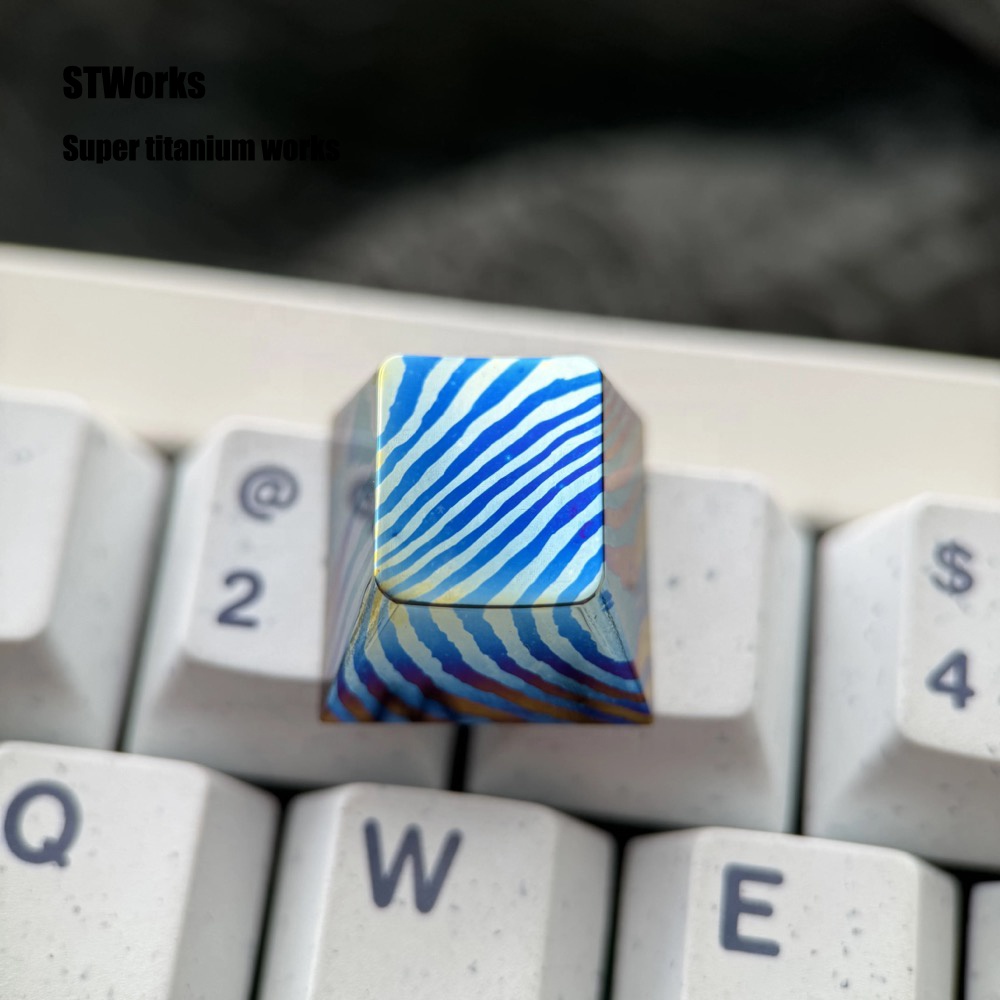
EDC (Everyday Carry), bespoke mechanical keyboards, and luxury watch hardware are driving rapid growth in Mokuti and Timascus materials. These diffusion-bonded, multi-layered Grade 2 and Grade 5 titanium composites offer stunning woodgrain patterns alongside structural integrity.
5. Digital Factory Inspection & Mill Traceability
Supply chain transparency has become non-negotiable. Modern procurement contracts require full material traceability conforming to EN 10204 Type 3.1 inspection certificates, coupled with batch-wise optical dimensional sorting and continuous in-process video feeds direct from China's shop floors.
6. Direct Baoji Cluster Sourcing
Western distributors are consolidating procurement by bypassing multiple tiers of export trading agents. Direct engagement with specialized Baoji factories enables rapid prototyping, custom thread lead angles, bespoke laser branding, and stable long-term volume agreements.
Why Partner with Velnora Titanium in Baoji, China
Combining the metallurgical capital of China's Titanium Valley with Swiss-type multi-axis CNC machining, rigorous quality control, and streamlined global export logistics.
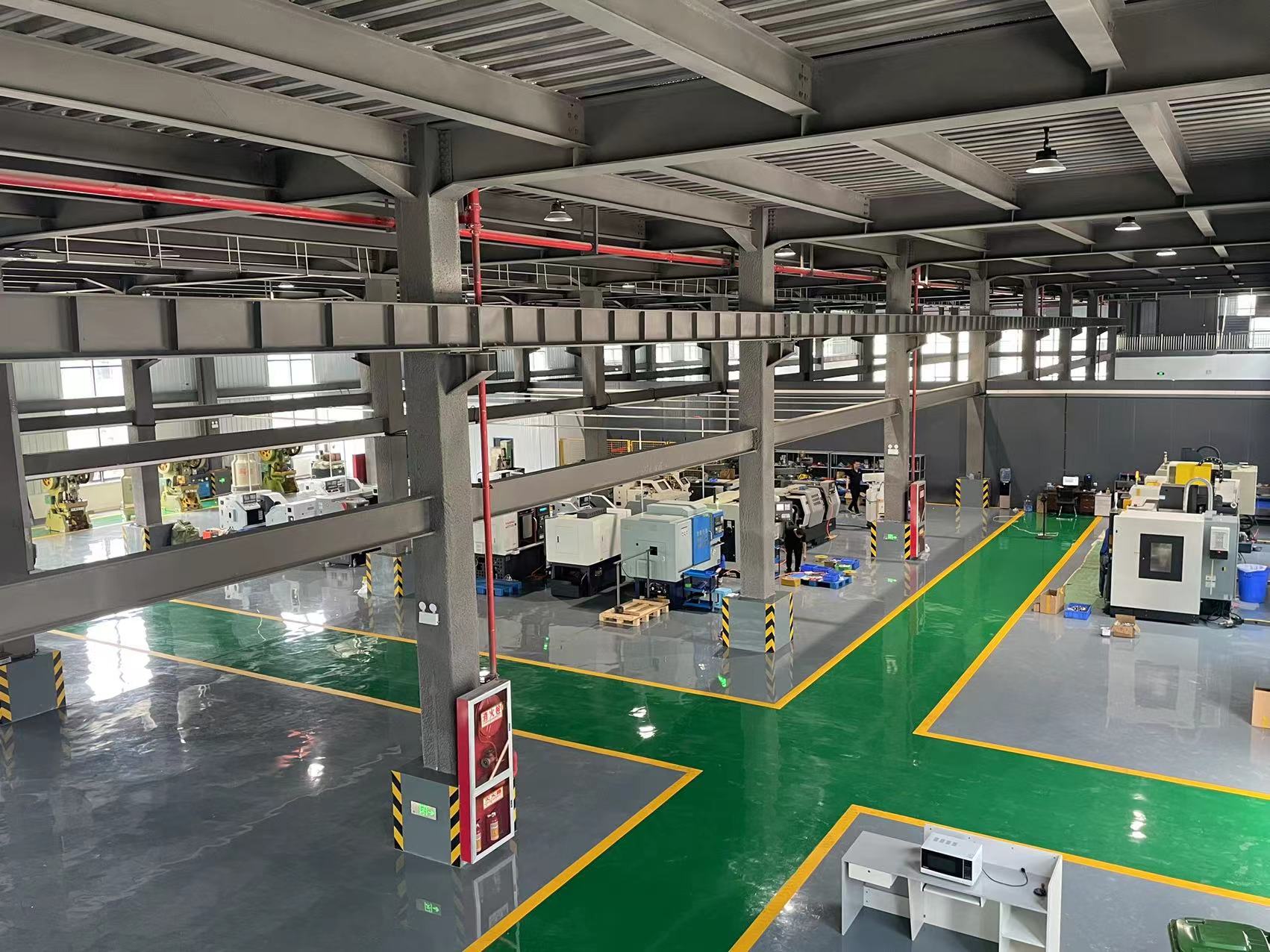
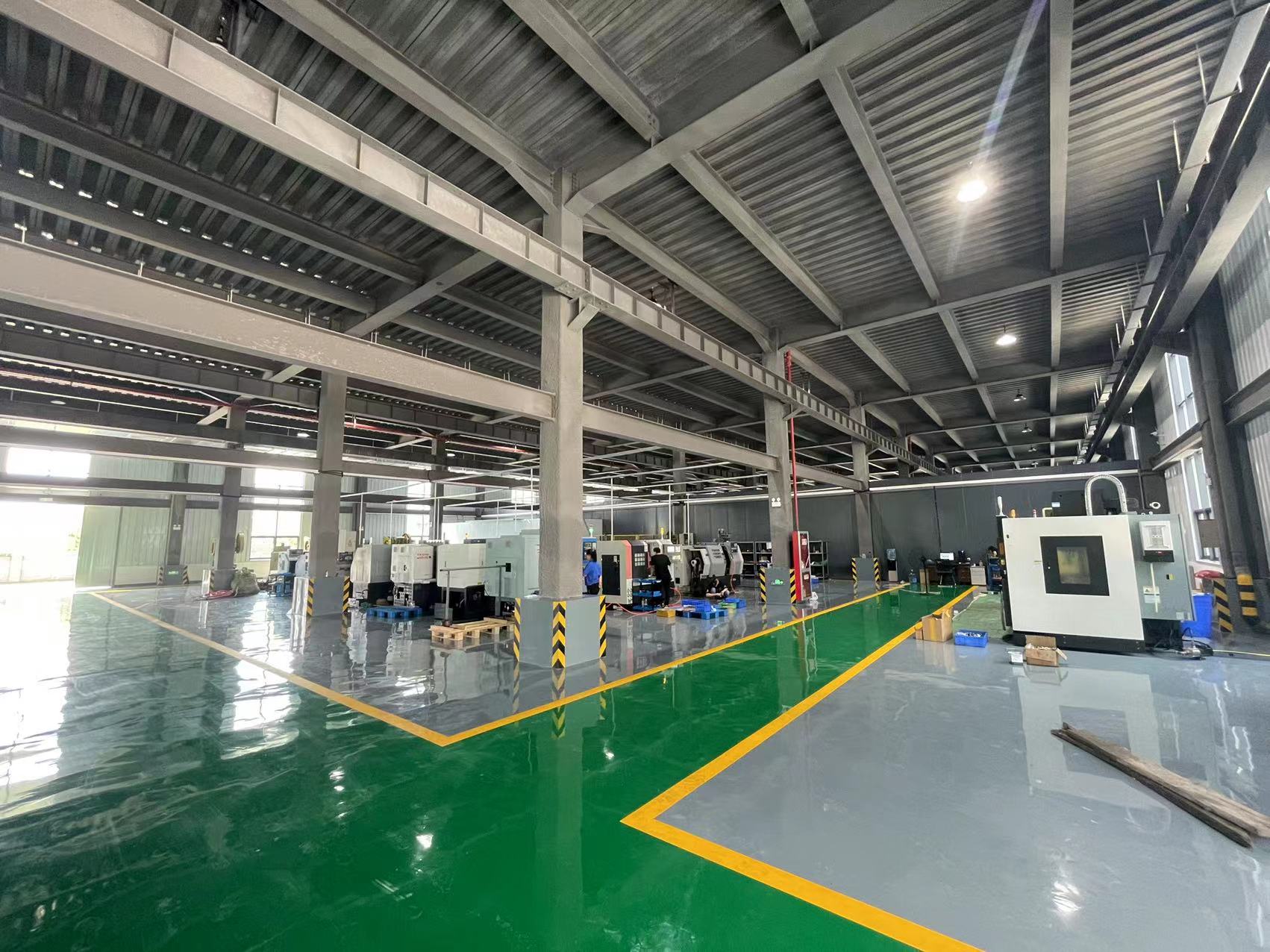
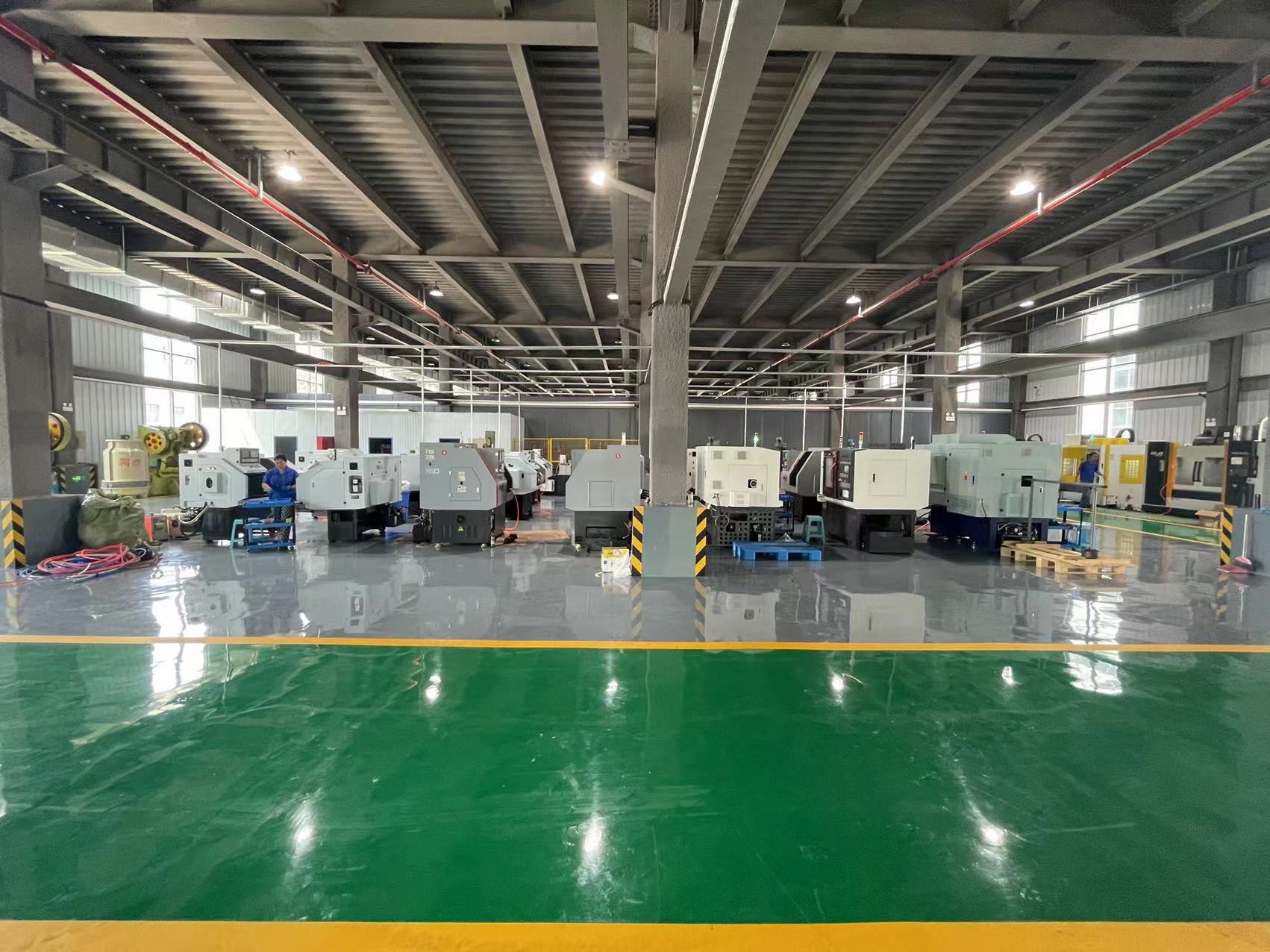
Located in the heart of the Jinhe Industrial Park in Baoji, Shaanxi Province, Velnora Titanium Industry Co., Ltd. has established an integrated production system for precision titanium fasteners and custom CNC components since 2013. Sourcing titanium directly from Baoji gives our global customers distinct commercial and technical advantages:
Integrated Metallurgy Chain
Direct supply partnerships with local sponge titanium reduction and vacuum consumable electrode smelting plants allow us to secure strictly certified Grade 5 titanium bar stock with consistent microstructures and complete lot traceability.
Zero-Defect Quality Assurance
Every shipment is verified against strict dimensional, concentricity, and pitch tolerances. We utilize Mitutoyo digital micrometers, optical profile comparators, go/no-go plug gauges, and in-house Rockwell/Vickers hardness testers.
Live Production Video Verification
To eliminate international sourcing uncertainty, we provide clients with detailed CNC machining photos and high-resolution video documentation throughout production runs, ensuring full transparency before orders leave our facility.
Frequently Asked Questions: Sourcing Titanium Allen Bolts
In-depth engineering answers addressing thread galling, torque tension relationships, grade substitution limits, and manufacturing tolerances.
Why do titanium Allen bolts require rolled threads rather than cut threads in structural applications? +
What causes thread galling in titanium socket screws, and how can it be prevented? +
Can a Grade 5 titanium Allen bolt directly replace a Class 10.9 or 12.9 steel bolt? +
How does voltage control color during titanium anodization, and does it change bolt tolerances? +
What quality certifications and inspection reports are supplied with titanium bolt orders? +
What are the typical MOQs, prototyping lead times, and OEM customization capabilities? +
How do temperature variations affect clamping preload in titanium bolted assemblies? +
Connect Directly with Our Titanium Fastener Engineers
Send your drawings (STEP, IGES, PDF) or fastener specifications (thread pitch, length, grade, drive style). Our technical engineering team in Baoji reviews tolerances and responds with a detailed quote within 4 business hours.